
Key Takeaways
Long wave infrared is the dominant thermal imaging technology for defense, drone, and industrial OEM applications — and understanding it is fundamental to building competitive systems.
- Long wave infrared (LWIR) operates in the 8–14 µm wavelength range, detecting thermal radiation from ambient-temperature objects without external light or cryogenic cooling
- Uncooled LWIR systems offer compelling advantages in cost, SWaP (size, weight, power), and integration simplicity for drone payloads, vehicle-mounted platforms, and continuous industrial monitoring
- LWIR imaging outperforms visible-light and MWIR alternatives in smoke, fog, and complete darkness across a wide range of surveillance and monitoring applications
- Selecting the right LWIR optical system requires evaluating detector configuration, optics materials, environmental requirements, and a supply chain that won't leave your program exposed
The right long wave infrared partner can shorten development cycles, improve system performance, and reduce total lifecycle cost — start that conversation before you finalize your architecture.
When engineers and program managers begin specifying a thermal imaging platform, one acronym comes up immediately: LWIR. And for good reason. Long wave infrared technology is the workhorse of thermal detection in defense, surveillance, industrial monitoring, and drone payloads — covering the vast majority of scenarios where platforms need to detect people, vehicles, or equipment operating at ambient temperatures.
The global infrared imaging market is projected to grow from $8.61 billion in 2025 to $11.65 billion by 2030, with uncooled technology holding the dominant share driven by demand across defense, industrial automation, and surveillance. That sustained growth reflects how central this technology has become to the systems OEMs are building today. Explore how long wave infrared solutions are applied across thermal imaging platforms to understand the breadth of what's possible before diving into the specifics.
This guide breaks down what long wave infrared imaging means in practical terms — how it works, where it performs best, how it compares to MWIR, and what OEMs and system integrators need to evaluate when specifying solutions for demanding platforms.
What Is Long Wave Infrared Imaging?
Long wave infrared imaging captures thermal radiation in the 8 to 14 micrometer wavelength range of the electromagnetic spectrum. This specific band matters because it aligns naturally with the peak thermal emission of everyday objects. People, vehicles, buildings, and industrial equipment operating at or near ambient temperatures all radiate most of their heat energy right in this range, making LWIR imaging well-suited to detecting them without requiring those objects to be unusually hot.
LWIR imaging operates passively, detecting heat that objects already emit rather than relying on reflected light or active illumination. That distinction has major operational implications. Your platform sees thermal signatures in complete darkness, through overcast skies, and in enclosed spaces with zero visible light. Because these systems emit no signal of their own, there's no electromagnetic footprint to compromise operational security — a meaningful advantage for surveillance and defense applications.
Most long wave infrared systems use uncooled microbolometer detectors fabricated from materials like vanadium oxide. When infrared radiation strikes the detector, it changes the material's electrical resistance, and sophisticated readout electronics translate those resistance changes into calibrated thermal images. Because these detectors operate at room temperature, your system avoids the complexity, power draw, and maintenance requirements of cryogenic cooling. That characteristic makes long wave infrared particularly well-suited to platforms with strict SWaP constraints.
How the Infrared Spectrum Breaks Down
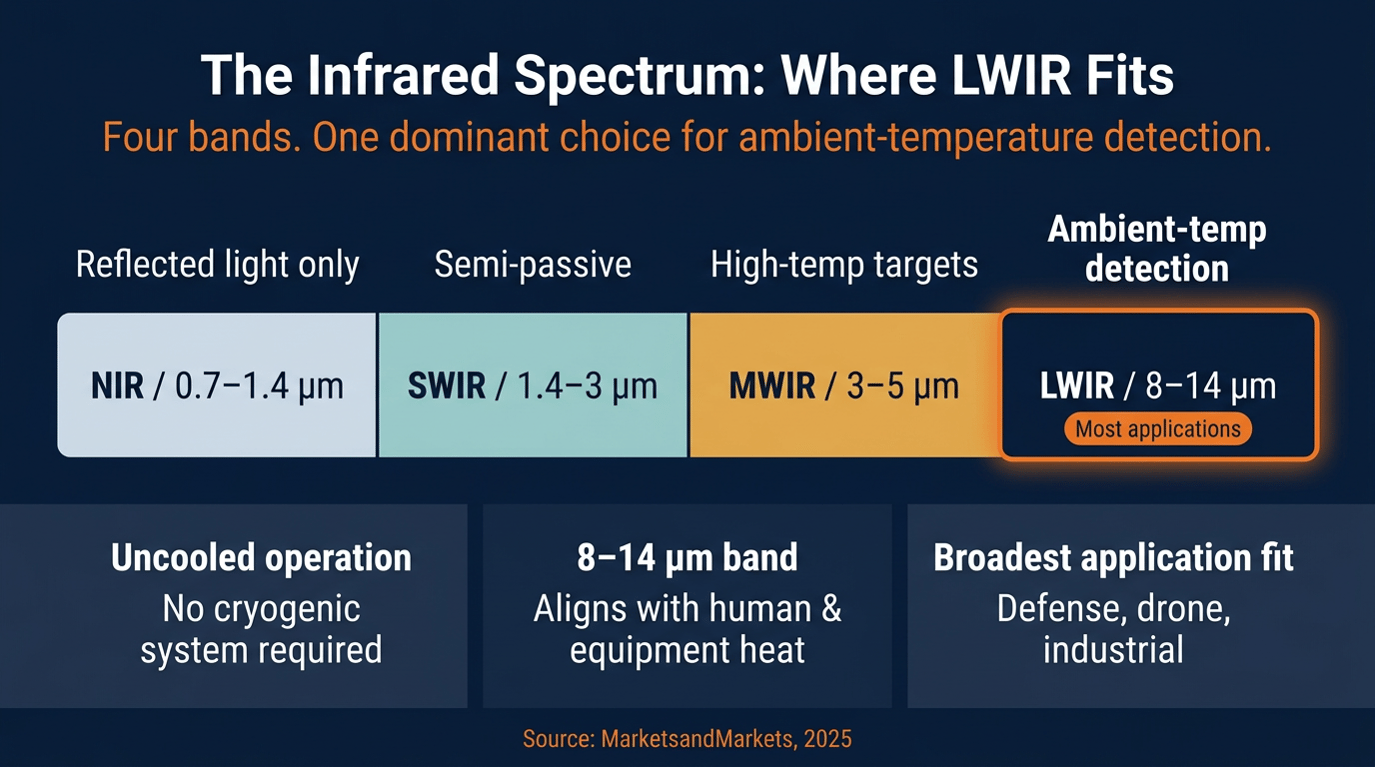
Understanding where long wave infrared sits relative to other spectral bands helps clarify why it fits the broadest range of thermal applications:
|
Spectral Band |
Wavelength Range |
Primary Characteristics |
|
Near-Infrared (NIR) |
0.7–1.4 µm |
Reflected light only; requires active illumination; not thermal imaging |
|
Short-Wave Infrared (SWIR) |
1.4–3 µm |
Semi-passive; limited thermal sensitivity at ambient temps |
|
Mid-Wave Infrared (MWIR) |
3–5 µm |
High-temperature target detection; typically requires cryogenic cooling |
|
Long-Wave Infrared (LWIR) |
8–14 µm |
Ambient-temperature thermal detection; uncooled operation; broadest application fit |
The LWIR band also benefits from a relatively clear atmospheric transmission window. Common atmospheric gases that absorb energy in other infrared bands allow long wave infrared radiation to pass through with less attenuation, supporting reliable thermal detection across a wider range of weather and visibility conditions.
How Does LWIR Compare to MWIR?
This is the most practical technology question program managers and engineers face early in any thermal imaging program. Both technologies detect heat, but they operate in different spectral bands with very different implications for system architecture, integration complexity, and program cost.
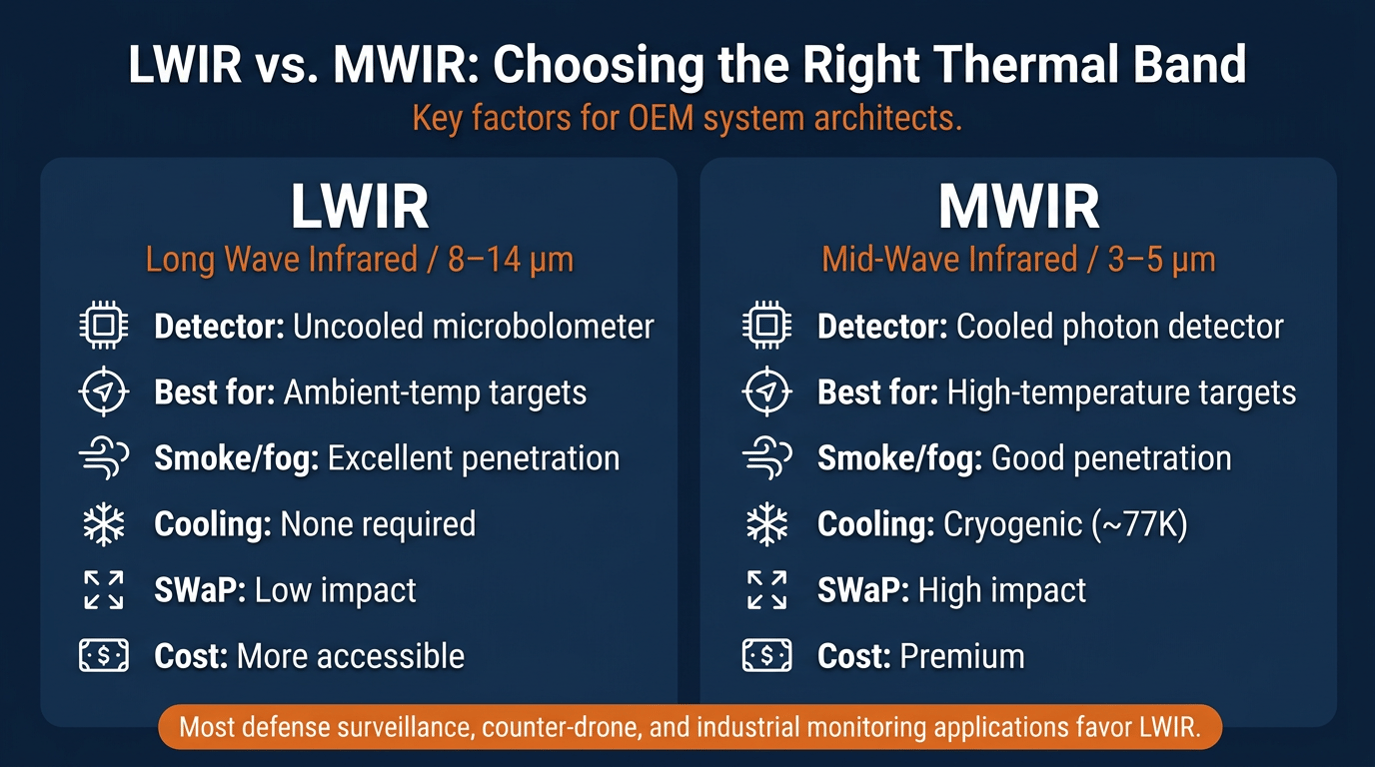
MWIR imaging operates in the 3 to 5 µm range and excels at detecting objects significantly above ambient temperature — hot exhaust plumes, engine heat signatures, elevated-temperature industrial processes. Hotter objects radiate more energy at shorter wavelengths, giving MWIR excellent contrast when imaging high-temperature targets. The trade-off is that most MWIR detectors require cryogenic cooling, typically using Stirling coolers operating around 77 Kelvin. That means added weight, power draw, mechanical complexity, and maintenance requirements that matter significantly for drone payloads and field-deployed platforms.
For the majority of surveillance, perimeter security, counter-drone, and industrial monitoring applications, long wave infrared delivers the performance you need at substantially lower system complexity and cost. Understanding this distinction early shapes the LWIR vs. MWIR technology decision in ways that affect architecture, sourcing, and cost structure for the life of your program.
|
Factor |
LWIR Imaging |
MWIR Imaging |
|
Wavelength Range |
8–14 µm |
3–5 µm |
|
Detector Type |
Uncooled microbolometers |
Cooled photon detectors |
|
Best For |
Ambient-temperature objects (people, vehicles, equipment) |
High-temperature targets (engines, exhaust, furnaces) |
|
Smoke/Fog Performance |
Excellent |
Good |
|
Cooling Requirement |
None |
Cryogenic (~77K) |
|
SWaP Impact |
Low |
High |
|
Integration Complexity |
Low |
High |
Where Does Long Wave Infrared Deliver the Most Value?
Long wave infrared technology has proven its capabilities across a broad range of demanding environments. These aren't theoretical use cases — they're active deployment scenarios where precision thermal imaging systems are enabling mission-critical performance across defense, drone, and industrial markets.
Defense, Surveillance, and ISR
Defense applications have driven long wave infrared adoption for decades, and the technology continues to evolve in step with increasingly demanding mission requirements. Perimeter security systems, intelligence, surveillance, and reconnaissance (ISR) platforms, vehicle-mounted situational awareness systems, and counter-UAS detection all rely on the reliable ambient-temperature detection that LWIR provides.
One of the most significant performance advantages in defense contexts is what doesn't happen: LWIR systems emit no light, no RF signal, and no thermal signature of their own. That passive detection posture is particularly valuable in surveillance and border security applications where revealing the sensor's presence would compromise the mission. Global military spending reached $2.7 trillion in 2024 — the highest level ever recorded and the steepest single-year rise since the end of the Cold War — reflecting sustained global investment in advanced detection and surveillance capabilities. Aerospace and defense thermal imaging programs increasingly require systems that meet rigorous MIL-STD environmental specifications, wide operating temperature ranges, and protection from airborne contaminants in addition to core imaging performance.
Drone and UAV Payloads
Drone-mounted thermal imaging is one of the fastest-growing application segments for long wave infrared technology, and it's where the SWaP advantages of uncooled systems matter most. Every gram of payload weight and every watt of power consumption directly affects mission endurance. Uncooled systems eliminate the weight and power overhead of cryogenic cooling while delivering reliable thermal detection for surveillance, border patrol, search and rescue, and counter-drone missions.
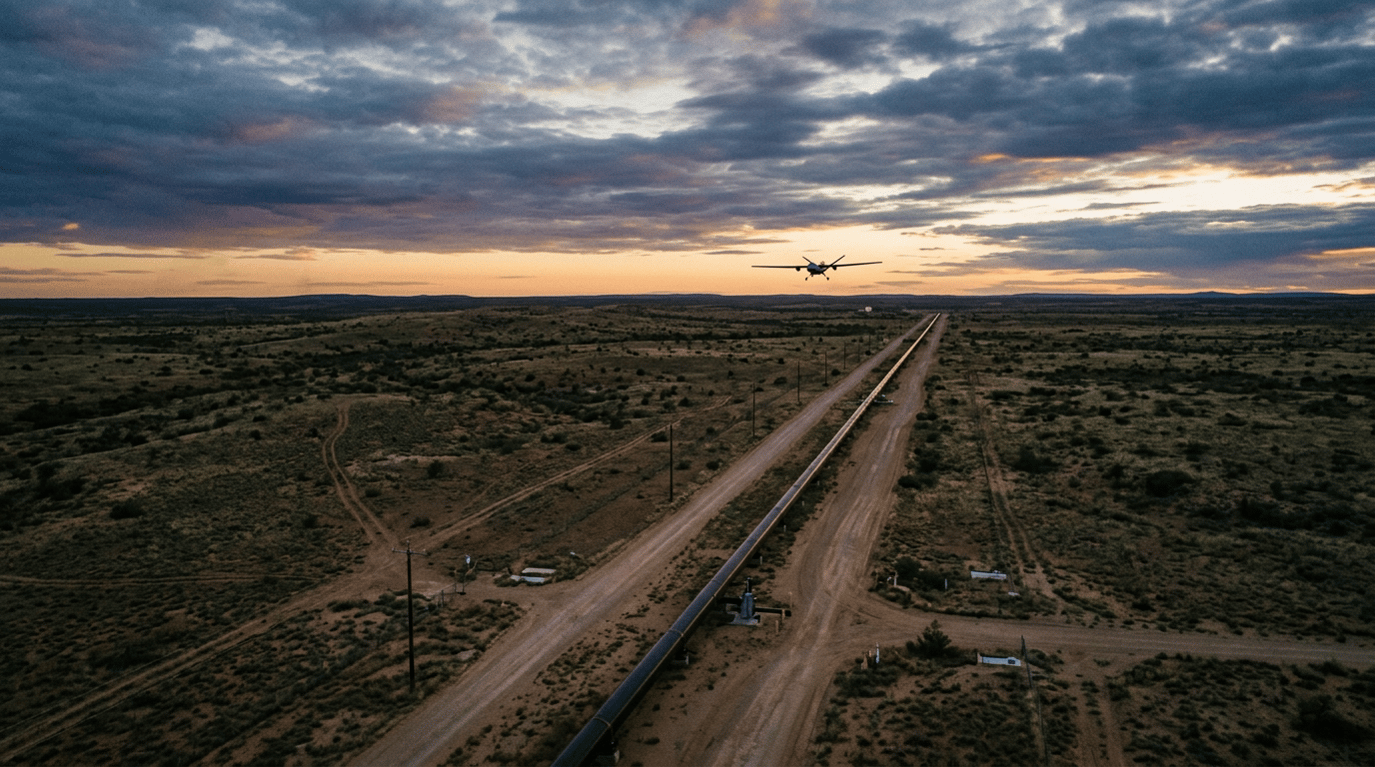
The engineering challenge for drone OEMs goes well beyond selecting a detector. The complete optical assembly, housing design, vibration isolation, and interface implementation all determine whether the system delivers stable imagery under the motion and thermal cycling of actual flight operations. Designing a drone-mounted thermal payload requires evaluating the full system architecture — from optics and detector configuration through mechanical integration — early in the design process, before constraints become costly to work around.
Industrial Monitoring and Predictive Maintenance
Industrial facilities present some of the most demanding continuous-operation requirements for thermal imaging. Electrical panels, rotating equipment, transformers, and production monitoring run around the clock, and the thermal anomalies that indicate developing failures often appear at temperature differentials well within long wave infrared detection sensitivity.
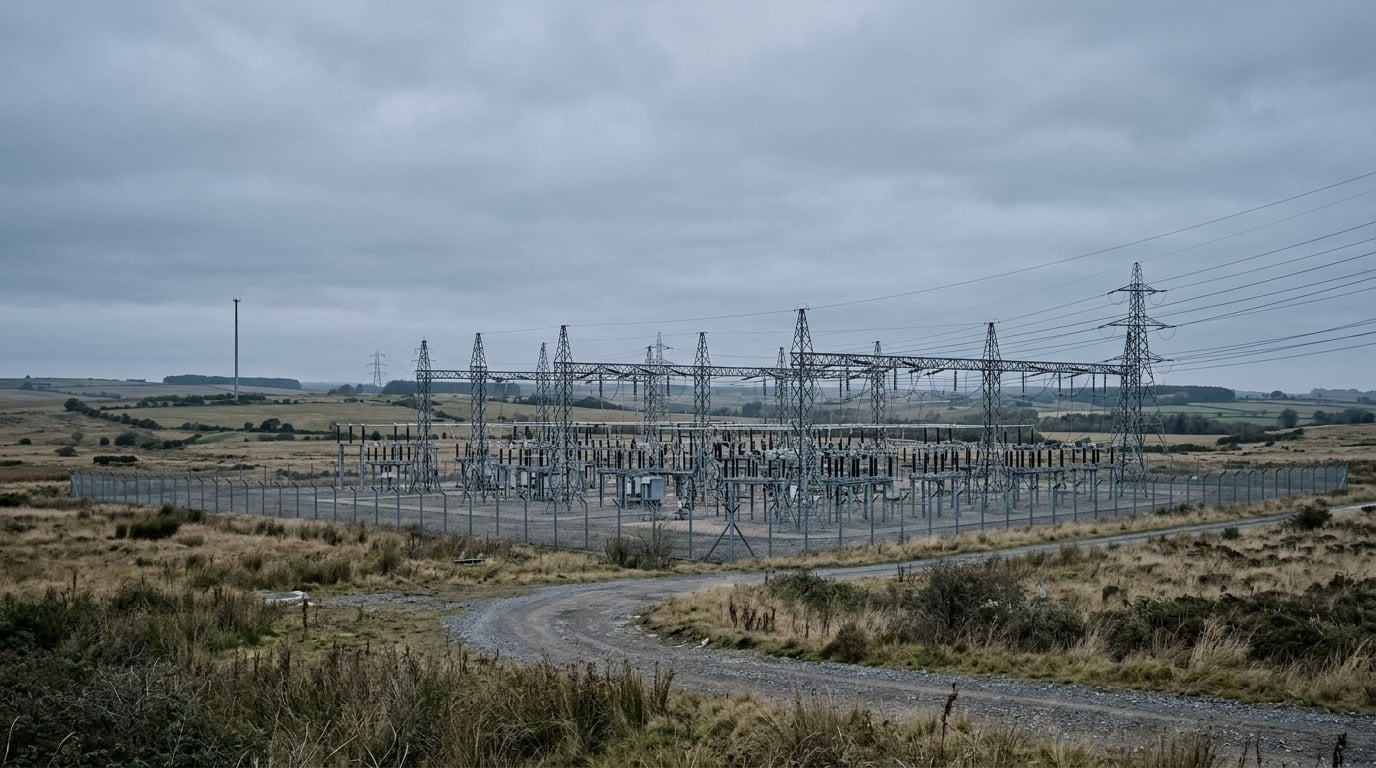
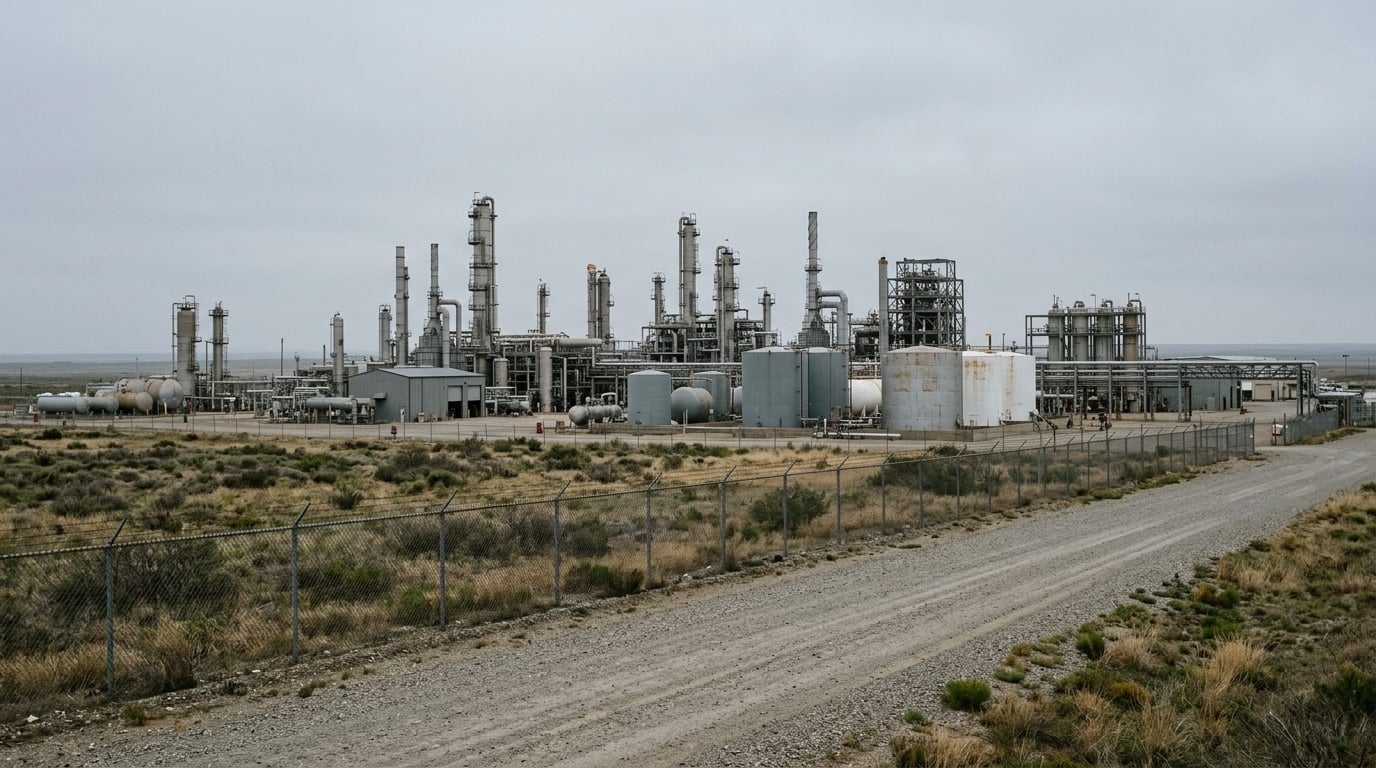
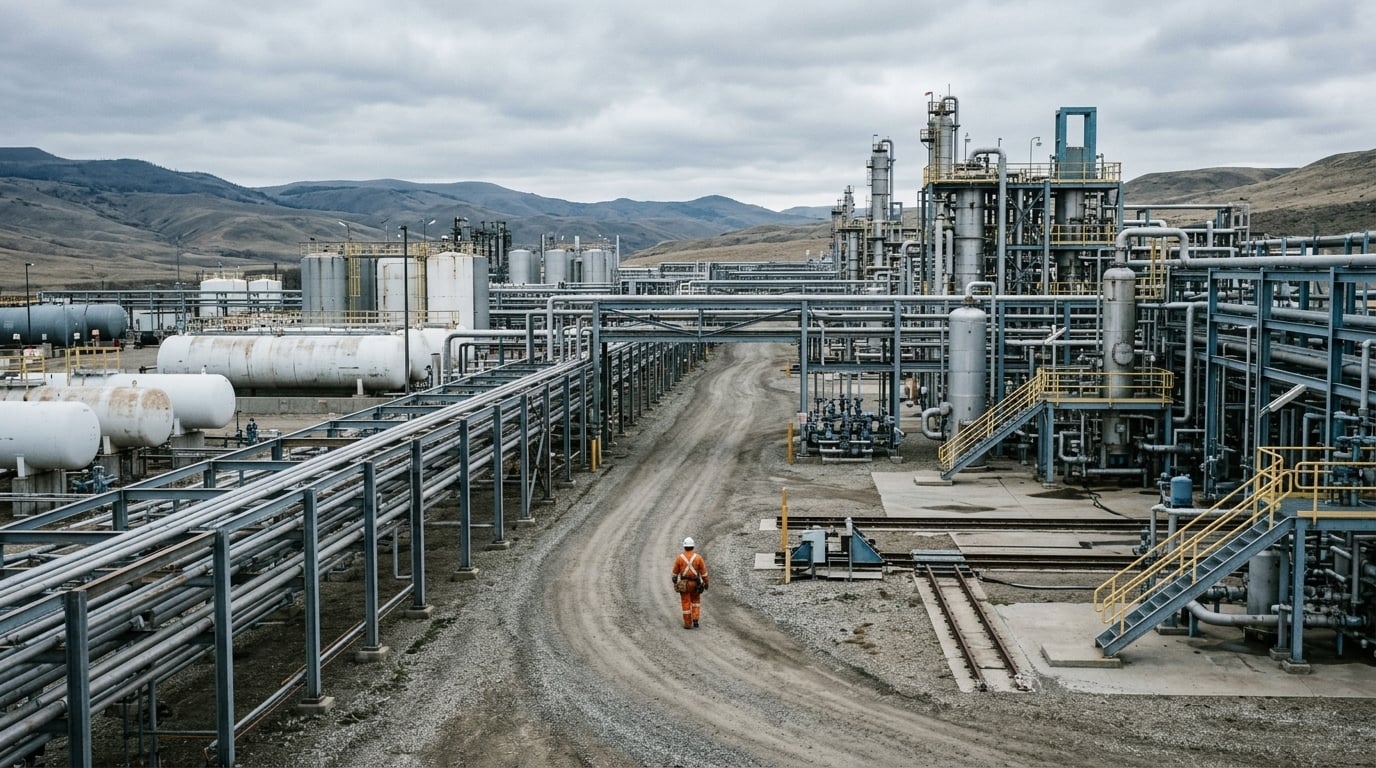
Thermal monitoring programs for industrial predictive maintenance have demonstrated the ability to identify developing fault conditions before they escalate to unplanned failures — delivering measurable reductions in maintenance costs and downtime across manufacturing, energy, and chemical processing environments. Uncooled systems are particularly well-suited to these installations because they operate continuously without scheduled maintenance interruptions for cooler servicing. For energy facilities managing extensive transmission infrastructure or chemical production lines, industrial thermal imaging solutions built on long wave infrared optical systems provide the persistent, non-contact monitoring capability that keeps operations running efficiently.
Five Key LWIR Application Areas at a Glance
Long wave infrared technology consistently delivers across these high-impact deployment scenarios:
- Defense surveillance and ISR — passive nighttime detection, all-weather performance, and covert operation without active illumination
- Counter-drone systems — wide-area thermal detection of small UAS with no lighting dependency
- Drone and UAV payloads — lightweight uncooled systems optimized for SWaP constraints and payload integration
- Industrial predictive maintenance — continuous thermal monitoring of electrical, mechanical, and process equipment at ambient temperatures
- Critical infrastructure and perimeter security — long-range, all-weather detection for facilities requiring 24/7 coverage
What Makes a Strong Long Wave Infrared Optical System?
Selecting a long wave infrared solution is about more than choosing a detector. The optical assembly determines whether a system achieves its theoretical performance in the field, and several factors that don't appear on basic spec sheets drive real-world outcomes.
Optics materials are a more consequential decision than many program managers initially recognize. Germanium has long been the standard for LWIR lenses due to its excellent transmission across the 8–14 µm band, but supply chain concentration creates meaningful risk for programs with multi-year production horizons. Chalcogenide glass alternatives — including precision-moldable formulations that can be produced domestically — deliver comparable optical performance with significantly better supply stability and long-term cost structures, and they're worth evaluating before finalizing your component architecture.
Detector and lens matching matters equally. Athermalization for wide operating temperature ranges, anti-reflection coating performance across the target waveband, and cold-shield efficiency in cooled configurations all contribute to whether a system's field performance matches its rated specification. These areas reward custom engineering from an experienced partner over adapting off-the-shelf assemblies.
Environmental qualification separates systems designed for field deployment from those that pass lab acceptance testing. Long wave infrared systems for defense applications typically require MIL-STD shock, vibration, and thermal cycling qualification. Industrial deployments require IP ratings, corrosion resistance, and often safety certifications for hazardous area installations. Working with a manufacturing partner who brings qualification experience means fewer program surprises during final integration.
The LWIR camera selection process also involves understanding the full program lifecycle: volume requirements, calibration and test protocols, environmental qualification planning, and the level of engineering support your team will need through integration and into production.
Frequently Asked Questions About Long Wave Infrared Imaging
What is the wavelength range for long wave infrared imaging?
LWIR operates in the 8 to 14 micrometer spectral band. This range aligns with peak thermal emission from objects at ambient temperatures, making long wave infrared imaging effective for detecting people, vehicles, machinery, and other targets without external lighting or elevated target temperatures.
Does long wave infrared imaging work in complete darkness?
Yes. LWIR systems detect heat emitted by objects rather than reflected light, so they operate fully in complete darkness. Lighting conditions have no effect on long wave infrared imaging performance.
What is the practical difference between LWIR and MWIR cameras?
LWIR operates in the 8–14 µm range using uncooled detectors suited to ambient-temperature objects. MWIR operates in the 3–5 µm range, typically requires cryogenic cooling, and delivers superior contrast when imaging high-temperature targets. For most surveillance, monitoring, and counter-drone applications, LWIR provides a better performance-to-cost tradeoff. MWIR becomes the stronger choice for applications specifically requiring detection of high-heat-signature targets at extended range.
Why are uncooled LWIR systems preferred for drone payloads?
Uncooled LWIR detectors operate at ambient temperature, eliminating the weight, power consumption, and mechanical complexity of cryogenic coolers. For drone platforms where payload weight and power draw directly affect mission endurance, that advantage is significant. Uncooled systems also have fewer moving parts, improving reliability in the vibration and thermal cycling environment of UAV operations.
Can LWIR imaging see through walls or solid objects?
No. While long wave infrared penetrates smoke, fog, and airborne particulates effectively, solid materials block thermal radiation. LWIR cameras detect surface temperatures and can reveal heat sources that warm thin surfaces from behind, but that represents surface temperature mapping rather than true through-wall detection.
Build Your Next Platform on Proven Long Wave Infrared Technology
Long wave infrared imaging delivers reliable thermal detection across the most demanding applications in defense, aerospace, and industrial markets. But field-ready performance depends on engineering decisions made early — optics materials, detector configuration, integration architecture, and the depth of support your supplier brings to the program.
LightPath Technologies combines four decades of optical and infrared engineering with vertically integrated manufacturing — from proprietary Black Diamond™ chalcogenide glass and precision lens assemblies through complete LWIR camera systems engineered to your exact specifications. Whether your program needs custom-engineered optics for a next-generation drone payload, qualified assemblies for a defense surveillance platform, or integrated thermal solutions for continuous industrial monitoring, our engineering team partners with yours from initial requirements through production.
Connect with our engineering team to discuss how the right long wave infrared solution can give your next platform the edge it needs.