
Key Takeaways
AI-driven analytics are turning industrial thermal imaging from a periodic inspection tool into a continuous, intelligent monitoring system that catches failures before they happen.
- Automated thermal analysis reduces false positives and accelerates anomaly detection across complex industrial environments
- OEMs integrating thermal camera AI into their platforms gain measurable advantages in system uptime, safety compliance, and client satisfaction
- Smart factory monitoring with AI-enabled thermal systems delivers 35 to 45 percent reductions in unplanned downtime, according to Deloitte research
- Choosing a vertically integrated thermal imaging partner simplifies AI-ready system development and speeds time to market
For system builders and integrators, the competitive edge now belongs to those pairing high-quality thermal hardware with intelligent software from the ground up.
The industrial world runs on uptime. Every hour of unplanned downtime in manufacturing, energy, or heavy industry translates directly to lost revenue, safety risks, and strained customer relationships. That reality is driving a major shift in how organizations approach equipment monitoring. According to Deloitte's research on predictive maintenance, predictive approaches can reduce equipment breakdowns by up to 70 percent and lower maintenance costs by 25 percent. At the center of that shift is industrial thermal imaging paired with artificial intelligence.
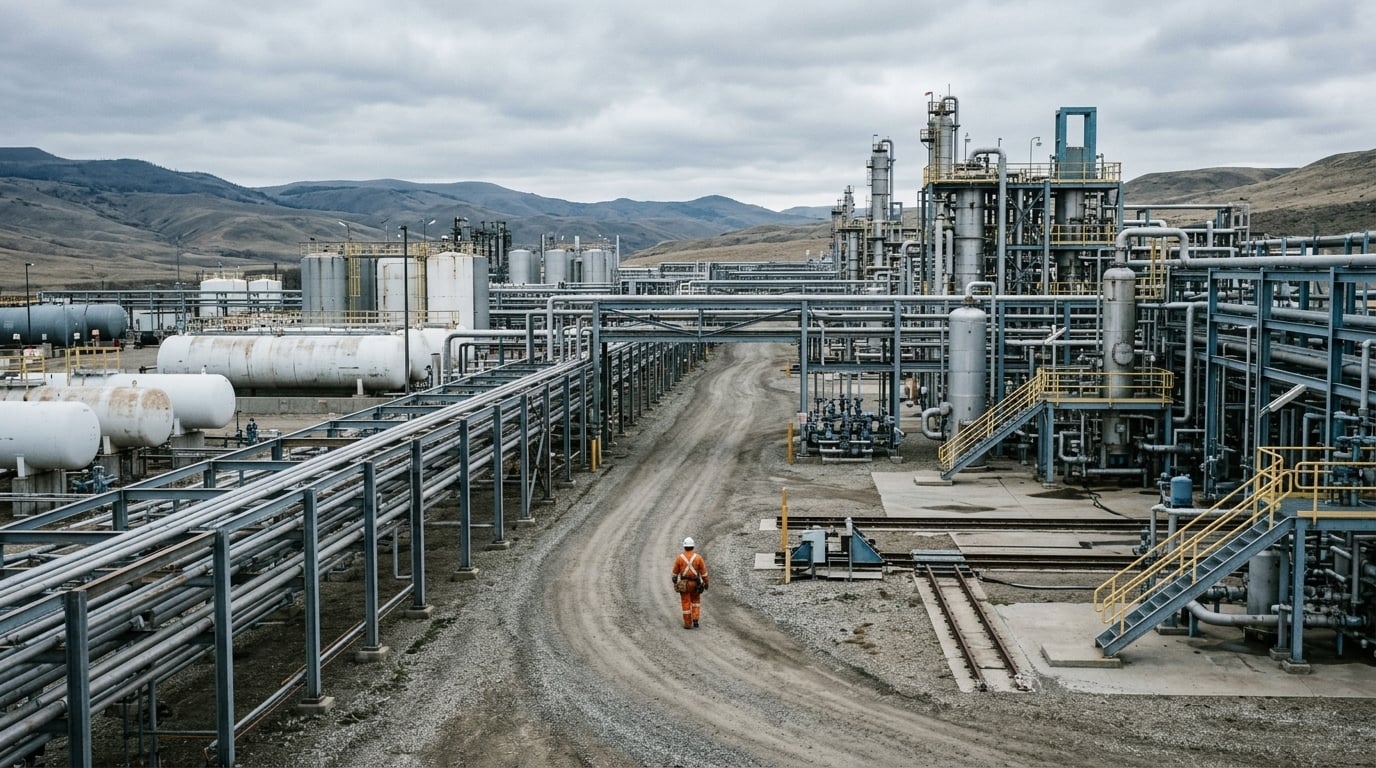
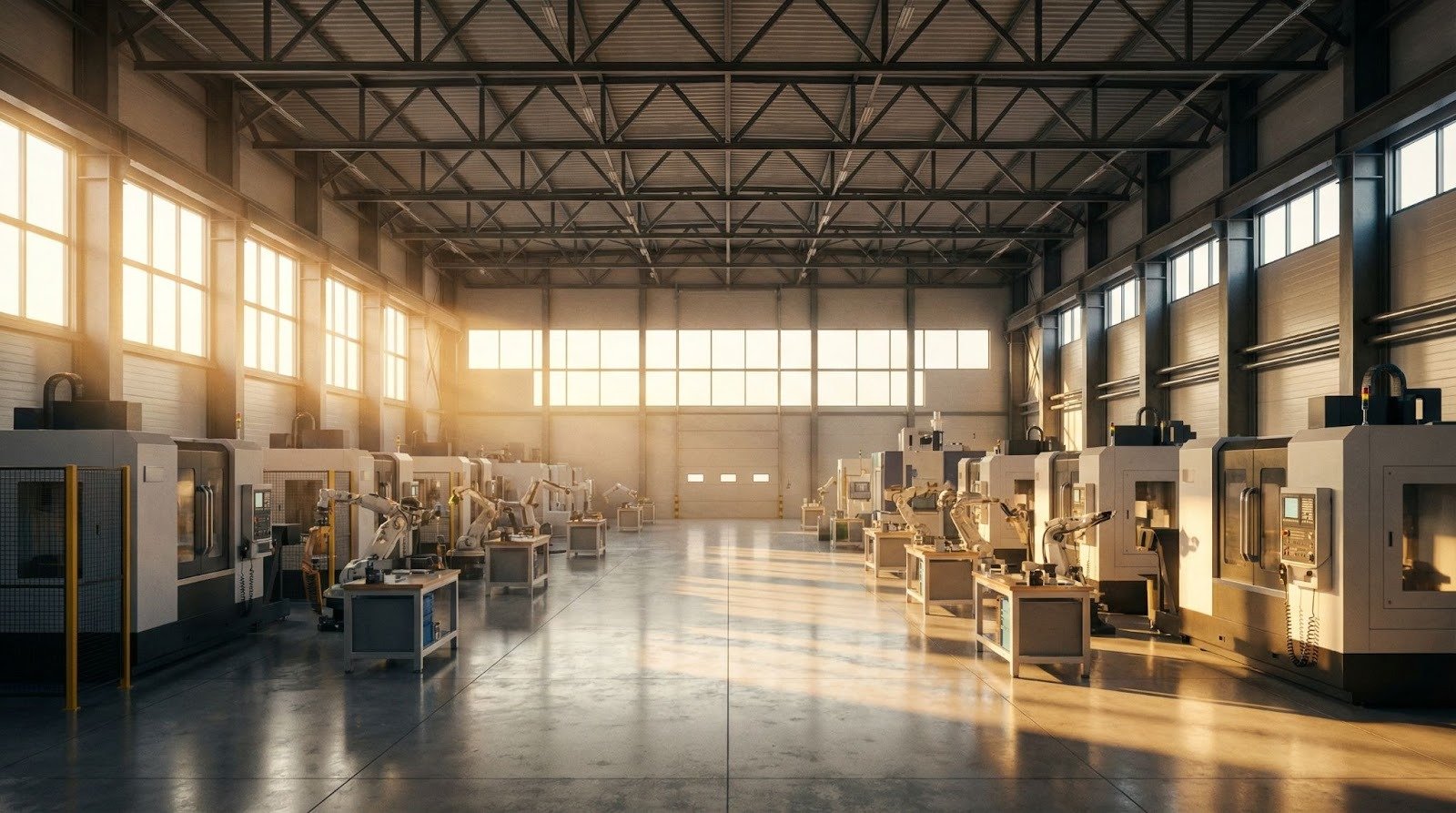
What used to require a technician walking through a facility with a handheld camera is evolving into something far more powerful. Today, fixed thermal imaging systems integrated with AI analytics can monitor critical assets around the clock, flagging anomalies in real time and feeding data directly into maintenance platforms. For OEMs, system integrators, and product managers building the next generation of monitoring solutions, understanding this convergence is essential.
This guide breaks down how AI is reshaping industrial thermal imaging, what it means for the companies building these systems, and what to look for in a thermal imaging partner that can support AI-ready development.
Why Is AI Changing the Game for Industrial Thermal Imaging?
Traditional industrial thermal imaging programs relied on scheduled inspection rounds. A trained thermographer would walk the facility, capture thermal images of key equipment, and generate reports. While effective, this approach has inherent limitations: it only captures snapshots in time, depends on human interpretation, and struggles to scale across large or complex facilities.
AI changes the equation by making thermal data continuous, automated, and increasingly predictive. Here is how the process works at a high level.
How AI-Enabled Thermal Monitoring Works
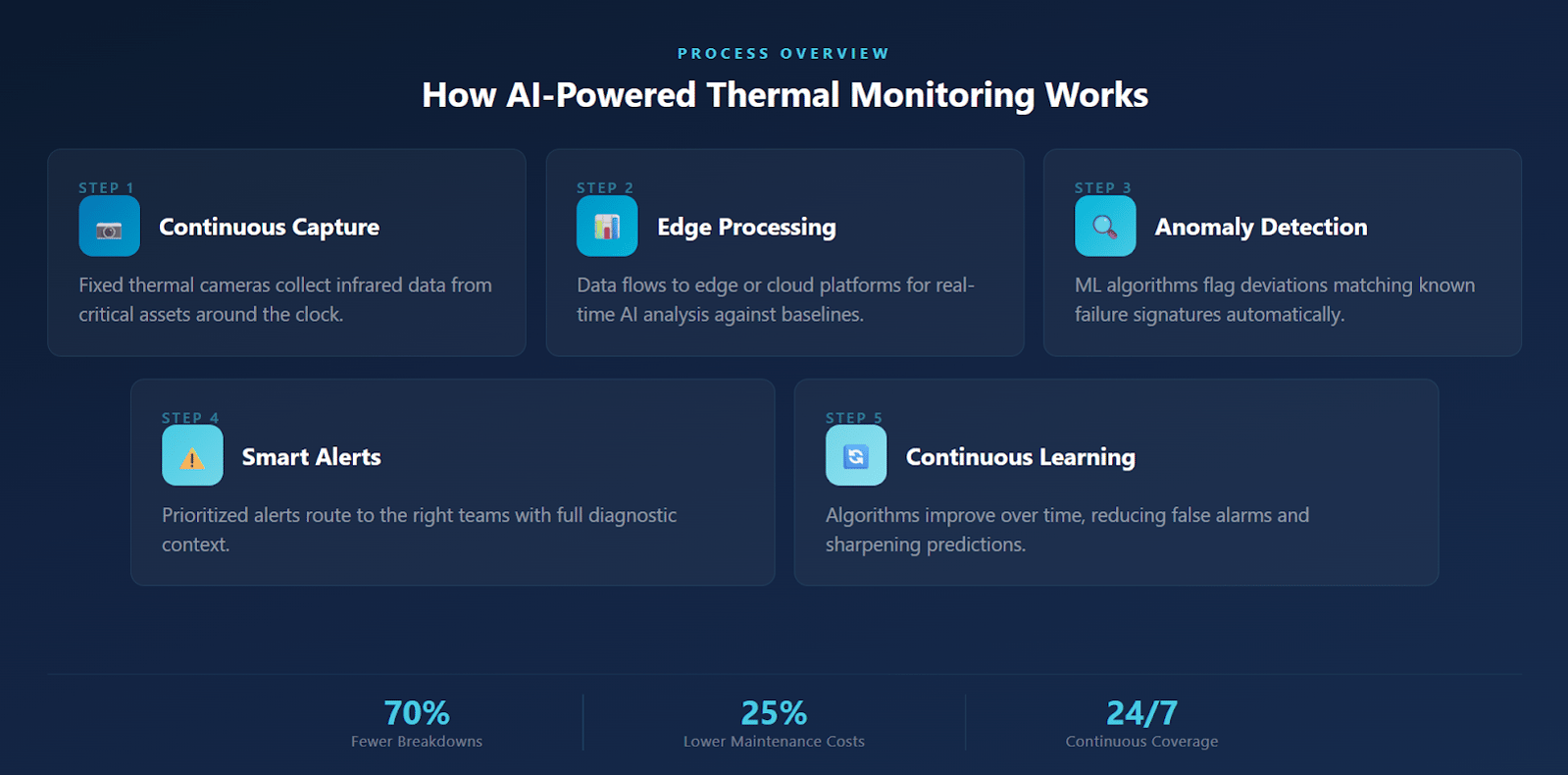
First, fixed thermal cameras capture infrared data from monitored assets on a continuous basis. That data flows to edge computing devices or cloud platforms where machine learning algorithms analyze thermal patterns against established baselines. When the system detects a deviation that matches known failure signatures, it generates an alert and routes it to the appropriate maintenance team or automated inspection workflow.
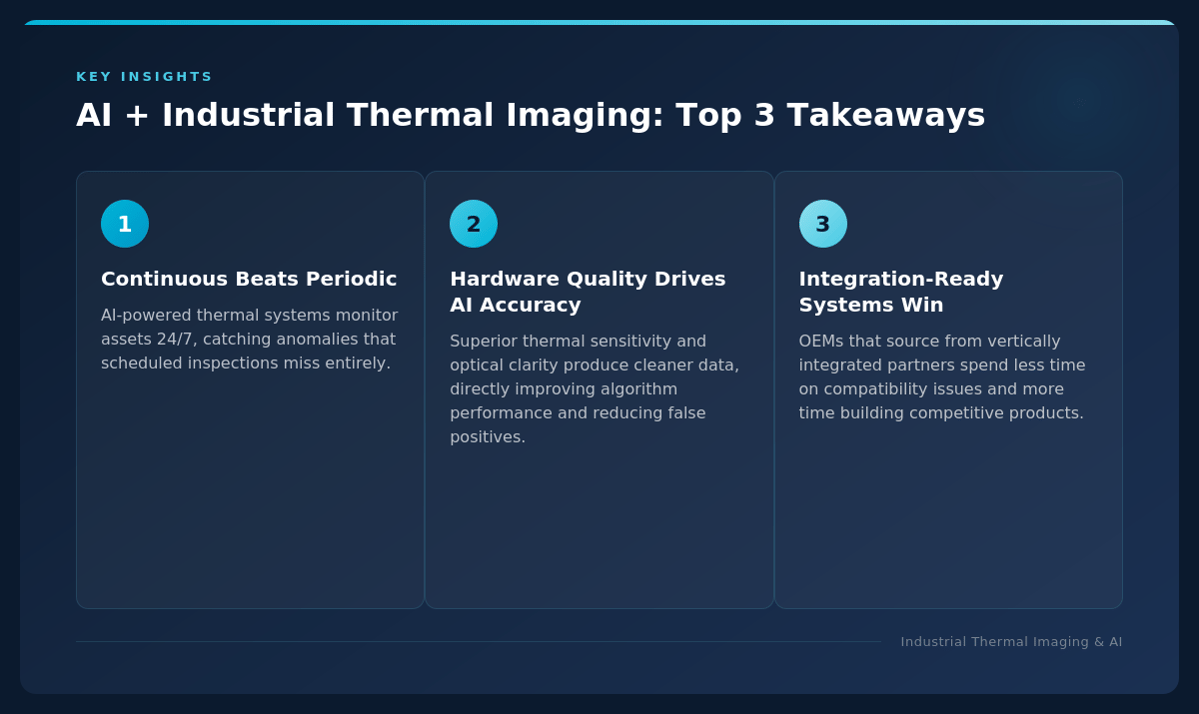
Over time, these algorithms improve. They learn what "normal" looks like for each specific asset in each specific environment, reducing false alarms while catching subtle changes that even experienced thermographers might miss during periodic walkthroughs. The result is a monitoring system that gets smarter the longer it runs.
For OEMs building monitoring platforms, this means the quality of the thermal hardware matters more than ever. AI algorithms are only as good as the data they receive. Cameras with higher thermal sensitivity, better optical clarity, and consistent calibration produce cleaner data that translates directly into more reliable analytics and fewer false positives.
What Does AI-Powered Thermal Monitoring Actually Look Like?
Understanding the specific capabilities that AI brings to industrial thermal imaging helps OEMs and integrators design better systems. Here are the core functions driving adoption.
Automated Anomaly Detection is the foundational capability. AI algorithms establish thermal baselines for each monitored asset and continuously compare incoming data against those baselines. When temperatures deviate beyond defined thresholds or follow patterns associated with known failure modes, the system flags the issue immediately. This eliminates the gap between inspection rounds where problems traditionally went unnoticed.
Predictive Failure Analysis takes anomaly detection further. Rather than simply alerting when temperatures exceed a threshold, machine learning models analyze the rate and pattern of thermal changes to predict when a component is likely to fail. This gives maintenance teams days or weeks of advance notice instead of hours, enabling planned repairs during scheduled downtime windows.
Multi-Asset Correlation connects thermal data across related systems. For example, if a motor, its associated pump, and the electrical panel feeding both begin showing elevated temperatures simultaneously, AI can identify the root cause rather than generating three separate alerts. This contextual intelligence reduces diagnostic time and prevents unnecessary maintenance on healthy components.
Intelligent Data Visualization transforms raw thermal data into actionable dashboards. Modern smart factory monitoring platforms present thermal trends, risk scores, and maintenance recommendations in formats that plant managers and operations teams can act on without thermal imaging expertise. Heat trend graphs, color-coded risk maps, and automated reporting make it possible for non-specialists to benefit from thermal intelligence. Advanced thermal imaging solutions that are designed to integrate cleanly with analytics platforms give OEMs a significant head start in delivering these capabilities.
How Are Smart Factories Using Thermal Camera AI Today?
The practical applications of thermal camera AI span nearly every industrial sector. What matters most for OEMs and system integrators is understanding which applications deliver the highest value and what system requirements they create.
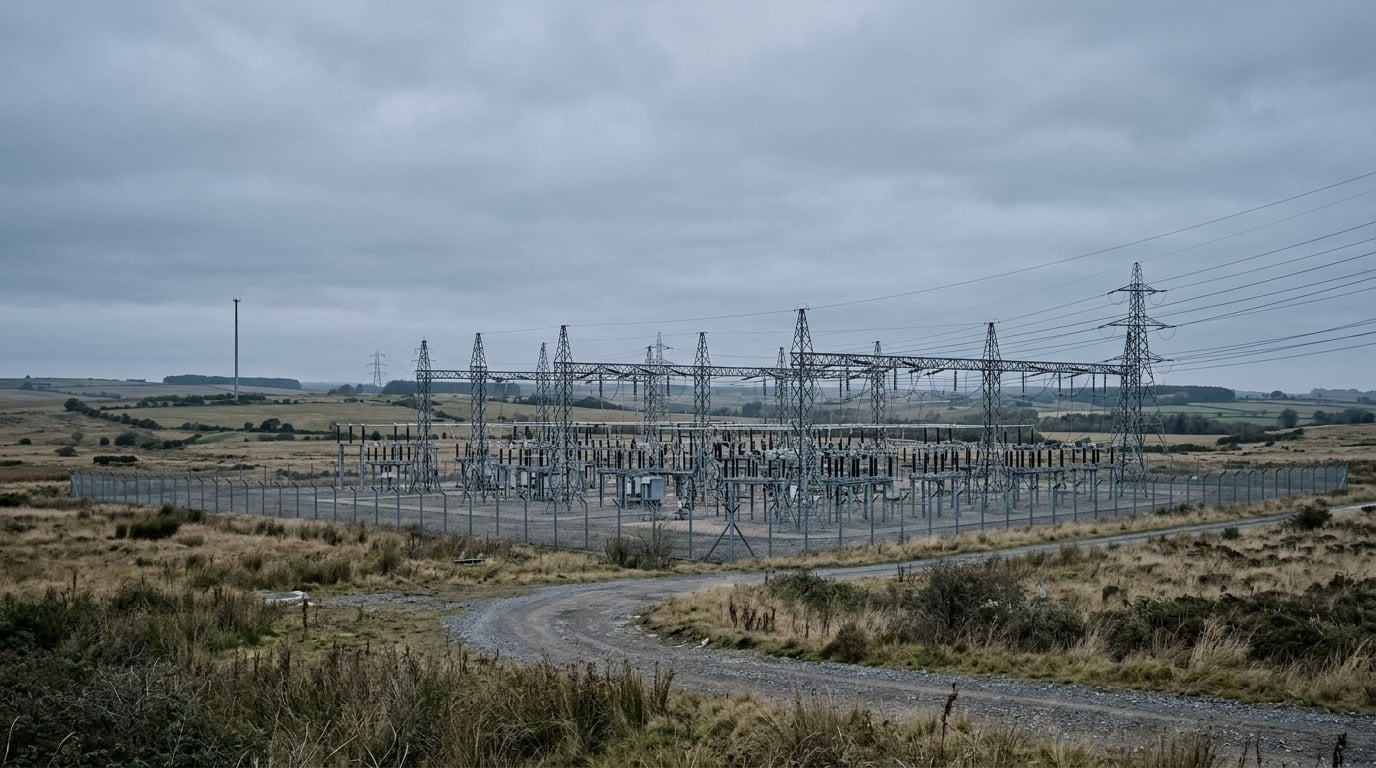
Electrical distribution systems remain one of the highest-value applications. Loose connections, overloaded circuits, and degrading components generate excess heat well before they fail. AI-monitored thermal systems catch these issues continuously, which is particularly critical in facilities running 24/7 operations where even brief electrical failures cascade into major production losses.
Rotating machinery monitoring, including motors, pumps, compressors, and turbines, represents another high-impact use case. Bearing wear, misalignment, and lubrication failures all produce distinctive thermal patterns. When AI models are trained on these patterns, they can differentiate between a bearing that needs attention next month and one that needs attention this week.
Process monitoring in industries like steel, glass, chemical, and food production leverages thermal camera AI to maintain product quality and prevent safety incidents. Continuous thermal monitoring of furnaces, kilns, and reaction vessels ensures operating temperatures stay within required ranges while detecting refractory failures or insulation breakdown early.
|
Application Area |
Key Thermal Indicators |
AI Advantage Over Manual Inspection |
|
Electrical Systems |
Hot spots, uneven load distribution |
24/7 coverage vs. quarterly walkthroughs |
|
Rotating Equipment |
Bearing heat, alignment deviations |
Predictive failure timing vs. threshold alerts |
|
Process Monitoring |
Temperature uniformity, refractory wear |
Real-time quality control vs. periodic checks |
|
Gas Detection |
Spectral absorption signatures |
Continuous leak monitoring vs. scheduled surveys |
|
Safety Compliance |
Overheating hazards, fire precursors |
Automated documentation vs. manual logging |
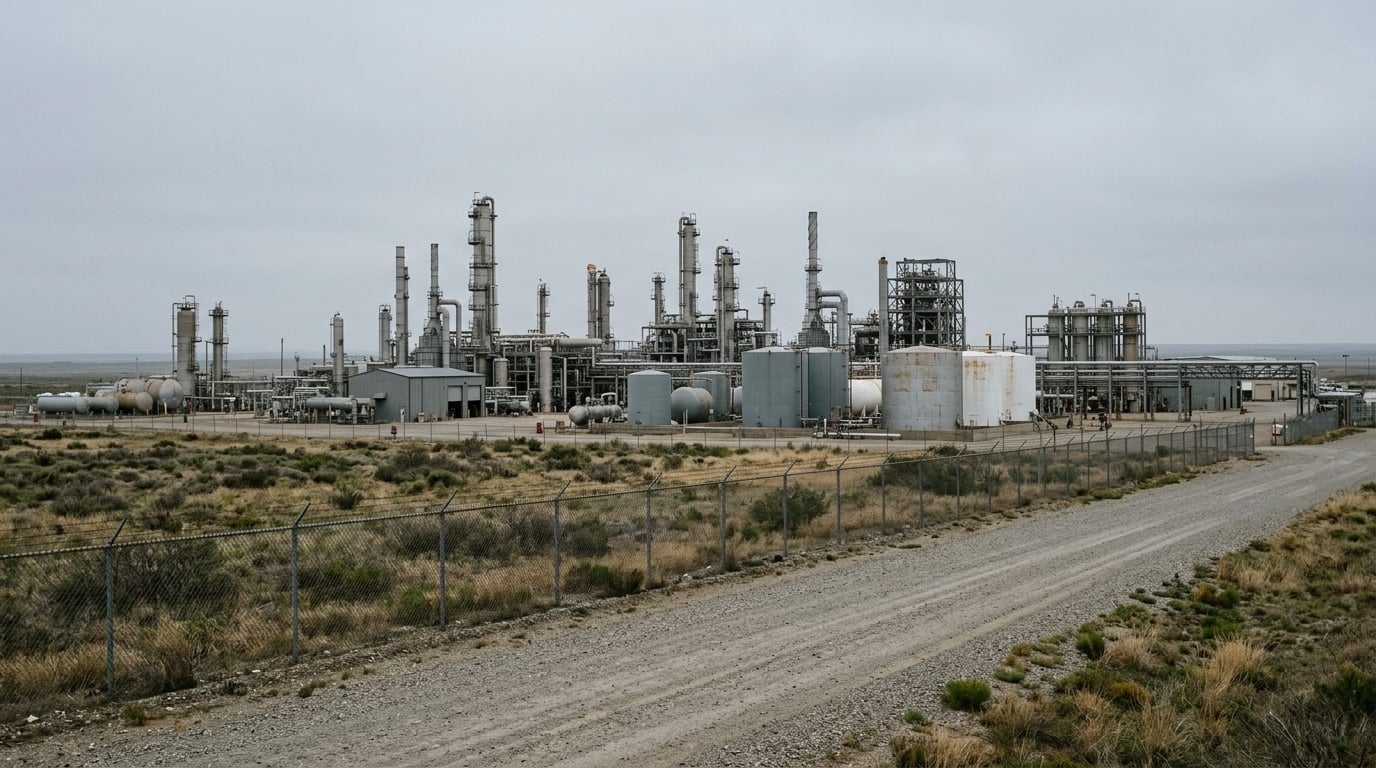
Optical gas imaging is a rapidly growing category where automated inspection provides enormous value. AI-enabled gas detection cameras monitor pipelines, refineries, and chemical plants for leaks continuously, replacing manual survey schedules that might only cover a facility once per quarter. The U.S. Environmental Protection Agency's LDAR guidance underscores the importance of consistent monitoring frequency in catching fugitive emissions, which is driving growing interest in continuous automated detection approaches.
What Should OEMs Consider When Building AI-Ready Thermal Systems?
For OEMs and system integrators, the shift toward AI-enabled industrial thermal imaging creates both opportunities and design considerations that affect component selection, system architecture, and partner relationships.
Camera Hardware Quality Drives AI Performance
The single most important factor in automated inspection accuracy is the quality of the thermal data feeding the algorithms. Cameras with superior thermal sensitivity detect smaller temperature differences, giving AI models more granular data to work with. Optical quality affects spatial resolution, which determines whether the system can distinguish between a hot spot on a bearing housing and ambient heat from a nearby process.
This is where the relationship between camera hardware and software performance becomes critical. A vertically integrated manufacturer that controls the entire optical path, from raw materials through lens design, coatings, assemblies, and final camera calibration, can optimize each element to produce the cleanest possible thermal data. That optimization translates directly into better AI performance downstream.
Data Architecture and Integration
Smart factory monitoring systems need thermal cameras that communicate effectively with existing infrastructure. OEMs should evaluate cameras and thermal imaging assemblies based on their protocol support, data output formats, and compatibility with common industrial platforms like SCADA, DCS, and cloud-based IIoT systems.
Edge computing capability is another consideration. Some applications require real-time analysis at the camera level, particularly in remote locations or environments where network bandwidth is limited. Others benefit from centralized cloud processing where more powerful algorithms can analyze data from multiple cameras simultaneously.
Data Visualization Best Practices
Effective data visualization is what turns thermal camera AI from a technical capability into a business tool. OEMs building monitoring platforms should consider these approaches:
- Trend overlays that display thermal data alongside production metrics, vibration data, and maintenance history give operators context that standalone thermal dashboards cannot
- Risk-scored asset maps that color-code equipment based on AI confidence levels allow plant managers to prioritize attention without interpreting raw thermal data
- Automated reporting that generates compliance documentation, maintenance recommendations, and performance summaries reduces the burden on operations teams and ensures nothing falls through the cracks
|
Data Visualization Element |
Purpose |
End User Benefit |
|
Thermal Trend Graphs |
Track temperature changes over time |
Spot gradual degradation early |
|
Risk Heat Maps |
Color-code assets by failure probability |
Prioritize maintenance resources |
|
Correlation Dashboards |
Link thermal data to operational metrics |
Identify root causes faster |
|
Automated Reports |
Generate compliance and maintenance docs |
Reduce manual documentation effort |
What ROI Can Organizations Expect from Automated Inspection?
The business case for AI-enabled industrial thermal imaging is compelling when measured against traditional inspection approaches. NIST's advanced manufacturing research highlights how sensor-driven predictive strategies transform maintenance from reactive cost centers into proactive investments that pay for themselves.
The most immediate financial impact comes from reduced unplanned downtime. Facilities implementing continuous AI-powered thermal monitoring typically report 35 to 45 percent reductions in unplanned downtime, consistent with broader predictive maintenance adoption trends. For manufacturing and energy facilities where unplanned downtime carries significant per-hour costs in lost production, emergency labor, and secondary equipment damage, the math becomes straightforward quickly.
Maintenance labor efficiency improves as well. When AI systems handle continuous monitoring and initial diagnostics, skilled technicians spend their time on confirmed issues rather than routine inspection rounds. This doesn't eliminate the need for thermal expertise. It redirects that expertise toward higher-value activities like system optimization and root cause analysis.
Safety improvements round out the ROI picture. Continuous monitoring catches overheating hazards, insulation failures, and gas leaks faster than any periodic inspection schedule, reducing incident rates and the associated liability, regulatory, and human costs.
Five Signs Your Organization Is Ready for AI-Enabled Thermal Monitoring
Knowing when to invest in automated inspection capabilities can be as important as knowing how. Here are five indicators that the timing is right:
- Your facility runs continuous operations where inspection windows are limited or disruptive
- You've experienced unplanned failures that periodic thermal inspections failed to catch
- Your maintenance team spends significant time on routine inspection rounds rather than corrective work
- Regulatory or client requirements are pushing toward continuous monitoring documentation
- You're developing or upgrading monitoring platforms for smart factory monitoring applications
Frequently Asked Questions
What is the difference between AI-enabled thermal monitoring and traditional thermal inspections? Traditional thermal inspections are periodic, manual processes where a trained technician captures and interprets thermal images on a schedule. AI-enabled thermal monitoring uses fixed cameras and machine learning to analyze thermal data continuously, detecting anomalies in real time and predicting failures before they occur. The key advantage is coverage: automated systems monitor 24/7 rather than during scheduled inspection windows.
Do AI-powered thermal systems replace the need for trained thermographers? They complement rather than replace human expertise. AI handles continuous monitoring, anomaly detection, and initial diagnostics, freeing skilled thermographers to focus on complex analysis, system optimization, and root cause investigation. The combination of automated inspection with human expertise produces better outcomes than either approach alone.
What camera specifications matter most for AI-driven thermal analysis? Thermal sensitivity and optical quality have the most direct impact on AI performance. Cameras that detect smaller temperature differences and produce sharper thermal images give algorithms more data to work with, improving detection accuracy and reducing false positives. Consistent calibration and reliable performance in harsh industrial environments are equally important for long-term AI monitoring programs.
Build Smarter Industrial Thermal Systems with the Right Partner
The convergence of AI and industrial thermal imaging represents one of the most significant advances in operational technology this decade. For OEMs, system integrators, and product managers, the opportunity is clear: platforms that combine high-quality thermal hardware with intelligent analytics deliver measurably better outcomes for end users.
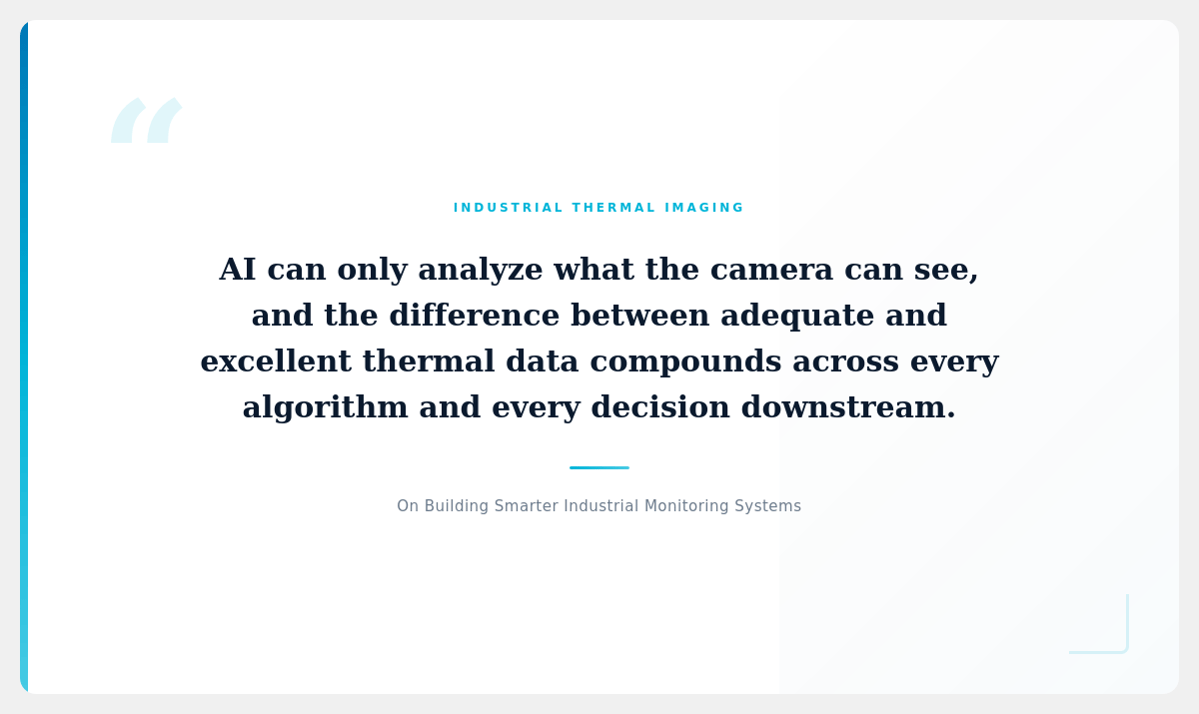
The foundation of every successful AI-enabled thermal system is exceptional imaging hardware. AI can only analyze what the camera can see, and the difference between adequate and excellent thermal data compounds across every algorithm, every alert, and every maintenance decision downstream.
LightPath Technologies delivers premium thermal imaging solutions engineered for the demanding requirements of industrial environments. With four decades of expertise, vertically integrated manufacturing, and a partnered approach to custom engineering, LightPath provides the imaging foundation that makes AI-driven monitoring systems perform at their best. Connect with our engineering team to explore how we can support your next-generation industrial thermal platform.