

Key Takeaways
The right commercial thermal imaging system isn't a catalog decision. It's a platform decision that shapes program outcomes for years.
- Wavelength selection (LWIR, MWIR, or BBIR) should be driven by target temperature profile and application environment, not cost alone.
- Vertical integration, from raw optical materials through finished camera assembly, is the clearest indicator of a supplier who can deliver performance consistency and supply chain reliability.
- Germanium supply constraints have made alternative optical materials a strategic procurement consideration, not just a technical one.
- OEMs who engage engineering partners early in the design phase consistently achieve faster integration timelines and fewer costly redesigns.
Start with your application requirements, not a spec sheet. The best system is the one engineered for your mission.
Commercial thermal imaging systems have become foundational to how OEMs compete across aerospace, defense, and industrial markets. The global thermal imaging market is valued at approximately $5.78 billion in 2025 and forecast to reach over $8 billion by 2030, and much of that growth is driven by demand for integrated systems built into larger platforms: surveillance payloads, predictive maintenance networks, gas detection systems, and beyond. If you're an OEM, program manager, or systems engineer evaluating where thermal imaging fits in your next product generation, this guide covers everything you need to make a confident decision: how different spectral bands perform, how to think through integration, what questions to ask a potential supplier, and what a buying checklist actually looks like in practice.
This isn't about handheld cameras or finished consumer products. It's about selecting and integrating a thermal imaging camera system into your product platforms where performance, supply chain reliability, and long development cycles make the right partner relationship as important as the technology itself.
What Makes Commercial Thermal Imaging Systems Different for OEMs?
When an OEM evaluates commercial thermal imaging systems, the frame of reference is fundamentally different from a buyer choosing a finished inspection tool. You're not selecting a product. You're selecting a subsystem that will live inside your product for years, possibly decades, in demanding field conditions.
That distinction changes every decision: wavelength, cooling architecture, optical materials, housing, interface standards, and supplier relationships all carry downstream consequences that don't show up on a spec sheet.
The OEM Integration Context
The systems you build may end up on aerial surveillance drones, shipboard electro-optical platforms, ground vehicles, border security towers, industrial monitoring networks, or gas leak detection systems for pipelines and refineries. In every one of those contexts, the thermal imaging subsystem needs to perform reliably in environments it wasn't necessarily designed for, integrated with electronics it wasn't originally paired with, on a procurement timeline that has real programmatic consequences.
This is why thermal imaging camera system decisions can't be separated from integration planning. The two are inseparable from day one of program design.
Understanding the Infrared Spectrum: Choosing the Right Wavelength Band
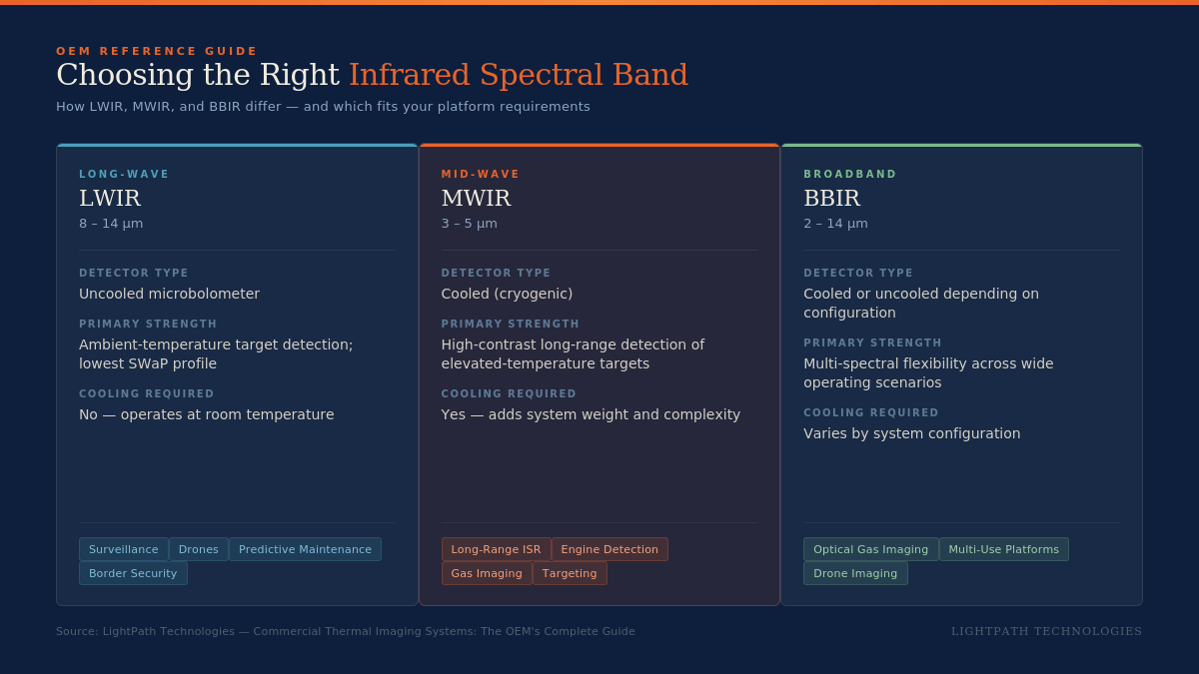
The most foundational decision in specifying a commercial thermal imaging system is wavelength. Each spectral band has a different physical relationship with heat emission and atmospheric transmission, and that physics drives everything downstream.
Here's a straightforward decision framework based on application profile:
|
Wavelength Band |
Spectral Range |
Best For |
Typical Cooling |
|
LWIR (Long-Wave Infrared) |
8-14 µm |
Ambient temperature targets, human detection, surveillance, predictive maintenance |
Uncooled (microbolometer) |
|
MWIR (Mid-Wave Infrared) |
3-5 µm |
High-temperature targets, engine detection, gas imaging, long-range sensing |
Cooled (cryogenic) |
|
BBIR (Broadband Infrared) |
2-14 µm |
Multi-spectral flexibility, optical gas imaging, broadband drone applications |
Cooled or uncooled |
LWIR is the workhorse of commercial thermal imaging. Objects at or near ambient temperature: people, buildings, equipment in normal operation. These objects emit most strongly in the 8-14 µm range. LWIR systems typically use uncooled microbolometer detectors, which makes them lighter, lower-power, and more cost-effective to operate over time. For OEMs building surveillance platforms, perimeter security systems, predictive maintenance tools, or drone payloads where size, weight, and power (SWaP) constraints matter, LWIR thermal imaging is usually the starting point.
MWIR excels when primary targets generate significant heat: vehicle engines, aircraft exhaust, industrial furnaces, or gas streams where molecular absorption at specific wavelengths matters. The 3-5 µm band captures these elevated-temperature signatures with high contrast and sensitivity, but it typically requires cryogenic cooling, which adds system complexity, weight, cost, and maintenance considerations. For programs where long-range detection capability and target contrast in cluttered environments are the priority, MWIR solutions are often worth the tradeoff.
BBIR covers a wider spectral range (2-14 µm general, or 2-12 µm for BBIR drone imaging systems) and is particularly valuable in optical gas imaging applications and multi-use platforms that benefit from broad spectral sensitivity. This is a less common but strategically important option for OEMs building platforms that need imaging flexibility across diverse operating scenarios.
A Practical Wavelength Decision Tree
For a more detailed treatment of how these bands compare in real-world programs, the LWIR vs. MWIR decision guide covers application-specific tradeoffs in depth. At a high level, ask these questions before landing on a band:
- What is the temperature of my primary target relative to the ambient environment? (Near-ambient → LWIR; significantly elevated → MWIR)
- Does my application involve gas detection or hydrocarbon imaging? (Yes → MWIR or BBIR with appropriate filters)
- What are my SWaP constraints? (Tight budget, weight, or power → LWIR uncooled)
- Is long-range performance the top priority? (Yes → Consider cooled MWIR)
- Do I need multi-spectral flexibility? (Yes → Evaluate BBIR)
Cooled vs. Uncooled: What OEMs Actually Need to Weigh
After wavelength, the cooled vs. uncooled decision is the next major fork in the road, and it's often misunderstood as purely a performance question when it's really a system architecture question.
Uncooled systems operate at room temperature using microbolometer detector arrays. They're lower maintenance, more compact, and significantly more power-efficient. For OEMs building drone payloads, vehicle-mounted surveillance systems, or 24/7 fixed industrial monitoring platforms, uncooled systems deliver excellent value and are increasingly capable as detector technology advances.
Cooled systems use cryogenic refrigeration to bring the detector to very low operating temperatures, which dramatically improves thermal sensitivity and enables longer detection ranges. They're the right choice for programs where range, contrast in challenging environments, or specific spectral requirements justify the added system complexity.
The table below captures the practical tradeoffs:
|
Factor |
Cooled Systems |
Uncooled Systems |
|
Thermal sensitivity |
Higher (better long-range) |
Adequate for most applications |
|
SWaP profile |
Larger, heavier, higher power |
Compact, lightweight, low power |
|
Maintenance |
Cooler has finite lifespan |
Lower maintenance overhead |
|
Cost |
Higher upfront and lifecycle |
Lower |
|
Best fit |
Long-range defense, precision targeting, MWIR gas imaging |
Surveillance, drones, industrial monitoring |
One consideration that often gets overlooked: shutterless operation. Some uncooled systems require periodic shutter activation to recalibrate, which causes momentary image interruption. For programs where continuous imaging matters (surveillance systems that can never miss a frame, or tracking applications), shutterless uncooled designs are worth specifying explicitly.
The Supply Chain Issue Every OEM Should Be Thinking About
Infrared optical systems have historically relied on germanium as the primary lens material. Germanium has excellent transparency in the LWIR band and high refractive index, making it well-suited for thermal optics. The problem is supply.
China controls the majority of global germanium production and implemented export controls and an export ban on germanium to the U.S. in 2023 and 2024, causing shortages, rising prices, and serious program risk for OEMs with multi-year development and production timelines. Executive Order 14241 (March 2025) has authorized measures to address critical mineral supply chains, but near-term supply uncertainty remains a real procurement consideration.
The practical implication for OEMs: if your thermal imaging subsystem depends on germanium optics, you carry material risk that can surface as a cost problem, a schedule problem, or both, potentially mid-program.
Alternative optical materials, particularly chalcogenide glass, offer comparable infrared transmission performance without the germanium dependency. These materials have matured significantly, and suppliers with in-house materials science capabilities can offer germanium-free optical assemblies without the performance compromises that characterized earlier alternatives.
The implications run beyond a single material: a 2024 GAO report on defense critical materials found that germanium and gallium — both essential to military-grade optics and electronics — rank among the minerals most exposed to foreign supply disruption, with China controlling dominant global processing capacity for both. For any program with a multi-year production horizon, this is worth addressing explicitly during supplier evaluation, as a materials strategy, not just a sourcing decision.
How Vertical Integration Affects Your Program
The term "vertically integrated" gets used a lot in this industry. Here's what it actually means for OEM procurement decisions.
A vertically integrated thermal imaging supplier controls the full manufacturing stack: raw optical materials, lens design and fabrication, coatings, mechanical assemblies, electronic integration, and final camera assembly. A supplier that doesn't have this depth buys critical components from upstream vendors, which introduces coordination complexity, quality variability, and supply chain risk that gets passed to your program.
For OEMs, the practical differences show up in several ways:
- Customization responsiveness: A supplier who makes their own lenses and coatings can modify optical designs to match your detector and application. A supplier assembling purchased components has much less flexibility.
- System-level performance: Lens assemblies designed specifically for the sensor they're paired with outperform generic optics assembled from catalog components. Cold-shield efficient optical designs (where every element is optimized for the detector's cold stop geometry) eliminate corner shading and image non-uniformities that generic assemblies can't avoid.
- Quality control: When every component comes from the same engineering environment, quality issues are caught internally. Assembled-from-parts systems inherit their vendors' tolerances.
- Schedule reliability: A single-source partner controls their production schedule. Multi-source assembly creates compounding lead time risk.
For programs where integration performance, delivery predictability, and long-term supply stability matter, vertical integration is the right screening criterion, and not simply a marketing claim.
Integration Workflow: From Requirements to Deployment
One of the most common mistakes OEMs make is treating thermal imaging subsystem selection as a late-stage procurement task. By the time you're finalizing platform specs, it's often too late to optimize the thermal imaging integration without expensive rework.
Here is a structured integration workflow for OEM programs:
Step 1: Define Mission Requirements Before Touching Specs
What does the platform need to detect, at what range, under what environmental conditions? What are the SWaP constraints? What interface standards does your platform use? What environmental qualification levels apply (MIL-STD, IP ratings, operating temperature range)?
Starting here keeps you from over-specifying in ways that drive cost without improving mission performance, or under-specifying in ways that create field problems.
Step 2: Select Spectral Band and Cooling Architecture
Use the wavelength decision tree above. Commit to LWIR, MWIR, or BBIR based on physics, not price. Then decide on cooled vs. uncooled based on SWaP constraints and performance requirements. These two decisions constrain almost everything downstream.
Step 3: Evaluate Optical Materials and Supply Chain Risk
Ask potential suppliers whether their optics are germanium-based or germanium-free. For programs with production timelines beyond 18-24 months, supply chain stability for infrared optical materials deserves explicit evaluation, not assumption.
Step 4: Engage Engineering Partners Early
The most successful thermal imaging camera system integrations involve collaborative engineering from the requirements definition stage. Suppliers who understand your platform architecture can optimize lens-to-sensor matching, interface design, and environmental hardening in ways that save significant time downstream. Early engagement typically compresses integration timelines substantially compared to the traditional approach of specifying hardware and then solving problems during integration.
Step 5: Prototype, Test, and Qualify in Operational Conditions
Bench testing in a lab doesn't replicate field conditions. Qualification should include the temperature ranges, vibration profiles, and environmental exposures the system will actually encounter. Thermal imaging performance is sensitive to temperature gradients that lab environments don't reproduce.
Step 6: Plan for Production and Long-Term Supply
Before committing to a supplier, understand their production capacity, lead times, and obsolescence management policies. Programs with 10-15 year lifecycles need supply chain commitments that match. Suppliers with proprietary materials and vertically integrated production have more control over these commitments than those dependent on external component vendors.
OEM Buying Checklist: Commercial Thermal Imaging Systems
Use this checklist when evaluating commercial thermal imaging systems for OEM integration:
|
✓ |
Category |
Checklist Item |
|
☐ |
Application & Performance |
Primary spectral band defined (LWIR, MWIR, or BBIR) based on target temperature profile |
|
☐ |
Application & Performance |
Cooling architecture selected (cooled vs. uncooled) based on SWaP and performance requirements |
|
☐ |
Application & Performance |
Detection range and thermal sensitivity requirements documented |
|
☐ |
Application & Performance |
Environmental qualification levels specified (operating temperature, vibration, IP rating, MIL-STD) |
|
☐ |
Application & Performance |
Continuous vs. shuttered operation requirement defined |
|
☐ |
Integration Architecture |
Interface standards confirmed (electrical, mechanical, data output) |
|
☐ |
Integration Architecture |
SWaP budget established (mass, volume, power draw) |
|
☐ |
Integration Architecture |
Platform integration constraints documented (mounting, thermal management, shock/vibration) |
|
☐ |
Integration Architecture |
Multi-sensor synchronization requirements identified (if applicable) |
|
☐ |
Supply Chain & Materials |
Optical material confirmed (germanium or germanium-free alternative) |
|
☐ |
Supply Chain & Materials |
Supplier's production capacity and lead time verified |
|
☐ |
Supply Chain & Materials |
Obsolescence management policy confirmed for program lifecycle |
|
☐ |
Supply Chain & Materials |
Country of origin/NDAA compliance confirmed (for defense programs) |
|
☐ |
Partner Evaluation |
Supplier vertical integration depth assessed (materials through assembly to camera) |
|
☐ |
Partner Evaluation |
Custom engineering capability confirmed (not just catalog selection) |
|
☐ |
Partner Evaluation |
Engineering support availability during integration defined |
|
☐ |
Partner Evaluation |
Reference programs in comparable application environments verified |
|
☐ |
Commercial & Program |
Total cost of ownership modeled (not just unit price) |
|
☐ |
Commercial & Program |
Production ramp timeline aligned with program schedule |
|
☐ |
Commercial & Program |
Post-delivery support and warranty terms confirmed |
Applications Driving Adoption of Integrated Infrared Systems
The range of platforms integrating commercial thermal imaging systems continues to broaden. Understanding where the technology is gaining the most traction gives OEMs better context for evaluating their own roadmap.
Aerospace and defense continues to represent the largest and most demanding segment. Global military spending reached $2.7 trillion in 2024 — the tenth consecutive year of increases and the steepest single-year rise since the end of the Cold War — with modernization of surveillance, targeting, and unmanned systems among the leading investment priorities.
ISR payloads, targeting systems, counter-drone (CUAS) platforms, and shipboard surveillance systems all require integrated infrared systems engineered for mission-critical reliability and environmental extremes. The appetite for custom-engineered solutions in this segment is high, and generic catalog cameras routinely fall short of program requirements. Buyers are increasingly evaluating thermal platforms based on wavelength compatibility, integration depth, and supply chain reliability, rather than hardware specifications alone.
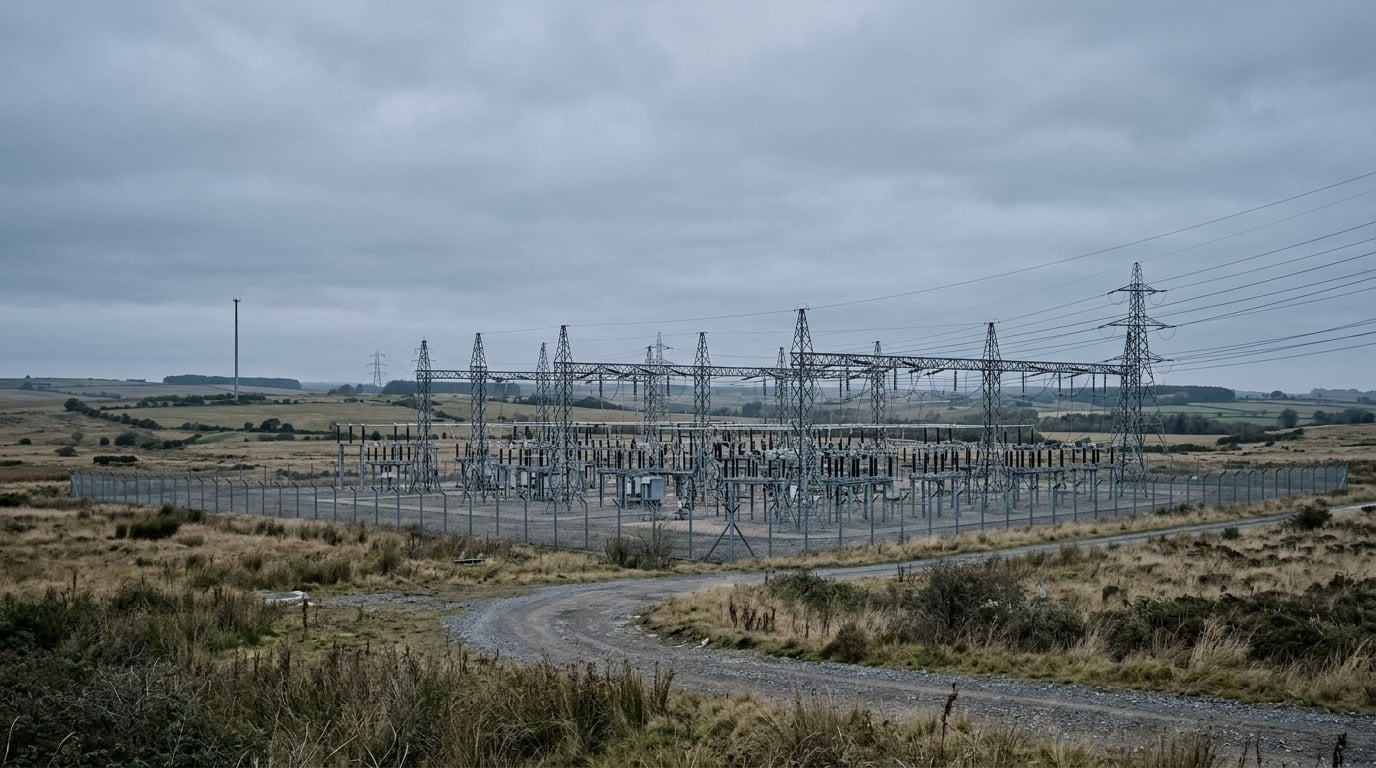
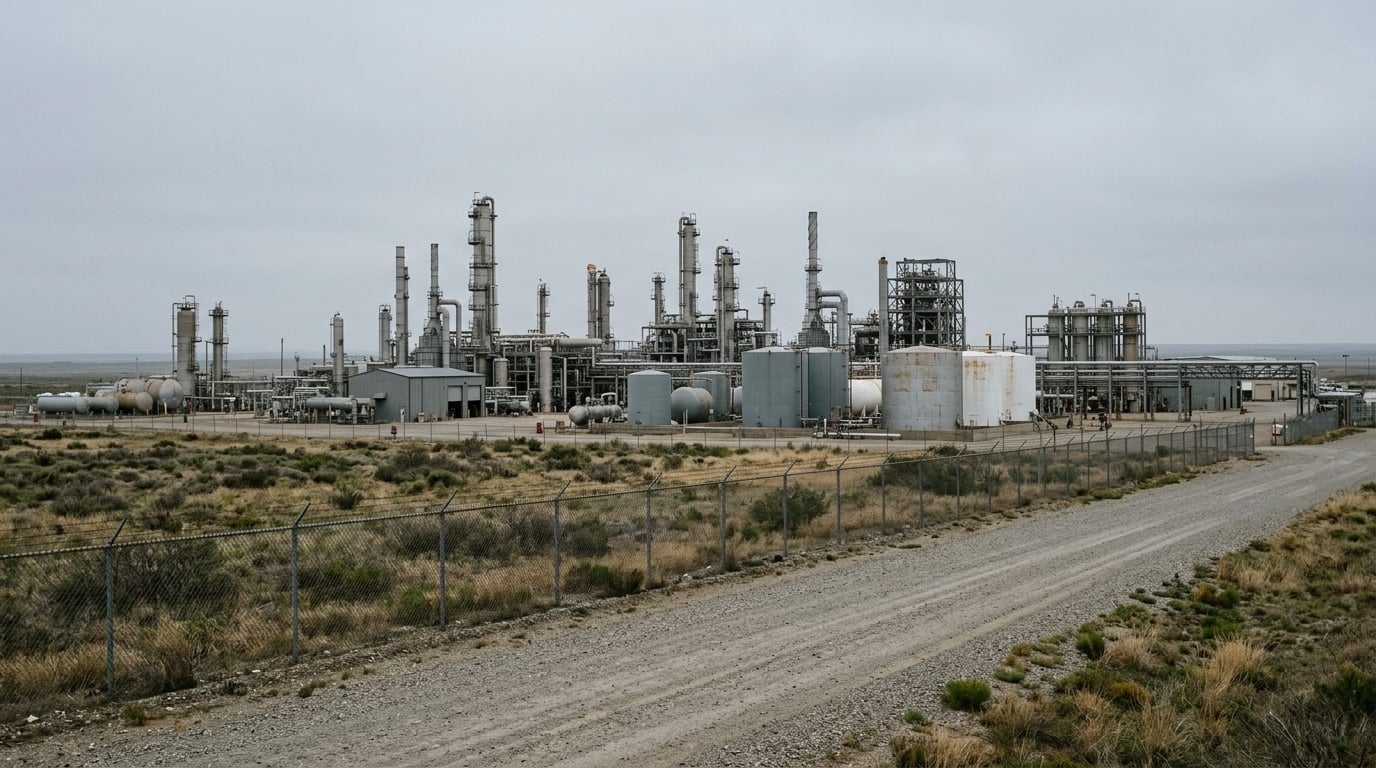
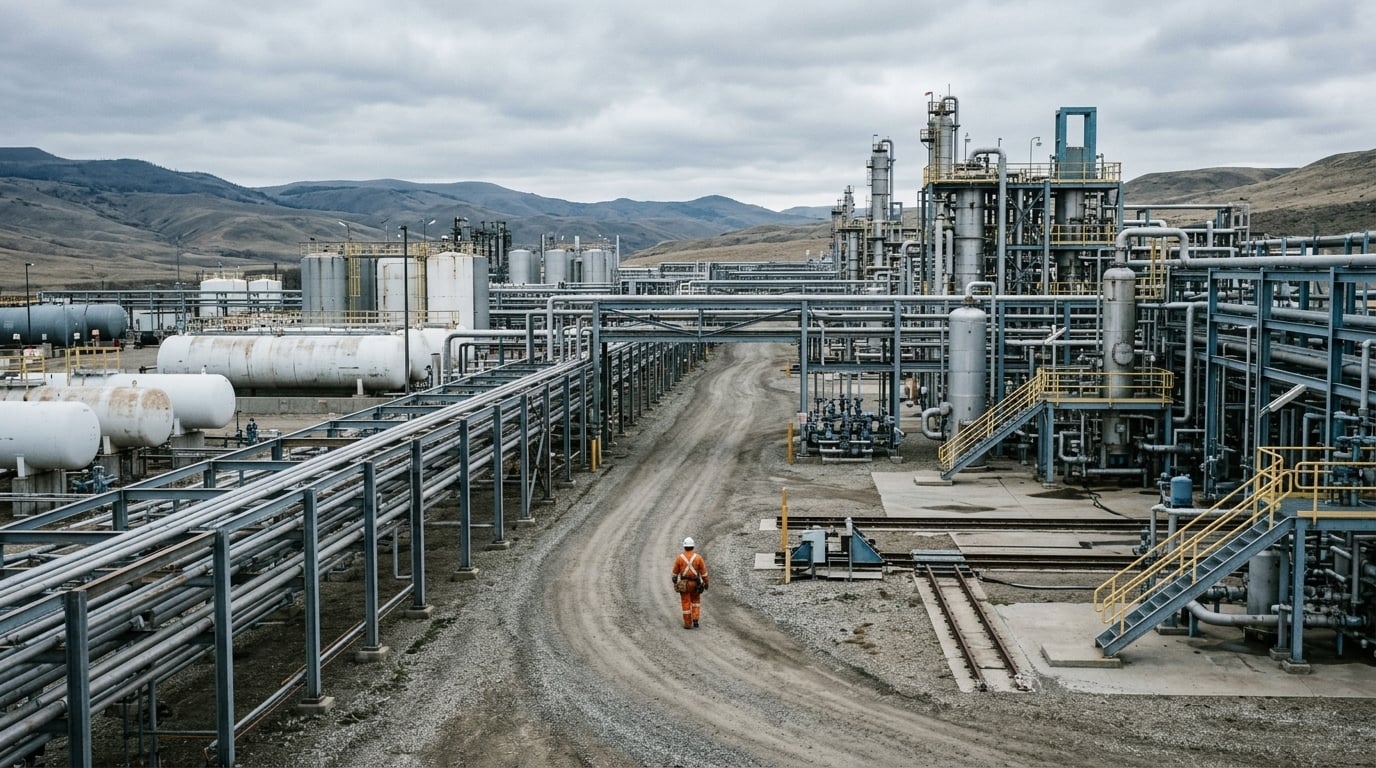
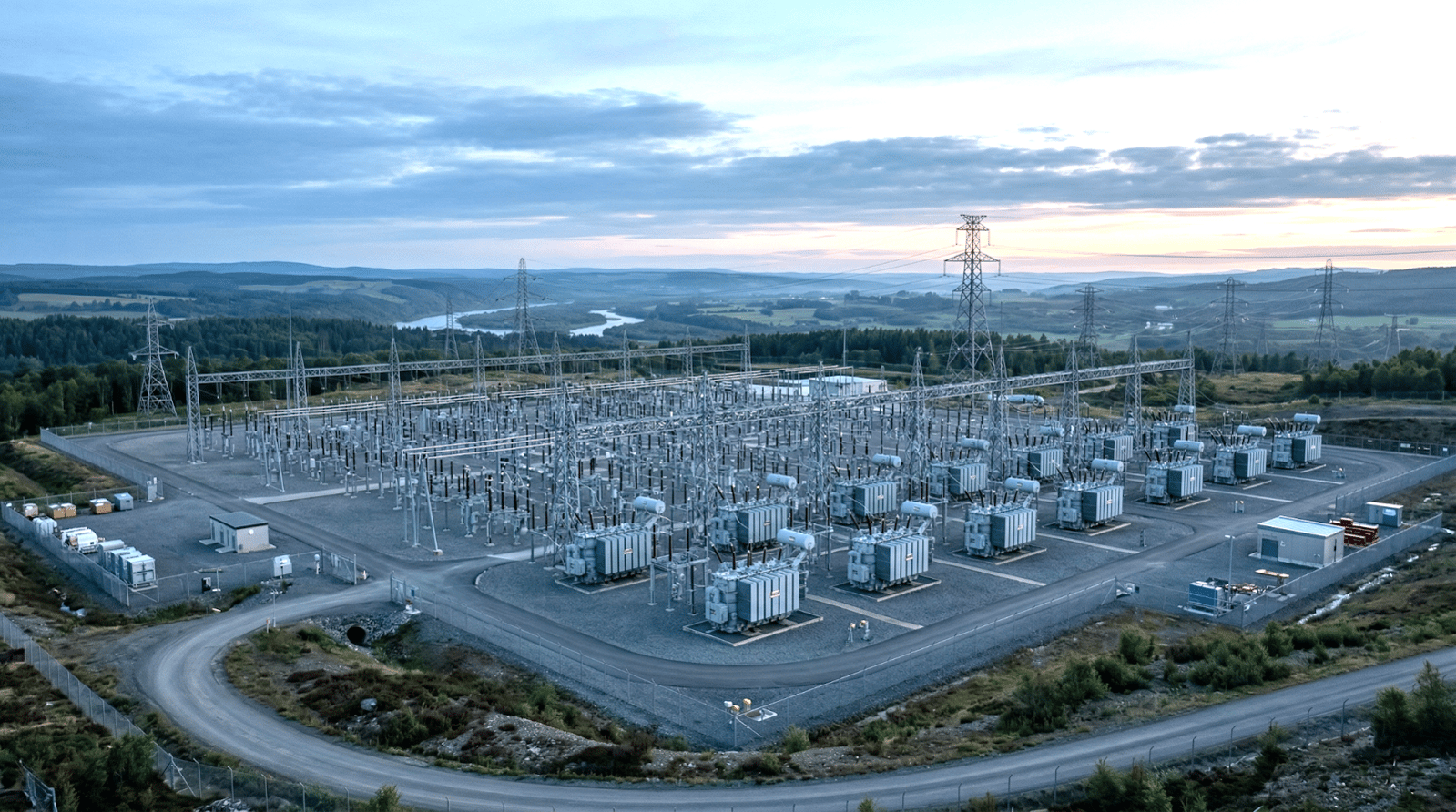
Industrial monitoring is growing rapidly as regulations and operational efficiency demands converge. The 2023 NFPA 70B update shifted infrared thermography from a recommended practice to a mandatory standard, requiring annual thermographic inspections of all electrical equipment. This has driven a wave of new OEM platform development for utility and facility monitoring applications. The ROI case for embedded thermal imaging is well-supported: the U.S. Department of Energy's Federal Energy Management Program estimates that a properly structured predictive maintenance program delivers 30 to 40 percent savings compared to reactive maintenance approaches — a figure that resonates strongly with the end-customer audiences OEMs are building for. For a deeper look at how thermal imaging improves predictive maintenance programs, the operational case is compelling. Gas leak detection, particularly in oil and gas, pipeline management, and chemical processing, relies on MWIR or BBIR systems capable of detecting specific gas absorption signatures. These aren't handheld inspection tools; they're subsystems embedded in larger industrial monitoring platforms that operate continuously.
Unmanned aerial systems present some of the most demanding SWaP constraints in the industry. Every gram of payload costs flight time, and power budgets are tight. Drone-mounted thermal platforms benefit enormously from optical systems specifically designed for aerial integration rather than adapted from ground applications, particularly regarding lens design, weight optimization, and thermal stability across altitude-related temperature swings.
What to Look for in an Engineering Partner
Selecting the right supplier for commercial thermal imaging systems is as much about the engineering relationship as the technology. A few criteria that separate genuine partners from catalog vendors:
- Breadth of the solution stack: Can they supply individual optical components, lens assemblies, or fully integrated cameras depending on what your platform requires? Programs evolve, and a partner who covers the full range gives you flexibility.
- Materials science capability: Particularly in the current supply environment, suppliers who develop and produce their own infrared optical materials have a meaningful advantage in customization and supply chain control.
- Application-specific experience: Thermal imaging for a drone payload has very different requirements than a fixed industrial monitoring installation. Look for demonstrated experience in programs comparable to yours.
- Collaborative engineering model: The best partners engage at the requirements definition stage and stay involved through qualification. Transactional suppliers deliver components; genuine partners invest in your program's success.
FAQ
What is a commercial thermal imaging system used for in OEM applications? In OEM contexts, commercial thermal imaging systems are subsystems integrated into larger platforms: surveillance payloads, industrial monitoring networks, gas detection systems, drone cameras, and defense equipment. Unlike end-user handheld cameras, these systems are engineered to work within a host platform's power, mechanical, and interface architecture.
How do I choose between LWIR and MWIR for my thermal imaging application? The key variable is target temperature relative to the ambient environment. LWIR (8-14 µm) performs best when detecting targets at or near ambient temperature: people, structures, equipment in normal operation. MWIR (3-5 µm) excels when detecting elevated-temperature targets like engines, exhaust, industrial heat sources, or gases with absorption signatures in that band. SWaP constraints also matter: LWIR uncooled systems are generally lighter and lower-power, while MWIR typically requires cryogenic cooling.
What is vertical integration and why does it matter for thermal imaging systems? Vertical integration means a supplier controls the full manufacturing process, from raw optical materials through lens fabrication, coatings, mechanical assemblies, and final camera production. For OEMs, this translates to better customization flexibility, more consistent quality, more reliable supply chain performance, and engineering support that spans the entire system rather than just one component.
Why is germanium supply a concern for OEM thermal imaging programs? Germanium is the traditional material for infrared optics, but China controls the majority of global production and implemented export restrictions in 2023-2024, creating supply uncertainty and price volatility. For programs with multi-year production timelines, this is a material risk. Suppliers offering proprietary germanium-free alternatives such as chalcogenide glass provide meaningful supply chain protection without sacrificing optical performance.
How long does it typically take to integrate a thermal imaging system into a new OEM platform? Timeline varies significantly based on whether you're using off-the-shelf modules or custom-engineered solutions, and how early you engage your engineering partner. Standard OEM module integration typically takes three to six months. Custom systems can require 12-18 months from requirements through production qualification. Engaging a vertically integrated engineering partner at the requirements phase rather than during late-stage procurement consistently compresses timelines and reduces costly redesign cycles.
What should OEMs prioritize beyond specifications when evaluating thermal imaging suppliers? Beyond specifications, the most important criteria are: supply chain transparency and material sourcing, vertical integration depth, custom engineering capability, demonstrated experience in comparable application environments, and the supplier's collaborative approach to program support. The ability to partner from requirements through production qualification distinguishes a strategic supplier from a commodity vendor.
Ready to Build a Better Platform?
Selecting the right commercial thermal imaging system is a high-stakes decision, and the stakes are mostly downstream. They show up during integration, qualification, and production, not during vendor evaluation. The OEMs who get it right are the ones who engage the right engineering partner early, align wavelength and architecture decisions to actual mission requirements, and treat supply chain stability as a first-order criterion alongside performance.
LightPath Technologies has been engineering optical and thermal imaging solutions for aerospace, defense, and industrial OEMs for over 40 years. With proprietary Black Diamond™ chalcogenide glass, vertically integrated manufacturing from raw materials through complete camera systems, and a partnered engineering approach that begins at requirements definition, LightPath delivers the performance and supply chain reliability that demanding programs require.
Whether you're evaluating individual optical components, lens assemblies, or fully integrated infrared systems, the conversation starts the same way: with your application, your constraints, and your program goals. Talk with an expert at LightPath to start building your competitive advantage.