
Key Takeaways
LWIR thermal cameras have become essential components for security platforms operating in demanding conditions where conventional imaging fails.
- Passive thermal detection in the 8-14 μm wavelength range enables reliable performance in complete darkness, fog, smoke, and dust without external illumination
- Rugged LWIR camera systems engineered for harsh environments feature IP67+ protection, extended operating temperatures, and corrosion-resistant construction
- Thermal perimeter camera deployments reduce false alarms compared to motion-based systems while extending detection ranges beyond 1,000 meters for personnel
- OEMs and system integrators benefit from partnering with manufacturers offering vertical integration, custom engineering support, and stable material supply chains
The thermal imaging and infrared sector continues its rapid expansion as security requirements grow more demanding across defense, industrial, and critical infrastructure applications. According to Precedence Research, the global thermal camera market reached $5.13 billion in 2024 and is projected to grow at a 9.53% CAGR through 2034. Surveillance applications now represent the largest segment of thermal imaging adoption, accounting for approximately 29% of global market share as organizations prioritize 24/7 monitoring capabilities that function regardless of lighting or weather conditions.
For OEMs and system integrators developing security platforms, selecting the right LWIR thermal camera partner determines whether your end product delivers consistent performance or becomes a maintenance headache. The technology itself is proven. The real differentiator lies in how thermal imaging components are engineered, integrated, and supported throughout the product lifecycle.
What Makes LWIR Thermal Cameras Ideal for Security Applications?
Long-wave infrared technology operates on principles fundamentally different from conventional visible-light or near-infrared security cameras. While traditional systems rely on reflected light and require illumination to function, an LWIR thermal camera detects heat radiation emitted by objects themselves. Every person, vehicle, and piece of equipment above absolute zero emits thermal energy in the 8-14 micrometer wavelength range, creating distinct heat signatures that LWIR sensors capture regardless of lighting conditions.
This passive detection approach provides several operational advantages that matter for security platform development. Your system works identically at midnight as it does at noon because it measures temperature differences rather than light reflection. Intruders cannot defeat thermal detection by wearing dark clothing or avoiding illuminated areas. The technology sees through visual camouflage that would fool visible-spectrum cameras.
The physics of thermal emission also explains why security LWIR systems excel at human detection specifically. The human body maintains a relatively consistent temperature around 37°C, creating reliable contrast against most ambient backgrounds whether the environment is a frozen tundra or a sun-baked desert. This thermal signature remains detectable even when subjects attempt concealment behind light vegetation or in shadowed areas where visible cameras would struggle.
For system integrators, uncooled LWIR technology offers particular advantages in security applications. These sensors operate at ambient temperature without requiring cryogenic cooling systems, resulting in lower power consumption, reduced weight, simplified maintenance, and significantly lower component costs compared to cooled alternatives. Modern uncooled microbolometer detectors deliver the sensitivity needed for personnel detection at ranges exceeding 1,000 meters while keeping system complexity manageable for volume production.
Which Harsh Environments Demand Rugged LWIR Camera Performance?
Security applications rarely operate in controlled conditions. The facilities requiring the most robust protection often present the most challenging environments for imaging equipment. Understanding these environmental demands helps OEMs specify components that will actually perform in the field rather than failing when conditions deteriorate.
Coastal and Maritime Installations
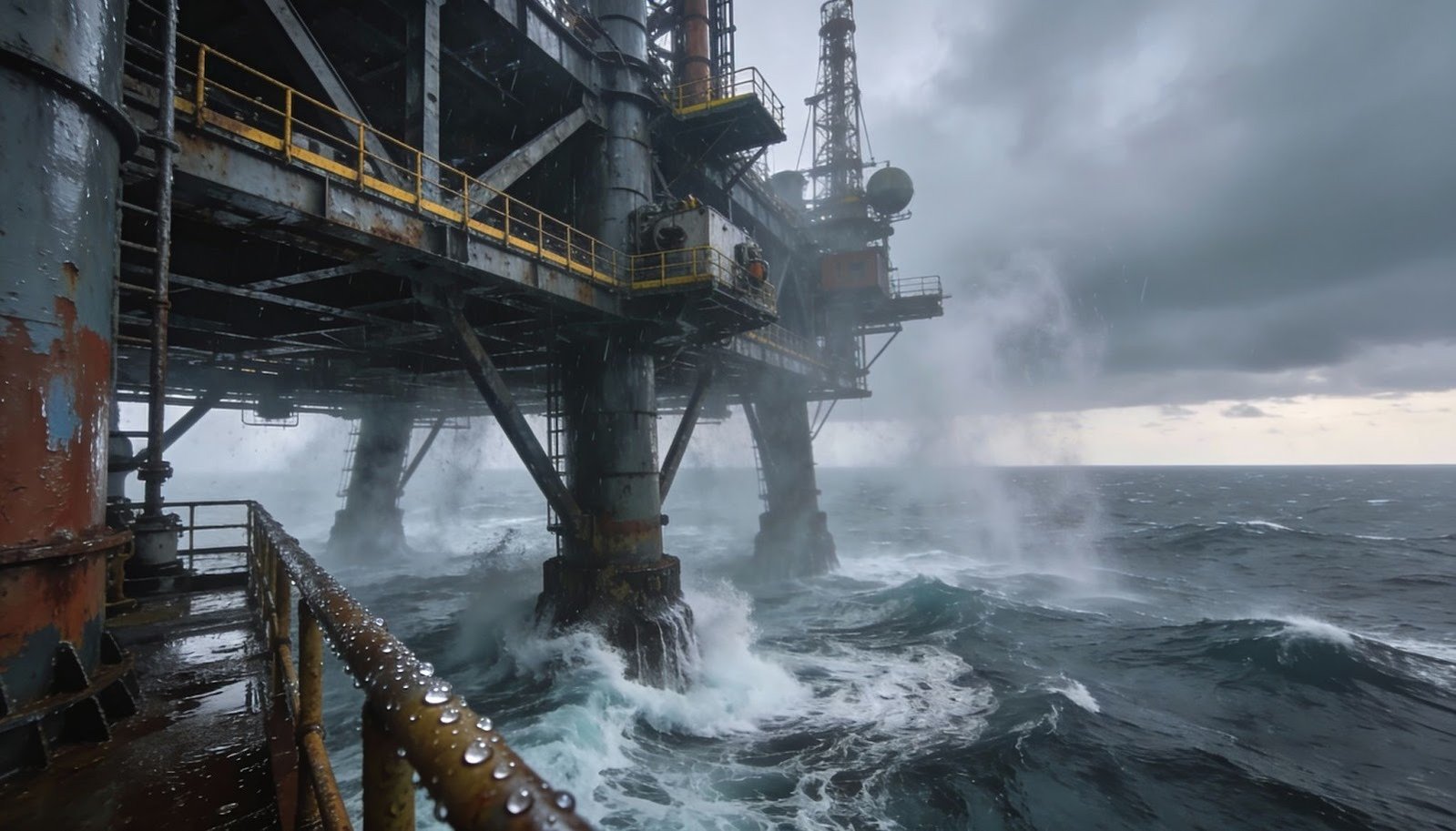
Ports, offshore platforms, and coastal infrastructure face constant exposure to salt spray, high humidity, and corrosive marine atmospheres. A rugged LWIR camera designed for these environments requires sealed housings with appropriate IP ratings, corrosion-resistant materials throughout the optical path, and coatings that maintain transmission performance despite salt accumulation. Standard commercial thermal cameras often fail within months in marine environments, while purpose-built systems deliver years of reliable service.
Extreme Temperature Zones
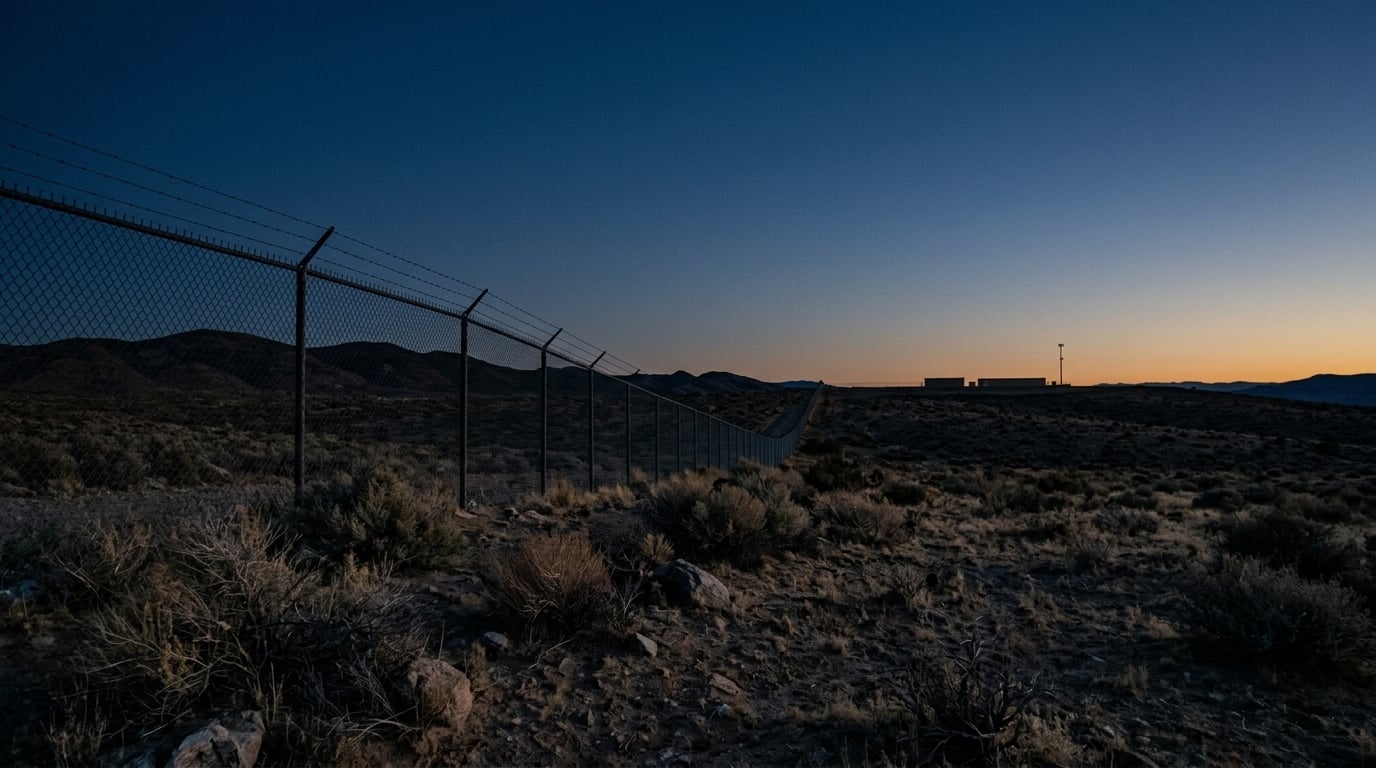
Border installations, pipeline monitoring stations, and remote infrastructure may experience temperature swings from -40°C winter conditions to +50°C summer extremes. Thermal perimeter camera systems must maintain calibration accuracy and image quality across this entire range. The optical elements themselves expand and contract with temperature changes, and systems without proper athermalized designs lose focus as conditions shift. Components rated for extended temperature operation undergo specific qualification testing that standard industrial units skip.
Dust and Particulate Environments
Mining operations, desert installations, and industrial facilities contend with airborne particles that degrade optical surfaces and infiltrate unsealed enclosures. Security LWIR cameras deployed in these conditions require not only environmental sealing but also optical designs that tolerate some surface contamination without catastrophic performance loss. Self-cleaning coatings and protected optical windows extend maintenance intervals and reduce operational costs.
|
Environment Type |
Key Challenges |
Critical Specifications |
|
Coastal/Maritime |
Salt spray, humidity, corrosion |
IP67+, marine-grade materials, hydrophobic coatings |
|
Extreme Cold |
Component brittleness, battery performance, lubricant solidification |
-40°C minimum operating temp, cold-start capability |
|
Extreme Heat |
Sensor drift, housing expansion, electronics stress |
+65°C minimum operating temp, passive cooling design |
|
High Particulate |
Optical contamination, seal degradation |
Sealed optics, protective windows, field-cleanable design |
How Do Thermal Perimeter Cameras Deliver Reliable Detection?
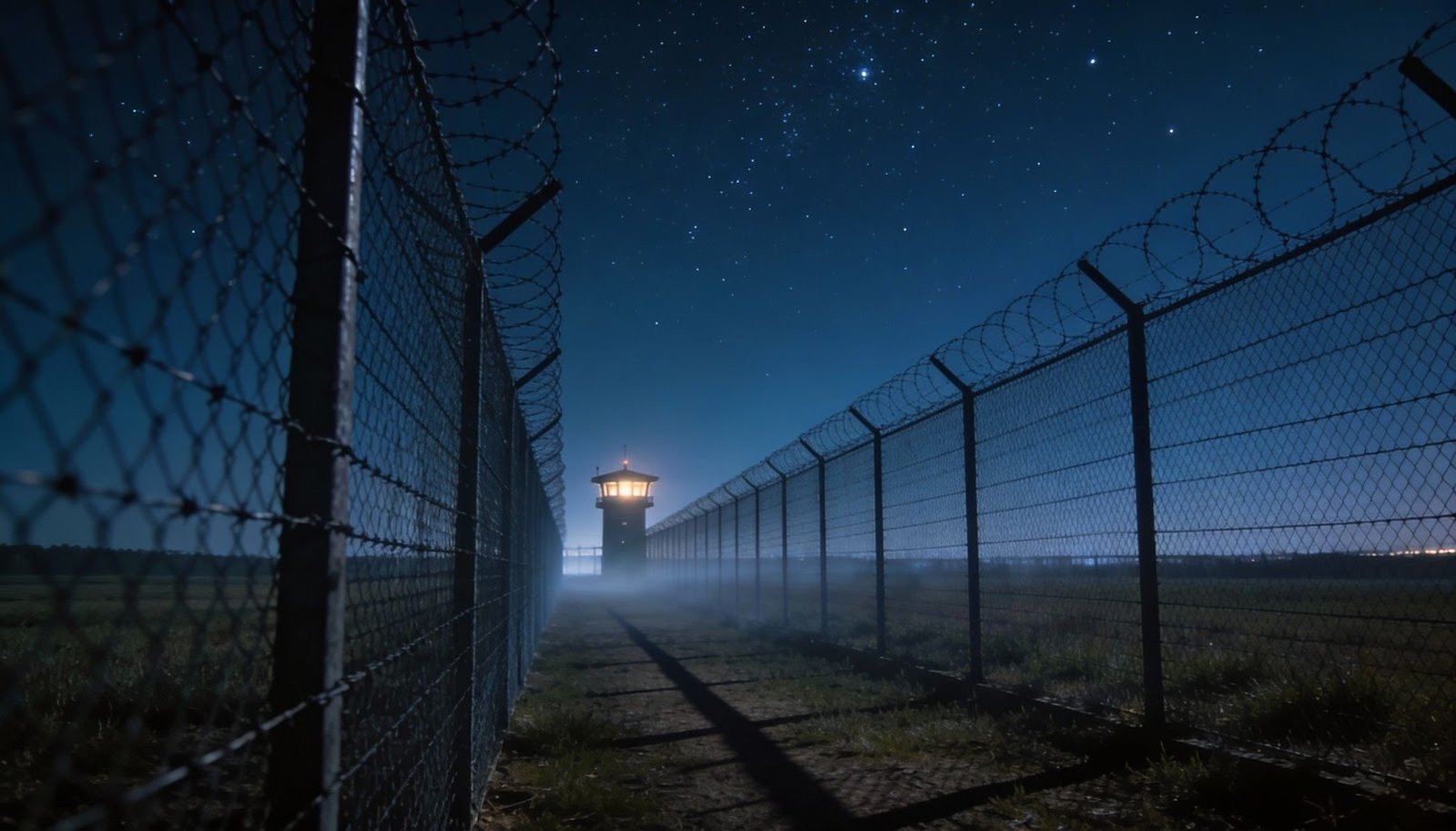
Effective perimeter security requires more than simply detecting heat signatures. The complete thermal perimeter camera system must distinguish genuine threats from environmental noise, maintain consistent performance across changing conditions, and integrate smoothly with broader security infrastructure. Several factors determine whether a thermal security deployment succeeds or generates constant false alarms.
Detection Range and Resolution Matching
The relationship between sensor resolution and optical design determines actual detection capability. A 640×512 pixel sensor paired with appropriate optics can detect human-sized targets beyond 2,000 meters under favorable conditions. However, detection alone rarely satisfies operational requirements. Recognition and identification require more pixels on target, meaning effective range decreases as the required level of detail increases. System integrators must balance detection range against identification requirements for their specific applications.
Environmental Compensation
Atmospheric conditions affect thermal transmission. Humidity, rain, and fog attenuate infrared signals, reducing effective range. Well-designed security LWIR systems incorporate environmental compensation algorithms that adjust sensitivity and processing based on current conditions. This maintains consistent detection performance rather than generating missed detections during adverse weather.
Integration Capabilities
Modern security platforms rarely operate thermal cameras in isolation. Effective systems combine thermal detection with visible-light cameras for identification, radar for volumetric coverage, and analytics software for automated threat assessment. The thermal component must support standard interfaces, provide calibrated radiometric data where needed, and synchronize with other sensors for coordinated response.
Three factors distinguish high-performing thermal perimeter camera deployments:
- Optical quality that maintains resolution and sensitivity across the full field of view, eliminating corner artifacts and ensuring uniform detection probability
- Thermal stability that prevents drift and maintains calibration accuracy despite ambient temperature changes throughout day-night cycles
- Processing capability that supports modern analytics including AI-based classification while maintaining real-time frame rates
Selecting the Right LWIR Partner for Security Integration
For OEMs developing security platforms, the choice of thermal imaging component supplier impacts far more than initial product specifications. Long-term factors including supply chain stability, engineering support depth, and customization flexibility often determine program success more than raw sensor performance.
Vertical Integration Advantages
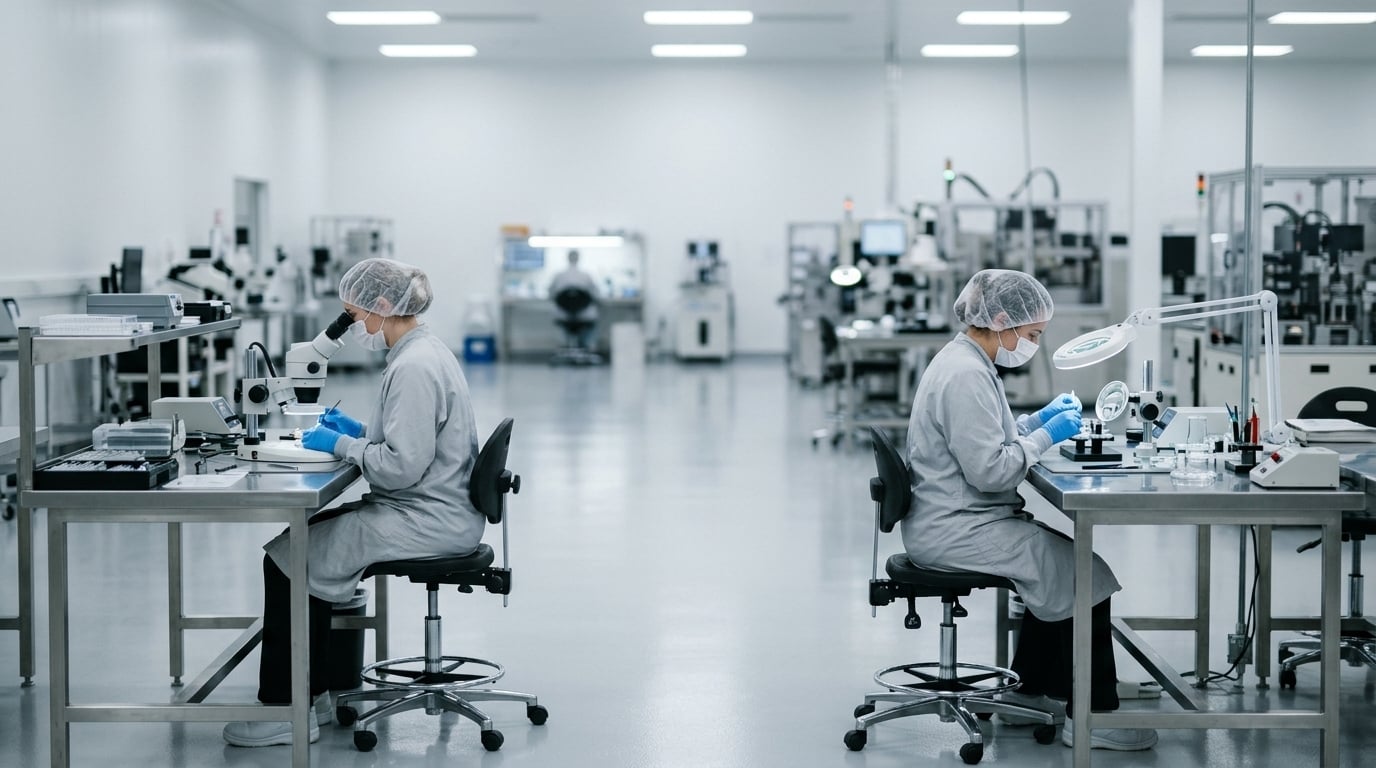
Manufacturers controlling their complete supply chain from raw materials through finished cameras offer significant advantages for security programs. When optical elements, coatings, mechanical assemblies, and electronics all come from coordinated internal teams, integration issues get resolved faster and quality remains consistent across production runs. This matters particularly for programs requiring rugged LWIR camera systems where every component must meet demanding environmental specifications.
Material Supply Considerations
Traditional thermal optics rely heavily on germanium, a material facing supply constraints and price volatility due to concentrated global production. Forward-thinking manufacturers have developed alternative optical materials including chalcogenide glasses that deliver comparable performance with more stable supply chains. For production programs requiring predictable component availability over multi-year timelines, material sourcing strategy matters as much as technical specifications.
Custom Engineering Support
Security applications rarely fit neatly into standard product configurations. Border surveillance systems require different optical designs than port monitoring installations. Counter-drone platforms need faster frame rates than fixed perimeter systems. Manufacturers offering genuine custom engineering capability, rather than simply product selection from a catalog, enable OEMs to optimize their systems for specific operational requirements.
|
Selection Factor |
Questions to Ask |
Why It Matters |
|
Vertical Integration |
Does the supplier manufacture optics, coatings, and cameras internally? |
Reduces supply chain risk and accelerates issue resolution |
|
Material Strategy |
What alternatives to germanium are available? |
Ensures long-term supply stability for production programs |
|
Engineering Support |
Are dedicated engineers assigned to your program? |
Enables true customization rather than product adaptation |
|
Environmental Qualification |
What MIL-STD or equivalent testing has been completed? |
Validates harsh environment performance claims |
|
Production Scalability |
Can the supplier ramp from prototypes to volume production? |
Prevents bottlenecks as your program grows |
Frequently Asked Questions
What detection range can I expect from an LWIR thermal camera in security applications?
Detection range depends on sensor resolution, optical design, target size, and atmospheric conditions. Quality LWIR thermal camera systems typically detect human-sized targets at 1,000-2,000 meters and vehicles at 3,000+ meters under favorable conditions. Recognition and identification require closer ranges where more pixels cover the target.
How does a rugged LWIR camera differ from standard commercial thermal cameras?
Rugged LWIR camera systems feature sealed housings rated IP67 or higher, extended operating temperature ranges typically from -40°C to +65°C, shock and vibration resistance meeting military specifications, and corrosion-resistant materials throughout. Standard commercial units lack these protections and fail quickly in demanding field conditions.
Do thermal perimeter cameras require external illumination?
No. Thermal perimeter camera systems detect heat radiation emitted by objects rather than reflected light. They operate identically in complete darkness as in daylight, requiring no external illumination. This passive detection also means the system itself remains covert and cannot be defeated by intruders avoiding lit areas.
What maintenance do security LWIR systems require?
Purpose-built security LWIR systems require minimal maintenance compared to visible-light alternatives. Typical requirements include periodic cleaning of optical windows, verification of mounting security, inspection of cable connections, and occasional calibration verification. Quality systems designed for harsh environments may operate for years between service intervals.
Build Your Security Platform with Proven Thermal Imaging
Thermal imaging technology has matured to the point where the fundamental performance question is largely settled. Modern LWIR sensors deliver the sensitivity, resolution, and environmental tolerance that security applications demand. The remaining differentiator is execution: which partner can deliver components engineered specifically for your requirements, manufactured with consistent quality, and supported throughout your program lifecycle?
LightPath Technologies brings four decades of optical and infrared expertise to security platform development, offering vertically integrated LWIR solutions from raw materials through finished camera systems. Connect with our engineering team to discuss how our thermal imaging capabilities can strengthen your next security platform.