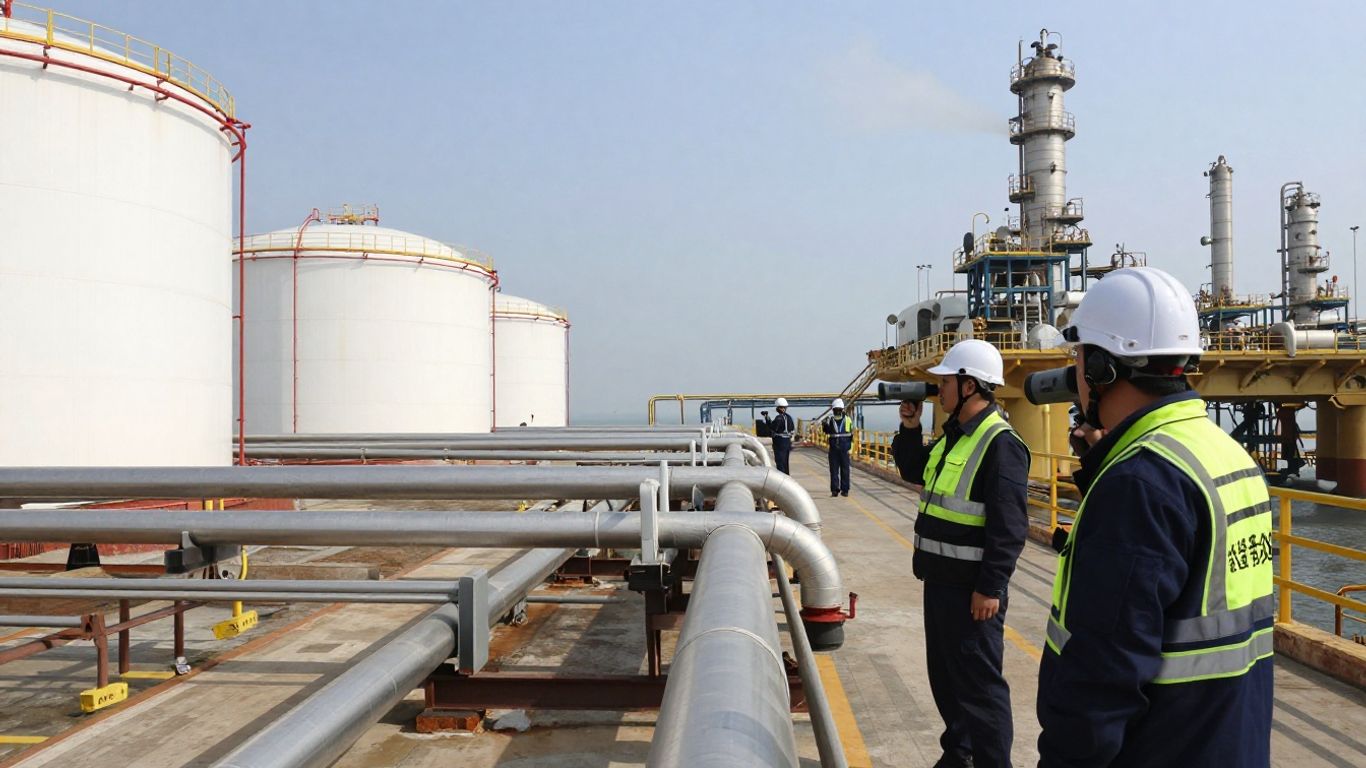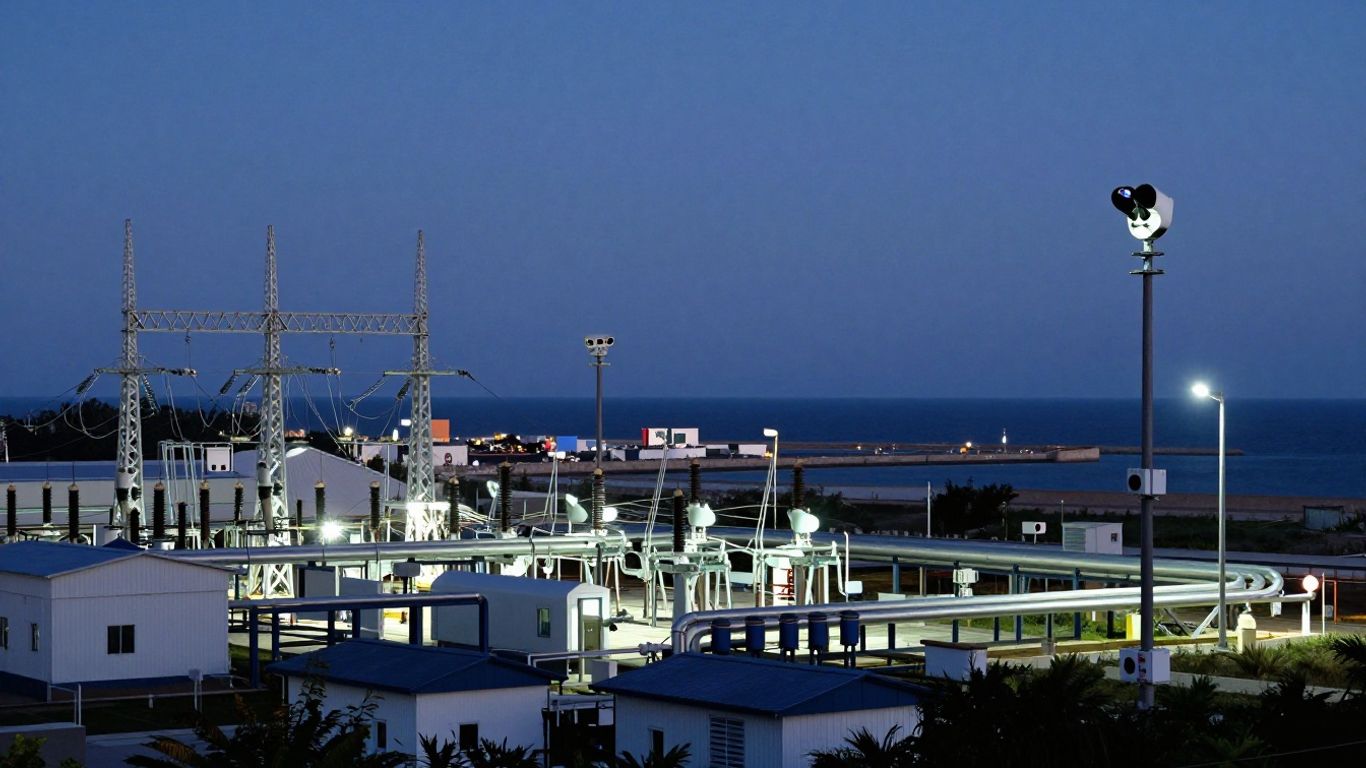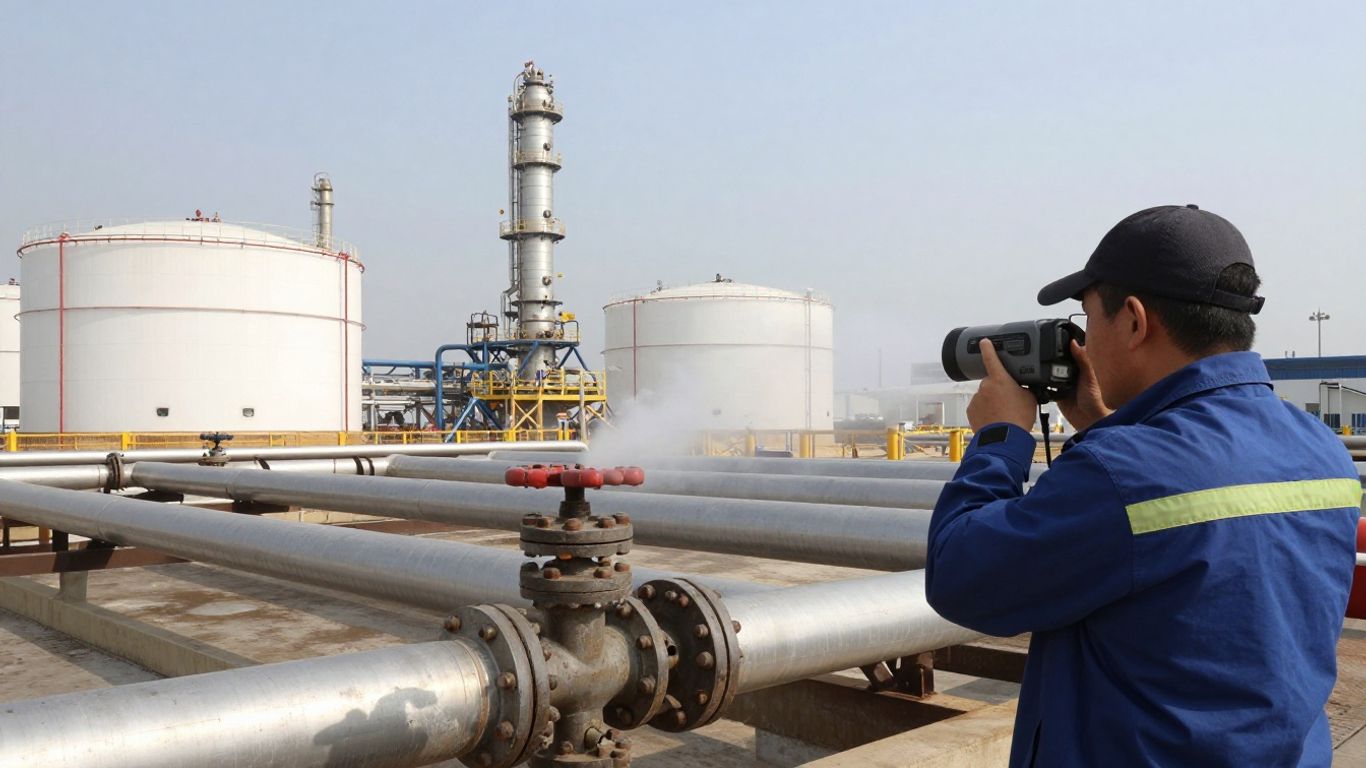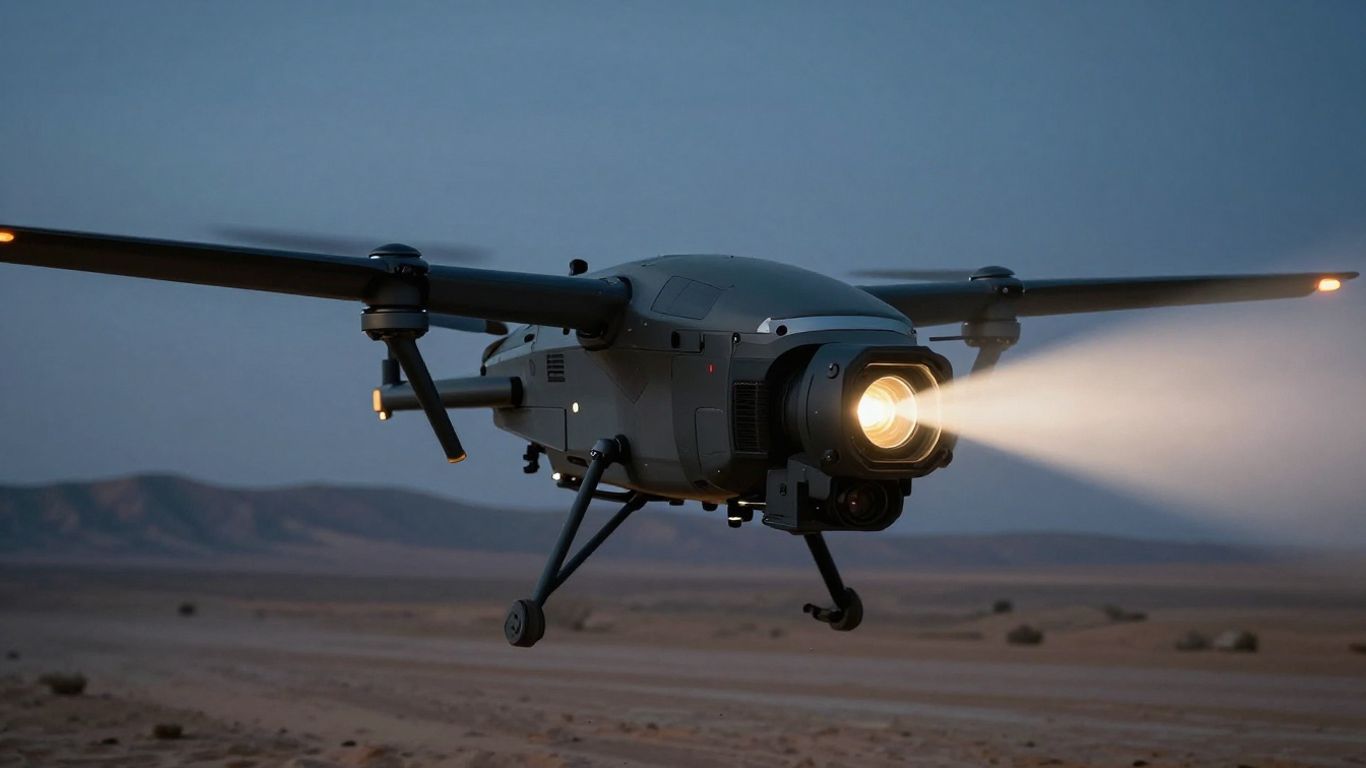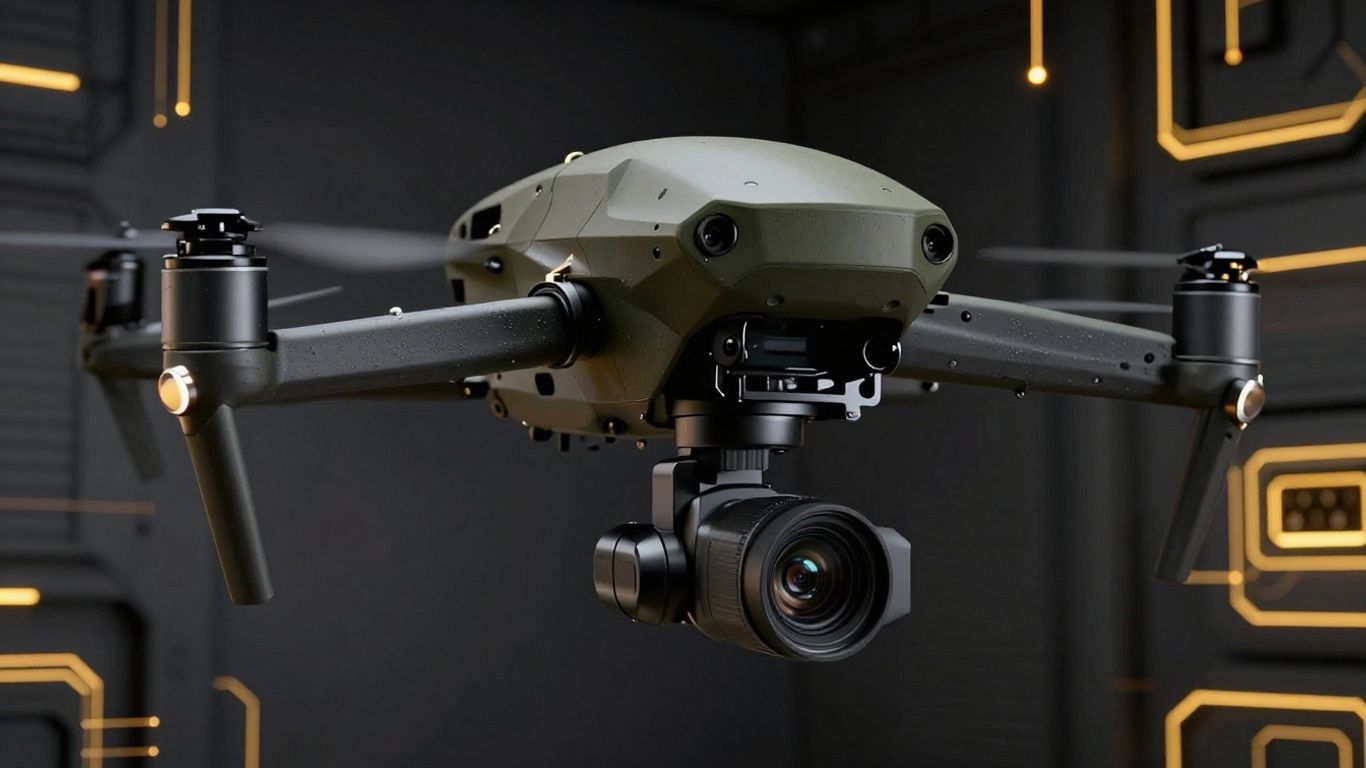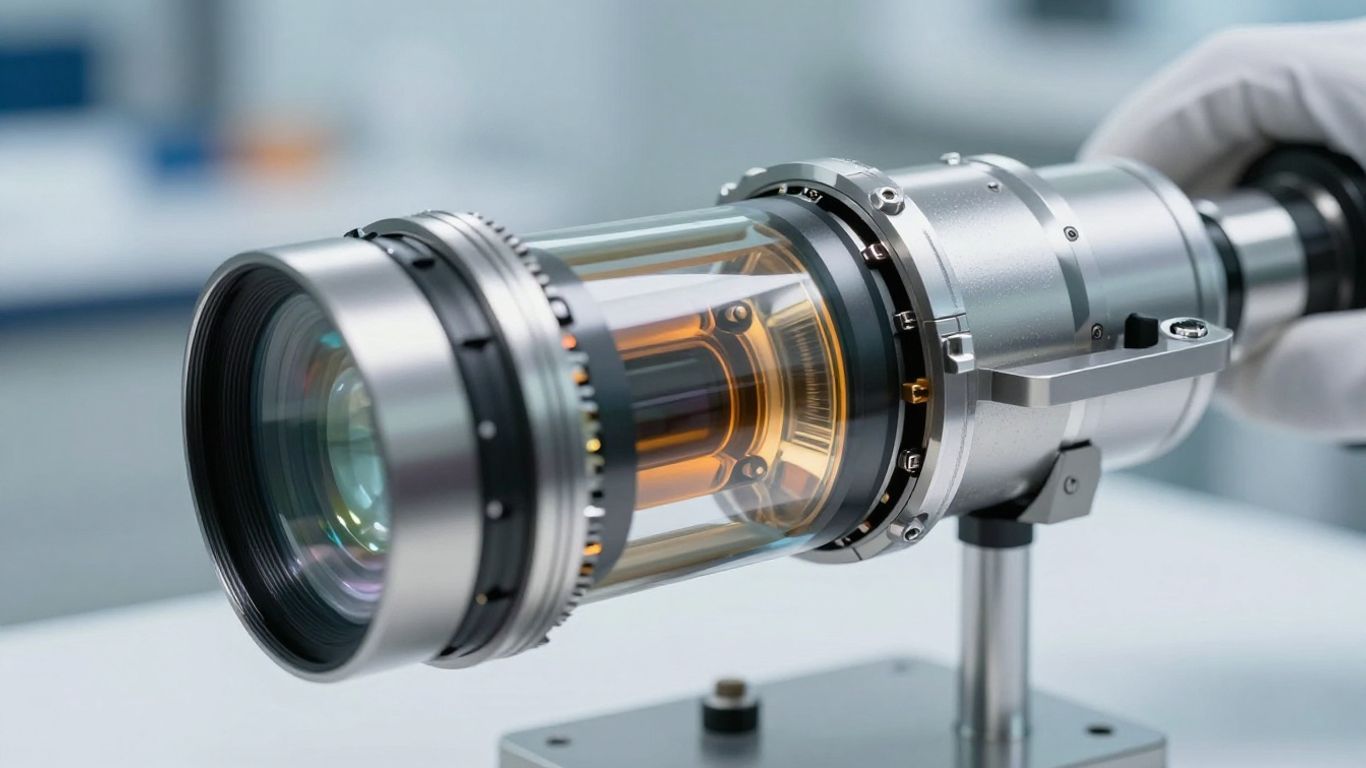

When selecting a thermal camera, several key specifications are important to consider. Focusing on these aspects will help you find a device that performs well for your intended use.
Key Takeaways
- Detector technology (cooled vs. uncooled) impacts sensitivity and cost; choose based on your precision needs.
- Higher thermal resolution and sensitivity allow for more detailed images and detection of smaller temperature differences.
- Consider detection range, field of view, and frame rate for effective real-time monitoring and target identification.
- Environmental resilience, like operating temperature range and IP ratings, is crucial for reliable performance in harsh conditions.
- Integration interfaces, size, weight, power (SWaP), and processing options affect how well the camera fits into your system.
Understanding Core Thermal Camera Specifications
When you begin looking into thermal cameras, you'll encounter a variety of technical specifications. Understanding these core metrics is the first step to selecting a system that truly meets your needs. It's not just about the numbers; it's about what those numbers mean for your specific application.
Detector Technology: Cooled Versus Uncooled Systems
The heart of any thermal camera is its detector. The two primary types you'll encounter are cooled and uncooled systems. Each has distinct advantages and is suited for different tasks.
- Uncooled Systems: These cameras operate at ambient temperature. They are generally more affordable, lighter, and require less maintenance. Modern uncooled detectors offer good sensitivity for many applications, such as locating human-sized heat sources. They are a practical choice for general surveillance or when budget is a primary concern.
- Cooled Systems: These detectors are cryogenically cooled to very low temperatures. This cooling process significantly reduces internal heat noise, leading to superior image clarity and exceptional thermal sensitivity. Cooled systems are ideal for applications demanding the highest precision, such as long-range detection or detailed analysis of subtle temperature differences. They typically come with a higher price tag and require more complex maintenance.
Thermal Resolution and Pixel Detail
Thermal resolution refers to the number of pixels your camera's sensor has. Think of it like the resolution on a regular digital camera – more pixels generally mean a sharper, more detailed image. For thermal cameras, higher resolution allows you to see finer temperature variations and detect smaller objects at greater distances. A common resolution for professional integration modules is 320x240 pixels, with higher resolutions like 640x480 available for more demanding tasks. For applications requiring very fine detail, such as precision process control, resolutions of 1024x768 or higher might be necessary. You can explore how pixel counts represent granularity in thermal imaging.
|
Resolution |
Typical Use Cases |
Benefits |
|---|---|---|
|
320x240 |
General surveillance, basic equipment monitoring |
Cost-effective, good for identifying larger heat signatures |
|
640x480 |
Detailed inspection, longer-range detection |
Improved target recognition, finer temperature detail |
|
1024x768+ |
Precision analysis, military, aerospace |
Maximum detail, smallest temperature variations, extended detection range |
Thermal Sensitivity and Temperature Difference Detection
Thermal sensitivity, often measured as Noise Equivalent Temperature Difference (NETD) in millikelvin (mK), indicates the smallest temperature difference a camera can detect. A lower NETD value signifies higher sensitivity. For instance, a camera with an NETD of 20mK can detect much smaller temperature variations than one with an NETD of 50mK. This is critical for applications where you need to spot subtle heat anomalies, like early signs of equipment failure or faint heat signatures in challenging environments. For search and rescue, high sensitivity is key to locating individuals who may have a reduced body temperature. You can find cameras with typical NETD values around 40mK for general-purpose applications, but professional systems often aim for 20mK or better. If you're interested in the specifics of thermal camera resolution and sensitivity, further details are available.
To learn more about how LightPath Technologies can assist with your thermal imaging needs, please contact us.
Evaluating Imaging Performance Metrics
Beyond the fundamental detector technology, several key imaging performance metrics dictate how effectively a thermal camera will perform in its intended application. These specifications are not merely numbers on a datasheet; they directly translate to the camera's ability to detect, recognize, and track targets under various conditions. Understanding these metrics is vital for selecting a system that meets your operational needs.
Detection Range and Target Recognition Capabilities
The detection range of a thermal camera is its capacity to identify a target at a specific distance. This is influenced by several factors, including the camera's thermal sensitivity, the resolution of its detector, the focal length of its lens, and atmospheric conditions. However, detection is only part of the equation; target recognition is about distinguishing what has been detected. A camera might detect a heat signature, but can it tell you if it's a person, an animal, or a piece of equipment? This requires sufficient resolution and image clarity. For surveillance and security applications, longer detection ranges are often paramount, allowing for early warning and response. The detection range is a primary mission determinant for many tactical uses.
Field of View and Scanning Area Coverage
The Field of View (FOV) determines how much of the scene the camera can capture at any given moment. A wider FOV allows you to scan a larger area, which is beneficial for general surveillance or searching broad expanses. Conversely, a narrower FOV provides a more magnified view, enabling detailed observation of distant targets. The choice between wide and narrow FOV often involves a trade-off: wider views cover more ground but reduce detection range, while narrower views increase detection range but limit the area scanned. Selecting the appropriate FOV depends on whether your priority is broad situational awareness or focused, long-range observation.
Frame Rate and Latency for Real-Time Applications
For applications involving moving targets, dynamic scenes, or rapid platform movement, the frame rate and latency of a thermal camera are critical. Frame rate, measured in Hertz (Hz), indicates how many images the camera captures per second. A higher frame rate results in smoother video playback and better tracking of moving objects. Latency refers to the delay between an event occurring in the scene and its appearance on the display. High latency can be detrimental in time-sensitive operations, such as tracking a fast-moving vehicle or responding to an alert. For real-time applications, a frame rate of 30 Hz or higher with minimal latency is often necessary to ensure operators have the most current visual information for effective decision-making. You can explore how these specifications impact performance in various applications.
To summarize the key imaging performance metrics:
- Detection Range: The maximum distance at which a target can be identified.
- Target Recognition: The ability to distinguish between different types of targets.
- Field of View (FOV): The angular extent of the scene captured by the camera.
- Frame Rate: The number of images captured per second, affecting motion smoothness.
- Latency: The delay between the scene event and its display, impacting real-time responsiveness.
When evaluating thermal cameras, consider how these imaging performance metrics align with your specific operational requirements. Contact us to discuss your needs and find the right solution. Reach out to LightPath for expert consultation.
Assessing Durability and Environmental Resilience
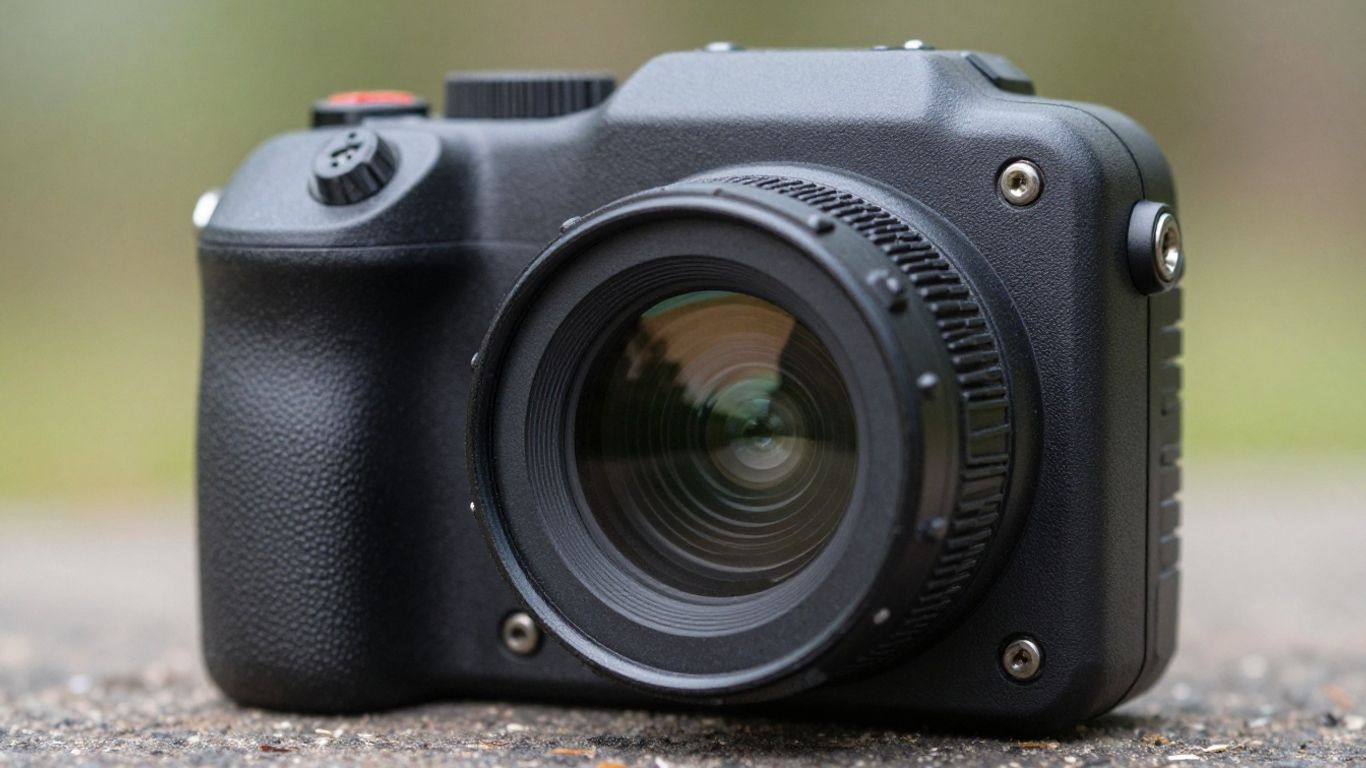
When your operations extend beyond controlled laboratory settings, the resilience of your thermal camera becomes paramount. Standard equipment, designed for benign conditions, can quickly falter when exposed to the elements. You need systems engineered to withstand the rigors of real-world deployment, ensuring consistent performance regardless of the environment.
Environmental Operating Range and Temperature Extremes
Thermal cameras must function reliably across a wide spectrum of temperatures. While many commercial cameras specify operating ranges from -20°C to 50°C, mission-critical applications often demand more. Consider systems capable of operating from Arctic cold, below -40°C, to the intense heat found near industrial furnaces, potentially exceeding 1500°C. This extended capability is vital for applications such as industrial furnace monitoring or aerospace component testing where extreme temperatures are common. Ensuring your camera can maintain calibration and performance across these extremes prevents unexpected failures and maintains operational continuity.
Ingress Protection and Weather Resistance Ratings
Exposure to dust, moisture, and corrosive elements can quickly degrade thermal imaging equipment. Look for cameras with robust Ingress Protection (IP) ratings. An IP67 rating, for instance, signifies that the camera is dust-tight and can withstand immersion in water up to one meter for 30 minutes. For maritime applications, resistance to saltwater corrosion is particularly important, requiring specialized materials and sealed housings. These ratings are not mere technicalities; they are indicators of how well the camera will survive continuous exposure to harsh conditions, from driving rain to sandy deserts.
Shock and Vibration Tolerance for Platform Integration
If your thermal camera will be mounted on a moving platform, such as a vehicle, drone, or aircraft, its ability to withstand shock and vibration is critical. Constant jolts and tremors can dislodge internal components, disrupt sensor alignment, and lead to premature failure. Systems designed for such environments often meet military standards like MIL-STD-810, which outlines rigorous testing for shock, vibration, and other environmental stresses. This ensures that the camera maintains its calibration and imaging performance even when subjected to the dynamic forces of platform operation. For defense and aerospace integrators, understanding these military-grade rugged construction standards is key to selecting reliable components.
To ensure your thermal camera performs when you need it most, carefully evaluate these durability and environmental resilience specifications. For expert guidance on selecting the right equipment for your specific operational needs, please contact us.
Considering Integration and System Compatibility
When you select a thermal camera, it's not just about its core imaging capabilities. You also need to think about how it will fit into your existing systems and workflows. This involves looking at how the camera communicates, what kind of data it outputs, and its physical characteristics. Getting these aspects right is key to a successful implementation.
Flexible Integration Interfaces and Data Output
The way a thermal camera connects and shares information is critical. Modern systems offer various interfaces to ensure they can work with different platforms. Common standards include GigE Vision, USB3, and Camera Link. These protocols allow for smooth data transfer between the camera and your processing units, like industrial PCs or embedded systems. The type of data output also matters; some cameras provide raw sensor data, while others offer processed thermal images or even temperature-specific data. Understanding these options helps you choose a camera that aligns with your data processing capabilities and desired output format. For developers looking to build custom applications, SDKs like the Optris OTC SDK can provide the necessary tools for tailored thermal imaging solutions.
Size, Weight, and Power (SWaP) Considerations
For many applications, especially those involving mobile platforms like drones or vehicles, the physical footprint of the thermal camera is a significant factor. Size, weight, and power (SWaP) requirements dictate how easily a camera can be integrated without negatively impacting the platform's overall performance. A heavy camera might reduce flight time on a drone, while a bulky unit might not fit into a confined space. Similarly, a camera that draws a lot of power can drain batteries faster, limiting operational duration. When evaluating SWaP, consider not just the camera itself but also any necessary accessories or mounting hardware. These factors are often more important than raw performance metrics in constrained environments.
Intelligent Analytics and Embedded Processing Options
Beyond capturing images, many thermal cameras now come with built-in intelligence. Embedded processing capabilities can perform initial data analysis directly on the camera, reducing the need for extensive post-processing or high-bandwidth data transmission. This can include features like anomaly detection, object tracking, or radiometric temperature analysis. For applications requiring real-time alerts or immediate action based on thermal data, cameras with onboard analytics can significantly improve response times. Some systems even offer mobile SDKs, such as the Flir Mobile SDK, allowing for the development of custom applications that can directly utilize the camera's processing power and data streams. This integration of intelligence streamlines workflows and can lead to more efficient operations.
To discuss your specific integration needs and find the right thermal camera solution, please contact us.
Key Differentiators for Professional Applications
When your operational requirements extend beyond standard applications, the specifications that truly matter in thermal cameras become apparent. Professional-grade systems are engineered to perform under duress, offering capabilities that commercial off-the-shelf units simply cannot match. These are the features that separate mission-critical equipment from general-purpose tools.
Extended Temperature Range Capabilities
Many professional applications involve environments with extreme temperatures, far beyond what consumer-grade cameras can handle. Industrial processes, aerospace testing, and certain scientific research demand equipment that maintains accuracy and reliability across vast thermal gradients. While a typical consumer camera might operate within a 0°C to 50°C range, professional systems are designed to function from cryogenic levels up to 1000°C or even higher. This extended capability is vital for monitoring molten materials, cryogenic storage, or high-temperature industrial furnaces. Selecting a camera with an appropriate temperature range for your specific use case prevents premature failure and ensures accurate data collection.
Military-Grade Rugged Construction
Environments where professional thermal cameras are deployed are often unforgiving. Defense operations, heavy industry, and demanding field applications require equipment that can withstand significant physical stress. Military-grade rugged construction means the camera has undergone rigorous testing to ensure it can handle shock, vibration, dust, and moisture. Look for systems that meet specific military standards (like MIL-STD-810G) or possess high Ingress Protection (IP) ratings, such as IP67 or IP68, indicating robust protection against environmental contaminants. This level of durability is not just about longevity; it's about ensuring the camera functions when it's needed most, without fail. For those integrating cameras into platforms, this resilience is paramount for system reliability.
Manufacturing Provenance and Supply Chain Security
For long-term programs, especially in defense and aerospace, the origin and stability of the supply chain are critical considerations. Commercial camera models can be discontinued or have their specifications altered without notice, posing a significant risk to programs with extended lifecycles. Professional-grade systems often come from manufacturers with a proven track record and a commitment to supply chain transparency. This includes control over component sourcing, ensuring availability of critical materials like germanium, and providing assurance against sudden obsolescence. Partnering with a manufacturer that offers robust supply chain security provides peace of mind and protects your program from unforeseen disruptions. This focus on provenance is a key differentiator for OEMs building next-generation platforms.
Optimizing Thermal Camera Specifications for Specific Use Cases
Selecting the right thermal camera involves more than just looking at a spec sheet; it requires aligning the camera's capabilities with the specific demands of your application. What works for one scenario might be entirely unsuitable for another. Understanding these nuances is key to making an informed decision that maximizes performance and value.
Resolution Requirements for Manufacturing Applications
In manufacturing, the level of detail a thermal camera can capture directly impacts its usefulness. While basic thermal imaging can operate with lower resolutions, industrial settings often need a minimum of 320x240 pixels for reliable equipment monitoring and fault detection. For more precise work, such as monitoring electrical panels or large equipment, a resolution of 640x480 pixels is often ideal. If your application involves intricate process control or high-quality inspection where detecting very fine defects is necessary, you might consider resolutions of 1024x768 or even 1280x1024 pixels. This higher pixel density allows for more accurate temperature mapping and the identification of subtle anomalies that could indicate impending issues.
|
Application Type |
Minimum Resolution |
Optimal Range |
|---|---|---|
|
Electrical Panel Monitoring |
320x240 |
640x480 |
|
Large Equipment Monitoring |
320x240 |
640x480 |
|
Precision Process Control |
640x480 |
1024x768 |
|
Quality Control Inspection |
640x480 |
1280x1024 |
Detection Range for Surveillance and Security
For surveillance and security applications, the camera's ability to detect targets at a distance is paramount. This capability is influenced by several factors, including the detector's thermal sensitivity (measured in millikelvin, mK), the lens's focal length, and atmospheric conditions. A camera with high thermal sensitivity, such as 20mK or better, can detect subtle heat signatures that might be missed by less sensitive systems. This is particularly important for identifying concealed threats or distant targets. The field of view (FOV) also plays a critical role; a wider FOV allows for broader area coverage, which is useful for general situational awareness, but it inherently reduces the detection range. Conversely, a narrower FOV increases detection range but covers less area. Many surveillance programs find that a dual-camera system, offering both wide and narrow FOV options, provides a balanced solution, though this adds complexity and weight. You can explore advanced thermal imaging assemblies designed for weight optimization to help manage these trade-offs.
Environmental Durability for Search and Rescue
Search and rescue (SAR) operations often take place in unpredictable and challenging environments. Therefore, the thermal camera system must be robust enough to withstand these conditions. Key considerations include:
- Environmental Operating Range: The camera must function reliably across a wide spectrum of temperatures, from extreme heat to freezing cold, without calibration drift or failure. This is vital for missions in diverse climates.
- Ingress Protection (IP) Ratings: Look for cameras with high IP ratings (e.g., IP67 or higher) to ensure protection against dust, water, and moisture, which are common in outdoor SAR scenarios.
- Shock and Vibration Tolerance: SAR operations can involve rough handling, vehicle transport, or deployment from drones. The camera should be built to withstand these physical stresses without compromising performance.
Modern uncooled thermal cameras offer a good balance of performance, cost, and durability for many SAR applications, providing sufficient sensitivity to locate human-sized heat sources even in challenging conditions. For more information on selecting the right thermal imaging camera, consider key specifications.
To discuss your specific application needs and find the optimal thermal camera solution, please contact us.
Choosing the right thermal camera parts is super important for different jobs. We help you figure out what works best for your needs. Want to learn more about picking the perfect gear? Visit our website today!
Conclusion
Choosing the right thermal camera involves looking beyond just the resolution. You need to consider how the camera's detector technology, sensitivity, and imaging performance align with your specific tasks. Durability for tough environments, integration options for your existing systems, and specialized features for demanding applications are also vital. By carefully evaluating these thermal camera specifications, you can select a tool that reliably meets your needs and provides clear, actionable data when it matters most.
Frequently Asked Questions
What does 'thermal resolution' mean for a camera?
Thermal resolution is like the number of tiny dots (pixels) a camera uses to make a picture. More dots mean you can see finer details in the heat image, which helps spot smaller things or see them from farther away. It's similar to how a TV with more pixels shows a sharper picture.
How is 'thermal sensitivity' different from resolution?
Thermal sensitivity tells you how well the camera can spot tiny differences in temperature. A camera with high sensitivity can see a very small change in heat, like the difference between a warm hand and the slightly cooler wall behind it. Resolution is about detail, while sensitivity is about detecting small temperature changes.
Why is 'field of view' important?
The field of view is how much area the camera can see at once, like looking through a window. A wide field of view lets you scan a big area quickly, but things might look smaller. A narrow field of view zooms in on a smaller area, letting you see more detail at a distance.
What does an 'IP rating' mean for a thermal camera?
An IP rating (Ingress Protection) is a code that tells you how well the camera is protected from things like dust and water. For example, an IP67 rating means it's protected against dust and can even be dipped in water for a short time. This is important if you plan to use the camera outside or in wet places.
What is 'SWaP' and why does it matter?
SWaP stands for Size, Weight, and Power. For cameras used on drones or other moving platforms, these factors are really important. A smaller, lighter camera that uses less power means the drone can fly longer and carry more. It's about making sure the camera doesn't weigh down the system too much.
Should I get a cooled or uncooled thermal camera?
Uncooled cameras are generally cheaper, lighter, and easier to maintain. They work well for many tasks. Cooled cameras are more expensive but offer much better sensitivity and image quality, making them ideal for tasks where you need to see very subtle temperature differences or detect things from very far away.