
Key Takeaways
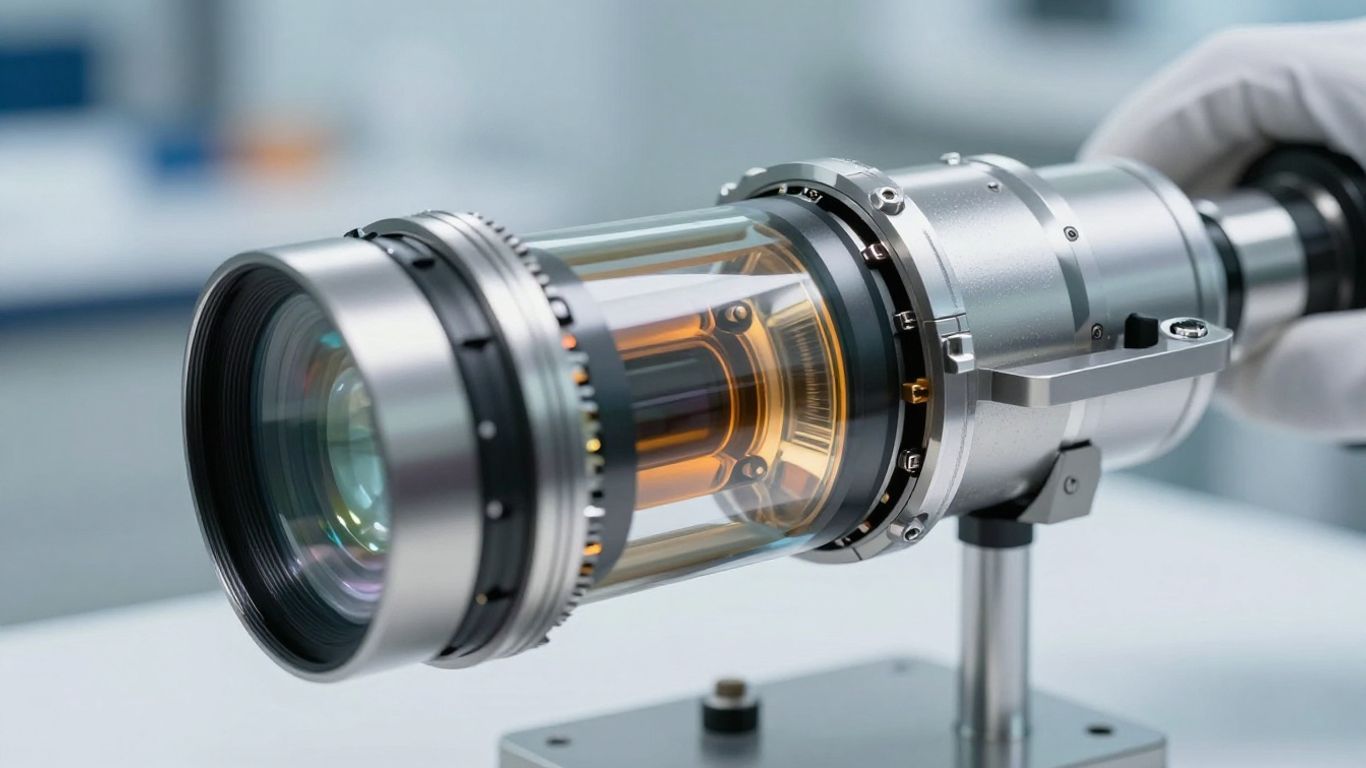
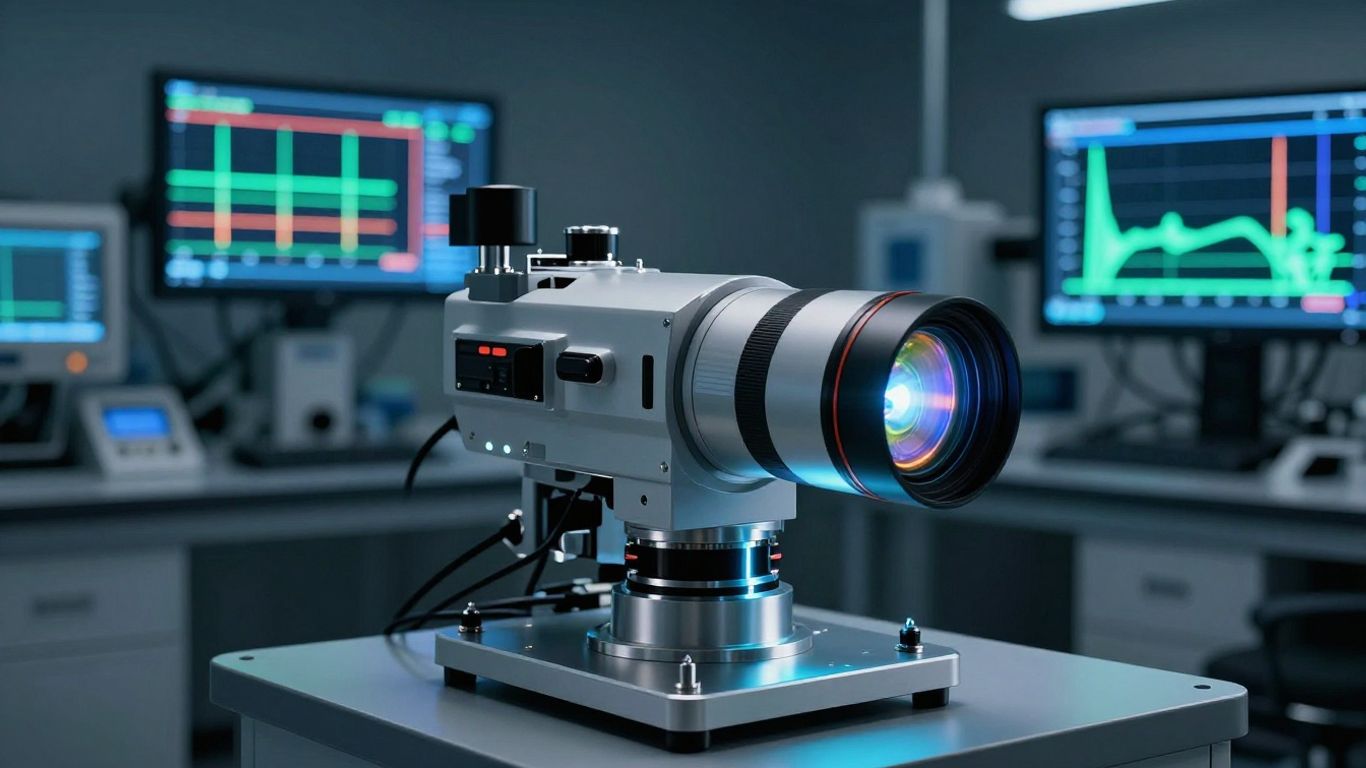
Understanding MWIR imaging systems requires balancing spectral physics with practical engineering constraints to optimize performance for high-temperature detection.
- MWIR technology operates in the 3 to 5 micrometer spectral band, making it ideal for detecting objects significantly hotter than ambient environments.
- High-performance cooled photon detectors facilitate superior sensitivity, allowing for clear identification of subtle thermal differences in challenging conditions.
- Atmospheric transmission in the mid-wave range provides distinct advantages over long-wave alternatives in high-humidity or maritime environments.
- Integrating cryocooled systems requires careful management of size, weight, and power (SWaP) constraints to meet specific mission requirements.
- Advanced imaging architectures now incorporate dual-band sensing and AI-enhanced edge processing to refine target identification and operational flexibility.
Understanding mid-wave infrared physics
The 3 to 5 micrometer spectral band
The mid-wave infrared spectrum, spanning from approximately 3 to 5 micrometers, functions as a high-precision tool for detecting thermal energy. By focusing on this specific wavelength range, you effectively capture radiation signatures from objects that emit intensely at these frequencies, which are often indicative of energetic processes or high-temperature machinery.
Electromagnetic emission and Planck’s law
According to Planck's law, the spectral radiance of an object increases with its temperature, while the peak of this emission shifts toward shorter wavelengths as the object heats up. While ambient items emit primarily in the long-wave range, your high-temperature targets generate substantial peak emission within the mid-wave band. This natural physical property allows you to isolate and image hot objects with significant clarity.
Contrasting target temperatures against background radiation
Imaging high-temperature targets requires achieving excellent contrast against the cooler ambient background. Because MWIR sensors capitalize on the intense energy output of hot surfaces, you gain a clear visual separation between the signature of an exhaust plume or industrial engine and the cooler surroundings, allowing for enhanced thermal target differentiation in demanding operational fields.
Core technical components of MWIR imaging systems
Cooled photon detector technology
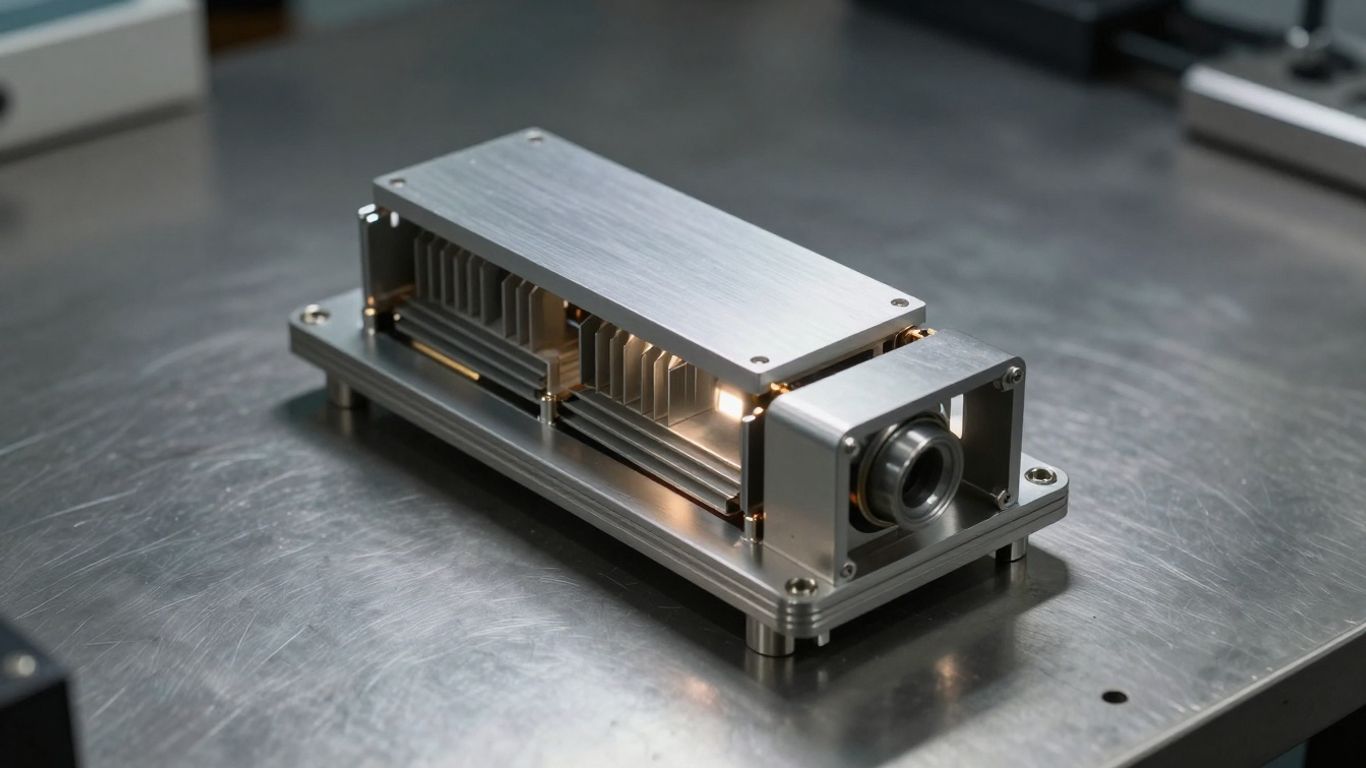
To capture radiation effectively within the 3 to 5 micrometer band, MWIR systems rely on sophisticated photon detectors. These components convert incoming infrared photons directly into electrical signals, providing a degree of sensitivity that is critical for identifying fast-moving or relatively small thermal signatures that other technologies might miss.
The role of cryogenic cooling mechanisms
Reducing internal detector noise is a primary requirement for maintaining the high-resolution output of these sensors. By cooling the focal plane array to cryogenic temperatures, you minimize thermal agitation within the detector material, ensuring the system produces a crisp, high-fidelity image even when detecting faint differences in warmth at long ranges.
Optimizing sensor sensitivity for high-temperature targets
You can refine the detector configuration to prioritize specific target profiles, ensuring that your system maintains a linear response across the intended temperature scale. LightPath Technologies specializes in infrared imaging assemblies that incorporate cold shield optical designs to improve signal-to-noise ratios, ensuring your hardware hits the required sensitivity benchmarks for high-temperature monitoring.
Performance advantages over long-wave infrared
Superior range in humid or maritime environments
When conducting surveillance over water or in high-humidity climates, mid-wave radiation often experiences less atmospheric scattering than long-wave bands. This specific transmission characteristic allows your system to maintain detection ranges that remain stable even when air quality or moisture levels fluctuate significantly throughout the day.
Enhanced contrast for detecting hot objects
Detecting targets like industrial furnaces or moving engine components demands a sensor attuned to high-energy peak emissions. While other systems might saturate when viewing such heat sources, your MWIR imaging system provides a wide dynamic range, allowing you to observe specific details within hot zones without losing visual context.
Effective identification through specific atmospheric obscurants
Certain airborne particulates scatter long-wave light more readily than mid-wave photons, providing you with a clearer field of vision in specific industrial or tactical environments. By choosing the right infrared wavelength for your application, you optimize your ability to peer through smoke or haze that might otherwise render standard sensors ineffective. This effectiveness across variables can be compared in the following table.
|
Feature |
Long-Wave Infrared (LWIR) |
Mid-Wave Infrared (MWIR) |
|---|---|---|
|
Ideal Temperature Range |
Ambient (near 20°C) |
High-temperature (100°C+) |
|
Atmospheric Penetration |
Better in dense fog |
Better in high humidity |
|
Cooling Requirement |
Uncooled (standard) |
Cooled (required) |
Selecting the appropriate wavelength approach is vital for ensuring mission success, as each offers unique performance characteristics that must align with your environmental variables and target composition.
System integration and operational trade-offs
Managing size, weight, and power (SWaP) constraints
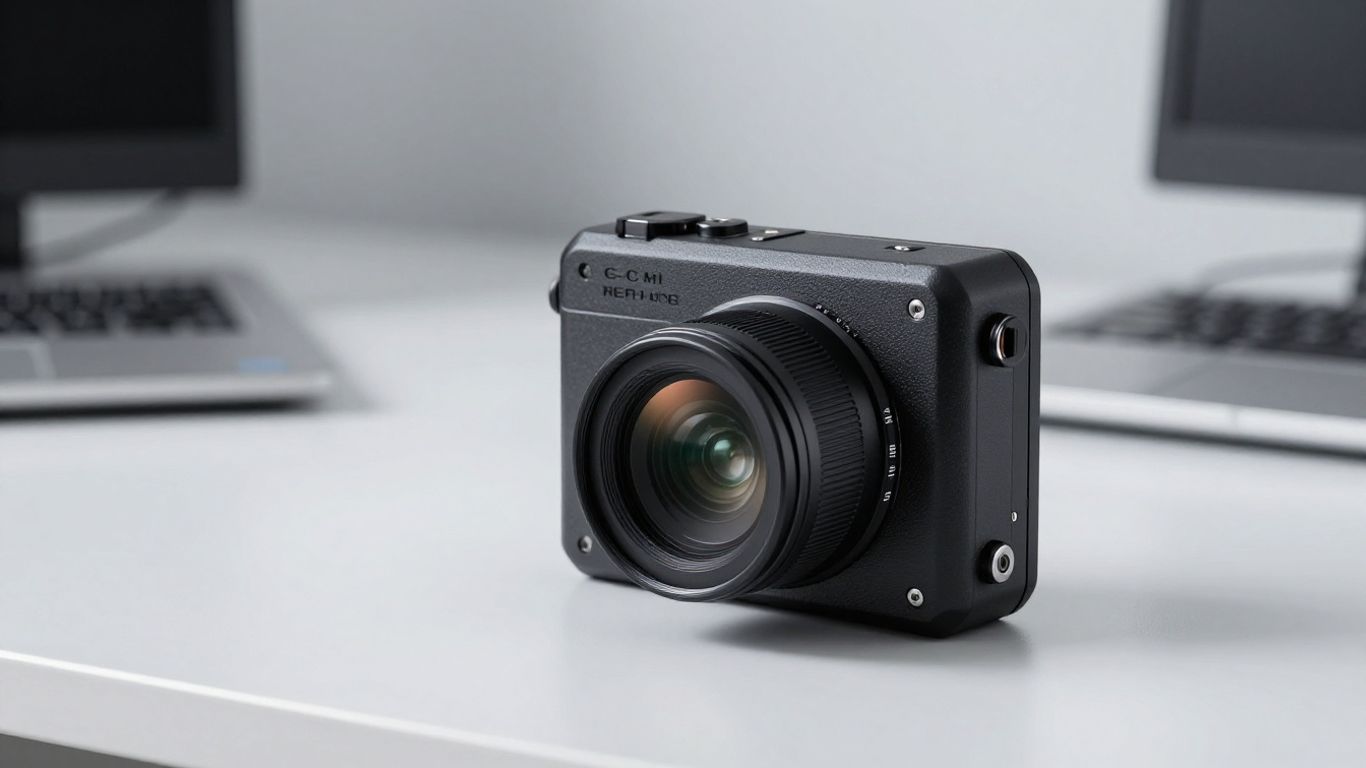
Incorporating a cryocooled MWIR sensor into a smaller platform naturally introduces challenges regarding the physical footprint and the electrical load required to maintain sensor stability. You should prioritize components like BlackDiamond™ infrared chalcogenide glass lenses that reduce the overall weight without sacrificing the precision of the optical path, helping you maintain a balance between performance and the power limits of your platform.
Maintenance requirements for cryocooled systems
Because your MWIR system utilizes sophisticated cooling hardware, you are maintaining a platform that performs at a higher level than uncooled alternatives but requires routine mechanical attention. This overhead is part of the operational cycle for high-sensitivity imaging, ensuring that the cryocooler maintains its vacuum integrity and performs consistently throughout the product's lifespan.
Balancing premium pricing against specialized utility
High-performance imaging technology generally commands a higher cost, which reflects the advanced manufacturing required for cryocooled sensors and specialized optics. When developing your project, consider how the targeted performance of LightPath Technologies' advanced engineering can offer a better total cost of ownership over time by reducing the need for redesigns and avoiding integration missteps with infrared components that fail to meet professional standards.
Key applications for MWIR technology
Long-range defense and tactical surveillance
Defense programs frequently specify MWIR sensors due to their unparalleled range for tracking active vehicles and aircraft. By capturing the distinct heat signature of a propulsion system or exhaust vent at significant distances, these systems provide critical information to operators who need reliable, long-range situational awareness in complex landscapes.
Industrial furnace and combustion process monitoring
To ensure safety and efficiency during metal processing or chemical combustion, you can utilize MWIR cameras to monitor internal chamber temperatures. These systems excel at viewing thermal gradients directly inside high-temperature environments, which are essential for maintaining industrial process oversight and quality control protocols.
Gas detection and hydrocarbon identification
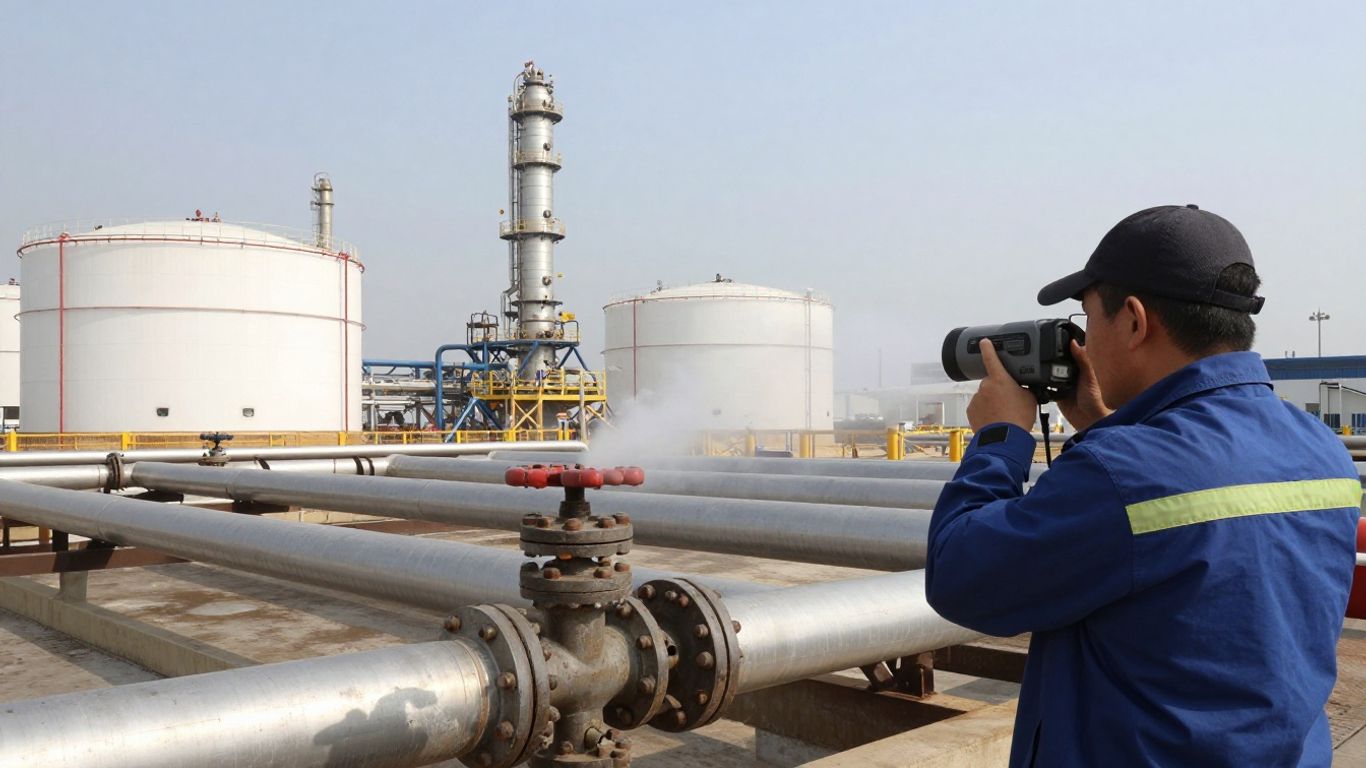
Monitoring infrastructure for leaks requires a solution that can identify specific gas signatures that absorb unique wavelengths within the mid-wave band. By leveraging the sensitivity of your imaging system, you can implement a remote detection method for identifying volatile organic compounds that would otherwise remain invisible to human operators and standard machine vision optics.
Future directions in MWIR development
Advancements in dual-band imaging platforms
Researchers are now integrating MWIR and LWIR in dual-band imaging architectures, which provide a broader spectral understanding of the environment. These modules allow you to capture ambient signatures alongside high-temperature data in a single frame, reducing the need for multiple cameras on your platform.
Integration with edge-based AI hardware
Modern development paths focus on placing artificial intelligence directly on the camera hardware. By processing thermal data locally, your system can automatically filter out false positives and track targets in real-time, which significantly reduces the bandwidth and overhead associated with transmitting large video feeds back to a command center.
Enhancing detector reliability and total cost of ownership
Future sensors aim to improve the lifespan of cryocoolers and extend the operating temperature range of the detector itself. These advancements, when combined with high-quality optics, move the market toward systems that are not only more durable but also simpler to integrate into modular architectures that scale across industrial and defense applications.
Conclusion
Understanding MWIR technology as a specialized tool for high-sensitivity, long-range imaging allows you to make informed decisions for your next platform integration. Whether you are addressing demanding industrial monitoring needs or essential defense surveillance, the performance advantages provided by mid-wave sensors can be a decisive factor in your mission's success. To discuss how our expertise in high-performance optics and thermal assemblies can support your specific platform requirements, feel free to contact our team of experts at https://www.lightpath.com/contact.
Frequently Asked Questions
Why is cooling required for most MWIR imaging systems?
Cooling is necessary to reduce the thermal noise generated by the detector hardware itself, which enables the sensor to resolve very faint radiation signals against the background.
Does an MWIR imaging system work as well for security as an LWIR camera?
MWIR and LWIR are optimized for different temperature ranges, as MWIR excels at hot target detection while LWIR is generally better for ambient temperature observation in security applications.
Can mid-wave infrared see through glass windows?
Standard glass does not transmit infrared radiation effectively, meaning thermal cameras typically require specific optical materials like germanium or chalcogenide lenses to function properly.
How does atmospheric humidity impact MWIR performance?
The mid-wave band is well-suited for transmission through atmospheric water vapor, providing better clarity in humid maritime conditions compared to other infrared sensing methods.
What are the main limitations to using cooled IR systems in drones?
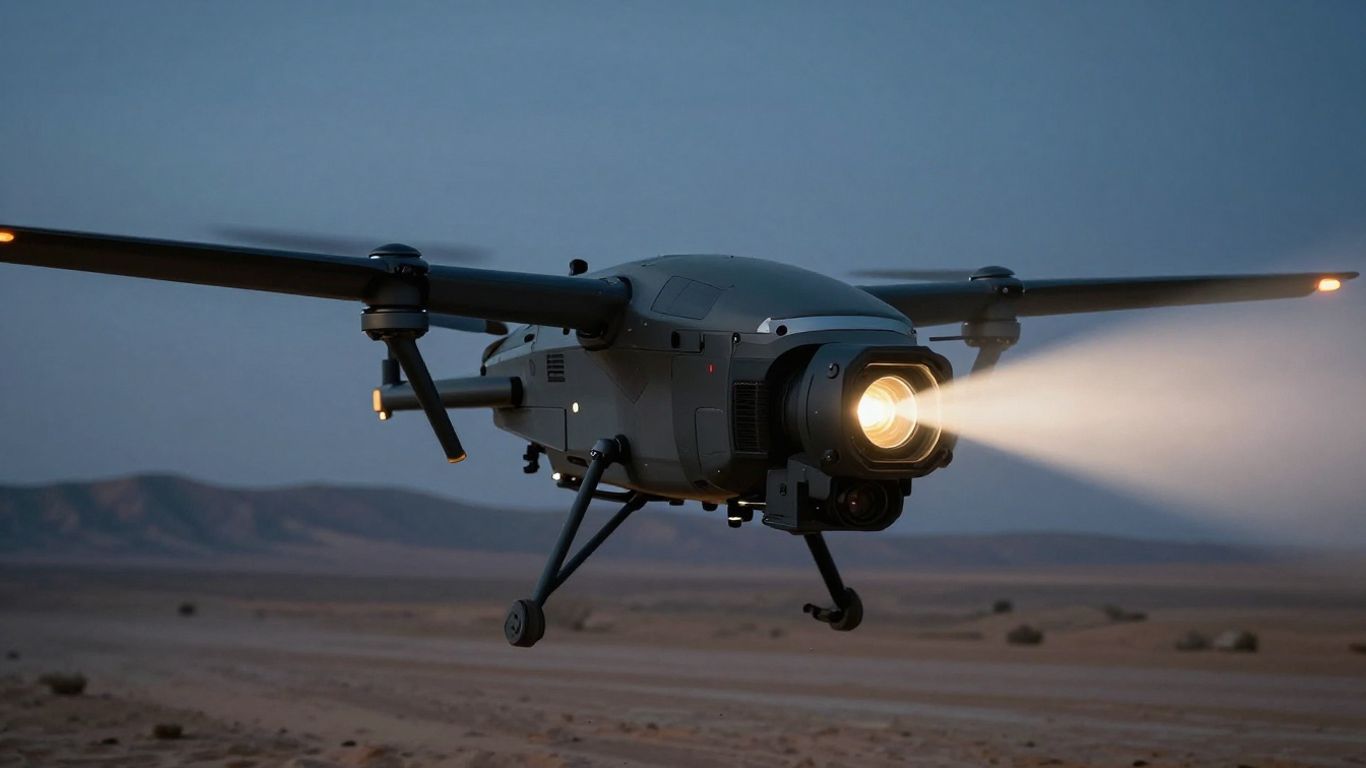
The primary challenges involve managing the significant size, weight, and power requirements of the cryogenic system, which can impact flight time and battery longevity.
Are MWIR cameras used in predictive maintenance projects?
While MWIR is often leveraged for high-temperature furnace monitoring, predictive maintenance for electrical or mechanical equipment typically favors cost-effective, uncooled LWIR cameras.
How is sensitivity measured in these imaging systems?
Sensitivity is typically expressed as the Noise Equivalent Temperature Difference (NETD), which indicates the minimum temperature variation the detector can distinguish at a given signal-to-noise ratio.