
When you're looking to get an infrared camera, there are a few main things to keep in mind. It's not just about the camera itself, but how it works, what it can do, and how it fits with everything else. Here are the most important points to remember.
Key Takeaways
- Understand the difference between thermal cameras that see heat and near-infrared cameras that see reflected light.
- Look at the camera's thermal resolution and sensitivity (NETD) to know how much detail it can show.
- Decide between cooled cameras for top performance or uncooled cameras for lighter weight and lower cost.
- Consider the camera's size, weight, and power needs (SWaP) to make sure it fits your platform.
- Think about how you'll use the camera for specific jobs like security or inspecting structures.
Understanding Infrared Camera Technology
When you begin looking into infrared cameras, you'll quickly find there are different types. It's not just one category. The main distinction lies between systems that detect heat and those that detect reflected light. Knowing this difference is key to picking the right tool for your job.
Distinguishing Between Thermal and Near-Infrared Systems
True thermal infrared cameras operate in specific wavelength bands, typically Long-Wave Infrared (LWIR) from 8-14 micrometers or Mid-Wave Infrared (MWIR) from 3-5 micrometers. These cameras detect the heat that objects naturally emit. This means they can see in complete darkness, fog, or smoke because they aren't relying on visible light. They work by sensing temperature differences. For example, a warm body will stand out against a cooler background, even if you can't see it with your eyes. This passive detection capability is a major advantage in many applications.
On the other hand, Near-Infrared (NIR) systems, which operate in the 0.7-2.5 micrometer range, are quite different. These cameras detect reflected light, much like a standard digital camera. They require an external light source, often infrared LEDs, to illuminate the scene. Think of them as seeing in a type of invisible light. While they can be useful, they don't detect heat directly and are limited by the same factors that affect visible light, such as the need for illumination and potential scattering in adverse weather. It's important to clarify which type of system you are looking at, as their operational principles and limitations vary significantly. This distinction also affects export classifications, as ITAR and EAR regulations treat LWIR and MWIR systems differently from NIR systems. Understanding these differences early can prevent delays or redesigns.
The Role of Wavelengths in Infrared Imaging
The specific wavelengths an infrared camera uses determine what it can
Key Performance Metrics for Infrared Cameras
When you're looking at infrared cameras, it's easy to get lost in all the numbers and technical terms. But understanding a few key performance metrics will help you pick the right tool for the job. These aren't just abstract figures; they directly impact what you can see and how well you can see it.
The Significance of Thermal Resolution
Thermal resolution refers to the number of pixels your camera's sensor has. Think of it like the megapixels in a digital camera. More pixels mean more data points to create an image. For infrared cameras, this translates to more detailed thermal pictures. A higher resolution allows you to distinguish between smaller temperature differences and detect objects at greater distances. For instance, a camera with a 640x512 resolution will generally provide more detail than one with a 320x240 resolution. However, it's not just about the pixel count; the optical design plays a huge role too. A camera with fewer pixels but a superior lens might actually outperform a higher-resolution camera with a less capable lens for certain tasks, especially long-range detection. It's about the instantaneous field of view (IFOV) per pixel, which is a combination of sensor resolution and lens characteristics.
Understanding Thermal Sensitivity (NETD)
Thermal sensitivity, often expressed as Noise Equivalent Temperature Difference (NETD), tells you how well a camera can detect very small temperature variations. It's measured in millikelvins (mK). A lower NETD value means the camera is more sensitive and can pick up fainter heat signatures. Imagine trying to spot a tiny ember in a dark room; a more sensitive camera is like having better night vision. A camera with an NETD of 30mK can distinguish smaller temperature differences than one with an NETD of 50mK. It's important to note that the NETD specified by manufacturers is often a best-case scenario. The actual performance can be affected by the lens used; for example, an F/1.0 lens might achieve a lower NETD than an F/1.5 lens on the same sensor. This is why understanding the full system, including the optics, is so important for real-world performance.
The Impact of Optical Design on Detection Capability
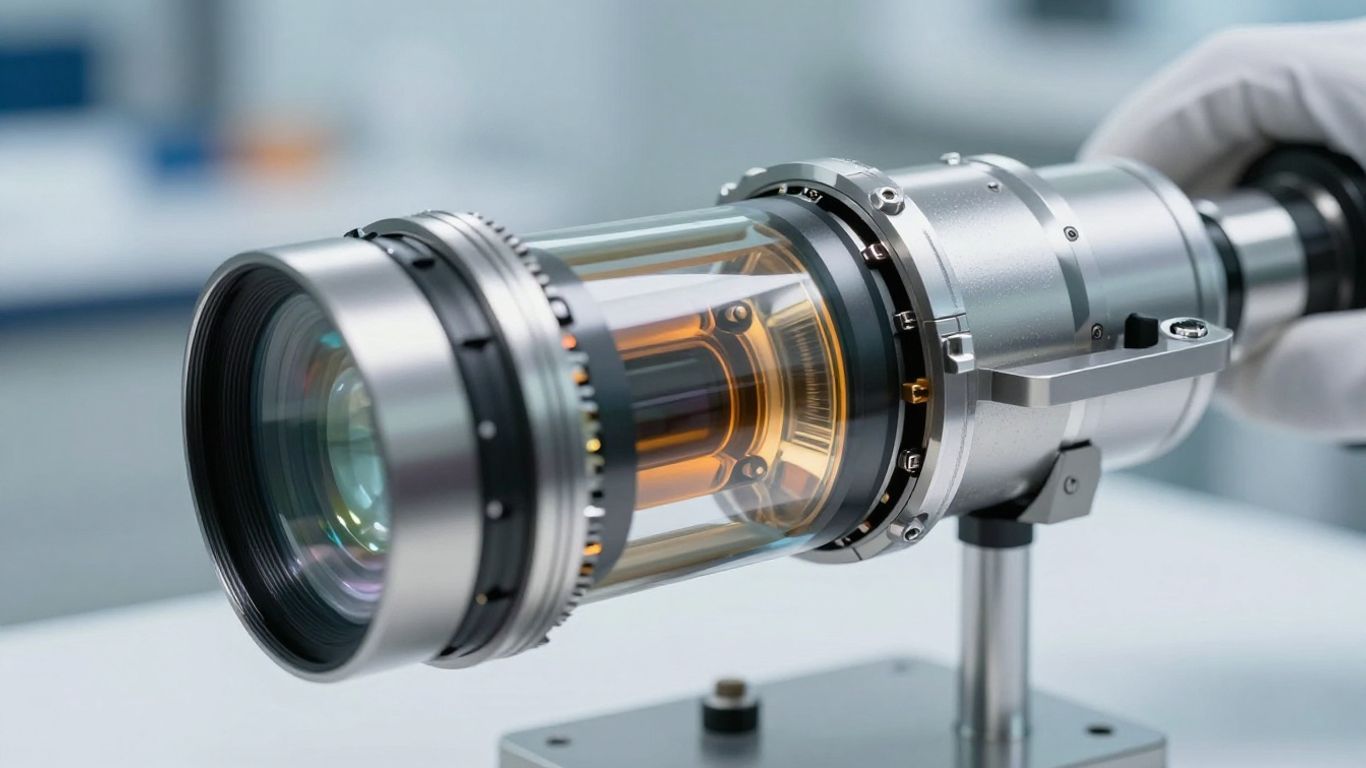
While sensor specifications get a lot of attention, the optical system—the lenses—is just as critical, if not more so, for determining a camera's actual detection capability. The lens gathers the infrared energy and focuses it onto the sensor. Factors like lens material, coatings, focal length, and aperture (f-number) all influence how much light reaches the sensor and how sharp the resulting image is. For example, a longer focal length lens can provide a narrower field of view but allow for detection of smaller objects at greater distances. Conversely, a wider field of view is useful for surveying larger areas. The quality of the optical design directly impacts the camera's ability to resolve fine details and detect subtle thermal differences, especially when combined with the sensor's resolution and sensitivity. When evaluating cameras, consider the entire optical path, not just the sensor specifications, to understand the true detection range and image clarity you can expect. If you need to discuss how optical design impacts your specific application, consider reaching out to experts at lightpath.com/contact.
Cooled Versus Uncooled Detector Systems
When selecting an infrared camera, a primary technical consideration revolves around the type of detector system employed: cooled or uncooled. This choice significantly impacts performance, size, power consumption, and overall cost, making it a critical decision for any application.
Cooled thermal systems utilize an integrated cryocooler to bring their detectors down to cryogenic temperatures. This process dramatically reduces internal thermal noise and dark current within the detector. The benefit is a substantial increase in sensitivity, allowing these systems to detect incredibly small temperature differences, often in the range of a few millikelvin. This level of performance is essential for applications demanding the utmost precision and detection range, such as long-range surveillance, target identification, and scientific research where subtle thermal variations are key. The enhanced sensitivity means these cameras can spot targets at extreme distances or differentiate between objects with nearly identical heat signatures. However, this superior performance comes with trade-offs, including increased complexity, higher power requirements, and a longer warm-up time before the system is ready for operation. For critical missions where detection capability cannot be compromised, cooled thermal cameras are often the preferred choice.
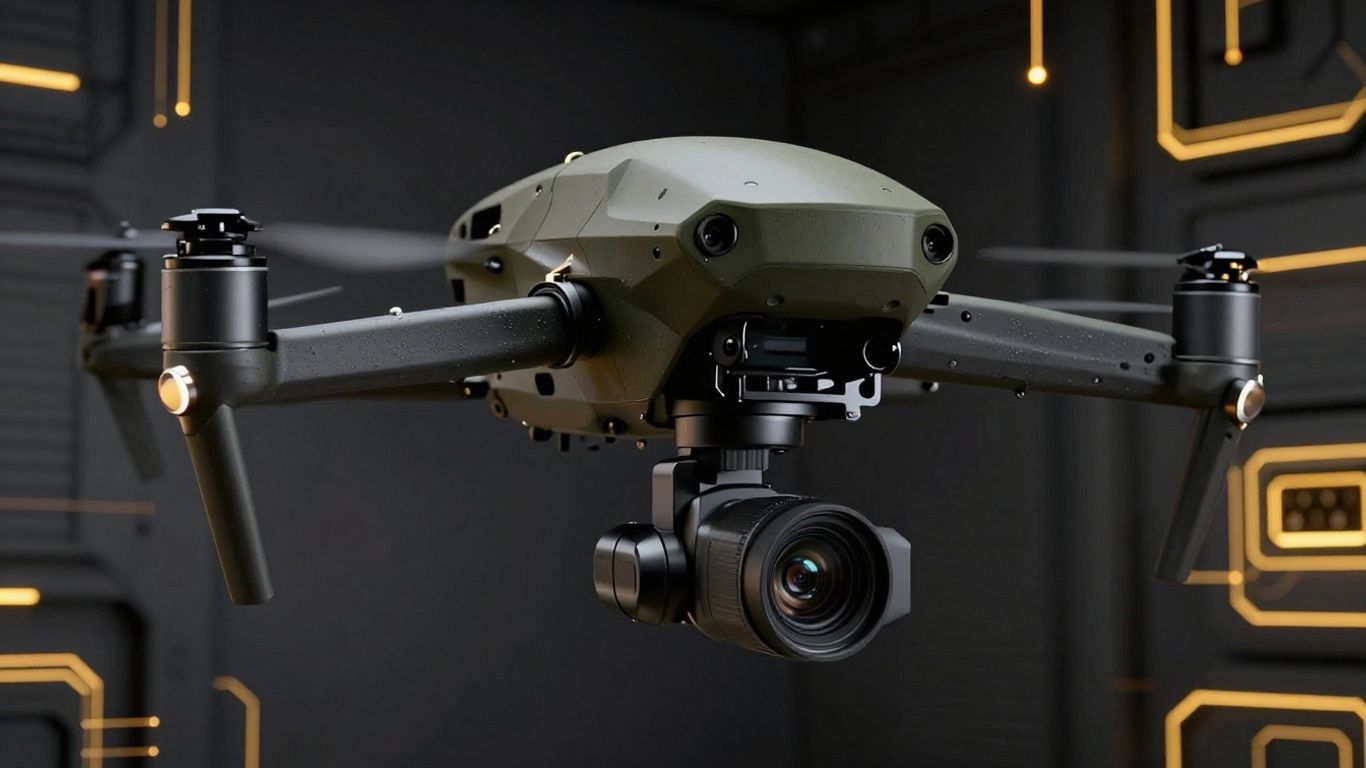
In contrast, uncooled thermal cameras operate at ambient temperatures without the need for cryogenic cooling. This fundamental difference leads to several practical advantages. Uncooled systems are generally more compact, lighter, and consume significantly less power. They also offer an "instant-on" capability, meaning they are ready for immediate use without a warm-up period, which is vital for rapid deployment scenarios. Modern uncooled detectors have advanced to a point where they provide excellent resolution and sensitivity suitable for a wide array of applications, including surveillance, security, and many industrial inspections. While they may not match the absolute sensitivity of cooled systems for extremely long-range or minute temperature difference detection, their balance of performance, cost-effectiveness, and ease of integration makes them ideal for platforms where size, weight, and power (SWaP) are primary constraints. These cameras are a common sight on many drone platforms and portable inspection tools.
The decision between a cooled and uncooled system is not a matter of one being universally better than the other; it is driven by specific mission requirements and operational constraints. Consider the following:
- Detection Range and Sensitivity: If your application requires detecting very small temperature differences or identifying targets at extreme distances, a cooled system is likely necessary. For shorter to medium-range applications where detecting human-sized heat signatures is sufficient, an uncooled system often suffices.
- Size, Weight, and Power (SWaP): For portable devices, small drones, or platforms with limited power budgets, the compact and low-power nature of uncooled cameras makes them the practical choice. Cooled systems, with their cryocoolers, are inherently larger, heavier, and more power-hungry.
- Operational Readiness and Maintenance: Uncooled cameras are ready instantly and typically require less maintenance due to fewer complex moving parts. Cooled systems need time to reach operating temperature and may have more involved maintenance schedules for the cooling mechanism.
- Cost: Generally, uncooled thermal cameras have a lower acquisition cost and a lower total cost of ownership compared to their cooled counterparts. This makes them more accessible for a broader range of applications and budgets.
Ultimately, understanding your specific needs—whether it's the unparalleled sensitivity of a cooled system or the practical advantages of an uncooled one—will guide you to the right detector technology. For tailored solutions that meet these diverse requirements, exploring options with specialists is recommended. You can find more information on selecting the right infrared technology by contacting LightPath Technologies.
Evaluating System Integration and Constraints
When you're looking at infrared cameras, it's not just about the specs on paper. You also have to think about how the camera will actually fit into your system and what limitations you're working with. This is where Size, Weight, and Power, or SWaP, comes into play. It's a big deal, especially for portable or mobile platforms.
The Importance of Size, Weight, and Power (SWaP)
SWaP is a set of parameters that define how much physical space a component takes up, how much it weighs, and how much electrical power it consumes. For many applications, particularly those involving drones, handheld devices, or vehicles, these factors are often more critical than raw performance metrics. A camera that's too large, too heavy, or draws too much power might simply not be usable on your intended platform. You might find that even a high-performance camera is impractical if it doesn't meet your SWaP budget. This is why manufacturers often develop specialized versions of their cameras to fit these constraints. For instance, a camera designed for a fixed surveillance post might be quite different from one intended for a small unmanned aerial vehicle. Understanding your platform's SWaP limitations upfront helps you narrow down your choices considerably and avoid costly redesigns later on. It's about finding a balance between the capabilities you need and what your system can realistically support. For more on how SWaP impacts system design, you can explore integration challenges.
Integration Challenges with Cooled Systems
Cooled thermal systems, while offering superior sensitivity and performance, often come with significant integration challenges. The cooling mechanism itself adds complexity, requiring additional space, power, and thermal management solutions. These systems can generate considerable heat, which needs to be dissipated effectively to prevent performance degradation or damage to the camera and surrounding components. This often means designing custom housings or incorporating active cooling systems, which further increases the overall SWaP. Furthermore, the cryogenic cooling process can introduce vibrations or require specific orientations, which might not be compatible with all platforms. The maintenance requirements for cooled systems are also typically higher than for uncooled alternatives. Therefore, if your application demands the absolute best performance and you have the resources to manage the added complexity, a cooled system might be suitable. However, for many applications, the integration hurdles and increased SWaP make uncooled systems a more practical choice.
Impact of SWaP on Platform Suitability
SWaP directly dictates which platforms an infrared camera can be integrated into. A compact, lightweight, and low-power camera might be suitable for a small drone, a handheld inspection tool, or a wearable device. Conversely, a larger, heavier, and power-hungry system might only be feasible for a larger aircraft, a vehicle-mounted setup, or a stationary installation. When selecting a camera, you must consider:
- Platform Payload Capacity: Can the platform physically carry the camera and its associated components?
- Power Budget: Does the platform have sufficient power generation and distribution capabilities to run the camera continuously?
- Thermal Management: Can the platform effectively dissipate any heat generated by the camera?
- Mounting and Vibration: Are there suitable mounting points, and can the platform withstand any vibrations that might affect camera performance?
Ignoring SWaP can lead to a situation where a technically capable camera cannot be deployed. It's a practical consideration that often drives the decision-making process, especially in defense and aerospace applications where every gram and watt counts. Advanced solutions can strengthen military functions when SWaP is properly accounted for.
If you need assistance in evaluating these integration constraints for your specific application, consider reaching out to experts at https://www.lightpath.com/contact.
Application-Specific Considerations for Choosing an Infrared Camera
When you're selecting an infrared camera, it's not just about the specs on paper. What you intend to do with the camera plays a huge role in what you actually need. Different jobs require different tools, and thermal imaging is no different. Let's break down how specific applications shape your camera choice.
Requirements for Surveillance and Security
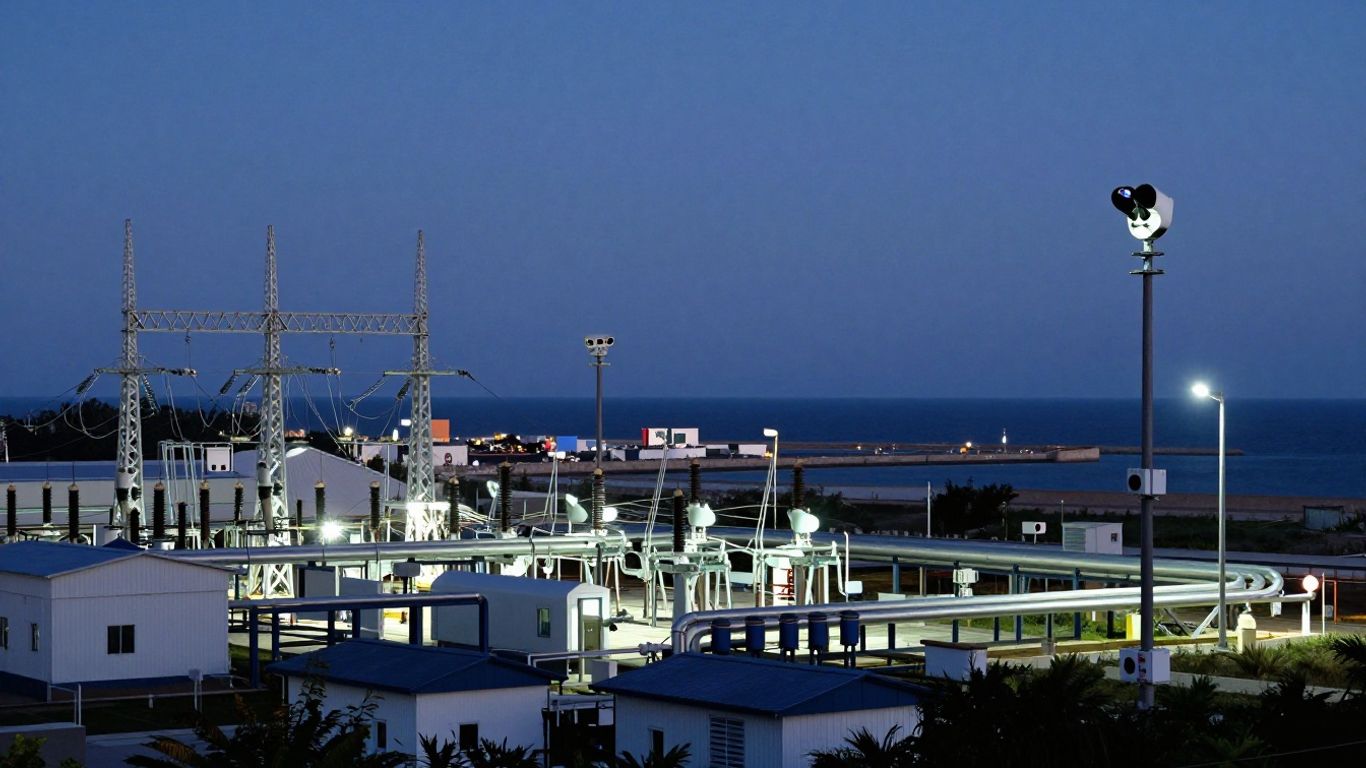
For surveillance and security, the main goal is often to cover a wide area and spot potential threats. This means a wide field of view (FOV) is usually preferred. A wider FOV lets you see more at once, which is great for general monitoring. However, there's a trade-off: a wider lens typically reduces the maximum detection range. You need to decide if seeing a large area broadly is more important than spotting something far away. Sometimes, a dual-camera setup can help, offering both wide and narrow FOVs, but this adds complexity and weight. For perimeter security, true thermal cameras are far more effective than IR-illuminated ones, which rely on active lighting and have limited range. Thermal cameras detect heat signatures passively, making warm targets like people and vehicles stand out against cooler backgrounds, even if they're camouflaged. This passive detection also means they don't reveal their own position. For these demanding applications, consider cameras with robust optical quality and materials suited for long-range detection, like those designed for perimeter detection systems.
Needs for Infrastructure Inspection
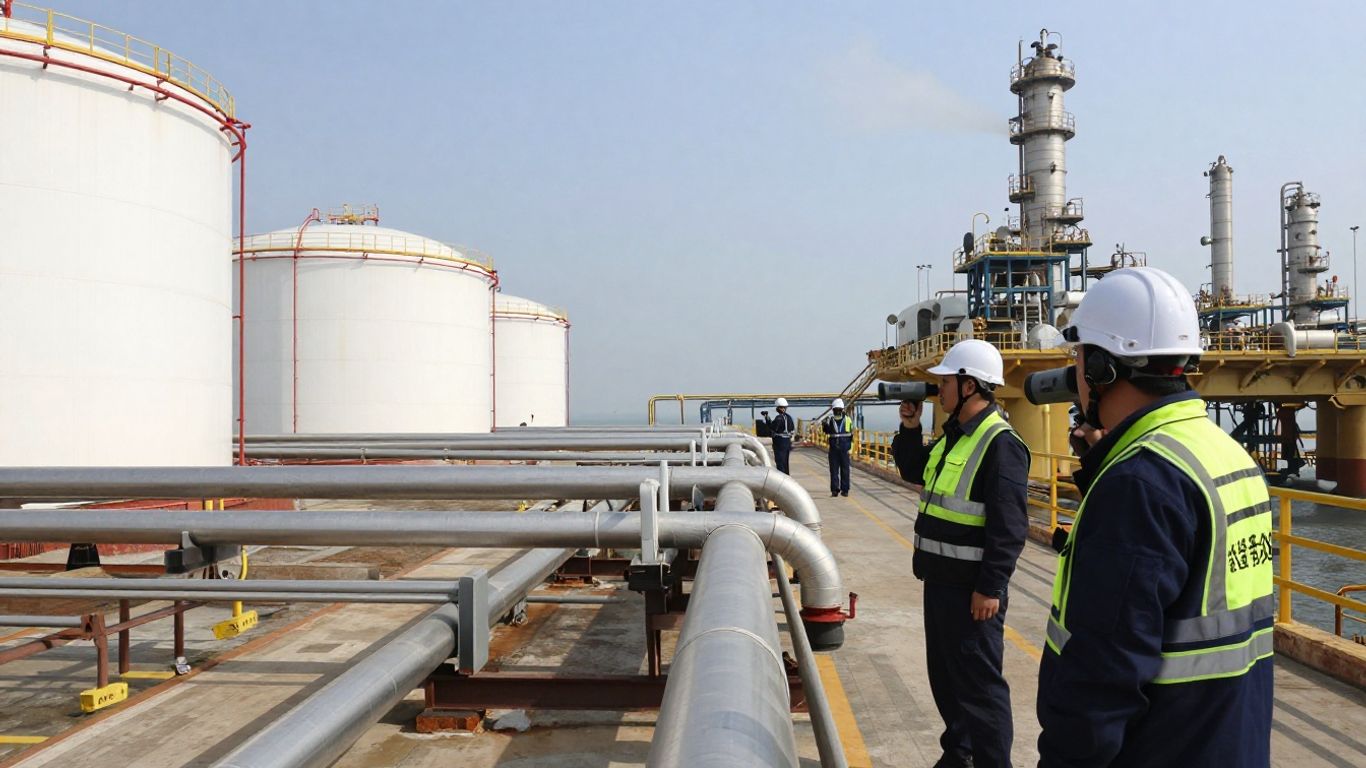
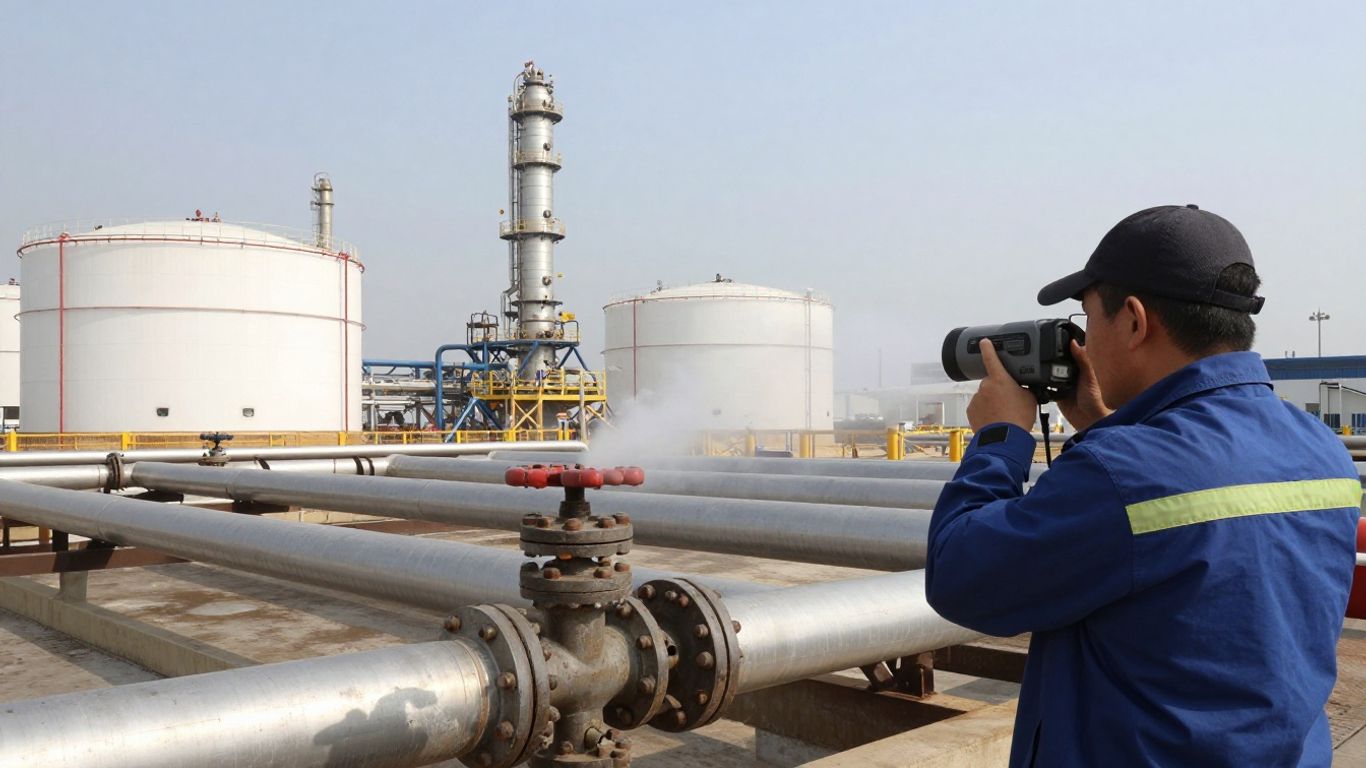
When inspecting infrastructure, like bridges, power lines, or buildings, the focus shifts. You often need to see small details and measure temperatures accurately. Many industrial inspection tasks require radiometric capabilities, meaning the camera can accurately measure the temperature of every pixel. It's important to verify if a camera provides this in continuous video or just in still images, as this can significantly impact your workflow. Temperature measurement accuracy isn't just about the camera; it's also affected by how far away you are, the air conditions, and how well you've set up emissivity corrections. For these jobs, you'll want a camera that offers good thermal sensitivity and resolution to pick up subtle temperature variations that might indicate a problem. Cameras with features for detailed analysis and reporting are also beneficial.
Demands in Defense and Aerospace Applications
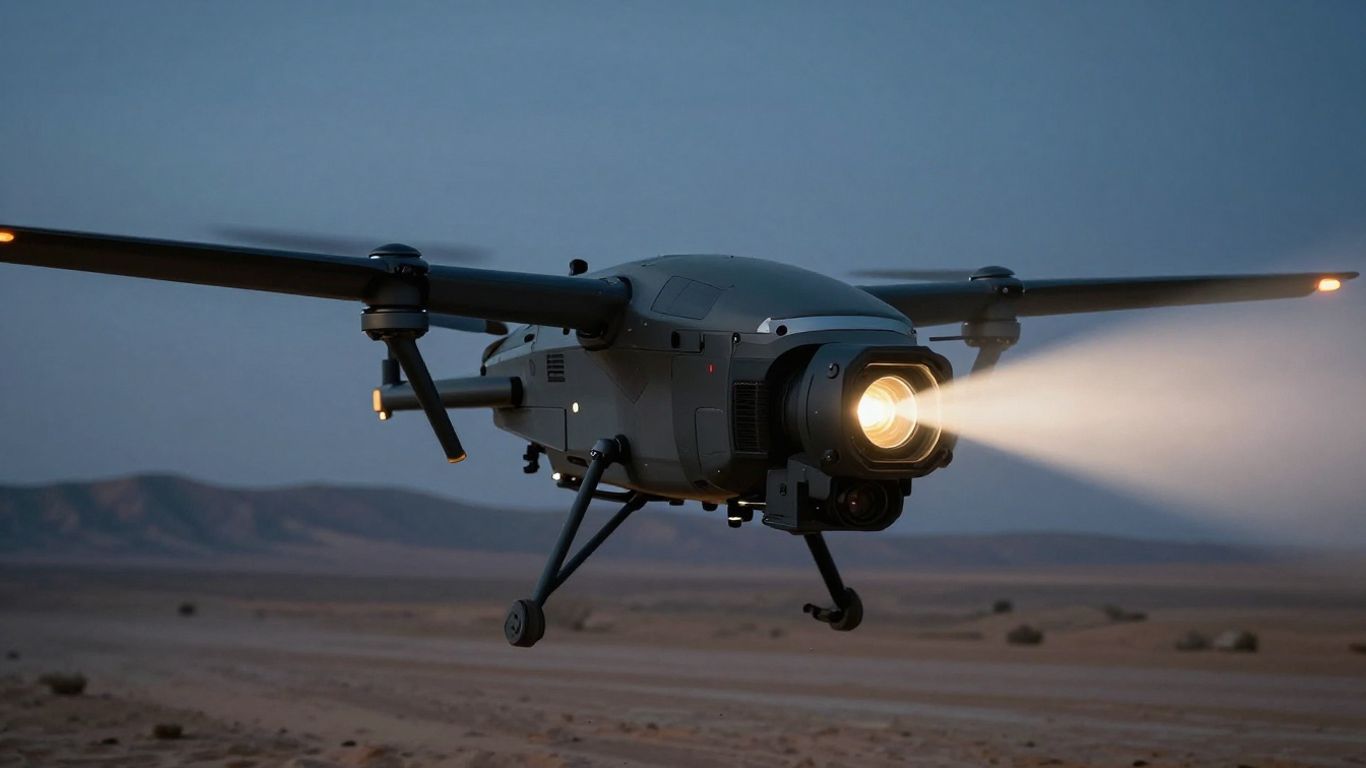
Defense and aerospace applications often push the limits of what infrared cameras can do. Here, you might need long-range detection, the ability to see through obscurants like smoke or fog, and systems that are rugged and reliable in harsh environments. Long-wave infrared (LWIR) cameras are frequently used because they perform well in humid conditions and can penetrate smoke and dust. They are also effective in total darkness without needing external illumination. For these critical roles, the choice between cooled and uncooled systems becomes more pronounced. Cooled systems generally offer superior sensitivity and image clarity, which is vital for long-range detection, but they are heavier, consume more power, and are more complex. Uncooled systems are lighter and more power-efficient, making them suitable for platforms like drones, where drone applications have strict size, weight, and power (SWaP) constraints. The optical design is also paramount here, as specialized lenses are needed to achieve the required detection ranges and performance in challenging conditions. If your application demands the highest performance, understanding the trade-offs between different detector types and optical designs is key. Contact us to discuss your specific needs at https://www.lightpath.com/contact.
Navigating the Infrared Camera Market
The thermal imaging market is growing rapidly, presenting both opportunities and complexities for system integrators and product developers. As the technology becomes more accessible, understanding the landscape, market trends, and how to approach procurement is key to successful integration. It's not just about picking a camera off a shelf; it's about understanding the entire ecosystem that supports it.
Understanding Market Trends and Growth
The global thermal imaging market is experiencing significant expansion. This growth is driven by increasing adoption across various sectors, including defense, security, industrial inspection, and automotive. For instance, drone-mounted thermal systems are a rapidly expanding segment, offering capabilities previously unattainable. As you consider your next project, recognizing these trends can help you anticipate future needs and technological advancements. The market is projected to continue its upward trajectory, indicating a sustained demand for advanced thermal imaging solutions.
The Value of a Complete System Approach
When evaluating infrared cameras, it's easy to get lost in individual specifications like resolution or sensitivity. However, true performance often hinges on the complete system. This includes not just the detector but also the optical design, image processing electronics, and how all these components work together. A camera with a high-resolution sensor might underperform if paired with a suboptimal lens. Therefore, consider the entire value chain, from raw materials to the final assembled camera. Partnering with manufacturers who control this entire process can lead to more robust and reliable systems. For example, understanding how optical design impacts detection capability is as important as knowing the sensor's thermal resolution.
Considering Supply Chain Stability and Export Compliance
Beyond technical specifications, practical considerations like supply chain stability and export compliance are vital. The availability of raw materials, manufacturing partnerships, and geopolitical factors can all impact long-term program viability. Furthermore, export regulations, such as ITAR and EAR, can significantly affect market access, especially for advanced thermal capabilities. It's important to be aware of these restrictions early in the development process to avoid costly delays or redesigns. Understanding the differences between technologies, like thermal vs. near-infrared systems, can also have implications for export classifications. Ensuring your chosen solution meets all regulatory requirements is as critical as its technical performance.
Choosing the right infrared camera can feel like a puzzle. There are many options out there, each with its own strengths. We can help you sort through the choices to find the perfect fit for your needs. Visit our website today to learn more and connect with our experts!
Conclusion
Choosing the right infrared camera involves more than just looking at specs. You need to consider the technology, how well it performs, whether it's cooled or not, and how it fits into your overall system. Think about what you'll use it for, like security or checking buildings. Also, keep an eye on the market and who you're buying from. By thinking through these points, you can pick a camera that truly works for you and your project.
Frequently Asked Questions
What's the main difference between thermal and near-infrared cameras?
Think of thermal cameras like seeing heat. They show you how hot things are, even in total darkness. Near-infrared cameras are more like regular cameras; they need light (even invisible light) to see and show you what's there based on how light bounces off things.
Does a camera with more pixels always see better?
Not always. While more pixels can mean more detail, the lens and how the camera is built matter a lot too. Sometimes, a camera with fewer pixels but a better lens can see farther or clearer for certain tasks.
Why would I choose a cooled camera over an uncooled one?
Cooled cameras are like the high-performance sports cars of the camera world. They give you the clearest, most sensitive images, which is great for seeing very small details or things far away. But they cost more, are bigger, and use more power.
What does 'SWaP' mean for an infrared camera?
SWaP stands for Size, Weight, and Power. It's really important if you're putting the camera on something like a drone or a small robot. A camera that's too big, too heavy, or uses too much battery won't work, no matter how good its pictures are.
Are thermal cameras good for security?
Yes, they are excellent for security! They can see people or vehicles in complete darkness, through fog, or smoke, which regular cameras can't do. This makes them great for watching borders or protecting buildings.
How do I know if a camera is sensitive enough?
You'll want to look at something called NETD, which stands for Noise Equivalent Temperature Difference. A lower NETD number means the camera is more sensitive and can spot smaller differences in temperature. Think of it like being able to hear very quiet sounds.