
Key Takeaways
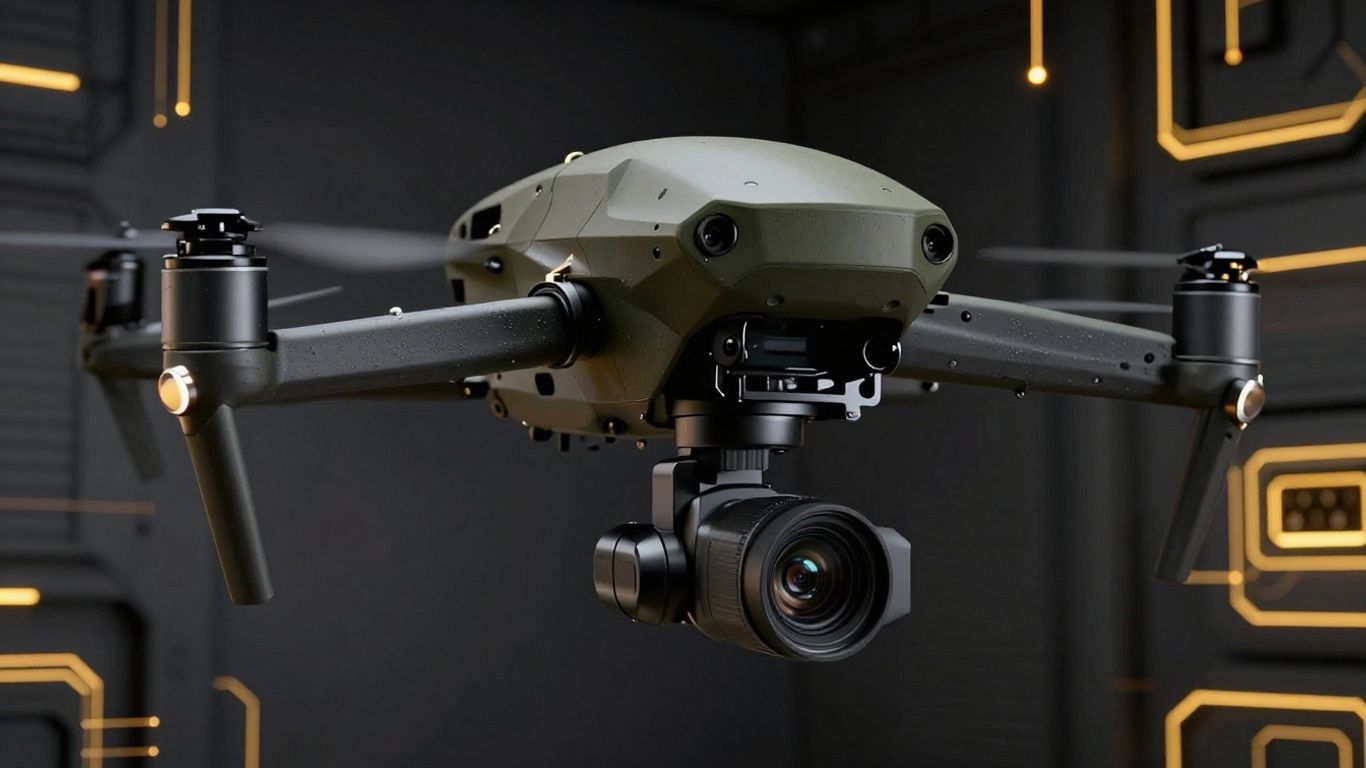
Thermal imaging technology is a mission-critical asset for modern aerial platforms, enabling teams to operate effectively across diverse, challenging environments where traditional optical sensors fail. Proper system selection involves balancing technical specifications with operational constraints to ensure success in the field.
- Cooled detectors provide superior sensitivity for long-range detection, while uncooled systems prioritize efficiency and SWaP optimization.
- Understanding the distinction between MWIR and LWIR wavelengths is vital for matching sensor performance to atmospheric and target conditions.
- Noise Equivalent Temperature Difference (NETD) remains a primary performance indicator, though field reality often differs from laboratory benchmarks.
- Effective integration requires a comprehensive approach to SWaP management, ensuring payload weight does not negatively impact flight endurance.
- Partnering with vertically integrated suppliers simplifies supply chain management and accelerates development cycles for specialized defense and industrial platforms.
Determining thermal detector technology for aerial platforms
Differentiating between cooled and uncooled detector architectures
Selecting the right detector architecture represents the foundational decision for any thermal payload, as it dictates both operational capability and system complexity. Cooled detectors use an internal cryocooler to reduce sensor temperature, allowing for exceptional thermal sensitivity and rapid detection of minute temperature differences over vast distances. Conversely, uncooled systems rely on microbolometer arrays that operate at ambient temperatures, offering a more compact, low-maintenance profile that aligns well with the evolving market for thermal imaging solutions for drones.
The operational impact of MWIR versus LWIR wavelengths
The choice between mid-wave infrared (MWIR) and long-wave infrared (LWIR) essentially dictates how the platform interacts with environmental obscurants and thermal targets. LWIR systems typically perform well in various atmospheric conditions and are frequently used for proximity-based surveillance, while MWIR systems often provide superior atmospheric transmission in humid environments, which is critical for long-range target identification. LightPath engineered infrared components are designed to deliver consistent performance across these distinct spectral bands, helping operators maintain clarity regardless of the specific wavelength regime selected for their mission profile.
Evaluating the role of microbolometer technology in low-power systems
Microbolometer progress has brought high-fidelity imaging to smaller platforms that previously could not carry thermal payloads. By converting incident infrared energy directly into electrical signals without the need for cryogenic support, these sensors keep power consumption to a minimum. This creates a distinct advantage for extended-duration missions where every additional watt of power consumption directly reduces the total flight time of the aerial vehicle.
Assessing sensor sensitivity for specialized surveillance tasks
Sensitivity defines the limit of what a system can detect in low-contrast environments. For surveillance tasks, sensors with extremely low noise and high responsivity are preferred because they enable the identification of suspects or targets that share similar temperatures with the background. By choosing components with high-sensitivity thresholds, engineers ensure that the aerial platform can discern critical heat signatures even under heavy shade or through light vegetation.
Core performance metrics for drone thermal sensors
Interpreting Noise Equivalent Temperature Difference (NETD) ratings
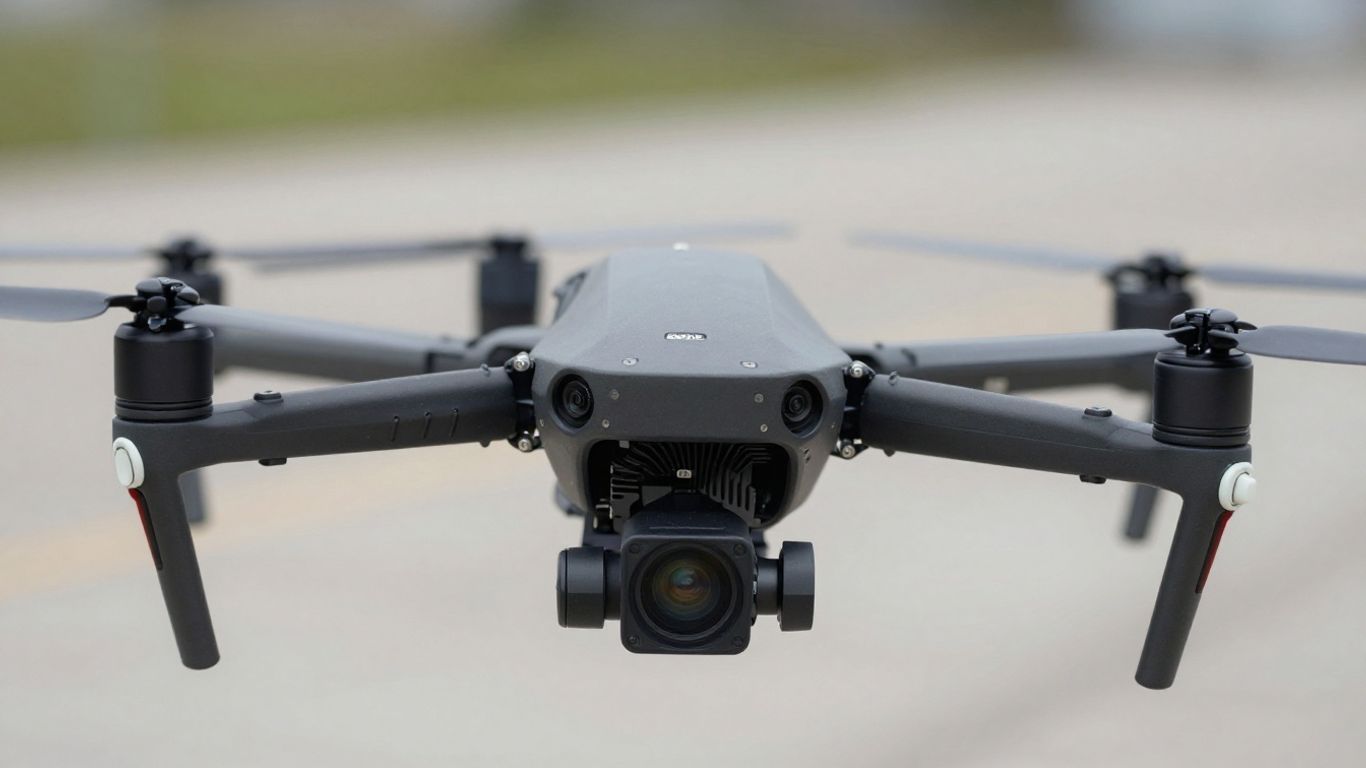
NETD serves as a standard metric for determining how well a thermal camera distinguishes between small temperature differences, but it requires careful interpretation in field contexts. A lower NETD value indicates superior sensitivity, allowing the camera to generate clear images even when the contrast between the object and surroundings is minimal. However, program managers must account for the actual lens configuration when reviewing these ratings, as optical transmission losses in real-world systems can degrade theoretical sensor performance.
Balancing thermal resolution with data processing demands
Higher resolution sensors capture more detailed thermal maps, yet they place significant pressure on onboard processing architecture. Systems such as the payloads found at DSLRpros illustrate the spectrum of available choices, ranging from entry-level array sizes for broad area awareness to high-resolution formats for target identification. The system architect must weigh the utility of extra pixels against the increased latency and power requirements inherent in processing high-density thermal data streams.
Evaluating the impact of lens f-numbers on optical transmission
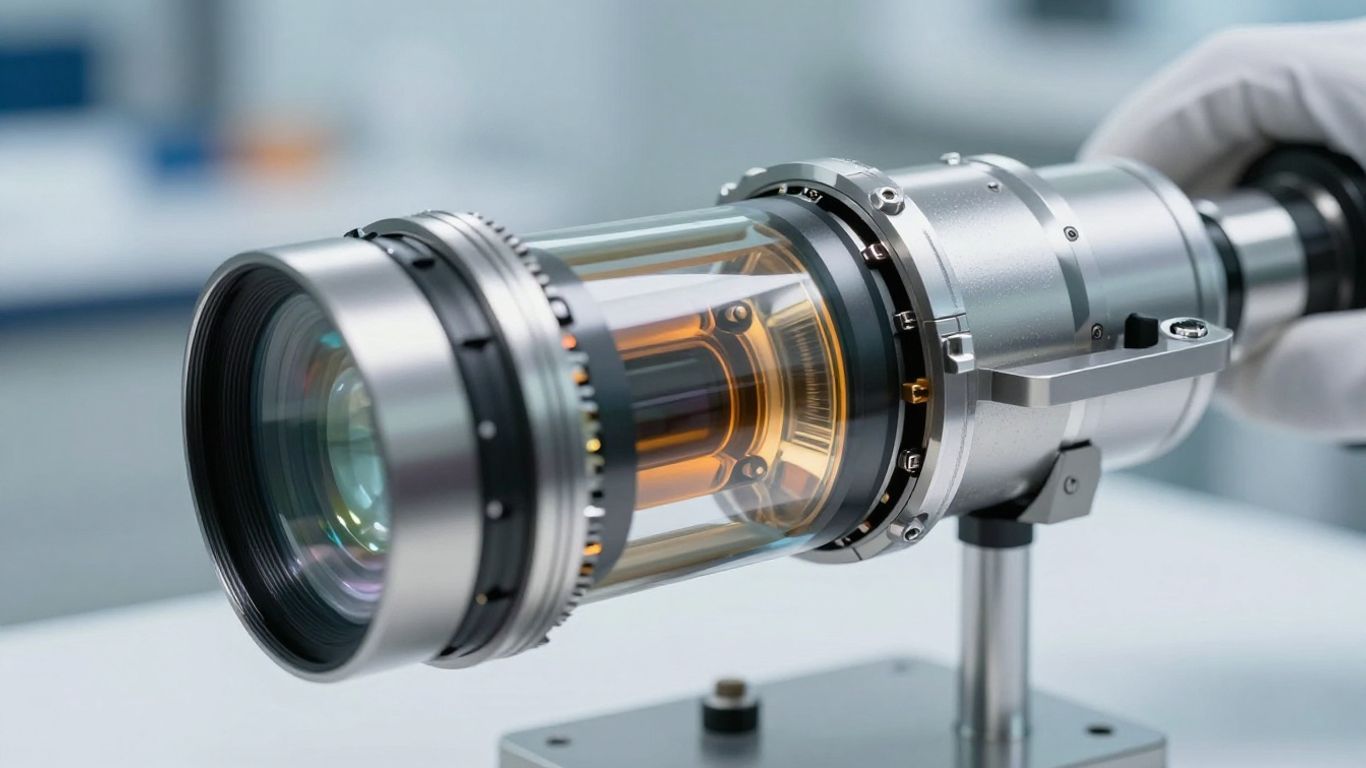
Optical design is as critical as the detector itself, with the f-number directly dictating reach and image quality. Precision thermal optics reduce noise while maximizing the amount of infrared energy that reaches the sensor array. By selecting lenses with lower f-numbers, you increase the light-gathering capacity, which is essential for maintaining a sharp, detectable image when operating in the periphery or at maximum range.
The relationship between pixel pitch and image clarity at distance
Pixel pitch defines the physical distance between the centers of adjacent pixels on a sensor, which directly influences the field of view and the effective range for target recognition. A smaller pixel pitch generally enables a higher density of pixels on a smaller sensor surface, allowing optics to focus more detail onto the array. This translates into improved image clarity for distant targets, serving as a key factor when platforms require long-range monitoring capabilities.
Optimizing for size, weight, and power (SWaP) constraints
Mitigating the power consumption of high-fidelity thermal payloads
Managing power budgets is essential for any payload integration, especially when thermal cameras are added to existing lightweight frames. The following table summarizes the typical trade-offs encountered during the integration process for various sensor classes.
|
Sensor Type |
Power Consumption |
Typical Weight |
Application Focus |
|---|---|---|---|
|
Uncooled Microbolometer |
2-5 Watts |
< 500 Grams |
General Surveillance |
|
Cooled MWIR Camera |
20-50 Watts |
2-6 Kilograms |
Long Range Precision |
|
Compact NIR Module |
< 1 Watt |
< 100 Grams |
Short Range Detection |
Managing the impact of thermal cameras on flight endurance
Flight endurance often suffers when auxiliary sensors are added to a drone, leading to a need for streamlined hardware. Many teams find that selecting tightly integrated modules—where optical pathways and sensors are optimized collectively—minimizes the weight penalty and allows for extended patrol times.
Balancing aerodynamic performance with sensor mounting requirements
Integrating a camera effectively requires an understanding of both internal chassis space and the external airflow. To maintain flight efficiency, you should prioritize the following strategies for your installation:
- Utilize lightweight housing materials that minimize the center-of-gravity shift during flight.
- Ensure internal thermal management pathways are not blocked by the camera installation.
- Recess the gimbal mechanism to reduce drag in high-speed cruise conditions.
- Position sensors to avoid interference with existing onboard communication antennas.
Strategies for effective thermal management within the drone chassis
Thermal cameras generate their own baseline heat, which can interfere with the sensor array if not properly dissipated. High-performance thermal solutions often include cold shield optical designs that isolate the detector, ensuring it maintains a stable operating temperature. Proper chassis ventilation, including the use of thermal conductive materials near the payload, allows for consistent operation even in high-ambient temperature environments.
Matching imaging characteristics to mission requirements
Optimizing field of view for area search versus target identification
Field of view selection creates a fundamental tension that can be solved by matching your optical setup to the primary mission phase. Wide fields of view are ideal for rapid area searches, while narrow fields provide the magnification needed for positive identification of identified anomalies, as noted in the guide from DJI Enterprise Insights.
Radiometric capability requirements for industrial inspections
Industrial applications often require precise temperature measurements rather than just visual heat signatures. Radiometric cameras enable operators to assign exact temperature values to pixels, allowing for the detection of overheating components in electrical grids or anomalies in machinery that might otherwise appear uniform in a non-radiometric display.
Implementing dual-camera configurations for enhanced situational awareness
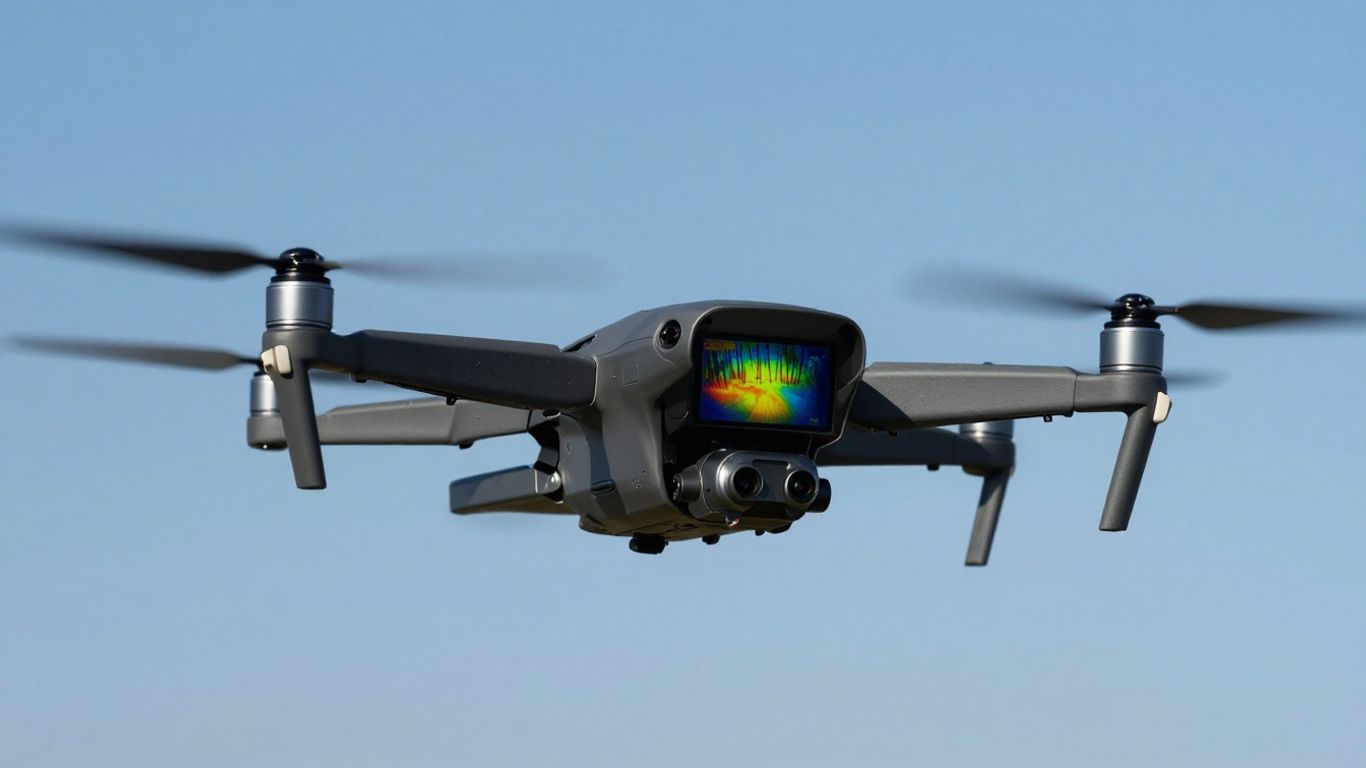
Modern Advexure drone platforms frequently leverage dual-camera sensors, pairing thermal imaging with visible spectrum zoom lenses. This simultaneous capture allows operators to maintain high-level situational awareness while confirming details in the visible spectrum without having to switch payloads, markedly improving response efficiency in search and rescue scenarios.
Configuring color palettes for distinct environmental detection
Operators can optimize detection by switching between various color palettes. High-contrast ironbow or white-hot settings often serve as the standard for initial detection, while more complex palettes are frequently used to identify distinct thermal gradients or subtle heat variations across a specialized workspace.
Engineering considerations for tactical and industrial integration
Navigating supply chain reliability and manufacturing provenance
Ensuring that components originate from stable, secure supply chains prevents long-term program disruptions. Relying on partners that maintain in-house manufacturing capabilities allows teams to secure the specialized glass lenses and detector arrays necessary for mission-ready systems, avoiding the delays associated with multi-vendor integration.
Environmental resilience in extreme temperatures and high-vibration conditions
Systems must withstand significant stress during takeoff, landing, and flight through turbulent air. Tactical-grade cameras feature robust mounting and internal damping, ensuring the image remains stable and the optics remain aligned despite the harsh physical conditions encountered on frontline platforms.
Ensuring real-time video downlink stability for mission-critical feedback
Feedback latency can compromise decision-making in time-sensitive missions. Stable, low-latency video transmission systems ensure that ground commanders receive continuous snapshots, allowing for precise control and coordinate tracking throughout the duration of the flight.
Adhering to regulatory and security compliance standards for defense-grade hardware
Compliance remains a paramount concern for those working with legacy Flir replacements or new defense projects requiring specific standards. Understanding the regulatory environment, from spectral restrictions to sourcing requirements, is necessary for every developer to ensure their platform succeeds during the procurement and deployment lifecycle.
Conclusion
Selecting the right system requires a thorough evaluation of sensitivity, environmental tolerance, and power efficiency, ensuring the hardware matches the specific demands of your aerial platform. By collaborating with experts and prioritizing purpose-built optical assemblies, your team can achieve high-performance surveillance and inspection outcomes, so feel free to talk to an expert at https://www.lightpath.com/contact.
Frequently Asked Questions
What are the main benefits of thermal imaging compared to optical cameras?
Thermal cameras measure heat radiation emitted from objects rather than reflected light, allowing them to detect targets in total darkness, through smoke, or beneath vegetation.
How does resolution influence search effectiveness?
Higher resolution provides more pixels on a target at a given range, which improves the capability to identify specific objects beyond just detecting a heat source.
Is calibration required for accurate temperature measurement?
Yes, radiometric systems require periodic factory-grade calibration to ensure that the temperature values assigned to pixels remain accurate across different operational distances.
Why do small drones often use uncooled cameras?
Uncooled cameras require no cryogenic cooling machinery, which significantly reduces the total weight and power requirements of the system, making them ideal for small, portable UAVs.
Can thermal cameras see through glass or water?
Generally, thermal cameras cannot see through glass or solid water, as these materials are largely opaque to infrared radiation, causing reflections that interfere with the detector.
What does NETD measure in a thermal system?
Noise Equivalent Temperature Difference provides a measure of a sensor's ability to distinguish between minute temperature differences, where a lower value signifies better performance.
How do environmental conditions affect thermal imagery?
Humidity, ambient temperature, and atmospheric pressure can attenuate infrared signals, meaning that cameras will perform differently depending on the altitude and weather conditions during the flight.