
Key Takeaways
This article provides a comprehensive overview of thermal imaging technology to help you navigate the procurement and integration process for complex systems. Understanding the trade-offs between various development paths ensures your final product meets performance goals while managing operational risks.
- Evaluate whether COTS, OEM modules, or custom engineering aligns with your production volume and time-to-market requirements.
- Recognize how detector pitch, spectral bands, and thermal resolution dictate the imaging fidelity of your specific platform.
- Account for SWaP constraints and ruggedization needs early in the design cycle to prevent costly hardware iterations.
- Leverage expert manufacturer support for calibration, custom optics, and interface protocols to reduce integration challenges.
- Implement a transparent supply chain strategy, specifically for critical components like infrared materials, to protect long-lifecycle programs.
Strategic paths: COTS vs. custom thermal development
Commercial off-the-shelf (COTS) cameras and rapid deployment
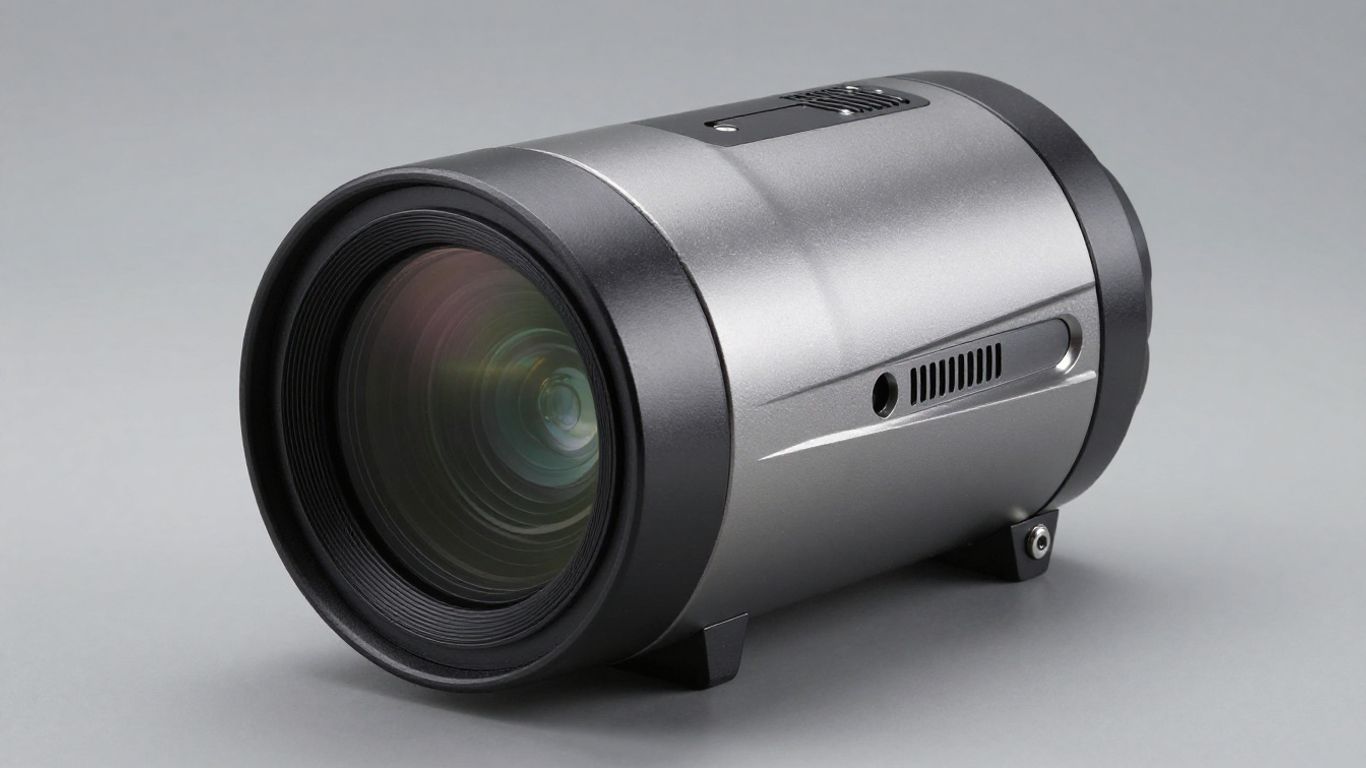
Ready-to-deploy thermal cameras offer the most efficient route when speed and standard performance are your primary objectives. By selecting a pre-built commercial system, you minimize the initial engineering overhead, allowing your team to focus on the end-user application rather than developing an imaging engine from scratch. These solutions are generally best suited for projects where standardized functionality meets existing requirements without needing modification to the camera's core architecture.
OEM camera modules for flexible integration
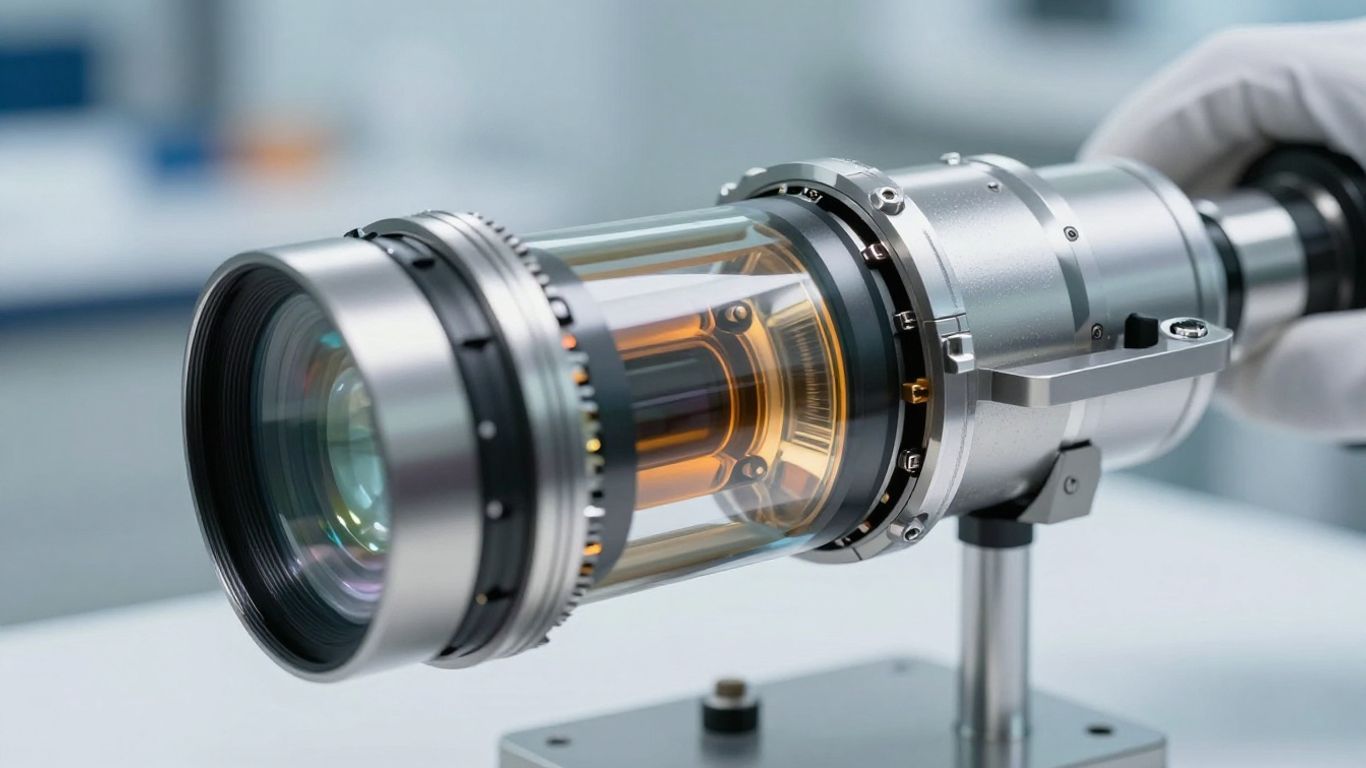
OEM modules provide a middle ground for developers, offering raw thermal data access that requires platform-level processing. This path allows for more mechanical flexibility, enabling your design team to craft custom housings, integrate proprietary interfaces, and optimize the hardware footprint for unique product architectures. Utilizing professional-grade OEM modules, such as those that support advanced thermal imaging lens assemblies, ensures that your team maintains control over how the thermal heart of your system interacts with the host software while benefiting from a proven sensor foundation.
Fully custom systems for specialized performance requirements
For applications that demand unprecedented levels of imaging performance, fully bespoke thermal systems provide the ultimate competitive advantage. This custom approach allows for the engineering of application-specific optical elements, such as those manufactured using BlackDiamond™ Infrared Chalcogenide Glass, which ensures long-term stability and consistent focus in demanding environments. While the upfront investment is higher, this path delivers unmatched detection capabilities, specialized spectral tuning, and a fully optimized thermal imaging solution tailored to your specific mechanical and data-handling architecture.
Sensor technology and core detector performance
Cooled vs. uncooled thermal detector operating principles
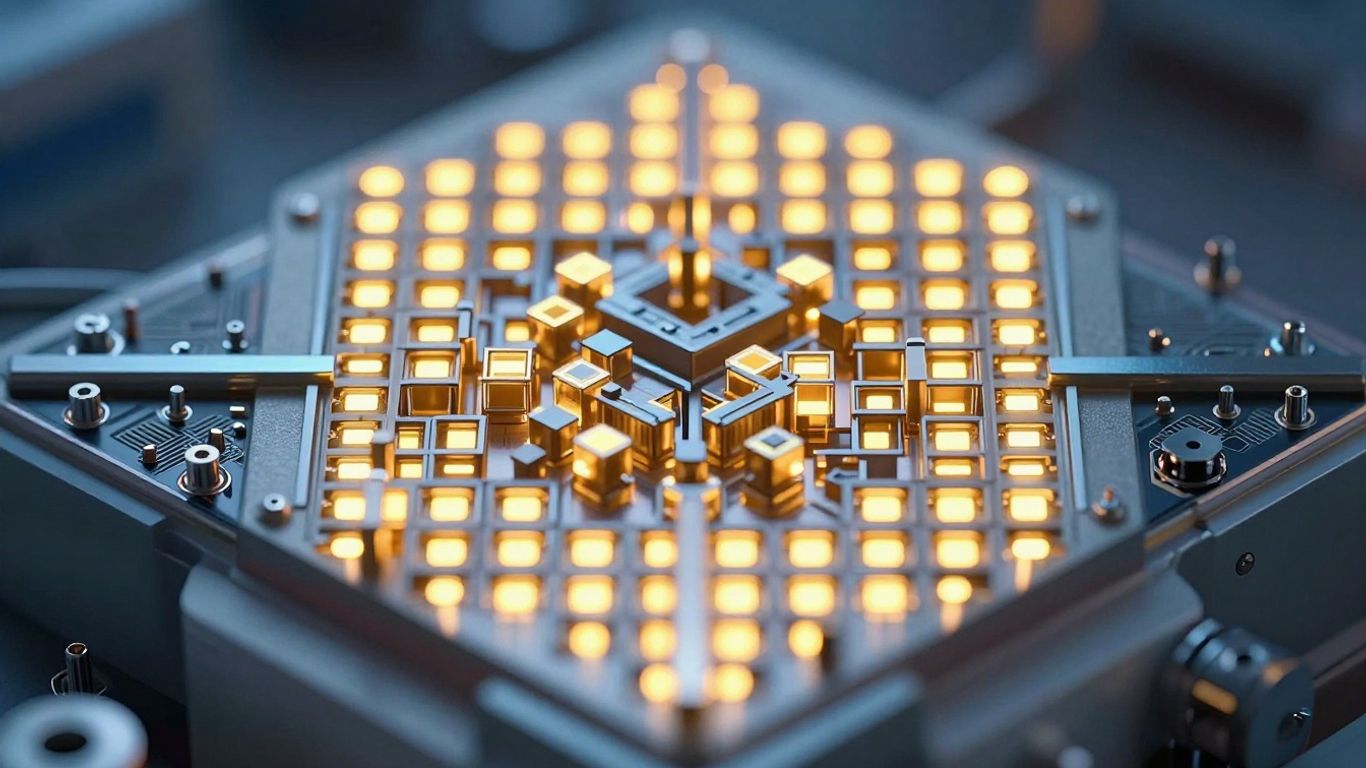
The operating principles behind thermal detectors define the effective range and thermal sensitivity of your instrument. Uncooled detectors, common in compact systems, rely on microbolometer technology to sense infrared radiation, providing cost-effective, low-power solutions suitable for day-to-day industrial monitoring. Conversely, cooled thermal detectors use cryogenic cooling to reach exceptional sensitivity, making them indispensable for long-range surveillance and demanding defense platforms that must distinguish targets at great distances.
Understanding thermal resolution and detector pitch
Detector pitch, or the physical distance between pixels, plays a vital role in the spatial resolution of your rendered imagery. As technology advances, a smaller pitch enables higher-density resolution within the same sensor footprint, which is a major factor when evaluating thermal imaging hardware integration. A table summarizing these critical performance metrics helps in weighing the impact of detector technology on your final output.
|
Feature |
Entry-Level |
High-Performance |
Custom-Engineered |
|---|---|---|---|
|
Detector Pitch |
17-25µm |
10-12µm |
< 10µm |
|
Thermal NETD |
Low Sensitivity |
High Sensitivity |
Ultra-Low NETD |
|
Complexity |
Low |
Medium |
High |
Spectral band considerations: LWIR vs. MWIR
Choosing between Long-Wave Infrared (LWIR) and Mid-Wave Infrared (MWIR) hinges entirely on your target temperature and atmospheric conditions. LWIR sensors are generally favored for their ability to detect subtle temperature variations across wider areas, whereas MWIR sensors often provide enhanced performance for high-temperature applications or long-range detection missions. Selecting the correct spectral band is a foundational step that influences every optical decision thereafter.
Addressing integration challenges for OEM platforms
Managing size, weight, and power (SWaP) constraints
Integrating thermal camera modules into constrained spaces requires a meticulous approach to SWaP management. Effective designs leverage compact imaging engines that minimize volume increases while maximizing data throughput for the host platform. By prioritizing modular designs, you ensure that your device meets portable application demands without sacrificing functional integrity or system robustness.
Ruggedization for extreme environmental conditions
Platforms destined for defense or industrial applications must survive harsh environments, from extreme heat to heavy vibration. Ruggedization involves high-ingress protection and material stabilization so that internal delicate components remain calibrated. Working with partners who specialize in rugged thermal camera integration helps, particularly when utilizing cold shield optical design techniques that maintain system performance regardless of external temperature fluctuations.
Flexible interface protocols for system interoperability
Modern platforms require seamless communication between sensors, processing cores, and control logic. Supporting diverse protocols—including GigE Vision and USB3—ensures that your thermal sensor can communicate effectively with advanced processing software. This connectivity remains essential for developers seeking to combine multi-sensor data streams into a unified intelligence output for end-users.
The impact of optical design on imaging fidelity
Material selection and supply chain stability
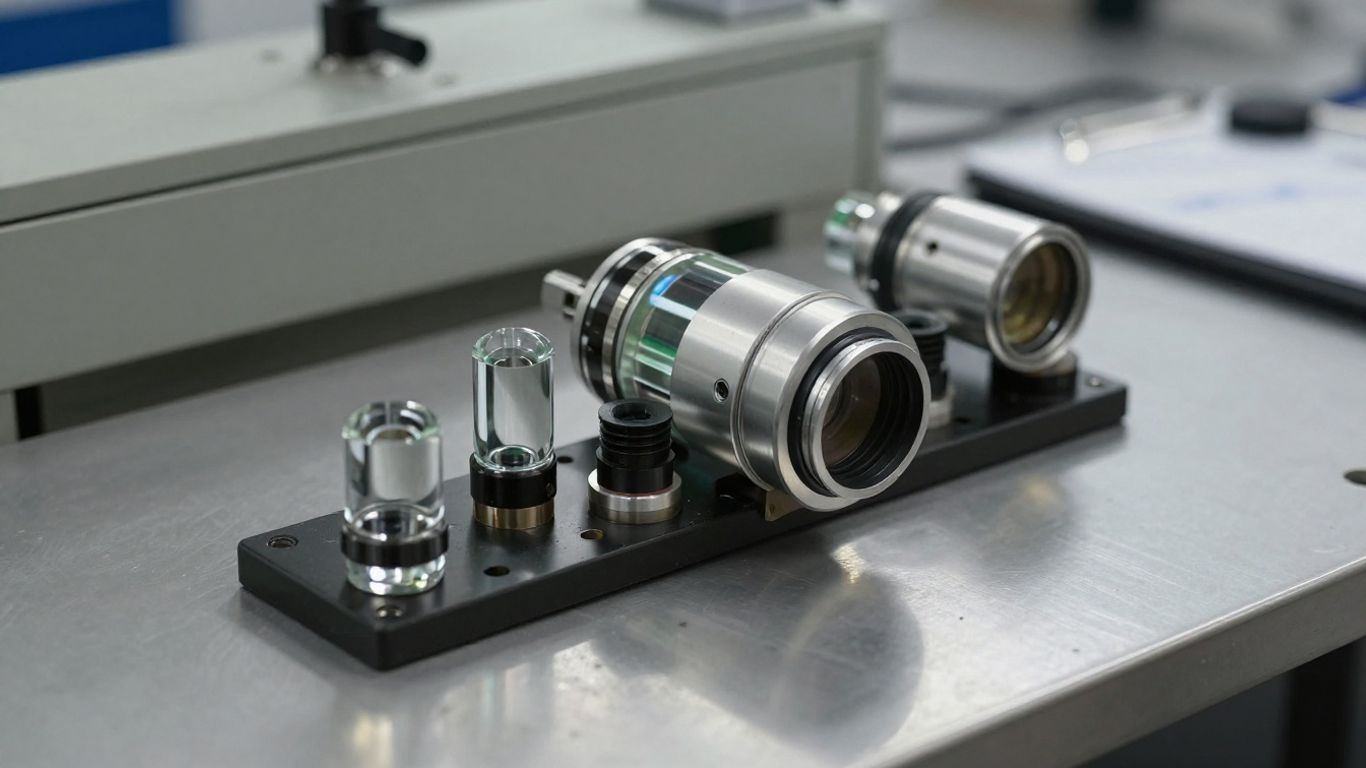
The quality of your final image is only as good as the materials used in the lens assembly. Selecting the right infrared-transmitting materials, such as our proprietary chalcogenide glass, provides significant advantages in terms of availability and performance consistency. When companies opt for these materials, they secure a reliable source for glass that avoids the vulnerabilities associated with traditional germanium dependencies.
Optical subsystem optimization for detection range
Optical subsystem optimization involves fine-tuning the optics to align with the specific focal length and f-number requirements of the mission. This often requires balancing transmission efficiency against field-of-view requirements. By choosing components that work as a system, you maintain the contrast and signal-to-noise ratios necessary for critical detection at maximum range.
Athermalization techniques for consistent image focus
Maintaining focus across varying temperatures is paramount for consistent imaging fidelity in aerospace and industrial monitors. Athermalization techniques utilize mechanical or passive optical compensation to ensure that indices of refraction remain stable during thermal stress. Successful integration teams prioritize these design choices, as seen in the following tactical development practices:
- Design for broad temperature operational ranges during the initial specification phase.
- Utilize passive optical elements to adjust focal points in real-time.
- Verify performance through controlled environmental testing cycles.
- Standardize alignment procedures to ensure consistent field assembly.
Supply chain and lifecycle risk management
Securing long-term component availability for long-lifecycle programs
For defense or industrial programs that span years, ensuring long-term component availability is a critical hurdle. Relying on specialized manufacturers who keep deep inventories of critical optics and infrared detectors protects your program from sudden disruptions. This proactive approach ensures your production line remains active even if market dynamics change.
Evaluating manufacturer provenance and security compliance
Understanding exactly where and how your infrared components are constructed provides necessary confidence in the security and integrity of your product. Manufacturers that prioritize transparency and offer high-quality, regionally produced optical components provide an added layer of security. This trust is essential for sensitive government or corporate contracts that require strict provenance protocols.
Navigating export restrictions on critical infrared materials
Global markets often impose restrictions on the movement of crucial infrared materials. Companies benefit from working with established providers who maintain deep expertise in compliance and international logistics. Securing a partner familiar with these regulations is essential for preventing bottlenecks and maintaining a smooth, transparent flow of components across your development pipeline.
Selecting the right integration partner for your program
Leveraging manufacturer expertise in calibration and testing
Partnering with an experienced manufacturer allows your team to tap into institutional knowledge regarding factory calibration and environmental testing. Rather than investing in internal test rigs, you benefit from pre-validated modules that have undergone rigorous performance analysis. This collaboration is fundamental to the mission success of the LightPath Technologies team.
Evaluating software development kits (SDKs) and API support
Integration is significantly faster when manufacturers provide modern, well-documented SDKs and APIs. These tools allow your software teams to extract raw frames, adjust internal settings, and implement specialized processing in a fraction of the time compared to proprietary protocols. Accessible support resources are a sign of a partner invested in your long-term successful program deployment.
Balancing total cost of ownership against initial development investment
While early-stage custom development often carries higher initial prices, the total cost of ownership is often lower over the life of a product due to improved efficiency, reliability, and reduced maintenance needs. When you analyze your financial trajectory, consider the full value of a partnership that includes design-for-manufacturability and expert engineering support. For more information on starting your path, reach out to our team at contact our experts.
Conclusion
Successfully implementing thermal imaging requires a careful balance of technology selection, optical design, and partner strategy. By assessing your specific program needs—whether for rapid prototyping or mission-critical industrial monitoring—you ensure an imaging foundation that delivers both performance and reliability. When you prioritize vertical integration and expert collaboration, you secure a competitive edge that remains robust through the entire product lifecycle.
Frequently Asked Questions
What is the difference between cooled and uncooled detectors?
Cooled detectors use cryogenic cooling to achieve higher sensitivity for long-range detection, while uncooled detectors are simpler and more energy-efficient for compact applications.
How does detector pitch affect image quality?
A smaller detector pitch allows for higher spatial resolution, which improves the clarity and detail of thermal images when viewed at longer ranges.
Why is athermalization important for thermal systems?
Athermalization prevents image blur and focal shifts caused by changing ambient temperatures, ensuring consistent operation in diverse environments.
What are the main advantages of chalcogenide glass?
Chalcogenide glass is a stable, high-performance infrared-transmitting material that acts as an alternative to germanium, offering better supply chain consistency.
How do size, weight, and power (SWaP) constraints impact design?
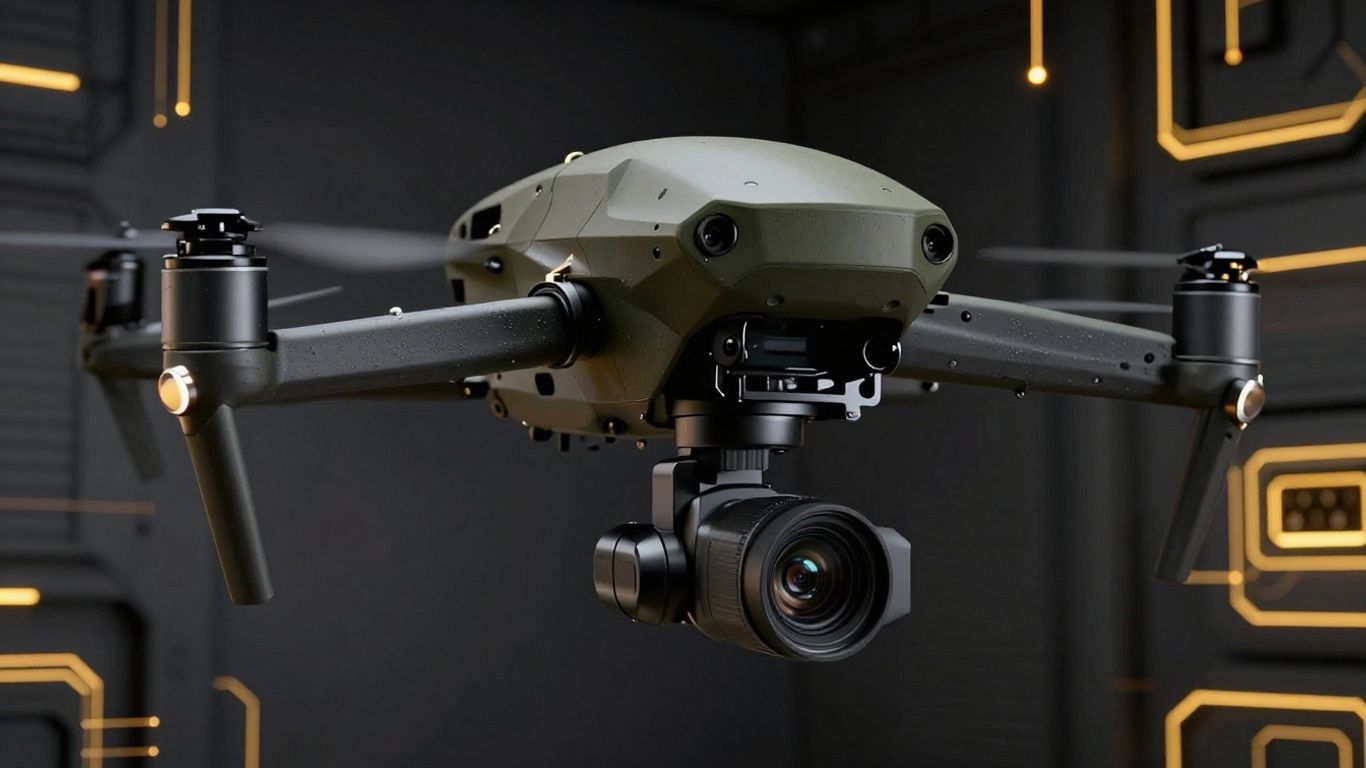
SWaP constraints dictate the physical limits of the camera payload, which is vital for drone and handheld platforms requiring extended operation time and compact footprints.
What is NETD in thermal imaging?
NETD (Noise Equivalent Temperature Difference) measures a sensor's thermal sensitivity; a lower value indicates the camera can distinguish smaller temperature differences.
When is a custom-engineered thermal system necessary?
Custom-engineered systems are necessary when performance, unique integration, or specific environmental demands exceed the capabilities of standard, off-the-shelf camera solutions.