
Key Takeaways
Understanding thermal imaging requires a clear grasp of how spectral ranges influence system performance, particularly when opting for specialized mid-wave technology. The following points summarize the essential factors for choosing an imaging solution.
- The MWIR spectral range identifies thermal energy efficiently for high-temperature objects.
- Cryogenic cooling is often essential for maintaining sensor sensitivity at these wavelengths.
- Environmental markers like humidity often favor mid-wave systems over long-wave alternatives.
- System integration involves weighing the size, weight, and power requirements against mission objectives.
- Industrial and defense applications rely on these systems for detailed, high-contrast thermal analysis.
Understanding MWIR camera technology
Defining the mid-wave infrared spectral range
The mid-wave infrared spectrum typically spans the 3 to 5 micrometer range, occupying a unique position in electromagnetic detection. This specific bandwidth is where many high-temperature objects demonstrate peak radiant output, allowing your system to capture thermal signatures that remain invisible to the naked eye. By targeting this segment, you successfully resolve thermal data for demanding environments where lower temperatures are not the primary focus.
The role of photon detectors and sensitivity
Modern sensors utilize photon detectors to translate incident thermal radiation into distinct electrical signals. These detectors are engineered for superior responsiveness, often allowing for advanced thermal mapping that identifies minute differences in heat distribution. When you select a high-performance system such as the Mantis infrared camera, you are utilizing technology optimized for precise thermal detection.
Explaining the necessity of cryogenic cooling
To achieve the signal-to-noise ratios required for high-resolution imaging, these systems often require cryogenic cooling mechanisms. By reducing the operating temperature of the sensor, you minimize internal background noise that would otherwise interfere with the detection of subtle thermal energy. This cooling infrastructure serves as a fundamental aspect of the hardware design, influencing the overall operational footprint defined by its physical size and power requirements.
Physical advantages for high-temperature detection
You will find that the physical behavior of thermal radiation favors this range when observing energetic targets. Because hot objects radiate intensely at shorter wavelengths, this technology provides excellent contrast, effectively separating intense heat signatures from more moderate background temperatures. Engineers often specify these cameras for processes where precision at elevated temperatures constitutes a critical mission requirement.
Key performance differences between MWIR and LWIR systems
Evaluating optimal target temperature ranges
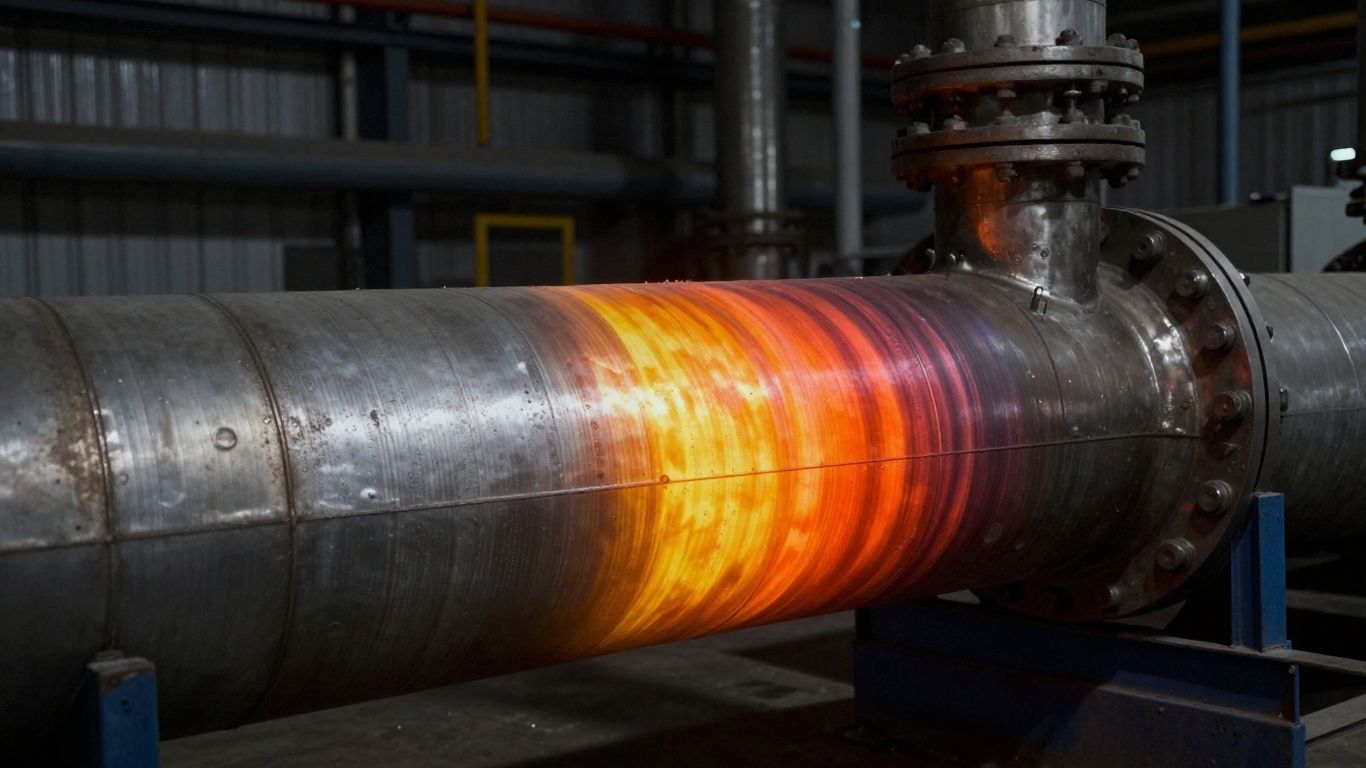
The choice between these technologies often descends from the temperature of your target and the environment. While long-wave infrared sensors excel at capturing ambient temperature signatures, mid-wave systems provide superior data when you are monitoring processes exceeding typical environmental heat. Understanding the infrared spectrum helps ensure you align your sensor technology with specific thermal profiles.
Atmospheric transmission and environmental performance
Environmental factors like humidity and airborne particles impact transmission efficiency differently, leading to specific performance profiles. The following list differentiates the performance characteristics observed in practical field settings:
- High moisture content shows better transmission in the mid-wave band than in longer wavelengths.
- Smoke and particulate interference vary based on local conditions and particle density.
- Clear atmospheric conditions allow both technologies to operate effectively at distance.
- Marine environments often present challenges that favor the inherent clarity of shorter wave detection.
These characteristics dictate the deployment strategy for your mission, ensuring the hardware selected maintains visibility regardless of the local climate or weather constraints.
Comparing spatial resolution and thermal contrast
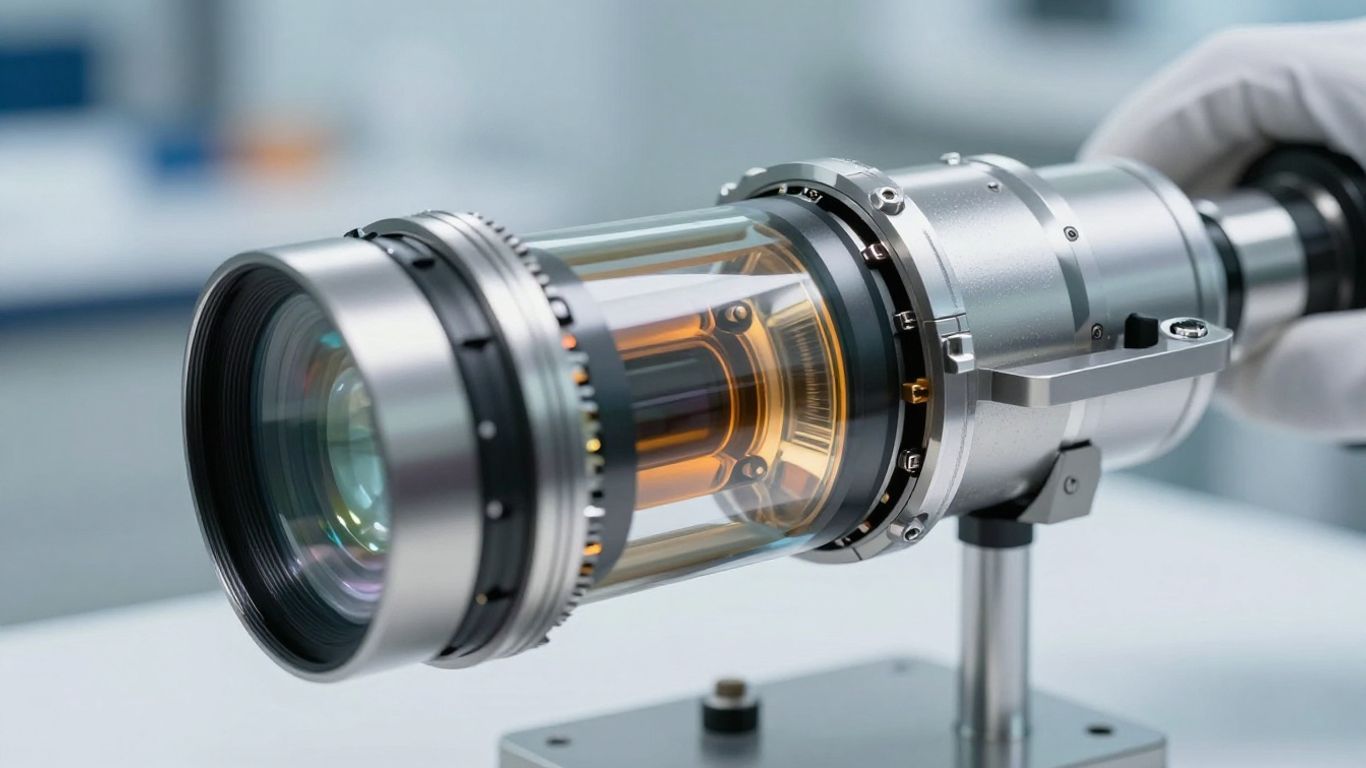
Spatial resolution remains a function of your optical assembly and detector array configuration. By employing high-quality glass, such as the Black Diamond™ chalcogenide optics, you maintain superior resolution while ensuring the lens assembly endures harsh conditions. Thermal contrast is further enhanced by the inherent physics of the 3-5 micrometer range, providing clearer differentiation for small items on a heated background.
Weighing the trade-offs in system complexity and cost
Integrating cooled systems requires careful consideration of lifecycle costs and maintenance schedules. The requirement for a cooling system, such as a Stirling cooler, adds complexity to your platform and increases the total power draw compared to uncooled alternatives. You must evaluate whether the increased diagnostic performance justifies the additional mass and power consumption.
Primary applications for MWIR imaging
Long-range defense and maritime surveillance
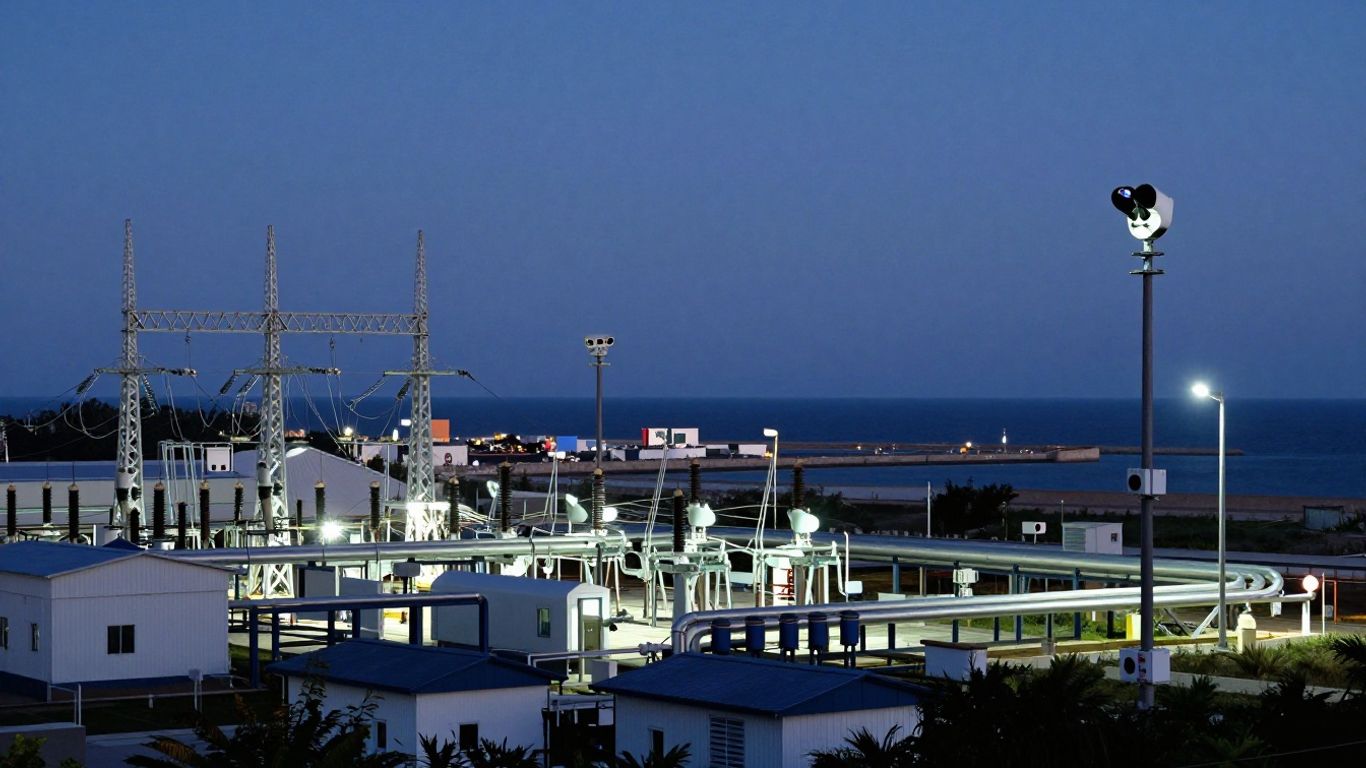
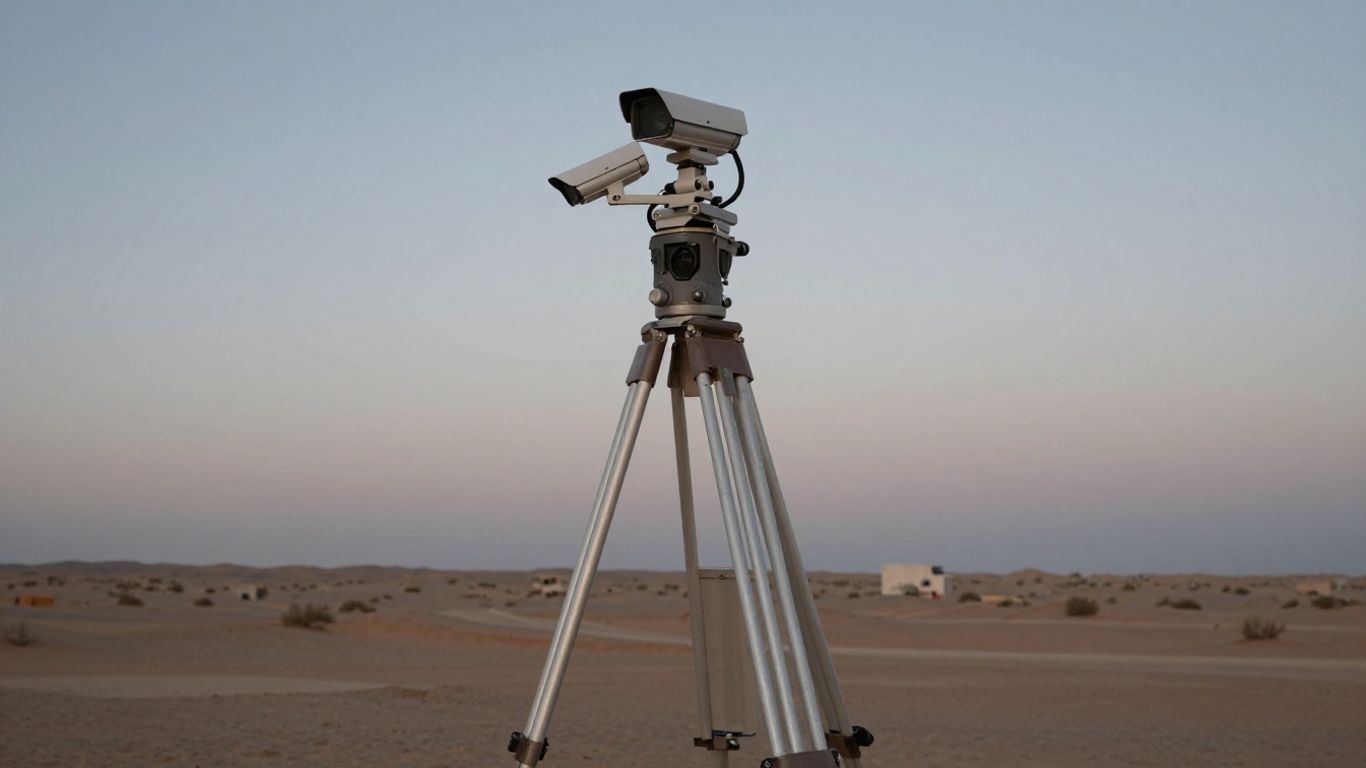
Tactical and maritime scenarios often require detection capabilities that transcend the reach of standard visible-light cameras. By utilizing long-range imaging solutions, you ensure that your security teams monitor expansive areas with consistent clarity. These systems serve as a force multiplier in surveillance, delivering high-fidelity thermal data across distances that would otherwise leave a platform vulnerable.
High-temperature industrial process monitoring
Managing energy-intensive operations requires constant oversight of furnace temperatures and component thermal status. Using specialized cameras allows for non-contact measurements that are accurate even through volatile combustion environments. When you contact LightPath's team of experts for tailored infrared assemblies, your team discovers robust solutions designed to sustain performance during continuous industrial monitoring cycles.
Gas leak detection and chemical analysis
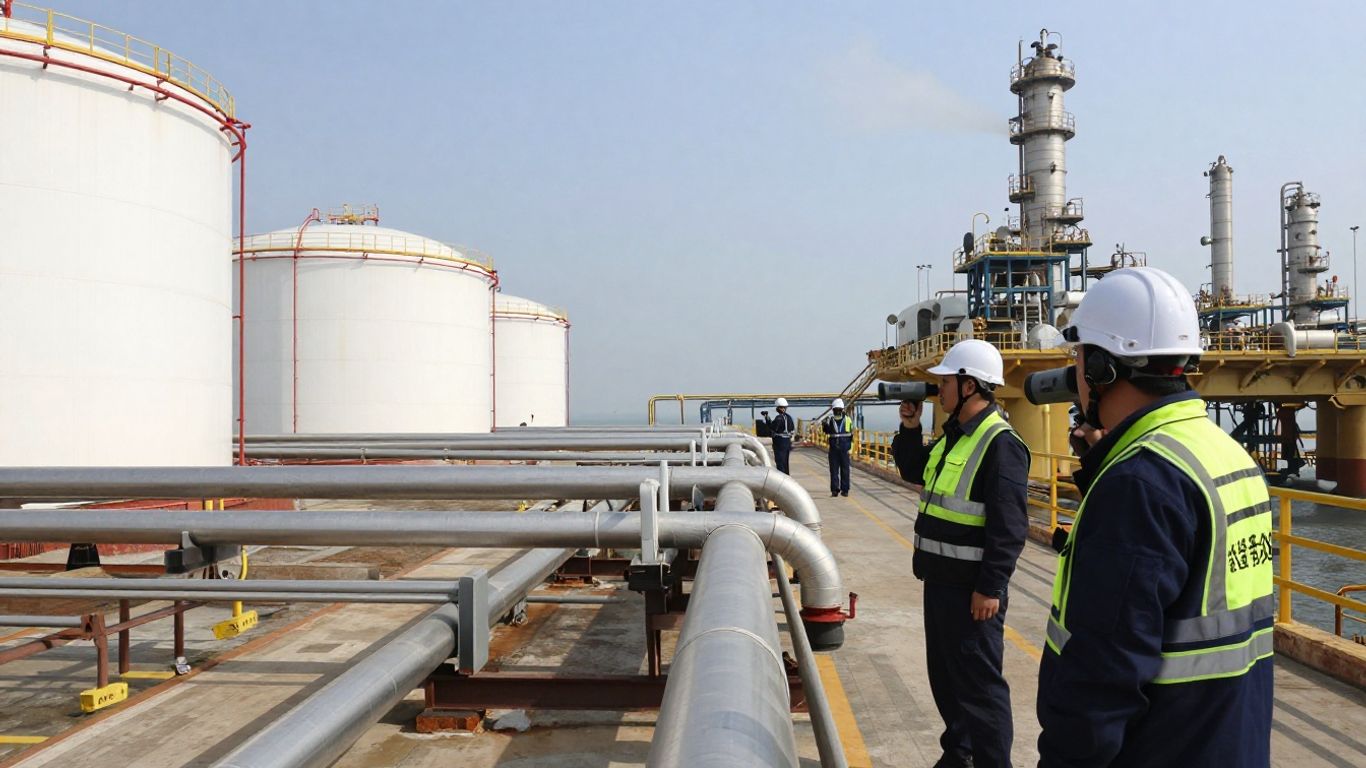
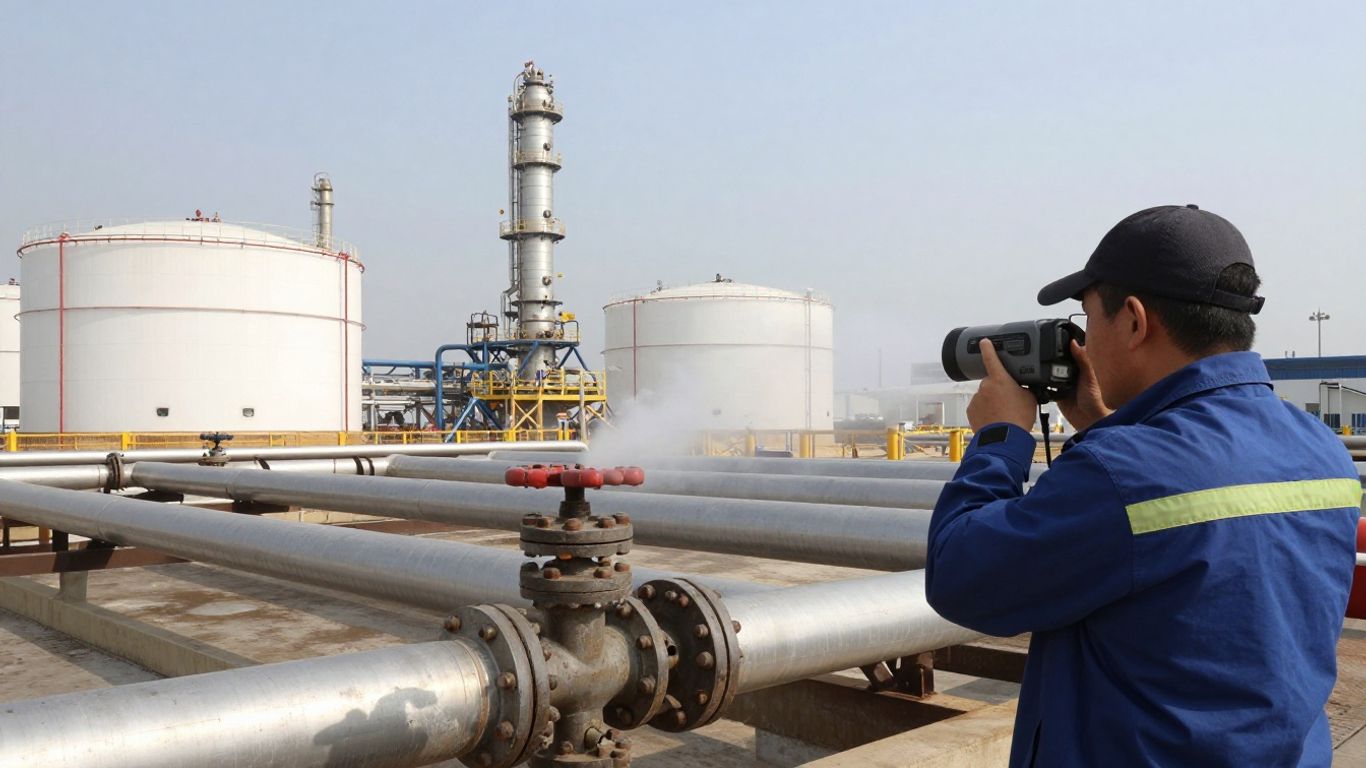
The technology also facilitates the detection of specific gases that absorb thermal energy at mid-wave wavelengths. By configuring your sensor to acknowledge these absorption bands, you achieve early identification of potential leaks in pressurized infrastructure. This passive monitoring method is safer and more reliable than manual inspection techniques, allowing for a proactive stance in facility management.
Research and development in thermography
In laboratory settings, researchers leverage these cameras to document transient thermal events with millisecond precision. The ability to capture detailed data points allows for deeper characterization of materials and mechanical failure modes. This data-driven approach supports more efficient development cycles and yields reliable evidence for complex diagnostic studies.
Strategic considerations for system integration
Addressing size, weight, and power (SWaP) constraints
Engineers must balance the performance requirements with the physical limitations of the host platform. The following table highlights the impact of integration factors on standard cooled system deployments.
|
Integration Category |
Impact Factor |
Design Priority |
|---|---|---|
|
Power Consumption |
High |
Battery Management |
|
Physical Footprint |
High |
Chassis Constraints |
|
Maintenance Load |
Moderate |
Operational Lifecycle |
By prioritizing efficient design and compact assembly, you maximize the utility of your system while remaining within strict SWaP parameters for your equipment.
Lifecycle costs and maintenance requirements
Determining the total cost of ownership involves looking beyond the initial purchase price to the long-term support needs of the cooling system. Regular maintenance is required to ensure the continued reliability of your imaging platform, particularly in frequent-use environments. A proactive approach to servicing optics and cryocoolers helps maximize the operational lifespan of your investment.
Export control and compliance factors
Many high-performance infrared systems fall under stringent export regulations, requiring thorough documentation throughout the acquisition process. Ensuring your project remains compliant with local and international law requires careful attention to the technical specifications of your equipment. Engaging with Consult our experts early in the procurement phase streamlines this process, clarifying requirements as they pertain to your mission.
Selecting optical configurations for specific detection goals
Optical design choice directly affects your field of view and detection range, making it a critical step in the setup phase. Choosing the correct focal length and aperture ensures you optimize light collection and thermal resolution for your specific detection target. A well-designed optical train minimizes distortion and ensures that the raw data processed by your system remains accurate throughout the entire operating range.
Who uses MWIR cameras?
Military and aerospace defense integrators
These specialized cameras form the backbone of modern defense perimeter protection and threat detection. Integrators look for platforms that reliably identify potential hazards while operating in a variety of complex thermal environments. By opting for high-performance components, these professionals create defense systems that provide clear vision during both quiet and intense operational cycles.
Industrial plant management and safety teams
Operational safety depends on identifying thermal anomalies before they become critical failures. Managers deploy these imaging solutions to monitor rotating machinery, electrical junctions, and high-heat production lines. This continuous oversight identifies potential equipment issues, significantly reducing downtime and protecting both property and personnel.
Academic and commercial R&D laboratories
Scientists push the boundaries of materials engineering by observing microscopic thermal fluctuations during material stress tests. These labs require high-sensitivity sensors that offer consistent calibration and repeatability in data collection. By integrating top-tier thermal cameras, these institutions advance their testing protocols and achieve more rigorous scientific findings.
Specialized surveillance and security providers
Security firms tasked with monitoring critical infrastructure across vast perimeters rely on the extended reach of these imaging solutions. By capturing reliable thermal streams during any weather condition, providers deliver 24/7 security that visible-light cameras simple cannot match. This makes the high-performance camera a staple for sites requiring advanced situational awareness.
Conclusion
Choosing the right thermal technology involves an expert assessment of your mission requirements, from the environmental variables to the specific spectral range of your targets, all of which are essential to ensuring the final integration meets your operational needs. Whether your focus is defense-grade longevity or industrial precision, aligning your hardware choices with proven spectral performance provides a path to success. If you are ready to refine your imaging strategy or require specialized optical components, contact our team of experts at https://www.lightpath.com/contact.
Frequently Asked Questions
Can MWIR cameras operate through glass windows?
MWIR cameras generally cannot see through standard glass, as glass blocks most infrared radiation. Specialized materials are usually needed to allow those infrared wavelengths to pass into the sensor.
How does the cooling process specifically help images?
Cooling lowers the internal thermal background of the camera housing and sensor, which significantly reduces the signal noise. This allows the system to distinguish between a very faint thermal target and the camera's own internal warmth.
Is the detection range limited by the camera resolution?
Range is a combination of both the detector resolution and the optical lens configuration. While higher pixel counts can help with image detail, the lens focal length remains the primary factor in determining how far away you can effectively detect a target.
Why do these cameras cost more than uncooled alternatives?
These cameras incorporate complex, moving parts in the cooling system and high-end semiconductor materials that require precision manufacturing. The assembly and calibration process for these systems adds to the final development and manufacturing costs.
Can I use these cameras for medical thermography?
While thermal cameras are used in various specialized medical research settings, their primary design focus is often on industrial or tactical applications. Standard thermal systems usually lack the specific calibration required for clinical diagnoses.
How frequently does a cooled MWIR camera require maintenance?
Maintenance intervals depend heavily on usage frequency and operational environment. Systems used 24/7 in harsh outdoor settings will naturally reach cooling system service milestones faster than those used in protected indoor laboratory environments.
Does the camera resolution change the effective spectral range?
No, the spectral range is determined by the materials and design of the focal plane array and the optics, not the pixel count. A camera with higher resolution simply provides a finer image within that predetermined spectral domain.