

Thermal imaging is transforming the automotive industry by providing a unique way to 'see' heat. This technology offers significant advantages across various aspects of vehicle design, manufacturing, and operation. Here are the main points to remember about its role in the automotive world:
Key Takeaways
- Thermal cameras detect infrared radiation, which all objects emit, to create images based on temperature.
- In vehicles, thermal imaging can improve driver visibility in bad weather and help advanced safety systems detect pedestrians or animals.
- During manufacturing, it's used to check the quality of welds, seals, and electronic components by spotting temperature differences.
- Predictive maintenance benefits from thermal imaging by spotting overheating parts in components before they fail, saving repair costs.
- Future trends point to deeper integration with autonomous driving systems and broader use in vehicle diagnostics and performance monitoring.
Understanding Thermal Imaging Technology
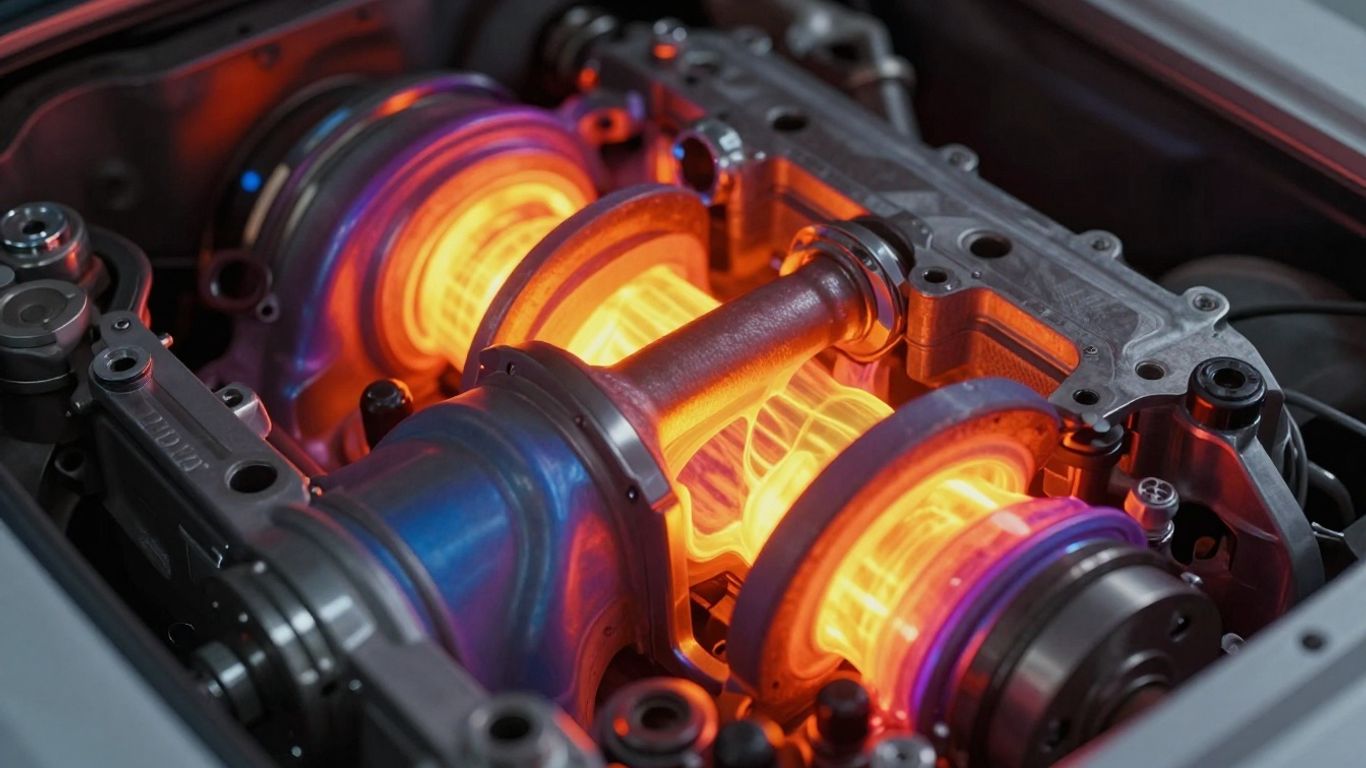
Thermal imaging has found a central place in the automotive field. Its use goes far beyond basic temperature measurement—today, this technology gives you a level of insight into vehicle systems and manufacturing processes that was unimaginable until recently. Here’s a detailed explanation of how thermal imaging for automotive applications actually works.
Principles of Infrared Radiation Detection
Every object gives off infrared radiation based on its temperature. Unlike visible light, this radiation is invisible to the human eye. A thermal imaging system is built to capture this radiation and respond to temperature changes that would otherwise go unnoticed. Automotive engineers often use thermal cameras to monitor things such as engines, brake systems, and electrical connections, looking for hot spots that might indicate worn or malfunctioning parts (object heat distribution in vehicles).
Key points of infrared detection:
- Thermal cameras detect radiation from surfaces without physical contact.
- Sensors convert this energy into electrical signals, which form the basis of a thermal "picture."
- This makes it especially useful for inspecting live systems or hard-to-access areas.
Converting Radiation into Temperature Maps
Once the system’s sensors have collected infrared data, the camera or its onboard computer translates this information into a visible heat map. This map shows temperature values as colors, usually with each shade representing a certain range of temperatures. During automotive testing or diagnosis, these maps help you easily spot parts that are running too hot or too cold.
Here’s what happens next:
- Each pixel in the thermal image corresponds to a specific temperature value, so large components can be viewed for uniformity or anomalies.
- Modern software can assign temperature values to each color, making it easy to compare readings from different tests or vehicles.
Example Table: Color Mapping to Temperature
|
Color |
Approximate Temperature (°C) |
|---|---|
|
Blue |
< 30 |
|
Green |
30–50 |
|
Yellow |
51–80 |
|
Orange |
81–110 |
|
Red |
> 110 |
The Role of Advanced Analysis Software
Thermal imaging hardware is only part of the story. Today’s advanced software platforms allow you to:
- Set custom temperature thresholds to trigger alarms or actions.
- Overlay temperature maps on real-world images for clarity.
- Track temperature trends over time and compare them to baseline values
- Quickly export reports for documentation or cross-team review (thermal imaging as non-destructive testing).
This kind of software is a big reason for the widespread adoption of thermal cameras in automotive settings. Automation, integration with factory control systems, and simple reporting tools help you discover problems—like overheating wiring or failing components—well before they threaten reliability or safety.
For any team looking to use automotive thermal imaging as a core part of their process—whether during design, manufacturing, or on-vehicle troubleshooting—partnering with experienced solution providers is a must. To tailor a system that suits your unique needs, reach out via the LightPath contact page.
Key Applications in Automotive Thermal Imaging
Thermal imaging technology offers a wide array of practical uses within the automotive sector, extending far beyond simple diagnostics. You can find its application in making vehicles safer, improving how they are manufactured, and even predicting when parts might need attention.
Enhancing Vehicle Safety Systems
Thermal imaging can significantly bolster vehicle safety by providing a layer of perception that visible light cameras miss. It detects heat signatures, allowing systems to identify pedestrians, animals, or other vehicles in conditions where visibility is poor, such as at night, in fog, or through heavy rain. This capability is particularly valuable for advanced driver-assistance systems (ADAS) and autonomous driving features. By integrating thermal cameras, vehicles can gain an earlier and more reliable understanding of their surroundings, leading to quicker reaction times and potentially preventing accidents. For instance, a thermal camera can spot a pedestrian obscured by glare or darkness long before a traditional camera would register them. This early detection allows the vehicle's safety systems to initiate braking or evasive maneuvers sooner, providing a critical safety margin. You can learn more about how thermal cameras help in diagnostics by visiting this page.
Optimizing Manufacturing Quality Control
In automotive manufacturing, thermal imaging plays a vital role in ensuring product quality and consistency. It can be used to inspect critical components during production. For example, thermal cameras can verify the integrity of welds by detecting temperature variations that indicate improper fusion. They can also identify issues with seals and insulation, such as gaps or failures, which could lead to leaks or poor thermal performance in the final vehicle. Monitoring the temperature of components during assembly, like batteries in electric vehicles, helps identify potential defects early in the process. This proactive approach minimizes the risk of defects reaching the customer, reducing warranty claims and improving overall brand reputation. The ability to perform these checks without stopping the production line is a significant advantage.
Enabling Predictive Maintenance for Components
Thermal imaging offers a powerful tool for predictive maintenance, allowing for the identification of potential component failures before they occur. By monitoring the thermal signatures of various vehicle parts, technicians can detect anomalies that indicate wear or impending issues. For example, overheating in electrical connections, bearings in rotating components like wheel hubs or alternators, or even brake systems can be detected early. This allows for scheduled maintenance during regular service intervals, rather than unexpected breakdowns. Such proactive maintenance not only prevents costly repairs and downtime but also enhances vehicle reliability and longevity. Implementing these strategies can lead to substantial cost savings over the vehicle's lifespan. You can explore how thermal imaging improves workshop efficiency by checking out this resource.
If you're interested in exploring how thermal imaging can benefit your automotive applications, please reach out to us at https://www.lightpath.com/contact.
Thermal Imaging for Automotive Manufacturing
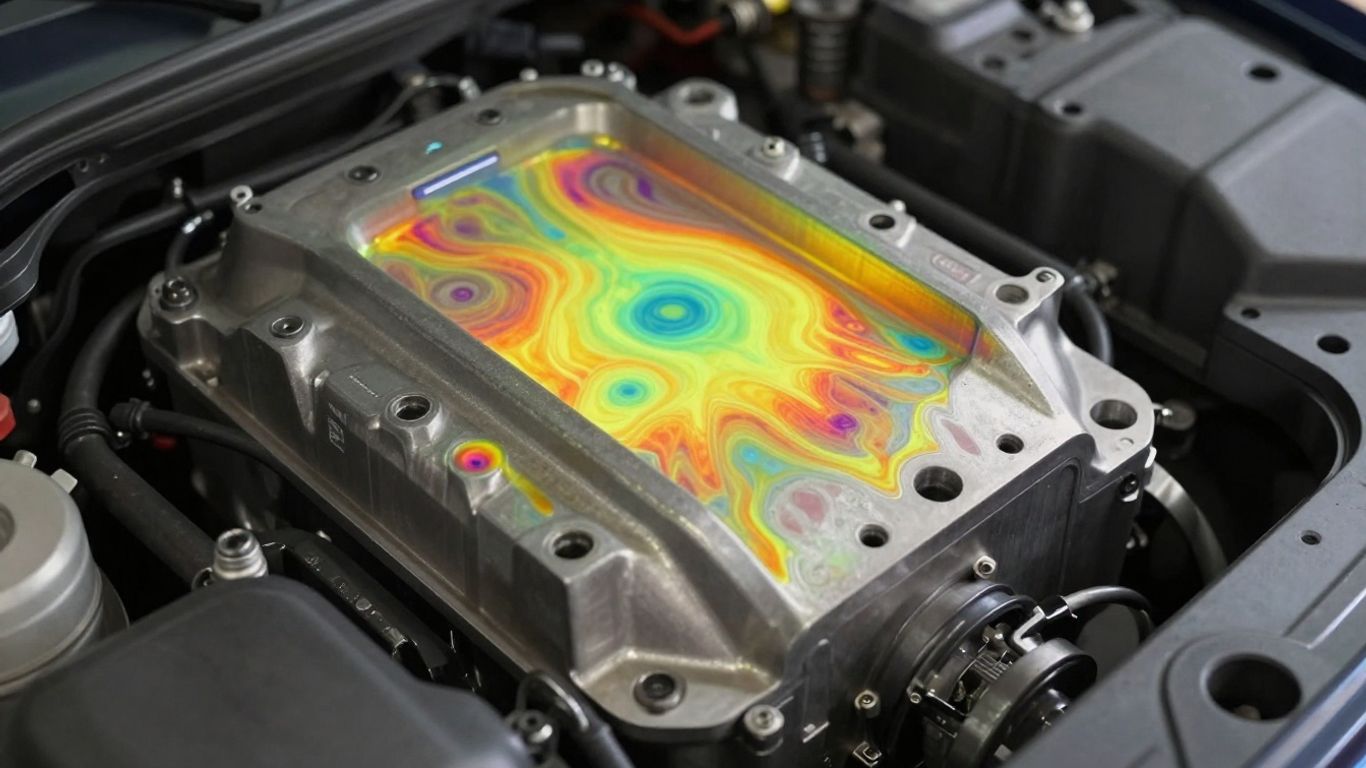
In the automotive industry, staying ahead with inspection and quality control is a constant challenge. Thermal imaging is now a standard tool on production floors, where it improves the way manufacturers spot problems—all without stopping the line. With temperature mapping and infrared detection, you can see issues that the human eye completely misses. Let’s break down how you can use thermal imaging in your manufacturing facility to drive better outcomes.
Verifying Weld Quality and Material Consistency
When it comes to structural integrity, welds are top priority. Traditional visual checks sometimes miss hidden cracks or incomplete joins. Thermal cameras capture the heat signature of every weld, quickly showing if the fusion was complete or if there are cold spots indicating a weak bond. This means:
- Inspection right after welding, without waiting for parts to cool.
- Immediate identification of inconsistent materials thanks to their unique heat patterns.
- Increased efficiency, as you can pass or flag parts in real time for further inspection.
Here’s a simplified table to show how thermal imaging stacks up next to conventional testing:
|
Inspection Focus |
Visual Inspection |
Thermal Imaging |
|---|---|---|
|
Detects surface flaws |
Yes |
Yes |
|
Reveals hidden flaws |
No |
Yes |
|
Speed |
Medium |
Fast |
|
Requires contact |
Sometimes |
No |
The result is a more confident assessment of weld quality and consistent material performance—something impossible with just the naked eye.
Detecting Seal Failures and Insulation Gaps
Air and fluid leaks can be costly and damage your reputation. Thermal cameras scan for temperature changes that indicate where insulation is thin, seals are compromised, or airflow is escaping. Benefits of this method include:
- Rapid, non-contact scanning of finished assemblies or entire vehicle cabins.
- Detection of even small leaks that might go unnoticed until causing bigger problems.
- The ability to prioritize repairs or process corrections instantly.
Thermal imaging’s ability to spot subtle differences is why it continues to support quality assurance in continuous monitoring on the production line without interrupting productivity.
Monitoring Process Temperatures in Production
Some manufacturing steps depend on hitting precise temperature targets—think curing, forming, or baking processes. If something drifts even a few degrees, you could face uneven curing, warping, or outright failures. With a thermal imaging system:
- You get a real-time map of temperature distribution across workpieces.
- Any anomaly is seen immediately, allowing corrective action before the product is compromised.
- Trends can be tracked over time to spot equipment that’s going out of calibration.
Companies adopt these systems to catch irregularities as they happen, reducing both waste and rework.
With thermal imaging, you gain a sharp look into manufacturing operations that’s hard to achieve any other way. If you’re interested in making your production safer, faster, and more reliable, get in touch through the contact page for expert advice on thermal imaging solutions tailored to your needs.
Integration of Thermal Cameras in Automotive Platforms
Integrating thermal imaging technology into automotive platforms is becoming a strategic move for Original Equipment Manufacturers (OEMs) looking to differentiate their vehicles and offer advanced functionalities. This integration goes beyond simple add-ons; it involves embedding thermal cameras as core components that contribute to safety, performance, and user experience. The goal is to create vehicles that are not only smarter but also more aware of their surroundings and internal conditions.
OEM Strategies for Differentiating Vehicle Performance
OEMs are increasingly incorporating thermal cameras to provide distinct advantages that set their vehicles apart in a competitive market. This often involves leveraging the technology for enhanced driver assistance systems and unique performance monitoring capabilities. For instance, thermal imaging can provide a crucial layer of awareness in low-visibility conditions, such as fog, heavy rain, or darkness, allowing advanced driver-assistance systems (ADAS) to detect pedestrians, animals, or other vehicles that might be missed by traditional sensors. This capability can significantly improve safety and contribute to the vehicle's overall performance profile. Furthermore, some manufacturers are exploring the use of thermal imaging for monitoring critical component temperatures, such as battery packs in electric vehicles or engine components, to optimize performance and prevent potential issues before they arise. This proactive approach to vehicle health contributes to a perception of superior engineering and reliability. The ability to offer such advanced features can be a significant selling point, attracting consumers who prioritize cutting-edge technology and safety. For OEMs looking to embed these advanced capabilities, partnering with experienced providers is key to successful system integration.
Leveraging Thermal Imaging for Enhanced Surveillance
Beyond direct driver assistance, thermal cameras are being integrated into automotive platforms for sophisticated surveillance and security applications. This includes systems designed for monitoring the vehicle's immediate surroundings, providing a 360-degree thermal view that operates effectively day or night and in adverse weather. Such systems can alert drivers to potential threats or hazards outside the typical field of view of visible-light cameras. For fleet management or commercial vehicles, integrated thermal imaging can also serve as a tool for monitoring cargo temperatures or detecting unauthorized access. The continuous monitoring capability ensures that potential security breaches or environmental deviations are identified promptly. This level of surveillance contributes to both the safety of the occupants and the security of the vehicle and its contents. The development of these advanced surveillance systems often relies on specialized thermal imaging modules designed for automotive environments, with companies like Teledyne FLIR OEM providing key technologies.
Custom Thermal Systems Engineered for Automotive Needs
While off-the-shelf thermal cameras can be adapted, many automotive applications benefit from custom-engineered thermal systems. These systems are designed from the ground up to meet specific automotive requirements, including size, weight, power consumption (SWaP), and environmental ruggedness. Customization allows for optimized optical performance, tailored interfaces for seamless integration with existing vehicle electronics, and specialized processing algorithms for automotive-specific tasks. For example, a custom system might feature a lens designed for a particular field of view or a housing that can withstand extreme automotive temperatures and vibrations. The development of these bespoke solutions often involves close collaboration between the automotive OEM and the thermal imaging provider to ensure that the final system precisely meets the performance, integration, and cost targets. This tailored approach ensures that the thermal imaging technology contributes maximally to the vehicle's overall design and functionality, rather than being a compromise. If your organization is considering such specialized integration, reaching out to experts can provide clarity on the best path forward. Contact us at https://www.lightpath.com/contact to discuss your specific needs.
Benefits of Thermal Imaging for Automotive Use Cases
Implementing thermal imaging in automotive applications brings about a range of advantages that impact efficiency, safety, and cost-effectiveness. You can expect to see improvements across various stages, from manufacturing to ongoing maintenance.
Improving Operational Efficiency and Reducing Waste
Thermal imaging helps streamline operations by providing clear visual data on temperature. This allows for quicker identification of issues that might otherwise lead to delays or material waste. For instance, during manufacturing, it can verify that processes like welding or curing are happening at the correct temperatures. If a component isn't reaching the right heat or is overheating, thermal imaging flags it immediately. This prevents defective parts from moving further down the production line, saving resources and time. It also aids in optimizing energy usage by pinpointing areas where heat is being lost unnecessarily, contributing to a more sustainable and cost-efficient operation.
Enhancing Safety Through Early Problem Detection
One of the most significant benefits is the ability to detect potential problems before they become serious safety hazards. Thermal cameras can identify issues that are not visible to the naked eye. For example, they can spot developing hot spots in electrical connections within a vehicle or in charging infrastructure, which could indicate a risk of fire. In electric vehicles, monitoring battery pack temperatures is critical for safety and performance; thermal imaging provides a non-contact way to do this. Early detection of issues like faulty EV batteries or worn components allows for proactive repairs, significantly reducing the risk of accidents and ensuring the reliability of the vehicle's systems. This proactive approach to safety is invaluable.
Achieving Significant Cost Savings in Maintenance
The impact on maintenance costs can be substantial. By identifying potential failures early, thermal imaging enables a shift from reactive to predictive maintenance. Instead of waiting for a component to break down, which often leads to costly emergency repairs and extended downtime, you can schedule maintenance during planned service intervals. Studies show that predictive maintenance programs incorporating thermal imaging can lead to savings of 30-40% compared to reactive methods. This means fewer unexpected breakdowns, reduced repair expenses, and extended the lifespan of vehicle components. For example, detecting subtle temperature increases in bearings or electrical systems can prevent catastrophic failures that would otherwise require expensive replacements. This approach to vehicle diagnostics transforms maintenance from a cost center into a strategic advantage.
Future Trends in Automotive Thermal Imaging
The trajectory of thermal imaging in the automotive sector is set for significant evolution, moving beyond current applications into more integrated and sophisticated roles. As sensor technology advances and the demand for smarter vehicles grows, you can expect thermal imaging to become an even more integral part of automotive design and function.
Advancements in Sensor Technology
Future thermal imaging systems will likely feature smaller, more sensitive, and more cost-effective sensors. This miniaturization will allow for easier integration into a wider range of automotive components, from advanced driver-assistance systems (ADAS) to internal cabin monitoring. Imagine sensors capable of detecting subtle temperature variations that indicate component stress long before a failure occurs, or systems that can monitor passenger well-being by tracking body temperature. The ongoing development in microbolometer technology and focal plane arrays promises higher resolutions and improved thermal sensitivity, making these applications more feasible. The global thermal imaging market, already valued at approximately USD 7.69 billion in 2024, is projected to reach USD 16.29 billion by 2034, indicating strong investment in these technological leaps.
Integration with Autonomous Driving Systems
For autonomous vehicles, reliable perception in all conditions is paramount. Thermal imaging offers a distinct advantage by detecting heat signatures, which are unaffected by visible light conditions like darkness, fog, or glare. Future autonomous systems will likely incorporate thermal cameras as a primary sensor for object detection and classification. This could include identifying pedestrians or animals in low-light conditions, distinguishing between living beings and inanimate objects, or even assessing the thermal state of other vehicles and infrastructure. This capability is crucial for overcoming limitations in vehicle visibility, especially when traditional sensors might struggle. The goal is to create a more robust and redundant sensing suite that ensures safety and performance regardless of the environment.
Expanding Applications Beyond Safety and Manufacturing
While safety and manufacturing quality control are current drivers, the future will see thermal imaging applied in novel ways. Consider its use in personalized climate control within the cabin, where sensors could detect individual passenger comfort levels and adjust airflow accordingly. Another area is in battery management for electric vehicles, where thermal imaging can provide real-time monitoring of battery cell temperatures to optimize performance and prevent thermal runaway. Furthermore, advanced diagnostics for vehicle components, such as brakes, tires, and engines, will become more sophisticated, allowing for predictive maintenance that significantly reduces unexpected breakdowns. This proactive approach to vehicle health management promises to redefine automotive service and ownership. To explore how advanced thermal solutions can benefit your automotive projects, consider reaching out to our specialists at Lightpath.
The world of cars is changing fast, and thermal imaging is playing a bigger role. Imagine cars that can see heat, helping them drive safer in the dark or bad weather. This technology is getting better all the time, leading to smarter and more helpful vehicles. Want to learn more about how these cool new car features work? Visit our website to explore the latest in automotive tech!
Conclusion
Thermal imaging for automotive applications is no longer a niche technology; it's becoming a standard tool for improving safety, quality, and efficiency. From helping drivers see in the dark to ensuring manufacturing processes are perfect, its ability to visualize heat is invaluable. As the technology advances, we can expect even more innovative uses in vehicles and production lines, making our cars safer and our manufacturing processes smarter.
Frequently Asked Questions
How does a thermal camera see things?
Think of it like this: everything that's warm gives off a kind of heat light, called infrared radiation. A thermal camera is like special glasses that can see this heat light. It turns the heat into a picture you can see, where different colors show different temperatures. Hotter things might be red or yellow, and cooler things might be blue or purple. It helps you see things you can't usually see with your eyes, especially in the dark or through fog.
Can thermal cameras help drivers see better at night?
Yes, they really can! In the dark or when it's foggy or rainy, regular headlights don't always show everything. A thermal camera can spot the heat coming off people, animals, or other cars, even if they are far away or hidden by the weather. This helps the car's safety systems react faster or gives the driver a clearer picture of what's ahead.
How is thermal imaging used when cars are being made?
When cars are built, thermal cameras are used to check if everything is put together right. For example, they can look at welds to make sure they are strong enough by checking their temperature. They can also find tiny leaks in seals or problems with how heat is moving through parts. This helps make sure the cars are built well and won't have problems later.
What is 'predictive maintenance' with thermal imaging?
Predictive maintenance is like getting a heads-up before something breaks. If a part in a car is starting to wear out, it might get hotter than it should. A thermal camera can spot this extra heat early on. This means mechanics can fix or replace the part before it causes a bigger problem or makes the car stop working. It's all about fixing things before they actually break.
Will thermal cameras be in more cars in the future?
It's very likely! As the technology gets better and cheaper, car makers are finding more ways to use it. Besides helping drivers see better and improving safety systems, it might be used to help self-driving cars understand their surroundings even more. It could also be used to check the health of different car parts over time.
Is thermal imaging just for seeing in the dark?
No, it's much more than that! While seeing in the dark is a big help for safety, thermal imaging is also really useful for checking how things are made. It can find tiny flaws or weak spots that you can't see with just your eyes. It's like having a special tool that shows you the 'health' of parts and systems by looking at their temperature patterns.