
Key Takeaways
LWIR imaging has become the dominant thermal monitoring technology for industrial operations, and the reasons go well beyond the science.
- Uncooled LWIR systems deliver reliable ambient-temperature detection with lower total cost of ownership, making them the natural fit for continuous industrial monitoring.
- Predictive maintenance programs that include LWIR thermal cameras can reduce maintenance costs by 30–40% over reactive approaches, according to the U.S. Department of Energy.
- LWIR's simplicity, integration flexibility, and 24/7 operation capability give OEMs and system integrators a faster path to market with fewer engineering headaches.
If your organization builds or integrates thermal monitoring systems for industrial clients, understanding why LWIR leads this space is essential to choosing the right technology.
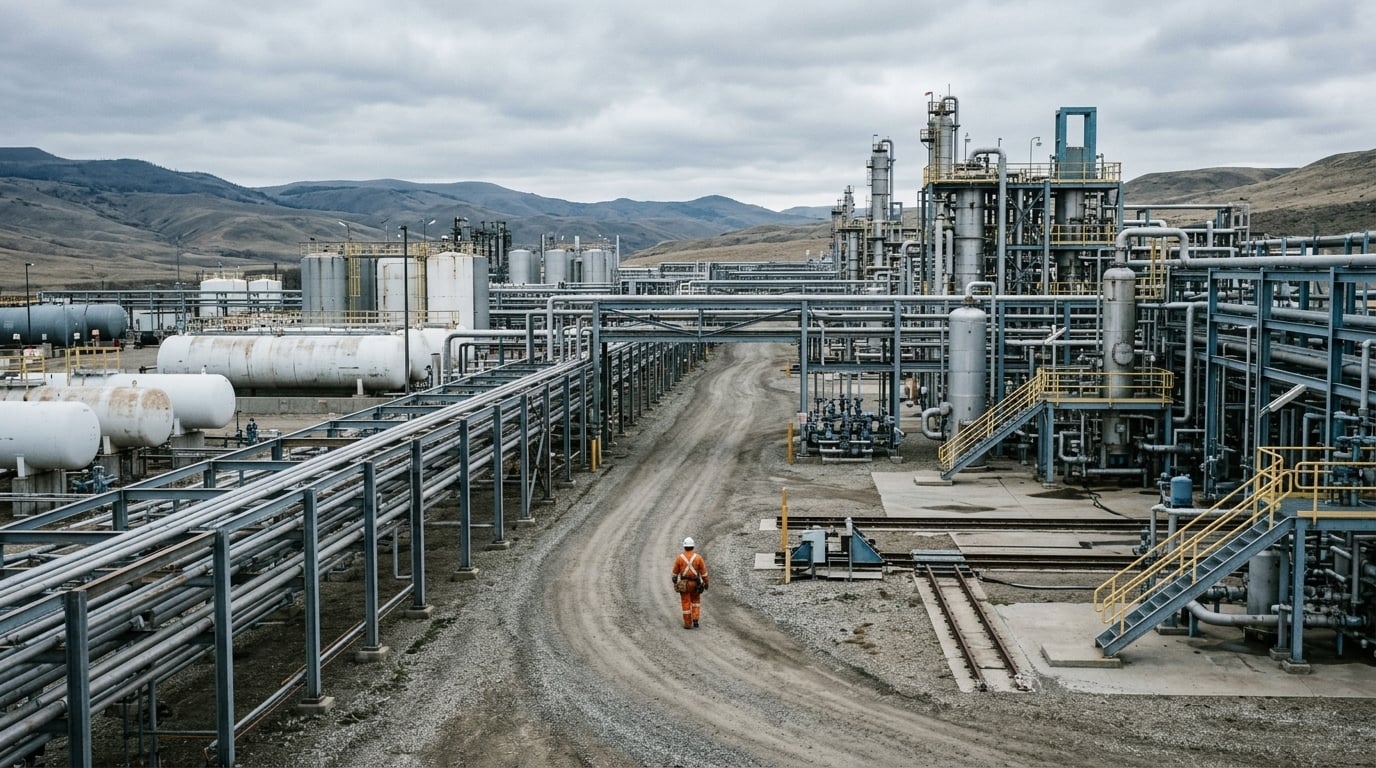
Industrial facilities lose billions annually to unplanned equipment failures. That reality has pushed thermal monitoring from a "nice to have" into core operational infrastructure for manufacturers, energy companies, and process-driven industries worldwide. At the center of this shift is LWIR imaging, the long wave infrared technology operating in the 8–14 µm spectral range that has quietly become the backbone of industrial thermal monitoring programs everywhere.
The thermal imaging market reflects this momentum. According to recent industry analysis, the global thermal imaging market is expected to reach $7.8 billion by 2032, growing at a 7.2% CAGR, with LWIR technology holding the largest share by wavelength segment. For OEMs, system integrators, and product managers evaluating which infrared band to build around, the data points clearly in one direction.
This guide breaks down why LWIR imaging dominates industrial applications, how it compares to alternative infrared technologies, and what to look for when selecting the right system for your next program.
What Makes LWIR Imaging the Standard for Industrial Monitoring?
Every object above absolute zero emits thermal radiation. The warmer it gets, the more energy it radiates. For objects at typical environmental and industrial operating temperatures, peak thermal emission falls squarely within the long wave infrared band. That fundamental principle is why LWIR imaging works so well for the overwhelming majority of real-world monitoring scenarios.
Industrial equipment, electrical systems, building envelopes, pipelines, and rotating machinery all operate at or near ambient temperatures during normal conditions. When something starts going wrong, temperatures shift. A failing bearing generates friction heat. A loose electrical connection develops resistance. A deteriorating insulation layer lets thermal energy escape. An LWIR thermal camera detects these changes early, often weeks before a problem becomes visible or causes a failure.
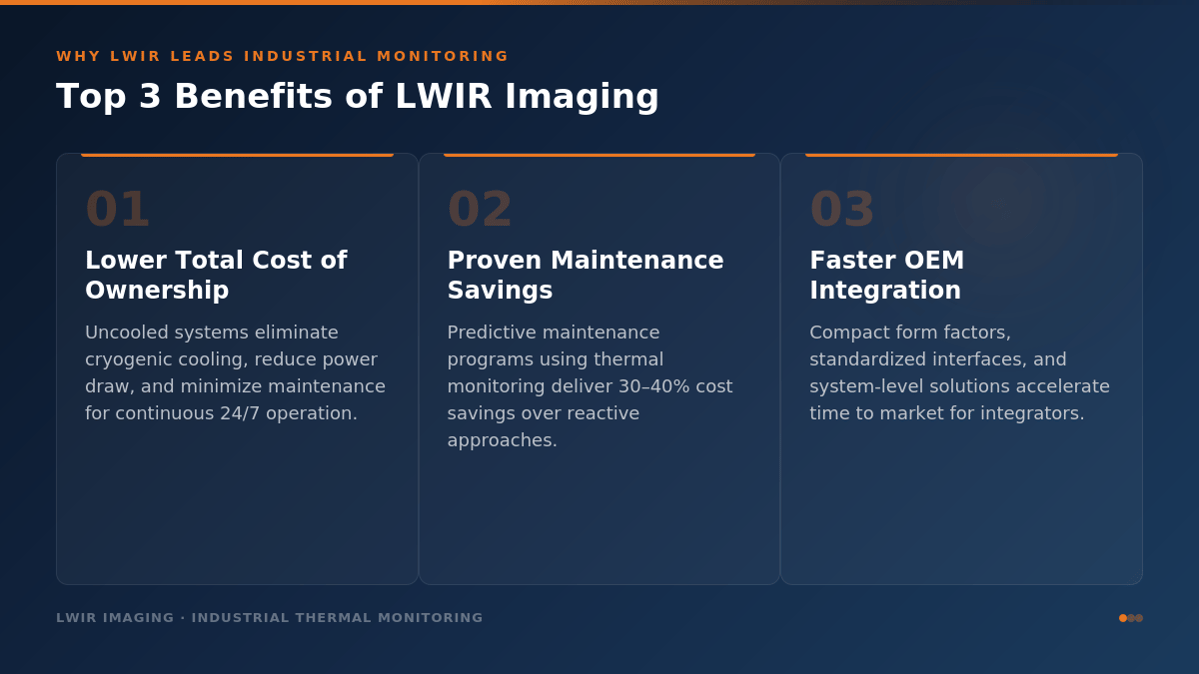
The practical advantages for industrial environments extend well beyond detection capability. Most LWIR systems use uncooled microbolometer detectors that operate at room temperature. That means no cryogenic cooling systems, no complex maintenance schedules, and significantly lower power consumption.
As Laser Focus World has noted, uncooled LWIR cameras based on microbolometer technology have become the most widely used sensor type in thermal imaging, with applications spanning industrial inspection, process control, security, and more. For OEMs building monitoring platforms that need to run around the clock in demanding environments, these aren't minor details. They directly impact system reliability, total cost of ownership, and your ability to deliver a product that works consistently for your end customer.
Why Uncooled LWIR Systems Dominate Industrial Deployments
The shift from cooled to uncooled LWIR technology has been one of the most significant developments in industrial thermal imaging. Uncooled systems offer a combination of benefits that align perfectly with what industrial operations actually need: compact form factors, lower power draw, minimal maintenance, and reliable performance across a wide range of operating conditions. These systems can be deployed in tight spaces, mounted on equipment, or integrated into automated inspection platforms without the size and weight penalties that cooled alternatives impose.
That said, uncooled does not mean unsophisticated. Modern LWIR thermal camera systems deliver impressive thermal sensitivity, enabling detection of temperature differentials as small as fractions of a degree. For process monitoring, quality assurance, and predictive maintenance programs, that level of performance meets or exceeds what most industrial operations require.
What Are the Most Valuable Industrial Applications for LWIR Imaging?
LWIR imaging supports a broad range of industrial monitoring scenarios. Here are the applications where the technology delivers the most measurable value for OEMs and the facilities they serve.
Predictive Maintenance and Equipment Monitoring
This is where LWIR imaging delivers arguably its greatest industrial ROI. Electrical distribution systems, motors, pumps, compressors, and heat exchangers all generate detectable thermal signatures when components begin degrading. A properly implemented predictive maintenance program built around thermal monitoring can identify developing failures weeks or months before they result in unplanned downtime.
The numbers support the investment. The U.S. Department of Energy's Federal Energy Management Program has found that a properly functioning predictive maintenance program can deliver savings of 30–40% over reactive maintenance approaches, along with a 25–30% reduction in overall maintenance costs and a 70–75% decrease in equipment breakdowns.
Thermal imaging is one of the cornerstone technologies making those savings possible, particularly for monitoring electrical systems and rotating equipment where temperature anomalies serve as early warning indicators.
Gas Leak Detection and Optical Gas Imaging
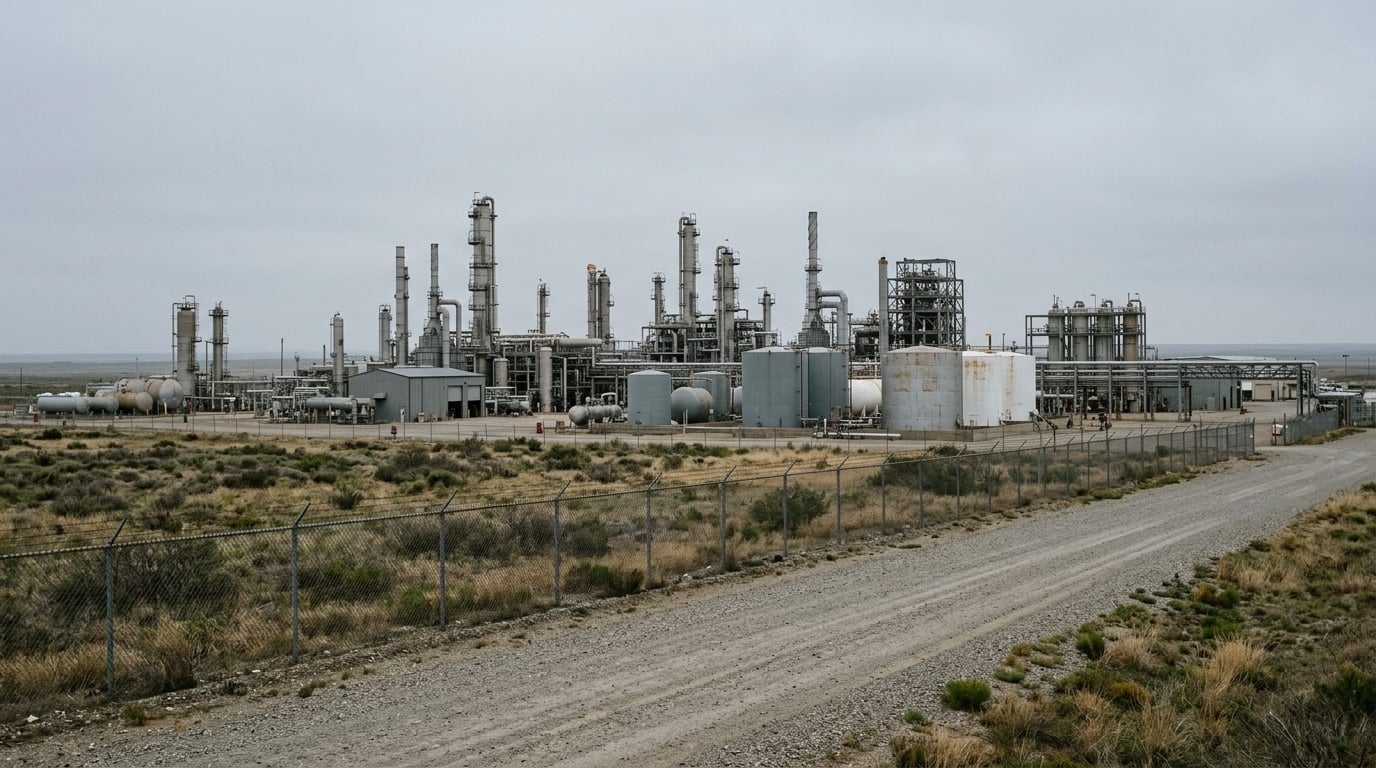
Natural gas pipelines, refineries, chemical plants, and utilities face increasing regulatory pressure to detect and address fugitive emissions. LWIR-based optical gas imaging systems visualize gas leaks that are completely invisible to the naked eye, enabling real-time identification of methane, SF6, and other compounds. For OEMs building gas detection platforms, the spectral characteristics of the long wave infrared band provide the sensitivity these applications demand.
Furnace and High-Temperature Process Monitoring
Steel production, glass manufacturing, cement plants, and chemical processing facilities rely on precise temperature control. Continuous LWIR monitoring of furnaces, kilns, and reaction vessels ensures process parameters stay within specification, improving product quality while reducing waste and energy consumption. In these environments, 24/7 thermal monitoring is standard practice for maintaining operational consistency.
Electrical System Inspection
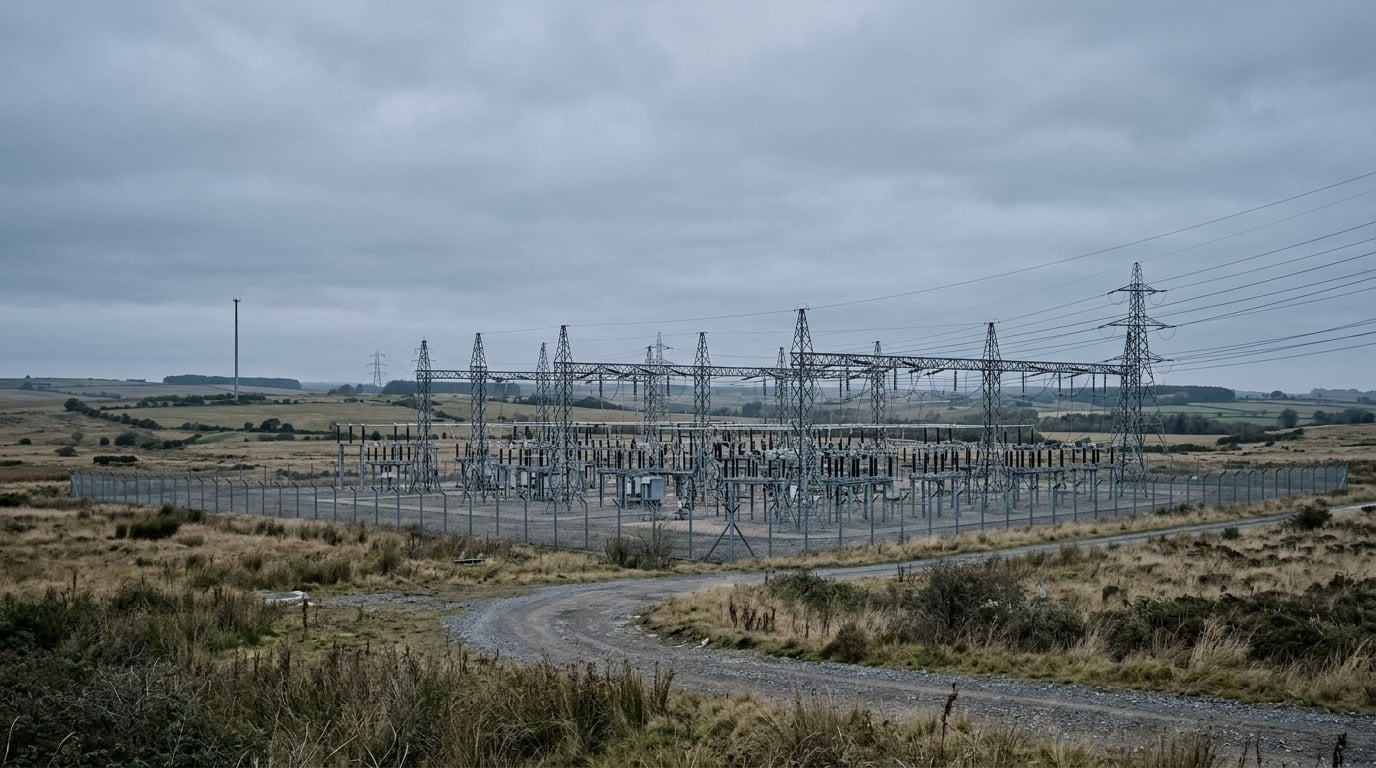
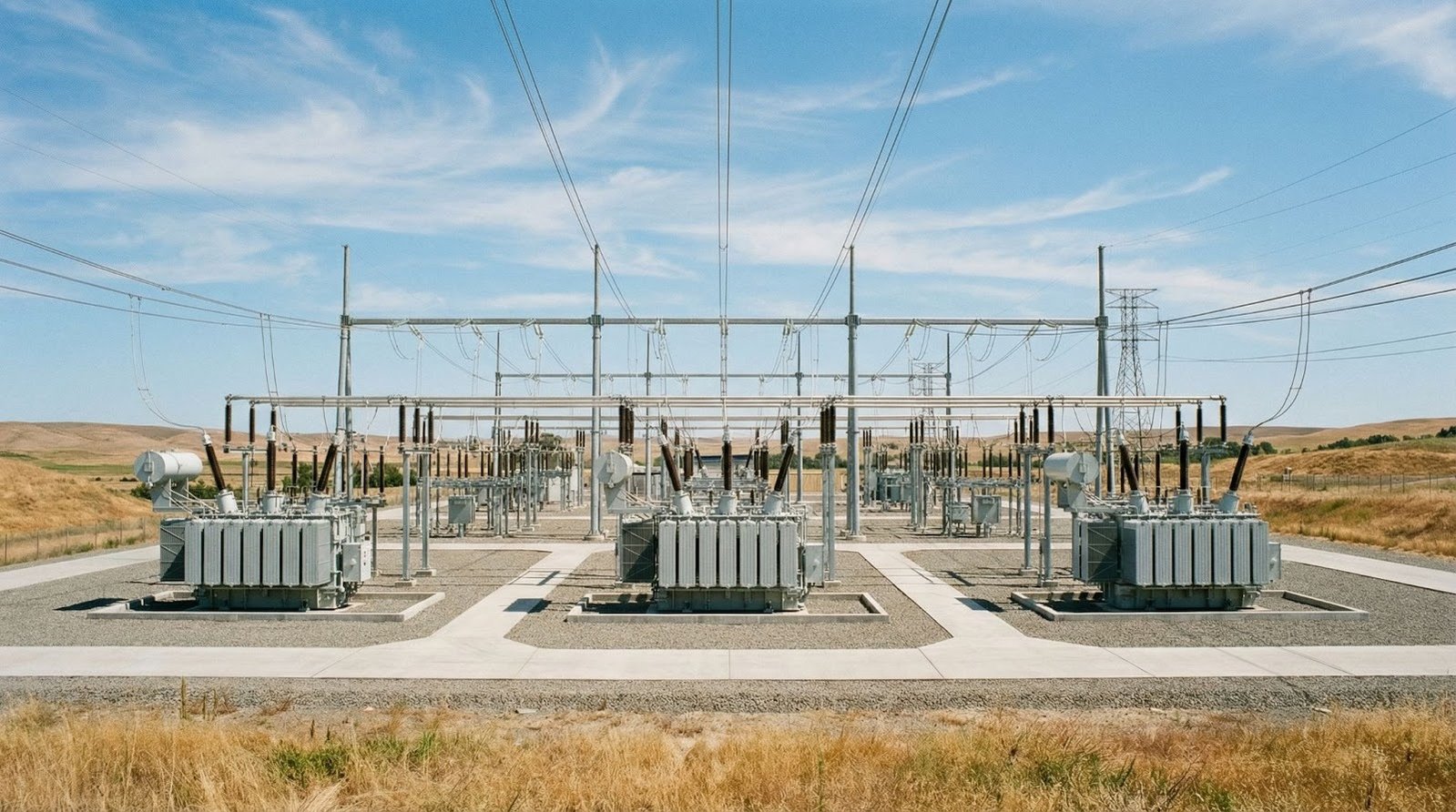
Thermal monitoring of electrical infrastructure catches loose connections, overloaded circuits, and degrading components before they cause fires or cascading equipment failures. Power utilities, data centers, and large manufacturing operations use LWIR systems to inspect panels, transformers, switchgear, and distribution networks safely and without interrupting operations.
|
Industrial Application |
Primary Benefit |
Why LWIR Excels |
|
Predictive Maintenance |
30–40% cost savings over reactive approaches |
Detects ambient-temperature anomalies in machinery and electrical systems |
|
Optical Gas Imaging |
Regulatory compliance, safety |
Spectral sensitivity to key gas compounds in the 8–14 µm range |
|
Furnace Monitoring |
Process control, quality assurance |
Reliable 24/7 operation in harsh, high-heat environments |
|
Electrical Inspection |
Fire prevention, safety |
Non-contact monitoring of energized equipment from safe distances |
|
Building Envelope Analysis |
Energy efficiency, insulation assessment |
Detects heat loss, moisture intrusion, and thermal bridging |
How Does LWIR Compare to MWIR for Industrial Use?
Choosing the right infrared band is one of the most consequential decisions in any thermal imaging program. Both LWIR (8–14 µm) and MWIR (3–5 µm) technologies have legitimate applications, but they serve fundamentally different operational profiles.
LWIR systems detect thermal signatures from objects at or near ambient temperature, which describes the vast majority of industrial monitoring targets. MWIR systems excel at detecting objects with significantly elevated temperatures, such as jet engines, missile plumes, or extremely hot industrial processes. The practical implications for industrial thermal imaging programs are significant and worth understanding before committing to a system architecture.
For a deeper comparison of how these two technologies stack up across performance, cost, and environmental factors, this analysis covers the full decision framework.
|
Factor |
LWIR (8–14 µm) |
MWIR (3–5 µm) |
|
Ideal Target Temperature |
Ambient and near-ambient |
Significantly elevated (hundreds of °C+) |
|
Cooling Requirement |
Typically uncooled |
Typically requires cryogenic cooling |
|
System Complexity |
Lower |
Higher |
|
Power Consumption |
Lower |
Higher |
|
Maintenance Burden |
Minimal |
Cooling system service required |
|
Cost of Ownership |
Lower over system lifespan |
Higher due to cooling and complexity |
|
Best Industrial Fit |
Predictive maintenance, gas imaging, electrical inspection |
High-temperature processes, R&D, long-range detection |
For the majority of industrial monitoring, inspection, and predictive maintenance applications, LWIR imaging offers the best balance of performance, simplicity, and cost. MWIR has its place, particularly in defense targeting, long-range detection in humid environments, and very high-temperature process monitoring. Many organizations are also exploring multi-spectral and broadband approaches that combine both technologies for maximum flexibility across diverse operational requirements.
What Should OEMs Consider When Selecting an LWIR Thermal Camera?
Selecting the right LWIR thermal camera goes well beyond comparing datasheets. The decisions you make at the component and system level cascade through your entire product's performance, reliability, and market competitiveness. Here are the factors that experienced program managers and engineering leads prioritize.
Integration Complexity and Time to Market
How quickly can you get an LWIR imaging solution integrated into your platform and producing results? The answer depends heavily on your supplier's approach. Manufacturers offering complete, system-level solutions with standardized interfaces, documentation, and engineering support dramatically reduce integration timelines compared to piecing together components from multiple vendors. For organizations whose core expertise lies outside thermal imaging, this partnership approach often proves to be the difference between hitting program milestones and missing them.
Optical Design and Material Stability
The lenses in any LWIR thermal camera directly impact image quality, detection range, and long-term reliability. Traditional germanium optics perform well but face well-documented supply chain constraints and cost volatility.
Alternative materials, including advanced chalcogenide glass formulations, offer comparable optical performance with greater supply predictability and cost stability over multi-year production runs. This consideration matters more than many OEMs initially realize, especially when consistent component availability is essential to program planning and on-time delivery.
System-Level Engineering and Vertical Integration
The best-performing industrial thermal imaging systems are designed as matched systems from the start, with optics, coatings, detectors, and electronics all optimized to work together. Suppliers with vertically integrated manufacturing capabilities can control quality at every stage and customize solutions to specific application requirements without the delays and inconsistencies that come from multi-vendor supply chains. When you're evaluating partners, ask whether they design and manufacture their own optical components or source them externally. The answer often predicts how much flexibility and responsiveness you'll get during development.
Regulatory and Compliance Readiness
Industrial thermal imaging systems must meet various regulatory standards depending on deployment environment and geography. Ensuring your LWIR solutions provider understands applicable standards and can support compliance documentation saves significant time during qualification and keeps your program on track.
Frequently Asked Questions
What industries benefit most from LWIR imaging for thermal monitoring?
Manufacturing, energy and utilities, oil and gas, and chemical processing are among the industries that see the greatest value from LWIR imaging. Any sector where equipment operates near ambient temperatures and where unplanned downtime carries significant financial consequences is an ideal fit for LWIR-based thermal monitoring programs.
Can LWIR thermal cameras operate continuously in harsh industrial environments?
Yes. Uncooled LWIR systems are specifically designed for continuous operation with minimal maintenance. Their lack of cryogenic cooling requirements and compact, ruggedized housings make them well suited for deployment in environments with high temperatures, vibration, dust, and other challenging conditions common across industrial settings.
Why would an OEM choose LWIR over MWIR for an industrial monitoring product?
For most industrial monitoring applications where targets are at or near ambient temperature, LWIR provides the best combination of detection performance, system simplicity, and total cost of ownership. MWIR is typically reserved for applications requiring detection of extremely hot targets or long-range performance in specific atmospheric conditions. Many programs that need both capabilities are increasingly exploring broadband solutions that cover multiple infrared spectral bands.
Build Your Industrial Monitoring Advantage
LWIR imaging has earned its position as the workhorse of industrial thermal monitoring for good reason. The technology delivers exactly what industrial operations need: reliable detection at ambient temperatures, low maintenance requirements, flexible integration options, and a total cost of ownership that makes sense for continuous deployment. As the industrial thermal imaging market continues its rapid growth, OEMs and system integrators who select the right technology partner position themselves to capture expanding opportunities across predictive maintenance, safety compliance, gas detection, and process optimization.
For over four decades, LightPath Technologies has engineered premium optical and thermal imaging solutions for the world's most demanding industrial and defense applications. With vertically integrated manufacturing, proprietary materials, and deep LWIR expertise, LightPath collaborates with OEMs from concept through production to deliver solutions that perform when it matters most. Connect with our team to discuss how our LWIR imaging capabilities can strengthen your next industrial platform.