
Key Takeaways
Thermal camera applications vary dramatically between defense and industrial sectors, and selecting the wrong system architecture can compromise performance, inflate costs, and delay deployment timelines.
- Defense applications prioritize long-range detection, environmental ruggedness, and compliance with military specifications, while industrial applications focus on continuous monitoring, predictive maintenance, and process optimization.
- Cooled thermal systems deliver superior sensitivity for surveillance and targeting, whereas uncooled systems offer lower power consumption and reduced maintenance for around-the-clock industrial monitoring.
- Vertical integration from a single manufacturing partner reduces supply chain risk, accelerates customization, and ensures optical components work together as an optimized system.
Before specifying thermal imaging components, OEMs and system integrators should evaluate operational requirements, environmental conditions, and long-term support needs to identify the right technology partner.
Thermal imaging technology has become essential infrastructure across defense and industrial sectors, and the market reflects this reality. Analysts project growth from $4.12 billion in 2024 to $6.7 billion by 2032 according to Data Bridge Market Research.
But here's what those numbers don't tell you: the requirements driving adoption in defense look nothing like those powering industrial deployments. For OEMs and system integrators tasked with specifying thermal camera applications for client platforms, understanding these differences determines whether your final product excels or merely functions.
The challenge facing program managers and engineering leads goes beyond comparing datasheets. Thermal imaging technology that performs brilliantly in a manufacturing plant may fail catastrophically in field conditions. Systems designed for military surveillance might prove unnecessarily complex and expensive for process monitoring. Getting this decision right requires examining how operational demands, environmental factors, and integration requirements diverge across these two major market segments.
What Are the Primary Thermal Camera Applications Across Industries?
Thermal camera applications have expanded well beyond their military origins into virtually every sector where temperature monitoring provides operational value. Understanding where thermal imaging delivers the greatest impact helps OEMs identify opportunities and specify appropriate solutions for their target markets.
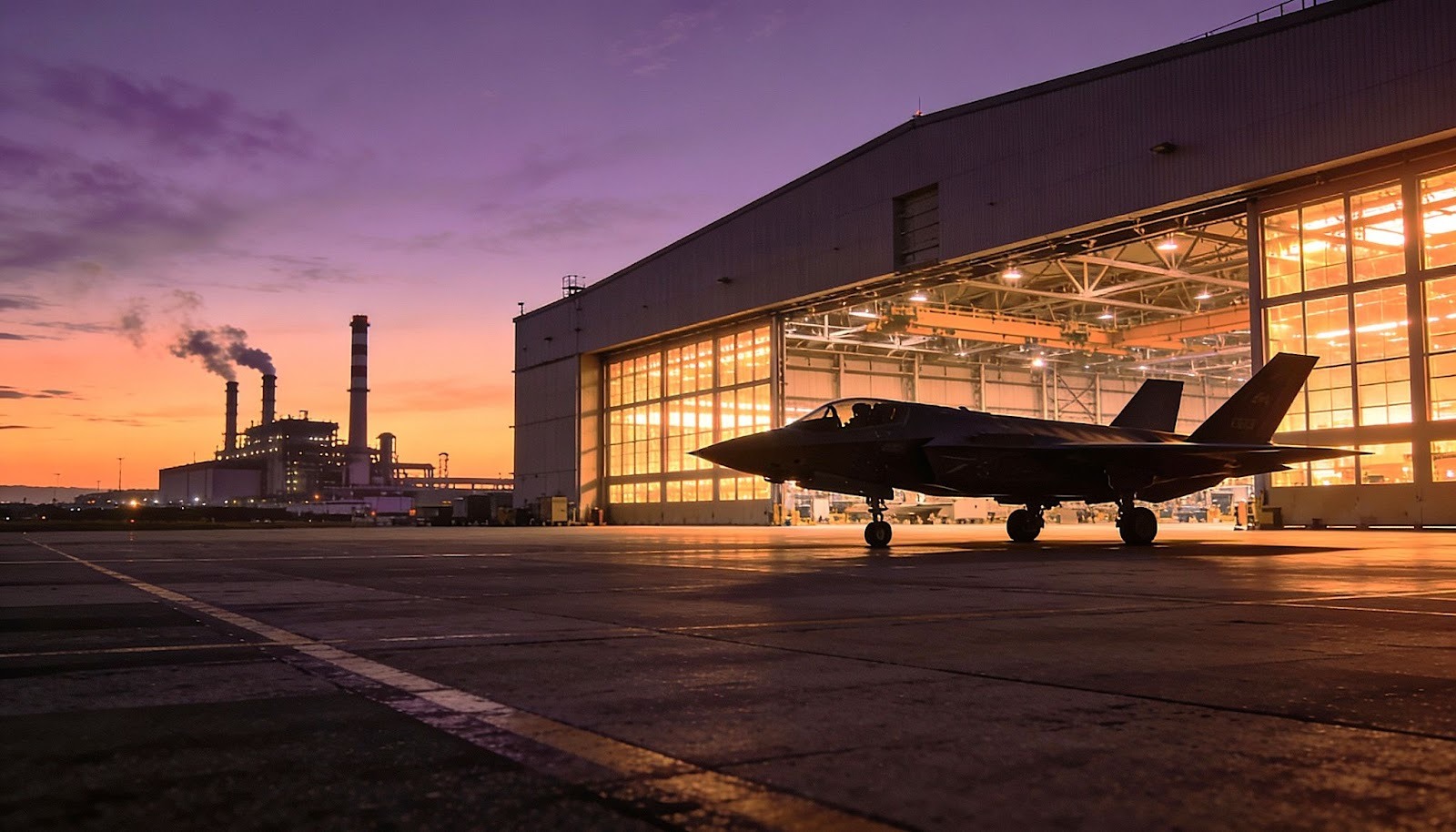
In aerospace and defense, thermal imaging enables capabilities that simply cannot be achieved through other sensing technologies. Surveillance and threat detection applications rely on thermal cameras to identify heat signatures through complete darkness, smoke, fog, and camouflage. Target acquisition systems use high-resolution thermal sensors to distinguish threats at extreme ranges. Counter-drone systems employ thermal detection to track small, fast-moving aerial targets against complex backgrounds.
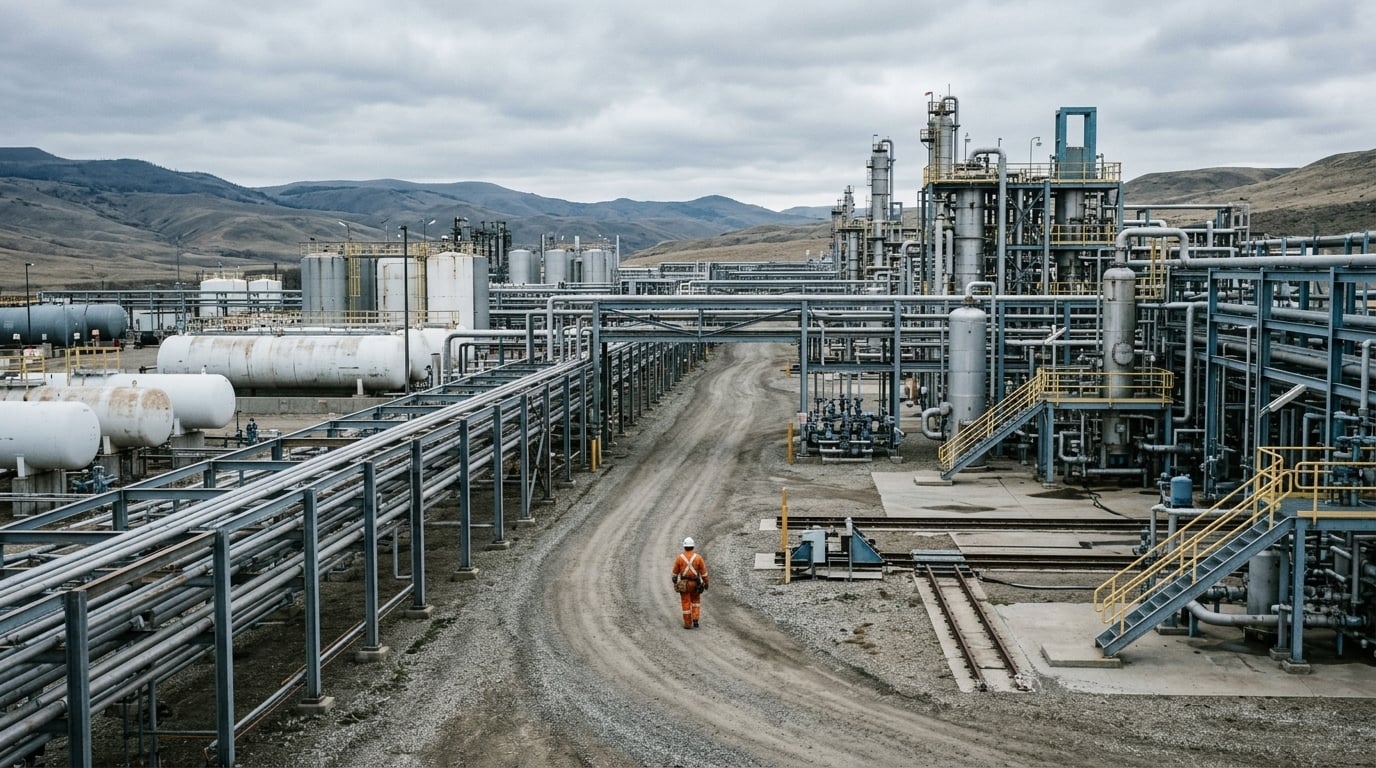
Industrial thermal camera applications focus on operational efficiency and safety rather than tactical advantage. Predictive maintenance programs use thermal monitoring to detect equipment problems before failures occur.
Studies by the Federal Energy Management Program estimate that effective predictive maintenance programs can reduce costs by 30 to 40 percent compared to reactive approaches. Process monitoring applications track temperature profiles across manufacturing lines, ensuring product quality and identifying anomalies in real time. Optical gas imaging detects methane and other hydrocarbon leaks for environmental compliance and safety.
The surveillance vs industrial divide becomes particularly clear when examining how success gets measured. Defense applications prioritize detection range, target classification accuracy, and reliability under combat conditions. Industrial deployments measure success through uptime improvements, cost avoidance, and integration with existing plant automation systems.
How Do Defense Thermal Imaging Requirements Differ From Industrial Needs?
Defense thermal imaging operates under constraints that rarely apply to commercial and industrial environments. Military specifications demand performance across temperature extremes, continuous vibration, shock events, and electromagnetic interference that would destroy conventional equipment. Systems must maintain calibration and image quality after rapid deployment from controlled storage to harsh field conditions.
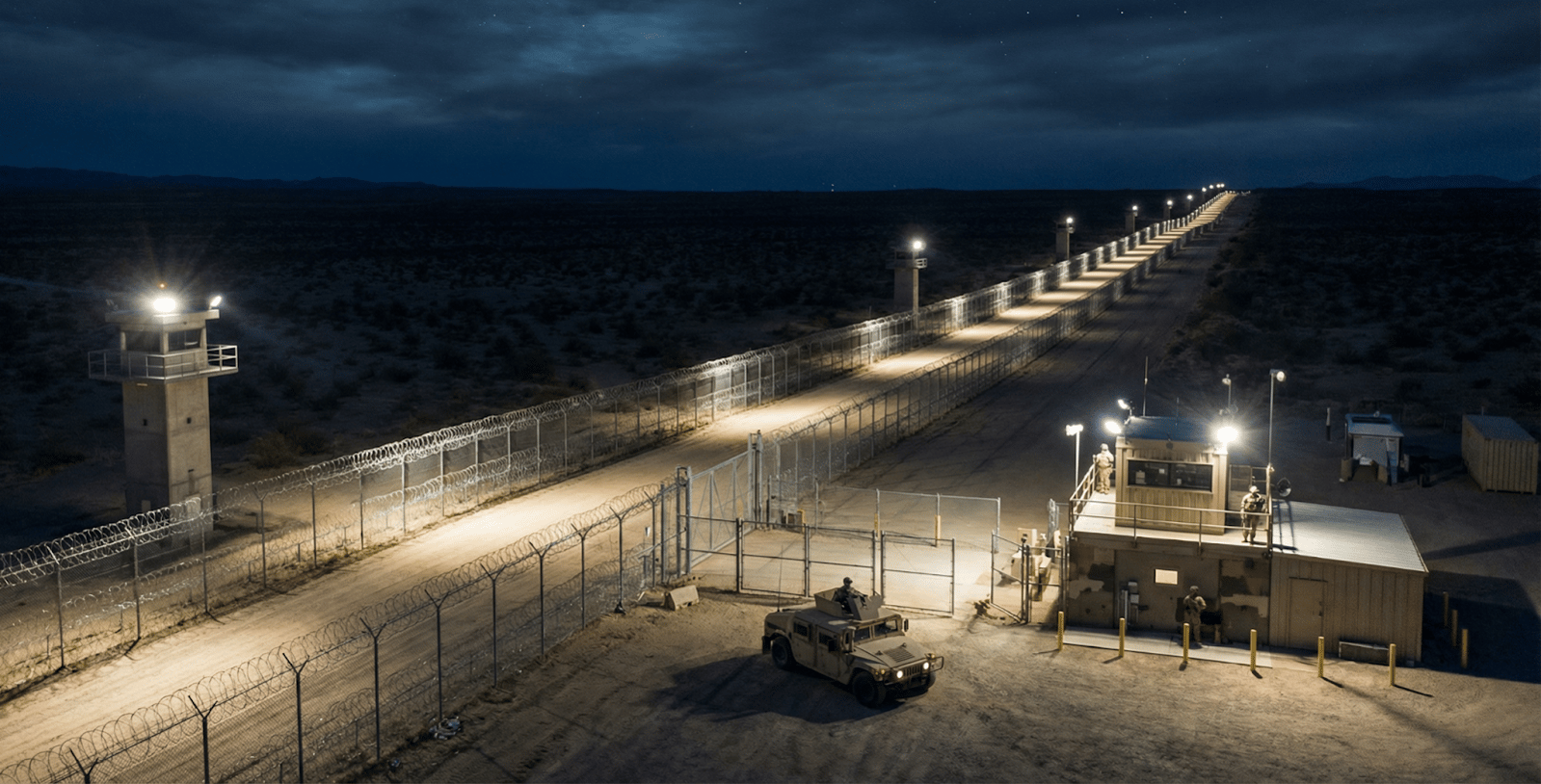
Detection range requirements in defense applications push thermal imaging technology to its limits. Long-range surveillance platforms may need to identify targets at distances measured in kilometers, requiring cooled sensor technology with exceptional sensitivity and large-aperture optics. These systems often incorporate stabilization mechanisms, multiple field-of-view options, and integration with fire control and command systems.
Industrial infrared camera requirements emphasize different performance characteristics. Continuous operation demands low maintenance and high reliability over years of service rather than peak performance during short mission windows. Many industrial applications operate in controlled or semi-controlled environments where temperature extremes and shock loads remain predictable. Resolution requirements often prove more modest since targets of interest exist at close to medium ranges.
|
Requirement |
Defense Applications |
Industrial Applications |
|
Operating Environment |
Extreme temps, vibration, shock |
Controlled to semi-harsh |
|
Detection Range |
Long-range (kilometers) |
Close to medium range |
|
Duty Cycle |
Mission-based, intermittent |
Continuous, 24/7 operation |
|
Size/Weight Priority |
Critical for airborne/portable |
Secondary to functionality |
|
Certification Needs |
MIL-STD, ITAR compliance |
Industrial safety standards |
|
Maintenance Access |
Limited field service |
Regular scheduled maintenance |
Supply chain considerations also diverge significantly. Defense programs require secure supply chains with domestic manufacturing and component traceability to meet regulatory requirements like NDAA compliance. Industrial applications face fewer restrictions but still benefit from reliable supply chains that prevent production delays.
What Factors Should Guide Your Thermal Camera Selection?
Selecting the optimal thermal imaging solution requires systematic evaluation across multiple dimensions. Program managers and engineering leads who approach this decision methodically avoid costly specification errors and accelerate development timelines.
Environmental operating conditions establish fundamental constraints on technology selection. Systems deployed on airborne platforms face different challenges than those installed in manufacturing plants. Temperature ranges, humidity exposure, vibration profiles, and contamination risks all influence component selection and housing design. An IR camera for inspection applications in a steel mill confronts extreme radiant heat loads that demand specialized optical coatings and thermal management approaches.
Performance requirements must be defined with precision before evaluating potential solutions. Detection range, temperature measurement accuracy, spatial resolution, and thermal sensitivity all interact to determine overall system capability. Specifying performance beyond actual operational needs inflates costs and extends development timelines without delivering corresponding value.
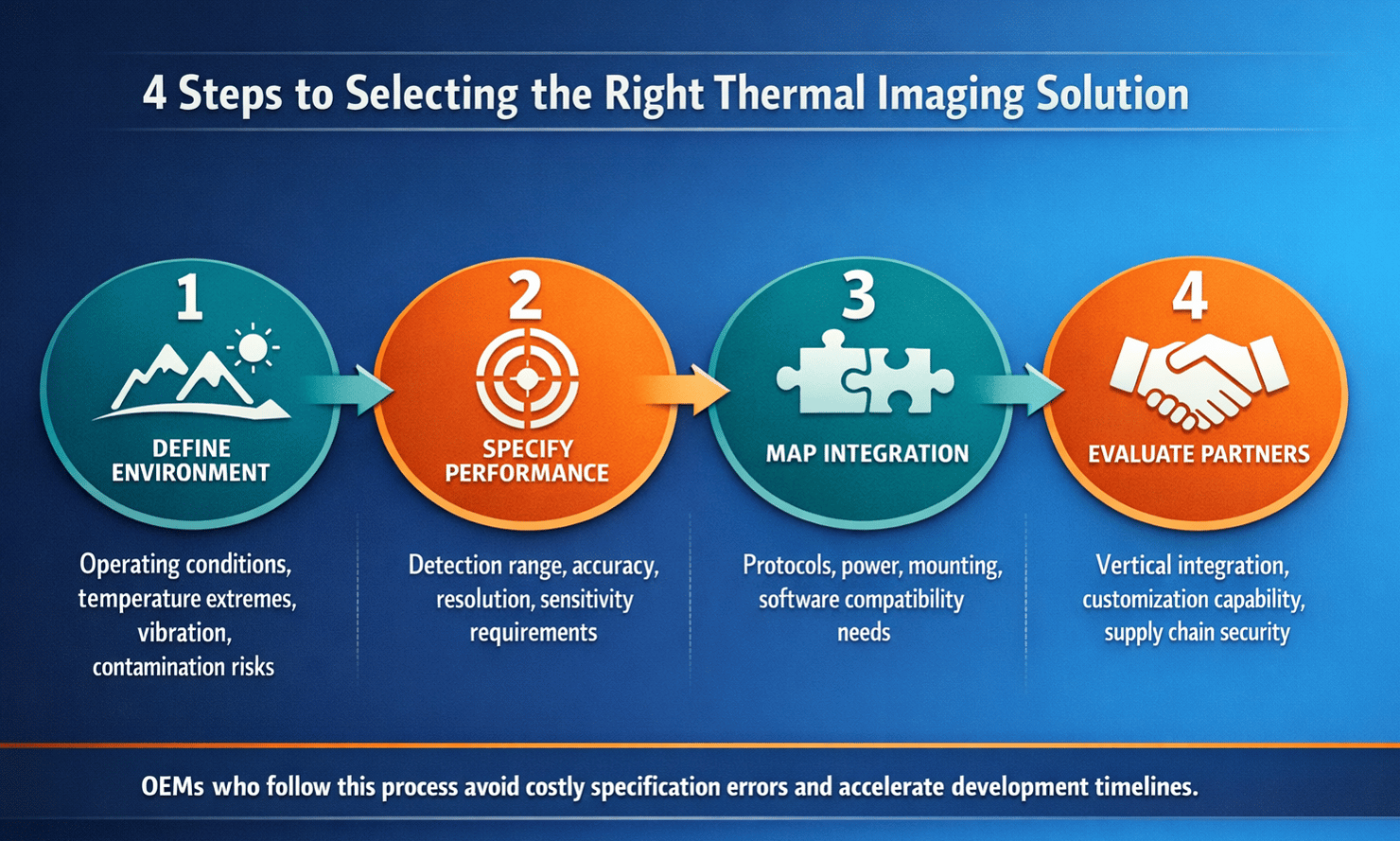
Integration requirements often prove more challenging than raw performance specifications. Modern thermal camera applications must interface with existing platform systems, whether that means military command networks or industrial SCADA systems. Communication protocols, power supply characteristics, mechanical mounting constraints, and software compatibility all affect successful integration.
Budget constraints naturally influence technology selection, but total cost of ownership extends far beyond initial purchase price. Cooled thermal systems require periodic cryocooler maintenance that adds lifecycle costs. Systems from manufacturers without domestic support infrastructure may incur significant service delays. Choosing components from multiple vendors creates integration risk that can consume engineering budgets.
Which Thermal Camera Applications Demand Cooled vs. Uncooled Systems?
The cooled versus uncooled decision represents one of the most consequential choices in thermal imaging system design. Each technology excels in specific applications while presenting limitations that make it unsuitable for others.
Cooled thermal systems deliver advantages in these applications:
- Long-range surveillance and targeting where maximum sensitivity enables detection at extreme distances
- High-speed imaging applications requiring fast frame rates for tracking rapidly moving targets
- Spectral filtering applications that demand narrow-band detection for gas identification or signature analysis
- Premium defense platforms where performance justifies higher acquisition and maintenance costs
Uncooled thermal systems prove superior for these use cases:
- Continuous monitoring applications where 24/7 operation would exhaust cooled system maintenance budgets
- Size, weight, and power constrained platforms like small drones where cryocooler mass proves prohibitive
- High-volume industrial deployments where cost-per-unit drives procurement decisions
- Applications requiring instant-on capability without cryocooler cooldown delays
The surveillance vs industrial distinction often aligns with this technology divide. Defense thermal imaging applications frequently justify cooled systems for their superior sensitivity and detection range. Industrial infrared camera deployments typically favor uncooled technology for its lower maintenance burden and continuous operation capability.
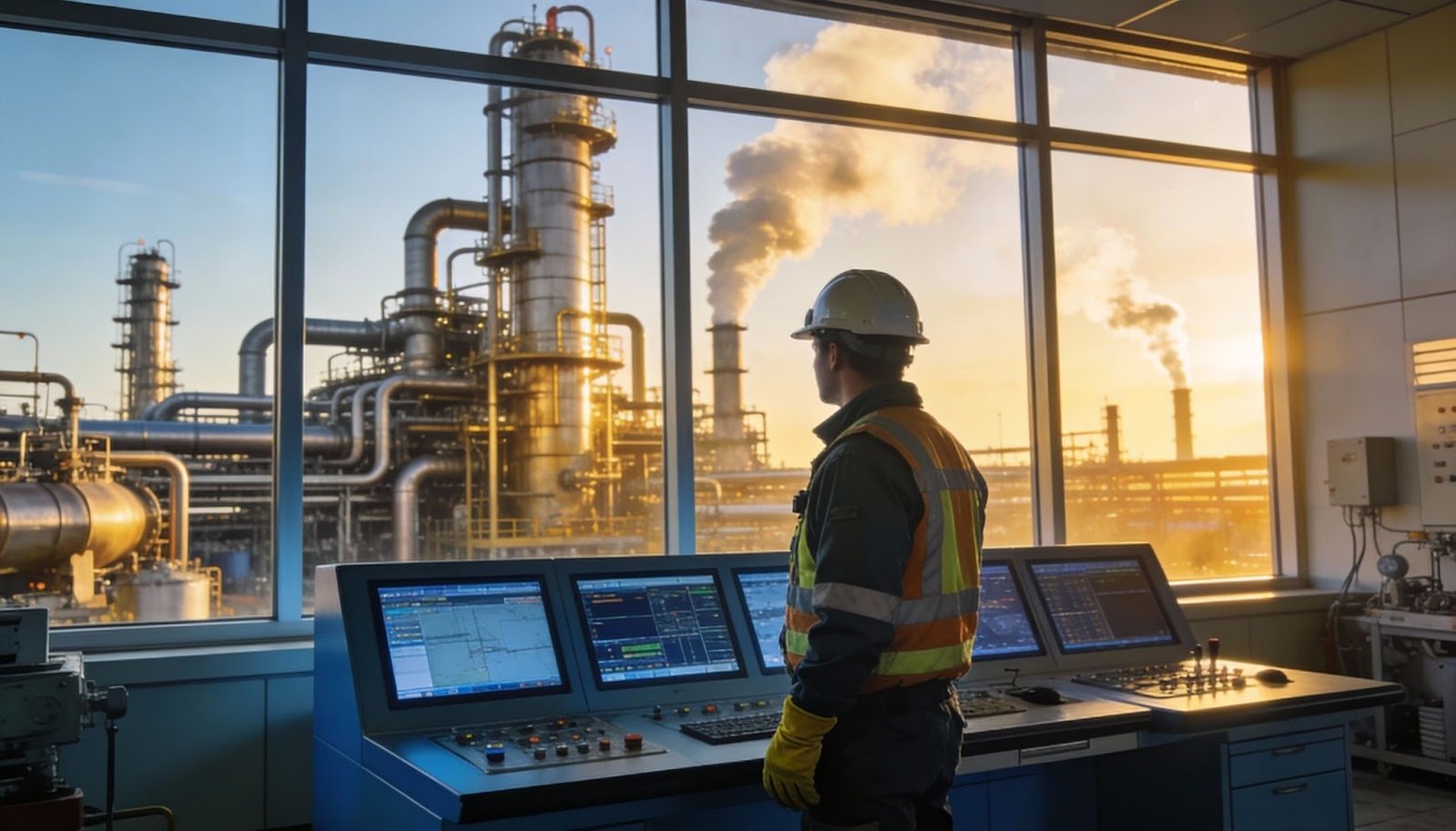
Recent advances in uncooled sensor technology have narrowed the performance gap considerably. Modern uncooled detectors achieve sensitivity specifications that would have required cooling a decade ago. This evolution expands the range of applications where uncooled systems deliver acceptable performance at significantly lower lifecycle costs.
What Integration Considerations Matter Most for System Developers?
Successful thermal camera applications depend as much on integration quality as raw sensor performance. OEMs and system integrators who underestimate integration complexity often discover problems late in development when corrections prove expensive.
Optical system design determines how effectively sensor capabilities translate into operational performance. Lens selection affects field of view, detection range, and image quality across the operational temperature range. Thermal imaging assemblies engineered as matched systems outperform components sourced separately and integrated afterward. Cold shield efficiency in cooled systems eliminates artifacts that degrade image quality and reduce effective sensitivity.
|
Integration Factor |
Key Considerations |
Impact on Performance |
|
Optical Matching |
Lens-to-sensor optimization |
Detection range, image quality |
|
Thermal Management |
Heat dissipation, operating temp |
Reliability, calibration stability |
|
Mechanical Design |
Mounting, vibration isolation |
Image stability, component life |
|
Electrical Interface |
Power, data protocols |
System compatibility |
|
Software Integration |
Analytics, automation |
Operational effectiveness |
Customization capability separates component suppliers from solution partners. Standard catalog products rarely optimize all parameters for specific applications. Manufacturers offering custom engineering support help OEMs achieve performance targets without excessive development investment. An IR camera for inspection applications in petrochemical facilities may require specialized housings, extended temperature calibration, and hazardous area certifications that standard products cannot provide.
Why Does Vertical Integration Matter for Mission-Critical Thermal Camera Applications?
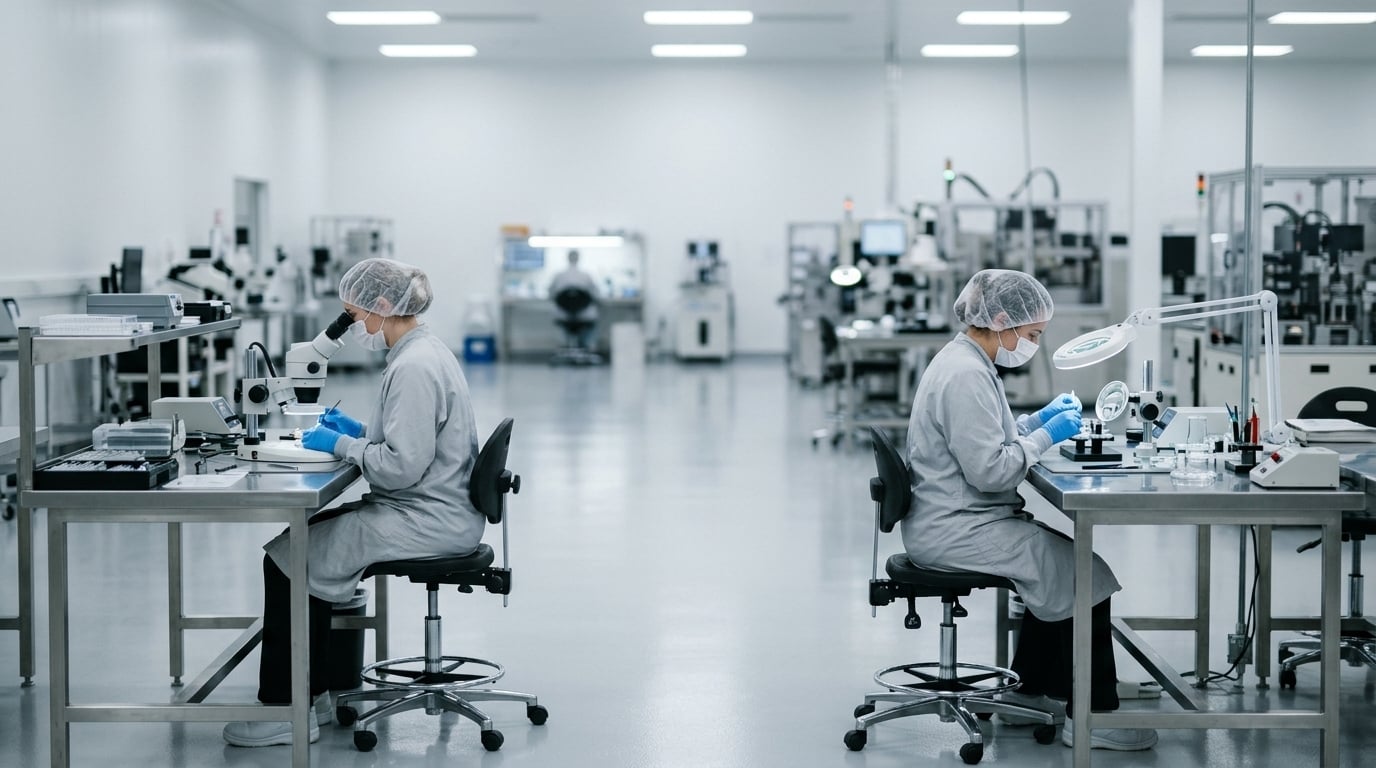
Vertical integration provides advantages that become increasingly important as thermal camera applications grow more demanding. Manufacturers controlling the complete production chain from raw materials through finished systems deliver consistency and customization that assembled solutions cannot match.
Material innovation represents a critical advantage of vertically integrated manufacturers. Proprietary optical materials like chalcogenide glass formulations offer performance characteristics unavailable from commodity suppliers. These materials can reduce dependence on scarce resources like germanium while delivering superior optical transmission. OEMs partnering with vertically integrated suppliers gain access to material innovations before they reach the broader market.
Quality control improves dramatically when a single organization manages every production step. Optical components manufactured in-house undergo testing and verification at each stage rather than arriving as black boxes with paper specifications. This visibility enables rapid identification and correction of quality issues before they propagate into finished systems.
Supply chain security matters increasingly in both defense and industrial markets. Thermal imaging solutions from vertically integrated domestic manufacturers reduce exposure to international supply disruptions and simplify compliance with government procurement requirements. Program managers gain confidence in delivery schedules when critical components do not depend on extended international logistics chains.
Frequently Asked Questions
What is the typical development timeline for custom thermal imaging systems? Custom thermal imaging development typically requires 12 to 18 months from requirements definition through production qualification. This timeline includes optical design, prototyping, environmental testing, and manufacturing setup. OEM module integration for established platforms usually takes three to six months, while integration of commercial off-the-shelf cameras can be accomplished in weeks.
How do I determine whether my application needs cooled or uncooled thermal technology? Evaluate your detection range requirements, duty cycle expectations, and size/weight/power constraints. Applications demanding maximum sensitivity at long range or requiring spectral filtering typically justify cooled systems. Continuous monitoring applications, weight-sensitive platforms, and cost-driven deployments usually favor uncooled technology.
What certifications should I verify when selecting thermal imaging components for defense applications? Defense thermal imaging components should comply with relevant MIL-STD specifications for environmental durability and electromagnetic compatibility. ITAR compliance and domestic manufacturing may be required depending on end-use applications. NDAA requirements increasingly mandate secure supply chains without components from specified foreign sources.
Why do optical assembly quality and lens matching matter for thermal imaging performance? Thermal imaging systems achieve optimal performance when optical components are designed and manufactured as matched systems. Proper lens-to-sensor matching maximizes light collection efficiency and minimizes aberrations. In cooled systems, cold shield design and alignment directly affect sensitivity by controlling stray thermal radiation reaching the detector.
Partner With Experts Who Understand Your Mission
Whether your thermal camera applications serve defense platforms requiring maximum detection range or industrial systems demanding continuous reliability, the right technology partner makes the difference between specifications on paper and performance in the field.
Four decades of experience engineering precision optical and thermal imaging solutions for aerospace, defense, and industrial leaders has taught LightPath Technologies that success comes from true collaboration between engineering teams. Start a conversation to explore how vertically integrated thermal imaging capabilities can give your next platform a competitive edge.