
Deciding between different infrared camera types like SWIR, MWIR, and LWIR is a big step for any project. It's not just about picking the fanciest tech; it's about finding the one that actually does the job you need it to do, without costing a fortune or being too complicated to use. Here are the main things to remember when you're making that choice.
Key Takeaways
- LWIR cameras are generally best for seeing things that are around normal room temperature, like people or buildings, and are often simpler and cheaper.
- MWIR cameras are better for spotting very hot things, like engines or machinery, but they usually need to be cooled and cost more.
- The environment plays a big role; LWIR can handle smoke and haze better sometimes, while MWIR might be better in very humid air.
- Think about how far away you need to see and what the target is. This helps decide if you need the sensitivity of MWIR or the broader use of LWIR.
- System cost, power needs, and how easy it is to set up are just as important as how well the camera sees.
Understanding Infrared Spectrum Bands
The infrared (IR) spectrum is a segment of the electromagnetic radiation that lies beyond visible light. Thermal imaging systems utilize this spectrum to detect and visualize heat signatures emitted by objects. Understanding the different bands within the IR spectrum is key to selecting the appropriate technology for your specific application. These bands are primarily categorized by their wavelength ranges, which dictate their physical principles, peak emission characteristics based on temperature, and ultimately, their operational implications.
Wavelength Ranges and Physical Principles
The infrared spectrum is broadly divided into three main regions relevant to thermal imaging: Short-Wave Infrared (SWIR), Mid-Wave Infrared (MWIR), and Long-Wave Infrared (LWIR). Each band operates within a distinct range of wavelengths, influencing what types of objects and temperatures they are best suited to detect.
- SWIR (Short-Wave Infrared): Typically spans from 0.9 to 3 micrometers (µm). While often grouped with infrared, SWIR is closer to visible light and is sometimes used for specialized imaging tasks, often involving reflected light rather than emitted heat. It's not the primary band for thermal detection of ambient temperatures.
- MWIR (Mid-Wave Infrared): Generally covers the wavelength range of 3 to 5 micrometers (µm). Objects at higher temperatures, such as engines, machinery, or exhaust systems, emit strongly in this band. This makes MWIR ideal for detecting heat generated by active processes or high-temperature equipment. However, MWIR systems often require cooling to achieve optimal sensitivity, which adds complexity and cost.
- LWIR (Long-Wave Infrared): Encompasses the wavelength range of 7.5 to 14 micrometers (µm) for most common sensors. This band is where objects at typical ambient temperatures, like people, buildings, and most operating equipment, emit their peak thermal radiation. LWIR systems are often uncooled, making them more practical and cost-effective for a wide array of surveillance and monitoring tasks. You can learn more about LWIR imaging fundamentals.
The physical principle behind thermal imaging is that all objects above absolute zero emit electromagnetic radiation. The peak wavelength of this emission is directly related to the object's temperature. As an object gets hotter, it emits more energy, and the peak of its emission shifts towards shorter wavelengths. Conversely, cooler objects emit most strongly at longer wavelengths.
Peak Emission Based on Temperature
The relationship between an object's temperature and the wavelength at which it emits most strongly is governed by Wien's Displacement Law. This fundamental principle explains why different IR bands are suited for different temperature ranges.
|
Temperature Range |
Peak Emission Wavelength |
Primary IR Band |
Example Targets |
|---|---|---|---|
|
Ambient (~20-30°C) |
~9-11 µm |
LWIR |
People, buildings, animals, most machinery |
|
Elevated (~100-500°C) |
~3-5 µm |
MWIR |
Engines, exhaust systems, hot industrial processes |
|
Very High (>1000°C) |
<3 µm |
SWIR/Visible |
Incandescent objects, flames, very hot metals |
For instance, a person at normal body temperature (around 37°C or 310 Kelvin) will have their peak thermal emission in the LWIR range. An active car engine, significantly hotter, will emit more strongly in the MWIR band. This characteristic is why choosing the correct band is so important for effective detection. Understanding these wavelength ranges is the first step in selecting the right thermal imaging technology.
Operational Implications of Spectral Bands
The choice of spectral band has direct consequences for system design, performance, and application suitability.
- Detection of Ambient vs. High-Temperature Targets: LWIR is the go-to for detecting objects at or near environmental temperatures, making it ideal for general surveillance, security, and monitoring. MWIR excels when the primary targets are significantly hotter than their surroundings, such as in industrial process monitoring or detecting active machinery.
- Atmospheric Transmission: Different wavelengths are affected differently by atmospheric conditions like humidity, fog, and smoke. MWIR generally performs better in humid conditions, while LWIR can sometimes offer advantages in environments with certain types of obscurants. Understanding these variations is critical for reliable performance in real-world scenarios.
- System Complexity and Cost: LWIR sensors, particularly uncooled microbolometers, are often less complex, require less power, and are more cost-effective than cooled MWIR detectors. This makes LWIR systems more accessible for a broader range of applications and platforms.
Selecting the appropriate IR band is a foundational decision that impacts everything from the sensitivity and range of your thermal imaging system to its overall size, power consumption, and cost. If you need assistance determining the best spectral band for your needs, please contact us.
Performance Characteristics and Sensitivity
When you're selecting an infrared system, how well it performs and how sensitive it is to small temperature changes are really important. These aren't just abstract numbers; they directly affect what you can see and how far away you can see it. Different types of infrared bands, like SWIR, MWIR, and LWIR, have different strengths here, and the technology used in the detector plays a big part too.
Sensitivity Metrics and Detection Capabilities
Sensitivity in thermal imaging is often talked about using Noise Equivalent Temperature Difference (NETD). A lower NETD value means the sensor can detect smaller temperature differences. For example, a high-end MWIR camera might achieve NETD values below 20 millikelvin (mK). This is great for spotting subtle heat variations, which can be useful for long-range detection where the temperature difference between an object and its background might shrink due to distance. On the other hand, uncooled LWIR systems typically have NETD values in the 30-50 mK range. While this might sound less sensitive, it's often more than enough for many common tasks like spotting people or vehicles at typical surveillance distances. It's important to look at the NETD specification alongside the lens used, as the lens's f-number can significantly impact the actual system performance. You can find more about infrared technologies and their specific uses.
Impact of Detector Technology
The type of detector used is a major factor in performance. Cooled detectors, often found in MWIR systems, require cryogenic cooling. This cooling reduces noise and allows for very high sensitivity, but it adds complexity, weight, and power draw to the system. Uncooled microbolometers, common in LWIR cameras, operate at ambient temperatures. They are simpler, lighter, and consume less power, making them ideal for many applications where size and power are constraints. However, they generally offer lower sensitivity compared to their cooled counterparts. The choice between cooled and uncooled technology often comes down to a trade-off between ultimate performance and practical system requirements.
Application-Specific Optimization
Modern thermal imaging isn't just about raw sensitivity anymore. Manufacturers are increasingly focusing on optimizing systems for specific tasks. This can involve using advanced algorithms, integrating machine learning, or carefully selecting optics to match the detector's capabilities to the intended use. For instance, a system designed for long-range surveillance might use a narrow field-of-view lens to maximize detection distance, even if it means sacrificing a wider view. Conversely, a system for industrial monitoring might prioritize a wider field of view to cover more equipment. This tailored approach means that the "best" system isn't always the one with the highest theoretical specifications, but rather the one that performs most effectively in its intended operational environment. Understanding these nuances helps you select a system that truly meets your needs, rather than just looking at numbers on a spec sheet. If you have specific requirements, reaching out to an expert can help clarify your options. Contact us at https://www.lightpath.com/contact.
Atmospheric Conditions and Imaging Performance
When you're deploying thermal imaging systems, the environment plays a significant role in how well they perform. It's not just about the camera itself; what's happening in the air between the camera and your target matters a great deal. Different atmospheric conditions can scatter, absorb, or reflect infrared radiation, impacting the clarity and range of your images. Understanding these effects is key to selecting the right technology for your specific operational needs.
Atmospheric Transmission Variations
The atmosphere isn't transparent to all infrared wavelengths equally. Water vapor, carbon dioxide, and other gases absorb specific wavelengths of infrared radiation. This absorption creates "atmospheric windows" where transmission is higher. Mid-wave infrared (MWIR) and long-wave infrared (LWIR) systems operate within different parts of the spectrum, and their performance is affected differently by these absorption bands. For instance, MWIR systems often perform better in humid conditions because they experience less absorption from water vapor compared to certain other bands, making them a good choice for maritime environments or tropical climates. You can find more information on how MWIR systems handle humidity.
Performance in Humid and Hazy Environments
Humidity and haze are common challenges for optical systems. Water droplets and fine aerosols in the air can scatter infrared light. MWIR systems generally show better resilience in these conditions due to their specific wavelength range, which is less affected by scattering from small water particles than some other infrared bands. This allows for clearer imaging through light fog or mist. LWIR systems can also perform adequately, but their performance might be more variable depending on the exact size and density of the water droplets. For applications requiring consistent visibility through haze, understanding these nuances is important.
Behavior in Smoke and Particulate-Heavy Conditions
When dealing with smoke, dust, or other larger particulate matter, the interaction with infrared radiation becomes more complex. The size and density of these particles significantly influence how much radiation is scattered or absorbed. In some cases, LWIR systems may offer an advantage in penetrating smoke or dust clouds, especially if the particles are larger. However, performance can still vary greatly. For example, the Photon H615 MWIR thermal module is designed for enhanced atmospheric penetration, showing how specific technologies can overcome environmental challenges. It's important to consider the typical particle types and concentrations you expect to encounter to determine which spectral band will yield the best results.
Industry Applications and Technology Adoption
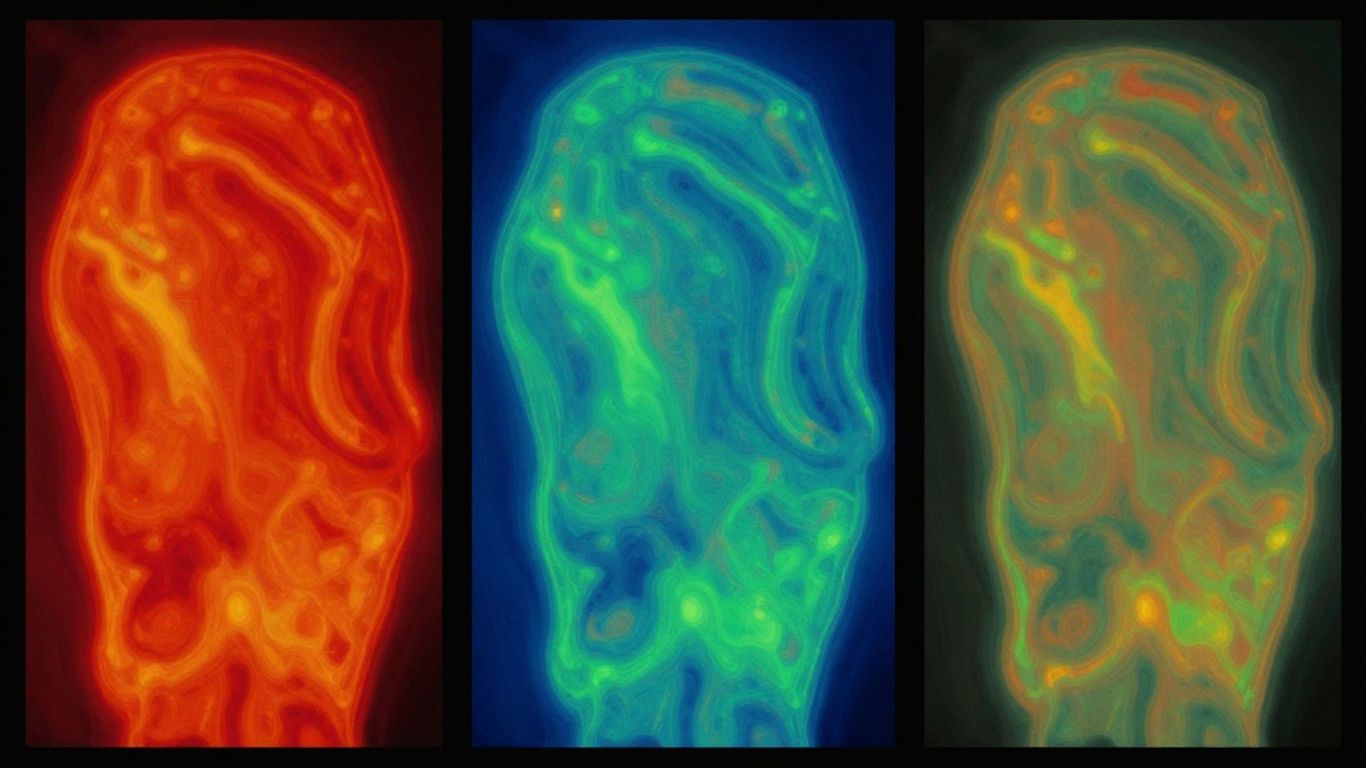
The selection between Long-Wave Infrared (LWIR) and Mid-Wave Infrared (MWIR) technologies significantly shapes the capabilities and effectiveness of systems across various sectors. Understanding how these technologies are adopted provides insight into their practical advantages and limitations.
Defense and Military Deployments
In defense, the choice between LWIR and MWIR is often dictated by specific mission requirements, ranging from long-range surveillance to close-quarters security.
- Long-Range Surveillance and Targeting: MWIR systems are frequently favored for extended-range operations. Their performance in humid environments and sensitivity at greater distances make them suitable for tracking targets like aircraft or vehicles from afar. This is particularly true in maritime settings where atmospheric conditions can be challenging.
- Perimeter Security and Force Protection: LWIR systems are commonly deployed for these roles. They excel at detecting targets at ambient temperatures, such as personnel or vehicles, and often come with lower costs and simpler operational requirements, facilitating broader deployment.
- Counter-Drone Systems: Both LWIR and MWIR find use here. LWIR can effectively detect the thermal signature of a drone's airframe, while MWIR is better suited for identifying the heat from engine components, especially at longer ranges.
- Advanced Platforms: Increasingly, dual-band systems are integrated into high-end military platforms. These systems offer operators the flexibility to switch between or combine LWIR and MWIR data, optimizing performance based on real-time conditions and target characteristics.
Industrial Monitoring and Safety
Industrial applications leverage infrared technology for process control, maintenance, and safety. The specific needs of an industrial environment heavily influence the choice of IR band.
- High-Temperature Process Monitoring: MWIR's sensitivity to elevated temperatures makes it ideal for inspecting furnaces, combustion processes, and other high-heat industrial equipment. It can detect subtle temperature variations in these hot environments.
- Gas Detection: Both LWIR and MWIR are used for gas leak detection. MWIR can identify specific hydrocarbon signatures at their absorption wavelengths, while LWIR is effective for detecting other gases, such as SF₆.
- Predictive Maintenance: LWIR is the predominant technology for predictive maintenance. It is used to monitor electrical systems, rotating machinery, and building envelopes, where targets typically operate near ambient temperatures. The simplicity and lower cost of uncooled LWIR sensors make them practical for widespread installation.
Surveillance and Security Systems
For surveillance and security, the ability to detect and identify targets reliably under diverse conditions is paramount. The infrared sensing and imaging market is seeing growth driven by these needs.
- Perimeter Intrusion Detection: LWIR systems are often the workhorse for perimeter security. They can detect human-sized targets at distances exceeding 1000 meters and vehicles at over 2000 meters, providing ample time for response. Their ability to operate in complete darkness without external illumination is a significant advantage.
- Area Monitoring: LWIR cameras are effective for general area surveillance, monitoring large spaces, and detecting unauthorized activity. Their performance in challenging weather conditions, such as fog or smoke, makes them reliable.
- Maritime and Border Surveillance: In these applications, LWIR systems are often preferred due to their ability to penetrate atmospheric obscurants like haze and light fog. While MWIR may perform better in very specific humid conditions, LWIR's broader transmission window in the 8-14 μm range offers consistent performance across varied environments.
When selecting a thermal imaging solution, consider the specific operational environment and target characteristics. For many applications, LWIR offers a compelling balance of performance, cost, and ease of integration. If your application demands specific high-temperature detection or requires optimal performance in certain humid conditions, MWIR might be the better choice. Understanding these differences is key to making an informed decision. For tailored solutions and expert consultation, please contact us.
System Integration and Lifecycle Considerations
Integrating thermal imaging technology into a larger system involves more than just selecting the right sensor. You must also consider the practicalities of implementation, ongoing operation, and the total cost over the system's life. These factors can significantly influence your project's success and your organization's long-term operational efficiency.
Cooling Requirements and Detector Complexity
The choice between Mid-Wave Infrared (MWIR) and Long-Wave Infrared (LWIR) systems often hinges on their detector technology and associated cooling needs. MWIR detectors, while offering excellent sensitivity for high-temperature targets, typically require cryogenic cooling. This adds considerable complexity, size, weight, and power (SWaP) demands to your system. Think about the added engineering effort for Stirling coolers or similar mechanisms, not to mention the continuous power draw. LWIR systems, particularly those using uncooled microbolometers, operate at ambient temperatures. This dramatically simplifies integration, reduces power consumption, and minimizes maintenance requirements. For many applications, especially those focused on ambient temperature targets, the simplicity of uncooled LWIR is a major advantage.
Power Consumption and System Architecture
Power consumption is a critical consideration, especially for platforms with limited energy budgets, such as drones or portable devices. Uncooled LWIR systems are remarkably power-efficient, often consuming just 2-5 watts. In contrast, cooled MWIR systems can demand 20-50 watts or more, plus the power needed for their thermal management systems. This difference directly impacts battery life, operational endurance, and the overall size and weight of the power supply architecture. When designing your system, carefully evaluate the power budget and how different detector technologies will affect it. For instance, IR cameras for drone integration often prioritize low power draw to maximize flight time.
Total Cost of Ownership and Maintenance
Beyond the initial purchase price, the total cost of ownership (TCO) is a vital metric. Cooled MWIR systems generally have a higher upfront cost due to the detector technology and cooling mechanisms. They also incur higher operational costs due to power consumption and more frequent maintenance needs. Uncooled LWIR systems, while potentially having a lower initial cost, also benefit from reduced maintenance. The absence of complex cooling systems means fewer potential points of failure and less need for specialized servicing. When considering long-term deployment, especially for large fleets or continuous monitoring applications, the TCO of LWIR solutions often proves more favorable. Partnering with manufacturers who provide integration-ready solutions can also shorten development cycles, reducing overall project costs and accelerating time-to-market, which is a significant factor in today's competitive landscape. For organizations looking to integrate advanced imaging capabilities without extensive in-house development, exploring C5ISR solutions from specialized providers can streamline the process. If you need assistance evaluating these system-level considerations for your specific application, please contact us.
Key Differentiating Factors for Selection
When you are selecting between different infrared technologies, several core factors will guide your decision. It's not just about picking the "best" technology, but the one that aligns most closely with your specific operational needs and constraints. Understanding these differentiating factors is essential for making an informed choice that leads to successful system deployment.
Target Temperature and Detection Distance
The temperature of your target and the distance at which you need to detect it are primary drivers for selecting between SWIR, MWIR, and LWIR systems. Objects at ambient temperatures, such as people or buildings, emit most strongly in the LWIR spectrum (7.5-12 µm). This makes LWIR ideal for general surveillance and monitoring where targets are not significantly hotter than their surroundings. For these applications, uncooled LWIR systems often provide a cost-effective and simpler solution.
Conversely, MWIR systems (3.6-4.9 µm) are more sensitive to objects with higher temperatures, like vehicle engines, exhaust plumes, or industrial machinery operating well above ambient. The peak emission from these hotter objects shifts into the MWIR range, allowing for better contrast and detection. If your primary objective is to identify hot spots or rapidly changing thermal signatures from high-temperature sources, MWIR might be the better choice. However, this often comes with increased system complexity and cost, typically requiring cooled detectors to achieve optimal sensitivity. SWIR, while not discussed in detail here, operates at even shorter wavelengths and is generally used for applications involving reflected light or specific material properties, rather than emitted heat from ambient or moderately elevated temperatures.
|
Target Type |
Typical Temperature Range |
Peak Emission Band |
Recommended Spectrum |
Primary Use Cases |
|---|---|---|---|---|
|
Human/Building |
20-40°C |
LWIR |
LWIR |
Surveillance, security, building diagnostics |
|
Vehicle Engine/Exhaust |
100-500°C |
MWIR |
MWIR |
Industrial monitoring, defense vehicle detection |
|
Industrial Furnace |
500°C+ |
MWIR/SWIR |
MWIR |
Process control, high-temperature monitoring |
|
General Ambient Objects |
0-50°C |
LWIR |
LWIR |
General thermal imaging, predictive maintenance |
Environmental Robustness
Atmospheric conditions significantly impact the performance of infrared systems. Water vapor, haze, smoke, and dust can all attenuate or scatter thermal radiation, reducing detection range and image clarity. Understanding how each spectral band performs under various environmental challenges is critical for reliable operation.
- Humid and Hazy Environments: MWIR systems generally perform better in humid conditions and light haze. The specific wavelengths used in MWIR experience less scattering from water vapor compared to LWIR in certain scenarios, maintaining better image quality for applications like maritime surveillance or operations in tropical climates. You can find more information on MWIR and LWIR cameras and their performance characteristics.
- Smoke and Particulate-Heavy Conditions: LWIR technology often shows an advantage in environments with denser particulates, such as smoke, dust, or certain types of fog. The longer wavelengths of LWIR can penetrate these obscurants more effectively than MWIR, making it suitable for applications like firefighting support or industrial monitoring in dusty facilities.
- Clear Conditions: In clear, dry air, both MWIR and LWIR systems perform exceptionally well. The choice then becomes less about atmospheric penetration and more about target temperature and other system factors.
System Cost and Complexity Trade-offs
The financial and technical investment required for an infrared system is a major consideration. LWIR systems, particularly uncooled microbolometer-based ones, typically offer a lower total cost of ownership. They are generally less expensive to manufacture, require less power, and do not need complex cooling systems like cryogenic coolers, which are often necessary for high-performance MWIR detectors. This simplicity translates to reduced maintenance, smaller size, and lighter weight, making them easier to integrate into various platforms, from handheld devices to drones. You can explore the impact of LWIR and MWIR choices on system architecture and cost.
MWIR systems, especially cooled variants, are inherently more complex and costly. The need for cryogenic cooling adds significant size, weight, power consumption (SWaP), and maintenance requirements. While they offer superior sensitivity for specific high-temperature targets or challenging atmospheric conditions, this performance comes at a premium. When evaluating your options, consider not just the initial purchase price but also the ongoing operational expenses, integration challenges, and the overall lifecycle cost of the system. For many applications focused on detecting objects at or near ambient temperatures, the performance and cost benefits of LWIR make it the more practical and economical choice. If your needs demand the absolute highest sensitivity for subtle temperature differences or detection of very hot objects, the investment in MWIR may be justified, but always weigh this against the simpler, more robust capabilities of LWIR for a broad range of tasks. For assistance in determining the best fit for your specific requirements, please contact us.
When choosing the right solution, think about what makes it stand out. We focus on what truly matters to set us apart. Ready to see the difference? Visit our website to learn more about our unique offerings.
Conclusion
Choosing between SWIR, MWIR, and LWIR technologies hinges on a clear understanding of your specific application needs. While LWIR often serves as the workhorse for detecting objects at ambient temperatures due to its cost-effectiveness and simpler integration, MWIR offers superior performance for high-temperature targets. SWIR, though not detailed here, fills a different niche. By carefully considering target temperature, detection distance, environmental factors, and system complexity, you can make an informed decision that aligns with your operational goals and budget. The right choice ensures reliable performance and maximizes the value of your thermal imaging investment.
Frequently Asked Questions
What does 'infrared' actually mean?
Infrared is a type of light that we can't see with our eyes, but we can feel it as heat. Things that are warm give off this kind of light. Thermal cameras use special lenses to see this heat light.
What's the main difference between LWIR and MWIR?
LWIR stands for Long-Wave Infrared, and it's good for seeing things that are not super hot, like people or buildings. MWIR means Mid-Wave Infrared, and it's better for spotting things that are really hot, like a car engine.
Do I need a special cooling system for these cameras?
Many LWIR cameras work fine at room temperature, so they don't need extra cooling. MWIR cameras, however, usually need to be cooled down a lot to work their best, which makes them bigger and more complex.
Can these cameras see through fog or smoke?
Both LWIR and MWIR can see better through fog and smoke than regular cameras. LWIR is often better in smoky conditions, while MWIR might handle humid air a bit better. But neither is perfect in really bad weather.
Is LWIR always cheaper than MWIR?
Generally, yes. LWIR cameras are usually less expensive to buy and operate because they don't need complex cooling systems. MWIR cameras cost more due to their advanced technology and cooling needs.
Which type is better for seeing at night?
Both LWIR and MWIR work great in total darkness because they see heat, not light. LWIR is often used for general nighttime viewing and surveillance because it's good at spotting people and objects at normal temperatures.