
Key Takeaways
Optimizing thermal imaging investment requires a holistic view of financial and operational factors rather than focusing strictly on initial purchase price. This assessment framework ensures long-term program sustainability and measurable performance gains.
- Systematic lifecycle evaluation identifies hidden costs in integration and long-term maintenance.
- Critical asset prioritization maximizes early ROI by reducing unplanned downtime.
- Strategic selection between cooled and uncooled detectors impacts power consumption and image fidelity.
- Comprehensive operator training reduces system misuse and improves data accuracy.
- Integrating thermal data into existing maintenance platforms triggers actionable, early-warning alerts.
Initial acquisition and hardware costs
Determining the financial viability of a thermal imaging system requires a clear understanding of the full capital outlay. Beyond the initial purchase, you must account for the infrastructure required to support high-performance optics and sensor arrays.
Hardware purchase price and component selection
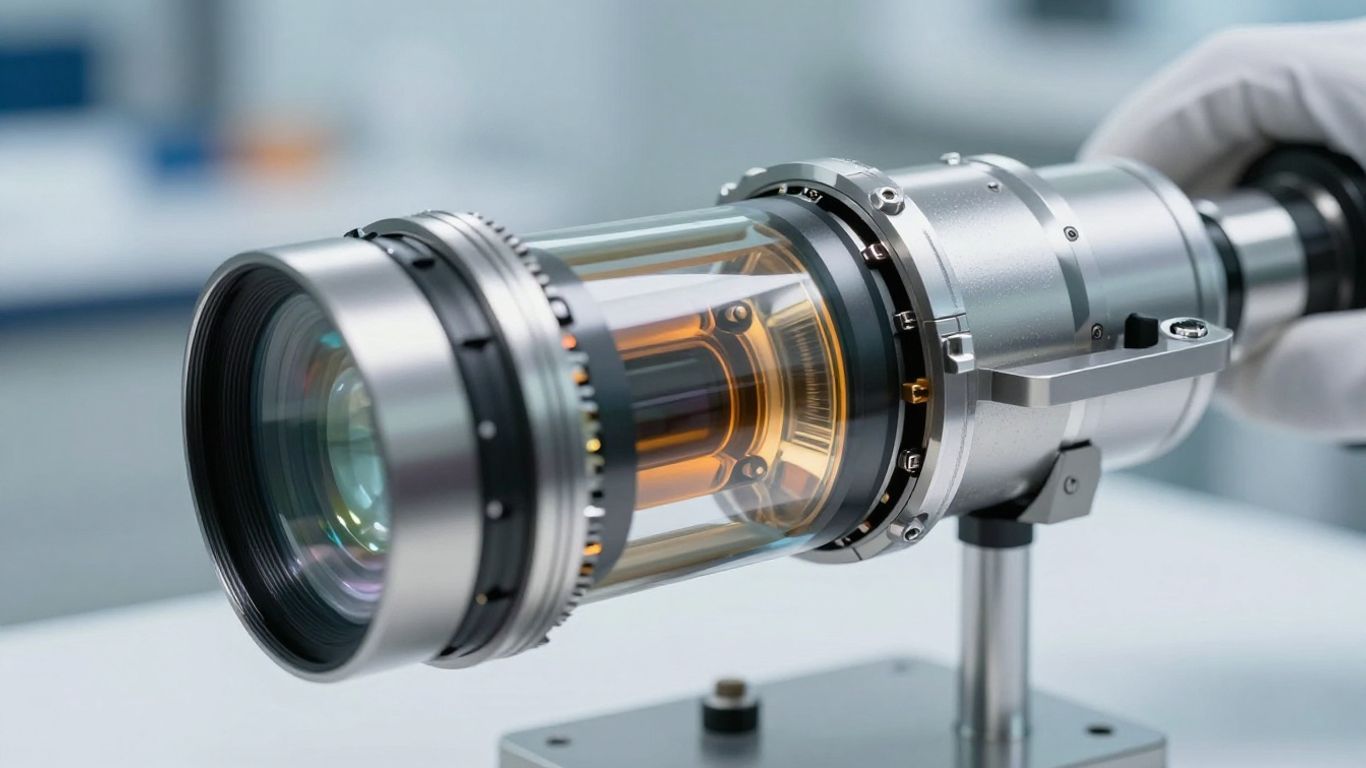
The base unit price often obscures the actual financial commitment involved in an acquisition. Whether you choose BlackDiamond™ Infrared Chalcogenide Glass components or standardized COTS sensors, the raw hardware cost dictates the foundation of your budget. High-resolution sensors and specialized optical filters carry premium price tags, yet they often reduce the need for iterative hardware replacements by offering greater longevity in harsh environments.
Integration and custom engineering labor
The path to a functional platform frequently necessitates more than just the camera itself. Many installations require bespoke mounts, electrical housing, and interfaces that align with existing infrastructure. Engineering teams often underestimate the labor hours required for custom software configuration, which is a major factor in thermal imaging system tco analysis.
Software licensing and middleware platform fees
Modern imaging systems rely on sophisticated data processing, which often entails ongoing subscription models or perpetual software license fees. These platforms enable the automated monitoring and alarm generation that deliver value, but they must be factored into your operational calculations as recurring costs.
Scalability and modular expansion costs
Future-proofing your investment requires considering how easily the system can grow. Modular platforms allow you to add sensors or upgrade software without replacing the entire architecture, providing a distinct financial advantage over rigid, closed-loop systems that require complete reinvestment as your production demands evolve.
Operational and maintenance overhead
Maintaining performance over an extended period involves predictable and variable costs that define the long-term utility of the hardware. Strategic facility planning mitigates risks related to environmental exposure and component fatigue.
Periodic calibration and certification requirements
Precision instruments lose accuracy over time due to environmental stressors or simple operational drift. Regular calibration workflows are necessary to ensure that the data fed into your control loop remains valid, preventing costly process deviations that could otherwise go undetected.
Environmental protection and ruggedized housing needs
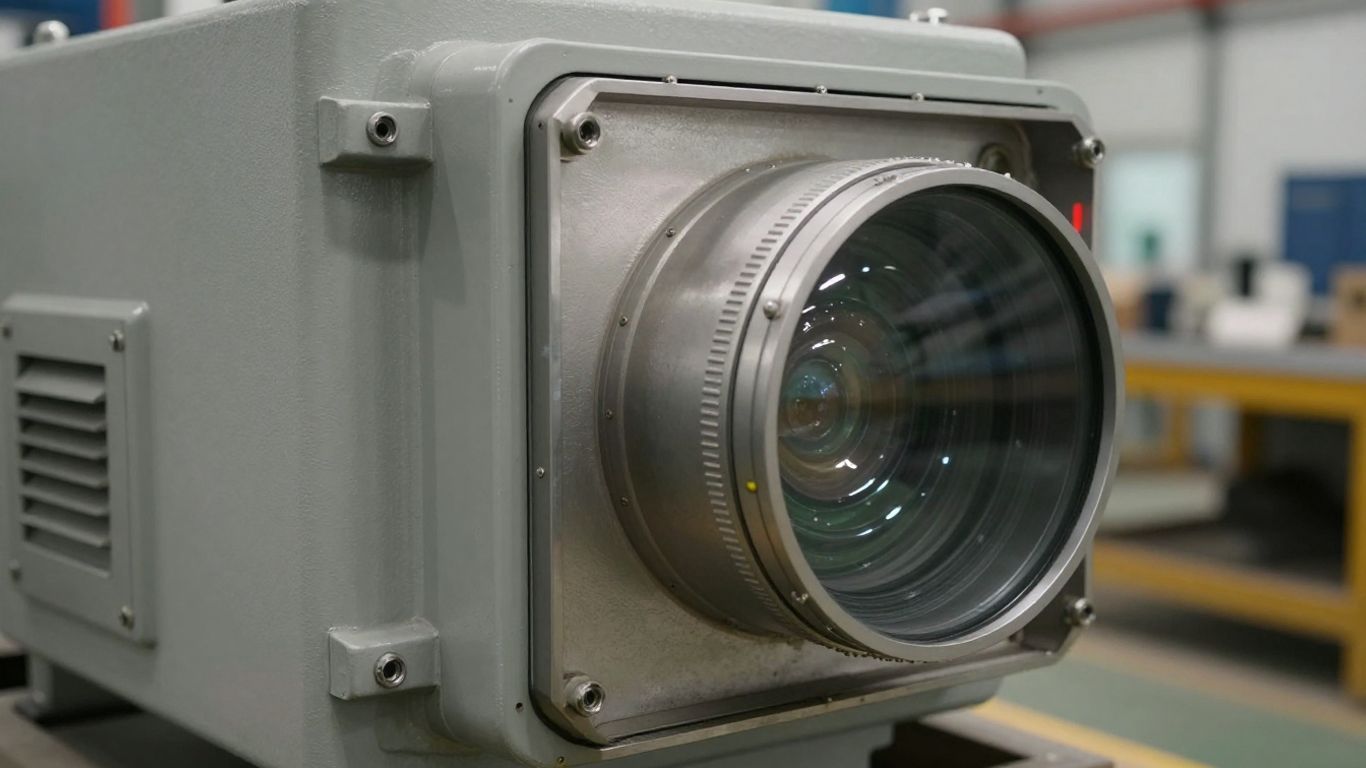
Exposure to dust, moisture, and extreme temperatures dictates the longevity of your hardware. Industrial facilities often necessitate specialized enclosures that prevent premature failure, acting as a critical protection for sensitive optics against the operational environment. You can evaluate the impact of these environmental factors against online thermal imaging maintenance data to optimize your budget allocation.
Software updates and security patching protocols
As systems become more connected, digital maintenance becomes as essential as physical upkeep. Ensuring that firmware remains current is not merely a performance enhancement; it is a security mandate to protect factory networks from the vulnerabilities common in modern, internet-connected manufacturing equipment.
Consumables for long-term component replacement
Certain parts, such as air-purge windows or specialized seals, should be treated as consumables rather than permanent assets. Creating a proactive replacement schedule prevents the catastrophic failure of primary camera components, effectively spreading the cost of minor consumables over the expected lifespan of the primary system.
Energy efficiency and utility consumption
Understanding the electrical footprint of your surveillance network is vital, especially when deployments are distributed across a wide industrial site. Efficiency analysis often reveals the hidden interplay between sensor choice and total utility expense.
Power consumption profiles for continuous monitoring
Continuous operation exerts a constant draw on your facility's power infrastructure. In systems integrated by LightPath, power management is a core design focus, ensuring that high-performance surveillance does not lead to excessive strain on regional energy bandwidths or backup power arrays during outages.
Efficiency differences between cooled and uncooled detectors
|
Detector Type |
Energy Draw |
Maintenance Load |
Ideal Application |
|---|---|---|---|
|
Cooled |
High (Cryogenic) |
High (Mechanical) |
Long-range precision |
|
Uncooled |
Minimal |
Low (Electronic) |
General monitoring |
|
Hybrid |
Moderate |
Moderate |
Versatile operations |
These differences demonstrate that detector selection should prioritize the actual performance needs of the specific observation point rather than broad facility-wide adoption.
Impact on facility energy management and monitoring
Thermal systems also surface internal efficiency problems, such as insulation failures or electrical hot spots. By using these systems to audit facility heat signatures, you can often offset the power consumption of the cameras themselves through energy saved elsewhere in the plant.
Cost-performance trade-offs in system selection
Selecting the most energy-efficient sensor involves weighing immediate power expenses against the long-term cost of more complex detector maintenance. The most economical systems are those that strike the right balance, using low-power modules where high-resolution sensitivity is not required.
Reliability and downtime impact factors
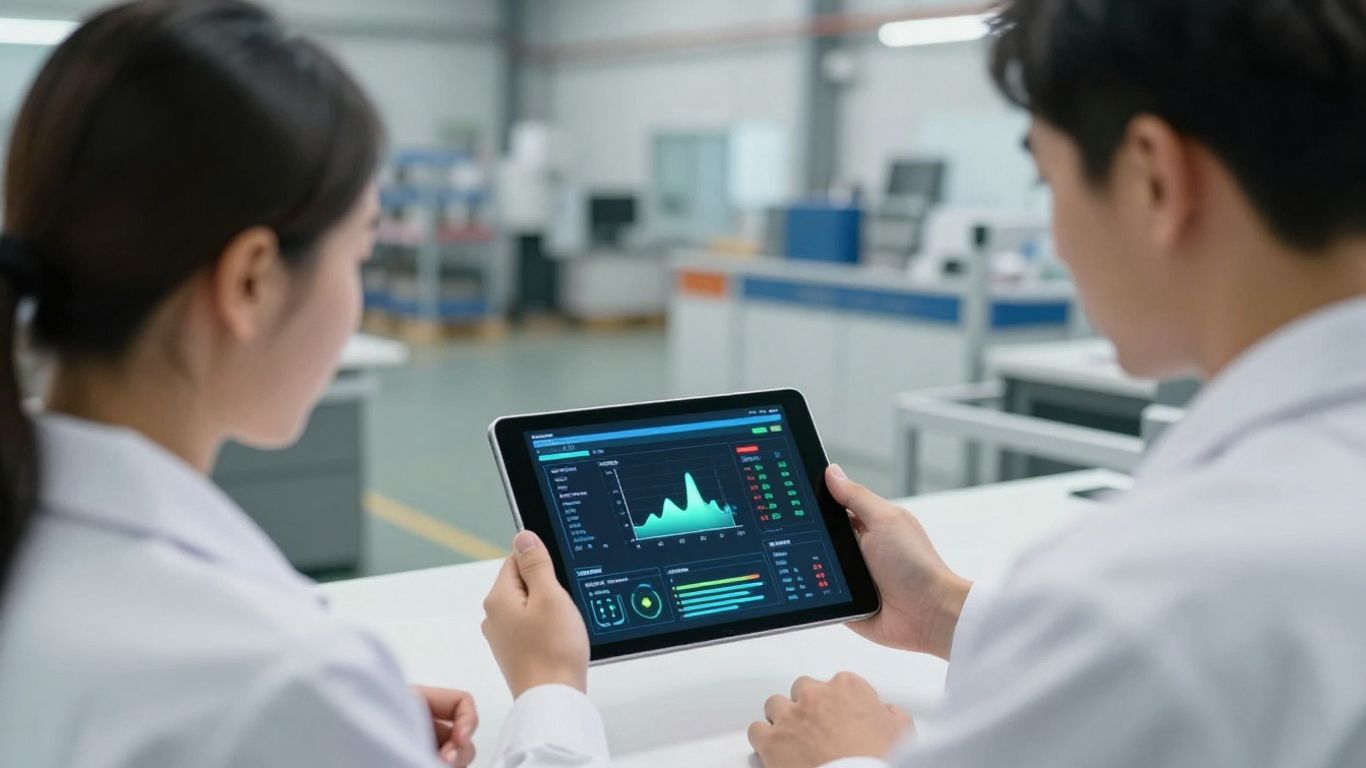
For most operations, the cost of downtime dwarfs the initial price of the imaging hardware. When failures disrupt a production line, the financial impact ripples through the entire supply chain, making system reliability the primary driver of ROI.
Quantifying the cost of operational disruptions
Calculating the hourly value of your production throughput allows you to establish a baseline for how much a system failure truly costs. A system that saves just one two-hour production halt per year may justify the entire upfront investment, making reliability, such as that found in our thermal imaging lens assemblies, a central procurement pillar.
Evaluating Mean Time Between Failure (MTBF) metrics
MTBF provides a statistical framework for expectation, but it must be tempered by reality. You should compare manufacturer-claimed metrics against actual field performance data from similar environments, ensuring that the technology is robust enough to handle the specific vibrations and temperatures of your work zone.
Implementing redundancy for mission-critical platforms
Critical zones require dual-sensor or failover configurations to ensure that no single camera failure results in a blackout. While this doubles the equipment footprint, the resulting stability is an insurance policy for your most valuable manufacturing nodes.
Assessing integration complexity versus system stability
A simpler, cleaner integration path typically results in fewer points of failure. Opting for precision molded optics that work as an integrated block rather than multiple coupled individual parts minimizes the mechanical stress that leads to long-term signal degradation.
Personnel training and internal resources
Human interaction remains the biggest variable in the effectiveness of any monitoring platform. A well-trained team can extract actionable insights from data streams that would otherwise remain opaque.
Basic operational training for baseline users
Baseline staff need to know how to interpret alerts and perform safe interventions. Proper education ensures that operators understand the difference between a minor temperature excursion and an urgent thermal emergency.
Advanced thermal analysis and certification programs
Dedicated maintenance teams benefit significantly from certified analysis training. This allows them to identify subtle thermal patterns that precede hardware failure by days or weeks, moving your organization from reactive to predictive maintenance strategies.
Staffing levels required for continuous monitoring
Automating data collection significantly reduces the staffing burden. By offloading the visual monitoring task to software that triggers only on specific anomalies, you free your experts to focus on troubleshooting the issues that actually require human intervention.
Long-term labor savings through automated reporting
Automated reporting tools eliminate the manual task of logging temperatures. These platforms allow you to focus your limited human resources on strategic equipment updates rather than daily data entry.
Estimating return on investment (ROI)
Return on investment is calculated by looking at the gaps created by past failures and current inefficiencies. When cameras provide early warnings for thermal anomalies, the ROI becomes an aggregate of saved labor, reduced energy waste, and prolonged asset life.
Calculating current costs of prevented equipment failures
By tracking how many incidents occur annually and multiplying these by the average cost of repair, you establish a projected cost for any failure you successfully prevent. This creates a clear, undeniable business case for the installation of thermal surveillance.
Benchmarking energy audit results and efficiency gains
Facility energy audits often pinpoint areas of massive thermal leakage. Connecting your thermal imaging cameras to an energy management module allows you to track these gaps in real-time, effectively paying off the system through lower electricity costs.
Quantifying production quality improvements and defect reduction
Early warning systems allow you to adjust process parameters before defects manifest. Reduced scrap rates are a direct measure of quality control, providing a high-margin return on investment that reinforces the value of your hardware deployment.
Determining the TCO-to-ROI break-even timeline
Most complex imaging projects demonstrate a clear break-even point between 12 and 18 months. By identifying the critical metrics for your specific environment, you can accurately forecast this timeline to align with corporate financial goals. If you need assistance, please talk to an expert to discuss your deployment strategy.
Conclusion
Calculating the comprehensive cost of ownership for thermal imaging solutions requires a disciplined shift from evaluating simple hardware prices to assessing long-term operational impact, maintenance needs, and the significant financial upside of preventing costly downtime. By integrating high-performance components and prioritizing modularity alongside rigorous personnel training, your organization can move from reactive processes to intelligent, predictive operations that safeguard both physical assets and long-term profitability.
Frequently Asked Questions
How does the type of detector impact system lifespan?
Cooled detectors require cryocoolers that naturally wear out over time due to mechanical movement, whereas uncooled microbolometers function as solid-state devices with much longer theoretical lifespans but potentially different performance limitations.
Can thermal imaging reduce overall energy management costs?
Yes, these systems identify hot spots in electrical panels, insulation leaks in buildings, and friction points in machinery, all of which contribute to wasted energy when left unaddressed because of hidden temperature deviations.
How frequently should thermal imaging hardware be calibrated?
Calibration frequency depends on the precision required, but most industrial facilities should perform a professional validation annually or after any significant mechanical shock to ensure measurement consistency.
What are the main variables when assessing TCO?
Primary variables include initial capital costs, energy consumption, ongoing software maintenance, labor requirements for data monitoring, and the financial burden of potential unplanned downtime.
Is integration with traditional CMMS platforms possible?
Yes, most modern thermal imaging systems feature standardized protocols that allow for direct communication with computerized maintenance management software to trigger automated work orders based on set temperature thresholds.
Why do some systems require environmental housing?
Thermal optics are sensitive to particulate buildup and vibrations, so ruggedized housing is necessary to maintain the optical integrity of the sensor array when the camera is placed in dusty, high-heat, or chemically corrosive environments.
How do I measure the ROI of a thermal setup?
ROI is measured by comparing the costs of the system against the value of prevented downtime, reduced scrap rates, fewer emergency repair calls, and lower energy expenditures across the facility’s monitored assets.