

Key Takeaways
Selecting the right infrared band is one of the most consequential decisions system integrators face when developing thermal imaging platforms.
- Mid-wave infrared cameras excel at detecting high-temperature targets like engines and exhaust plumes, making them ideal for long-range aerospace and defense applications.
- LWIR technology performs best when monitoring ambient-temperature objects and offers simplified integration through uncooled detector options.
- Environmental factors such as humidity, smoke, and fog significantly influence which technology delivers optimal results in your operational environment.
- Total system cost includes more than initial investment; cooling requirements, maintenance needs, and supply chain stability all affect long-term ownership.
Before committing to either technology, evaluate your specific targets, deployment conditions, and integration constraints to ensure your thermal camera choice aligns with actual mission requirements.
The thermal imaging market continues its rapid expansion, with projections showing growth from $4.29 billion in 2024 to $8.11 billion by 2033, representing a 7.32% compound annual growth rate according to recent industry analysis. For OEMs and system integrators developing next-generation surveillance platforms, industrial monitoring systems, or defense applications, the choice between a mid-wave infrared camera and long wave infrared technology shapes everything from detection capabilities to operational costs. Understanding the practical differences between these technologies helps ensure your platform delivers the performance your end users require while meeting budget and integration constraints.
What Sets MWIR and LWIR Apart in Thermal Imaging?
Both MWIR and LWIR technologies detect thermal radiation emitted by objects, but they operate in distinct portions of the electromagnetic spectrum with fundamentally different performance characteristics. A mid-wave infrared camera operates in the 3 to 5 micrometer wavelength range, capturing thermal emissions from objects significantly above ambient temperature. LWIR technology functions in the 8 to 14 micrometer range, corresponding to thermal emissions from objects at or near typical environmental temperatures.
The physics behind these differences stems from how objects emit electromagnetic radiation based on their temperature. At normal environmental temperatures around 300 Kelvin, objects emit most strongly in the LWIR band. As temperatures increase substantially, emission peaks shift toward shorter wavelengths into the MWIR range. This fundamental principle drives the application differences between these technologies.
|
Characteristic |
Mid-Wave Infrared (MWIR) |
Long Wave Infrared (LWIR) |
|
Wavelength Range |
3-5 micrometers |
8-14 micrometers |
|
Typical Detector Type |
Cooled (InSb, MCT) |
Uncooled (microbolometer) or cooled |
|
Atmospheric Performance |
Better in humidity |
Better through smoke/fog |
|
System Complexity |
Higher (cooling required) |
Lower (uncooled options available) |
|
Relative Cost |
Higher initial investment |
More accessible entry point |
For system integrators evaluating their infrared sensor comparison, understanding these foundational differences provides the starting point for matching technology to application requirements.
Which Applications Benefit Most from Each Infrared Band?
The decision between MWIR vs LWIR often comes down to what you're trying to detect and at what range. Each technology brings specific strengths that align with particular use cases across aerospace, defense, and industrial markets.
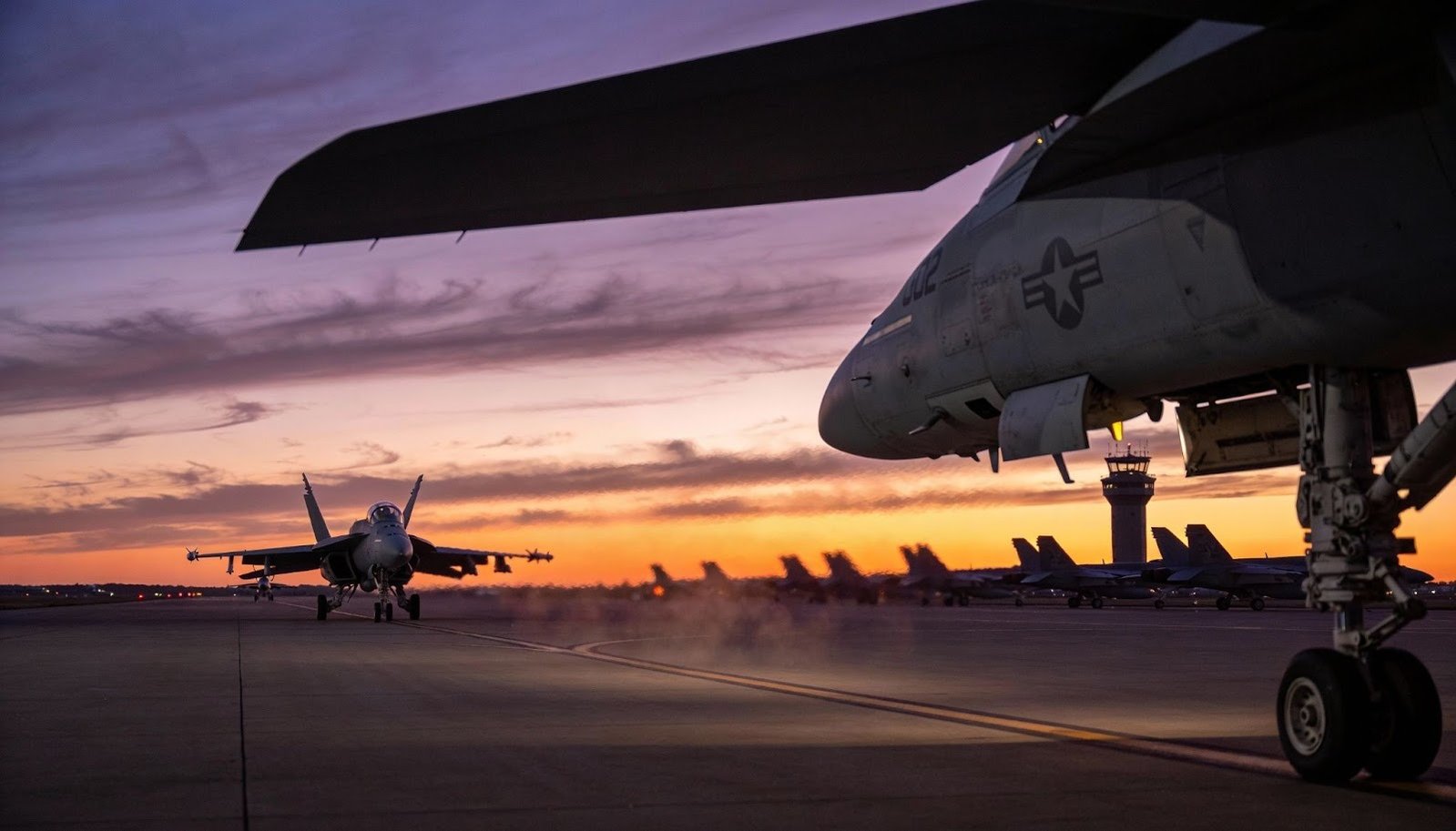
MWIR imaging systems typically excel when primary targets generate significant heat. Aircraft engines, vehicle exhaust plumes, missile signatures, and industrial furnaces all emit strongly in the mid-wave infrared band. The technology's sensitivity in this range enables reliable detection even when thermal contrast decreases with distance or atmospheric conditions degrade visibility. Defense applications requiring long-range target acquisition, maritime domain awareness, and border surveillance often favor mid-wave infrared camera systems for these reasons.
LWIR technology proves particularly effective when monitoring ambient-temperature targets. Personnel detection, building thermal assessment, wildlife monitoring, and equipment operating at normal temperatures all fall within LWIR's sweet spot. Many LWIR systems operate without active cooling, simplifying deployment and reducing power requirements in scenarios where size, weight, and power constraints limit options.
Aerospace and Defense Applications:
- Target acquisition and tracking (MWIR preferred for its sensitivity and noise reduction when detecting hot exhaust signatures)
- ISR platforms (both technologies deployed based on mission profile)
- Perimeter security (LWIR often sufficient for personnel detection)
- Counter-drone systems (MWIR imaging for engine heat, LWIR for ambient detection)
Industrial Applications:
- Optical gas imaging (specific wavelength requirements determine selection)
- Furnace and kiln inspection (MWIR band filtering enables accurate imaging at extreme temperatures)
- Predictive maintenance (LWIR for electrical and mechanical components)
- Process monitoring (application-specific selection required)
How Do Environmental Conditions Affect Your Thermal Camera Choice?
Environmental performance represents one of the most significant factors in the MWIR vs LWIR decision. Atmospheric conditions, climate zones, and operational environments all influence which technology delivers optimal results.
MWIR imaging systems generally achieve superior performance in humid conditions. The mid-wave infrared band experiences less absorption from atmospheric water vapor at most operational ranges, making these systems advantageous for coastal surveillance, maritime applications, and operations in tropical climates. Research indicates that mid-wave infrared camera platforms maintain better image quality in high-humidity environments where LWIR performance may degrade.

LWIR technology often performs better through smoke, dust, and particulate-heavy atmospheres. The longer wavelengths penetrate these obscurants more effectively, which explains why firefighting applications and certain military scenarios favor LWIR systems. Additionally, LWIR cameras exhibit more consistent performance between day and night operations since solar effects have minimal impact on the longer wavelength band.
Climate considerations extend beyond humidity and obscurants. LWIR systems typically perform better in colder climates where thermal contrast between targets and background remains high. MWIR systems often prove more effective in warmer climates where the shorter wavelength band provides better differentiation between hot targets and elevated background temperatures.
Five Key Factors for Your Infrared Sensor Comparison
When evaluating thermal imaging technologies for integration into your platform, these five factors deserve careful consideration in your infrared sensor comparison process.
1. Target Temperature Profile
The temperature range of your primary detection targets should guide initial technology selection. If you're designing systems to detect vehicle engines, industrial processes, or aircraft, a mid-wave infrared camera likely delivers better performance. For personnel detection, building assessment, or ambient-temperature equipment monitoring, LWIR may prove more suitable.
2. Detection Range Requirements
Long-range detection applications often favor MWIR technology due to superior atmospheric transmission characteristics in many conditions. Surveillance applications account for approximately 29% of the thermal imaging market, with long-range requirements frequently driving technology selection. Shorter-range applications may achieve excellent results with either technology.
3. System Integration Constraints
Cooling requirements significantly impact system integration. MWIR detectors typically require cryogenic cooling to reduce noise and maintain sensitivity, adding size, weight, power consumption, and complexity. LWIR systems offer uncooled options using microbolometer technology, simplifying thermal management and reducing ongoing maintenance requirements. Your platform's SWaP (size, weight, and power) budget may effectively make this thermal camera choice for you.
4. Total Cost of Ownership
Initial acquisition cost tells only part of the story. Cooled MWIR systems require periodic cooler maintenance and eventual replacement, affecting lifecycle costs. However, recent shifts in material markets have altered the cost equation. Germanium price increases have substantially raised costs for long-focal-length LWIR optics, making MWIR systems increasingly attractive for certain long-range applications where lens costs represent a significant budget factor.
5. Supply Chain Stability
Material availability affects both production planning and long-term product support. Traditional LWIR optics rely heavily on germanium, a material facing supply constraints and price volatility. Alternative lens materials including chalcogenide glasses provide stable supply chains while maintaining excellent infrared transmission characteristics. Evaluating your manufacturing partner's material portfolio helps ensure predictable component availability for production programs.
What Should OEMs Consider When Selecting Thermal Technology?
For OEMs developing thermal imaging platforms, the technology selection process extends beyond raw performance specifications to encompass practical engineering and business considerations.
Development timeline impacts frequently favor uncooled LWIR systems due to simpler thermal management requirements and more straightforward integration paths. When schedule pressure exists, the reduced complexity of uncooled detectors may outweigh performance advantages of cooled alternatives.
Manufacturing scalability becomes increasingly important as programs transition from prototype to production. Understanding your supplier's vertical integration capabilities, from raw materials through finished assemblies, helps predict production consistency and reduce supply chain risk.

Regulatory and export considerations affect both technology options. ITAR and Wassenaar Arrangement restrictions apply to thermal imaging technology, potentially limiting options or affecting delivery schedules for international programs. Working with partners experienced in export compliance helps navigate these requirements efficiently.
The global thermal camera market's continued growth reflects expanding applications across defense, industrial, and commercial sectors, creating opportunities for OEMs who align their thermal camera choice with specific market segment requirements.
FAQ
What is the main difference between MWIR and LWIR thermal cameras?
MWIR (mid-wave infrared) cameras operate in the 3-5 micrometer range and excel at detecting high-temperature objects like engines and exhaust systems. LWIR (long wave infrared) cameras operate in the 8-14 micrometer range and perform best when imaging objects at ambient temperatures such as personnel or buildings.
Which infrared band is better for defense applications?
Both have important defense roles. MWIR imaging is often preferred for long-range target acquisition, missile detection, and scenarios involving high-temperature signatures. LWIR is frequently selected for perimeter security, personnel detection, and applications requiring uncooled operation for reduced complexity.
Are uncooled thermal cameras always LWIR?
While most uncooled thermal cameras use LWIR microbolometer detectors, both cooled and uncooled options exist across wavelength bands. The uncooled LWIR approach offers advantages in cost, size, weight, and power consumption, making it popular for many surveillance and industrial monitoring applications.
How does humidity affect MWIR vs LWIR performance?
A mid-wave infrared camera generally handles high-humidity environments better because the MWIR band experiences less absorption from atmospheric water vapor. LWIR systems may show performance degradation in very humid conditions but typically perform better through smoke and dust.
Partner with Experts Who Understand Your Mission
The decision between a mid-wave infrared camera and LWIR technology shapes your product's competitive position for years to come. Rather than approaching this as a simple specification exercise, successful programs treat infrared sensor comparison as a strategic decision requiring deep expertise in optics, materials, and system integration.
LightPath Technologies delivers both MWIR and LWIR solutions backed by 40 years of innovation, vertically integrated manufacturing, and proprietary materials that reduce supply chain risk. When you're ready to move from evaluation to implementation, connect with our engineering team to discuss how custom thermal imaging solutions can give your platform a competitive edge.