
Key Takeaways
Selecting the correct spectral band is essential for mission success in defense and industrial thermal applications.
- MWIR sensors provide superior performance for high-temperature, long-range detection tasks.
- LWIR technology offers cost-effective, passive monitoring of ambient temperature targets.
- Atmosphere composition and humidity levels significantly dictate optimal sensor wavelength choice.
- Cryogenic cooling extends MWIR capabilities but introduces substantial maintenance and integration overhead.
- Partnering with experienced engineering teams ensures that system resolution, sensitivity, and SWaP requirements align with operational goals.
Understanding the physics of MWIR and LWIR thermal imaging
Electromagnetic spectrum and thermal emission principles
Infrared radiation exists outside the visible light spectrum, providing a distinct perspective on the physical environment. Objects emit energy based on their temperature, creating thermal signatures that dictate how we categorize and detect them. By understanding the intersection of infrared imaging technologies and material thermodynamics, you gain the ability to select sensors that exploit these natural patterns effectively.
Planck's law and the peak wavelength shift
Physical laws govern the behavior of photons emitted from surfaces at different temperatures. Objects at ambient temperatures radiate peak energy in the long-wave infrared band, while significantly hotter targets shift their peak emission into the mid-wave spectrum. This fundamental physical behavior dictates the primary application scope for various sensors.
Distinction between thermal detection and reflected light
Thermal imaging operates through the passive collection of emitted radiation rather than relying on external illumination. Because these sensors detect self-emitted energy, they remain functional in environments ranging from absolute darkness to bright daylight without artifacts from reflected glare. The physical differences between these spectral bands are summarized in the following table:
|
Feature |
MWIR (3-5 μm) |
LWIR (8-14 μm) |
Operating Principle |
|---|---|---|---|
|
Typical Target |
Hot industrial sources |
Ambient objects |
Temperature-dependent |
|
Cooling Requirement |
Often cryogenic |
Usually uncooled |
Thermal noise floor |
|
Prime Atmosphere |
Humid/Maritime |
Dry/General |
Signal path transmission |
These distinctions help engineers determine whether a system requires the high-sensitivity cold-photon detection associated with mid-wave systems or the robust reliability of uncooled long-wave sensors.
Performance advantages of mid-wave infrared technology
Sensitivity to elevated temperature targets
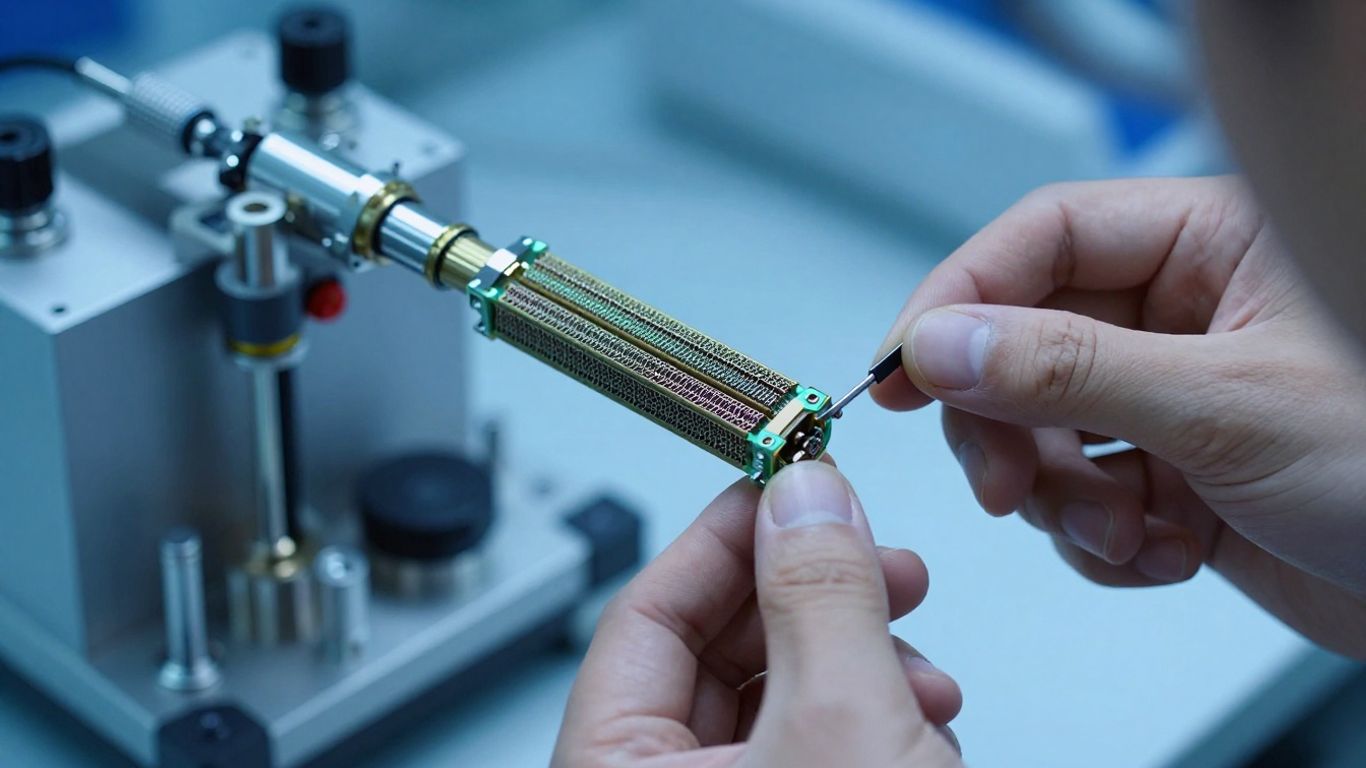
High-temperature objects release energy in a spectral band where MWIR detectors achieve peak signal-to-noise ratios. By aligning the sensor wavelength with the emission peak of industrial furnaces or propulsion systems, you extract detailed thermal data that remains obscured in other bands. This specialized focus enables Mid-Wave Infrared platforms to excel when precise temperature measurement of hot equipment is a mandatory requirement.
Enhanced long-range detection capabilities
Long-range imaging often pushes sensors to their physical limits, where thermal contrast begins to diminish significantly. MWIR technology maintains superior contrast for distant, high-energy targets by leveraging atmospheric transparency in the 3-5 micrometer window. This allows for reliable identification of distant threats or assets even when the surrounding heat background creates significant visual noise.
High-contrast imaging for industrial hotspots
When detecting failure conditions in rotating machinery or electrical components, contrast determines the difference between a minor variance and a critical issue. MWIR cameras provide unique advantages here:
- Detection of small, intensely hot friction points in shafts.
- Resolution of high-temperature gas signatures in combustion chambers.
- Precise quantification of thermal leakage across isolated seals.
- Ability to distinguish nuanced mechanical overheating patterns.
By ensuring high signal contrast against a cooler ambient environment, you define the operating boundary for your industrial processes and maintenance intervals.
Strategic benefits of long-wave infrared surveillance
Advantages of uncooled microbolometer detectors
Uncooled microbolometers use materials that change resistance in response to incident radiation. By eliminating the necessity for cryogenic coolers, you remove the most significant failure point in many thermal systems. This robust mechanical architecture is a core pillar of the reliability provided by BlackDiamond™ optics, which are optimized to deliver high-performance imagery across wide-ranging environmental conditions.
Reliable performance for ambient temperature monitoring
LWIR systems excel at identifying humans, vehicles, and structures functioning near terrestrial temperatures. Because these objects emit the majority of their thermal energy in the 8-14 micrometer band, the detector remains perfectly matched to the scene intensity. This alignment ensures you do not waste resources or power attempting to resolve signatures that are effectively invisible to the sensor.
Simplified system architecture and maintenance
Reducing the number of moving parts increases the mean time between failures for your platforms. Since uncooled detectors operate at room temperature, you streamline the power management and thermal stabilization required for portable devices. This simplification allows you to focus on the overall system design rather than managing complex cooling infrastructure.
Environmental factors influencing infrared camera selection
Atmospheric transmission windows and water vapor
Atmospheric moisture absorbs specific spectral bands, which can attenuate signal strength over long distances. In humid regions, the water vapor absorption characteristics in the LWIR spectrum might degrade image quality, highlighting why thermal imaging options should be evaluated against local climate data. Making an informed choice before deployment prevents signal loss during adverse weather events.
Performance in humid and maritime climates
Coastal and tropical environments present unique challenges due to constant humidity and salt-laden air. Salt aerosols scatter light differently depending on the wavelength, often favoring shorter infrared bands. Your selection process must account for these environmental variables to maintain the required resolution and signal fidelity throughout the year.
Penetration of smoke, fog, and airborne aerosols
Particles of smoke and fine dust create scatter that blocks visible light and some infrared bands. LWIR wavelengths, by virtue of their larger size, pass through these particulate clouds more easily than others. This allows fire crews and industrial inspectors to see through moderate smoke conditions where other sensors would only capture a diffused, unusable signal.
Evaluating technical specifications and sensor sensitivity
Understanding NETD and thermal noise floor
Noise Equivalent Temperature Difference serves as the primary metric for sensor sensitivity. A lower NETD means the sensor can resolve finer temperature variations between a target and its backdrop. When designing a system, you must weigh stated NETD against the actual optical aperture to ensure performance reaches the desired target-identification ranges.
Impact of optical lens design on signal reliability
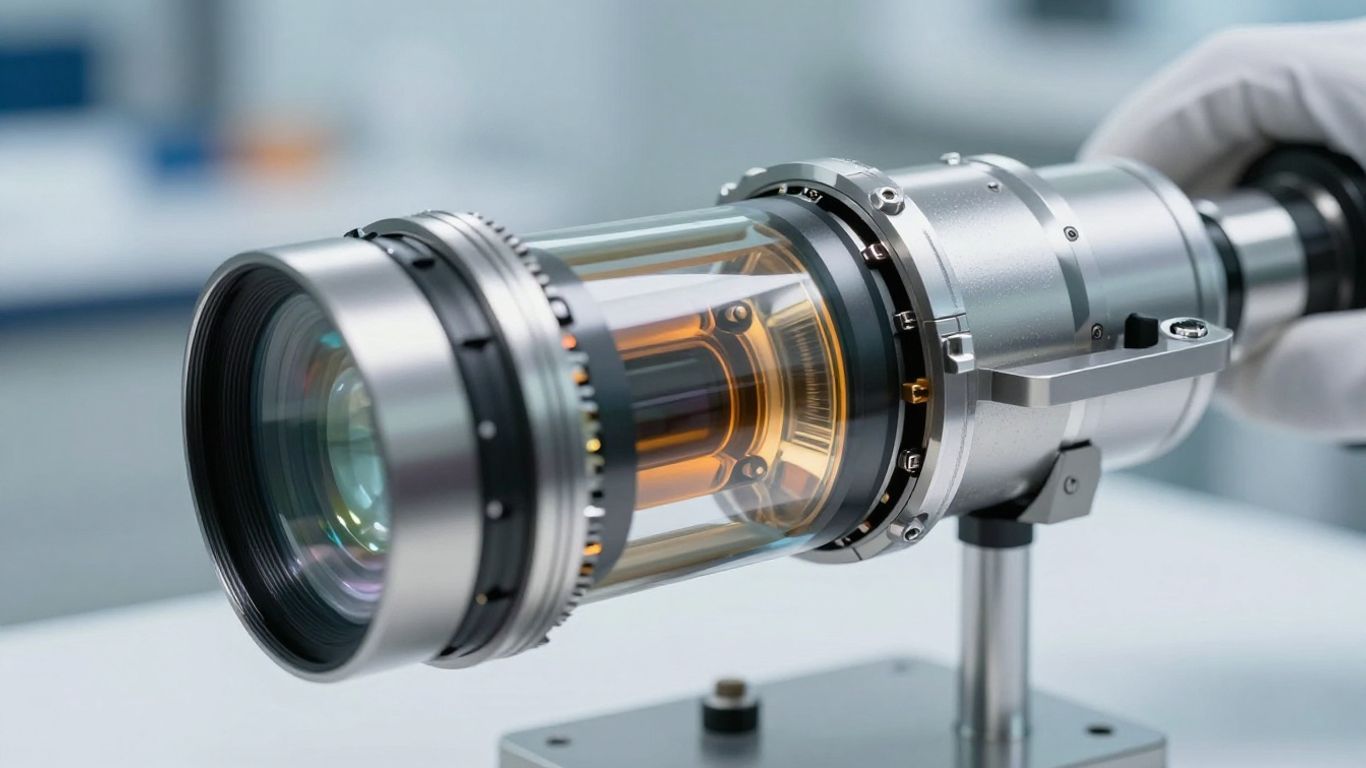
Lens quality directly dictates how much thermal energy reaches the detector. By utilizing precise, custom-molded elements, high-end optical systems maximize the transmission efficiency of the entire assembly. This dedication to high-quality optical pathways reduces the cumulative signal loss that typically plagues low-cost, off-the-shelf camera modules.
Balancing sensor resolution and field of view
Sensor pixels must be sized correctly relative to the focal length to capture useful thermal data. Increasing resolution allows for broader coverage, but narrow fields of view are often required for long-range detection. A systems-engineering approach ensures that your pixel count provides the required IFOV, preventing the unnecessary expense of sensors that exceed your actual field-of-view needs.
System integration and lifecycle considerations
Size, weight, and power (SWaP) constraints
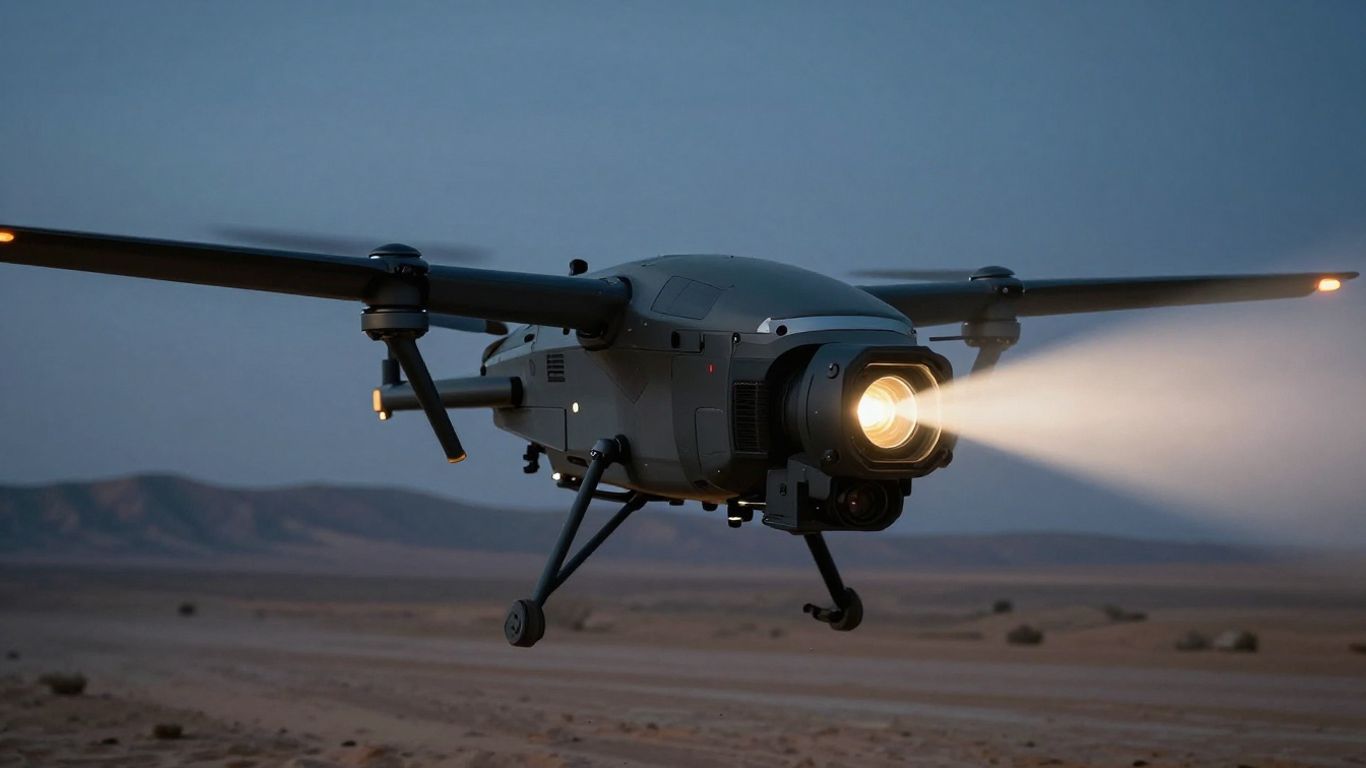
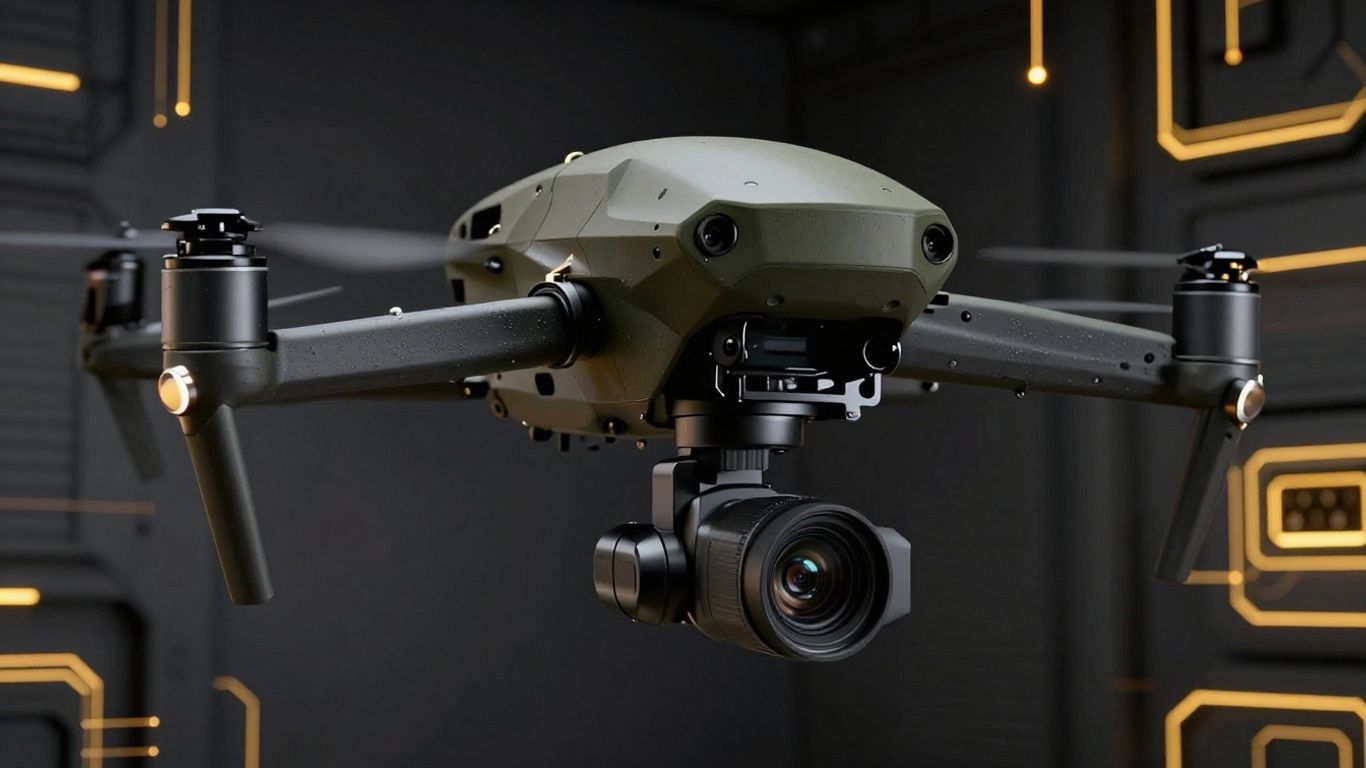
Integration into drone or handheld platforms requires aggressive optimization of every subsystem. Uncooled LWIR detectors significantly lower the power draw, which improves flight times and decreases overall housing dimensions. You gain LightPath's full suite of engineering support to ensure that every gram of the assembly contributes to the final mission requirement.
Comparison of cryogenic versus uncooled architectures
Cryogenic cooling systems offer unparalleled sensitivity but force architectural trade-offs in power and mass. If your operational envelope allows for uncooled sensors, you save on lifecycle costs and logistical requirements. The decision rests on whether the raw increase in sensitivity justifies the operational burden of high-maintenance cooling components.
Total cost of ownership and development timelines
Projects often face delays when opting for highly customized or complex cooled systems. Opting for proven, integration-ready modules reduces the procurement and qualification cycle by months, helping you reach the field faster. Consulting our expert teams allows you to determine this balance early, optimizing your choice between LWIR and MWIR for your specific project timeline.
Selecting the right technology for operational requirements
Defense and tactical security deployment patterns
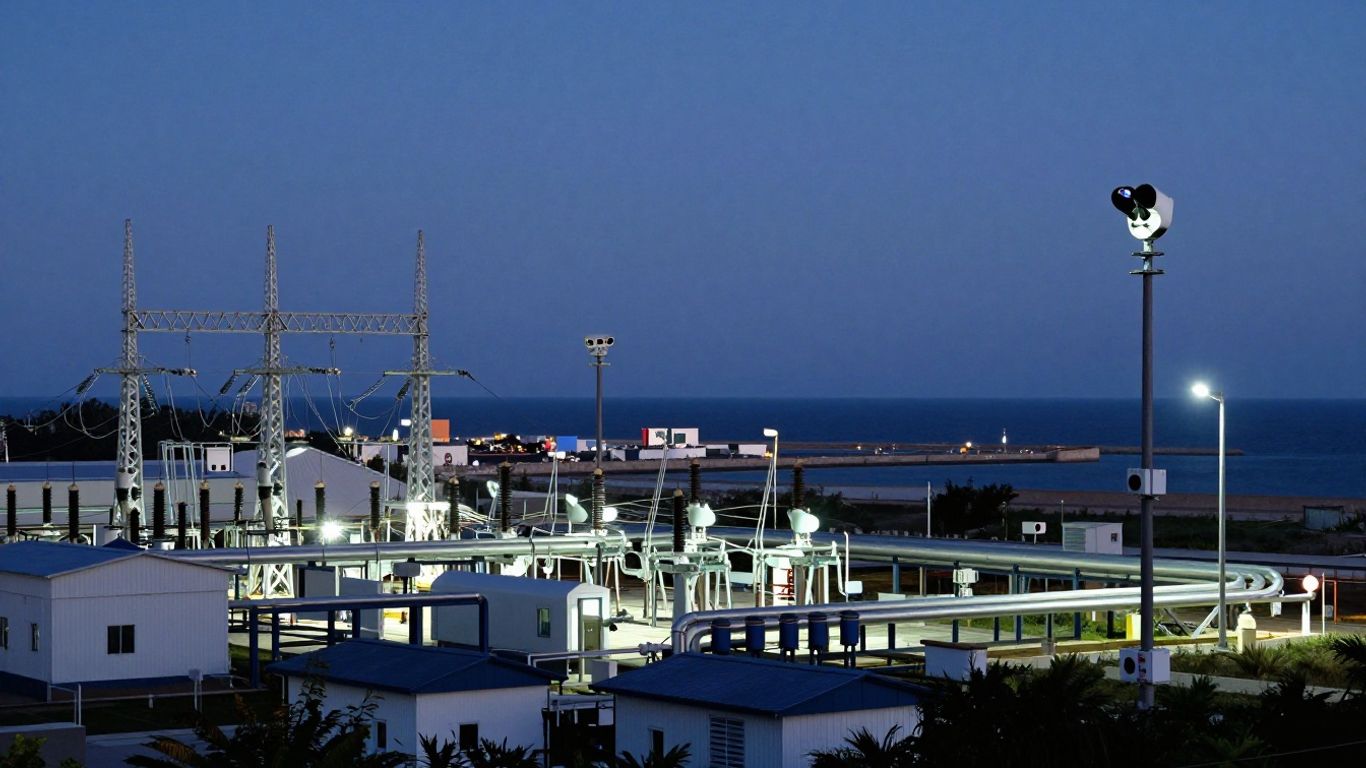
Perimeter defense requires a, persistent, wide-area view that only thermal systems provide. By integrating advanced optical assemblies, you ensure your defensive platform identifies threats in complete darkness. We support these critical deployments by offering tailored lens solutions that meet rigorous military and aerospace performance benchmarks.
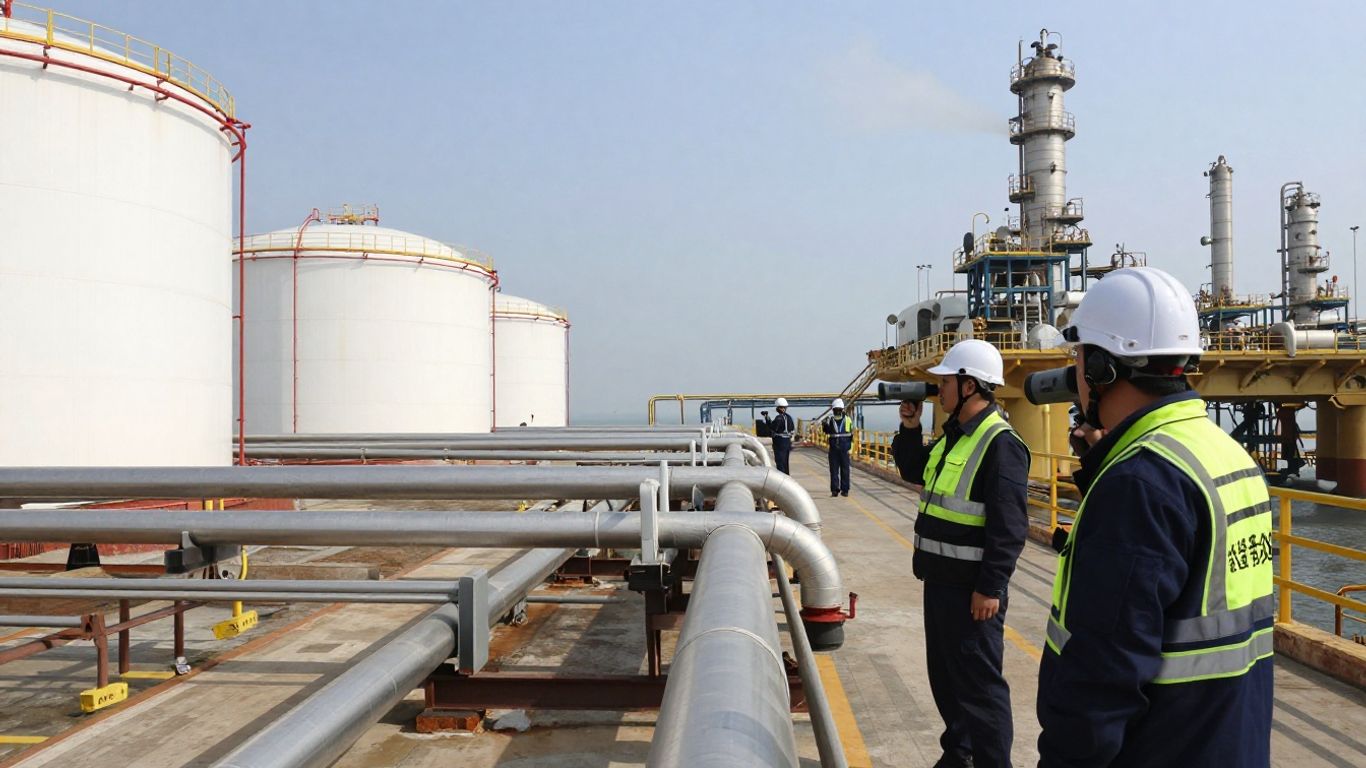
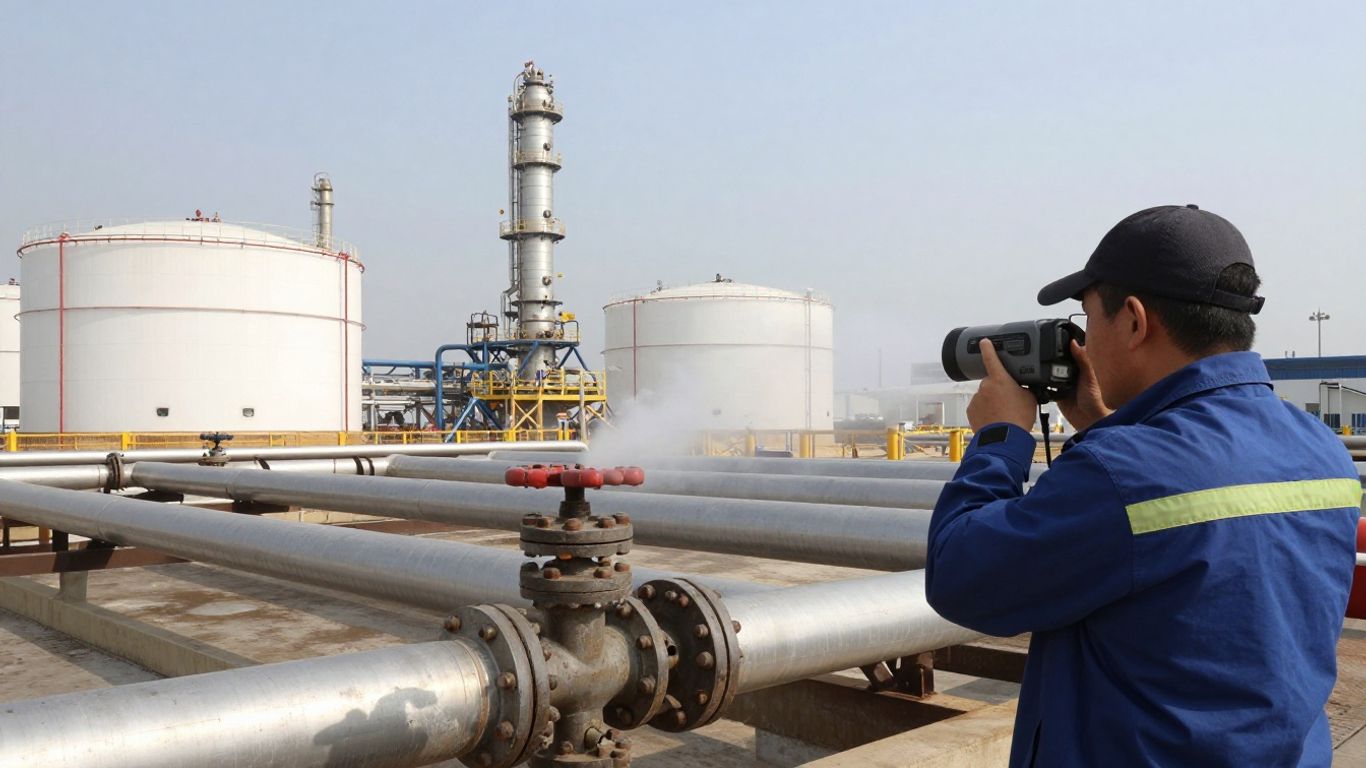
Industrial process control and gas leak monitoring
Predictive maintenance relies on spotting subtle temperature changes in critical machinery before failure occurs. Simultaneously, gas leak detection uses the strong absorption lines in the infrared to highlight hazardous emissions. Choosing the correct focal length and sensor bandwidth ensures these industrial safety systems provide actionable, real-time data.
Criteria for choosing dual-band infrared systems
When a single technology cannot span all environmental or target requirements, dual-band systems become the necessary solution. These platforms capture both MWIR and LWIR data, allowing the software to perform cross-spectral validation. This flexible approach is ideal for multi-role platforms requiring maximum intelligence output regardless of shifting external conditions.
Conclusion
Thermal imaging stands as the cornerstone of modern detection and safety monitoring, with LWIR and MWIR formats serving distinct operational niches. By aligning your technology selection with specific thermal targets, atmospheric conditions, and integration constraints, you build systems that deliver consistent, reliable performance. Our team is ready to guide you through these design choices to ensure your equipment satisfies every performance expectation; please reach out to LightPath for expert consultation on your next thermal project.
Frequently Asked Questions
Are thermal cameras effective at seeing through glass?
Thermal IR radiation does not pass through standard glass, causing the image to reflect the camera's own thermal signature back at the sensor. Specialized materials, like germanium or zinc selenide, are used in thermal lens assemblies to successfully transmit these wavelengths.
How does ambient temperature affect thermal image contrast?
Lower ambient temperatures generally increase the contrast between a warm object and the background, making detection easier. High ambient temperatures can compress the thermal dynamic range, potentially masking smaller variations between background objects and targets.
Do thermal cameras require calibration?
Professional thermal imaging systems require periodic factory calibration to provide accurate radiometric temperature readings. This process ensures that the signal output correctly correlates to absolute surface temperatures across the entire operating range.
Can thermal cameras detect objects behind walls?
No, thermal cameras detect infrared energy emitted from the surface of objects within the direct field of view. They cannot peer through solid, opaque structures like concrete, metal, or wood, as these materials block infrared transmission.
Why do some thermal cameras make a clicking noise?
Periodic sounds in some thermal cameras stem from a mechanical shutter used for non-uniformity correction. This process helps the camera re-calibrate its sensor to ensure a clear, consistent image across the frame.
Does higher pixel count always result in better target detection?
Resolution must be paired with an appropriate field of view and optical design to be useful. A lower-resolution sensor with a long focal length lens can often outperform a high-resolution sensor paired with a wide, short-range lens.
How long do thermal imaging sensors typically last?
Operational longevity depends heavily on the detector type and the system cooling mechanism. Uncooled microbolometers often last for years without performance degradation, while cryogenic systems require periodic maintenance to extend the lifespan of their vacuum seals and coolers.