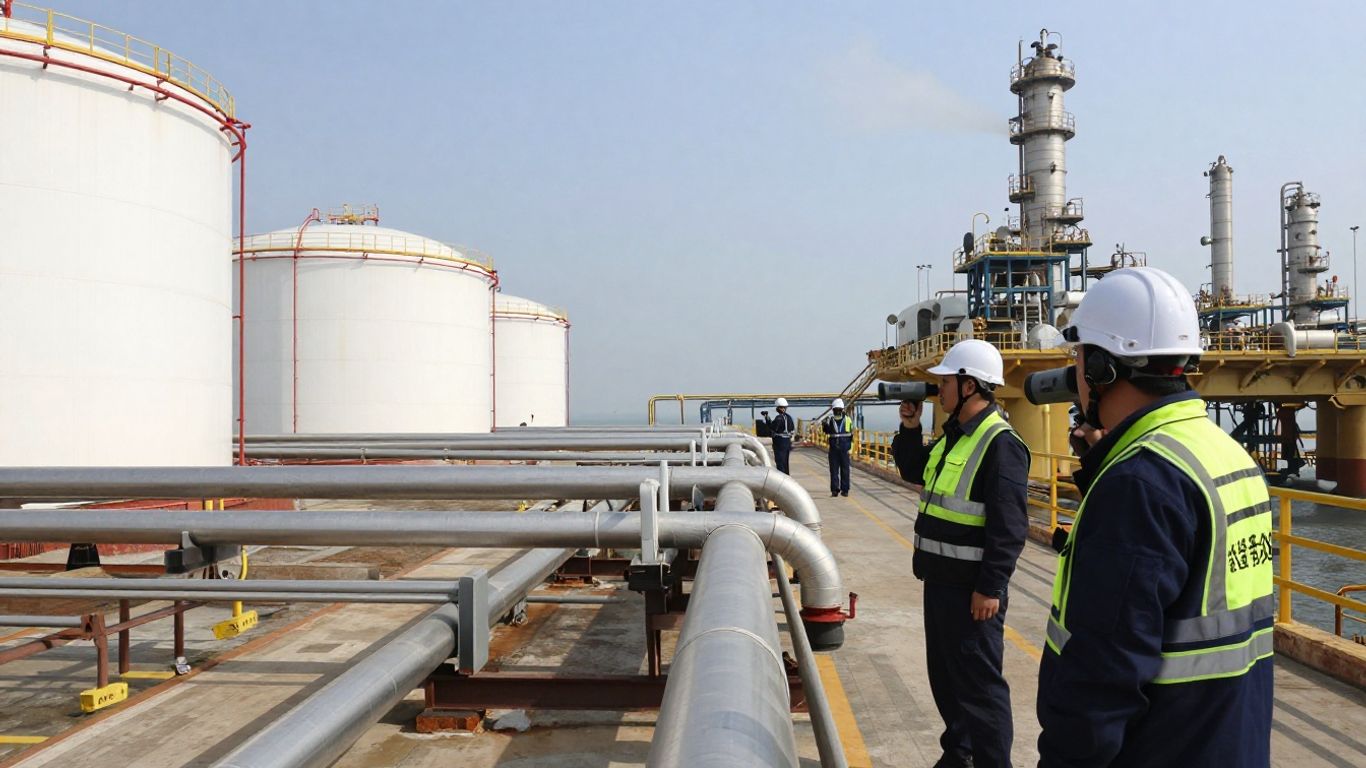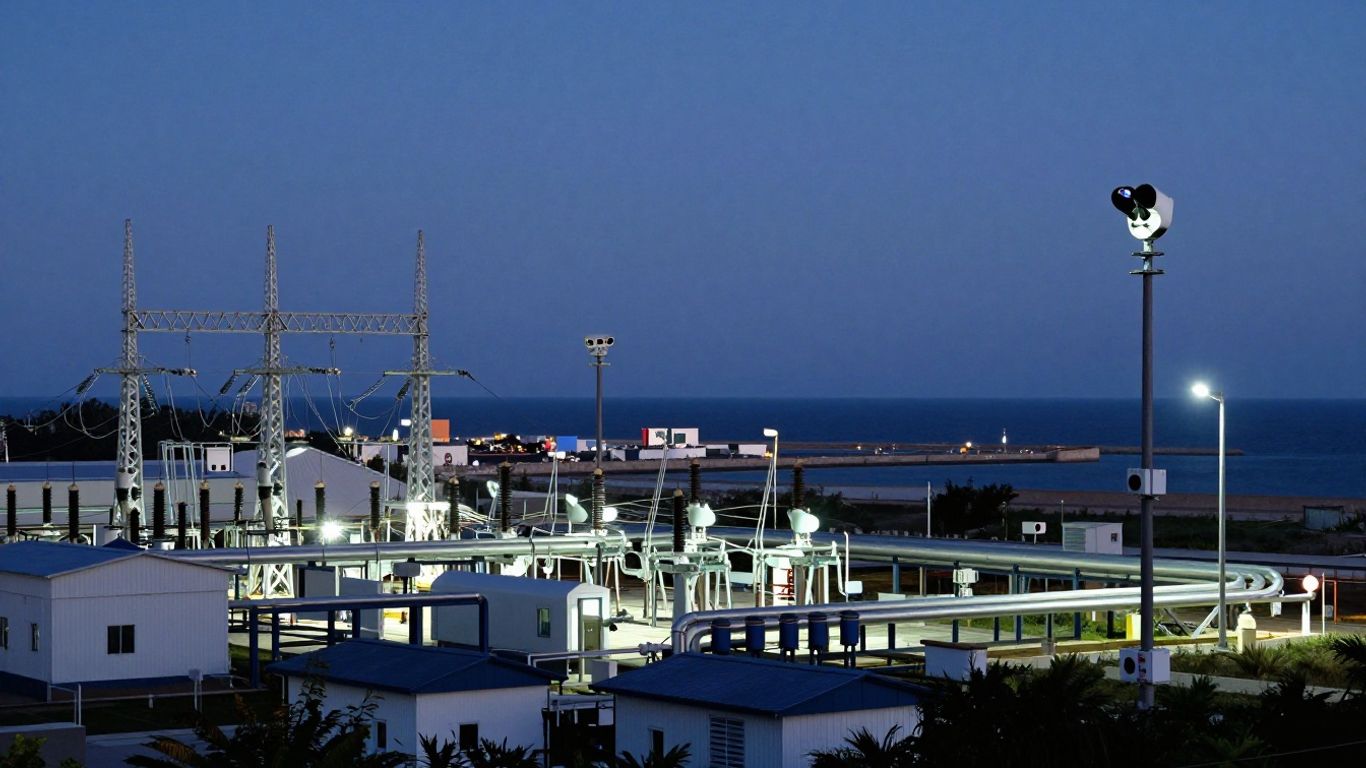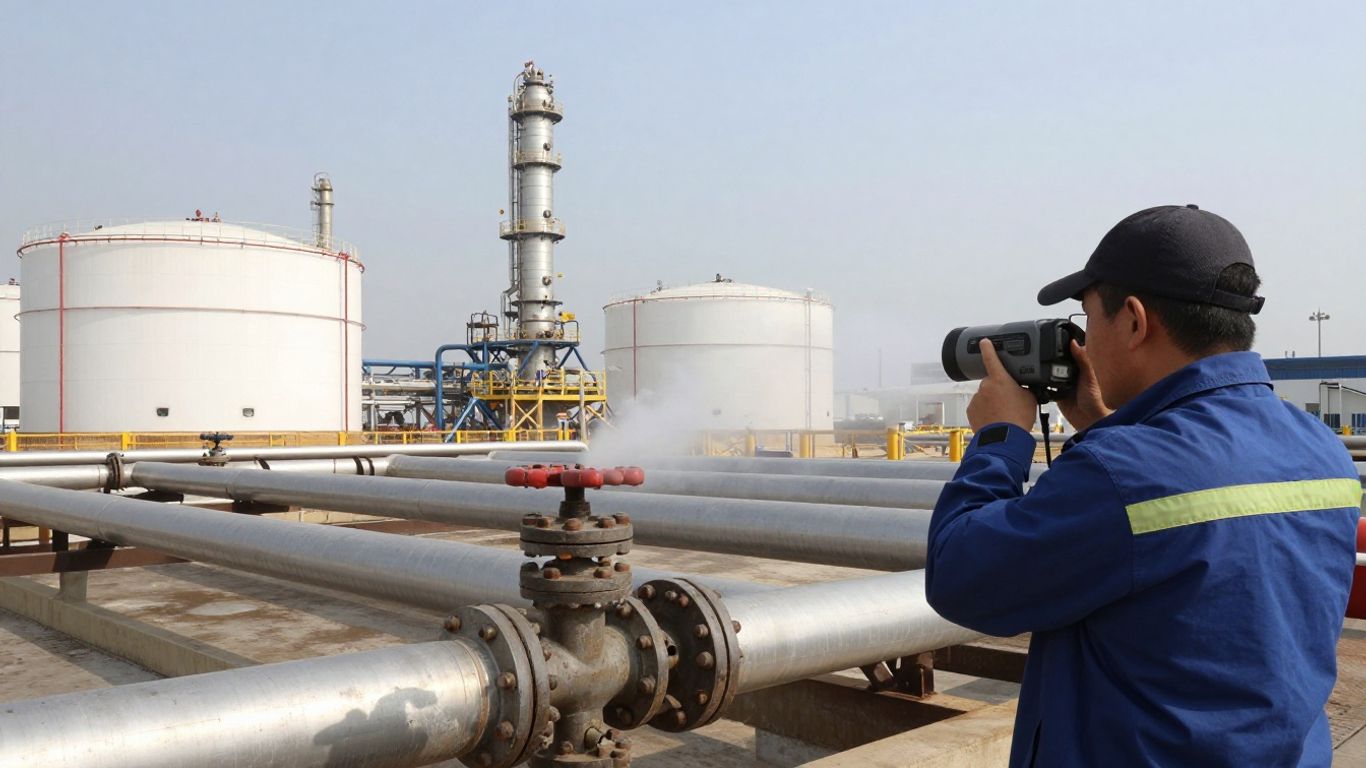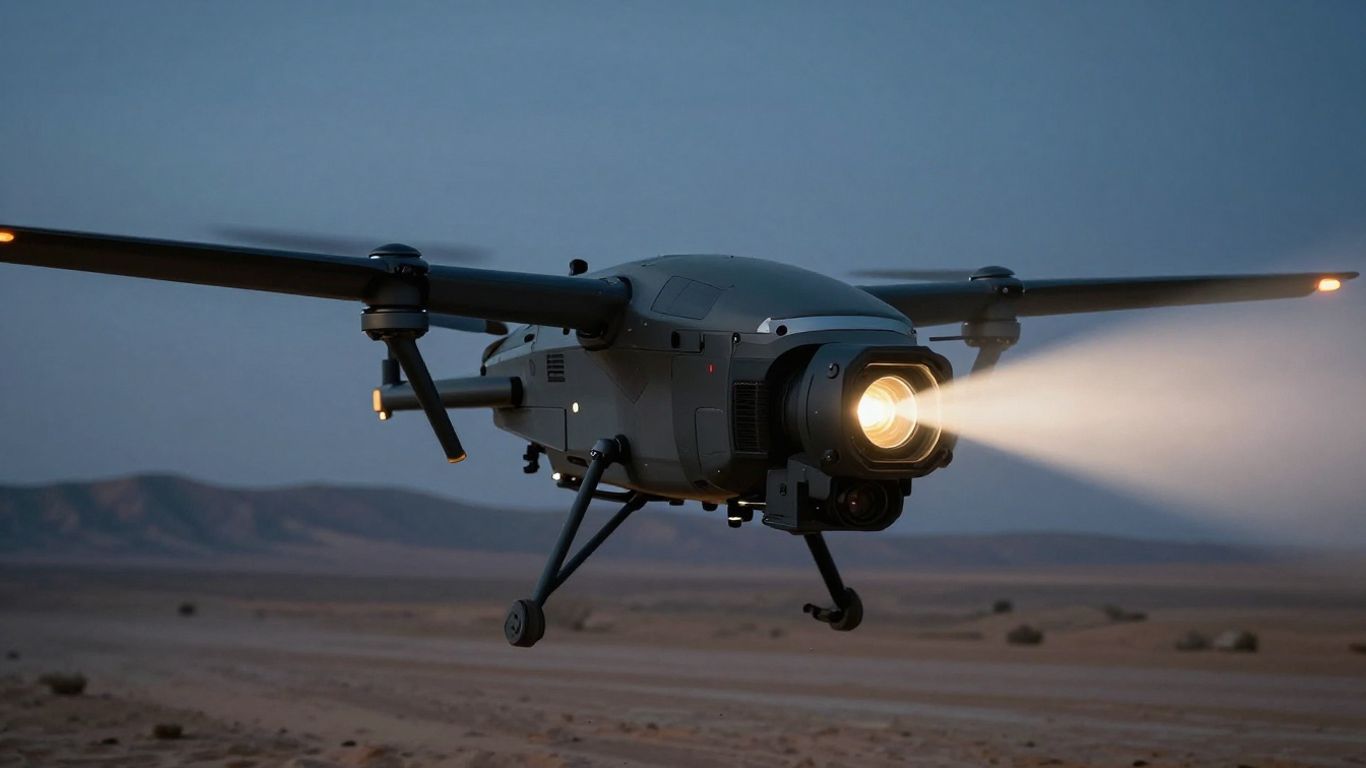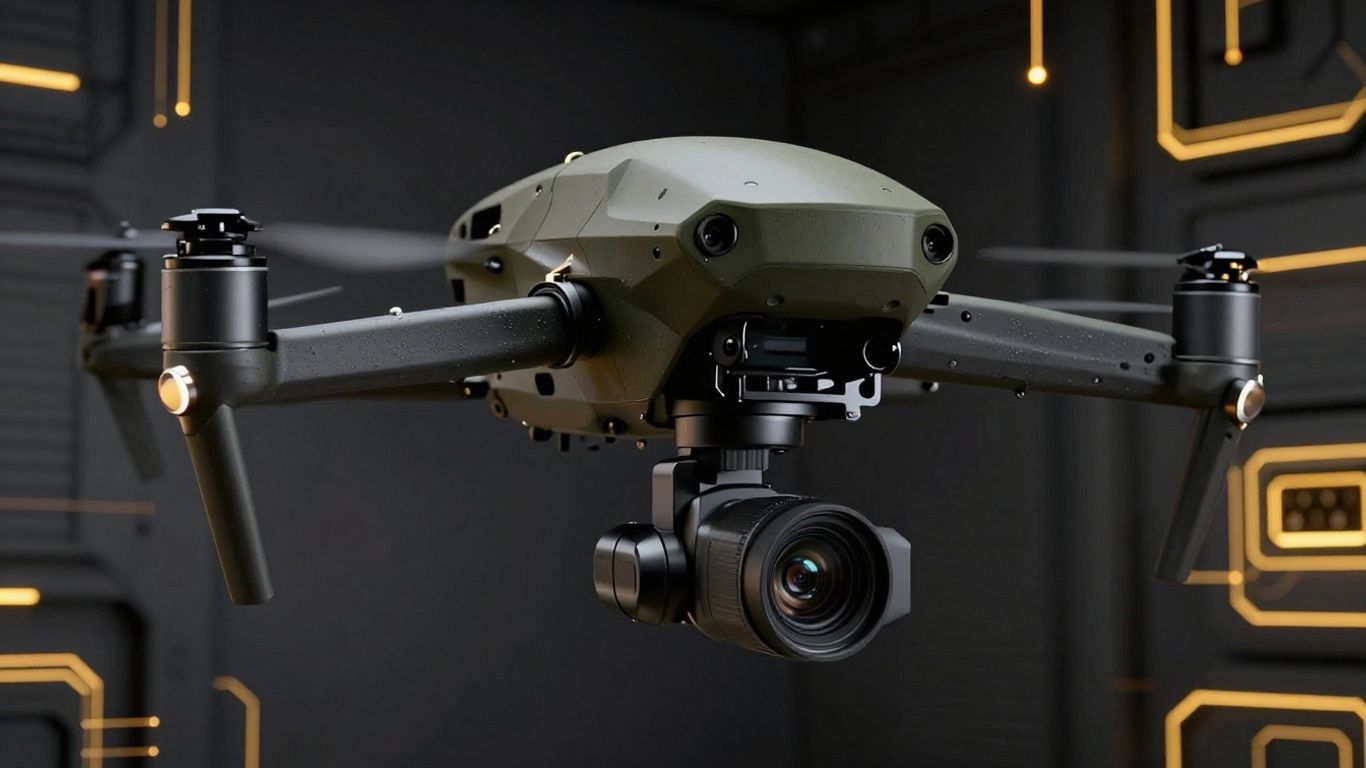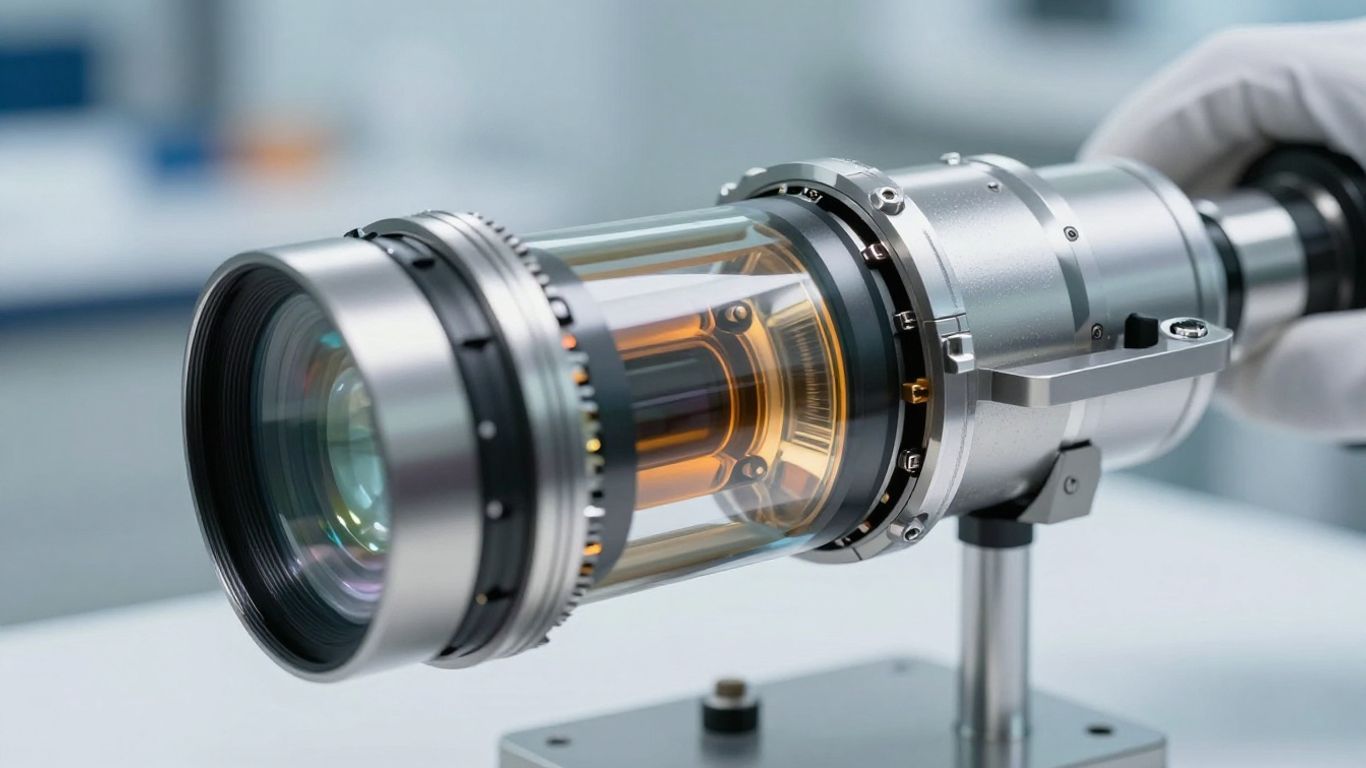

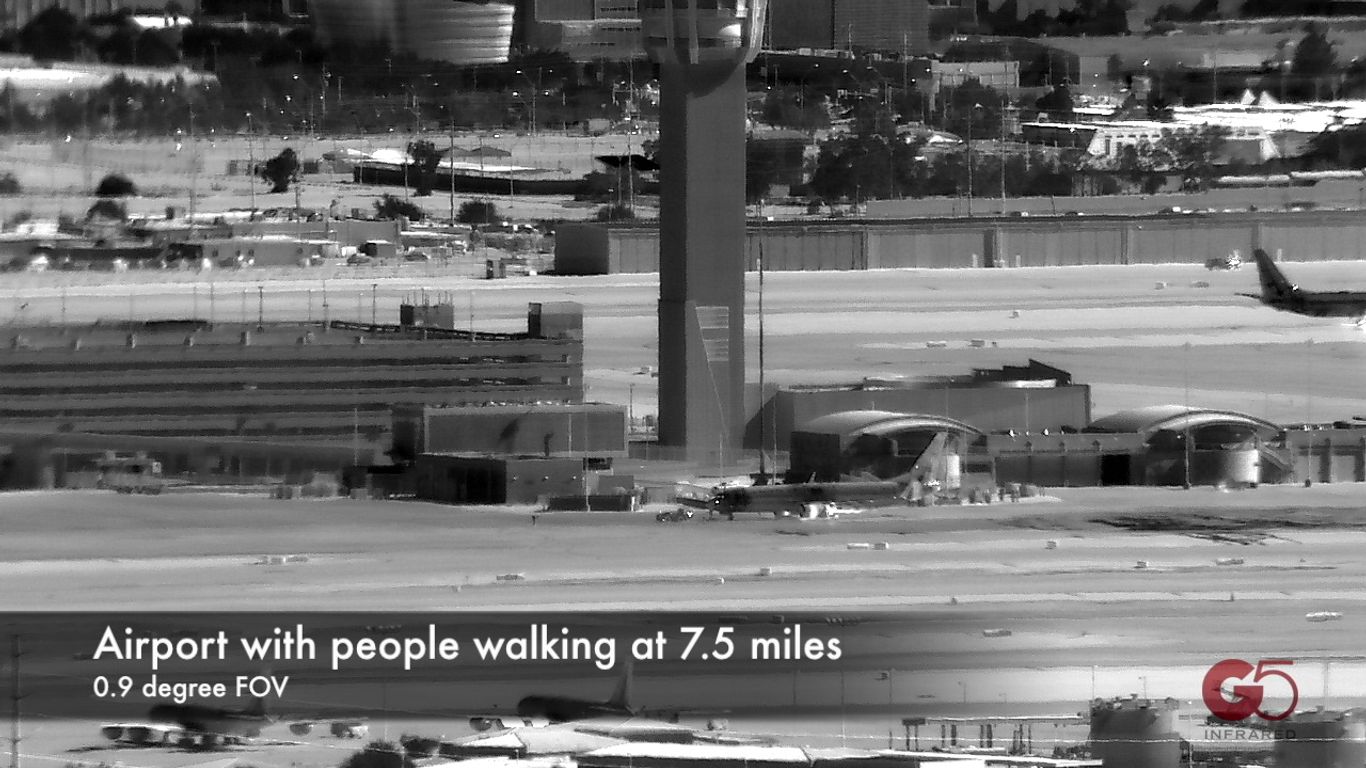
You're looking into thermal imaging for a project, maybe for defense, keeping an eye on an industrial site, or securing a perimeter. You've probably seen terms like MWIR and LWIR thrown around, and it can get confusing fast. This isn't just about knowing the numbers; it's about picking the right thermal imaging approach so your system works well, lasts, and fits your budget. LWIR is popular for a reason: it's great at spotting things at normal temperatures, which covers most real-world needs. Whether you're designing a drone system, picking surveillance gear, or building safety equipment, understanding what LWIR actually means for your work is key.
Key Takeaways
- Long-wave infrared (LWIR) technology is your go-to for spotting objects at typical temperatures in many defense, industrial, and surveillance jobs.
- LWIR works in the 8-14 micrometer range, picking up heat from objects at normal temperatures without needing extra light or cooling systems.
- Uncooled LWIR systems are usually easier and cheaper to set up, require less power, and need less upkeep compared to cooled mid-wave infrared (MWIR) options, while still doing a great job for most monitoring tasks.
- This technology is good at seeing through smoke, fog, and dust, and it works perfectly in total darkness.
- When picking an LWIR system, think about the temperatures you need to see, the weather conditions, how it will be installed, and work with folks who know how to customize it for you.
Understanding The Fundamental Differences: MWIR vs LWIR
Wavelength Ranges And Underlying Physics
When you're looking into thermal imaging, you'll encounter two main categories: Mid-Wave Infrared (MWIR) and Long-Wave Infrared (LWIR). These aren't just arbitrary labels; they refer to specific portions of the electromagnetic spectrum where thermal cameras operate. Understanding these differences is key to selecting the right technology for your application.
MWIR systems typically capture wavelengths between 3 to 5 micrometers (µm). This range is particularly good at detecting objects that are significantly hotter than their surroundings. Think of things like vehicle engines, industrial furnaces, or aircraft exhaust. The physics behind this is that hotter objects emit more energy at shorter wavelengths, and MWIR sensors are tuned to pick up this higher-energy radiation effectively. This often results in excellent contrast when imaging these hot targets against cooler backgrounds.
LWIR systems, on the other hand, operate in the 7.5 to 12 micrometer range. This band is ideal for detecting objects at or near ambient temperatures. This includes people, buildings, and most machinery operating under normal conditions. Objects at typical terrestrial temperatures, around 300 Kelvin, emit most of their thermal radiation within the LWIR spectrum. This makes LWIR cameras the workhorse for many surveillance, security, and monitoring tasks where you need to see heat signatures without extreme temperature differences. You can learn more about MWIR and LWIR cameras and their specific uses.
Peak Emission Versus Atmospheric Transmission
The way objects emit thermal radiation and how that radiation travels through the atmosphere are critical factors in choosing between MWIR and LWIR. Every object above absolute zero emits heat, and the peak wavelength of this emission depends directly on its temperature. As objects get hotter, their peak emission shifts towards shorter wavelengths.
For objects at typical environmental temperatures (like a person or a piece of equipment), their peak thermal emission falls squarely within the LWIR range. This means LWIR sensors are naturally optimized to capture the most significant thermal signature from these common targets. This is why LWIR is so effective for detecting ambient temperature objects.
However, atmospheric conditions play a significant role. Water vapor, a common component of the atmosphere, absorbs infrared radiation. While both MWIR and LWIR are affected, they are affected differently. The LWIR band (8-14 µm) has a broader atmospheric transmission window, meaning it generally passes through the atmosphere with less attenuation, especially in humid conditions. MWIR, while good for hot objects, can be more susceptible to atmospheric absorption in certain conditions. This difference in transmission is why LWIR often performs more reliably across varied environmental settings for detecting cooler objects.
Operational Implications Of Spectral Bands
The choice between MWIR and LWIR has direct consequences for how your system will perform in real-world scenarios. These spectral bands dictate not only what you can see but also the complexity and cost of the system itself.
- Target Temperature: If your primary goal is to detect objects significantly hotter than the background (e.g., engines, fires), MWIR's sensitivity to shorter wavelengths makes it a strong candidate. For detecting objects at or near ambient temperature (e.g., people, animals, structures), LWIR is the more appropriate choice due to its alignment with peak emission from these targets.
- Environmental Performance: LWIR generally offers better performance in humid or hazy conditions because it experiences less absorption from water vapor. It also tends to penetrate smoke and dust more effectively than MWIR. MWIR can sometimes perform better in very fine aerosols or specific maritime environments, but LWIR's broader transmission window often makes it more versatile.
- System Complexity and Cost: A significant operational implication is that MWIR systems often require cryogenic cooling to reduce detector noise and achieve high sensitivity. This adds considerable size, weight, power consumption, complexity, and cost to the system. In contrast, many LWIR systems use uncooled microbolometer detectors, which operate at room temperature. This dramatically simplifies integration, reduces power needs, and lowers the overall cost of ownership, making LWIR systems more accessible for a wider range of applications.
Understanding these fundamental differences will help you make an informed decision for your thermal imaging needs. For more information on how these technologies can benefit your projects, please visit lightpath.com/contact.
Performance Characteristics In Diverse Environments
Effectiveness In Humid And Hazy Conditions
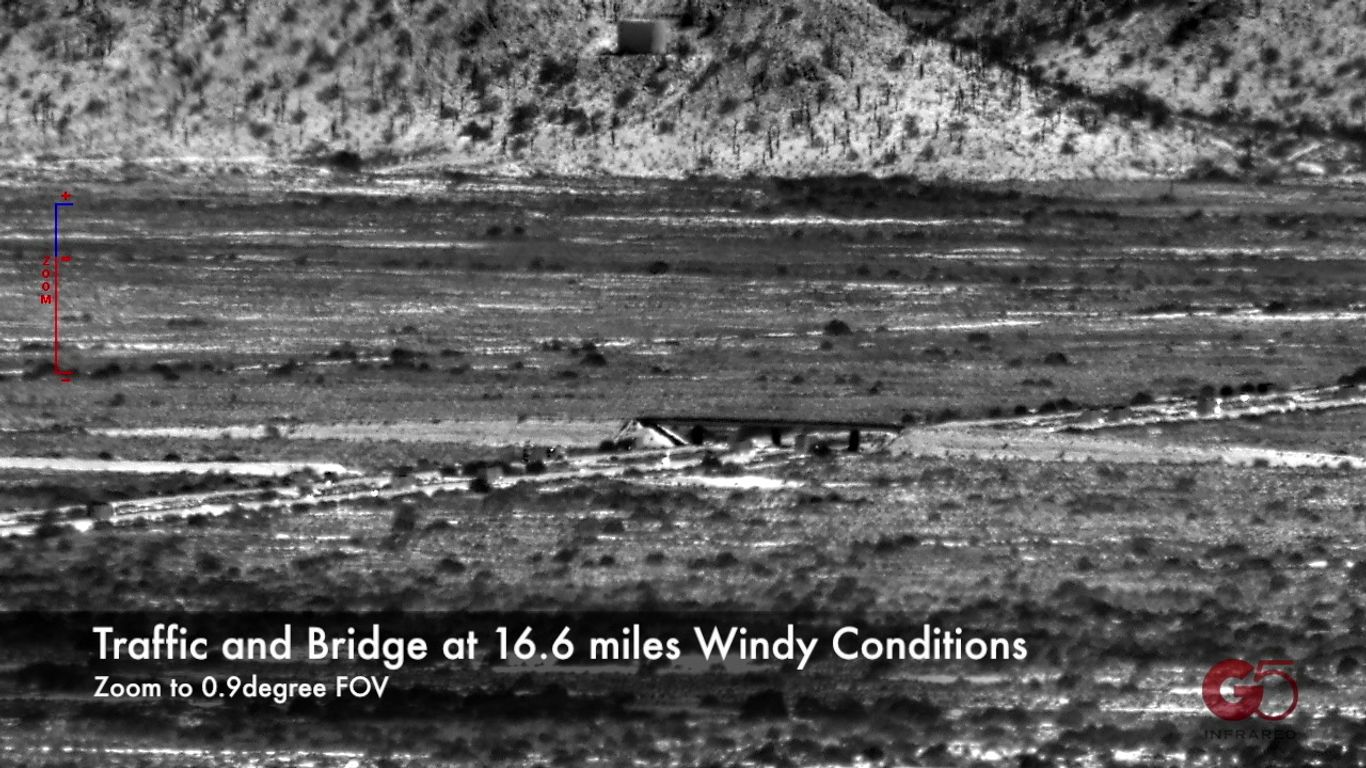
When your operations involve environments with significant moisture or atmospheric haze, the choice between Mid-Wave Infrared (MWIR) and Long-Wave Infrared (LWIR) becomes particularly important. LWIR systems, operating in the 8-14 micrometer range, generally perform better in these conditions. Water vapor, a primary component of humidity, absorbs energy in the MWIR spectrum more readily than in the LWIR band. This means LWIR radiation can pass through humid air with less attenuation, providing clearer imagery. While MWIR can sometimes offer better performance in very specific hazy conditions due to different scattering effects with fine aerosols, LWIR's broader atmospheric transmission window makes it more reliable for general use in humid and hazy settings.
Penetration Of Smoke And Particulates
In scenarios where smoke or dense particulates are present, such as industrial accidents, wildfires, or battlefield environments, LWIR technology often demonstrates a distinct advantage. The longer wavelengths of LWIR are less susceptible to scattering by larger particles commonly found in smoke and dust compared to the shorter wavelengths of MWIR. This allows LWIR systems to "see" through these obscurants more effectively, providing critical situational awareness when visibility is severely limited. However, it is important to note that performance can still vary depending on the specific size distribution and density of the particles. For applications where smoke and particulate penetration is a primary concern, LWIR is typically the preferred choice.
Behavior In Clear Versus Obscured Atmospheres
In clear atmospheric conditions, both MWIR and LWIR systems can perform exceptionally well, detecting thermal signatures with high fidelity. The differences in their performance become more pronounced when the atmosphere is obscured. While MWIR might offer slightly better contrast for very hot objects in certain clear or mildly hazy conditions, LWIR's ability to maintain a usable image through fog, smoke, and dust makes it the more versatile option for all-weather operations. Consider the following comparison:
|
Atmospheric Condition |
MWIR Performance |
LWIR Performance |
|---|---|---|
|
Clear Air |
Excellent |
Excellent |
|
High Humidity/Haze |
Variable, can be affected |
Generally better |
|
Smoke/Dense Particulates |
More Variable |
Often better |
|
Fog/Precipitation |
Degrades Significantly |
Maintains capability better |
Your specific operational environment will dictate which technology provides the most consistent and reliable performance. If your work frequently takes you into obscured conditions, LWIR systems are often the more robust solution. To discuss how these performance characteristics align with your specific needs, please contact us at https://www.lightpath.com/contact.
Target Temperature And Detection Capabilities
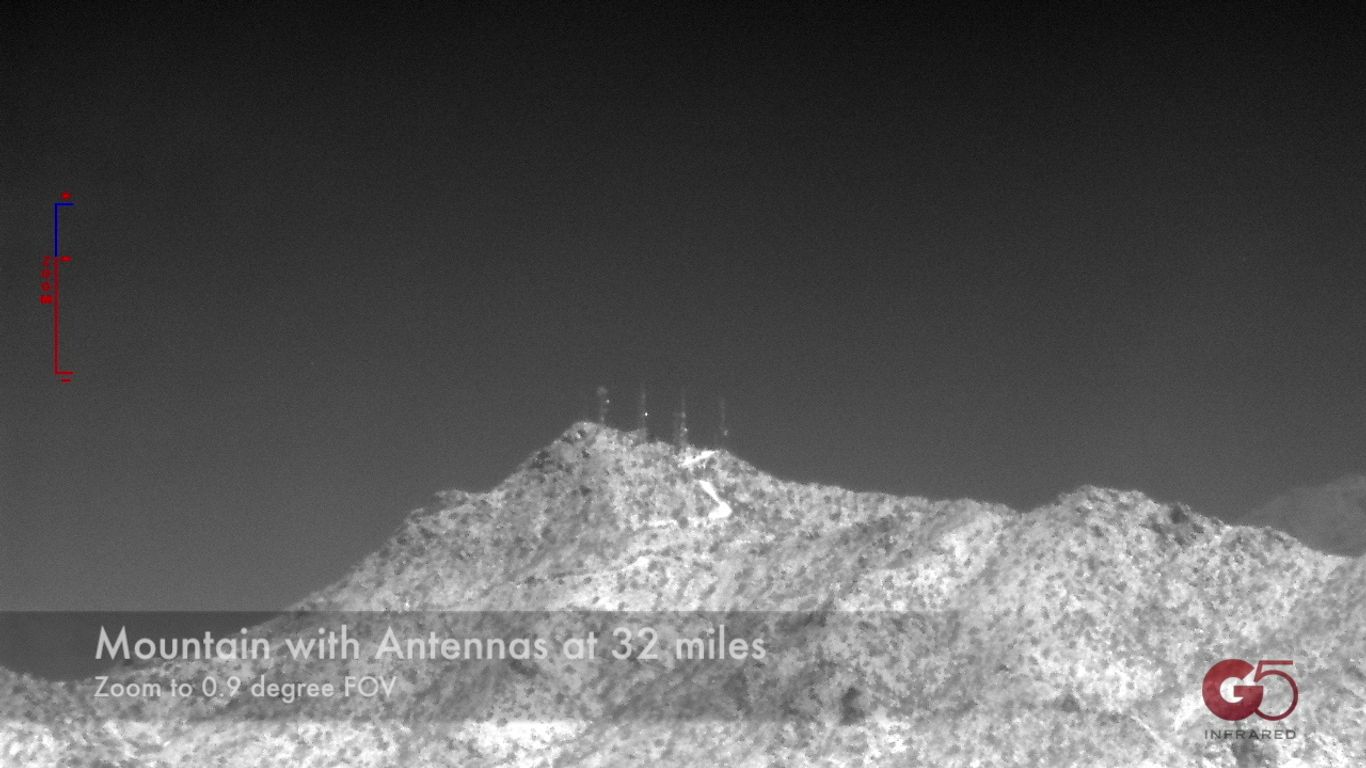
When you are selecting a thermal imaging system, understanding how it performs with different target temperatures is key. This involves looking at what kind of objects the system is best suited to detect and how sensitive it is to subtle temperature differences.
Optimal Detection of Ambient Temperature Objects
Long-wave infrared (LWIR) technology is particularly well-suited for detecting objects that are at or near ambient temperatures. This includes things like people, animals, buildings, and most operational equipment. LWIR sensors capture thermal radiation in the 8 to 14 micrometer range, which is where objects at typical terrestrial temperatures emit most of their energy. Because these systems detect emitted heat rather than reflected light, they work effectively in complete darkness, fog, or smoke. This makes them a reliable choice for many surveillance, security, and industrial monitoring tasks where identifying targets at normal operating temperatures is the primary goal. Many LWIR systems utilize uncooled microbolometer detectors, which simplifies integration and reduces maintenance compared to cooled systems. This approach provides a practical and cost-effective solution for a wide array of applications.
Sensitivity to High-Temperature Signatures
Mid-wave infrared (MWIR) technology operates in the 3 to 5 micrometer range and excels at detecting hotter objects. This spectral range aligns with the peak thermal emissions from sources significantly above ambient temperature, such as vehicle engines, exhaust plumes, or industrial furnaces. The physics behind this is that hotter objects emit more energy at shorter wavelengths, giving MWIR sensors excellent contrast when imaging these high-temperature targets against cooler backgrounds. However, MWIR systems typically require cryogenic cooling to reduce detector noise and maintain sensitivity. This adds complexity, size, weight, power consumption, and cost to the system. While MWIR offers superior sensitivity for very hot targets, it's often overkill for detecting ambient temperature objects and comes with significant system integration challenges. For applications where detecting extremely high temperatures is critical, such as monitoring metal forging or combustion processes, MWIR is the preferred choice. Some advanced systems, like the Mantis camera, can even capture both MWIR and LWIR simultaneously, offering a broad temperature detection spectrum from ambient up to 2000°C.
Trade-offs Between Sensitivity and System Complexity
The choice between MWIR and LWIR often comes down to balancing the required sensitivity with the acceptable system complexity and cost. LWIR systems, especially uncooled variants, offer a simpler, more cost-effective solution that is highly effective for detecting ambient temperature objects. They require less power, are easier to integrate, and have lower maintenance needs. For instance, uncooled LWIR systems typically have a sensitivity in the 30 to 50 millikelvin (mK) range, which is adequate for most common surveillance and monitoring tasks. On the other hand, MWIR systems, often employing cooled detectors, can achieve superior sensitivity, sometimes below 20 mK. This enhanced performance is valuable for long-range detection or identifying subtle temperature variations, but it comes at the expense of increased system complexity, higher power consumption, and a larger footprint. When evaluating thermal imaging options for your project, consider the specific temperature ranges of your targets and the environmental conditions you expect. For many applications, the performance of LWIR technology, particularly when paired with advanced optics, provides the necessary capabilities without the added burden of complex cooling systems. Understanding these trade-offs early in the design process is vital for selecting the right thermal lens integration solution. If you need assistance in determining the best technology for your specific needs, please contact us.
System Integration And Lifecycle Considerations
When you are planning to incorporate thermal imaging into your system, the practical aspects of integration and long-term operation are just as important as the core performance metrics. These considerations directly influence your development timeline, operational costs, and the overall reliability of your final product.
Cooling Requirements And System Complexity
The need for cooling significantly impacts system design. Mid-wave infrared (MWIR) systems often require cryogenic cooling to achieve their peak sensitivity. This adds considerable complexity, size, weight, and power (SWaP) demands to your platform. Uncooled long-wave infrared (LWIR) systems, on the other hand, operate at ambient temperatures. This drastically simplifies integration, reduces power consumption, and minimizes maintenance needs. For many applications focused on detecting objects at typical environmental temperatures, the simplicity of uncooled LWIR systems presents a compelling advantage.
Power Consumption And Thermal Management
Power draw is a critical factor, especially for portable or battery-operated systems. Cooled MWIR systems can consume tens of watts, necessitating robust power supplies and sophisticated thermal management solutions to dissipate the heat generated by the cooling mechanism itself. Uncooled LWIR systems are far more power-efficient, typically consuming only a few watts. This lower power requirement not only extends operational endurance but also reduces the burden on your platform's overall thermal design, making integration more straightforward.
Maintenance Needs And Total Cost Of Ownership
Lifecycle costs are a significant part of any system's total cost of ownership. Cooled systems, with their mechanical coolers and intricate components, generally require more frequent maintenance and have a shorter lifespan for those cooling units. Uncooled LWIR systems, lacking these complex mechanical parts, tend to be more reliable and require less maintenance over their operational life. This translates to lower service costs and less downtime, which can be particularly important for deployed systems where access for maintenance is limited. Choosing a technology that aligns with your maintenance strategy and budget is a prudent step in system design.
To discuss how our thermal imaging solutions can fit your specific integration and lifecycle needs, please contact us at https://www.lightpath.com/contact.
Industry-Specific Applications And Benefits
Thermal imaging puts you in a position to address a wide range of operational needs. Whether your focus is security, process monitoring, or airborne threat detection, understanding how MWIR (mid-wave infrared) and LWIR (long-wave infrared) technologies perform in practical scenarios is key to making an informed decision that benefits your organization.
Defense And Surveillance Deployments
Thermal imaging remains vital for modern defense and surveillance. MWIR and LWIR offer different strengths, so the right fit depends on your desired outcomes:
- Long-range surveillance: MWIR is preferred where extended detection range and maximum contrast for hot targets (vehicles, engines, exhaust) matter most. Cooled MWIR cameras easily spot high-temperature signatures—even at a distance.
- Ambient temperature detection: LWIR systems routinely monitor people, vehicles, and equipment at ambient temperatures, especially at entry points and borders. Many perimeter security solutions use LWIR for reliable detection without active illumination.
- All-weather use: Defense platforms often deploy both MWIR and LWIR—taking advantage of LWIR’s ability to see through smoke and MWIR’s high contrast in humid conditions.
Key considerations for your deployment:
- Is the main target hot or closer to background temperature?
- Will you operate through fog, smoke, or dust?
- Are silent, uncooled, or covert operations necessary?
Industrial Monitoring And Predictive Maintenance
Across manufacturing and infrastructure, thermal imaging helps avoid downtime and costly breakdowns. Here’s how MWIR and LWIR each serve your goals:
|
Application Area |
MWIR Strengths |
LWIR Strengths |
|---|---|---|
|
Furnace/Combustion |
Peak detection of high heat |
Not ideal except in some specialty roles |
|
Electrical/Mechanical |
Detect problems at high loads |
Ambient temperature rise, early fault finding |
|
Continuous Monitoring |
Can detect elevated temperatures |
Runs uncooled for simple, long-term use |
Advantages of LWIR in most industrial use cases:
- Provides quick alerts for overheating in motors, switchgear, or bearings.
- Supports 24/7 monitoring with low maintenance needs.
- Predicts faults before major failures occur, saving replacement costs.
MWIR fits best in specific roles (for example, glass and steel production). For broad predictive maintenance, LWIR is often preferred due to lower total cost of ownership and simpler integration.
Counter-Drone And Perimeter Security
Detecting and tracking drones—or safeguarding a facility perimeter—pushes thermal imaging to its limits. Both MWIR and LWIR play clear roles:
- Counter-drone systems may use MWIR for tracking engines on larger UAVs, but LWIR can pick up smaller, lower-temperature commercial drones based on their mild heat signatures, especially at night or in poor visibility.
- Perimeter security relies on LWIR systems for wide-area, passive detection whether it is dusk, dawn, or full darkness. LWIR penetrates many common obscurants better than visible or NIR systems.
Benefits you’ll realize with LWIR for security:
- No visible or IR light needed; undetectable surveillance.
- Steady performance even in haze, fog, or when sun glare is an issue.
- Broad coverage at lower installation and operating costs.
Choosing between MWIR and LWIR impacts everything from installation complexity to budget and ongoing support requirements. For further guidance on selecting the right solution for your application or to discuss your project needs in detail, reach out to LightPath Technologies today: Contact LightPath.
Key Differentiators For System Design
Passive Detection Versus Active Illumination
When you are designing a thermal imaging system, a primary consideration is whether to rely on passive detection or active illumination. Passive systems, which are characteristic of true thermal imaging, detect the infrared radiation naturally emitted by objects. This means they do not require any external light source, operating effectively in complete darkness. Long-wave infrared (LWIR) cameras, for instance, excel at detecting objects at ambient temperatures by sensing their emitted heat. This passive approach is vital for applications where covertness is paramount, as it does not reveal the system's presence through emitted light. In contrast, systems that use active illumination, often found in near-infrared (NIR) cameras, rely on emitting their own light (usually invisible to the human eye) and detecting the reflected radiation. While these systems can be less expensive, their active illumination can be detected by adversaries with appropriate equipment, compromising stealth. Furthermore, their performance is limited by the range and power of the illuminator and can be significantly degraded by environmental conditions that scatter light.
Environmental Resilience And All-Weather Operation
The operational environment significantly influences the choice between Mid-Wave Infrared (MWIR) and Long-Wave Infrared (LWIR) technologies. LWIR systems, operating in the 8-14 µm range, generally offer superior performance in challenging atmospheric conditions such as smoke, dust, and certain types of fog. This is because longer wavelengths are less susceptible to scattering by larger particles. MWIR systems, typically operating in the 3-5 µm range, may perform better in very humid or hazy conditions where water vapor absorption is a factor, though performance can still be variable. For applications demanding reliable operation regardless of weather, such as perimeter security or industrial monitoring in varied climates, LWIR's resilience to obscurants often makes it the preferred choice. Understanding the specific atmospheric challenges your system will face is key to selecting the technology that will maintain performance.
Covert Operation And Detectability Concerns
Covert operation is a critical design factor for many surveillance and defense applications. True thermal imaging systems, particularly those utilizing LWIR, operate passively. They detect emitted heat signatures without producing any detectable emissions themselves. This makes them inherently covert, as they do not alert targets to their presence. Systems that employ active illumination, such as near-infrared (NIR) cameras, emit light that, while invisible to the human eye, can be detected by other sensors or night vision devices. This active illumination compromises the system's stealth. For applications where maintaining a low probability of intercept and avoiding detection is essential, the passive nature of thermal imaging provides a significant advantage. You can learn more about LWIR imaging and its benefits for such applications. If your system requires the utmost discretion, passive thermal detection is the way to go. Please contact us to discuss your specific design needs at https://www.lightpath.com/contact.
When figuring out what makes a system stand out, it's important to look at its unique features. These special qualities are what set it apart from others. Think about what makes your project special and how it solves problems in a new way. Want to learn more about creating systems that shine? Visit our website to discover how we can help you build something amazing.
Conclusion
When you’re deciding between mid-wave infrared (MWIR) and long-wave infrared (LWIR) imaging, the best choice really comes down to your application and what you need your system to do. MWIR cameras are great for spotting very hot objects, like engines or industrial furnaces, and they work well in humid or maritime environments. But they’re usually more expensive, need more power, and often require cooling systems, which can make integration a bit more complicated.
LWIR cameras, on the other hand, are the go-to for most surveillance, security, and industrial monitoring tasks. They’re reliable for detecting people, vehicles, and equipment at normal temperatures, even in total darkness or through smoke and dust. Plus, they’re generally easier to set up, need less maintenance, and cost less over the long run.
So, as you plan your next project—whether it’s for defense, industrial safety, or perimeter security—think about the temperatures you’ll be monitoring, the environmental conditions, and how much complexity you can handle in your system. There’s no one-size-fits-all answer, but knowing the strengths and trade-offs of MWIR and LWIR will help you pick the right tool for the job. If you’re still unsure, working with a partner who understands both technologies can make the process a lot smoother.
Frequently Asked Questions
What exactly are LWIR and MWIR, and how do they differ?
Think of infrared light like different colors you can't see. LWIR, or Long-Wave Infrared, deals with longer wavelengths, roughly from 8 to 14 micrometers. MWIR, or Mid-Wave Infrared, uses shorter wavelengths, typically from 3 to 5 micrometers. This difference matters because objects at normal temperatures, like people or buildings, give off most of their heat in the LWIR range. Hotter things, like engines or furnaces, tend to peak in the MWIR range. So, LWIR is great for spotting everyday objects, while MWIR is better for very hot targets.
Why is LWIR often preferred for general surveillance and monitoring?
LWIR is like the workhorse for many common tasks. It's excellent at detecting objects at normal, or ambient, temperatures without needing any extra light, even in total darkness. Plus, LWIR can see through things like smoke, fog, and haze better than MWIR in many situations. This makes it a reliable choice for security cameras, industrial monitoring, and spotting people or vehicles in various weather conditions, all without needing complex cooling systems that MWIR often requires.
When would you choose MWIR over LWIR for your imaging system?
You'd likely pick MWIR when your main goal is to spot very hot objects or when you need the absolute best performance over long distances in specific conditions, especially if it's humid. MWIR is particularly good at seeing the heat from things like vehicle engines, exhaust fumes, or industrial furnaces. However, remember that MWIR systems usually need special cooling, which makes them more complicated, bigger, and more expensive than typical LWIR setups.
How do weather conditions affect LWIR and MWIR imaging?
Weather can be tricky! LWIR generally does a good job of seeing through fog, smoke, and dust because its longer wavelengths are less bothered by these particles. MWIR can sometimes perform better in very humid conditions where water vapor might interfere more with LWIR. But, for clear days, both work very well. The best choice often depends on the specific type of weather you expect to encounter most often.
Are LWIR cameras difficult to set up and maintain?
One of the biggest advantages of many LWIR cameras is that they don't need special cooling. These are called 'uncooled' systems. Because they work at room temperature, they are much simpler to integrate into your equipment, use less power, and require far less maintenance than cooled MWIR cameras. This often means a lower overall cost and a smoother setup process for you.
Can LWIR cameras see in complete darkness?
Absolutely! Thermal cameras, especially those using LWIR, detect heat that objects naturally give off. Since everything above freezing point emits heat, LWIR cameras can see perfectly well in total darkness, through smoke, or even when something is hidden by camouflage, because they aren't relying on visible light at all. They see the heat signature, not reflected light.