
When you're looking into thermal cameras for your projects, especially those that might cross borders, you'll run into ITAR. This set of rules from the U.S. government controls what kind of technology can be sent out of the country. Thermal cameras, because of their imaging capabilities, often fall under these rules. This guide is here to help you understand what ITAR means for your thermal camera choices and how to make sure you're following the regulations, so you can avoid any headaches later on.
Key Takeaways
- Understanding ITAR regulations is vital for any thermal camera system that might be exported, as it dictates restrictions on resolution, frame rate, and other technical aspects.
- You need to pay close attention to the specific technical details of a thermal camera, like its resolution, frame rate, and NETD, to determine if it falls under ITAR controls.
- When choosing a thermal camera, think about how you plan to use it. Some applications might need higher specs, but often, a slightly less advanced camera can still do the job while being easier to comply with ITAR.
- Working with manufacturers who understand ITAR compliance is important. They can help you navigate the rules, ensure your supply chain is secure, and provide the right documentation.
- Even with ITAR in mind, you can still find advanced features in compliant thermal cameras, such as better image quality and tougher construction, to meet your operational needs.
Understanding ITAR Regulations for Thermal Cameras
When you're developing or deploying thermal imaging systems, especially for applications that might involve international collaboration or sales, understanding export control regulations is not just a formality – it's a necessity. The International Traffic in Arms Regulations (ITAR) is a U.S. government regulation that governs the export and import of defense-related articles and services. For thermal cameras, certain technical capabilities can place them under ITAR jurisdiction, significantly impacting how they can be shared or sold globally.
Export Restrictions on Thermal Imaging Capabilities
ITAR places specific restrictions on items that are considered defense articles. For thermal cameras, these restrictions often hinge on performance parameters. If a thermal camera's resolution, frame rate, or sensitivity (measured by Noise Equivalent Temperature Difference or NETD) exceeds certain thresholds, it may be classified as a defense article. This classification means that exporting such a camera, or even sharing technical data about it, requires specific authorization from the U.S. Department of State. This can complicate international partnerships and sales, as compliance adds significant overhead and potential delays. It's important to be aware that even components within a larger system can trigger ITAR requirements. You can find more information on export control regulations to help clarify these implications.
Impact of Resolution and Frame Rate Limitations
The technical specifications of a thermal camera directly influence its compliance status. For instance, systems with very high resolutions (e.g., exceeding 640x512 pixels) or high frame rates (e.g., above 9 Hz) are more likely to fall under ITAR. While these specifications offer superior performance for certain demanding applications, they also introduce export control challenges. It's common for organizations to over-specify performance without a clear need, inadvertently selecting components that complicate international deployment. Carefully evaluating your actual operational requirements against these specifications can help you avoid unnecessary regulatory burdens. For many applications, a system with moderate resolution and frame rate can still provide excellent results while remaining outside of strict export controls. Understanding the nuances of Long-Wave Infrared (LWIR) thermal camera technology can help in making informed decisions about these specifications.
Strategic Planning for International Deployments
If your project involves international customers, partners, or deployments, ITAR compliance must be a consideration from the earliest stages of planning. Retrofitting a system to meet export requirements after development is complete can be prohibitively expensive and time-consuming. Proactive planning involves:
- Early Assessment: Determine if your intended thermal camera specifications are likely to trigger ITAR or other export controls.
- Requirement Analysis: Differentiate between
Key Technical Specifications for ITAR-Compliant Thermal Cameras
When selecting thermal cameras for applications subject to ITAR regulations, understanding specific technical parameters is vital. These specifications directly influence a system's classification and its eligibility for export. Focusing on these key areas helps ensure compliance while still meeting operational needs.
Resolution and Pixel Density Requirements
The resolution of a thermal camera, measured in pixels (e.g., 320x240, 640x480), dictates the level of detail captured. Higher resolutions provide more granular thermal data, allowing for better target identification at greater distances. However, for ITAR compliance, exceeding certain resolution thresholds can trigger export controls. Generally, resolutions up to 640x480 pixels are often considered for less restricted commercial applications, while higher resolutions may fall under stricter regulations. It's important to assess if your operational requirements truly necessitate the highest resolutions, as a slightly lower, compliant resolution might suffice for many tasks.
Frame Rate Considerations for Operational Needs
Frame rate, the number of images a camera captures per second (measured in Hertz, Hz), is critical for applications involving motion. Higher frame rates provide smoother video, which is beneficial for tracking fast-moving objects or during rapid platform maneuvers. However, similar to resolution, exceeding specific frame rates, often around 9 Hz or 30 Hz depending on the specific capability, can place a thermal camera system under ITAR restrictions. You must balance the need for real-time situational awareness with these regulatory limits. For instance, static surveillance or infrastructure inspection might perform adequately with lower frame rates, whereas dynamic tracking scenarios demand higher performance, potentially requiring a more complex compliance pathway.
Noise Equivalent Temperature Difference (NETD) Thresholds
NETD quantifies a thermal camera's sensitivity – its ability to detect very small temperature differences. A lower NETD value indicates superior sensitivity, allowing the camera to discern subtle thermal variations. While high sensitivity is desirable for detecting faint heat signatures, extremely low NETD values (e.g., below 50mK) can also be subject to export controls under ITAR. You should evaluate the minimum NETD required for your specific application. For many tasks, such as general surveillance or basic equipment monitoring, a camera with an NETD of 40mK or 50mK may provide sufficient detail without triggering the most stringent export restrictions. Partnering with a manufacturer can help clarify these thresholds and find a balance between sensitivity and compliance. If you need to discuss specific requirements, consider reaching out to thermal imaging specialists.
Application-Specific Compliance Strategies
When you're looking at thermal cameras for specific jobs, ITAR compliance can get complicated fast. It's not just about picking the highest resolution; you have to think about what the camera actually needs to do and how that fits with export rules.
Balancing Performance and Compliance in Drone Systems
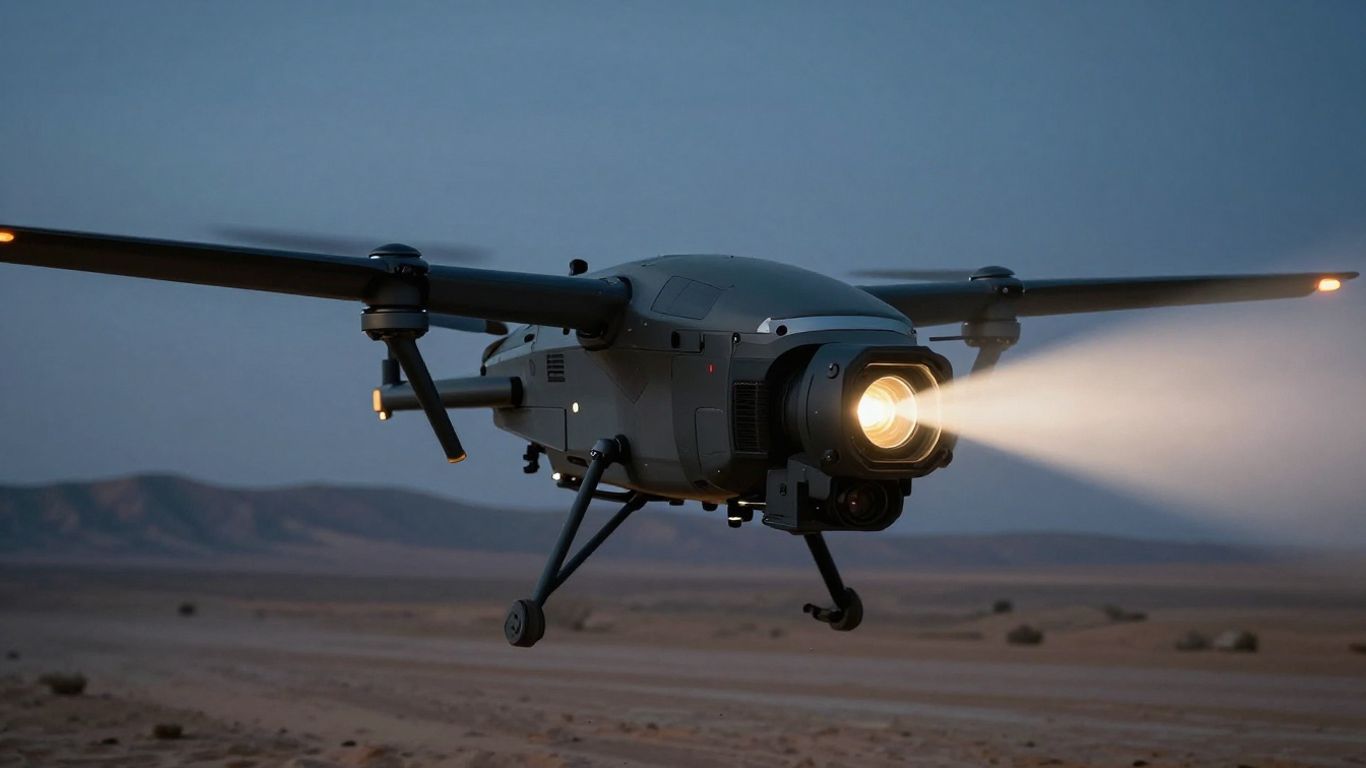
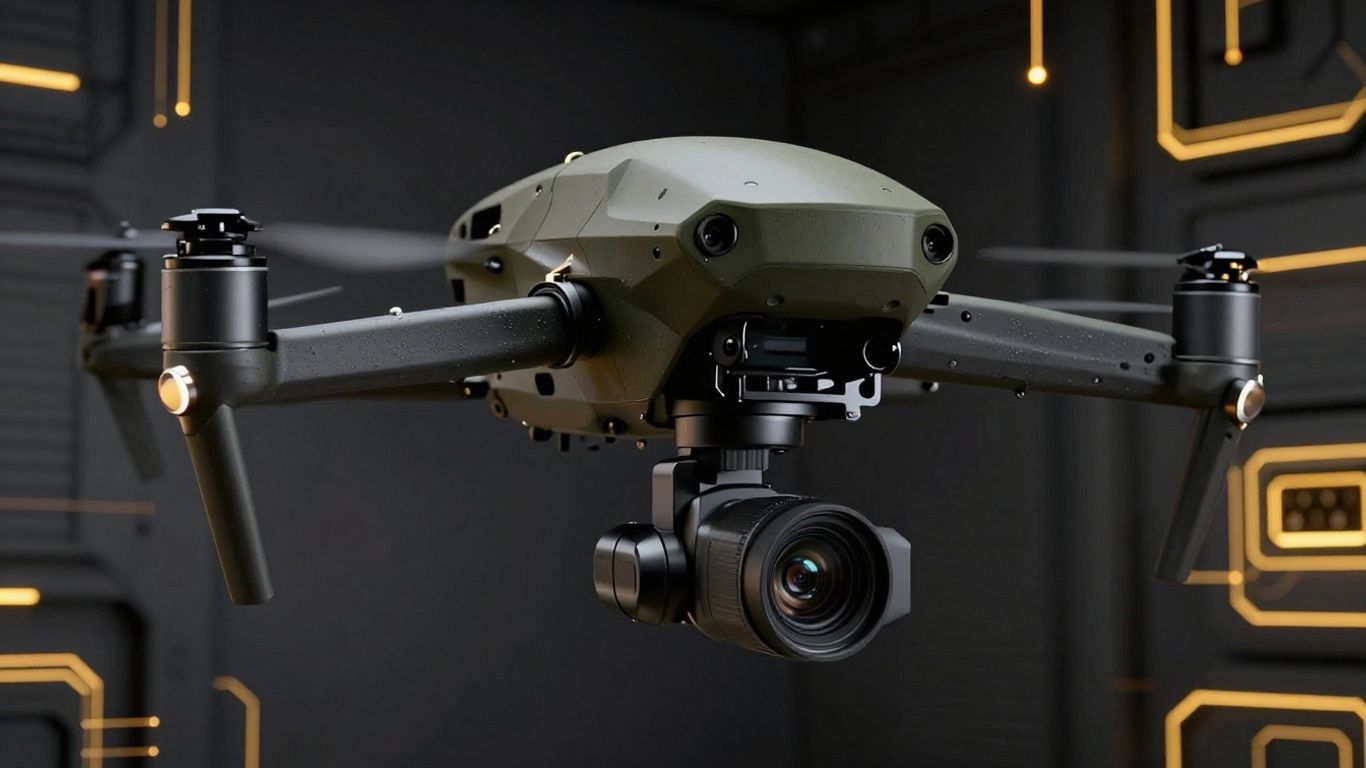
For drone systems, especially in defense and security, the balance between what's technically possible and what you're allowed to export is key. Regulations often limit resolution and frame rates. For instance, systems exceeding 640x512 resolution or operating above 9 Hz can face export controls. This means you might need to design your system with these limitations in mind from the start, rather than finding out later that your chosen camera can't be used internationally. It's about making sure the drone's mission objectives can be met within the regulatory framework. Sometimes, a slightly lower resolution or frame rate camera, which has fewer restrictions, can still perform the required tasks effectively, like surveillance missions requiring thermal imaging capabilities.
Optimizing Thermal Cameras for Search and Rescue
Search and rescue operations often have different needs than tactical surveillance. While high-end performance is always good, the primary goal is detection and identification in challenging conditions. Many search and rescue scenarios can be accomplished with thermal cameras that have resolutions like 320x240 and frame rates around 30 Hz. These specifications typically fall outside the strictest ITAR controls, making international deployment or sales much simpler. The focus here is on reliable detection of heat signatures, often in wide areas, rather than high-speed tracking. Planning for these applications means understanding that you might not need the most restricted technology to achieve mission success.
Surveillance and Inspection with Compliant Thermal Imaging
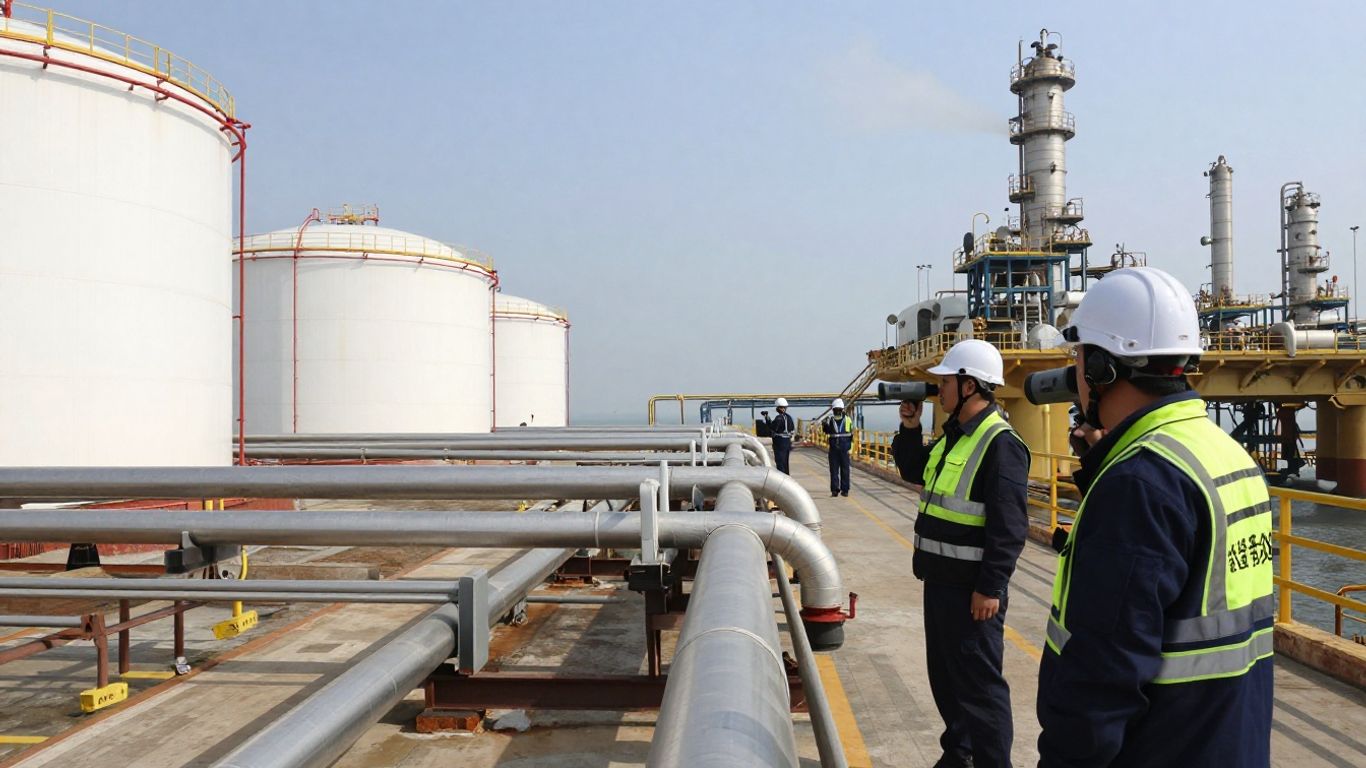
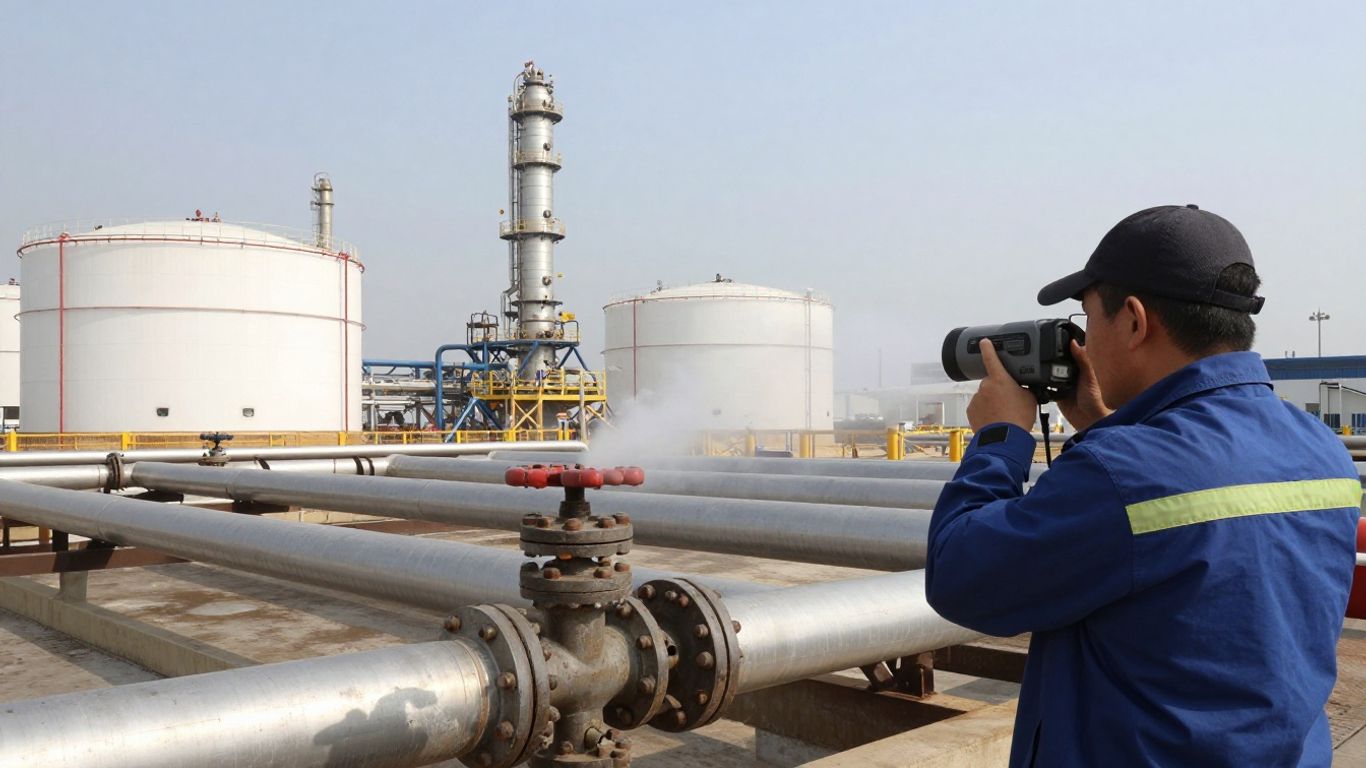
For general surveillance or industrial inspection tasks, compliance often means selecting cameras that meet specific performance thresholds without exceeding them unnecessarily. For example, inspecting infrastructure like power lines or pipelines might not require the absolute highest frame rates. You can often achieve effective monitoring with systems that are less restricted. It's important to assess the actual operational requirements:
- Detection Range: What is the furthest distance you need to reliably detect a heat anomaly?
- Target Size: How small are the targets you need to identify?
- Environmental Conditions: Will the camera be used in fog, smoke, or other obscurants?
By answering these questions, you can often specify a camera that meets ITAR requirements while still providing the necessary performance for your application. Working with manufacturers who understand these nuances can help you find the right balance. If you need help determining the best solution for your specific needs, consider reaching out to experts who can guide you through the process. Contact us to discuss your project.
Selecting ITAR-Compliant Thermal Camera Manufacturers
Choosing the right manufacturer for your ITAR-compliant thermal camera is a decision that carries significant weight. It's not just about acquiring a piece of hardware; it's about securing a reliable partner who understands the complexities of export regulations and can provide technology that meets stringent requirements. When you're looking for these specialized cameras, you need to look beyond just the technical specifications and consider the company behind the product.
Evaluating Supply Chain Security and Traceability
When you're selecting a manufacturer, it's important to ask about their supply chain. Where do their components come from? Can they trace the origin of critical parts? For ITAR compliance, knowing the provenance of every piece is vital. A manufacturer with a transparent and secure supply chain can offer greater assurance that your cameras will meet all regulatory demands. This traceability is not just a bureaucratic hurdle; it's a safeguard against potential disruptions and compliance issues down the line. Look for companies that can demonstrate robust processes for managing their suppliers and ensuring the integrity of their components. This often involves domestic sourcing for key elements, which can also provide a buffer against international trade uncertainties. For instance, some US-based manufacturers focus on domestic innovation and production to support secure development within the United States [3a68].
Importance of Manufacturing Provenance
The origin of manufacturing, or provenance, plays a critical role, especially in defense and aerospace applications. Systems built with secure supply chains and domestic manufacturing provide OEMs with confidence that component availability will not jeopardize program timelines or introduce national security risks. It's about more than just where a camera is assembled; it's about the entire ecosystem that supports its creation. A manufacturer with a strong domestic presence and a commitment to controlling their manufacturing processes can offer a level of reliability that is hard to match. This can translate into faster customization, better quality control, and a more predictable supply of critical components. Understanding where and how your thermal camera is made is as important as understanding its technical capabilities.
Partnering for Custom Thermal System Development
Sometimes, off-the-shelf solutions just won't cut it. For highly specialized applications, you might need a custom-developed thermal system. Partnering with a manufacturer that offers custom development means they can tailor a solution precisely to your platform's needs. This could involve specific mechanical interfaces, unique electrical connections, or specialized optical designs. Customization can optimize performance, reduce size, weight, and power (SWaP), and ensure seamless integration. When considering custom development, look for manufacturers who have a deep understanding of thermal imaging technology and a proven track record of engineering solutions for demanding environments. They should be able to guide you through the process, from initial concept to final production, ensuring that the end product not only meets your performance requirements but also adheres to all necessary compliance standards. This collaborative approach can lead to significant competitive advantages and protect your intellectual property. If you're exploring options for specialized thermal imaging solutions, reaching out to experts can help clarify your path forward at https://www.lightpath.com/contact.
Advanced Features in Compliant Thermal Imaging
High-Resolution Imaging for Enhanced Detection
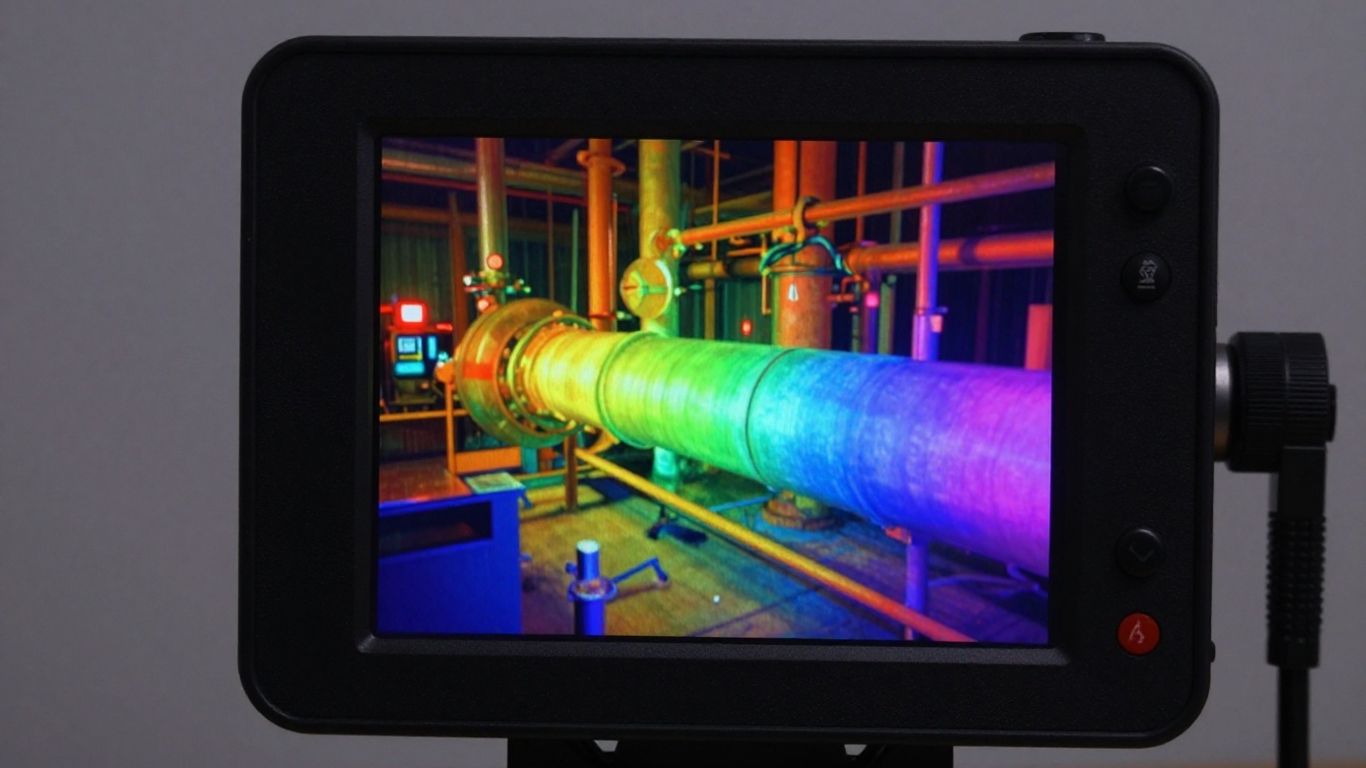
When you need to spot subtle heat signatures from a distance, high-resolution imaging is key. Professional-grade thermal cameras use advanced microbolometer arrays with many individual sensors. These sensors convert thermal energy into electrical signals, which are then processed to create detailed temperature maps. Higher pixel density means more detailed images, allowing you to detect smaller temperature differences across larger areas. This is particularly important for applications like long-range target acquisition or perimeter monitoring where detecting faint thermal signatures at maximum standoff distances is critical. For instance, systems with resolutions like 640x512 pixels provide the detail needed for such demanding tasks. This advanced sensor technology is designed for superior detection capabilities.
Extended Temperature Range Capabilities
Many applications require measuring temperatures far beyond what standard consumer cameras can handle. Industrial commercial thermal camera systems often need to measure temperatures from cryogenic levels up to over 1000°C. This extended capability is vital for tasks like monitoring industrial furnaces, inspecting electrical systems, and testing aerospace components where extreme temperatures are common. You need systems engineered to function reliably across a wide spectrum, from Arctic conditions below -40°C to industrial environments exceeding 1500°C. This ensures consistent performance regardless of the operational environment.
Rugged Construction for Demanding Environments
Defense and industrial settings demand durability that consumer electronics simply cannot provide. Professional thermal camera systems feature ruggedized construction with high ingress protection ratings to shield against dust, moisture, and physical impact. These systems undergo extensive environmental testing to guarantee reliable operation in extreme temperatures, high humidity, and vibration-prone environments. Look for systems that meet MIL-STD specifications for defense applications or appropriate industrial ratings for commercial deployments. This robust design is essential for equipment that could face harsh conditions, ensuring it operates when you need it most. Partnering with manufacturers who understand these demands is key to selecting the right equipment. Learn more about rugged thermal solutions. If you require thermal imaging solutions tailored to your specific operational needs, please reach out to us at https://www.lightpath.com/contact.
Integration and Operational Considerations
Integrating thermal cameras into your systems requires careful thought about how they will function and interact with their environment and other components. It's not just about plugging them in; you need to consider the data they produce, how they connect, and how they will perform under real-world conditions.
Flexible Integration Interfaces for Platform Compatibility
Modern thermal cameras are designed with integration in mind, offering a variety of interfaces to connect with different platforms. You'll find options like GigE Vision, USB3, and Camera Link, which allow for straightforward data transfer. Some systems also support custom protocols, giving you more control over how the camera communicates with your specific hardware. This flexibility means you can choose an integration approach that best fits your platform's architecture and your development schedule. Whether you need raw thermal data for processing on your platform or prefer cameras with built-in processing capabilities, the right interface makes a significant difference.
Intelligent Analytics and Real-Time Processing
Thermal cameras generate a lot of data, and processing it quickly is often key to their usefulness. Many systems now include intelligent analytics and real-time processing capabilities. This can range from simple image enhancement algorithms to more complex functions like radiometric temperature measurement. Edge computing is becoming more common, where initial data processing happens directly on the camera or a nearby device. This reduces the load on your main system and speeds up response times, which is particularly important for applications like surveillance or industrial monitoring where immediate action might be needed. When selecting a system, consider what level of onboard processing will best serve your operational needs.
Ensuring Consistent Performance in Harsh Conditions
Thermal cameras need to work reliably, even when things get tough. This means looking at how they are built and tested. Military-grade rugged construction is important for applications facing vibration, shock, dust, and extreme temperatures. You'll want to check for high ingress protection ratings (like IP ratings) and compliance with standards such as MIL-STD if your application demands it. Environmental testing is also a good indicator of a camera's resilience. For example, cameras designed for harsh environments must withstand conditions that would quickly disable less robust equipment. Proper planning for these conditions from the outset will prevent costly failures and ensure your thermal imaging system performs as expected, no matter the operational setting.
For assistance in selecting and integrating ITAR-compliant thermal camera solutions, please reach out to us at https://www.lightpath.com/contact.
Thinking about how to put our technology to work for you? We can help you figure out the best way to get started. Visit our website to learn more about how we can help you succeed.
Final Thoughts on ITAR Compliance and Thermal Cameras
So, you've looked into ITAR and how it affects thermal cameras. It's a lot to take in, right? We've covered why these rules exist and what they mean for things like resolution and frame rates. Remember, ignoring these rules can cause big problems down the line, especially if you plan to sell your products overseas or work with international partners. It's way better to think about ITAR from the start, when you're designing your system, rather than finding out later that your chosen camera specs are a no-go. By understanding the rules and picking the right thermal camera for your specific job, you can avoid costly mistakes and keep your projects moving forward smoothly. It’s all about being smart and prepared.
Frequently Asked Questions
What are ITAR rules for thermal cameras?
ITAR is a set of U.S. rules that control the export of certain defense-related items. For thermal cameras, this means that cameras with specific features, like very high resolution or fast frame rates, can't be sent out of the U.S. without special permission. It's like having special permission slips for advanced technology.
How does camera resolution affect ITAR compliance?
The number of pixels in a thermal camera, known as its resolution, is a key factor. If a camera has too many pixels (e.g., more than 640x512), it might be subject to ITAR restrictions. This means you need to check the camera's specs to see if it falls under these rules, especially if you plan to use it internationally.
Are there limits on how fast a thermal camera can capture images?
Yes, there are. The speed at which a camera captures images, called the frame rate, can also trigger ITAR rules. If a camera captures images faster than a certain speed (like above 9 Hz), it might be controlled. This is important for applications needing to track fast-moving objects.
What is NETD and why does it matter for ITAR?
NETD stands for Noise Equivalent Temperature Difference. It's a measure of how well a camera can detect tiny differences in temperature. If a camera is extremely good at spotting very small temperature changes (a low NETD value), it might also fall under ITAR rules. Think of it as a camera's sensitivity level.
How can I ensure my thermal camera system is ITAR-compliant?
To make sure your system follows the rules, you should carefully check the technical specifications of the camera, such as its resolution and frame rate. It's also wise to understand the specific ITAR regulations that apply to thermal imaging technology and consult with experts or the manufacturer if you're unsure.
What happens if a thermal camera is not ITAR-compliant for export?
If a thermal camera isn't ITAR-compliant and you try to export it without the proper authorization, you could face serious legal trouble. This could include fines or other penalties. It's essential to know the rules before you plan to send any ITAR-controlled items, including certain thermal cameras, outside the United States.