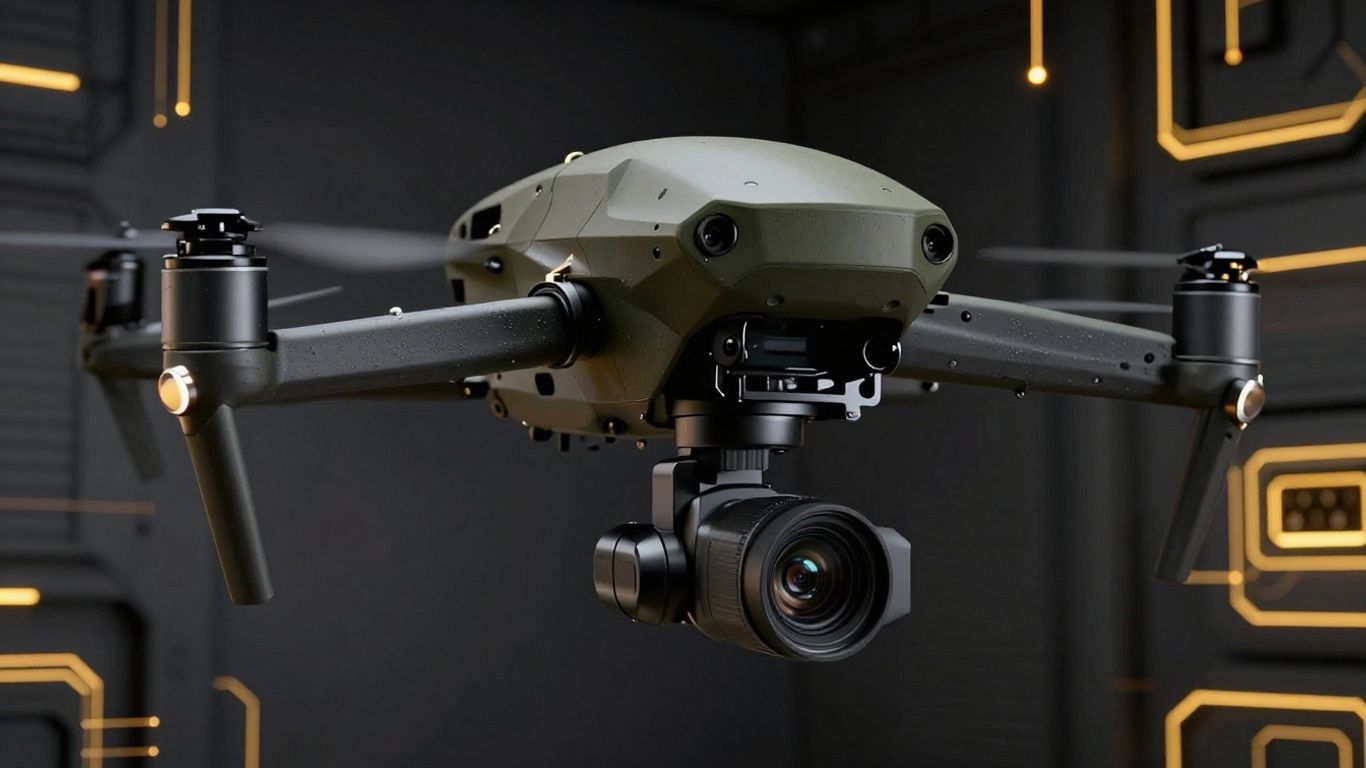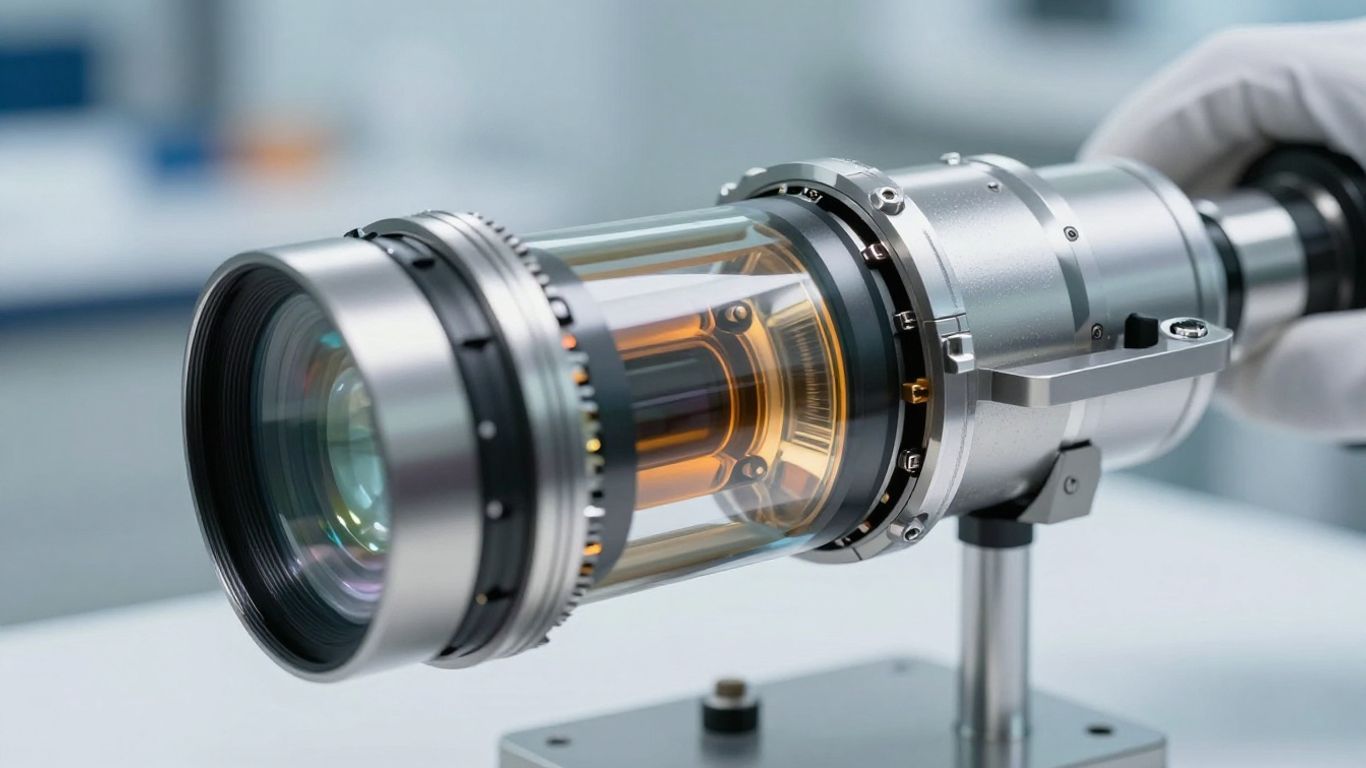

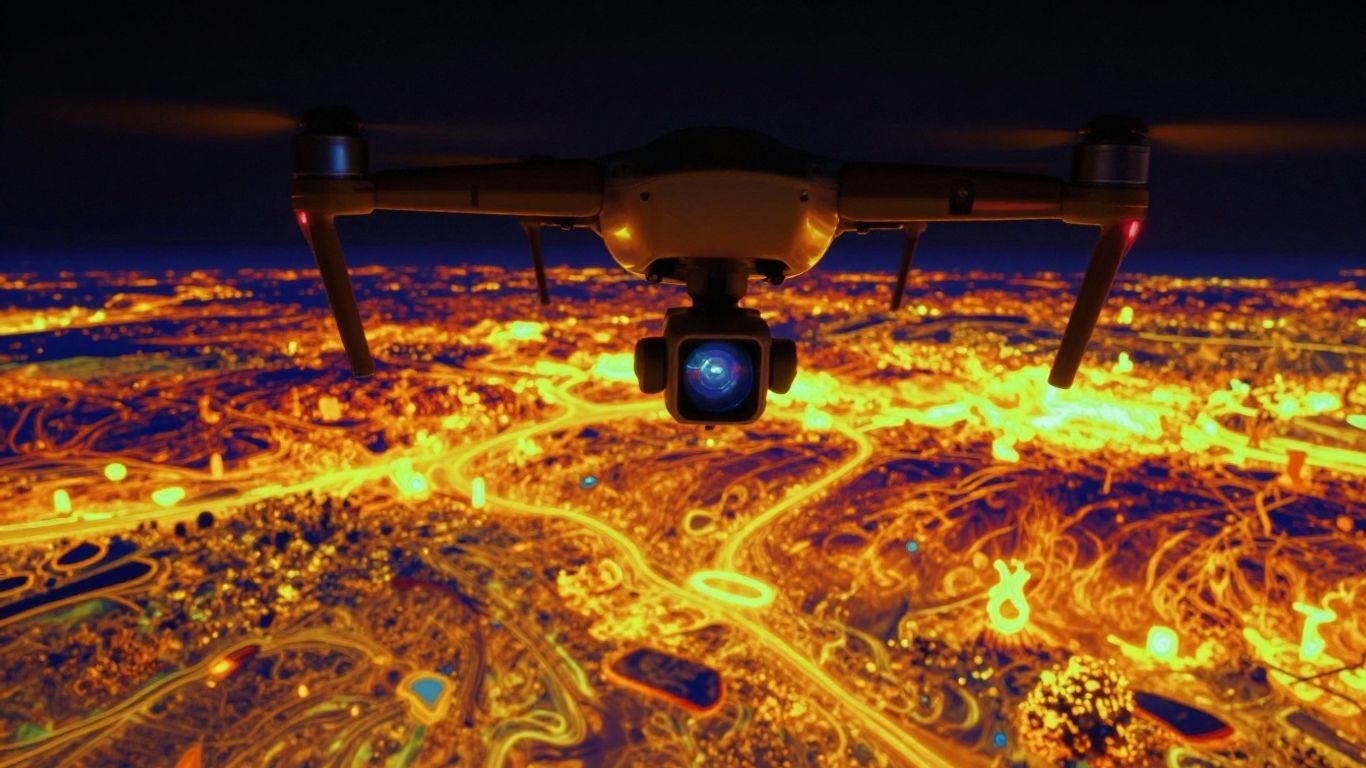
You're looking into how infrared drone cameras work, and it's a pretty interesting topic. These cameras aren't like the ones on your phone; they see heat instead of light. This lets them do some pretty amazing things, from finding lost people in the dark to checking on buildings. Let's break down what makes these special cameras tick and why they're becoming so important.
Key Takeaways
- An infrared drone camera works by detecting heat radiated from objects, translating this into a visual image that shows temperature differences.
- The system includes specialized sensors that capture infrared energy, lenses to focus it, and electronics to process the data into an image.
- Performance is measured by factors like resolution, thermal sensitivity (NETD), and field of view, which influence detection capability and image detail.
- Cooled thermal detectors offer higher sensitivity for long-range detection, while uncooled systems are lighter, cheaper, and better for general use.
- Integrating an infrared drone camera involves considering size, weight, power needs, and how it affects the drone's flight time and overall capability.
Understanding Infrared Drone Camera Technology
The Principles of Thermal Radiation Detection
Infrared (IR) drone cameras operate by detecting thermal radiation, which is emitted by all objects with a temperature above absolute zero. This radiation falls within a specific spectrum of light invisible to the human eye. The core principle is that warmer objects emit more infrared radiation than cooler ones. An IR camera system focuses this emitted energy onto a specialized sensor array. This array contains numerous individual detector pixels, each designed to convert the incoming thermal radiation into an electrical signal. The intensity of this signal corresponds directly to the amount of radiation detected, and thus, the temperature of the object. This allows drones to "see" heat signatures, providing a visual representation of temperature differences in the environment. This capability is distinct from visible light cameras, which rely on reflected light and require ambient illumination. For instance, IR cameras on drones can display obstacles, offering pilots enhanced context and improved mission safety.
How Infrared Energy Translates to Visual Images
Once the infrared energy is captured by the sensor array and converted into electrical signals, sophisticated processing electronics take over. These electronics analyze the signals from each pixel, assigning a temperature value to it. This data is then used to construct a visual image. Typically, warmer areas are depicted using lighter colors or shades of gray, while cooler areas appear darker. However, these color palettes are often customizable by the operator to best suit the specific application or environmental conditions. This process transforms invisible heat patterns into a viewable format, enabling detailed analysis of thermal data. The ability to convert this radiation into a visual format is what allows the drone to "see" heat signatures, a technology with diverse applications, from industrial inspections to search and rescue operations.
Distinguishing Between Thermal and Near-Infrared Systems
It is important to differentiate between true thermal imaging systems and near-infrared (NIR) systems. True thermal cameras operate in the long-wave infrared (LWIR) spectrum, typically between 8-14 micrometers, or mid-wave infrared (MWIR) at 3-5 micrometers. These systems detect heat emitted by objects based on their temperature, allowing for passive detection even in complete darkness. NIR systems, on the other hand, operate at shorter wavelengths (0.7-2.5 micrometers) and function more like visible light cameras. They detect reflected light and require an active illumination source, meaning they cannot see in total darkness and their performance can be affected by environmental conditions that scatter light. Understanding this distinction is vital, as NIR systems are not suitable for applications requiring heat detection in the absence of light. This difference also impacts export classifications, with LWIR and MWIR systems treated differently from NIR systems under regulations like ITAR and EAR.
Key Components of an Infrared Drone Camera System
Integrating an infrared camera onto a drone platform involves more than just selecting a sensor. The entire system, from the optics to the processing electronics, must work in concert to deliver actionable thermal data. Understanding these core components is vital for selecting a system that meets your specific mission needs.
Infrared Sensor Arrays and Detector Types
The heart of any thermal camera is its sensor array, which captures the infrared energy. These arrays are typically made up of numerous individual detector elements, often referred to as pixels. The type of detector used significantly impacts the camera's performance, size, weight, and cost. The two primary architectures are:
- Uncooled Microbolometers: These are the most common type for drone applications due to their compact size, lower power consumption, and affordability. They operate at ambient temperatures and do not require cryogenic cooling. While they offer excellent performance for many tasks, they generally have lower sensitivity and slower response times compared to cooled systems.
- Cooled Detectors: These systems employ cryogenic cooling to bring the detector elements to very low temperatures. This drastically reduces internal noise, allowing for superior thermal sensitivity and faster response times. Cooled cameras are typically larger, heavier, and consume more power, making them suitable for platforms where these factors are less critical and maximum performance is paramount.
The Role of Optical Design and Lens Selection
While the sensor captures the infrared energy, the optics are responsible for collecting and focusing that energy onto the sensor. The design and quality of the lens are just as important as the sensor itself for achieving optimal image quality and detection range. Key considerations include:
- Field of View (FOV): Lenses are designed with different focal lengths, which determine the camera's FOV. A wide FOV captures a larger area, useful for general surveillance or broad searches. A narrow FOV, achieved with a longer focal length lens, provides a more magnified view, allowing for detection of smaller objects at greater distances. This is a critical trade-off to consider based on your mission requirements.
- Material Quality: Lenses for thermal cameras are typically made from materials like Germanium, which are transparent to long-wave infrared (LWIR) radiation. The quality of the material and the precision of its grinding and coating directly affect image clarity, transmission efficiency, and the reduction of optical aberrations.
- Aperture (f-number): Similar to visible light cameras, the aperture of the lens (expressed as an f-number) influences how much light the lens can gather. A lower f-number (e.g., f/1.0) indicates a wider aperture, allowing more infrared energy to reach the sensor. This generally leads to better thermal sensitivity and performance in low-light or challenging conditions.
Processing Electronics and Image Generation
Once the infrared energy is captured and focused by the optics onto the sensor array, the raw electrical signals must be processed to create a viewable image. This is where the camera's internal electronics come into play.
- Signal Amplification and Digitization: The weak electrical signals from each detector element are amplified and then converted into digital data. The quality of this amplification and digitization process directly impacts the signal-to-noise ratio of the final image.
- Image Processing Algorithms: Sophisticated algorithms are employed to correct for sensor non-uniformities, improve contrast, reduce noise, and enhance details. These algorithms can also be used to apply false color palettes, allowing operators to visualize temperature differences more effectively. The ability to customize these palettes is often a key feature for different applications.
- Radiometric Capabilities: Many professional thermal cameras offer radiometric capabilities, meaning they can measure the precise temperature of each pixel in the image. This is crucial for applications like industrial inspection or scientific research where accurate temperature data is required, not just a visual representation of heat. Understanding the system builder's needs for integration is key here.
By understanding these core components, you can better evaluate and select an infrared drone camera system that aligns with your operational objectives. If you need assistance in specifying or integrating such systems, please contact us.
Evaluating Performance Metrics for Thermal Drone Cameras
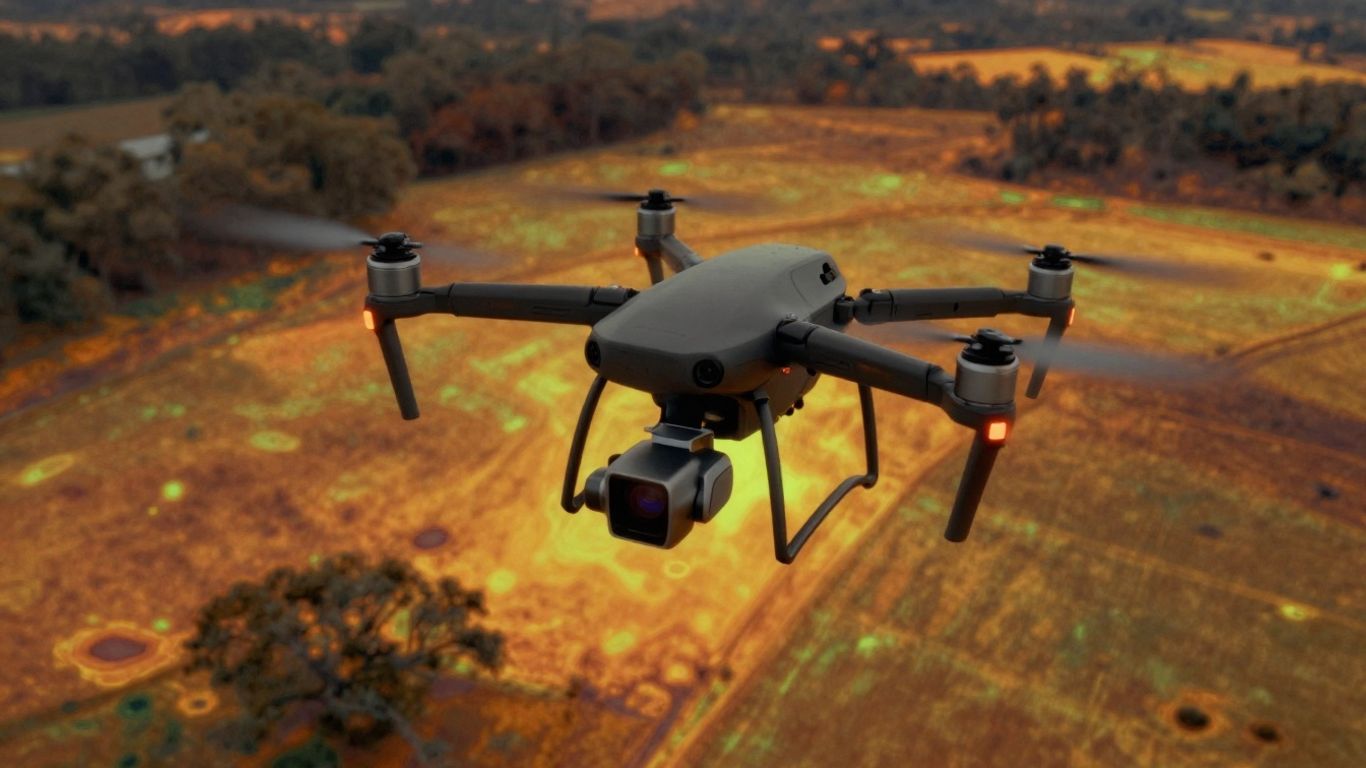
When selecting a thermal camera for drone integration, it's easy to get lost in a sea of specifications. However, not all metrics carry equal weight for mission success. Understanding the nuances of resolution, sensitivity, and field of view is key to making an informed decision that aligns with your operational needs. Simply comparing pixel counts or advertised sensitivity values without considering the complete system can lead to suboptimal performance or costly mistakes.
Resolution Versus Detection Capability
It's a common misconception that higher resolution directly equates to better detection. While more pixels can provide greater detail, the actual detection capability is a complex interplay between sensor resolution and the camera's optical design. A drone equipped with a lower-resolution thermal camera paired with a wide field-of-view lens might cover a larger area more effectively for initial detection than a higher-resolution camera with a narrow lens. Conversely, higher resolution becomes more important for positive identification once a target has been detected. Therefore, consider if your application requires broad area coverage for initial sweeps or detailed identification at closer ranges. Sometimes, a dual-camera system or a camera with zoom capabilities can offer the best of both worlds, though this often comes with increased complexity and payload requirements.
Thermal Sensitivity and Noise Equivalent Temperature Difference (NETD)
Thermal sensitivity, often expressed as Noise Equivalent Temperature Difference (NETD), quantifies the smallest temperature difference a camera can detect. A lower NETD value indicates a more sensitive camera, capable of discerning subtle temperature variations. However, the NETD specification provided by manufacturers is often based on ideal conditions, including the camera's lens. The actual NETD in a deployed system can be higher due to the specific lens used, its aperture (f-number), and other optical factors. It is important to request complete system NETD specifications, including the lens details, to understand real-world performance. For applications like search and rescue, where detecting faint heat signatures is critical, a lower NETD is paramount. You can find more information on thermal imaging systems for search and rescue operations.
Instantaneous Field of View (IFOV) Considerations
The Instantaneous Field of View (IFOV) is a critical metric that describes the angular size of the smallest object that a single pixel can detect. It is determined by both the sensor's resolution and the lens's focal length. A smaller IFOV means a single pixel covers a smaller area on the ground, leading to greater detail and potentially longer detection ranges. However, a smaller IFOV also means a narrower field of view, requiring more time to scan the same area. Balancing IFOV with the overall field of view is essential for mission planning. For instance, detailed inspections of infrastructure might benefit from a smaller IFOV to capture fine details, while wide-area surveillance might prioritize a larger field of view, even if it means a larger IFOV per pixel. Understanding these trade-offs helps in selecting a system that meets your specific thermal drone data capture requirements. For further inquiries into system integration and performance, please reach out to us at https://www.lightpath.com/contact.
Cooled Versus Uncooled Thermal Detector Architectures
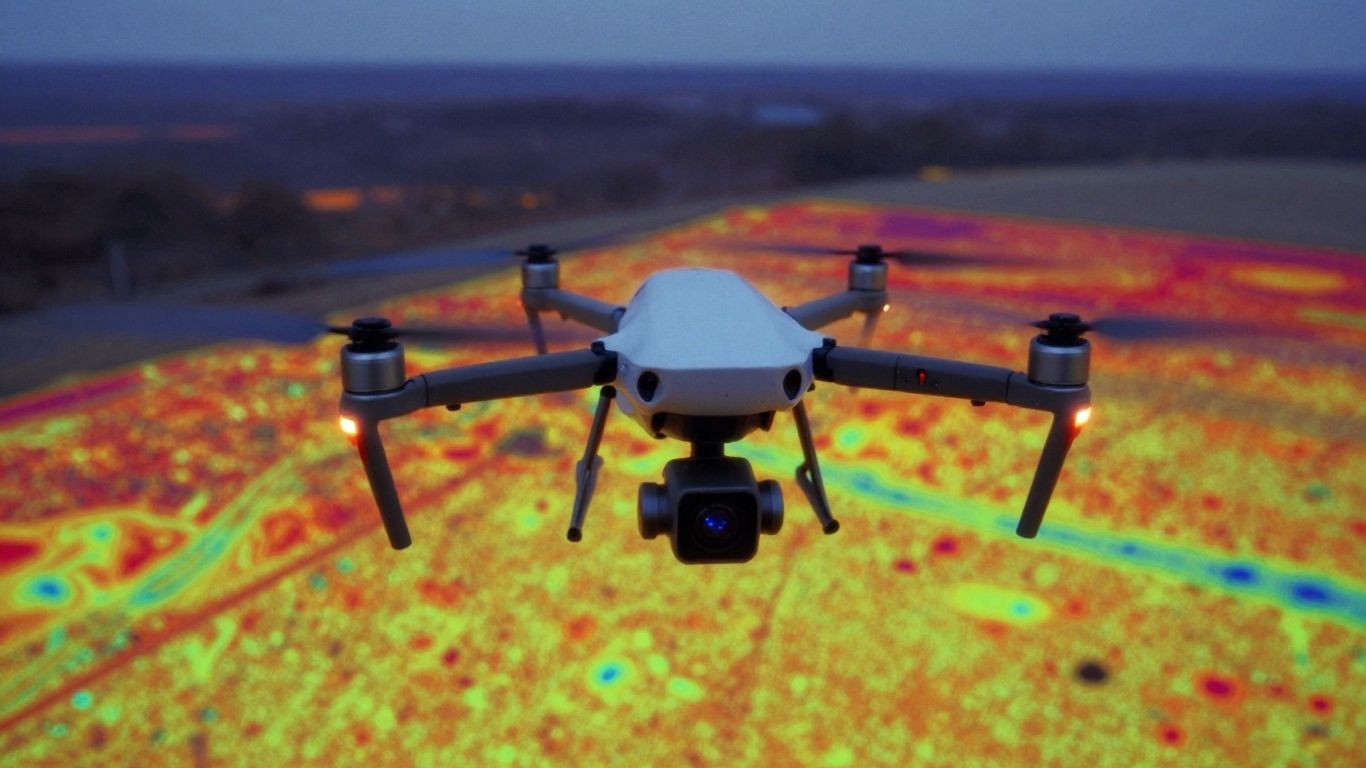
The choice between cooled and uncooled thermal detector architectures is a primary consideration when integrating infrared cameras into drone systems. Each approach presents distinct advantages and disadvantages that directly impact performance, operational readiness, and platform compatibility. Understanding these differences is key to selecting the right technology for your specific mission requirements.
Advantages of Cooled Thermal Systems
Cooled thermal systems employ cryogenic cooling to reduce the detector's internal thermal noise. This cooling process allows the sensor to achieve extremely low operating temperatures, significantly enhancing its sensitivity to minute temperature differences. This heightened sensitivity translates to superior detection range and the ability to discern subtle thermal signatures that might otherwise be missed. These systems are often preferred for applications demanding the highest performance, such as long-range surveillance or precision targeting, where detecting faint heat signals is paramount. However, this advanced performance comes with trade-offs in size, weight, power consumption, and the need for a warm-up period before operation. For critical missions where detection performance cannot be compromised, cooled systems offer unparalleled capabilities.
Benefits of Uncooled Thermal Systems
Uncooled thermal cameras operate at ambient temperatures, eliminating the need for complex cryogenic cooling mechanisms. This design results in systems that are generally more compact, lighter, and consume less power, making them ideal for integration onto smaller drone platforms with limited payload capacity and flight endurance. Uncooled systems also offer instant-on capability, meaning they are ready for immediate deployment without a warm-up period. While historically less sensitive than their cooled counterparts, modern uncooled detector technology has advanced significantly, providing sufficient resolution and sensitivity for a wide array of tactical applications, including search and rescue and general surveillance. Their lower cost and reduced maintenance requirements further contribute to their widespread adoption.
Matching Detector Type to Mission Requirements
Selecting the appropriate detector architecture hinges on a thorough assessment of your mission's specific needs. Consider the following factors:
- Detection Range: If your mission requires identifying targets at extreme distances or detecting very subtle temperature variations, a cooled system might be necessary. For shorter to medium-range applications, uncooled systems are often sufficient.
- Size, Weight, and Power (SWaP): For small, agile drones where payload and flight time are critical, the compact and power-efficient nature of uncooled systems is a significant advantage. Cooled systems, with their larger size and higher power draw, may necessitate larger drone platforms.
- Operational Readiness: If rapid deployment is a priority, the instant-on capability of uncooled systems is beneficial. Cooled systems require a warm-up period, which must be factored into operational planning.
- Budget and Maintenance: Uncooled systems typically have a lower acquisition cost and reduced maintenance needs due to their simpler design. Cooled systems, while more expensive, justify their cost in applications where maximum performance is non-negotiable.
Ultimately, the decision between cooled and uncooled thermal detectors should be driven by a clear understanding of operational requirements and platform constraints. For many applications, the balance of performance, size, and cost offered by uncooled systems makes them the practical choice, while cooled systems remain the benchmark for the most demanding scenarios. To explore options that align with your specific needs, consider reaching out to experts at lightpath.com/contact.
Operational Considerations for Infrared Drone Integration
Integrating infrared cameras onto drone platforms involves more than just selecting a sensor with impressive specifications. You must consider how the camera system will function within the drone's overall architecture and operational environment. Several factors can significantly impact mission success, often more than the raw performance metrics of the camera itself.
Size, Weight, and Power (SWaP) Constraints
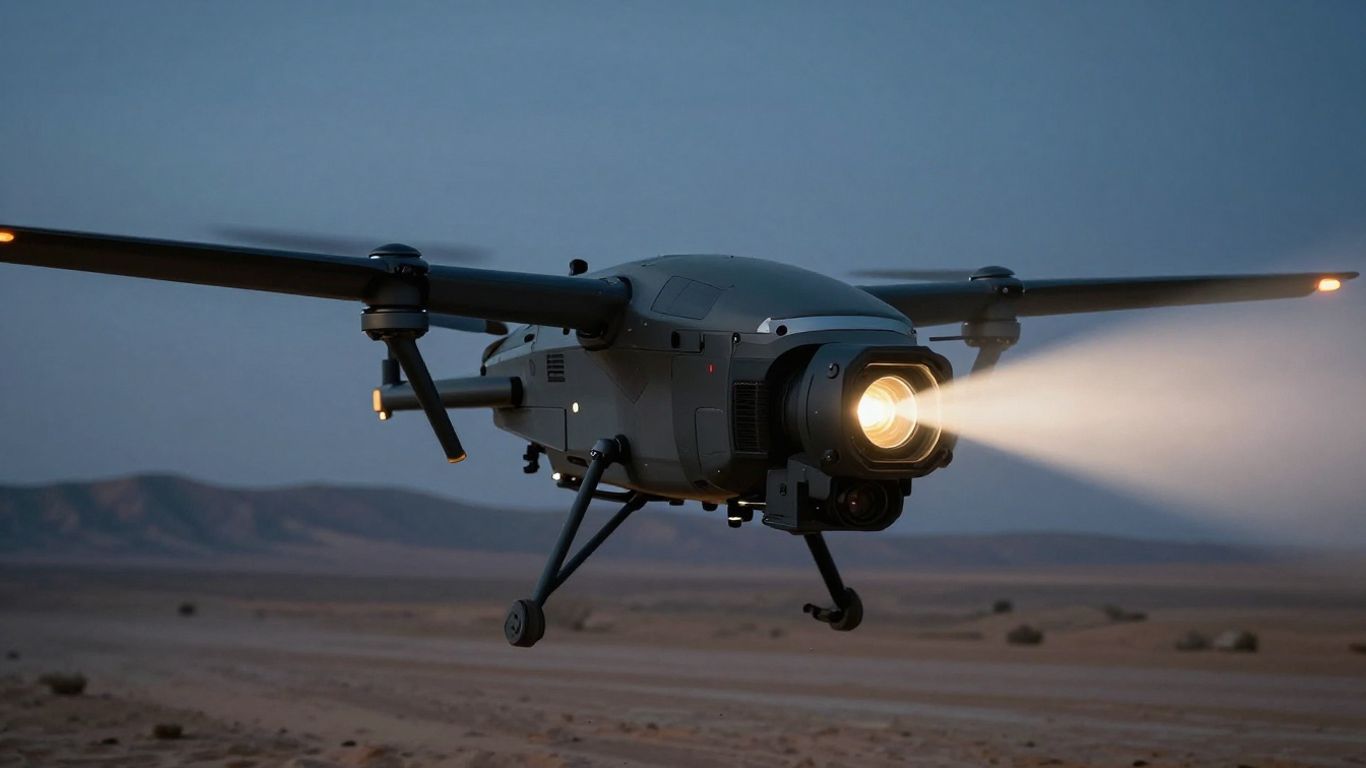
The physical dimensions, mass, and power requirements of an infrared camera system are primary determinants of its suitability for drone integration. These constraints directly influence the type of drone platform you can use, its flight endurance, and its overall payload capacity. Uncooled thermal cameras, for instance, are generally more compact and consume less power, making them ideal for smaller multirotor drones. Cooled systems, while offering superior performance in some cases, present greater challenges due to their larger size, higher weight, and substantial power draw. This means that for many applications, especially those requiring extended flight times on smaller platforms, SWaP limitations will immediately rule out higher-performance, but more demanding, cooled thermal imaging solutions.
Flight Endurance and Payload Capacity
Your drone's ability to stay airborne and carry necessary equipment is directly tied to the infrared camera's SWaP. A heavier or more power-hungry camera will reduce flight time, limiting the area you can survey or the duration of your surveillance. Conversely, a lightweight, low-power camera allows for longer missions, which can be critical for tasks like search and rescue operations or extensive infrastructure inspections. You need to balance the desired imaging performance against the platform's limitations. Sometimes, a slightly lower resolution or sensitivity camera that allows for double the flight time might be a more effective choice for covering a large area. This is where understanding the trade-offs between detection range and area coverage becomes particularly important.
Integration Challenges and System Compatibility
Beyond the physical integration, you must consider the camera's compatibility with the drone's existing systems. This includes the data interface (e.g., GigE Vision, USB3, MIPI CSI-2), power management, and any required control signals. Many advanced drone platforms can accommodate multi-sensor payloads, combining thermal cameras with high-resolution visual cameras, zoom lenses, or laser rangefinders. The ability to seamlessly integrate these sensors and manage their data streams is vital for efficient operation. Furthermore, consider the software and processing capabilities. Some systems offer advanced features like real-time video transmission and radiometric data logging, which can be crucial for specific applications. Ensuring that the camera's output can be effectively processed and transmitted to the ground station is a key aspect of successful integration. You should also investigate the availability of development kits and technical support from the camera manufacturer to streamline the integration process and address any platform-specific requirements. If you are looking for solutions that simplify this process, exploring options with dedicated integration support can be beneficial. For assistance with these complex integration needs, consider reaching out to specialists who can help you select and implement the right thermal imaging solutions.
Applications of Infrared Drone Cameras
Infrared drone cameras are transforming operations across numerous sectors, offering capabilities that were once the stuff of science fiction. Their ability to see heat signatures, regardless of visible light conditions, makes them indispensable tools for a variety of critical tasks. From saving lives to inspecting vital infrastructure, these advanced systems provide insights that traditional methods simply cannot match.
Search and Rescue Operations
When every second counts, thermal drones offer a significant advantage in search and rescue (SAR) missions. Traditional ground searches can be slow and limited, especially in challenging terrain or at night. Visual aerial searches from helicopters are often hampered by weather conditions and daylight requirements. Thermal imaging cameras, however, detect the heat emitted by a person's body, making it possible to locate individuals even in complete darkness, through smoke from wildfires, or dense fog. This capability allows SAR teams to cover large areas rapidly and prioritize where to deploy ground resources, dramatically increasing the chances of a successful outcome. Research has shown these drones act as force multipliers, providing critical situational awareness with less manpower.
- Locating individuals: Detect survivors trapped in collapsed structures or those who have fallen and cannot call for help.
- Tracking movement: Monitor individuals in environments that pose safety risks to human searchers.
- Night operations: Conduct effective searches during nighttime hours when visual searches are impossible.
Infrastructure Inspection and Monitoring
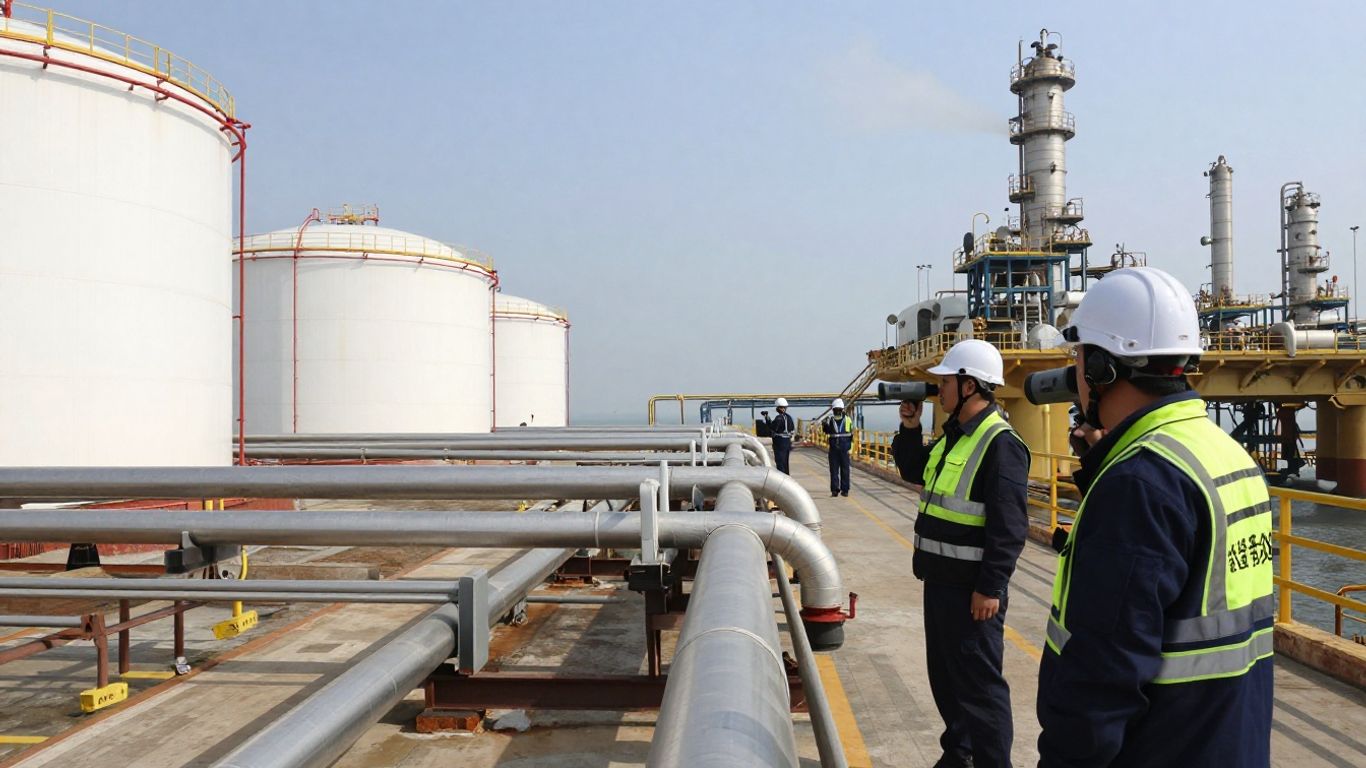
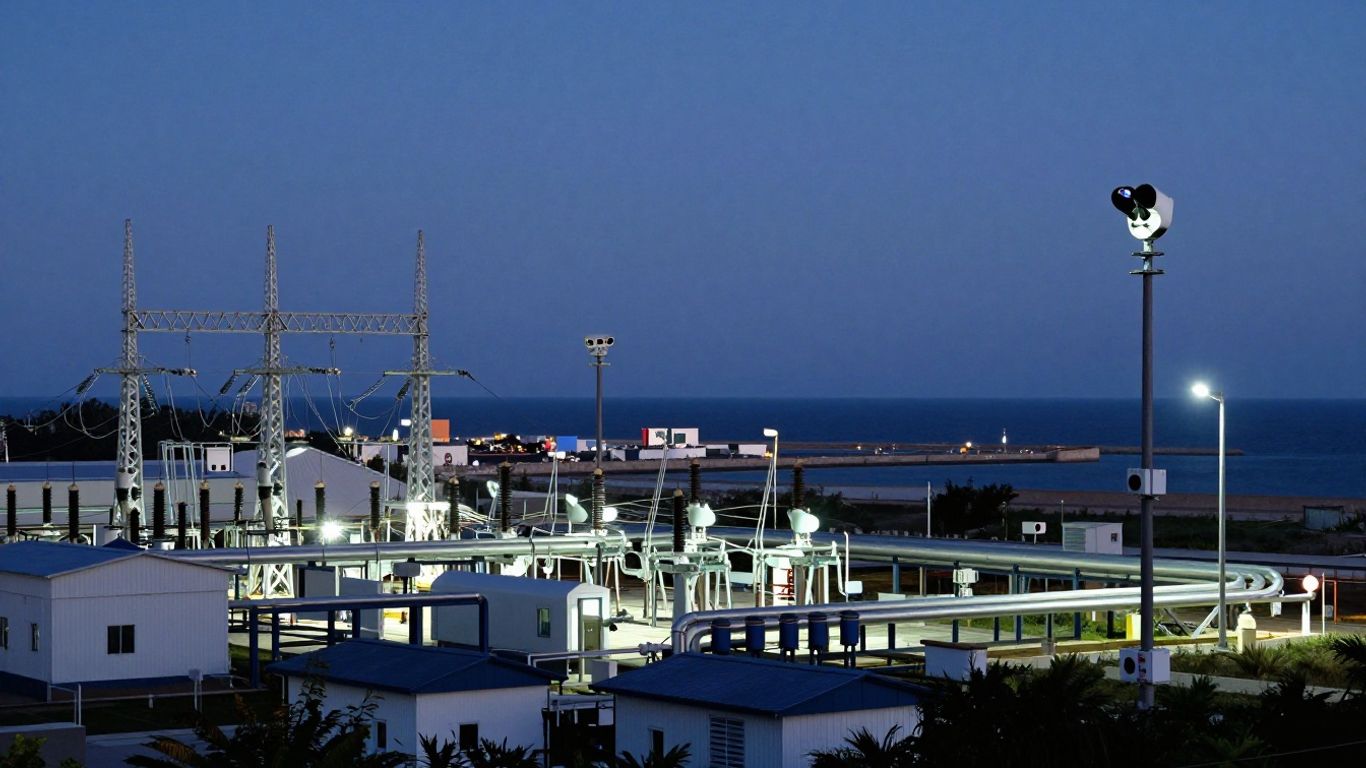
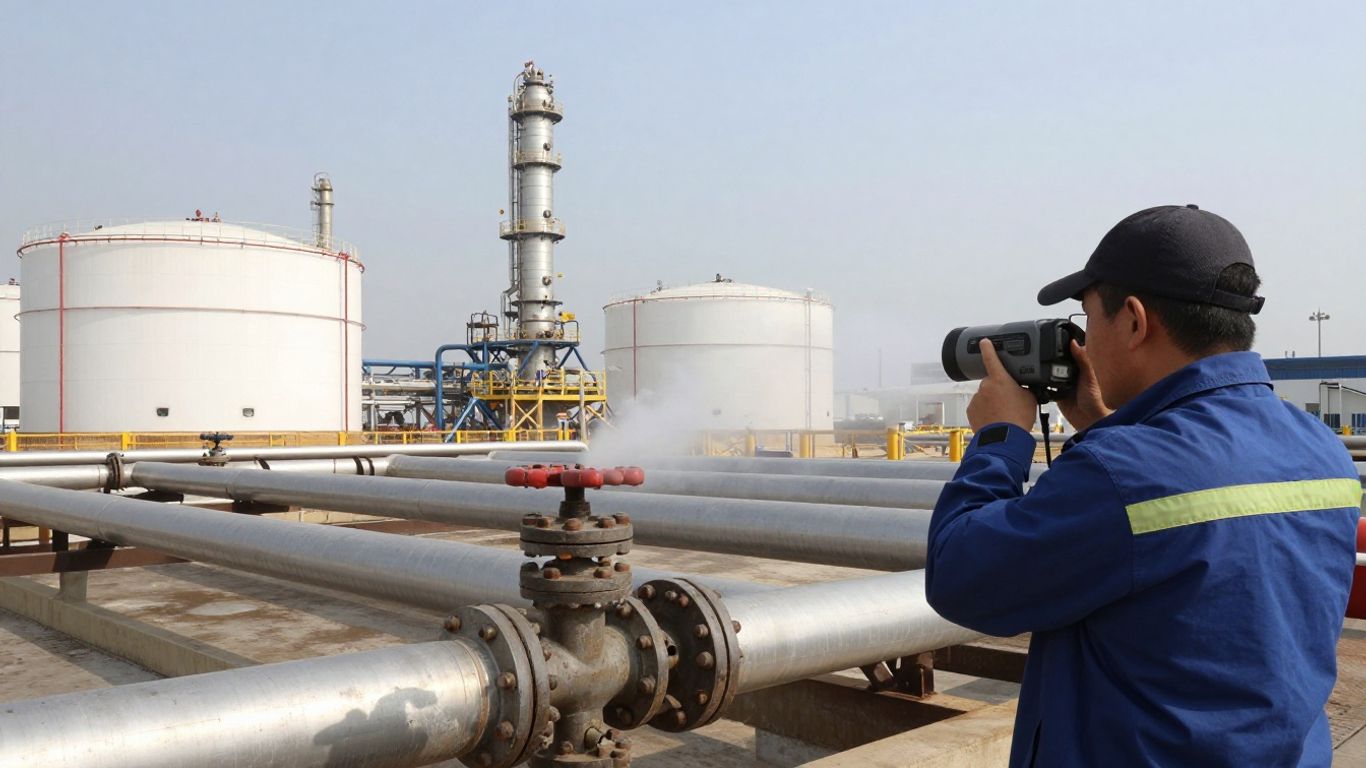
Inspecting critical infrastructure, such as buildings, power grids, and industrial facilities, is another area where infrared drone cameras excel. They can identify subtle temperature anomalies that indicate potential problems before they become major failures. For instance, on building exteriors, thermal drones can pinpoint insulation defects, detect water intrusion, and reveal structural irregularities by visualizing heat loss or gain. In the energy sector, they can inspect solar panels for hot spots or identify overheating components in power lines and substations, preventing costly downtime and safety hazards. The ability to perform these inspections remotely and efficiently reduces risk to personnel and minimizes operational disruption. Many thermal cameras provide radiometric data, allowing for precise temperature measurements in still images, which is vital for detailed analysis.
Surveillance and Security Applications
In surveillance and security, thermal drones provide a powerful, non-intrusive method for monitoring perimeters, detecting unauthorized activity, and enhancing situational awareness. Unlike visible-light cameras, thermal cameras operate passively, detecting heat signatures without emitting any detectable signals, which is crucial for covert operations. They can identify warm bodies or vehicles against cooler backgrounds, cutting through visual camouflage and environmental obscurants like smoke or fog. This makes them ideal for border patrol, critical infrastructure protection, and law enforcement operations. The choice between wide field-of-view lenses for broad area coverage and narrow field-of-view lenses for extended detection range is a key consideration, often leading to dual-camera systems to address both needs. You can learn more about thermal drone capabilities for various security and inspection tasks.
For organizations looking to integrate advanced thermal imaging solutions into their drone platforms, understanding the specific requirements of your mission is paramount. Contact us to discuss your needs and explore how our technology can support your operations. Contact LightPath.
Infrared drone cameras are super useful for seeing things in the dark or through smoke. They help us check buildings for heat leaks, keep an eye on wildlife, and even help firefighters see through smoke. These cameras open up a whole new world of possibilities for different jobs. Want to learn more about how these amazing cameras work and what they can do? Visit our website today to explore the possibilities!
Wrapping Up: Your Thermal Drone Camera Guide
So, you've learned how these thermal drone cameras work. They're pretty neat tools, aren't they? By picking up on heat signatures, they can see things the human eye just can't, especially when it's dark or visibility is bad. Whether it's finding someone lost in the woods or checking on buildings, this tech really changes the game for a lot of jobs. It's not just about the camera itself, but how it fits onto the drone and works with everything else. Keep this in mind as you explore what these cameras can do for you.
Frequently Asked Questions
How does a drone's infrared camera see things?
Imagine everything gives off a special kind of light that your eyes can't see, called infrared. A drone's infrared camera is like special glasses that can see this hidden light. It works by picking up the heat that objects give off. Warmer things show up brighter, and cooler things look darker, allowing you to see heat patterns even in total darkness.
What's the difference between a regular camera and an infrared drone camera?
A regular camera sees light that you can see, like sunlight or a lamp. An infrared drone camera sees heat, which is different from visible light. This means it can see through things like smoke or fog, and it works perfectly at night because it doesn't need any visible light to see heat.
Can an infrared drone camera see through walls?
No, infrared cameras cannot see through solid walls. They can see through certain things that block visible light, like smoke, fog, or light fabric, because they are detecting heat. However, solid objects like walls will still block the heat radiation, so you won't be able to see what's on the other side.
Why are infrared drone cameras useful for finding missing people?
Infrared cameras are incredibly helpful for finding missing people, especially at night or in difficult conditions. A person's body gives off heat, which the camera can easily spot as a bright spot against a cooler background, like the ground or trees. This allows search teams to find someone much faster than they could with just their eyes, even in places that are hard to see.
Are all infrared drone cameras the same?
Not exactly. There are different types, like 'cooled' and 'uncooled' systems. Cooled systems are very sensitive and can see tiny differences in heat, making them great for seeing things far away. Uncooled systems are lighter, cheaper, and use less power, making them good for many everyday tasks. The best type depends on what you need the drone to do.
Does a higher resolution infrared camera always mean better detection?
Not always. While higher resolution means more detail, the lens and how the camera is designed are also very important. Sometimes, a camera with a slightly lower resolution but a better lens can spot things from farther away. It's like having a sharp eye versus just having a big picture; both are important for finding what you're looking for.