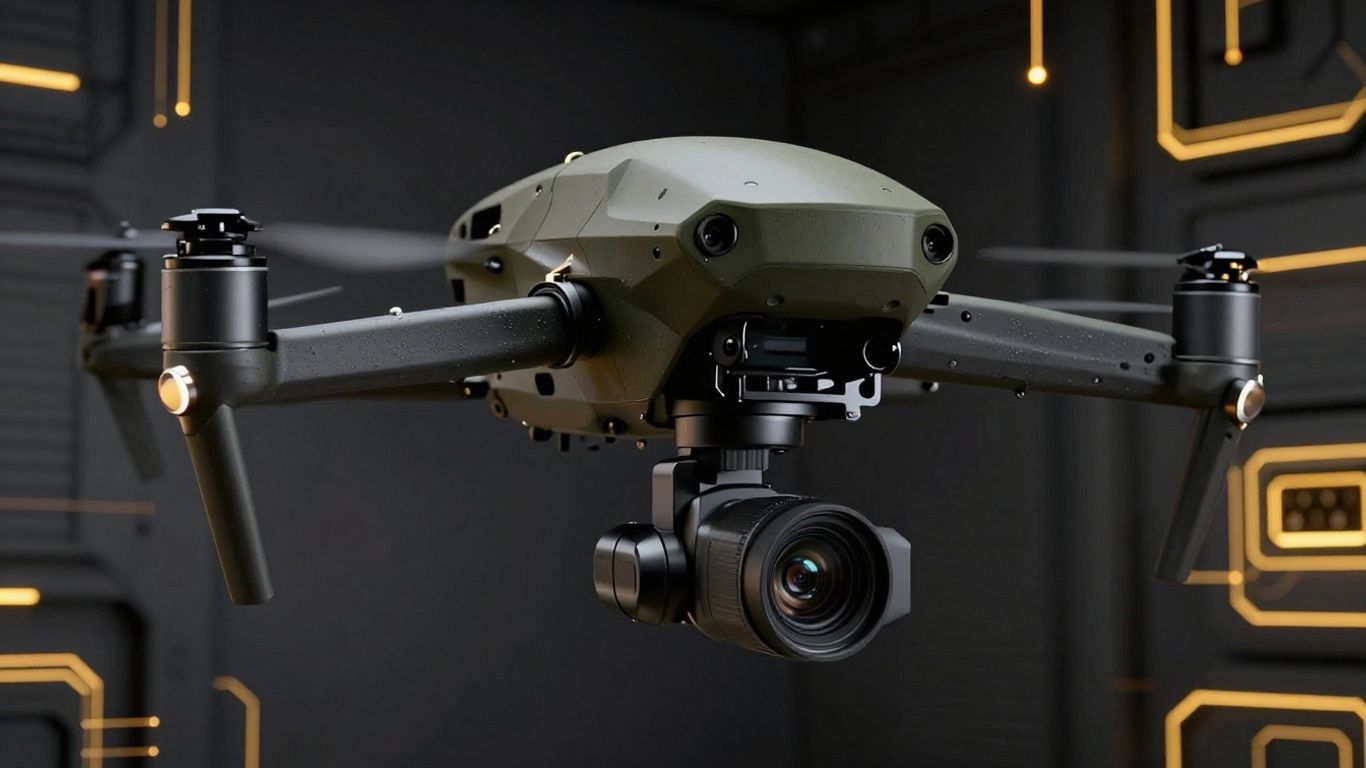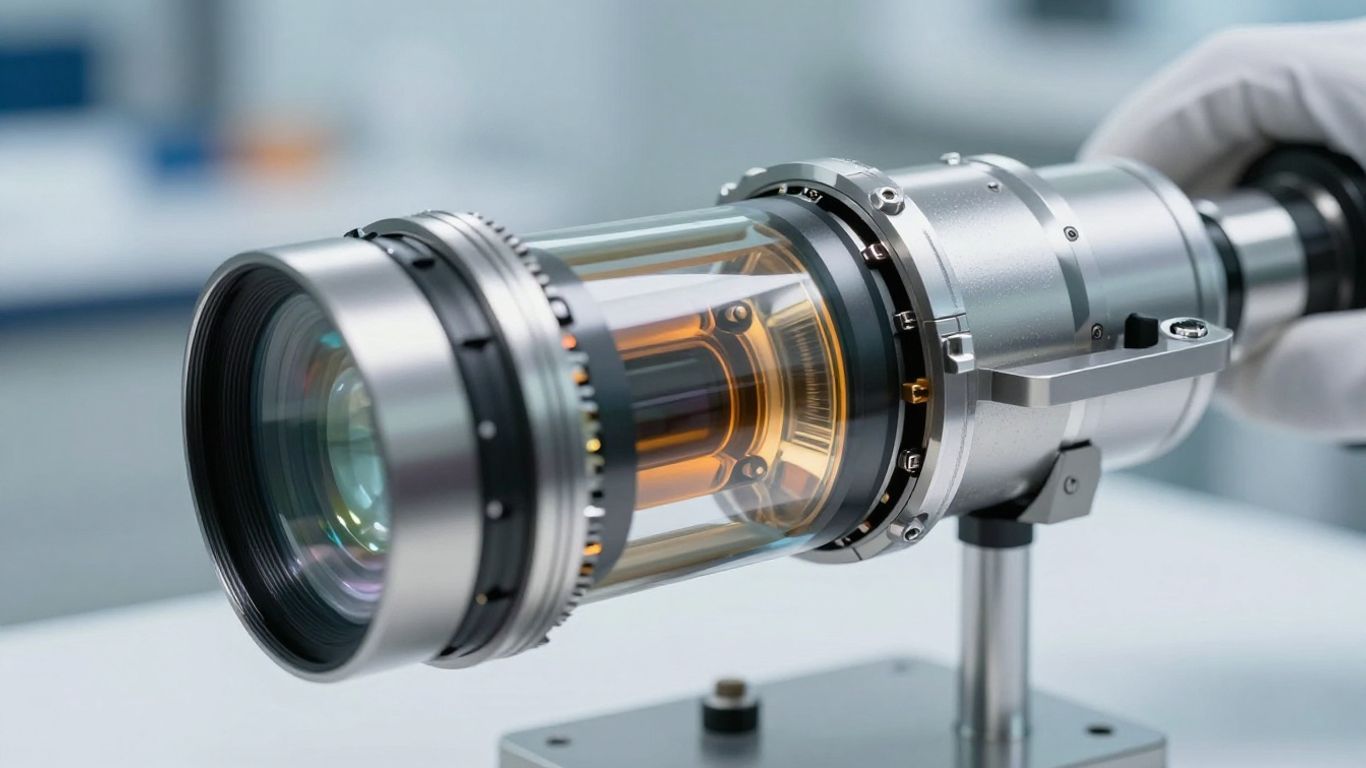

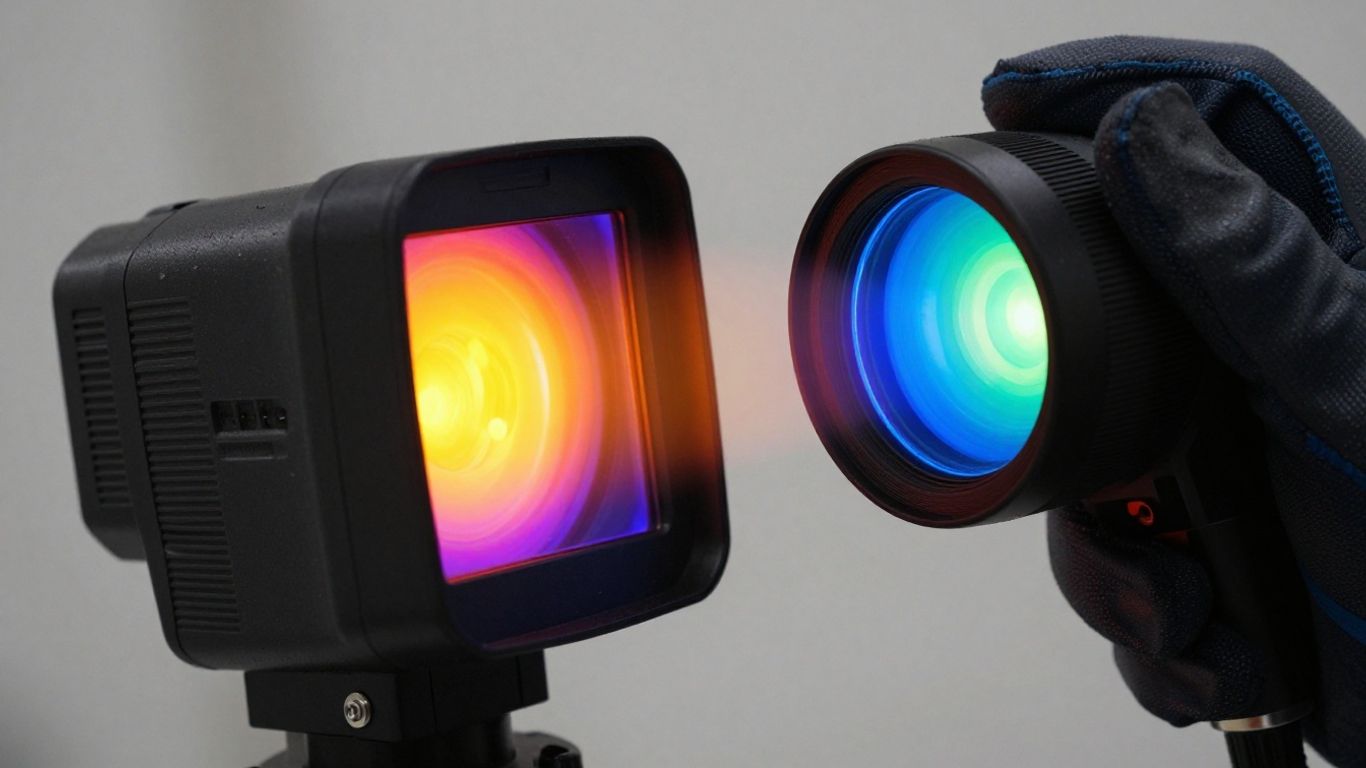
Choosing the right industrial thermal imaging camera can feel like a big task. These cameras are powerful tools for keeping your operations running smoothly, but there are many options out there. You want to make sure you pick one that fits your specific needs without overspending or getting something that won't do the job. This guide will help you figure out what to look for, from understanding what these cameras can do to picking the features that matter most for your facility.
Key Takeaways
- Industrial thermal imaging cameras help spot equipment issues before they cause major problems, potentially saving a lot on maintenance costs.
- You can monitor equipment safely from a distance without stopping work, which is great for electrical systems and other critical areas.
- Catching temperature problems early stops big failures and unexpected shutdowns, keeping production going.
- When you use these cameras as part of your maintenance plan, equipment lasts longer and maintenance happens when it's actually needed.
- Modern thermal cameras offer real-time monitoring that older inspection methods just can't match, giving you constant insight into your operations.
Understanding Industrial Thermal Imaging Camera Applications
Industrial thermal imaging cameras are not just tools for spotting hot spots; they are integral to modern operational strategies, providing insights that prevent failures and optimize processes. You can use these cameras to see heat patterns that are invisible to the naked eye, revealing potential issues before they become major problems. This technology is transforming how industries approach maintenance, quality control, and safety.
Electrical System Monitoring for Predictive Maintenance
Electrical systems are a prime area where thermal imaging proves its worth. Loose connections, overloaded circuits, and degrading components all generate excess heat. A thermal camera can spot these hot spots from a safe distance, allowing maintenance teams to address them before they lead to equipment failure, fires, or costly downtime. This non-contact method is particularly valuable for inspecting live electrical panels, motor control centers, and switchgear without shutting down operations or risking worker safety. Regular thermal inspections of electrical infrastructure can significantly reduce maintenance costs and improve overall system reliability.
Rotating Machinery Assessment and Health
Motors, pumps, compressors, and other rotating equipment are the workhorses of many industrial facilities. Thermal imaging can detect early signs of wear in bearings, issues with alignment, or problems with lubrication by identifying abnormal temperature increases. These thermal anomalies often appear weeks or months before traditional vibration analysis can detect them. By monitoring the thermal signatures of rotating machinery, you can schedule maintenance proactively, preventing unexpected breakdowns and extending the lifespan of your equipment. This approach moves maintenance from a reactive to a predictive model, saving both time and money.
Process Equipment Optimization and Quality Control
In manufacturing and processing, maintaining precise temperature control is often key to product quality and operational efficiency. Thermal cameras can monitor processes like heating, cooling, and chemical reactions in real-time. They can identify uneven temperature distribution in ovens, detect insulation degradation in pipes and vessels, or verify the effectiveness of cooling systems. This allows for immediate adjustments to optimize processes, reduce waste, and ensure consistent product quality. For example, in plastics manufacturing or food processing, precise temperature management is critical, and thermal imaging provides the necessary visibility.
Gas Leak Detection and Environmental Surveillance
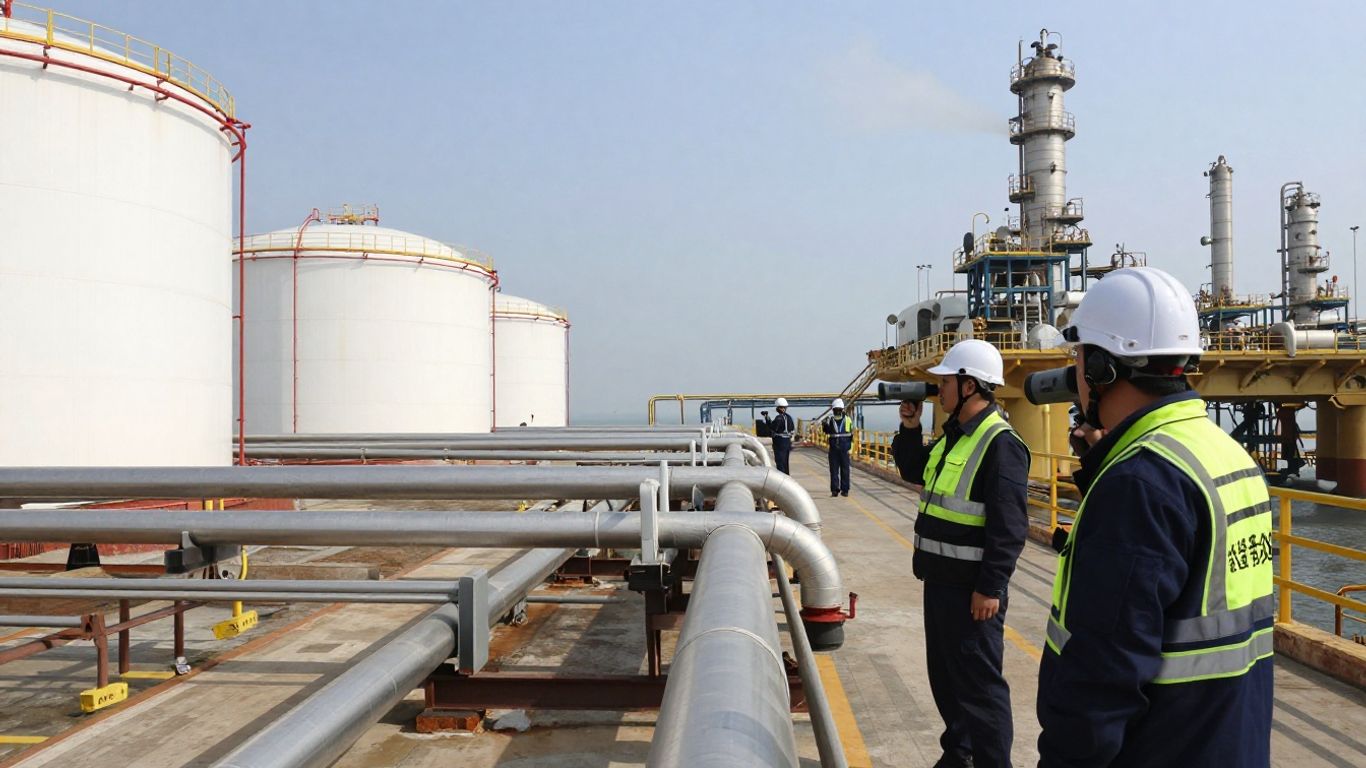
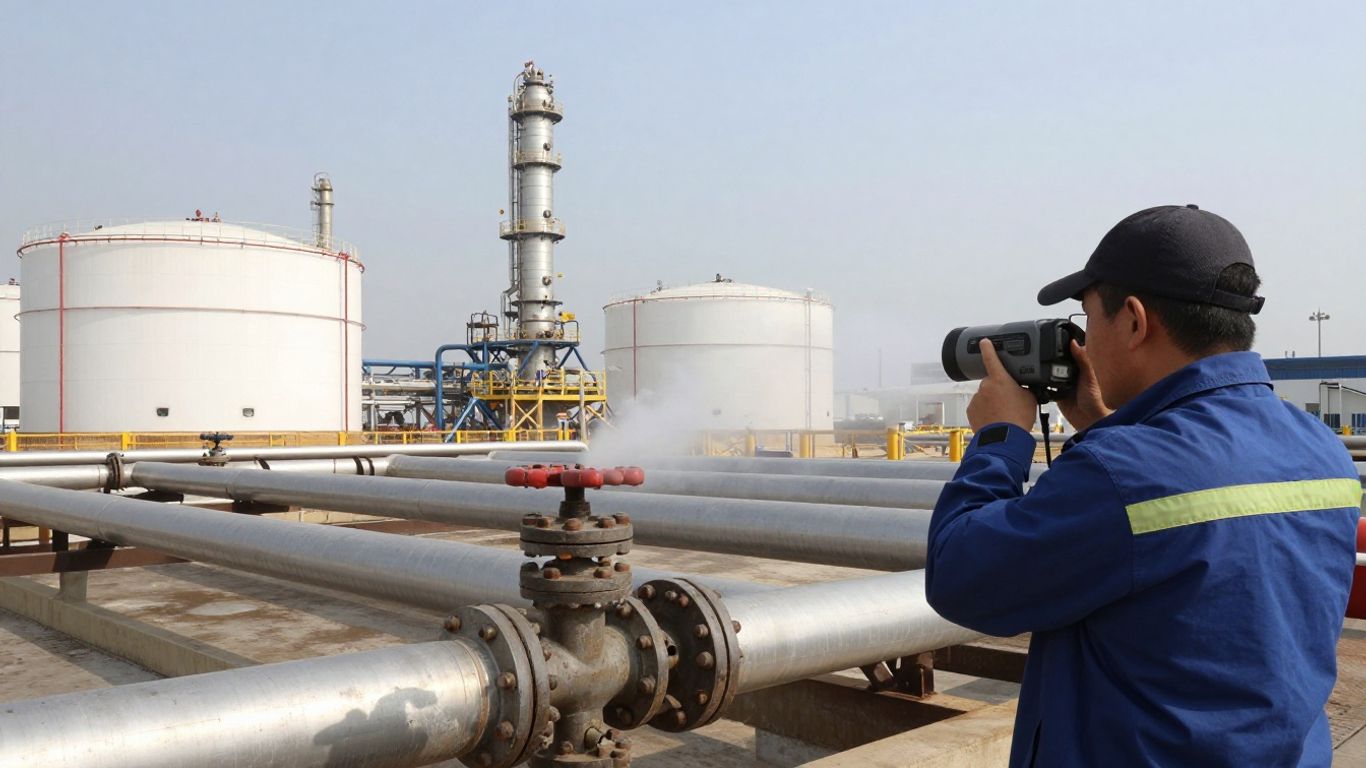
Specialized thermal cameras, often referred to as optical gas imaging (OGI) cameras, are designed to detect specific gases like hydrocarbons. These cameras can visualize invisible gas plumes, allowing operators in refineries, chemical plants, and natural gas facilities to quickly identify and locate leaks. This capability is vital for safety, environmental compliance, and preventing product loss. Continuous monitoring with OGI cameras provides a level of surveillance that periodic manual inspections cannot match, helping to maintain a safer and more environmentally sound operation. You can learn more about Long-Wave Infrared (LWIR) technology and its applications in industrial settings.
Implementing thermal imaging across these applications can lead to substantial improvements in operational efficiency and safety. If you're considering how thermal imaging can benefit your facility, reaching out to experts can provide tailored solutions. Contact us at https://www.lightpath.com/contact to discuss your specific needs.
Key Capabilities of Industrial Thermal Imaging Cameras
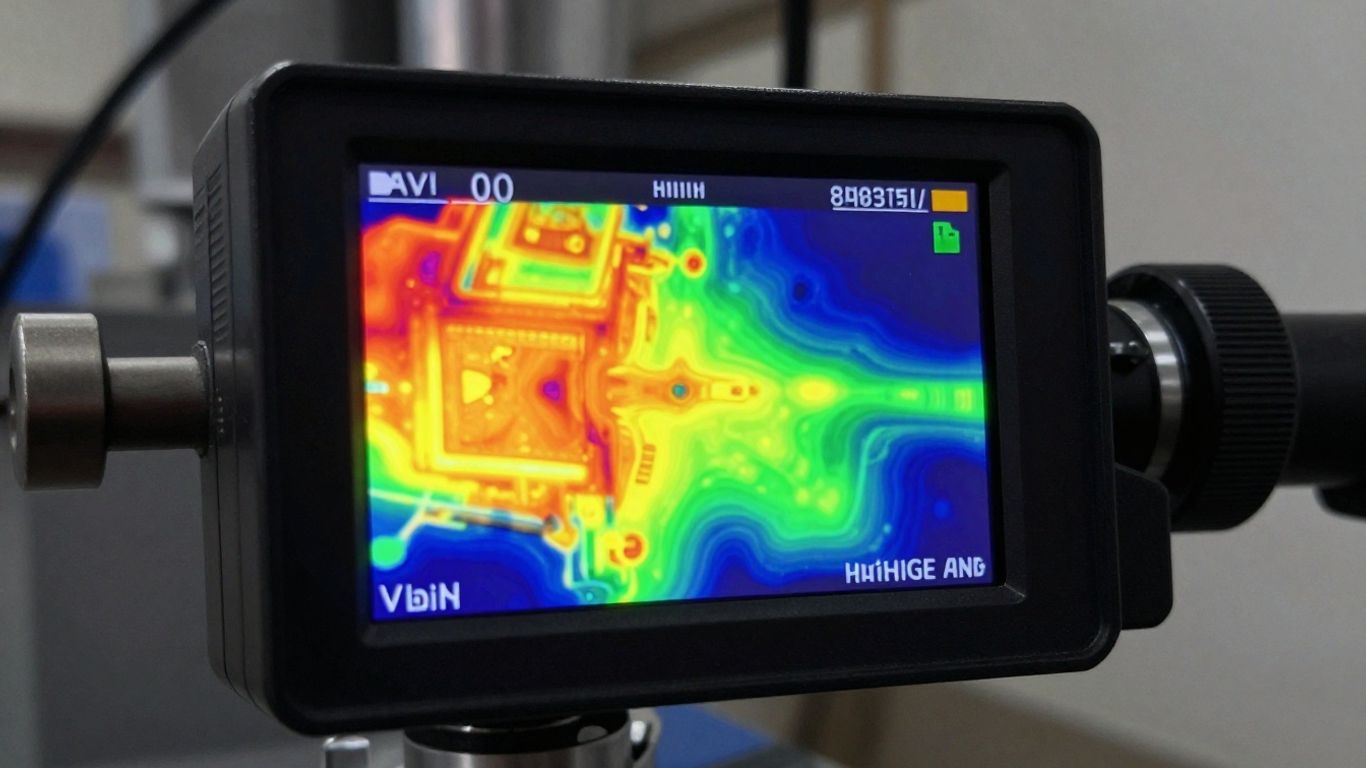
Industrial thermal imaging cameras offer a suite of capabilities that go beyond simple temperature readings, providing actionable insights for maintenance, quality control, and safety.
Non-Contact Temperature Measurement for Safety
One of the most significant advantages of thermal imaging is its ability to measure temperatures without physical contact. This is particularly important in industrial settings where equipment may operate at high voltages, extreme temperatures, or in hazardous environments. By detecting infrared radiation, these cameras allow you to assess the thermal condition of machinery and electrical systems from a safe distance. This non-contact approach minimizes the risk of arc flash incidents, electric shock, or burns, allowing maintenance teams to inspect critical components without shutting down operations or putting personnel in harm's way. This capability is vital for electrical system inspections and assessing the health of rotating machinery.
Real-Time Monitoring and Automated Alerting
Modern thermal cameras provide continuous, real-time monitoring of equipment and processes. They can capture and display thermal data as it happens, allowing for immediate identification of developing issues. Many systems also feature automated alerting capabilities. You can set specific temperature thresholds for different assets, and the camera will trigger an alert—either visually on the screen, through audible alarms, or by sending notifications to a control room or mobile device—when these thresholds are breached. This proactive approach enables rapid response to thermal anomalies, preventing minor issues from escalating into major failures. This functionality is key for process equipment optimization and quality control.
Data Logging and Trend Analysis for Degradation
Beyond immediate readings, industrial thermal cameras excel at logging temperature data over time. This capability is fundamental for predictive maintenance strategies. By recording thermal data at regular intervals, you can build a historical baseline for each piece of equipment. Analyzing these trends allows you to identify gradual degradation or subtle changes in thermal performance that might otherwise go unnoticed. For instance, a slow but steady increase in bearing temperature on a motor can indicate impending failure weeks or months in advance. This data-driven approach helps optimize maintenance schedules, moving from reactive repairs to proactive interventions, thereby extending equipment life and reducing unexpected downtime. This is particularly useful for rotating machinery assessment.
High-Resolution Imaging for Detailed Analysis
The level of detail captured by a thermal camera is directly related to its thermal resolution, often measured in pixels. Higher resolution means more individual temperature data points are collected, resulting in sharper, more detailed thermal images. This enhanced detail is critical for accurately identifying small hot spots in complex electrical panels, discerning subtle temperature variations across large surfaces, or analyzing the thermal patterns of intricate mechanical components. When you need to pinpoint the exact location of a fault or understand the fine thermal nuances of a process, high-resolution imaging provides the clarity required for precise analysis and informed decision-making. You can learn more about thermal camera resolutions to understand how they impact detail. For immediate assistance with your thermal imaging needs, please contact us at https://www.lightpath.com/contact.
Essential Features for Industrial Thermal Camera Selection
When you're looking to equip your facility with industrial thermal imaging cameras, several key features go beyond basic temperature readings. These capabilities are what truly make a difference in harsh industrial settings and for complex monitoring tasks. Choosing the right features means your investment will pay off in reliable data and effective maintenance.
Extended Temperature Range for Extreme Environments
Industrial processes and environments can involve temperatures that far exceed what consumer-grade devices can handle. Your chosen camera needs to accurately measure these extremes, whether it's the intense heat of a furnace or the frigid conditions of a cryogenic storage unit. Look for cameras that specify a wide operational and measurement range, often going from well below freezing up to 1000°C or more. This ensures you can get reliable data without risking damage to the equipment or inaccurate readings. For instance, monitoring molten metal or high-temperature reactors requires a camera built for such conditions. This capability is vital for applications like industrial furnace monitoring and electrical system platforms where extreme temperatures are a daily reality.
Rugged Construction for Harsh Conditions
Factories, power plants, and outdoor installations are not gentle environments. Your thermal camera will likely face dust, moisture, vibrations, and physical impacts. Therefore, selecting a camera with robust construction is paramount. Look for features like high Ingress Protection (IP) ratings, which indicate resistance to dust and water. Many industrial cameras also meet MIL-STD specifications, meaning they've undergone rigorous testing for durability in demanding conditions. This military-grade ruggedness ensures the camera can withstand the rigors of your operational environment, providing consistent performance over its lifespan. Without this, a camera might fail prematurely, leading to unexpected costs and gaps in your monitoring.
Flexible Integration Interfaces for System Compatibility
Modern industrial facilities often rely on interconnected systems. Your thermal camera needs to fit into this ecosystem. This means looking for cameras that offer flexible integration interfaces. Common standards include GigE Vision, USB3, and Camera Link. These interfaces allow the camera to communicate effectively with your existing Manufacturing Execution Systems (MES) or Supervisory Control and Data Acquisition (SCADA) platforms. Some cameras can output raw thermal data for processing elsewhere, while others have onboard processing capabilities that deliver analyzed results. Choosing a camera with the right interfaces simplifies setup and allows for more sophisticated data analysis and automation within your facility's monitoring infrastructure.
Intelligent Analytics and Onboard Processing
Beyond just capturing images, advanced thermal cameras offer intelligent analytics and onboard processing. This means the camera itself can perform initial analysis, such as identifying temperature anomalies, tracking trends, or even detecting specific events. Onboard processing reduces the amount of data that needs to be transmitted, which can be a significant advantage on busy networks. It also allows for faster alerts, as the camera can trigger notifications immediately when a critical temperature threshold is breached. This capability is particularly useful for real-time monitoring and automated alerting systems, enabling quicker responses to potential issues and reducing the risk of equipment failure or safety incidents. Partnering with providers who offer complete system-level design can help you leverage optimized processing solutions. You can learn more about how these systems are integrated at https://www.lightpath.com/contact.
Strategic Implementation of Thermal Monitoring Systems
Implementing an industrial thermal imaging system requires careful thought and planning to get the most out of your investment. It's not just about buying a camera; it's about integrating it effectively into your operations. This means looking at the bigger picture, from where you'll place the cameras to how the data will be used.
Comprehensive Site Assessment and Planning
Before you even think about mounting a camera, you need to understand your facility inside and out. This involves mapping out all the areas where temperature monitoring is important. Think about critical production equipment, electrical panels, and any process points where temperature fluctuations could signal trouble. You'll want to document the normal operating temperatures for these areas. This baseline data is key for any automated systems that will flag anomalies later on. It's also a good time to check your existing infrastructure. Do you have the network capacity and power supply needed for continuous monitoring? Sometimes, integrating new technology means upgrading what you already have. Working with suppliers who can help with system design can make this assessment much smoother.
Critical Temperature Monitoring Point Identification
Once you have a general understanding of your site, you need to pinpoint the exact locations for your thermal cameras. This isn't a one-size-fits-all process. You'll need to identify equipment where failures would have the biggest impact on operations, safety, or production. Consider things like bottlenecks in your production line, safety-critical systems, or expensive machinery that would be costly to replace. Also, think about which assets show clear thermal indicators of problems. Electrical systems, motors, and pumps often do, but some equipment might need a more specialized approach. Establishing these priority points helps focus your initial deployment and shows clear benefits quickly. This is where understanding the health of industrial systems really comes into play.
Infrastructure Readiness and Workflow Integration
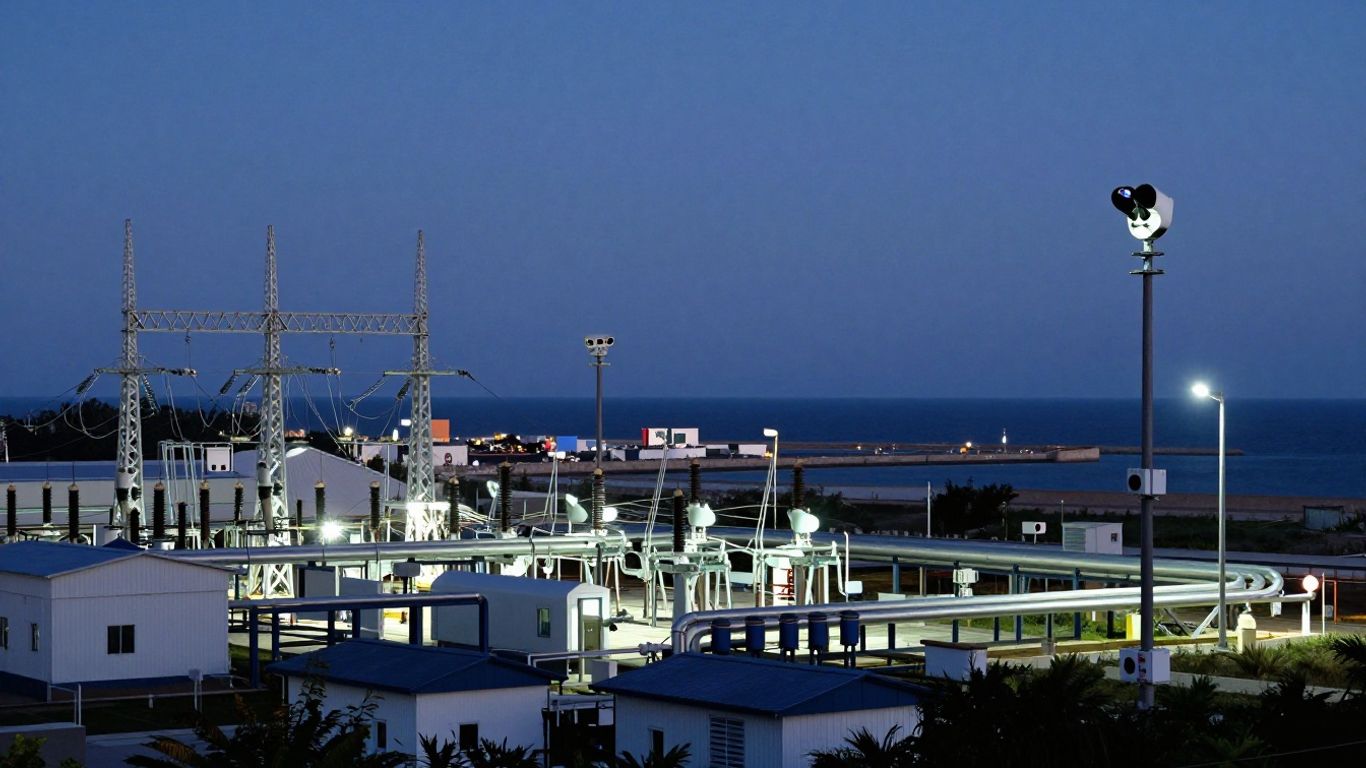
Getting thermal cameras up and running involves more than just the cameras themselves. You need to consider the supporting infrastructure. This includes network architecture to handle the data streams, communication protocols that can talk to your existing systems like MES or SCADA, and sufficient data storage for historical analysis. Edge computing can be a big help here, processing data closer to the camera to reduce network load. Equally important is how this new monitoring fits into your daily routines. How will maintenance teams respond to alerts? Will the data be fed into your existing work order system? Planning these workflows ensures that the thermal imaging system becomes a natural part of your operations, not an add-on that gets ignored. Training your personnel on how to interpret the thermal data and act on it is also a vital step for successful real-time temperature monitoring.
Defining Response Protocols for Thermal Alerts
What happens when a thermal alert goes off? Having clear, pre-defined response protocols is crucial. This means establishing what constitutes an actionable alert versus a minor fluctuation. It involves outlining who is responsible for investigating the alert, what steps they should take, and when escalation is necessary. These protocols should be documented and communicated to all relevant personnel. For instance, a minor temperature increase in a non-critical component might simply be logged for future observation, while a significant hot spot on a main power feeder could trigger an immediate shutdown and inspection. This structured approach prevents confusion and ensures that thermal anomalies are addressed promptly and effectively, minimizing the risk of equipment failure and costly downtime.
Evaluating Detector Technologies for Industrial Use
The heart of any thermal imaging camera lies in its detector. This component is responsible for capturing the infrared radiation emitted by objects and converting it into a usable signal. For industrial applications, understanding the different detector technologies available is key to selecting a camera that meets your specific needs for performance, durability, and cost.
Cooled vs. Uncooled Detector Performance
Thermal cameras primarily use two types of detector technologies: cooled and uncooled. Each has distinct advantages and disadvantages that influence their suitability for different industrial tasks.
- Cooled Detectors: These systems employ cryogenic cooling to lower the detector's operating temperature. This significantly reduces internal thermal noise, leading to superior image clarity and exceptional thermal sensitivity. Cooled detectors are often preferred for applications demanding the highest precision, such as long-range detection or detailed analysis of subtle temperature variations. However, they are generally more expensive, larger, and require more maintenance due to the cooling mechanism.
- Uncooled Detectors: Operating at ambient temperature without cryogenic cooling, uncooled detectors are more cost-effective, lighter, and require less maintenance. Modern uncooled microbolometers offer sufficient sensitivity for a wide range of industrial applications, including predictive maintenance and process monitoring. While they may not match the absolute sensitivity of cooled systems, their practicality and affordability make them the choice for many everyday industrial tasks.
The choice between cooled and uncooled systems often comes down to a balance between required performance and budget. For many industrial monitoring tasks, the performance of advanced uncooled detectors is more than adequate. You can explore more about IR imaging technologies to understand these differences further.
Thermal Resolution and Detection Distances
Thermal resolution refers to the number of individual pixels on the detector array. A higher resolution means more data points are used to create the thermal image, resulting in greater detail and the ability to discern smaller temperature differences. This directly impacts the camera's detection capabilities.
- Higher Resolution: Generally allows for the detection of smaller targets or finer details at greater distances. This is important when you need to monitor equipment from a safe distance or identify subtle anomalies on large structures.
- Lower Resolution: May be sufficient for close-range monitoring or when the primary goal is to identify broad temperature differences. However, it can limit the ability to detect issues at longer ranges or resolve fine details.
When selecting a camera, consider the typical distances at which you will be performing inspections. A camera with a higher thermal resolution will provide more detailed imagery, which can be critical for accurate analysis and early problem detection. Understanding the trade-offs between resolution, detection distance, and cost is vital for making an informed decision.
Noise Equivalent Temperature Difference (NETD) Significance
NETD is a critical metric that quantifies a thermal camera's sensitivity. It represents the smallest temperature difference that the camera can detect. A lower NETD value indicates a more sensitive camera, capable of distinguishing between very small temperature variations.
- Low NETD: Essential for applications where subtle temperature changes are indicative of developing problems. For instance, detecting a slight overheating in an electrical connection before it becomes a significant issue requires a camera with a low NETD.
- High NETD: May be acceptable for applications where only large temperature differences are of interest, but it can lead to missed early-stage faults.
When evaluating cameras, pay close attention to the NETD specifications. A lower NETD value generally translates to better performance in identifying minor thermal anomalies, which is paramount for effective predictive maintenance and quality control. Selecting a camera with an appropriate NETD for your specific industrial needs will significantly improve your ability to detect and address potential issues before they escalate. If you need assistance in determining the right detector technology for your application, please contact us.
Integration Approaches for Industrial Thermal Imaging
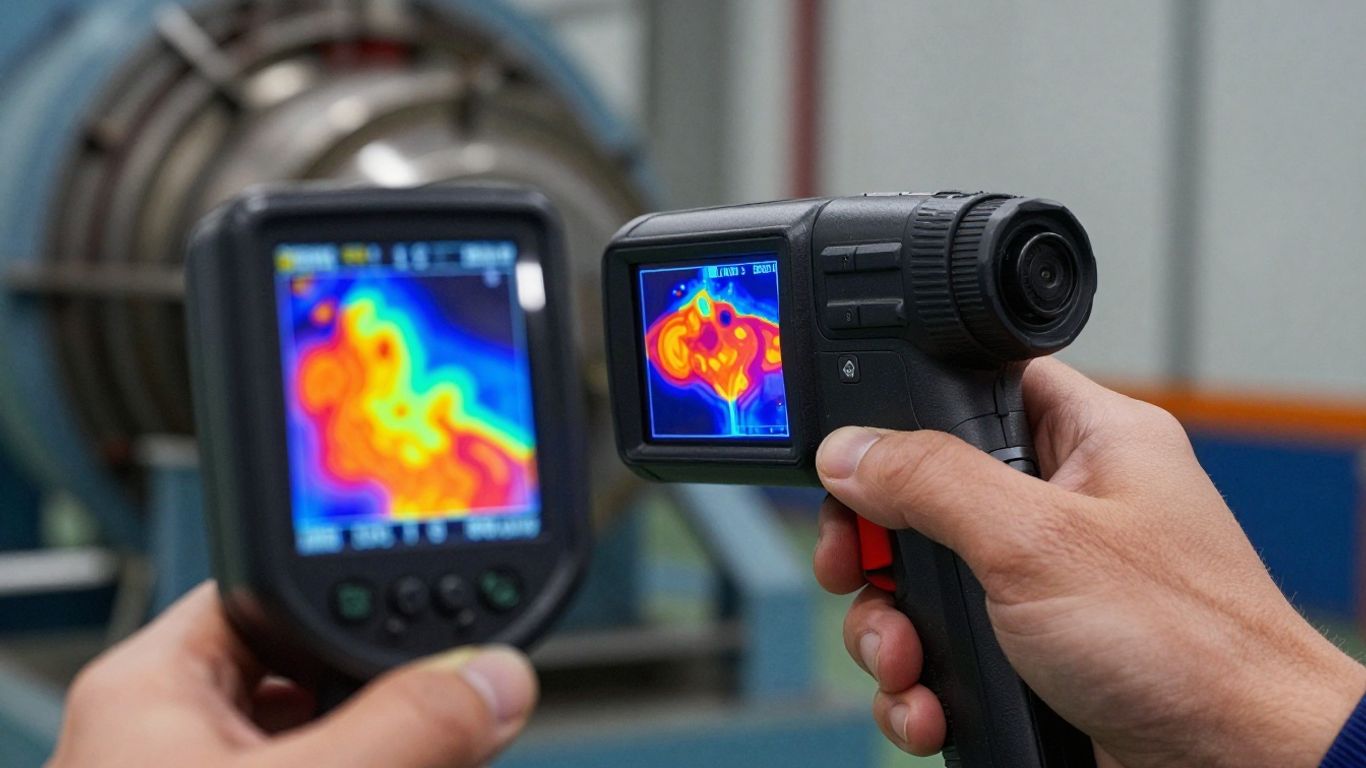
Integrating industrial thermal imaging cameras into your existing operational framework is a strategic decision that can significantly impact efficiency and safety. It's not just about placing a camera; it's about making it a functional part of your system. You have a few primary paths to consider when bringing this technology onboard.
Commercial Off-the-Shelf (COTS) Camera Systems
These are ready-to-deploy solutions. Think of them as complete packages that come with integrated displays, onboard processing capabilities, standard connection options, and housings built to withstand industrial conditions. Using COTS cameras offers the quickest route to implementation. They eliminate the need for extensive design work, reduce development risks, and shorten the time it takes to get the technology up and running. These systems are built on proven technology and are generally available immediately, making them a practical choice when time is a factor. They are well-suited for applications that require standard thermal imaging functions without the need for highly specialized configurations. You can find these systems designed for various tasks, from general electrical inspections to monitoring specific process equipment.
OEM Thermal Camera Modules for Customization
If your needs are more specialized, you might look at Original Equipment Manufacturer (OEM) thermal camera modules. These are essentially the core components – the sensor, optics, and basic electronics – that you integrate into your own custom platform or product. This approach gives you a lot more flexibility. You can tailor the integration precisely to your application's unique requirements. However, it does demand more engineering effort. You'll be responsible for the housing, power management, and how the module communicates with your system. This path is often chosen by companies that want to embed thermal imaging capabilities directly into their own manufactured equipment or systems, differentiating their products with advanced monitoring features. This allows for a highly specific solution, but requires a deeper technical investment.
System Integration with MES and SCADA Platforms
For many industrial facilities, the real power of thermal imaging comes when it's connected to your existing Manufacturing Execution Systems (MES) or Supervisory Control and Data Acquisition (SCADA) platforms. This integration allows for real-time data flow and automated responses. Modern thermal cameras often support standard communication protocols like GigE Vision or GenICam, which are designed to work smoothly with these industrial control systems. When integrated, thermal data can be combined with other operational data, providing a more complete picture of your facility's health. This enables automated alerts for anomalies, helps in scheduling maintenance based on actual conditions rather than fixed schedules, and can even trigger automated shutdown sequences if critical temperature thresholds are breached. This level of integration transforms thermal imaging from a diagnostic tool into a proactive component of your operational management. If you're looking to build a truly connected industrial environment, understanding how these systems communicate is key. To explore how advanced integration strategies can benefit your operations, consider reaching out to experts at LightPath.
When setting up thermal imaging for factories, there are different ways to do it. Each method has its own benefits for different jobs. Understanding these options is key to getting the best results for your specific needs. Want to learn more about how we can help you integrate these systems? Visit our website today to talk to an expert!
Making the Right Choice for Your Facility
So, you've looked into industrial thermal imaging cameras, and it's clear they're not just fancy gadgets. They're serious tools that can really help you keep things running smoothly and safely. Picking the right one means thinking about what you need it to do – like checking electrical stuff, keeping an eye on machines, or maybe even spotting gas leaks. Don't forget to consider how tough the environment is where you'll use it. By carefully matching the camera's features to your specific tasks and workplace conditions, you'll be well on your way to making a smart investment that pays off in fewer breakdowns and better overall operations.
Frequently Asked Questions
What is a thermal imaging camera and how does it help in industrial settings?
A thermal imaging camera is like a special camera that can see heat. Everything gives off heat, and this camera shows those heat patterns as colorful pictures. In factories and plants, it helps you see if machines or electrical parts are getting too hot, which could mean they are about to break. It's like a doctor using an X-ray to see inside your body, but for machines.
Why is non-contact temperature measurement important for safety?
Imagine needing to check the temperature of something super hot or dangerous, like live electrical wires. A thermal camera lets you do this from a safe distance without touching anything. This means workers don't have to get close to hazards, reducing the risk of burns or electrical shocks. It's a much safer way to check on equipment.
How can thermal cameras help prevent equipment failures?
Thermal cameras can spot problems before they become big issues. For example, a loose electrical connection might get warmer than others. A bearing in a motor might start to overheat before it actually fails. By seeing these 'hot spots' early, you can fix the problem during planned maintenance, stopping unexpected breakdowns that cause costly downtime.
What does 'rugged construction' mean for an industrial thermal camera?
'Rugged construction' means the camera is built tough. Industrial places can be dusty, wet, or have vibrations. A rugged camera is designed to handle these tough conditions and keep working reliably, unlike a regular camera that might break easily. It's built to last in harsh environments.
Can these cameras be used to detect gas leaks?
Yes, special types of thermal cameras, called optical gas imaging cameras, can see certain gases that are invisible to the naked eye. They show leaks as cloudy shapes, helping workers find and fix them quickly. This is super important for safety and preventing pollution in places like oil refineries.
What is the difference between cooled and uncooled thermal detectors?
Think of it like this: 'cooled' detectors use special cooling to get super-sensitive readings, like a high-performance race car engine. They are great for seeing tiny temperature details from far away. 'Uncooled' detectors are more common, less expensive, and work well for most everyday industrial tasks, like checking general equipment temperatures. They are more like a reliable family car.