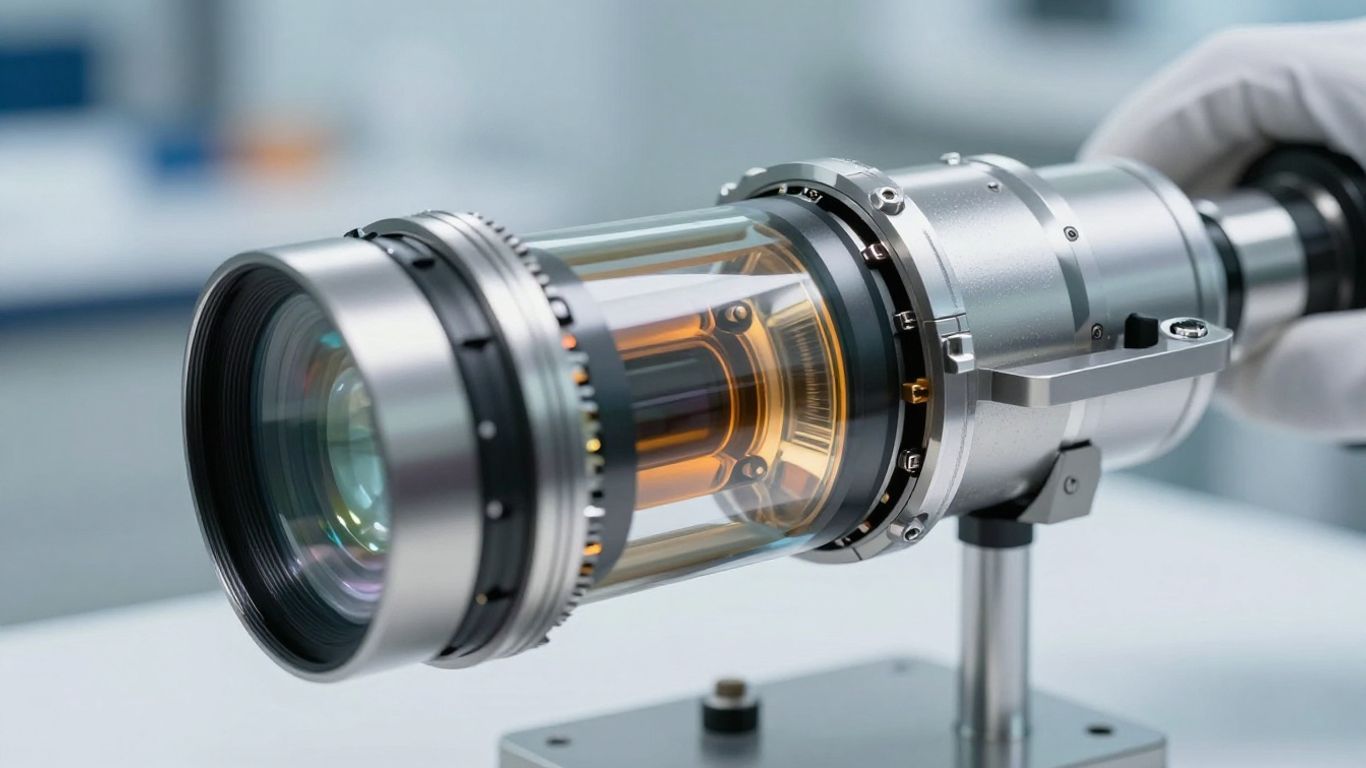

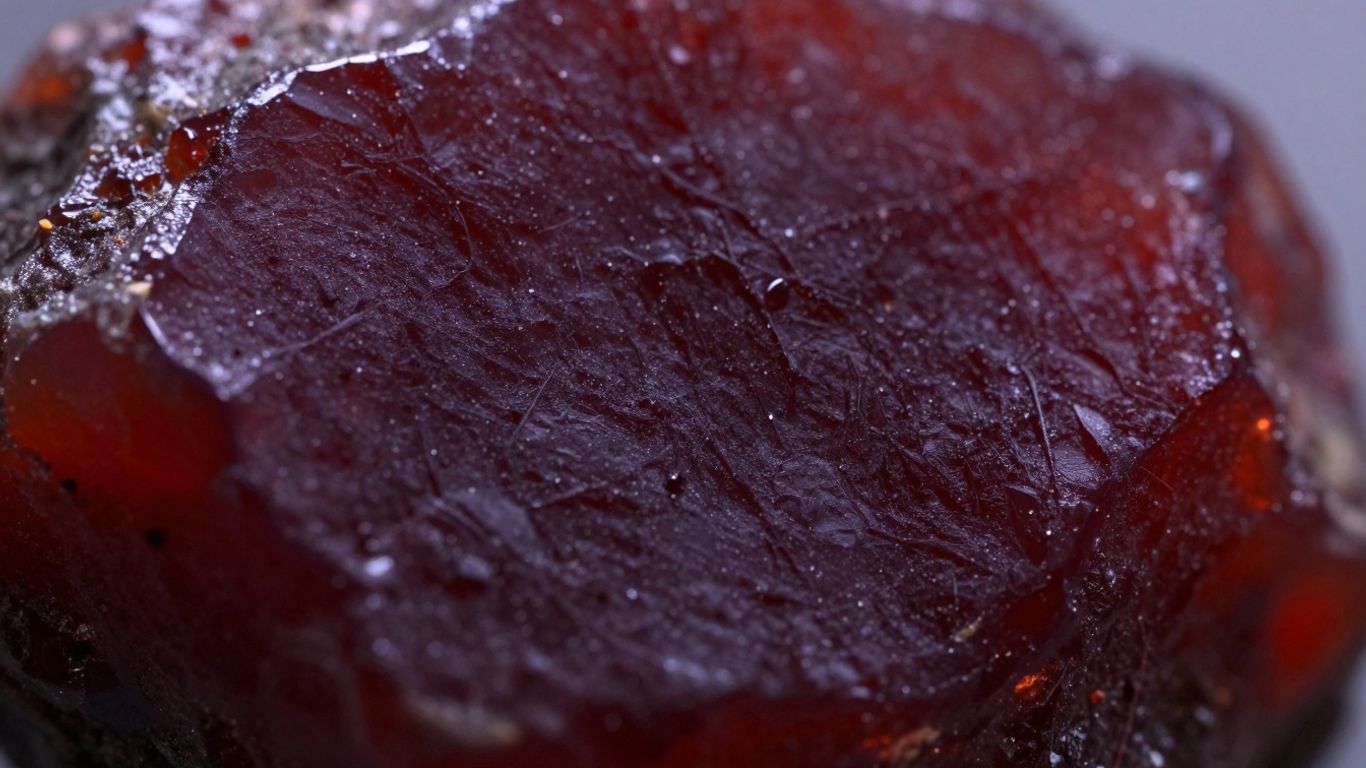
You're looking to understand how chalcogenide infrared optics work and why they're important. This technology lets us see things we normally can't, especially in the infrared spectrum. It's pretty neat how these special glasses can be used in everything from defense systems to industrial checks. Let's break down what makes them so useful and how they're made.
Key Takeaways
- Chalcogenide glasses offer unique properties for seeing in the infrared, often outperforming traditional materials like Germanium.
- Designing advanced infrared imaging systems involves careful material selection and in-house coating processes for the best results.
- Precision manufacturing, like diamond turning and molding, is key to creating high-quality infrared optical components.
- The quality of your optical components directly impacts the overall performance of your infrared system.
- Chalcogenide infrared optics are vital for various applications, including thermal cameras, aerospace, and industrial monitoring.
The Foundation of Chalcogenide Infrared Optics
Understanding Chalcogenide Glass Properties
Chalcogenide glasses are a family of amorphous solids that contain one or more chalcogens (sulfur, selenium, or tellurium) along with other elements like germanium, arsenic, or antimony. What makes them particularly interesting for infrared optics is their ability to transmit light across a broad spectrum, extending well into the infrared range where traditional optical materials like silica or borosilicate glass become opaque. This transmission window is key for applications that need to "see" heat.
Unlike crystalline materials, glasses lack a long-range atomic order, which contributes to their isotropic properties and ease of manufacturing into complex shapes. However, they can be brittle and have lower thermal conductivity compared to some crystalline alternatives. Their refractive index is also generally higher than that of common glasses, which can be advantageous in lens design for reducing element count.
Key properties to consider include:
- Transmission Range: Typically from the visible spectrum up to 12 micrometers (µm) or even further, depending on the specific composition.
- Refractive Index: Generally high, often in the range of 2.0 to 3.0, allowing for more compact optical designs.
- Dispersion: Chalcogenides exhibit significant chromatic dispersion, meaning the refractive index changes with wavelength. This needs to be managed in optical design.
- Thermal Properties: They have relatively low thermal conductivity and can be susceptible to thermal blooming (changes in refractive index with temperature), which requires careful consideration in high-power or wide-temperature applications.
- Mechanical Properties: They are generally harder than silicate glasses but can be more brittle. Their hardness is a factor in how they are processed and coated.
BlackDiamond™: A Proprietary Chalcogenide Solution
BlackDiamond™ is a specific formulation of chalcogenide glass developed to offer superior performance characteristics for infrared applications. It's engineered to provide excellent transmission across the mid-wave infrared (MWIR) and long-wave infrared (LWIR) bands, making it suitable for a wide array of thermal imaging systems. This material is designed to overcome some of the limitations found in other IR materials.
One of the significant advantages of BlackDiamond™ is its durability and stability. It is formulated to resist environmental degradation and maintain its optical properties over time and across varying conditions. This is important for systems deployed in harsh environments where reliability is paramount.
Compared to traditional materials like Germanium (Ge), BlackDiamond™ offers several benefits:
- Cost-Effectiveness: While Ge is a well-established IR material, its cost and supply chain can be volatile. Chalcogenide glasses like BlackDiamond™ can offer a more stable and often more economical alternative.
- Performance: BlackDiamond™ provides high transmission and can be manufactured into complex optical shapes, enabling advanced lens designs that might be more challenging or costly with Ge.
- Weight: It can be lighter than Germanium, which is a consideration for portable or weight-sensitive systems.
Advantages Over Traditional Germanium Optics
Germanium (Ge) has long been a workhorse in infrared optics due to its high refractive index and good transmission in the 3-5 µm and 8-12 µm ranges. However, relying solely on Germanium presents several challenges that chalcogenide glasses, particularly proprietary formulations like BlackDiamond™, aim to address.
Here are some key advantages that chalcogenide optics offer over traditional Germanium:
- Supply Chain Stability and Cost: Germanium is a rare element, and its availability can be subject to geopolitical factors and fluctuating market prices. This can lead to procurement uncertainties and higher costs for OEMs. Chalcogenide glasses, made from more common elements, generally offer a more predictable supply chain and a more stable cost structure.
- Design Flexibility: Germanium has a very high refractive index (around 4.0), which can lead to strong spherical aberration and require more complex lens designs with multiple elements to correct. Chalcogenide glasses typically have lower refractive indices (around 2.4-2.8), allowing for simpler lens designs, fewer elements, and potentially smaller, lighter optical assemblies while still achieving excellent performance.
- Achromatic Performance: Some chalcogenide formulations can be combined to create achromatic lens doublets that correct for chromatic aberration over a wider spectral range than is easily achievable with single-material Germanium lenses. This is beneficial for broadband imaging systems.
- Coating Compatibility: While both materials can be coated, the surface properties and manufacturing processes for chalcogenides can sometimes allow for more robust or specialized coating applications, such as advanced anti-reflective (AR) or durable coatings, to be applied effectively.
These advantages make chalcogenide glasses a compelling choice for many modern infrared imaging systems, offering a balance of performance, cost, and design flexibility. If you are exploring options for your next infrared project, we invite you to connect with our experts to discuss how our materials can meet your specific needs at https://www.lightpath.com/contact.
Designing Advanced Infrared Imaging Lens Assemblies
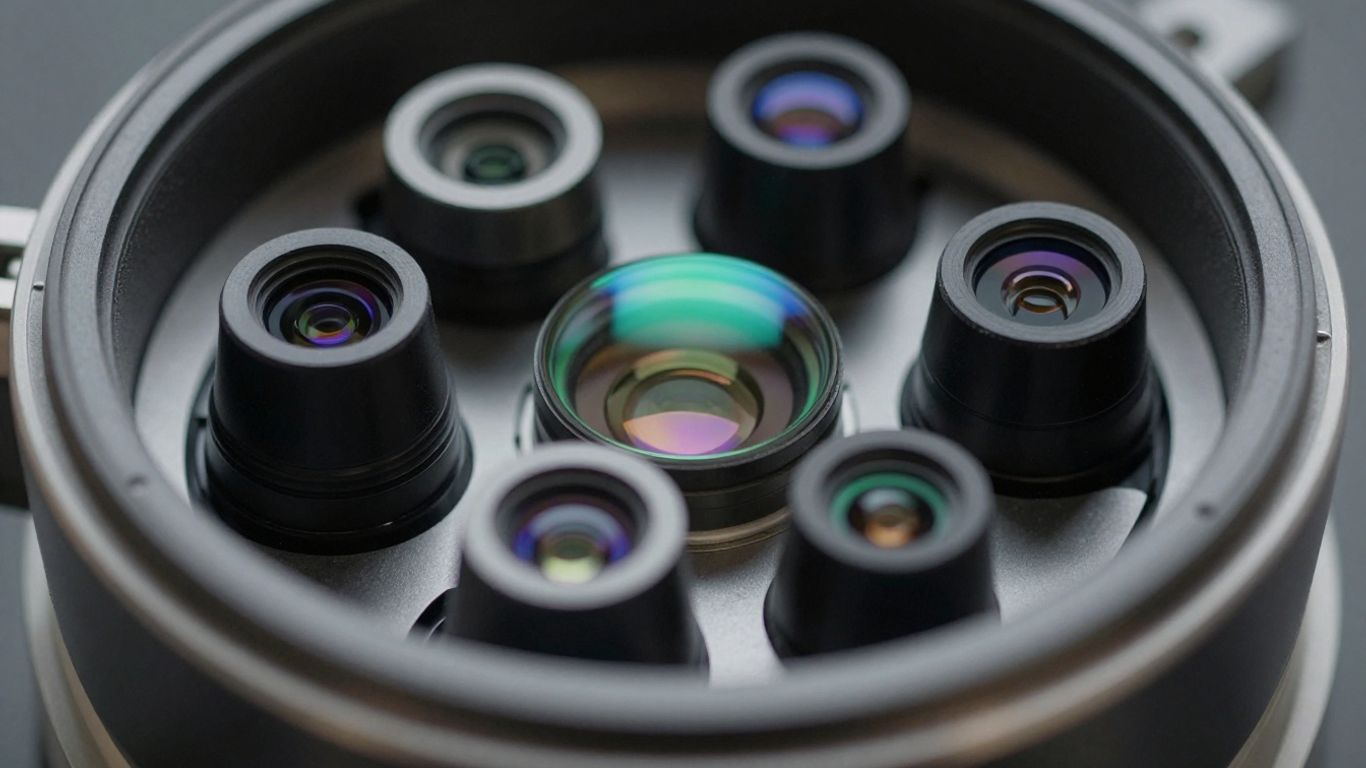
When you are developing advanced infrared imaging systems, the lens assembly is a critical component. It's not just about the sensor; the optics play a huge role in how well your system performs. We approach the design of these assemblies with a focus on integration and performance, using our vertical integration to our advantage.
Leveraging Vertical Integration for Custom Solutions
As a vertically integrated manufacturer, we handle every step of the process in-house. This means we design, fabricate, and coat the optics ourselves. This control allows us to create custom lens assemblies, known as Thermal Imaging Lens Assemblies (TILA), that are precisely tailored to your specific needs. We don't rely on outside suppliers for key stages, which helps maintain consistency and quality from start to finish. This approach is particularly useful when you need a unique solution that off-the-shelf components can't provide. We can work with you to develop optics that fit your exact system requirements, speeding up your development timeline.
Material Selection for Optimal Thermal Transmission
Choosing the right material is fundamental for effective infrared imaging. While traditional materials like germanium have been used, we often turn to our proprietary BlackDiamond™ chalcogenide glass. This material provides excellent transmission across a wide range of infrared wavelengths and offers good thermal stability. It's a practical replacement for germanium, offering comparable optical design and thermal performance. The selection process involves looking at the specific spectral bands you need to image and the operating environment. For instance, if you're working with high-temperature applications, the material's thermal properties become even more important. Understanding the refractive index and dispersion characteristics of different materials helps us design lenses that minimize aberrations and maximize image quality. You can find more information on chalcogenide glass properties and how it compares to germanium.
In-House Coating Capabilities for Enhanced Performance
Once the lens elements are manufactured, applying the correct coatings is the next vital step. We perform all our coating processes in-house, giving us complete control over the final optical performance. We offer a variety of coatings designed to improve transmission, reduce reflections, and increase durability. These include:
- Anti-Reflective (AR) Coatings: These minimize light loss by reducing reflections from the lens surfaces, allowing more infrared energy to reach the sensor.
- High-Durability AR (HDAR) Coatings: For applications where the optics might be exposed to harsher conditions, these coatings provide increased resistance to abrasion and environmental factors.
- Diamond-Like Carbon (DLC) Coatings: These offer exceptional hardness and wear resistance, making them suitable for ruggedized systems.
- Spectral Filter Coatings: These can be used to isolate specific wavelength bands, which is useful for applications requiring targeted spectral analysis or noise reduction.
Our ability to develop and apply these coatings internally means we can optimize each lens assembly for its intended application, whether it's for demanding defense systems or precise industrial monitoring. If you're looking for advanced infrared optics, we encourage you to contact our team to discuss your project.
Precision Manufacturing of Infrared Optical Components
The performance of any infrared system hinges on the quality and precision of its optical components. Manufacturing these components to exact specifications requires specialized techniques and rigorous quality control. You need to know that the lenses and other optical elements will perform reliably, especially in demanding applications.
Diamond Turned Optics for High-Performance Applications
Diamond turning is a method used to create optical components with exceptional accuracy. This process uses a single-point diamond tool to precisely cut materials like Germanium, Silicon, Zinc Selenide, Zinc Sulfide, and our own chalcogenide glasses. The result is optics with very low surface irregularities, often less than half a fringe peak-to-valley, and a surface roughness under 20 Angstroms RMS. These components can be made up to 350mm in diameter with tight dimensional tolerances of ±0.002mm. We can also apply various coatings, such as Anti-Reflective (AR), High-Durability AR (HDAR), and Diamond-Like Carbon (DLC), to further improve performance and durability.
Molded IR Lenses for Large-Scale Production
For applications requiring high volumes of identical optical components, precision molding is the preferred method. This technique is particularly effective for aspheric lenses, which can correct for optical aberrations more efficiently than traditional spherical lenses. LightPath has perfected this process, allowing for the production of highly consistent, high-performance aspheric lenses for both visible and infrared uses. Molding eliminates the need for extensive grinding and polishing, which speeds up production and lowers costs, making it ideal for scalable manufacturing. You can find these precision molded optics used across various industries.
Spherical Lenses for Diverse Infrared Needs
Spherical lenses remain a staple in many optical systems due to their versatility and cost-effectiveness. We produce high-quality spherical lenses designed to meet a wide range of infrared imaging requirements. These lenses are manufactured with attention to detail, ensuring they provide clear and accurate imaging across different spectral bands. Whether you need standard components or custom designs, our manufacturing capabilities ensure you receive optics that fit your system's needs precisely. If you have specific requirements for your optical components, please contact our team to discuss your project.
The Role of Optical Quality in System Performance
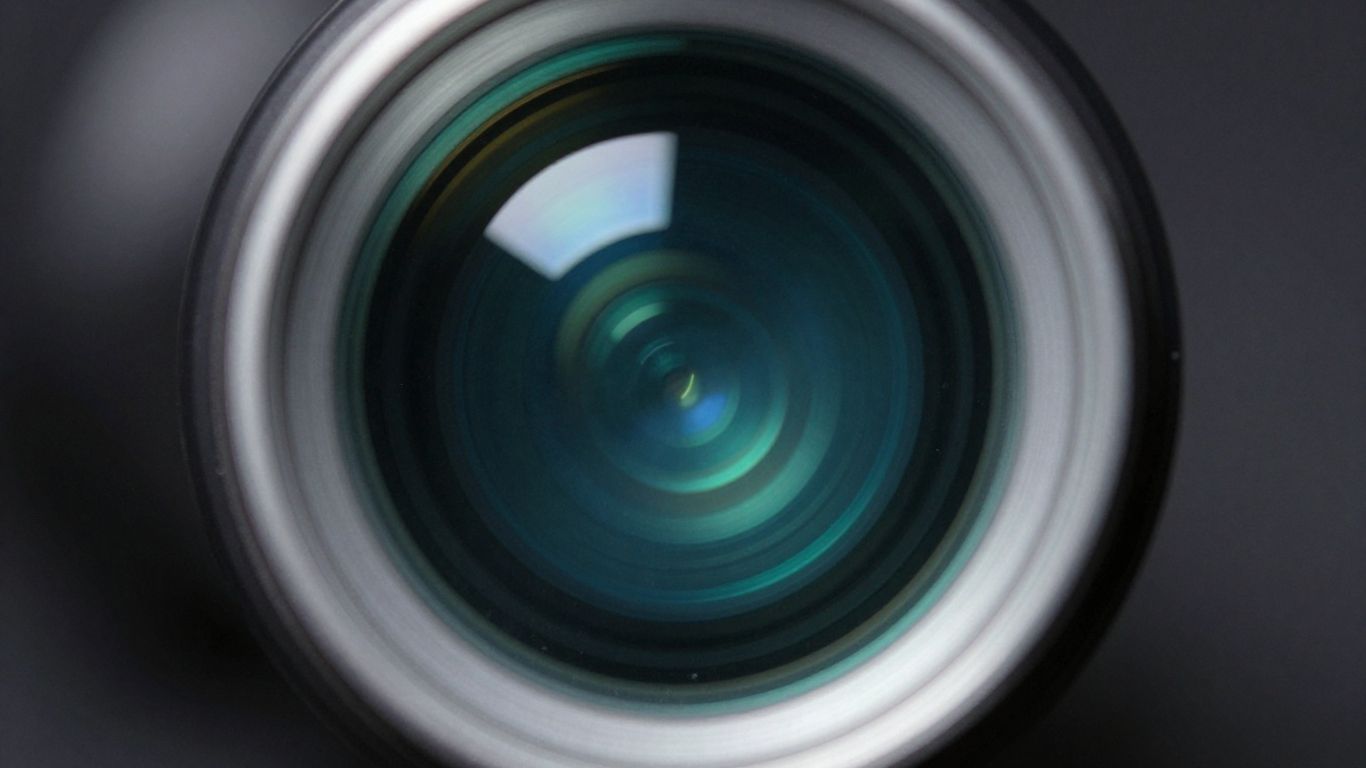
While the sensor technology in infrared systems often gets the spotlight, the quality of the optical components is what truly dictates whether your system achieves its intended performance in real-world conditions. It's not just about the detector; the lenses and their materials play a significant part. For original equipment manufacturers (OEMs) integrating these systems, a thorough understanding of optical considerations is key to developing reliable products.
Why Lens Material Selection is Crucial
The choice of lens material directly influences how well your system performs, especially in the infrared spectrum. Traditional infrared optics have often relied on germanium. While germanium offers good transmission in long-wave infrared (LWIR) wavelengths, its availability can be unpredictable due to supply chain issues, and its cost can fluctuate. This uncertainty can pose a challenge for programs that require consistent component supply for scaled production. Alternative materials, such as chalcogenide glasses, provide a more stable supply chain and can maintain excellent thermal transmission. However, these materials require careful optical engineering to match the performance of germanium. You can explore proprietary chalcogenide glass solutions that offer a balance of performance and supply chain stability.
Impact of Optical Design Optimization
Beyond the material itself, the design of the optical system has a substantial impact. Factors like cold shield efficiency are important for ensuring image uniformity, particularly in cooled mid-wave infrared (MWIR) systems, preventing artifacts like corner shading. The lens's f-number and focal length are also critical, as they directly affect both the system's detection range and its field of view. Furthermore, athermalization is vital; it ensures that the system maintains focus across a range of operating temperatures without needing active adjustments. This is particularly important for systems that will operate in environments with significant temperature variations.
Supplier Selection for Reliable Product Development
When you are integrating infrared cameras into larger systems, the selection of your optical subsystem supplier is as important as the optical design itself. Procuring thermal cameras without a clear understanding of their optical quality can lead to systems that meet specifications on paper but underperform in actual use. It is advisable to work with suppliers who offer transparency regarding their optical components and manufacturing processes. Consider suppliers who provide:
- Vertical Integration: Control over the entire manufacturing process, from raw materials to final assembly, often leads to better quality control and more predictable schedules.
- In-House Capabilities: Having design, fabrication, and coating capabilities under one roof can streamline development and improve responsiveness.
- Material Expertise: A deep understanding of various IR materials and their suitability for different applications.
- Customization Options: The ability to tailor optical solutions to your specific performance requirements.
Choosing the right partner for your optical components is a significant step in developing a successful infrared system. If you need assistance in selecting the right optical solutions for your application, please contact us.
Chalcogenide Applications in Thermal Imaging
Enabling Passive Detection with Thermal Cameras
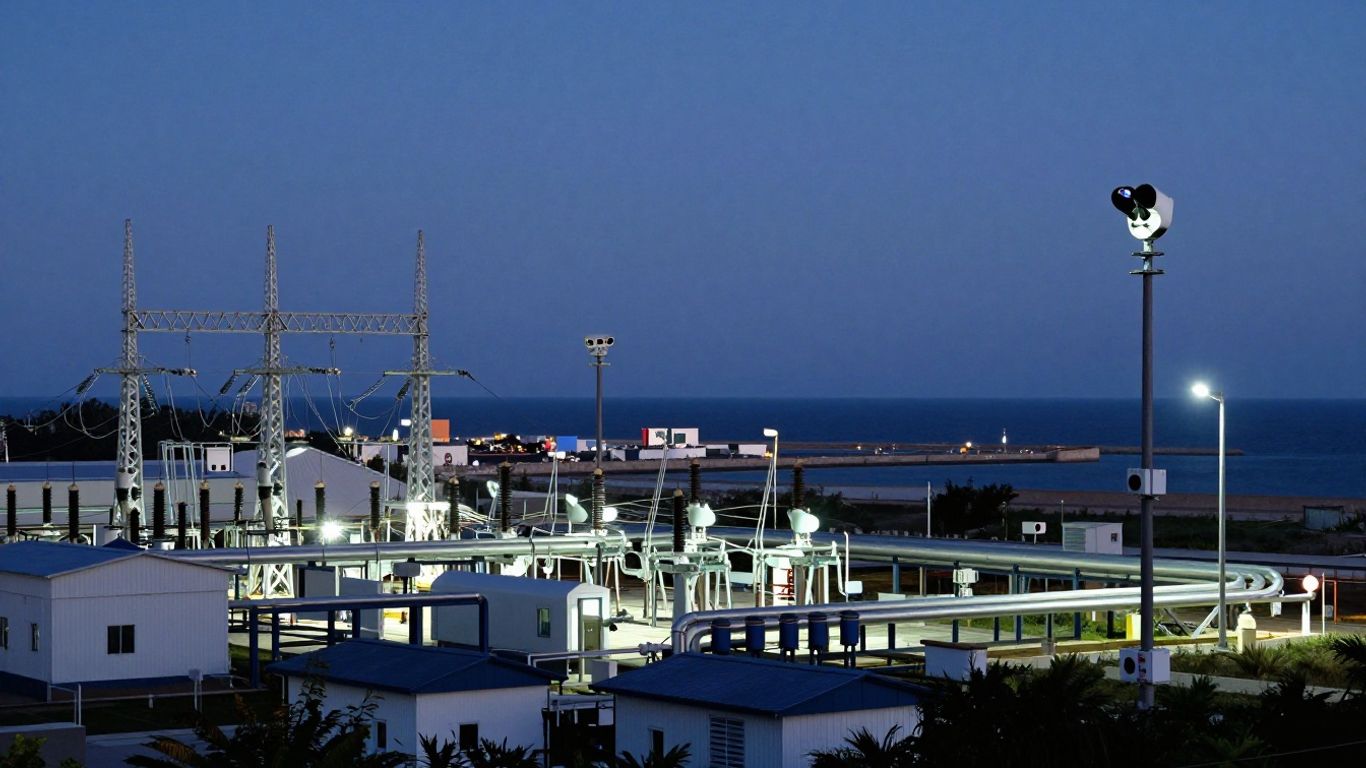
Thermal imaging cameras operate by detecting the infrared radiation that objects naturally emit, rather than relying on visible light or external illumination. This passive detection method is a significant advantage, especially in situations where visible light is absent or insufficient. Unlike systems that use active infrared illumination, which can be detected by adversaries, thermal cameras observe the heat signatures already present in the environment. This means your system can see clearly in complete darkness, through heavy fog, smoke, or dust, and even in enclosed spaces with no light at all. The technology simply observes the thermal signatures that are already there.
Dual-Band Imaging for Enhanced Contrast
Some advanced thermal imaging systems can capture images across both the mid-wave infrared (MWIR, 3-5µm) and long-wave infrared (LWIR, 8-14µm) bands simultaneously. This dual-band capability is particularly useful for imaging a wide range of temperatures. MWIR is better at detecting hotter objects, like engines or machinery, while LWIR excels at capturing subtle thermal differences from objects closer to ambient temperature. By combining these two perspectives, you get enhanced contrast and detail in your thermal images. This allows for superior detection across a broad spectrum of temperatures, which is critical for applications like precision surveillance, safety monitoring, and detailed industrial diagnostics where distinguishing between small temperature variations is important.
High-Temperature Imaging Capabilities
Imaging extremely high temperatures presents unique challenges. Standard uncooled LWIR cameras are often limited in their upper temperature range, typically around 500°C. However, by incorporating MWIR capabilities alongside LWIR, thermal cameras can extend their imaging range significantly. This allows for accurate temperature measurement and visualization of objects up to 2000°C. Such a capability is vital for monitoring high-temperature industrial processes, such as metal forging, combustion analysis, and advanced fire detection systems, where precise temperature data is necessary for safety and operational efficiency. If your application involves extreme heat, exploring systems with dual-band capabilities is a practical step.
To discuss how our chalcogenide optics can support your thermal imaging needs, please contact us at https://www.lightpath.com/contact.
Industry-Specific Chalcogenide Infrared Optics Solutions
Aerospace and Defense Applications
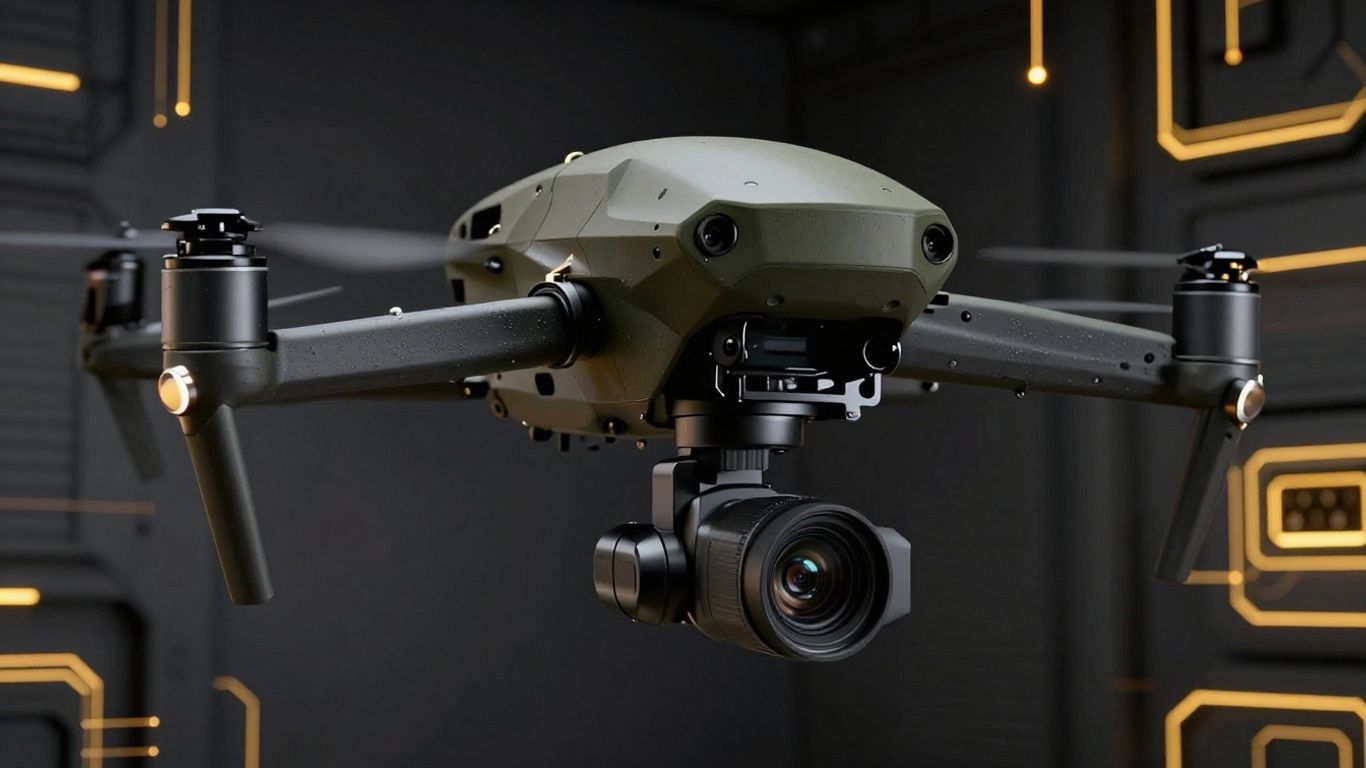
In the aerospace and defense sectors, the need for reliable, high-performance imaging is paramount. Chalcogenide infrared optics play a significant role here, offering solutions that can withstand demanding operational environments. You'll find these materials used in everything from advanced targeting systems to surveillance equipment. Their ability to transmit infrared light effectively, combined with durability, makes them suitable for mission-critical applications where failure is not an option. The development of custom solutions, often involving proprietary materials like BlackDiamond™, allows for tailored performance to meet specific program requirements. This includes systems designed for long-range detection and identification, where clear imagery is essential for operational success.
Industrial Monitoring and Inspection
For industrial settings, chalcogenide infrared optics provide robust solutions for monitoring and inspection tasks. You can utilize these components in systems designed to detect heat anomalies in machinery, monitor high-temperature processes, or inspect materials for defects that are not visible to the human eye. The stability of chalcogenide glass across varying temperatures is a key advantage, ensuring consistent performance in environments that might challenge other optical materials. This is particularly important in applications like furnace monitoring or predictive maintenance, where continuous, reliable data is needed to prevent costly downtime. The ability to mold these materials into complex shapes also aids in creating compact and efficient inspection tools.
Oil and Gas Sector Requirements
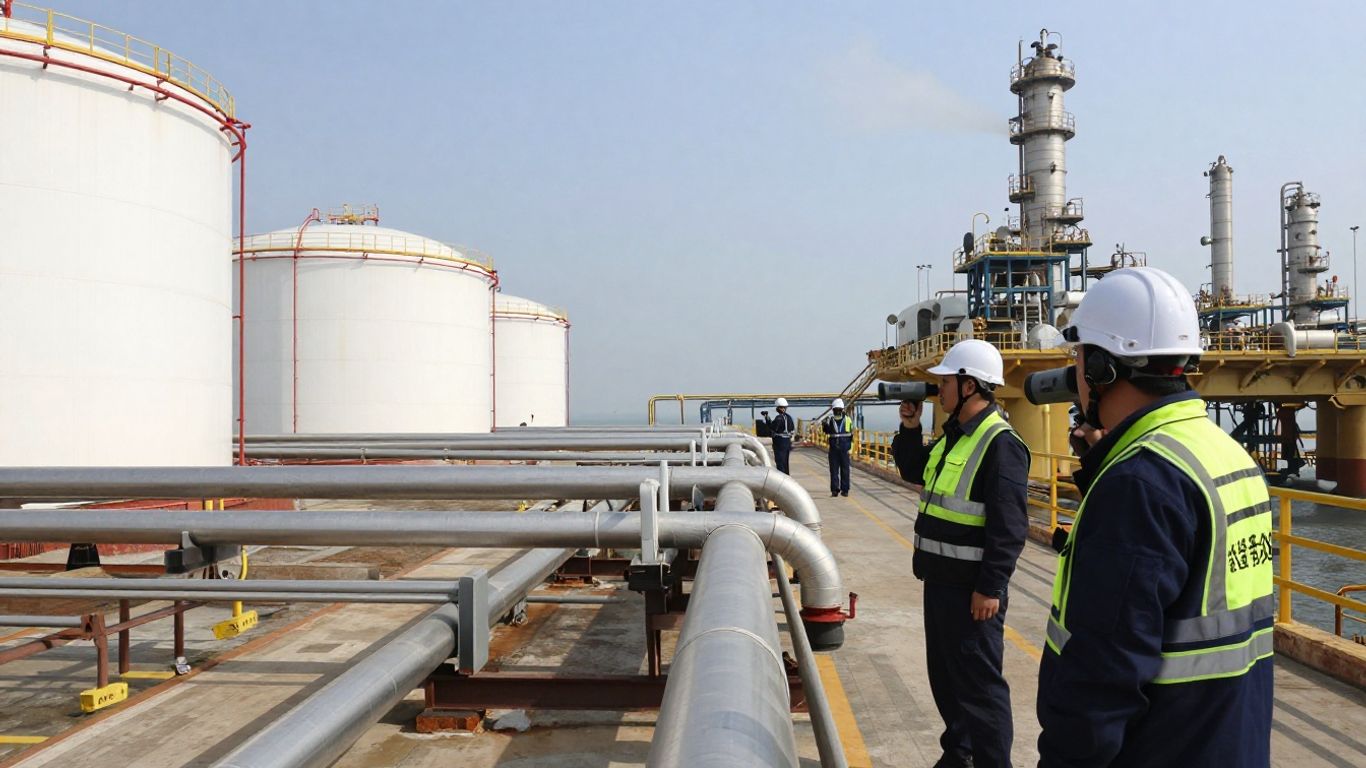
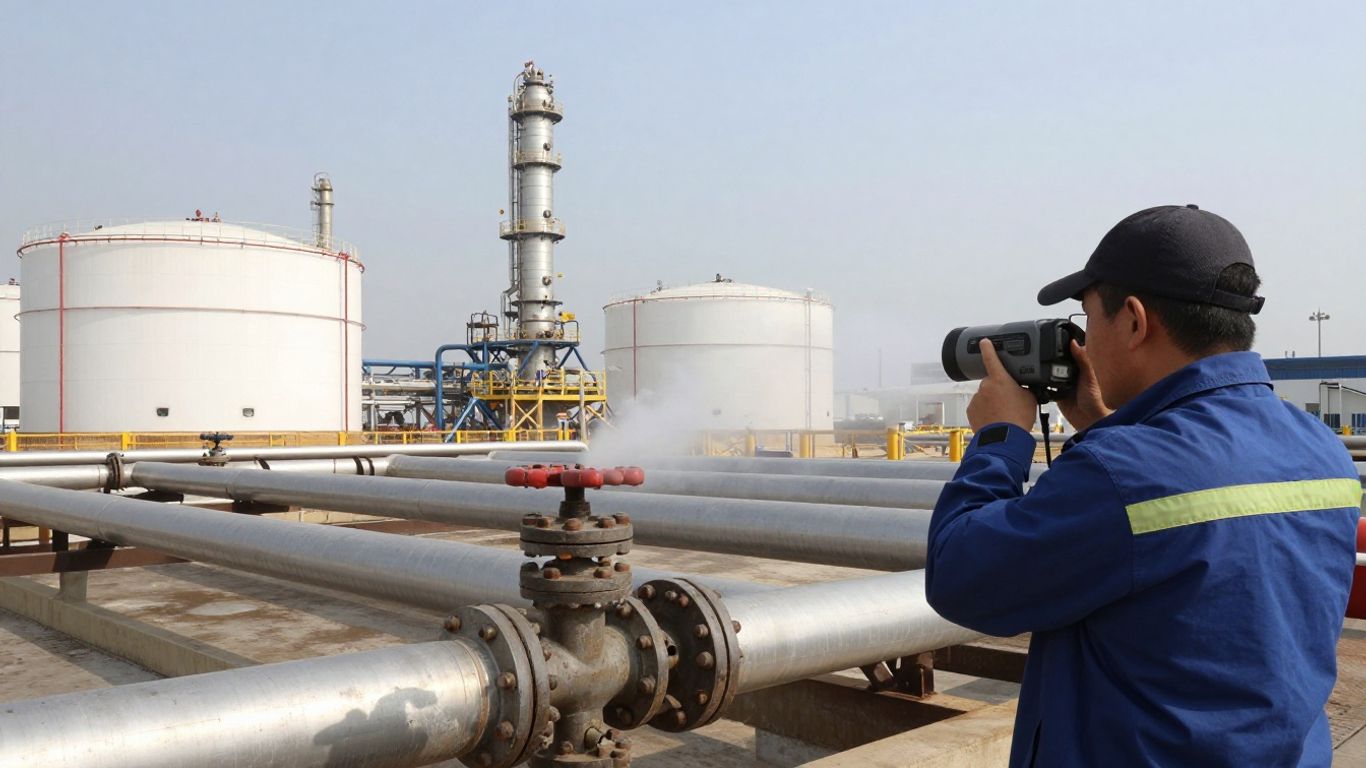
The oil and gas industry presents unique challenges, from harsh environmental conditions to the need for precise leak detection. Chalcogenide infrared optics are instrumental in developing specialized equipment for this sector. You might see them incorporated into optical gas imaging (OGI) cameras, which can detect fugitive emissions of hydrocarbons. The broad spectral transmission of these optics allows for the detection of specific gases that are critical for safety and environmental compliance. Furthermore, their resilience in potentially corrosive or extreme temperature environments makes them a practical choice for equipment deployed in the field, from offshore platforms to remote pipeline monitoring stations. Working with a partner that understands these specific needs can lead to more effective and reliable solutions for the oil and gas industry.
We offer special solutions for infrared optics using chalcogenide materials, perfect for many different industries. If you need top-notch optical parts, check out our website to see how we can help your project succeed.
Looking Ahead with Chalcogenide Optics
So, as you can see, these special chalcogenide glasses are really changing the game for seeing in the infrared. You've learned how materials like BlackDiamond™ offer a solid alternative to older options, giving you better performance and durability. Whether you're working in defense, industry, or research, the ability to get clear images in the infrared is becoming more important. By understanding the benefits of these advanced optical materials and the systems they enable, you're better equipped to choose the right tools for your projects. It's an exciting field, and the technology keeps getting better, opening up new possibilities for what we can see and understand.
Frequently Asked Questions
What exactly is chalcogenide glass and why is it good for seeing in the dark?
Chalcogenide glass is a special type of glass made with elements like sulfur, selenium, and tellurium. These elements make the glass really good at letting infrared light pass through. Think of infrared light as heat waves that we can't see with our eyes. Since these glasses let that heat light through, they are perfect for making lenses that help cameras see things based on their heat, even when it's completely dark.
What is BlackDiamond™ glass?
BlackDiamond™ is a special kind of chalcogenide glass that's made by a company called LightPath. It's known for being tough and letting a lot of infrared light through. It's often used instead of another material called Germanium, which is also used for infrared lenses but can be more expensive and harder to get sometimes. BlackDiamond™ offers a great balance of performance and durability.
How are infrared lenses made?
Infrared lenses are made using different methods. Some are 'diamond turned,' which means a very sharp diamond tool is used to cut and shape the glass with incredible accuracy. Others are 'molded,' where the glass is heated and pressed into a mold to create the lens shape. This molding process is great for making lots of lenses the same way, which helps keep costs down for things like thermal cameras.
Why is the quality of the lens material so important for infrared cameras?
The material of the lens is super important because it needs to let the heat (infrared light) reach the camera's sensor. If the material isn't good at this, the camera won't be able to 'see' the heat clearly. A better lens material means you get a sharper, more detailed picture, allowing you to see things more accurately, especially in tough conditions like fog or darkness.
What kinds of things can you see with infrared cameras using chalcogenide optics?
You can see all sorts of things based on their heat! This includes people and animals, even if they are hiding. You can also see running engines, electrical problems that cause heat, or check if something is too hot or too cold. This is useful for security, finding leaks, checking machinery in factories, and even in places like space or deep underwater where normal cameras can't work.
Can these infrared cameras see in both warm and very hot conditions?
Yes, some advanced infrared cameras can do this! They use different types of infrared light. One type, called MWIR, is better for seeing very hot things like furnaces or engines. Another type, LWIR, is good for seeing things closer to normal temperatures, like people. By using both, cameras can get a much clearer picture and see a wider range of temperatures, which is helpful for spotting different kinds of heat signatures.