
You're looking into the world of infrared imaging, and it can get a bit confusing with all the different terms and technologies out there. This article is here to help you sort through it all. We'll break down the basics of IR imaging comparison, looking at what makes different systems tick and what you need to know when choosing one. Think of this as your guide to understanding the landscape so you can make a more informed choice for your needs.
Key Takeaways
- When comparing IR imaging systems, remember that resolution alone doesn't tell the whole story; the optical design and lens choice play a big part in how well a system can actually detect things.
- Size, weight, and power (SWaP) are often the biggest hurdles. Many high-performance systems get ruled out early on because they just don't fit within these limits.
- Don't forget about the supply chain. The availability of materials and your manufacturing partners can impact your project just as much as the technical specs.
- Export rules, like ITAR and EAR, can really shape what's possible. Understanding these restrictions early can save you from major headaches down the road.
- It's often best to work with manufacturers who have control over the whole process, from the materials they use to the final camera assembly. This can lead to a more reliable and integrated solution.
Understanding Infrared Spectrum Differences
The infrared spectrum is a broad range of electromagnetic radiation, and not all infrared is the same. When you're looking at thermal imaging systems, you'll most often encounter two main categories: Long-Wave Infrared (LWIR) and Mid-Wave Infrared (MWIR). Understanding the differences between these isn't just about technical jargon; it directly impacts what your system can see and how it performs in various situations. It's about choosing the right tool for the job.
Distinguishing Between LWIR and MWIR Technologies
At its core, the difference between LWIR and MWIR lies in the specific wavelengths of infrared light they detect. Think of it like different radio stations – each operates on a different frequency. LWIR systems typically capture radiation in the 8 to 14 micrometer (µm) range, while MWIR systems focus on the 3 to 5 µm band. This distinction is not arbitrary; it's based on the physics of how objects emit thermal radiation at different temperatures.
Wavelength Ranges and Physical Principles
Objects emit infrared radiation based on their temperature. According to Planck's law, warmer objects emit more energy, and the peak wavelength of that emission shifts. At typical ambient temperatures – the kind you'd find for people, vehicles, or most equipment operating normally – objects emit most strongly in the LWIR range. This makes LWIR ideal for detecting these everyday heat signatures. As objects get significantly hotter, like an engine or exhaust, their peak emission shifts towards shorter wavelengths, falling into the MWIR band. This is why MWIR systems are often better suited for spotting very hot targets.
|
Spectral Band |
Wavelength Range (µm) |
Primary Target Temperatures |
Typical Applications |
|---|---|---|---|
|
LWIR |
8 - 14 |
Ambient to moderate |
General surveillance, security, industrial monitoring, human/vehicle detection |
|
MWIR |
3 - 5 |
High to very high |
Engine detection, exhaust plume analysis, hot industrial processes, missile seekers |
Operational Implications of Spectral Bands
The choice between LWIR and MWIR has direct consequences for your system's performance. LWIR systems, often using uncooled microbolometer detectors, are generally more cost-effective, require less power, and are simpler to integrate. They excel in detecting objects at or near typical environmental temperatures, making them the workhorse for most surveillance and monitoring tasks. They also tend to perform better in humid conditions and can penetrate smoke and fog more effectively than MWIR systems. You can find more information on IR spectrum principles to help clarify these differences.
MWIR systems, on the other hand, often require cryogenic cooling, which adds complexity, cost, and power demands. However, they offer superior performance for detecting very hot objects and can sometimes provide better resolution or detection range in specific atmospheric conditions, particularly those with high humidity where LWIR might see more attenuation. For applications where identifying extremely hot targets is paramount, or where specific atmospheric challenges favor MWIR, it becomes the preferred choice. Understanding these trade-offs early in your design process is key to selecting the right technology for your specific needs. If you're exploring options for your next project, consider reaching out to our experts at lightpath.com/contact to discuss your requirements.
Key Performance Metrics in IR Imaging
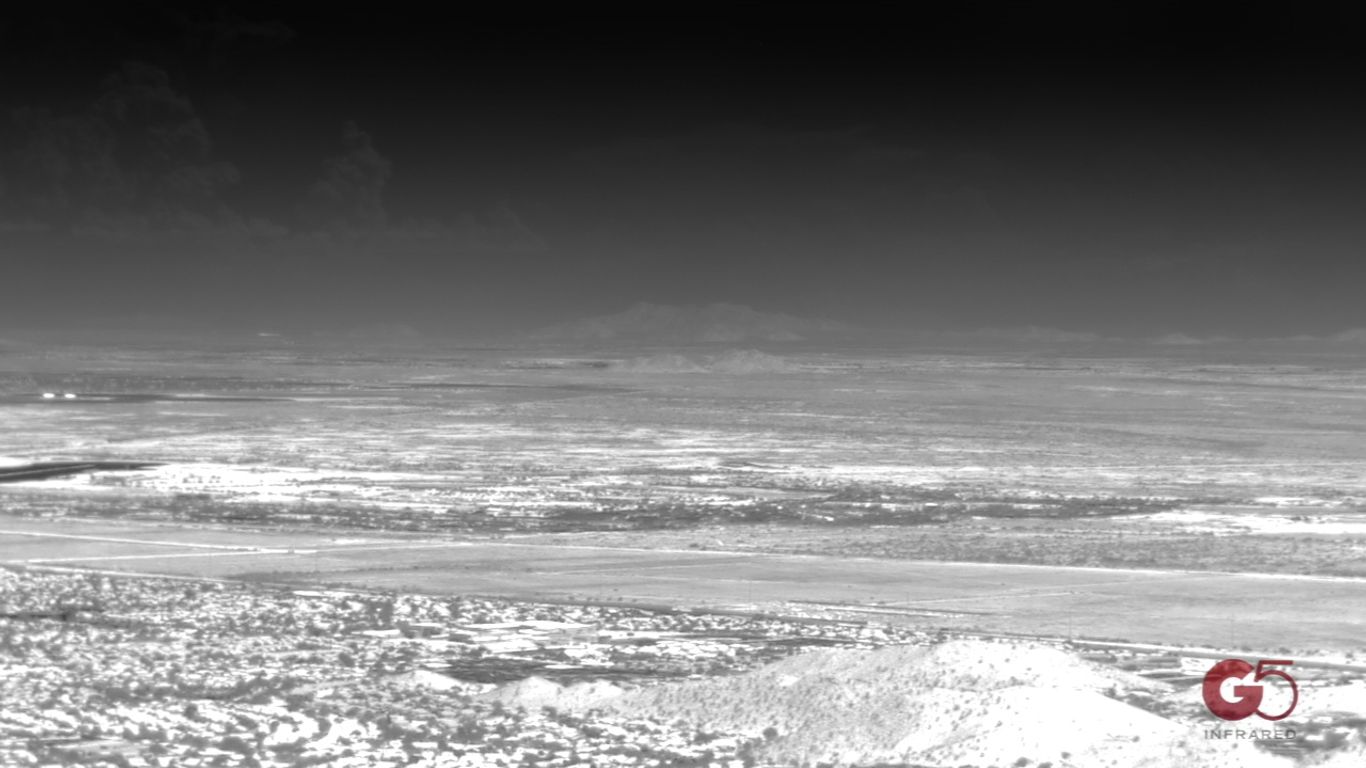
When you're looking at infrared cameras, it's easy to get lost in a sea of numbers and acronyms. But understanding a few core performance metrics can make all the difference in selecting the right system for your needs. It's not just about the highest number; it's about how those numbers translate into real-world capability.
Resolution Versus Detection Capability
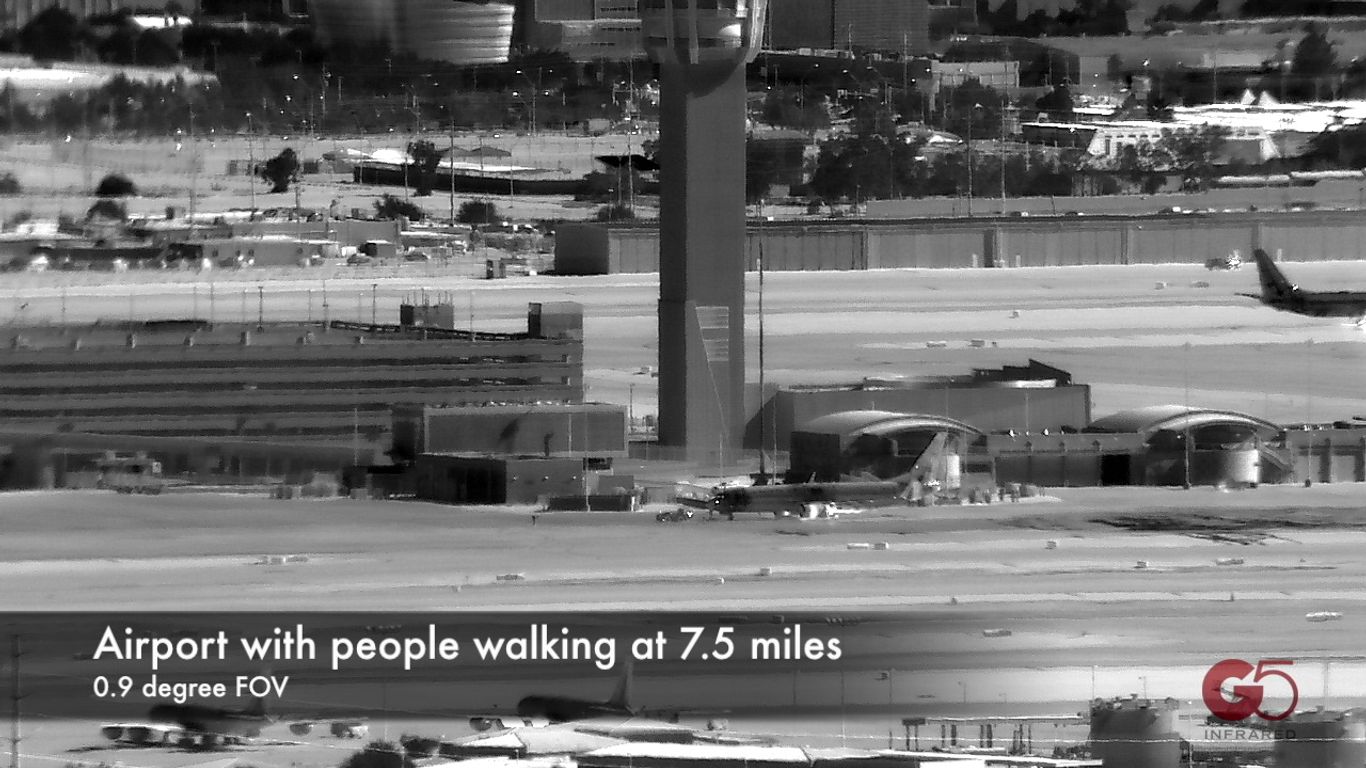
Many people assume that more pixels automatically mean better detection. While resolution is important, it's only one piece of the puzzle. The actual detection capability of an IR camera is a complex interplay between the sensor's pixel count and the optical design of the lens. Think of it this way: a camera with a lower resolution sensor but a lens designed for a narrow field of view might actually detect a small, distant object better than a higher-resolution camera with a wide-angle lens. This is because the lens determines how much of the scene each individual pixel covers. The metric to really consider here is the instantaneous field of view (IFOV) per pixel. It's calculated using both the sensor resolution and the lens specifications. So, when comparing cameras, don't just look at the megapixel count; examine how the optics are designed to work with that sensor for your specific application.
The Significance of Thermal Sensitivity (NETD)
Thermal sensitivity, often expressed as Noise Equivalent Temperature Difference (NETD), tells you how well a camera can distinguish between very small temperature variations. A lower NETD value means the camera is more sensitive and can detect fainter heat signatures. This is particularly important in challenging conditions where the temperature difference between a target and its background is minimal, or when you need to see targets at a distance. It's important to note that the NETD value listed on a datasheet is often a best-case scenario, achieved under ideal conditions with a specific lens. The actual NETD performance in your deployed system can be affected by the lens used, its aperture, and other system factors. Always consider the NETD in conjunction with the optical design to get a realistic picture of performance.
Impact of Optical Design on Performance
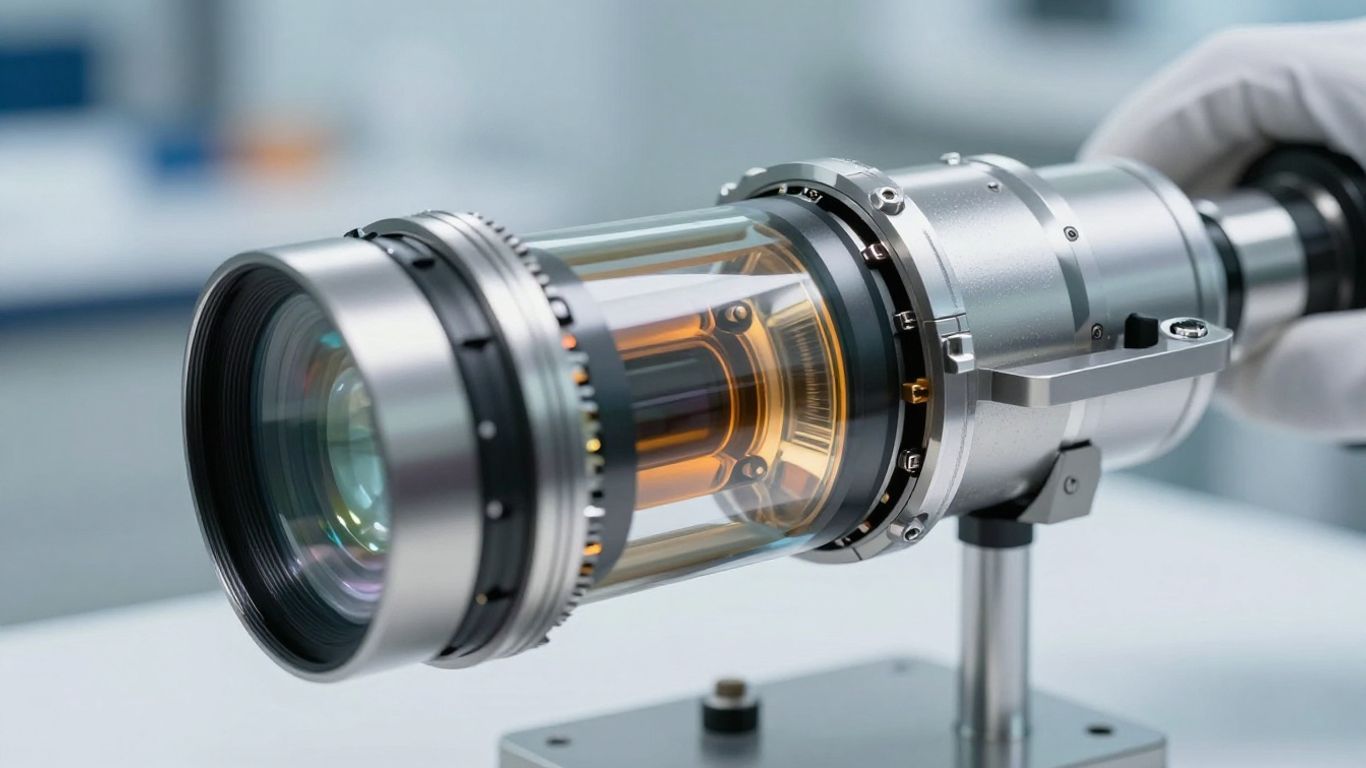
The optics of an IR camera are just as critical as the sensor itself. The lens collects the infrared radiation and focuses it onto the detector. Factors like the quality of the glass, the coatings applied to the lens elements, and the overall optical design significantly influence image quality, detection range, and thermal sensitivity. For instance, a lens with a wider aperture (a lower f-number) can gather more light, which can improve sensitivity, but it might also be larger and heavier. Conversely, a lens designed for a narrow field of view will provide greater magnification and allow for detection of smaller details at longer distances. When evaluating IR cameras, you must consider the optical system as a whole, not just the sensor specifications. The right optical design, matched to the sensor and your application, is what truly enables effective thermal imaging.
To discuss your specific IR imaging requirements and find the right solution, please contact us at https://www.lightpath.com/contact.
Environmental Factors Influencing IR Performance
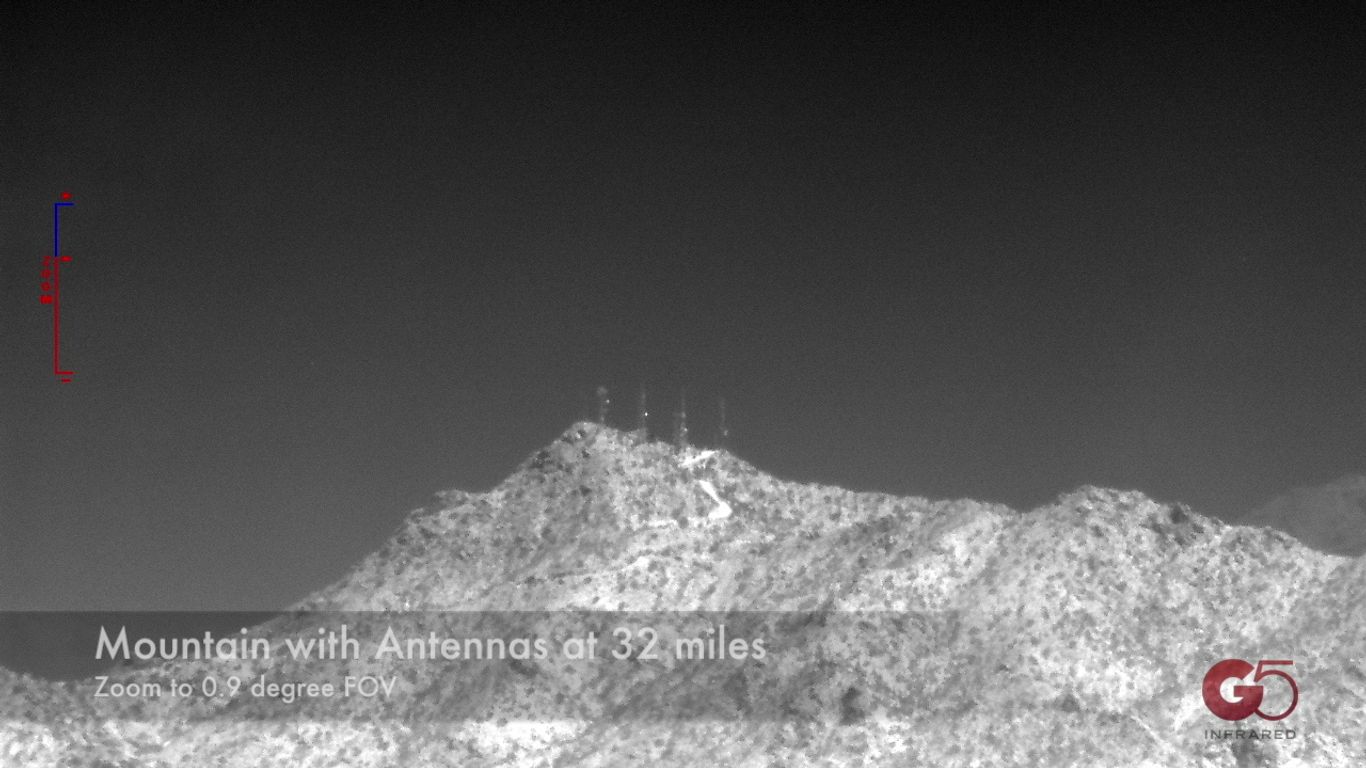
The environment in which an infrared imaging system operates significantly impacts its ability to detect and identify targets. Understanding these environmental factors is key to selecting the right technology and ensuring reliable performance.
Atmospheric Transmission: MWIR Versus LWIR
The atmosphere, while largely transparent to visible light, can absorb and scatter infrared radiation, especially at specific wavelengths. This phenomenon directly affects how far and how clearly an IR system can 'see'.
- MWIR (Mid-Wave Infrared, 3-5 µm): This band generally performs better in humid conditions and environments with fine aerosols. Water vapor absorption can be a factor, but MWIR often maintains good image quality in coastal areas or tropical climates. However, performance can be more variable with certain types of smoke or dense fog.
- LWIR (Long-Wave Infrared, 8-14 µm): This band typically excels in penetrating conditions with larger suspended particles, such as some types of smoke, dust, and certain fogs. While water vapor absorption is also a consideration, LWIR often shows less attenuation in these specific particulate-heavy scenarios. Its broader transmission window in the 8-14 μm range means it can maintain reliable performance across a wider array of environmental conditions.
Neither technology offers a universal solution for all atmospheric challenges. The specific composition and density of airborne particles, along with humidity levels, will dictate which band provides superior performance for your application.
Performance in Obscurant Conditions
Obscurants like fog, smoke, dust, and precipitation can severely degrade the performance of imaging systems. The way different IR bands interact with these particles is a critical differentiator.
- Scattering: Smaller particles, like those found in haze or fine mist, tend to scatter shorter wavelengths (like those in the MWIR band) more than longer wavelengths (LWIR). This means LWIR can often 'see' through these conditions better.
- Absorption: Certain gases and particles absorb specific IR wavelengths. For instance, water vapor strongly absorbs energy in some parts of the IR spectrum. Understanding the specific absorption characteristics of common obscurants is vital.
- Thermal Contrast: Even if a system can penetrate obscurants, the target's thermal contrast against the background can be reduced. This is particularly true in conditions where the obscurant itself has a temperature similar to the target.
For applications requiring operation in challenging weather or environments with smoke (e.g., firefighting, battlefield surveillance), LWIR systems generally offer a significant advantage due to their superior penetration capabilities.
Considerations for Maritime and Industrial Environments
These environments present unique challenges that influence IR system performance.
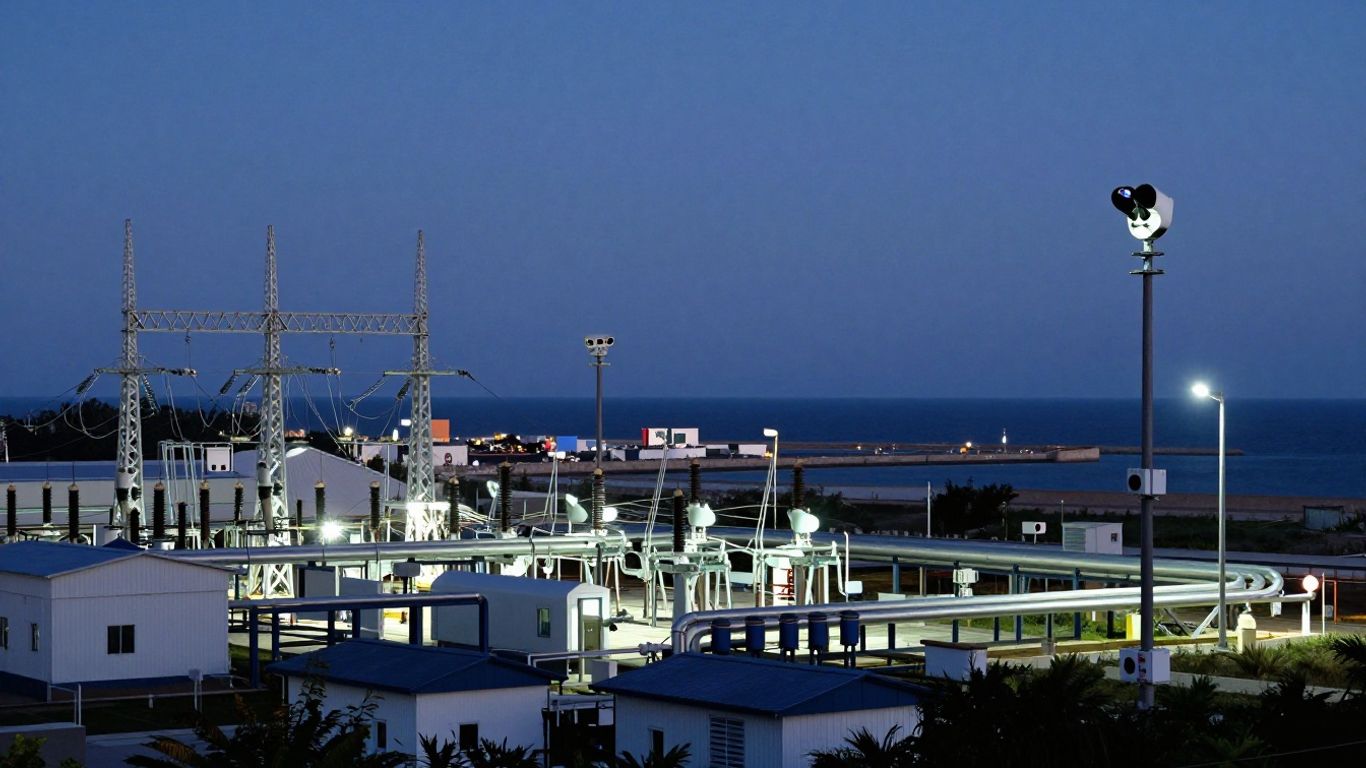
- Maritime: High humidity, salt spray, and fog are common. Salt spray can be corrosive to optics and housing, requiring ruggedized systems. The humidity and fine aerosols often favor MWIR performance, though LWIR can still be effective. Continuous operation in marine environments demands robust sensor protection and stable performance.
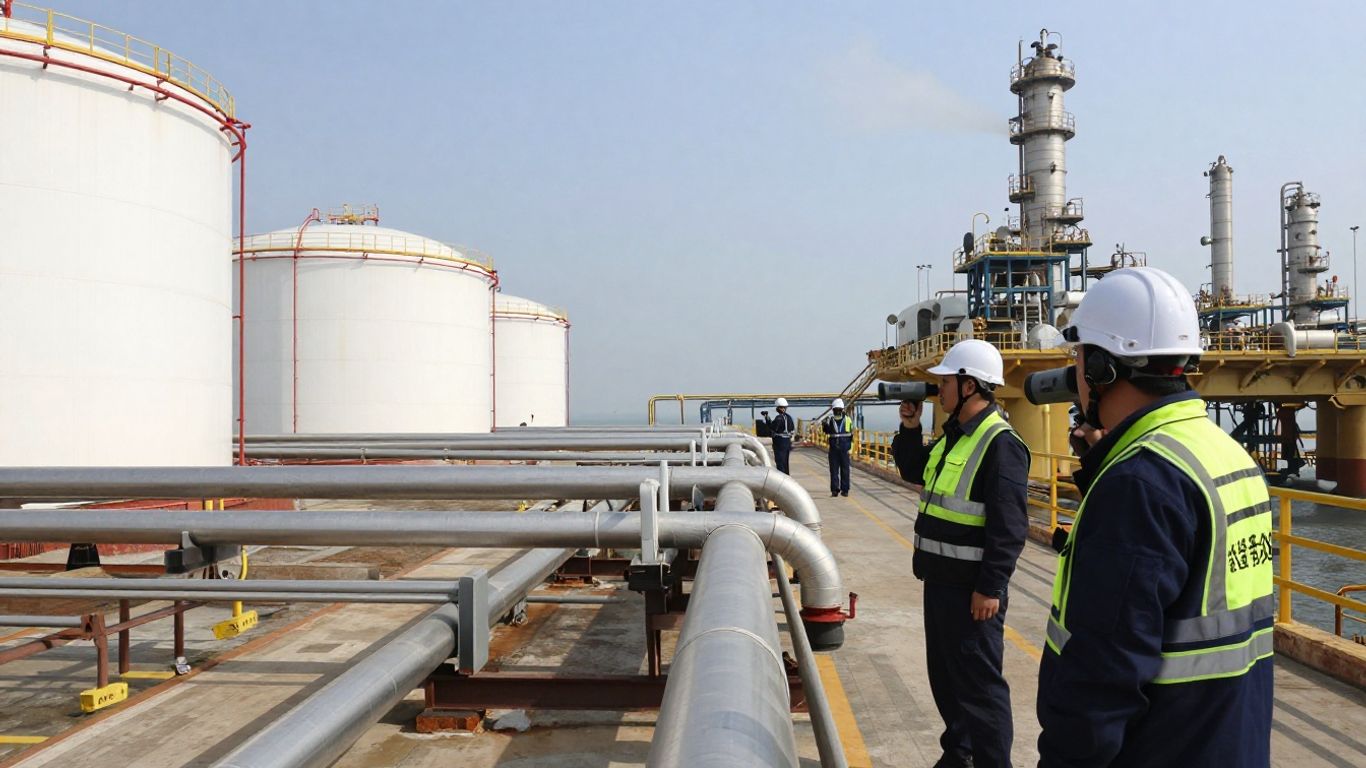
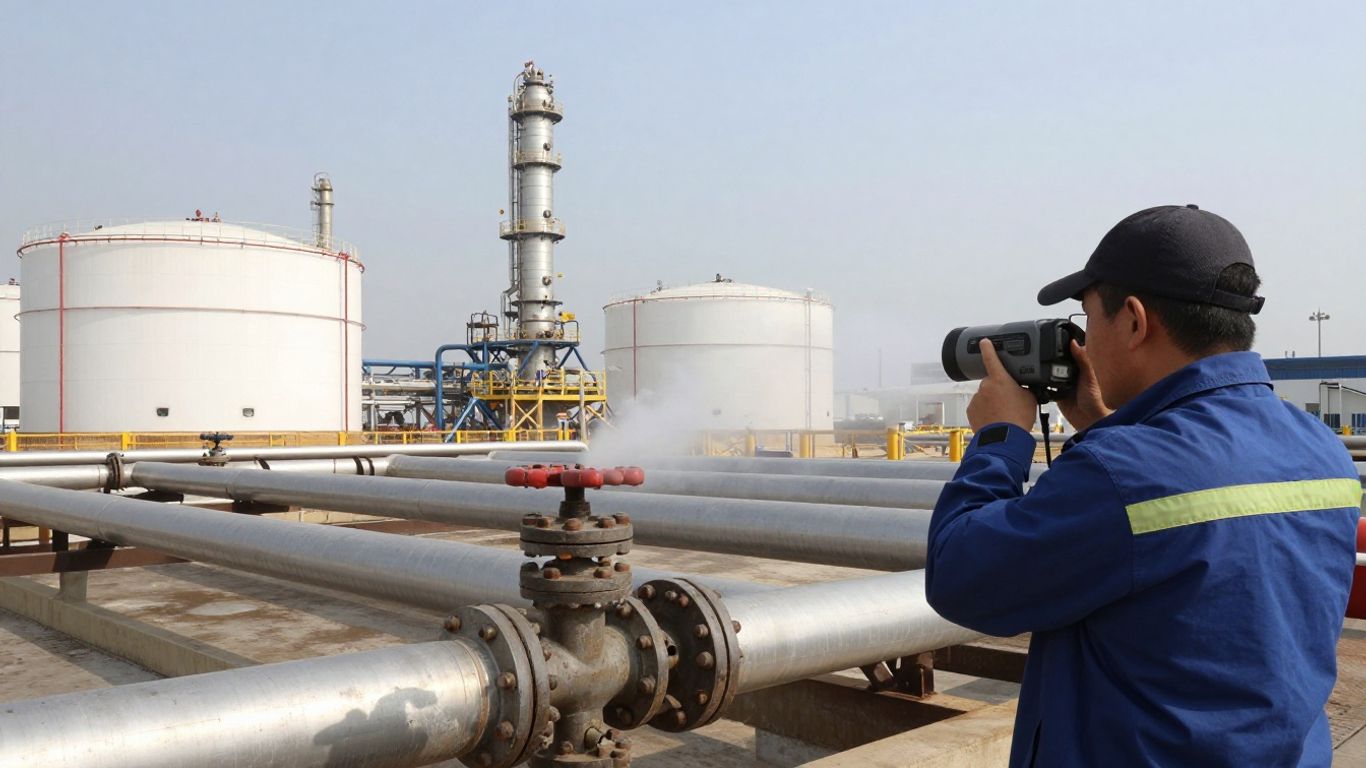
- Industrial: These settings can involve extreme temperatures, dust, chemical fumes, steam, and electromagnetic interference. Specific industrial gases can absorb IR radiation, impacting detection. For example, optical gas imaging cameras, which operate in the LWIR band, are specifically designed to detect certain hydrocarbon leaks by observing the IR absorption of the gas. Equipment operating at high temperatures might be better suited for MWIR detection, while general monitoring of machinery or electrical systems often benefits from LWIR.
Selecting the appropriate IR technology requires a thorough analysis of the specific environmental conditions your system will encounter. If you need to discuss how environmental factors might affect your specific IR imaging needs, please reach out to our experts.
System Design and Integration Considerations
Integrating thermal imaging technology into your system requires careful thought about how the components will work together and fit within your overall design. It's not just about picking the right camera; it's about making sure it functions reliably within its intended environment and alongside other systems.
The Role of SWaP Constraints
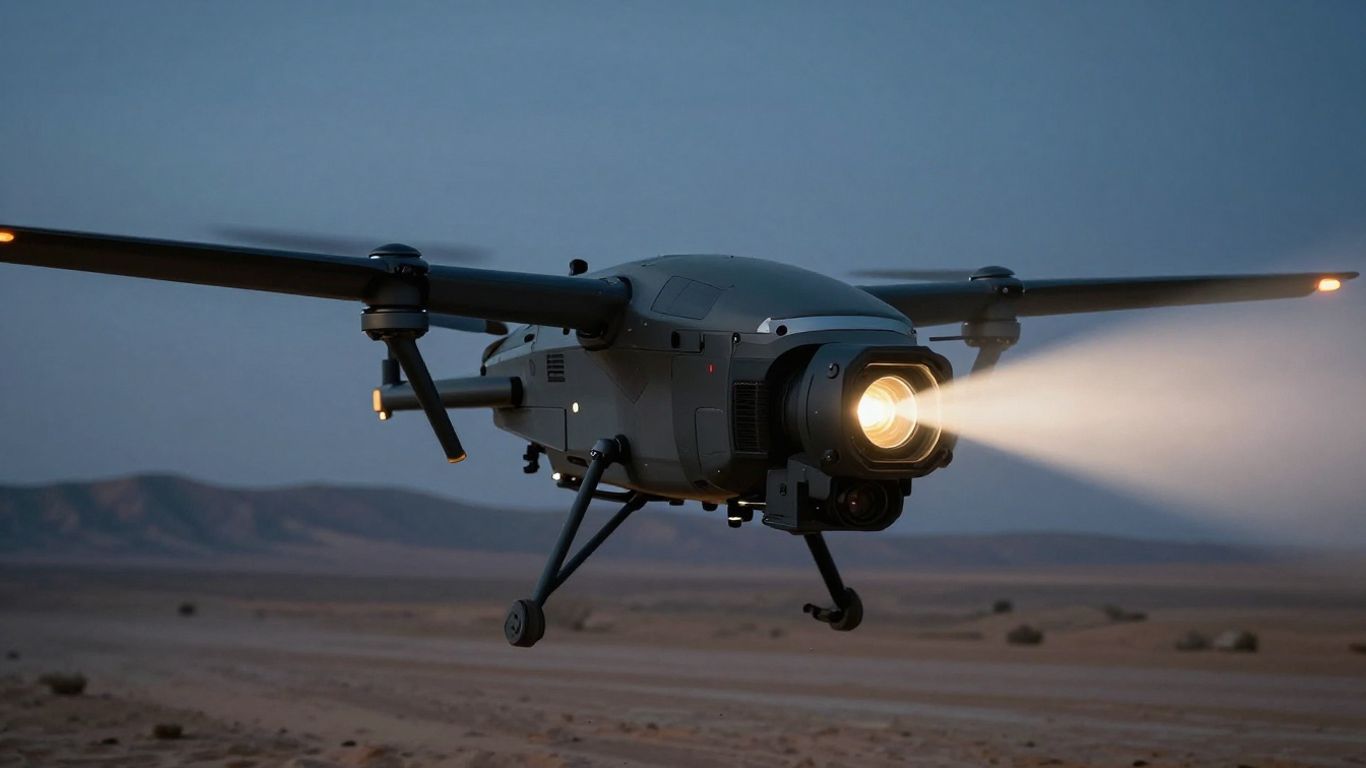
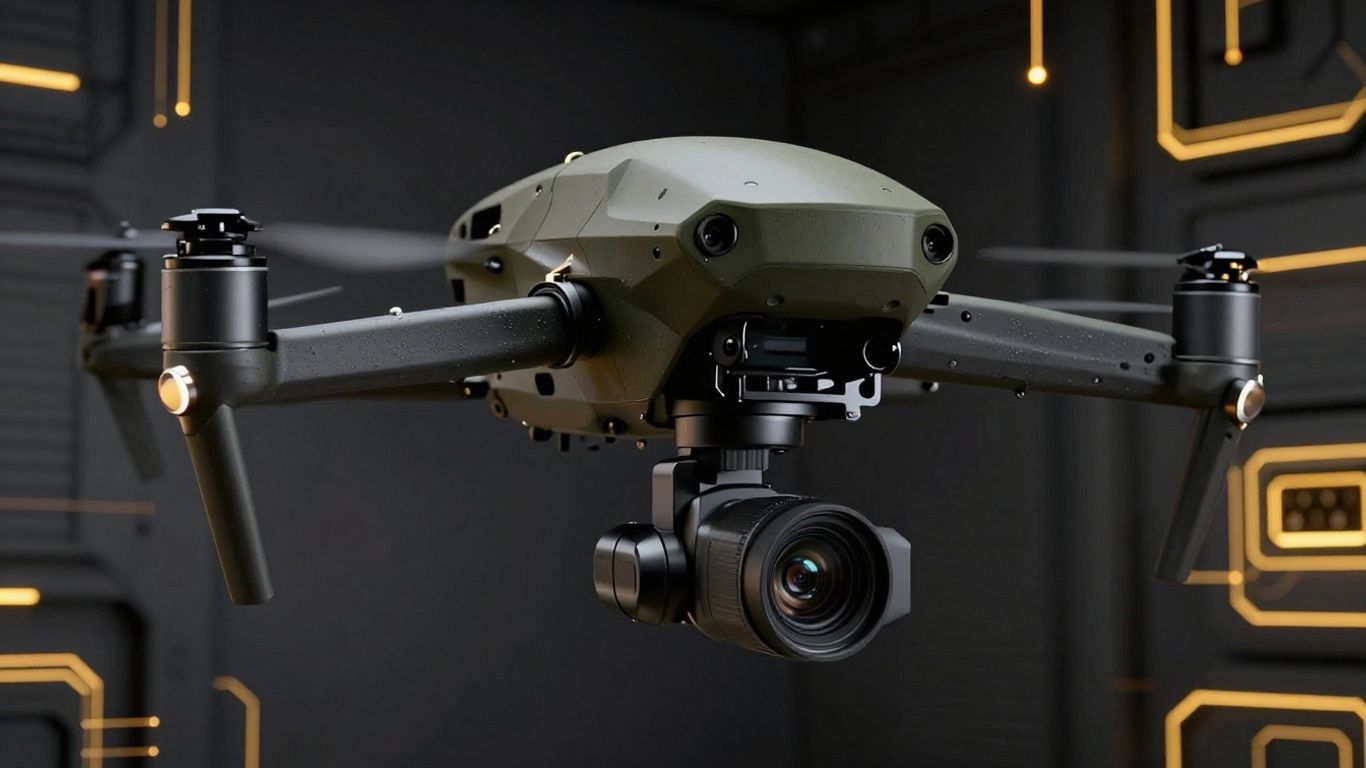
When you're designing a system, especially for platforms where space, weight, and power are limited, like drones or portable devices, Size, Weight, and Power (SWaP) become major factors. High-performance thermal cameras often require more power and can be heavier, which might not be feasible for your application. You'll need to balance the desired imaging performance against these constraints. For instance, uncooled LWIR systems generally consume less power and are lighter than cooled MWIR systems, making them a more practical choice for many SWaP-sensitive applications. Careful selection here can mean the difference between a system that meets operational needs and one that simply cannot be deployed.
Integration Support and Value Chain Control
Developing a thermal imaging system from scratch can be complex. Many organizations find it more efficient to work with manufacturers who offer robust integration support. This support can range from providing detailed documentation and software development kits (SDKs) to offering direct engineering assistance. Manufacturers who control their entire value chain, from raw materials to the final camera assembly, can offer greater consistency and long-term supply stability. This vertical integration means they have a deeper understanding of how each component affects the overall performance and can troubleshoot issues more effectively. It also helps in navigating export control regulations, which can be a significant hurdle for advanced thermal systems.
Interface Standards and Software Development Kits
For your thermal camera to communicate effectively with the rest of your system, standardized interfaces are key. Modern thermal cameras often support common protocols like GigE Vision, USB3, and MIPI CSI-2. These standards simplify the integration process, allowing for easier data transfer and control. Furthermore, Software Development Kits (SDKs) provided by the manufacturer can significantly speed up development. An SDK typically includes libraries, APIs, and example code that help your software team access camera features, process image data, and implement advanced functions like radiometric temperature measurements or custom image enhancement algorithms. Having well-documented interfaces and comprehensive SDKs reduces development time and technical risk.
Application-Specific IR Imaging Requirements
When you are developing systems for specific operational needs, the choice of infrared (IR) imaging technology becomes a critical factor. Different applications have unique demands that influence the selection of spectral bands, sensor capabilities, and overall system design. Understanding these application-specific requirements is key to selecting the right IR solution.
Surveillance and Security Needs
For surveillance and security applications, the primary goal is often to detect and identify potential threats or unauthorized activity. This typically requires a balance between wide area coverage and the ability to detect targets at a distance. Long-wave infrared (LWIR) systems are frequently preferred here because they excel at detecting the thermal signatures of people and vehicles against ambient backgrounds, even in complete darkness or adverse weather conditions. The passive nature of LWIR imaging means it does not emit any detectable signal, which is vital for covert operations.
- Area Coverage vs. Detection Range: A wide field-of-view (FOV) lens maximizes the area you can monitor, but it reduces the detection range. Conversely, a narrow FOV lens extends detection range but covers a smaller area. Systems often need to address this trade-off, sometimes through dual-camera configurations or zoom capabilities.
- Environmental Resilience: Security operations must function reliably in various conditions, including fog, smoke, and precipitation. LWIR's ability to penetrate these obscurants makes it more suitable than near-infrared (NIR) systems, which rely on reflected light and degrade rapidly in such environments.
- Passive Operation: The ability to operate without active illumination is paramount for covert surveillance, preventing adversaries from detecting the presence of the camera.
Infrastructure Inspection Demands
Infrastructure inspection, particularly for industrial equipment and utilities, focuses on identifying anomalies through temperature variations. This often requires precise temperature measurements and the ability to monitor changes over time. Radiometric capabilities are essential, allowing for accurate temperature readings from thermal images.
- Resolution for Detail: While broad area scanning is important, detailed inspection of components like electrical panels or large machinery benefits from higher resolution. A minimum of 320x240 is often needed, with 640x480 or higher providing more accurate hotspot identification and fault detection.
- Radiometric Data: For predictive maintenance, the ability to capture quantitative temperature data (radiometric capability) is more important than just detecting a heat signature. This allows for trending and analysis of equipment health.
- Environmental Factors: Inspections may occur in challenging industrial settings with dust, chemicals, or high temperatures. The chosen IR system must maintain accuracy and reliability under these conditions.
|
Application Type |
Minimum Resolution |
Optimal Range |
Primary Benefits |
|---|---|---|---|
|
Electrical Panel Monitoring |
320x240 |
640x480 |
Accurate hotspot identification |
|
Large Equipment Monitoring |
320x240 |
640x480 |
Cost-effective wide area coverage |
|
Precision Process Control |
640x480 |
1024x768 |
Detailed temperature mapping |
|
Quality Control Inspection |
640x480 |
1280x1024 |
Fine defect detection capability |
Defense and Aerospace Applications
In defense and aerospace, IR imaging is used for a wide array of critical functions, from target detection and reconnaissance to missile guidance and situational awareness. These applications often demand the highest performance, reliability, and the ability to operate in extreme environments. Mid-wave infrared (MWIR) and LWIR systems are both employed, depending on the specific mission requirements.
- Detection Range and Sensitivity: Long-range detection of targets, even small ones or those with low thermal contrast, is often a primary requirement. This necessitates high thermal sensitivity (low NETD) and carefully designed optics. MWIR systems can sometimes offer better performance in very humid conditions or for detecting high-temperature objects.
- Atmospheric Transmission: Understanding how atmospheric conditions like humidity, fog, and smoke affect different IR bands is crucial. MWIR may perform better in certain humid or hazy conditions, while LWIR can be more effective in smoke or dust.
- Stealth and Counter-Surveillance: For many defense applications, passive operation is non-negotiable. Systems must not emit signals that can be detected by enemy sensors. This strongly favors thermal imaging over active IR-illuminated systems.
- SWaP Constraints: Size, Weight, and Power (SWaP) are often severely limited in defense and aerospace platforms. This drives the selection towards more compact and power-efficient solutions, frequently favoring uncooled LWIR systems where possible, though cooled MWIR systems may be chosen for specific high-performance needs.
If your project requires specialized IR imaging solutions, consider consulting with experts who can guide you through these complex choices. Visit https://www.lightpath.com/contact to discuss your specific needs.
Comparing Thermal Versus Near-Infrared Systems
When selecting infrared imaging technology, a critical distinction lies between thermal systems and near-infrared (NIR) systems. While both operate within the infrared spectrum, their underlying principles, operational requirements, and performance characteristics differ significantly. Understanding these differences is key to specifying the right technology for your application.
Fundamental Detection Principles
Thermal imaging systems, primarily operating in the Long-Wave Infrared (LWIR, 8-14 µm) and Mid-Wave Infrared (MWIR, 3-5 µm) bands, detect emitted thermal radiation. Every object above absolute zero radiates energy, and thermal cameras visualize these temperature differences. This means thermal systems can "see" heat signatures in complete darkness without any external light source. They are passive systems, relying solely on the heat emitted by the target and its surroundings. This capability is what allows thermal imaging cameras to function effectively day or night, in fog, smoke, or dust.
Near-infrared (NIR) systems, typically operating from 0.7 to 2.5 µm, function differently. They detect reflected light, much like visible-spectrum cameras. Consequently, NIR systems require an external illumination source, usually near-infrared LEDs, to illuminate the scene. Without this illumination, NIR cameras cannot produce an image in darkness. This active illumination requirement makes them susceptible to detection by other IR-sensitive equipment.
Illumination Requirements and Covert Operations
The need for active illumination in NIR systems has direct implications for covert operations. While NIR LEDs are invisible to the human eye, the emitted radiation can be detected by night vision devices or other IR-sensitive sensors. This compromises the stealth of an operation if adversaries possess such counter-surveillance capabilities. In contrast, thermal imaging systems are entirely passive. They emit no radiation, making them inherently more covert and suitable for applications where maintaining a low profile is paramount.
Furthermore, the reliance on reflected light for NIR systems means their performance is directly tied to the quality and range of the illumination. Limited illuminator power restricts detection range, and the inverse square law dictates that illumination intensity drops rapidly with distance. Thermal systems, by detecting emitted heat, are not bound by these illumination constraints and can achieve significantly longer detection ranges.
Environmental Resilience and Contrast Limitations
Environmental conditions present another significant divergence. NIR wavelengths are scattered by atmospheric particles such as fog, smoke, and precipitation. This scattering dramatically reduces the effective range and clarity of NIR images, often rendering them unusable in adverse weather. The performance degradation is similar to that experienced by visible-light cameras.
Thermal imaging, particularly in the LWIR band, penetrates these obscurants much more effectively. Water vapor and other atmospheric constituents attenuate LWIR radiation less than shorter wavelengths. This allows thermal systems to maintain operational capability in conditions that would blind an NIR system. Additionally, thermal imaging is not dependent on visual contrast. It detects temperature differences, meaning it can identify warm objects against cool backgrounds regardless of camouflage or visual similarity. NIR systems, relying on reflected light, face contrast limitations similar to visible cameras, making it difficult to detect camouflaged or low-contrast targets.
For applications demanding reliable performance in challenging environments, day or night, and without compromising covertness, thermal imaging offers distinct advantages. If your project requires seeing heat signatures rather than reflected light, understanding these core differences is the first step. To discuss your specific application needs and explore suitable thermal imaging solutions, please contact us.
When looking at how to compare thermal and near-infrared systems, it's important to understand their unique strengths. Thermal systems see heat, while near-infrared systems see light reflected off objects. Both are useful, but for different jobs. Want to learn more about which is best for your needs? Visit our website today to explore our advanced optical solutions.
Wrapping Up Your IR Imaging Journey
So, you've looked at the different types of IR cameras and what makes them tick. It's not just about picking the one with the most pixels, is it? You've seen how things like lens choice, how the camera handles different weather, and even how it fits into your existing setup really matter. Remember, the best camera for your job isn't always the most expensive or the one with the highest specs on paper. It's the one that fits your specific needs, works reliably in your environment, and integrates smoothly into your project. Keep these points in mind as you move forward, and you'll be well on your way to making a smart choice for your thermal imaging needs.
Frequently Asked Questions
What is the main difference between LWIR and MWIR cameras?
Think of LWIR (Long-Wave Infrared) and MWIR (Mid-Wave Infrared) cameras as having different 'eyes' for seeing heat. LWIR cameras look at heat waves that are longer, which is great for seeing objects around normal room temperatures, like people or buildings, especially in bad weather like fog or smoke. MWIR cameras look at shorter heat waves and are better for spotting very hot things, like engines or exhaust pipes, but they can be more affected by humidity.
Does a camera with more pixels always see better?
Not necessarily! While more pixels mean more detail, it's not the only thing that matters. How the camera's lens is designed and how sensitive the camera is to tiny temperature changes (its NETD) are also super important. Sometimes, a camera with fewer pixels but a better lens or higher sensitivity can spot things farther away than a camera with tons of pixels but a less capable lens.
Why is thermal sensitivity (NETD) important?
Thermal sensitivity, often shown as NETD (Noise Equivalent Temperature Difference), tells you how well a camera can spot very small differences in temperature. A lower NETD number means the camera is more sensitive and can see fainter heat signals. This is crucial for finding things that are only slightly warmer or cooler than their surroundings, like a person hiding or a small equipment malfunction.
How do things like fog or smoke affect IR cameras?
Fog, smoke, and dust can act like a curtain for some types of cameras. LWIR cameras are generally better at seeing through these 'obscurants' because their longer wavelengths can cut through them more easily. MWIR cameras can also work, but their performance might change more depending on the exact conditions. Regular cameras that see visible light get blocked much more easily.
What's the difference between a thermal camera and a near-infrared (NIR) camera?
A true thermal camera (LWIR or MWIR) detects the heat that objects naturally give off. It works in total darkness without needing any extra light. A near-infrared (NIR) camera is more like a regular camera; it sees light that's just beyond what humans can see and needs a light source, like an LED, to illuminate the scene. So, thermal cameras see heat, while NIR cameras see reflected light.
Are there special considerations for using IR cameras in industrial settings?
Yes, definitely. In industries, you often need to see temperature changes in machinery or processes. You'll want to know if the camera can measure temperatures accurately in real-time (radiometric capability), not just take pictures. Also, things like dust, steam, or hot gases in the air can affect how well the camera sees, so understanding how the camera performs in those specific conditions is key.