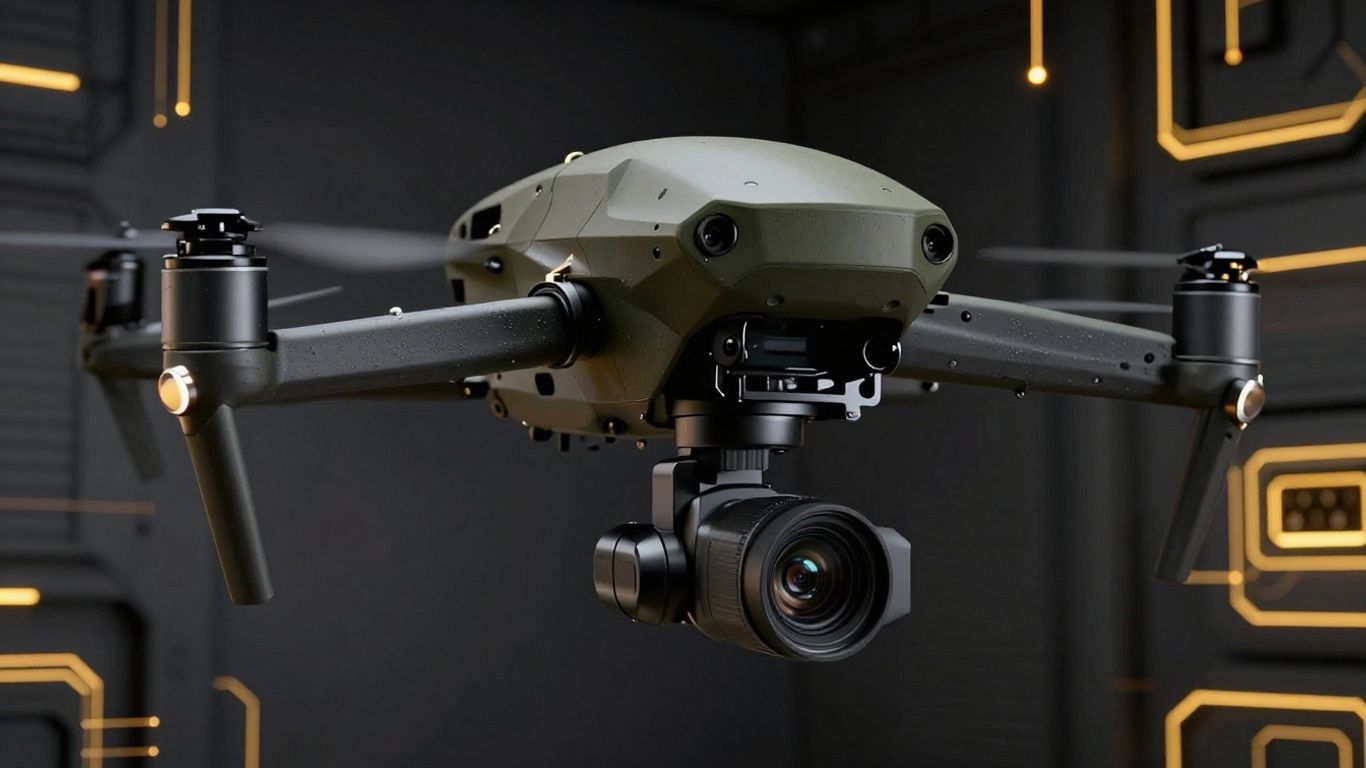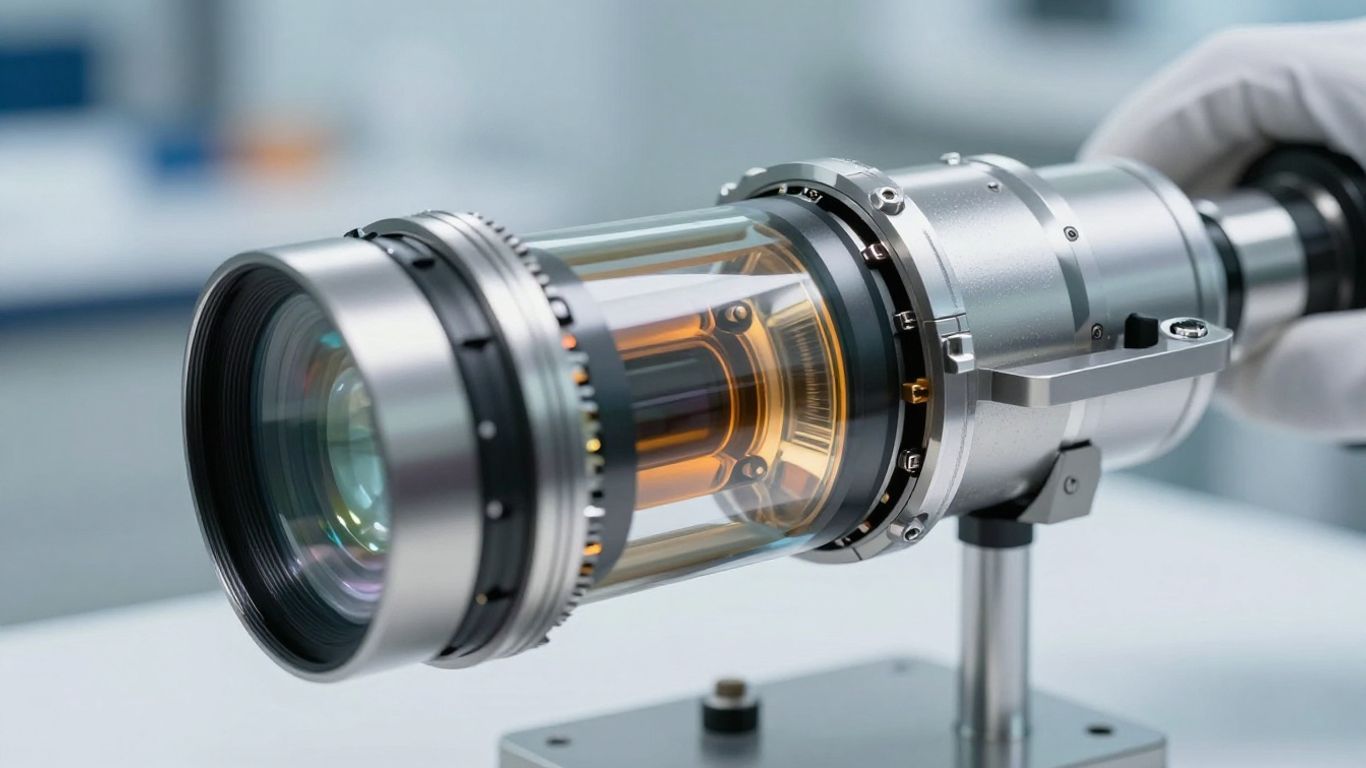

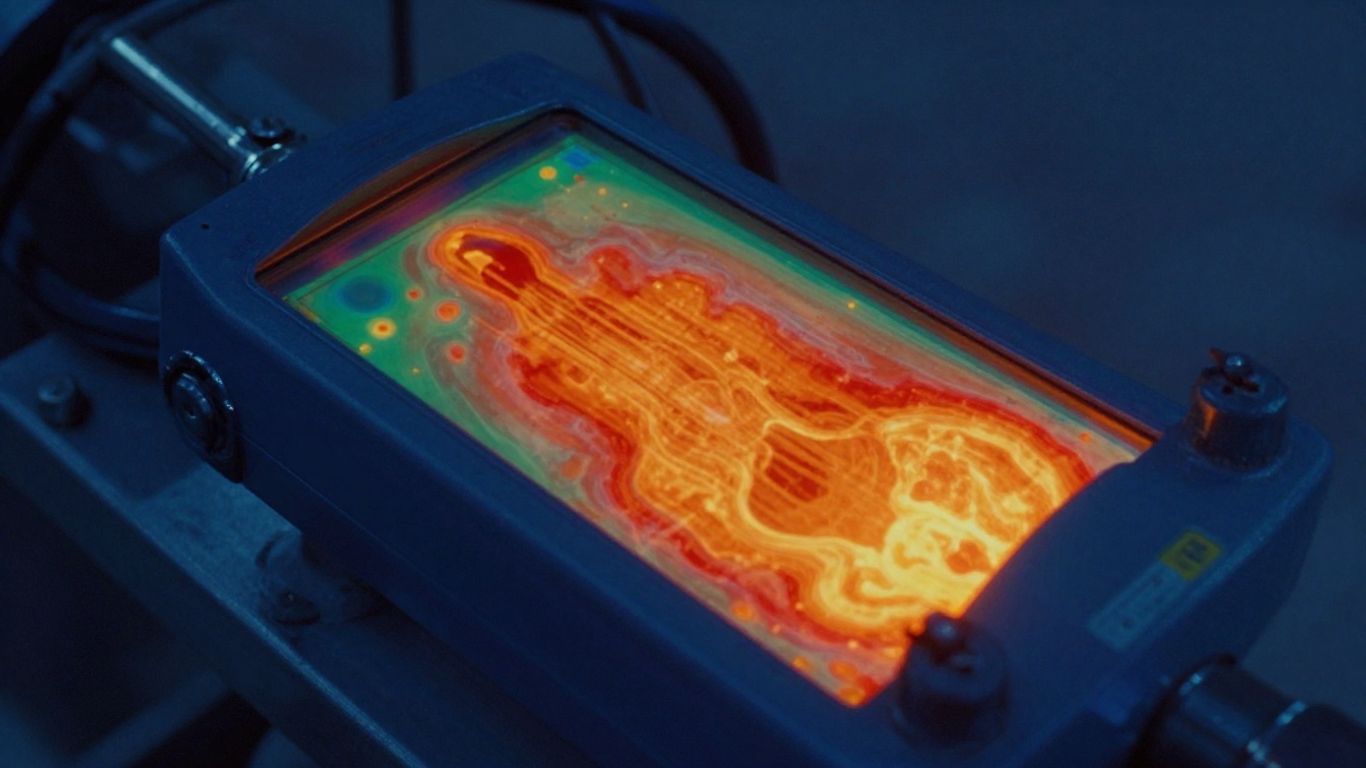
You know, keeping industrial equipment running smoothly is a big deal. When things break unexpectedly, it can really mess up production and cost a lot of money. That's where a smart approach called predictive maintenance comes in, and thermal imaging is a game-changer for it. Instead of waiting for something to fail, you can actually see potential problems developing before they become major issues. This article will walk you through how this technology works and why it's becoming so important.
Key Takeaways
- Using predictive maintenance with thermal imaging helps you spot equipment problems early, often weeks or months before they cause a breakdown.
- This technology works by detecting heat patterns that indicate stress or wear in electrical and mechanical systems.
- By finding issues early, you can save a lot of money on repairs and avoid costly production shutdowns.
- Thermal imaging allows for safe, non-contact inspections, meaning you don't have to put yourself in danger to check critical equipment.
- Implementing a structured thermal monitoring program can lead to better equipment reliability and a good return on your investment.
Understanding Predictive Maintenance with Thermal Imaging
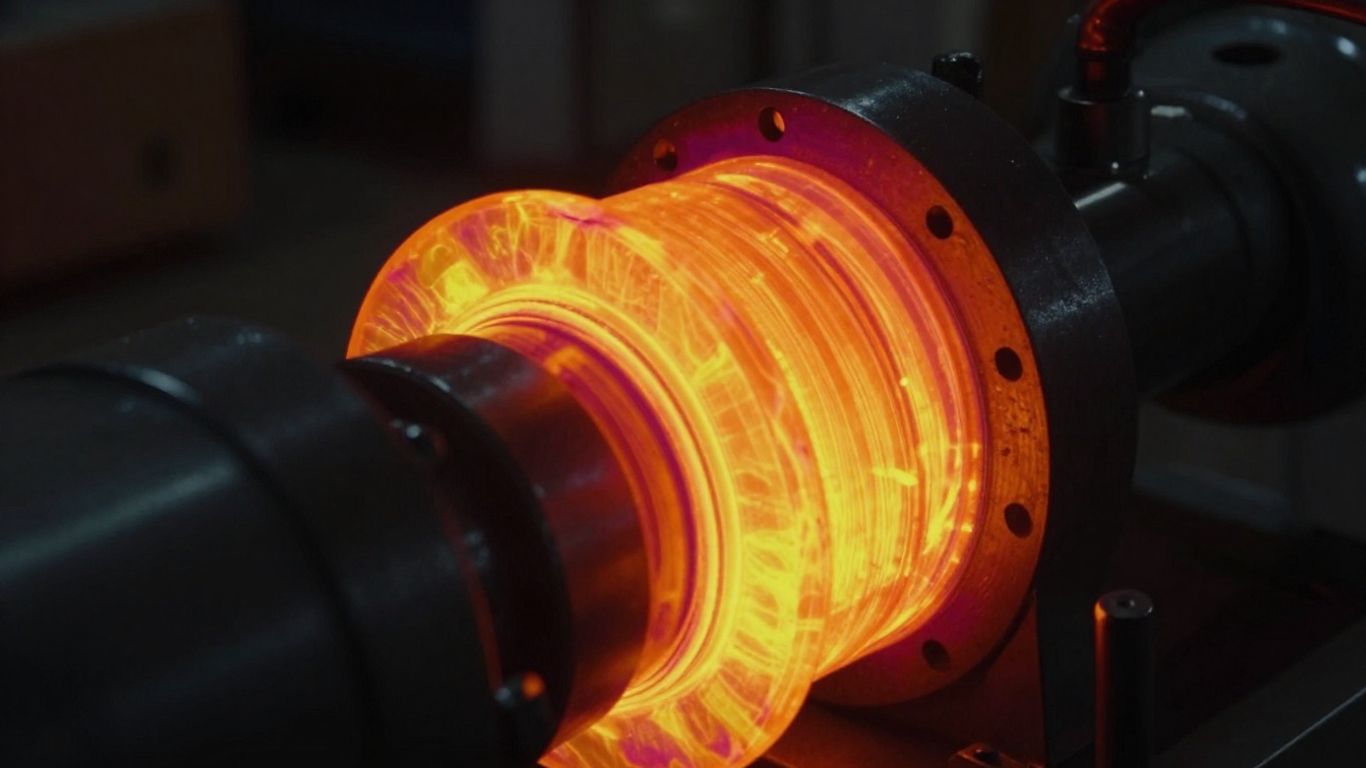
Industrial operations face constant pressure to maximize equipment uptime while controlling maintenance costs. Traditional reactive maintenance approaches often result in unexpected failures, emergency repairs, and costly production disruptions. Studies show that predictive maintenance can yield cost savings between 8% to 12% over preventive maintenance, and up to 40% over reactive maintenance approaches. Additional research indicates that properly implemented predictive maintenance programs provide a tenfold return on investment while achieving 30-40% savings over traditional reactive approaches. This is where predictive maintenance with thermal imaging becomes indispensable.
The Imperative for Proactive Equipment Monitoring
Your facility's equipment is the backbone of your operations. When it fails unexpectedly, the consequences can be severe, leading to significant financial losses and safety concerns. Relying on scheduled maintenance or waiting for a breakdown is no longer a viable strategy in today's competitive landscape. A proactive approach is necessary to identify potential issues before they escalate. This shift from reactive to proactive monitoring is not just about fixing things when they break; it's about preventing them from breaking in the first place. Embracing advanced monitoring techniques allows you to stay ahead of potential problems, ensuring smoother operations and greater reliability. For robust industrial solutions, consider exploring options from LightPath.
How Thermal Imaging Detects Developing Equipment Issues
Thermal imaging systems work by detecting infrared radiation that all objects emit based on their temperature. When equipment begins to fail, it generates excess heat through increased friction, electrical resistance, or mechanical stress. Thermal cameras capture this heat as visual temperature maps, allowing maintenance teams to:
- Identify hot spots in electrical connections before they cause fires or failures.
- Detect bearing wear in rotating equipment through temperature increases.
- Monitor heat exchanger performance through thermal distribution patterns.
- Track insulation degradation through temperature variations.
This process enables maintenance scheduling based on actual equipment condition rather than arbitrary time intervals. By visualizing temperature differences, you can pinpoint areas of concern that are invisible to the naked eye, providing an early warning system for developing faults. This capability is a cornerstone of effective predictive maintenance with thermal imaging.
Transforming Maintenance from Reactive to Proactive
Implementing thermal imaging fundamentally transforms your maintenance strategy. Instead of responding to failures after they occur, you can anticipate them. This shift offers several key advantages:
- Cost Savings: Early intervention significantly reduces repair costs, often by 30-40% compared to reactive approaches.
- Enhanced Safety: Non-contact monitoring allows inspections from safe distances, minimizing exposure to hazardous conditions.
- Minimized Downtime: Planned maintenance based on thermal data prevents unexpected shutdowns, reducing downtime by up to 50%.
- Extended Equipment Lifespan: Addressing issues early prevents catastrophic failures, prolonging the operational life of your assets.
By adopting thermal imaging, you move towards a condition-based maintenance model, optimizing resource allocation and improving overall operational efficiency. This proactive stance is vital for maintaining a competitive edge and ensuring the longevity of your industrial assets.
Core Principles of Thermal Imaging in Predictive Maintenance
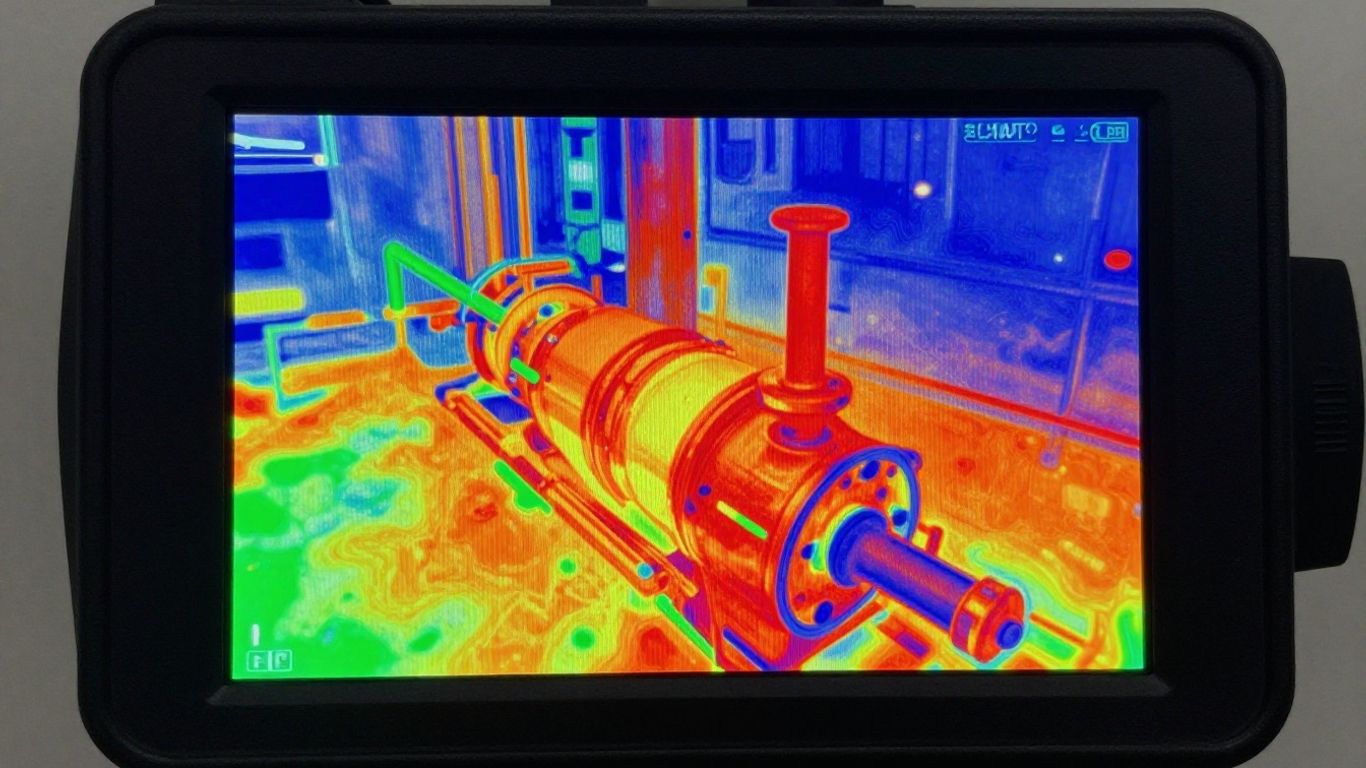
Thermal imaging operates on a fundamental scientific principle: all objects emit infrared radiation based on their temperature. Advanced thermal cameras detect this invisible radiation and translate it into visual representations, essentially creating a heat map of your equipment. This allows you to see temperature differences that are not visible to the human eye.
Detecting Infrared Radiation for Temperature Mapping
At its core, thermal imaging is about capturing heat. Every piece of equipment, whether it's an electrical panel, a motor, or a pipe, gives off infrared energy. The hotter an object is, the more infrared radiation it emits. Thermal cameras are designed to pick up this radiation. They don't need a light source to work, which is why they are so effective in dark or hard-to-see areas. The camera's sensor converts the detected infrared energy into a digital signal, which is then processed to create a thermogram. This thermogram is a visual image where different colors represent different temperatures. For instance, cooler areas might appear blue or green, while hotter areas might show up as yellow, orange, or red. This visual data provides an immediate overview of the thermal state of your assets.
Identifying Thermal Anomalies Indicating Failure
When equipment starts to malfunction, it often generates excess heat. This can be due to increased friction in moving parts, higher electrical resistance in connections, or other forms of mechanical stress. Thermal imaging excels at spotting these temperature deviations, known as thermal anomalies. A hot spot on an electrical connection, for example, might indicate a loose wire or a corroded terminal that is increasing resistance and generating heat. Similarly, a bearing in a motor that is starting to fail will often run hotter than its counterparts. By comparing the thermal signature of a piece of equipment against its normal operating temperature or against similar equipment, you can identify these anomalies early. This early detection is key to preventing catastrophic failures. Learning about the scientific principles behind thermography can provide a solid foundation for understanding these applications introduction to the fundamental scientific principles of thermography.
Leveraging Non-Contact Monitoring for Safety and Efficiency
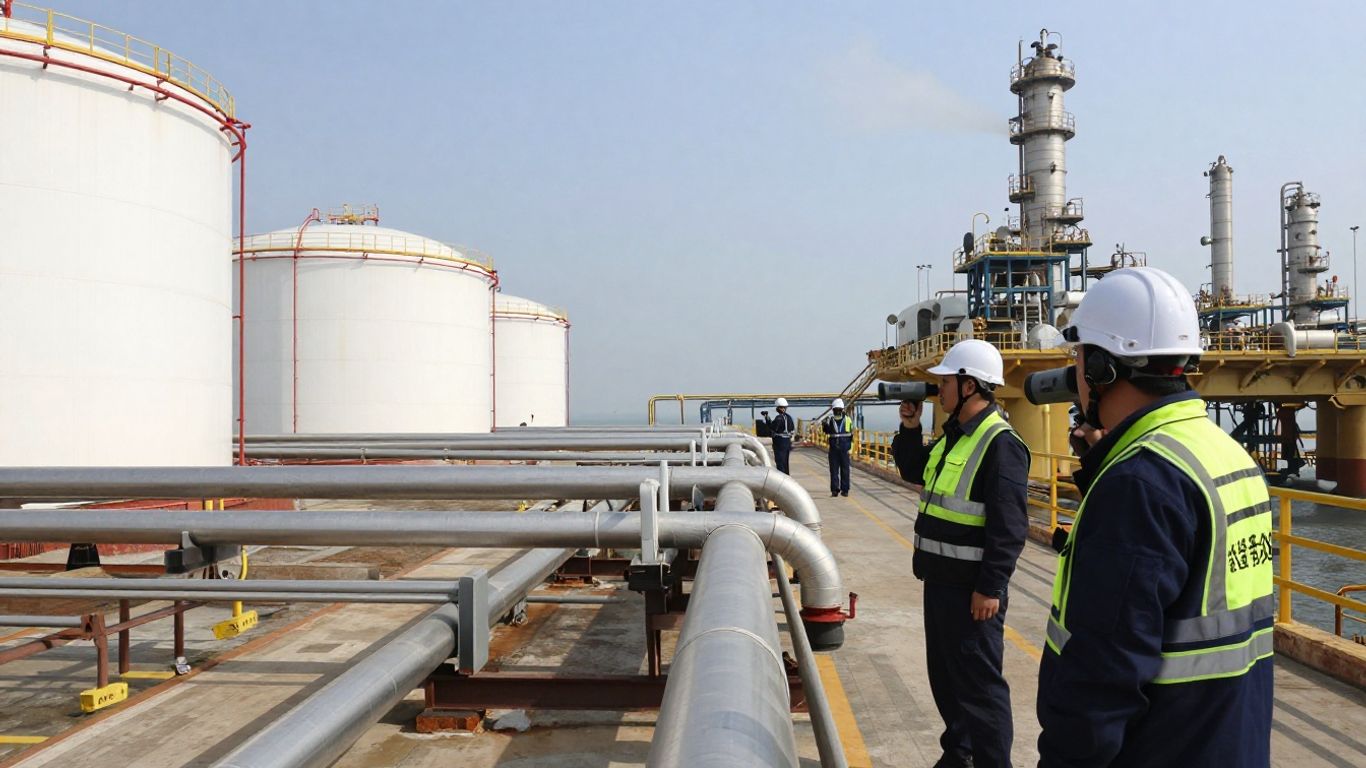
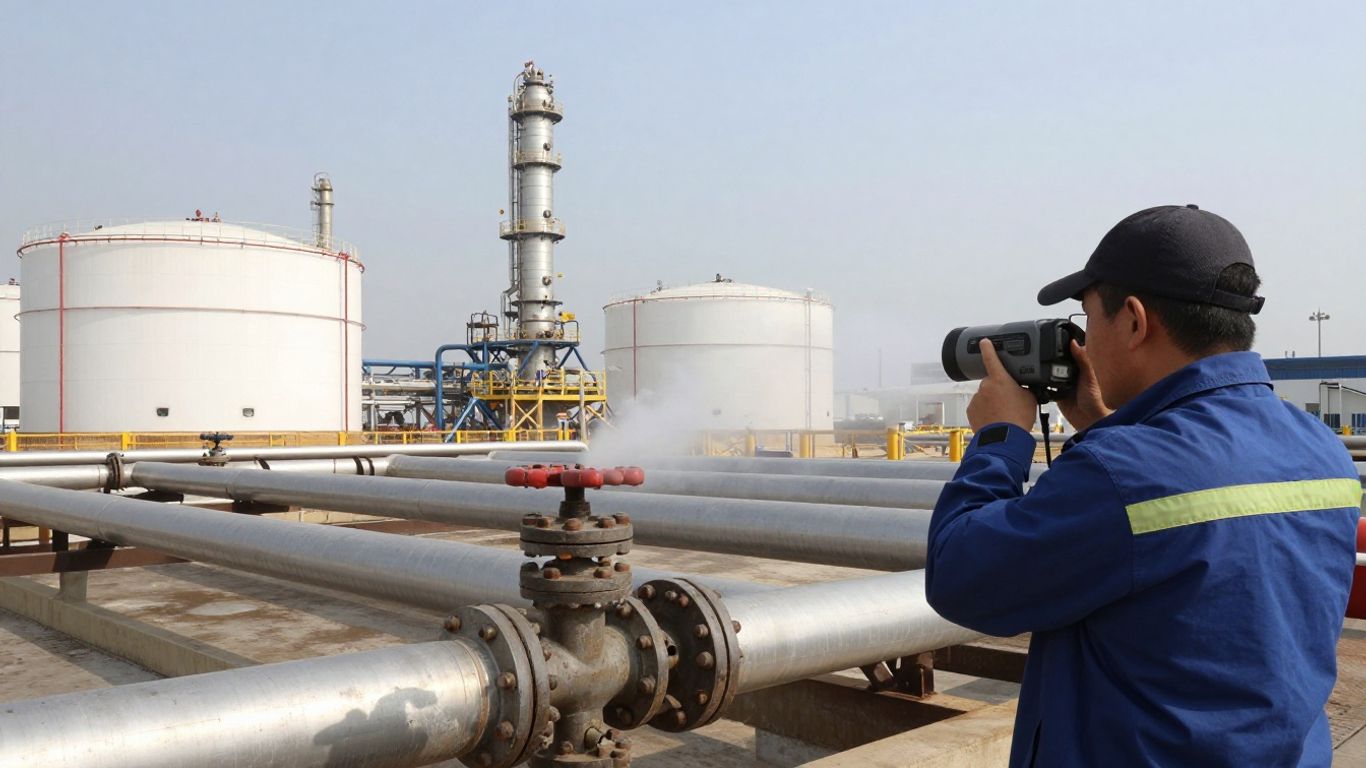
One of the most significant advantages of thermal imaging is its non-contact nature. You can inspect equipment from a safe distance, which is particularly important for high-voltage electrical systems or machinery operating in hazardous environments. This eliminates the need to shut down operations for inspections, saving valuable production time and reducing the risk of accidents. Maintenance personnel can gather critical data without putting themselves in harm's way or interrupting the workflow. This approach not only improves safety but also makes the inspection process far more efficient, allowing for more frequent checks and a more proactive maintenance strategy. If you're looking to improve your facility's maintenance practices, consider how these principles can be applied. Contact us to discuss your needs.
Key Industrial Applications for Thermal Monitoring
Thermal imaging technology has become a cornerstone for proactive maintenance across various industrial sectors. Its ability to visualize temperature differences allows for the early detection of issues that might otherwise go unnoticed until they cause significant problems. By understanding where thermal monitoring provides the most impact, you can better implement these systems for optimal results.
Electrical System Integrity and Safety
Electrical systems are a prime area where thermal imaging demonstrates its value. Loose connections, overloaded circuits, and degrading components often generate excess heat before they fail. Thermal cameras can identify these "hot spots" in components like motor control centers, switchgear, and distribution panels without requiring direct contact. This non-contact monitoring is particularly important for electrical systems, as it allows for inspections of energized equipment without exposing personnel to arc flash hazards or necessitating a shutdown. Early detection here can prevent fires and costly equipment damage.
Assessing Rotating Machinery Health
Industrial facilities rely heavily on rotating equipment such as motors, pumps, compressors, and fans. Thermal imaging can detect temperature increases in bearings, which often indicate wear, misalignment, or lubrication issues. These temperature anomalies can appear weeks or even months before traditional vibration analysis might pick up a problem. Monitoring coupling and belt drive systems also benefits, as misalignment and wear create heat signatures that thermal cameras readily identify. Addressing these issues early can prevent catastrophic failures and extend the lifespan of your machinery. For instance, monitoring bearing health in motors is a common application that provides significant returns.
Optimizing Process Equipment Performance
Beyond electrical and mechanical systems, thermal imaging is also effective for monitoring process equipment. This includes inspecting heat exchangers, pipes, valves, and vessels. Temperature variations can indicate issues like insulation degradation, flow restrictions, or internal corrosion. By visualizing the thermal distribution patterns across these components, you can gain insights into their performance and identify areas that may require attention. This proactive approach helps maintain consistent process conditions and prevents unexpected disruptions. You can learn more about how infrared thermography is used in these applications by visiting infrared thermography.
If you're looking to implement or expand your thermal monitoring program, consider how these applications align with your operational priorities. Contact us at https://www.lightpath.com/contact to discuss your specific needs.
Benefits of Implementing Predictive Maintenance with Thermal Imaging
Implementing predictive maintenance strategies powered by thermal imaging offers substantial advantages that directly impact your facility's bottom line and operational continuity. Moving beyond reactive repairs, this proactive approach allows you to anticipate and address equipment issues before they escalate into costly failures. The financial and operational gains are significant, transforming how you manage your assets.
Significant Cost Reductions Through Early Intervention
One of the most compelling reasons to adopt thermal imaging for predictive maintenance is the dramatic reduction in costs. By identifying developing problems early, you avoid the extensive expenses associated with emergency repairs, which often involve overtime labor and expedited shipping for replacement parts. Furthermore, addressing minor issues before they become major failures prevents the need for complete equipment replacement, which can run into tens or even hundreds of thousands of dollars. Studies indicate that facilities can achieve maintenance cost savings ranging from 30% to 40% compared to traditional reactive maintenance methods. This early intervention translates directly into more efficient use of your maintenance budget.
Enhanced Operational Safety and Reduced Risk Exposure
Safety is paramount in any industrial setting. Thermal imaging significantly improves operational safety by enabling non-contact monitoring. Your maintenance teams can assess the condition of critical equipment, especially high-voltage electrical systems or hazardous mechanical machinery, from a safe distance. This eliminates the need for personnel to enter dangerous areas or work in close proximity to energized components, thereby reducing the risk of accidents, injuries, and arc flash incidents. By identifying potential hazards like overheating connections or failing components before they cause a safety event, you create a more secure working environment.
Minimized Production Disruptions and Unplanned Downtime
Unplanned downtime is a major drain on productivity and profitability. When equipment fails unexpectedly, production lines halt, orders are delayed, and revenue is lost. Thermal imaging allows for the scheduling of maintenance interventions during planned shutdown windows, based on the actual condition of the equipment rather than arbitrary time intervals. This proactive approach can lead to a reduction in unplanned downtime by as much as 50%. By knowing when and where maintenance is needed, you can maintain stable production schedules and ensure consistent output, which is vital for meeting customer demands and maintaining a competitive edge.
Extended Equipment Lifespan and Improved Reliability
Regularly monitoring equipment health with thermal imaging helps to extend its operational life. By detecting and rectifying issues such as bearing wear, misalignment, or degrading electrical connections early on, you prevent the cumulative stress and damage that lead to premature equipment failure. This condition-based maintenance strategy ensures that assets are not overstressed and receive timely attention, allowing them to perform reliably for longer periods. The result is a more dependable asset base, reduced capital expenditure on frequent replacements, and a more robust overall operation. For more information on how our solutions can support your predictive maintenance goals, please contact us at https://www.lightpath.com/contact.
Advanced Features Enhancing Thermal Imaging Adoption
Modern thermal imaging systems offer capabilities that go far beyond simple temperature readings. These advanced features are what make the technology truly practical and impactful for industrial settings.
Real-Time Monitoring and Automated Alerting Systems
Contemporary thermal imaging systems can continuously watch equipment. They are set up to send alerts automatically when temperatures go above a certain point. This means you can monitor equipment all day and night without needing someone to constantly look at screens. If a thermal issue starts to develop, your maintenance team gets notified right away. This allows for a quick response to stop potential damage before it gets serious.
Data Logging and Trend Analysis Capabilities
These advanced systems also record temperature data over time. This is incredibly useful for spotting gradual wear and tear on equipment. By looking at this historical data, you can get a good idea of when maintenance will be needed. It helps you schedule work based on the actual condition of the equipment, not just on a calendar.
Here's how trend analysis helps:
- Identify gradual degradation: Spot slow changes that might indicate a component is wearing out.
- Establish normal operating baselines: Understand what normal temperature patterns look like for your equipment, making it easier to spot deviations.
- Predictive scheduling: Plan maintenance interventions before a problem becomes critical, often weeks or months in advance.
Integration with Facility Monitoring and Maintenance Systems
Thermal imaging doesn't have to work alone. Modern systems can connect with your existing facility monitoring platforms. This means thermal data can be combined with information from other sensors. You get a more complete picture of your equipment's health. This integrated view helps your maintenance teams make better decisions about repairs and upkeep. It transforms how you manage your assets, moving towards a truly proactive approach. If you're looking to implement these advanced monitoring solutions, reach out to us at https://www.lightpath.com/contact.
Strategic Implementation of Thermal Monitoring Programs
Implementing a thermal monitoring program requires careful planning to ensure it aligns with your operational goals and delivers maximum value. It's not just about buying cameras; it's about integrating a systematic approach into your existing maintenance framework. A well-executed strategy will help you identify critical assets, establish accurate baselines, and train your team effectively, leading to significant improvements in equipment reliability and cost savings.
Planning for Operational Priorities and Equipment Criticality
Before deploying any thermal imaging equipment, it's vital to identify which assets are most critical to your operations. Consider equipment that, if it fails, would cause the most significant disruption, safety hazard, or financial loss. This assessment helps prioritize where to focus your initial thermal monitoring efforts. For instance, a production bottleneck machine or a primary power distribution panel would likely be higher priority than a less critical auxiliary component. This focused approach ensures that your resources are directed towards areas that offer the greatest potential for preventing costly downtime and safety incidents. Understanding these priorities is the first step toward a successful predictive maintenance program.
Ensuring System Compatibility and Calibration Accuracy
When selecting thermal imaging systems, verify their compatibility with your existing maintenance management software and communication protocols. Integration is key to streamlining workflows and ensuring that thermal data is actionable. Furthermore, maintaining calibration accuracy is paramount. Industrial environments can be harsh, and thermal cameras need regular calibration to provide reliable temperature readings. Without accurate data, the insights gained from thermal monitoring can be misleading, leading to incorrect maintenance decisions. Establishing a schedule for calibration and system checks will safeguard the integrity of your monitoring program.
Maximizing ROI Through Structured Deployment Strategies
To truly benefit from thermal imaging, a structured deployment strategy is necessary. This involves more than just placing cameras; it includes establishing baseline thermal signatures for normal operations, training personnel on proper interpretation and response, and integrating the data into your maintenance workflows. For example, training maintenance technicians on how to interpret thermal anomalies and respond appropriately can prevent minor issues from escalating. A structured approach, often involving phased rollouts starting with the most critical assets, helps demonstrate clear value and secure buy-in for broader implementation. This methodical deployment ensures that the technology is used effectively to achieve tangible results, such as reduced maintenance costs and minimized unplanned downtime. For more information on how to integrate these solutions, consider reaching out to our experts at https://www.lightpath.com/contact.
Setting up smart ways to watch temperatures is super important for keeping things running smoothly. These plans help catch problems before they get big. Want to learn more about how we can help you with this? Visit our website today to talk to an expert!
Looking Ahead: The Future of Industrial Maintenance
So, you've seen how thermal imaging really changes the game for keeping industrial equipment running smoothly. It's not just about spotting problems after they happen anymore. You can actually catch issues early, often weeks or months before they become big, expensive headaches. This means less downtime, safer working conditions, and equipment that lasts longer. As this technology keeps getting better and more accessible, it's becoming a standard part of how smart facilities manage their assets. Embracing thermal imaging now means you're setting your operations up for better reliability and lower costs down the road.
Frequently Asked Questions
What exactly is predictive maintenance using thermal imaging?
Imagine you have a machine that's part of your factory. Predictive maintenance is like checking on that machine regularly, not just when it breaks, but before it even shows signs of trouble. Thermal imaging is a special camera that can see heat. When a machine is about to fail, it often gets hotter. This camera spots that extra heat, letting you know to fix it before it causes a big problem.
How does a thermal camera spot problems in machines?
Everything gives off heat, like a tiny invisible light. Thermal cameras see this heat. When a part in a machine is worn out or a connection is loose, it creates more friction or resistance, making it hotter than its surroundings. The camera shows these 'hot spots' as bright colors, like red or yellow, on a screen. This tells you exactly where to look for a potential issue.
Why is it better to use thermal imaging instead of waiting for a machine to break?
Waiting for a machine to break is like waiting for your car to stop running before you get an oil change. It can cause a lot of unexpected problems, stop your entire factory from working, and cost a lot to fix quickly. By using thermal imaging, you can find small issues early, fix them during scheduled downtime, save money on repairs, and keep your factory running smoothly.
Is thermal imaging safe to use around electrical equipment?
Yes, it's very safe! Thermal cameras don't need to touch the equipment or get too close. You can stand far away and still see if electrical connections are getting too hot. This is great because it means you don't have to put yourself in danger by getting near high-voltage electricity to check if it's okay.
What kinds of equipment can thermal imaging help monitor?
Thermal imaging is useful for many types of equipment. You can use it to check electrical panels, motors, pumps, and other moving parts. It's also good for checking things like pipes, insulation, and even process equipment to make sure they are working at the right temperatures and not overheating.
Can thermal imaging help save money for a business?
Absolutely! By finding problems early, you can fix them with smaller, less expensive repairs. This also prevents major breakdowns that can cost a lot of money in lost production and emergency fixes. Many companies find they save a significant amount on maintenance costs and avoid costly shutdowns by using thermal imaging.