
When considering MWIR gas detection for industrial settings, it's important to grasp its core principles and how it stacks up against other technologies. Here are the main points you should remember:
Key Takeaways
- MWIR technology is best for spotting hot objects and specific gases due to its wavelength range.
- It works well in industrial settings with high temperatures, like furnaces, and for detecting certain hydrocarbon leaks.
- MWIR systems often need cooling, which can make them more complex and costly than other types.
- Atmospheric conditions, like humidity, can influence how well MWIR performs, sometimes offering advantages over LWIR.
- Choosing MWIR depends on your specific needs, like the temperature of what you're looking for and the environment you're working in.
Understanding MWIR Gas Detection Principles
Wavelength Ranges and Emission Physics
Mid-wave infrared (MWIR) technology operates within a specific portion of the infrared spectrum, typically between 3 to 5 micrometers. This range is particularly effective for detecting objects that emit significant thermal radiation, meaning they are considerably hotter than their surroundings. The fundamental principle relies on how objects emit electromagnetic radiation based on their temperature, as described by Planck's law. As an object's temperature increases, its peak emission shifts towards shorter wavelengths. For industrial applications involving high-temperature processes, such as furnaces or engines, this shift places their thermal signatures squarely within the MWIR band. This makes MWIR sensors adept at capturing the heat generated by these sources against a cooler background, providing a clear thermal contrast. Unlike technologies that rely on reflected light, MWIR sensors detect emitted heat, allowing for detection even in complete darkness. This inherent characteristic is a key advantage for many industrial monitoring tasks. You can learn more about how thermal imaging captures radiation at this technology.
Sensitivity and Detection Capabilities
MWIR systems, especially those employing cooled detector arrays, generally offer superior sensitivity. This means they can detect very small differences in temperature, often below 20 millikelvin. This high level of sensitivity is crucial for identifying subtle thermal anomalies that might indicate an impending issue, such as a developing leak or an overheating component. For gas detection specifically, this sensitivity allows for the identification of gases based on their unique absorption patterns within the MWIR spectrum. Different gases absorb specific wavelengths of infrared light, and MWIR sensors can be tuned to detect these absorption signatures. This capability is vital for applications like hydrocarbon leak detection, where even small leaks can be identified by the way the gas absorbs MWIR radiation. The precise detection of these absorption bands is a cornerstone of effective gas analysis.
Operational Advantages in Specific Environments
MWIR technology often demonstrates better performance in environments with high humidity or fine aerosols compared to other infrared bands. While water vapor can affect infrared transmission, the specific wavelengths used in MWIR experience different scattering characteristics. This can lead to clearer imaging and more reliable detection in coastal regions, tropical climates, or industrial settings where airborne moisture or fine particles are present. This resilience in challenging atmospheric conditions makes MWIR a robust choice for continuous monitoring in diverse industrial settings. For instance, in facilities where steam or mist is common, MWIR systems can maintain their detection capabilities. If you are considering advanced thermal solutions, reaching out to an expert can clarify specific application needs at https://www.lightpath.com/contact.
Industrial Applications Benefiting from MWIR
High-Temperature Process Monitoring
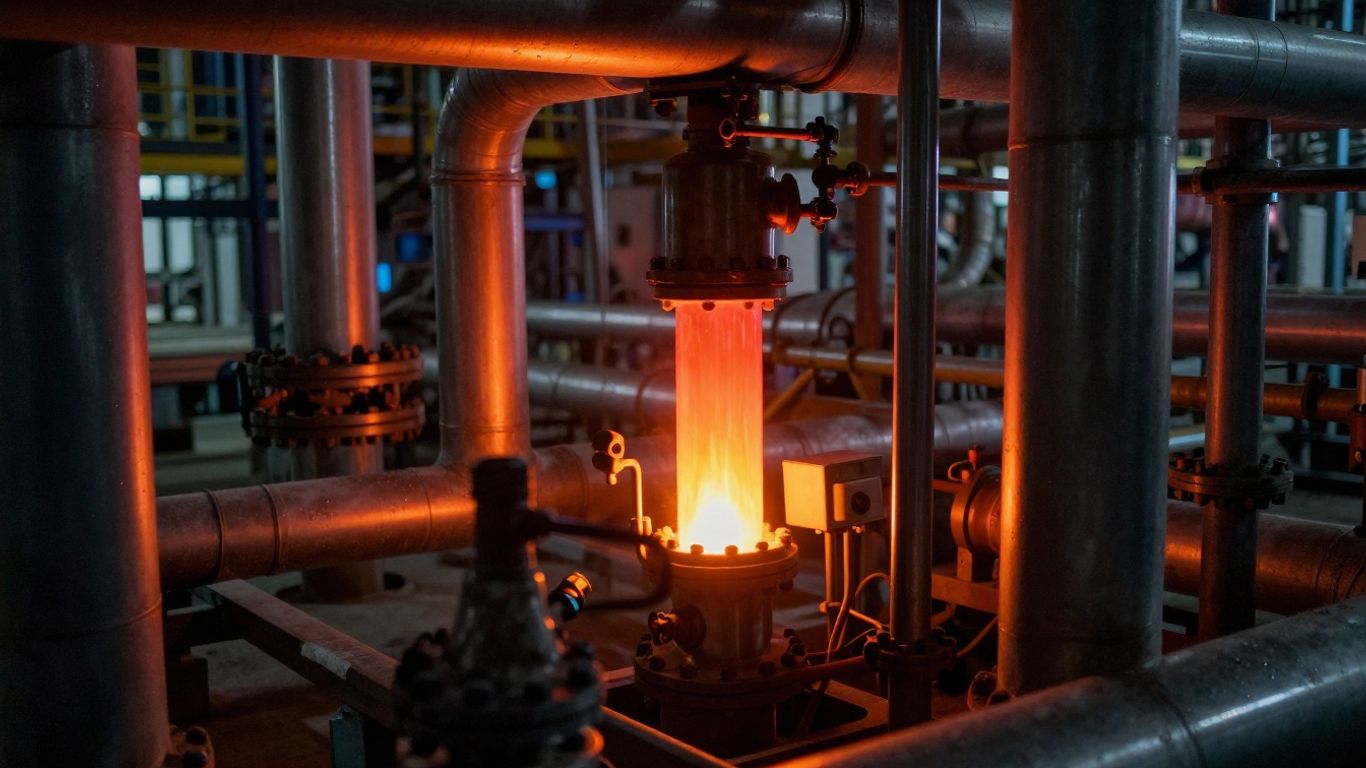
Many industrial processes involve extremely high temperatures, such as those found in furnaces, kilns, and chemical reactors. Monitoring these conditions accurately is vital for maintaining product quality, optimizing energy usage, and preventing equipment failure. Mid-wave infrared (MWIR) technology is particularly well-suited for these applications because its spectral range aligns with the peak thermal emissions of objects at elevated temperatures. This allows for clear imaging and precise temperature measurement of hot surfaces, even in environments with significant heat radiation. By using MWIR systems, you can gain real-time insights into combustion efficiency, identify hot spots indicating potential issues, and ensure that processes remain within desired operational parameters. This capability helps reduce waste, improve safety, and extend the lifespan of expensive industrial equipment.
Hydrocarbon Leak Detection
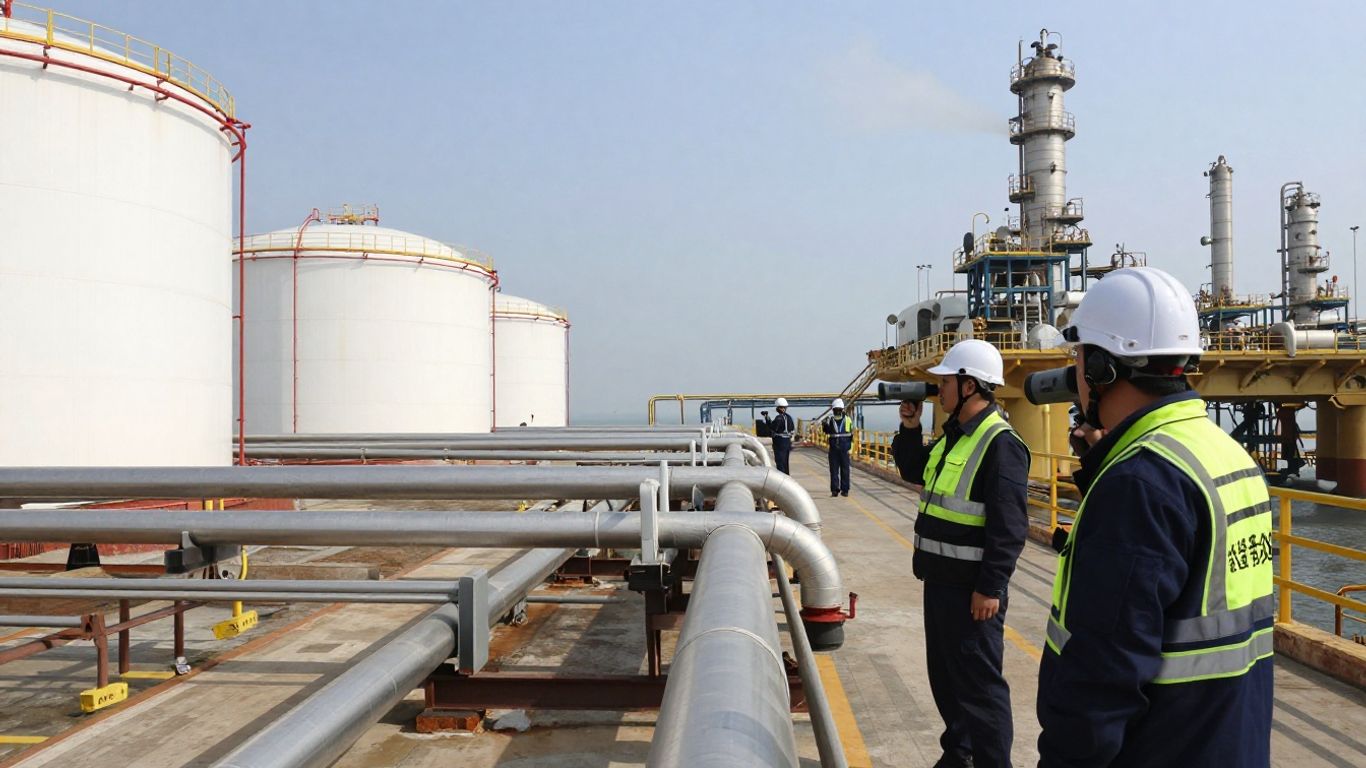
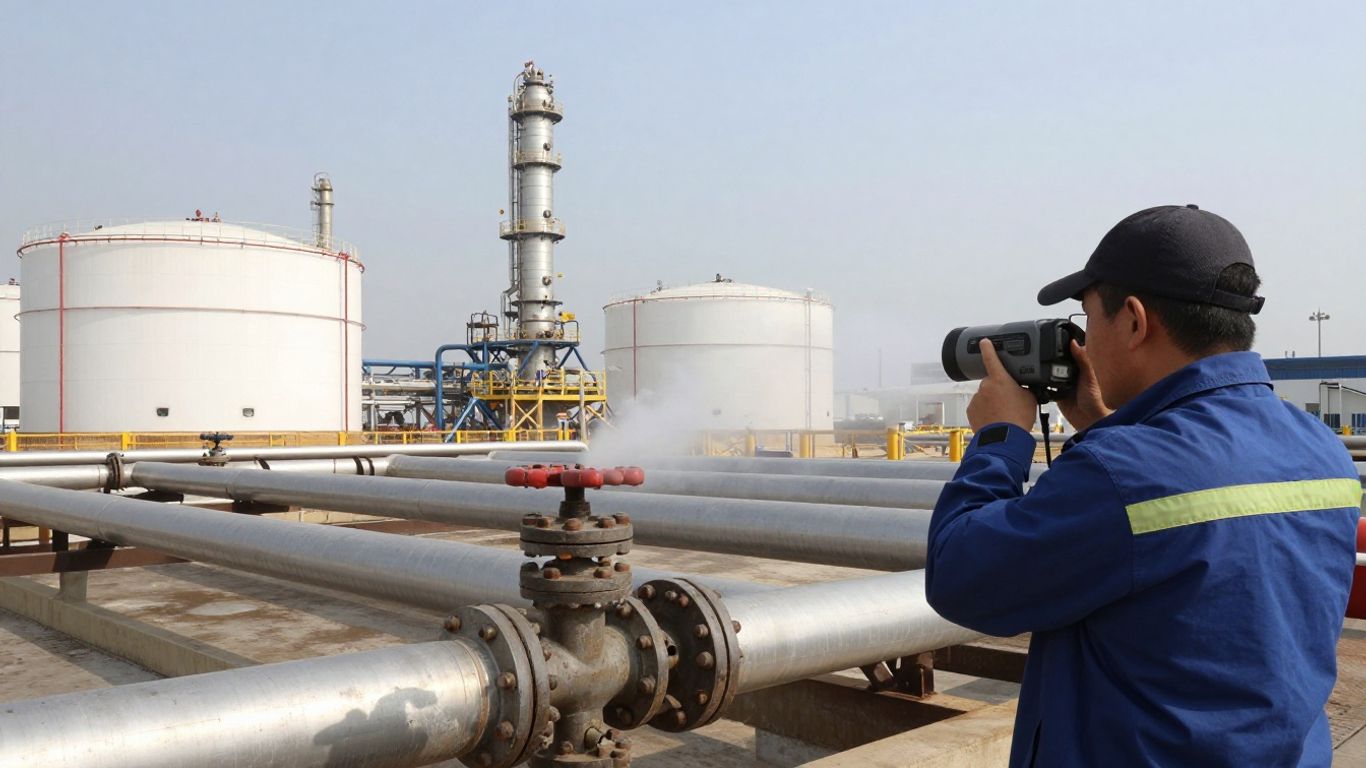
Detecting leaks of hydrocarbons, such as natural gas or volatile organic compounds (VOCs), is critical for safety, environmental protection, and operational efficiency in industries like oil and gas, chemical manufacturing, and petrochemicals. Certain hydrocarbon gases have distinct absorption bands within the MWIR spectrum. Specialized MWIR cameras can visualize these gases as plumes against a cooler background, even if they are invisible to the naked eye. This allows for rapid identification and localization of leaks, enabling prompt repair and minimizing the release of hazardous substances. The ability to perform this detection remotely and non-intrusively is a significant advantage, especially in large or complex facilities. You can achieve better gas detection and environmental monitoring with this technology.
Combustion Analysis and Furnace Inspection
Analyzing combustion processes and inspecting furnaces are essential for maximizing efficiency and ensuring the longevity of these critical industrial assets. MWIR imaging provides a powerful tool for observing the dynamics within a furnace or during combustion. You can visualize flame patterns, identify areas of incomplete combustion, and detect temperature non-uniformities that might indicate refractory damage or airflow issues. This detailed thermal information helps engineers fine-tune combustion parameters for optimal performance and reduced emissions. Furthermore, inspecting furnace linings with MWIR cameras allows for the early detection of wear or damage, preventing catastrophic failures and costly downtime. The sensitivity of MWIR technology to flame signatures makes it invaluable for these demanding applications.
Performance Characteristics of MWIR Gas Detection
When you're evaluating Mid-Wave Infrared (MWIR) gas detection systems, understanding their performance characteristics is key to selecting the right technology for your industrial needs. Several factors influence how effectively these systems operate in real-world conditions.
Atmospheric Transmission and Environmental Factors
The atmosphere itself can affect how well MWIR signals travel. Water vapor and certain gases absorb infrared radiation, which can reduce the signal strength reaching the detector. However, MWIR generally performs better than Long-Wave Infrared (LWIR) in humid conditions, which is a significant advantage in many industrial settings. Fine aerosols and haze can also impact performance, but MWIR often maintains better image quality in these scenarios compared to other wavelengths. It's important to consider the specific atmospheric composition and conditions at your site. For instance, in environments with high humidity, MWIR systems can offer a more consistent performance. You can learn more about how atmospheric conditions affect infrared imaging by exploring MWIR sensors.
Target Temperature and Thermal Contrast
MWIR systems excel at detecting objects with higher temperatures. This is because hotter objects emit more radiation at shorter wavelengths, which fall within the MWIR spectrum. This characteristic provides superior thermal contrast when imaging hot gas plumes or high-temperature process equipment against cooler backgrounds. The effectiveness of detection is directly tied to this temperature difference. If your target gas is at a significantly elevated temperature compared to its surroundings, MWIR will likely provide a strong signal. Conversely, if the target is near ambient temperature, LWIR might be a more suitable choice. Understanding the target temperature and thermal contrast is therefore critical for successful deployment.
Sensitivity Metrics and System Design
Sensitivity is often measured by Noise Equivalent Temperature Difference (NETD), which indicates the smallest temperature difference a sensor can detect. High-performance MWIR systems, particularly cooled ones, can achieve very low NETD values, sometimes below 20 millikelvin. This high sensitivity allows for the detection of subtle temperature variations, which is beneficial for identifying small leaks or faint gas signatures. However, achieving this level of sensitivity often requires complex cooling systems, which adds to the overall system cost and complexity. The design of the optical system, including the lenses and filters, also plays a significant role in the system's overall performance and sensitivity. When designing your system, consider the trade-offs between sensitivity requirements, operational environment, and the complexity of the required hardware. For more information on system design considerations, you can contact us at https://www.lightpath.com/contact.
System Integration and Operational Considerations
Integrating MWIR gas detection systems into your industrial operations involves several practical aspects that influence performance, cost, and overall effectiveness. Careful planning around these considerations is key to a successful deployment.
Cooling Requirements and System Complexity
MWIR sensors, particularly high-performance cooled detectors, often require cryogenic cooling to minimize noise and achieve optimal sensitivity. This necessity introduces significant complexity into system design and operation. The cooling mechanisms, such as Stirling coolers, add to the system's size, weight, and power consumption. Furthermore, these cooling components can be a source of maintenance and potential failure points, impacting the system's reliability and total cost of ownership. While uncooled LWIR systems offer a simpler integration path, the performance advantages of MWIR in specific scenarios may justify the added complexity of cooling.
Cost Implications and Total Cost of Ownership
The initial acquisition cost of MWIR gas detection systems is generally higher than that of comparable LWIR solutions. This is due to the more sophisticated sensor technology and the required cooling infrastructure. Beyond the purchase price, you must also account for the total cost of ownership. This includes ongoing expenses such as power consumption for cooling, regular maintenance of cooling components, potential repair costs, and the specialized training required for personnel operating and maintaining the equipment. When evaluating the financial viability, it is important to compare these factors against the potential cost savings from early leak detection and process optimization that MWIR technology can provide. For applications where precise detection of specific gases at elevated temperatures is critical, the long-term benefits can outweigh the initial investment.
Integration with Existing Infrastructure
Integrating new MWIR gas detection systems into your current industrial setup requires careful consideration of compatibility and workflow. You will need to assess how the new system will interface with existing control systems, data logging platforms, and alarm networks. The physical installation also needs to be planned, considering mounting locations, power availability, and environmental protection for the equipment. For example, if you are implementing Leak Detection and Repair (LDAR) programs, ensuring the MWIR system can feed data into your existing LDAR software is paramount. The goal is to create a cohesive monitoring solution rather than an isolated component. This often involves working with vendors who can provide robust integration support and customizable interfaces to ensure a smooth transition and maximize the utility of your new detection capabilities.
Comparing MWIR Gas Detection with LWIR
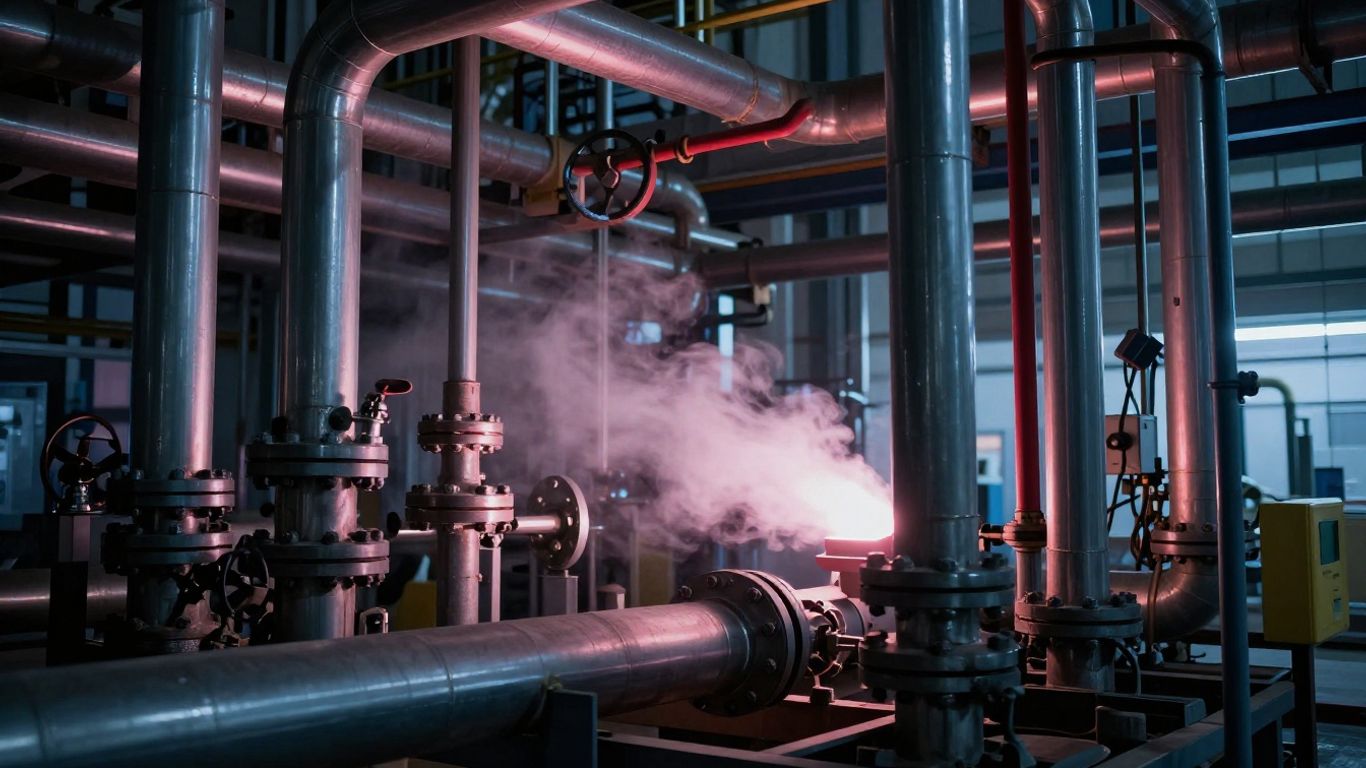
When you're selecting a thermal imaging technology for gas detection or other industrial applications, you'll often encounter the terms MWIR and LWIR. These acronyms refer to different parts of the infrared spectrum, and understanding their distinctions is key to choosing the right system for your specific needs. It's not just about picking the latest gadget; it's about matching the technology's capabilities to your operational environment and objectives. The choice between MWIR and LWIR cameras can significantly impact performance, cost, and overall system effectiveness.
Wavelength Differences and Target Suitability
MWIR (Mid-Wave Infrared) typically operates in the 3 to 5 micrometer range. This band is excellent for detecting objects that are significantly hotter than their surroundings, like hot industrial processes or engine exhaust. The physics behind this is that hotter objects emit more energy at shorter wavelengths. This makes MWIR systems particularly good for spotting high-temperature targets against a cooler background. However, MWIR systems often require cryogenic cooling to achieve their best sensitivity, which adds complexity and cost.
LWIR (Long-Wave Infrared) operates in the 8 to 14 micrometer range. This band is ideal for detecting objects at or near ambient temperatures, such as people, buildings, or equipment that isn't running extremely hot. Most objects at typical environmental temperatures emit most strongly in this LWIR range. A major advantage of LWIR technology is that it commonly uses uncooled microbolometer detectors. These are simpler, less expensive, and require less power than the cooled detectors often found in MWIR systems. For many industrial gas detection applications, where you might be looking for leaks against a background that isn't extremely hot, LWIR is often the more practical choice.
Performance in Humid and Maritime Conditions
Atmospheric conditions can play a big role in how well your thermal imaging system performs. MWIR systems generally handle humid environments and maritime conditions better than LWIR. Water vapor in the air can absorb and scatter infrared radiation, and the specific wavelengths used by MWIR are less affected by this than LWIR in certain humid scenarios. This can be important if your facility is located near the coast or in a region with consistently high humidity. However, this advantage often comes with the trade-off of higher system cost and complexity due to cooling requirements.
LWIR systems, while sometimes more variable in very humid conditions, often perform well in other challenging environments. They can penetrate smoke, dust, and fog more effectively than MWIR in some cases, which can be beneficial in industrial settings with airborne particulates. The choice here depends heavily on the specific environmental factors you expect to encounter most frequently. Understanding these nuances is critical for choosing between LWIR and MWIR technologies.
Application-Specific Technology Selection
Ultimately, the best technology depends on what you need to detect and where. If your primary concern is monitoring very high-temperature processes or specific gas signatures that peak in the MWIR range, then an MWIR system might be necessary. These systems can offer superior sensitivity for subtle temperature differences, which is valuable when thermal contrast is low.
However, for many common industrial gas detection tasks, such as identifying leaks of hydrocarbons or other gases where the plume has a different temperature than the ambient air, LWIR systems are often sufficient and more cost-effective. Their ability to operate without complex cooling systems simplifies integration and reduces maintenance. For example, optical gas imaging (OGI) cameras, which are used to visualize gas plumes, frequently utilize LWIR technology because it provides the necessary contrast against the background for leak detection. When you're evaluating your options, consider the specific gases you need to detect, their typical temperature profiles, and the environmental conditions of your site. If you need assistance determining the optimal solution for your industrial needs, consider reaching out to an expert. Contact us at https://www.lightpath.com/contact.
When looking at different ways to spot gases, understanding the difference between MWIR and LWIR is key. These technologies use different parts of the infrared spectrum to see things. MWIR is good for seeing hot things, while LWIR is better for seeing cooler objects. Both have their own uses, but knowing which one to pick can make a big difference in how well you can detect what you need. Want to learn more about which infrared technology is best for your needs? Visit our website to explore our solutions and talk to an expert today!
Conclusion
MWIR gas detection offers a powerful solution for specific industrial challenges, particularly those involving high temperatures and certain gas types. While LWIR technology often provides a more versatile and cost-effective approach for general ambient temperature monitoring, MWIR's unique capabilities in detecting specific thermal signatures and its performance in certain atmospheric conditions make it indispensable for targeted applications. Understanding the distinct advantages and limitations of MWIR, alongside LWIR, is key to selecting the optimal thermal imaging technology for your industrial use case, ensuring efficient, safe, and reliable operations.
Frequently Asked Questions
What does MWIR stand for and why is it used for gas detection?
MWIR means Mid-Wave Infrared. It's a type of heat-sensing technology that looks at heat given off by objects. It's good for detecting certain gases because some gases absorb heat in this specific heat-wave range, making them visible to the sensor.
How is MWIR different from LWIR?
Think of it like different channels on a TV. MWIR looks at mid-range heat waves, which are better for spotting really hot things or specific gases. LWIR, or Long-Wave Infrared, looks at longer heat waves and is usually better for spotting things closer to normal room temperature.
What kind of industrial jobs is MWIR gas detection good for?
It's great for jobs where things get very hot, like checking furnaces or engines. It's also used to find leaks of certain gases, especially hydrocarbons, in places like oil refineries or chemical plants where safety is super important.
Do MWIR systems need special equipment to work?
Often, yes. To get the best picture and detect tiny details, MWIR sensors usually need to be kept very cold using special cooling systems. This makes the equipment a bit bigger, heavier, and more expensive.
Can MWIR see through smoke or fog?
MWIR can sometimes see better through humid air compared to other heat-sensing methods. However, very thick smoke or fog can still make it hard to see clearly, just like it does for your own eyes.
Is MWIR gas detection expensive?
It can be. Because the sensors often need cooling and are designed for specific tasks, MWIR systems can cost more upfront than simpler heat-sensing cameras. But, for the right job, the safety and efficiency gains can make it worth the investment.