
Key Takeaways
For OEMs and system integrators building industrial monitoring platforms, the choice between LWIR cameras and MWIR technology shapes project timelines, costs, and long-term performance.
- Long-wave infrared cameras operate without cryogenic cooling, reducing system complexity and lowering total ownership costs for continuous industrial monitoring
- Mid-wave infrared technology delivers superior sensitivity for high-temperature detection but requires cooling systems that add weight, power demands, and maintenance
- Industrial predictive maintenance, quality control, and equipment monitoring typically favor LWIR solutions due to their effectiveness at ambient temperatures
- The right choice depends on your target temperature range, environmental conditions, integration constraints, and end-user operational requirements
The thermal imaging market continues expanding across industrial sectors, with market analysts projecting growth from $5.13 billion in 2024 to approximately $12.75 billion by 2034. For OEMs and system integrators developing next-generation monitoring solutions, this growth creates opportunities alongside a critical technical decision: selecting between LWIR cameras and mid-wave infrared alternatives.
This choice affects everything from development timelines to manufacturing costs to the operational realities your customers will face. Understanding the practical differences between these technologies helps engineering teams specify the right thermal imaging foundation for industrial applications ranging from predictive maintenance to process monitoring.
The decision extends beyond wavelength specifications. Program managers and engineering leads must consider total system architecture, supply chain implications, and the integration support available from component partners. Getting this decision right early prevents costly redesigns and positions your products competitively.
What Separates LWIR Cameras from MWIR Technology?
Both long-wave infrared and mid-wave infrared technologies detect thermal radiation, but they operate in different portions of the electromagnetic spectrum with distinct characteristics that matter for industrial applications.
Long-wave infrared systems capture radiation in the 8 to 14 micrometer range. This wavelength band aligns with the thermal emissions from objects at ambient and slightly elevated temperatures, making LWIR cameras particularly effective for monitoring equipment, personnel, and environmental conditions that fall within typical industrial operating ranges. Most importantly for system designers, LWIR technology enables uncooled detector architectures using microbolometer sensors that eliminate the need for cryogenic cooling systems.
Mid-wave infrared operates in the 3 to 5 micrometer band. MWIR excels at detecting higher-temperature sources and generally provides superior thermal contrast when imaging hot objects against cooler backgrounds. However, this performance typically requires cooled detector arrays using materials like indium antimonide that must operate at cryogenic temperatures around 77 Kelvin.
The cooling requirement fundamentally changes system design. MWIR cameras need Stirling coolers or other refrigeration mechanisms that add size, weight, power consumption, and maintenance complexity. For many industrial integration projects, these additions create constraints that influence the entire platform design.
|
Feature |
LWIR Cameras |
MWIR Technology |
Broadband Infrared |
|
Wavelength Range |
8-14 micrometers |
3-5 micrometers |
3-12 micrometers |
|
Cooling Requirement |
Typically uncooled |
Usually requires cryogenic cooling |
Uncooled options available |
|
Optimal Temperature Detection |
Ambient to moderate |
Elevated to high temperatures |
Ambient through elevated |
|
System Complexity |
Lower |
Higher |
Moderate |
|
Power Consumption |
Lower |
Higher |
Lower to moderate |
|
Maintenance Requirements |
Minimal |
Regular cooler servicing |
Minimal |
|
Size and Weight |
Compact options available |
Generally larger |
Compact options available |
|
Relative Cost |
Lower total ownership |
Higher acquisition and operating costs |
Moderate acquisition, lower operating |
Emerging broadband infrared technology now offers a third path for OEMs seeking flexibility. Broadband systems operating across extended wavelength ranges, such as 3-12 micrometers, combine capabilities traditionally split between LWIR and MWIR in a single uncooled platform. This extended spectral coverage allows detection from ambient temperatures through elevated ranges without the cooling requirements of dedicated MWIR systems, simplifying integration for applications where temperature targets vary or span both detection scenarios.
This comparison illustrates why the LWIR vs MWIR decision often comes down to matching technology characteristics with specific application requirements rather than declaring one approach universally superior.
Which 5 Industrial Applications Benefit Most from LWIR Cameras?
Industrial environments present diverse thermal monitoring challenges, and understanding where each technology excels helps OEMs target their integration efforts effectively.
-
Predictive Maintenance and Equipment Monitoring
Manufacturing facilities increasingly rely on thermal imaging for predictive maintenance programs that identify developing problems before equipment failures occur. LWIR cameras excel in these applications because failing bearings, overloaded electrical connections, and degrading insulation typically generate temperature anomalies in ranges where long-wave infrared provides excellent detection capability.
The uncooled operation of LWIR systems also supports continuous monitoring installations that run around the clock without scheduled maintenance interruptions. Studies indicate that predictive maintenance programs can reduce costs by 25-30% while extending equipment lifespan, making reliable thermal monitoring infrastructure a compelling investment.
-
Electrical System Inspection
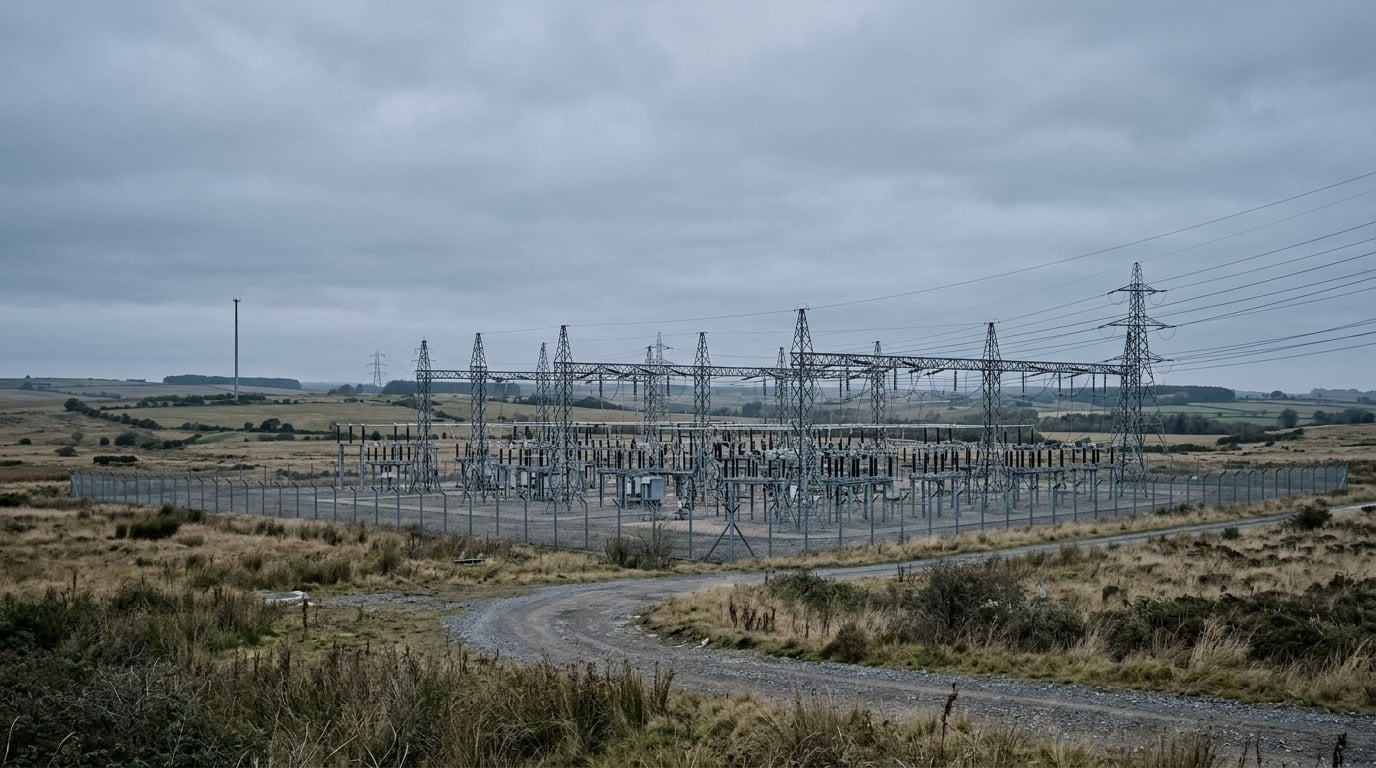
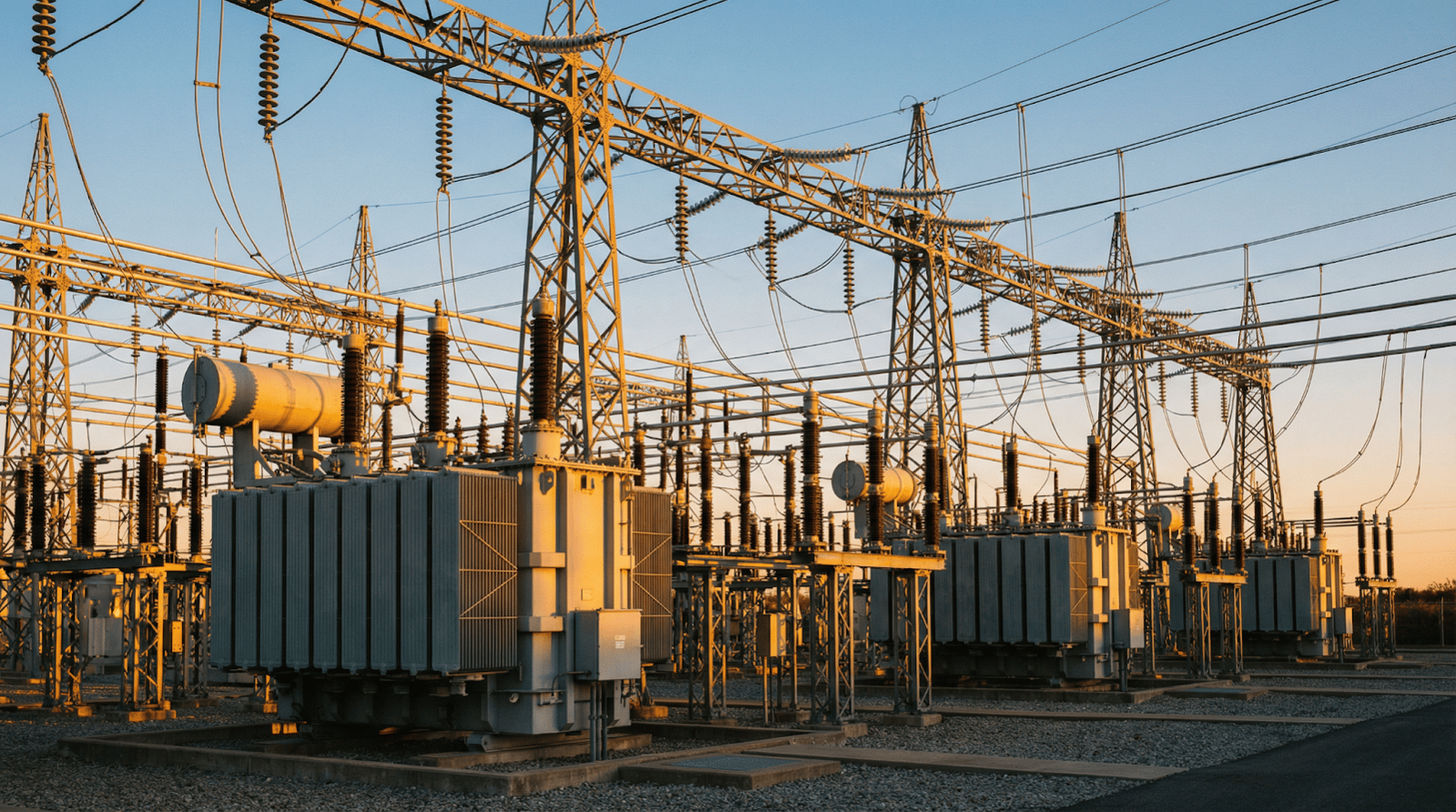
Electrical panels, transformers, and distribution systems require regular thermal inspection to identify hot spots indicating loose connections, load imbalances, or component degradation. LWIR cameras provide the sensitivity needed to detect these anomalies while offering the compact form factors and operational simplicity that field inspection applications demand.
-
Building and Facility Monitoring
Energy audits, insulation verification, and HVAC system analysis all fall within the temperature ranges where long-wave infrared technology performs optimally. System integrators developing building monitoring solutions benefit from LWIR's lower power requirements and simplified installation, particularly for distributed sensor networks covering large facilities.
-
Process Monitoring Applications
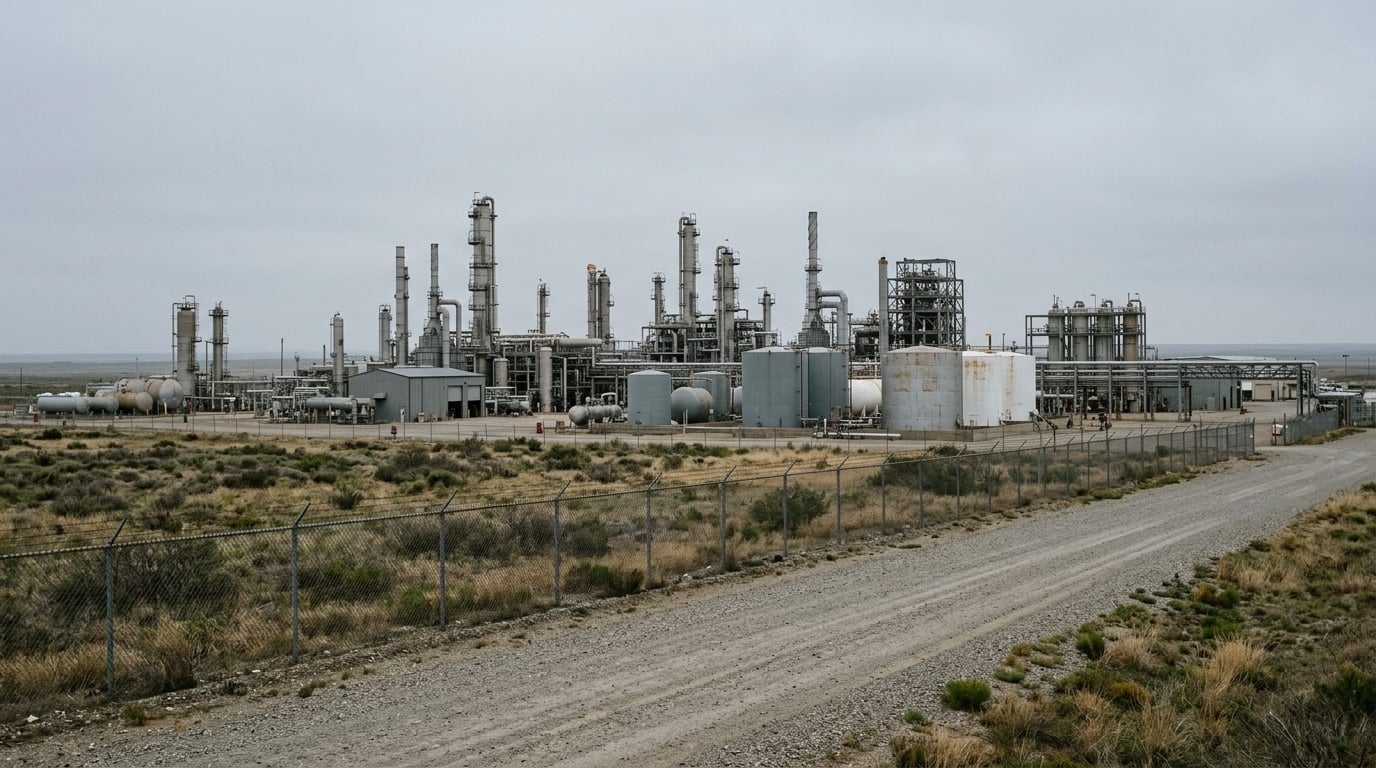
While some high-temperature industrial processes benefit from MWIR's elevated temperature capabilities, many quality control and process monitoring applications operate at temperatures suited to LWIR detection. Thermal cameras for industrial use provide real-time visibility into manufacturing processes that supports both quality assurance and operational efficiency improvements.
-
When MWIR Makes Sense
Mid-wave infrared technology proves advantageous when applications require detection of very high temperatures, such as furnace monitoring above 500°C, or when long-range detection in specific atmospheric conditions justifies the added system complexity. Defense applications, combustion analysis, and certain gas detection scenarios often favor MWIR solutions despite their higher integration requirements.
However, OEMs facing mixed-use scenarios should also consider broadband infrared cameras. Systems covering the 3-12 micrometer range effectively span both LWIR and traditional MWIR detection bands while maintaining uncooled operation. This approach suits integrators whose end customers need versatility across varying temperature targets without managing separate camera systems or accepting cooled-system complexity.

How Should OEMs Approach the LWIR vs MWIR Decision?
Engineering teams evaluating thermal imaging technologies benefit from structured decision frameworks that consider the full scope of integration implications.
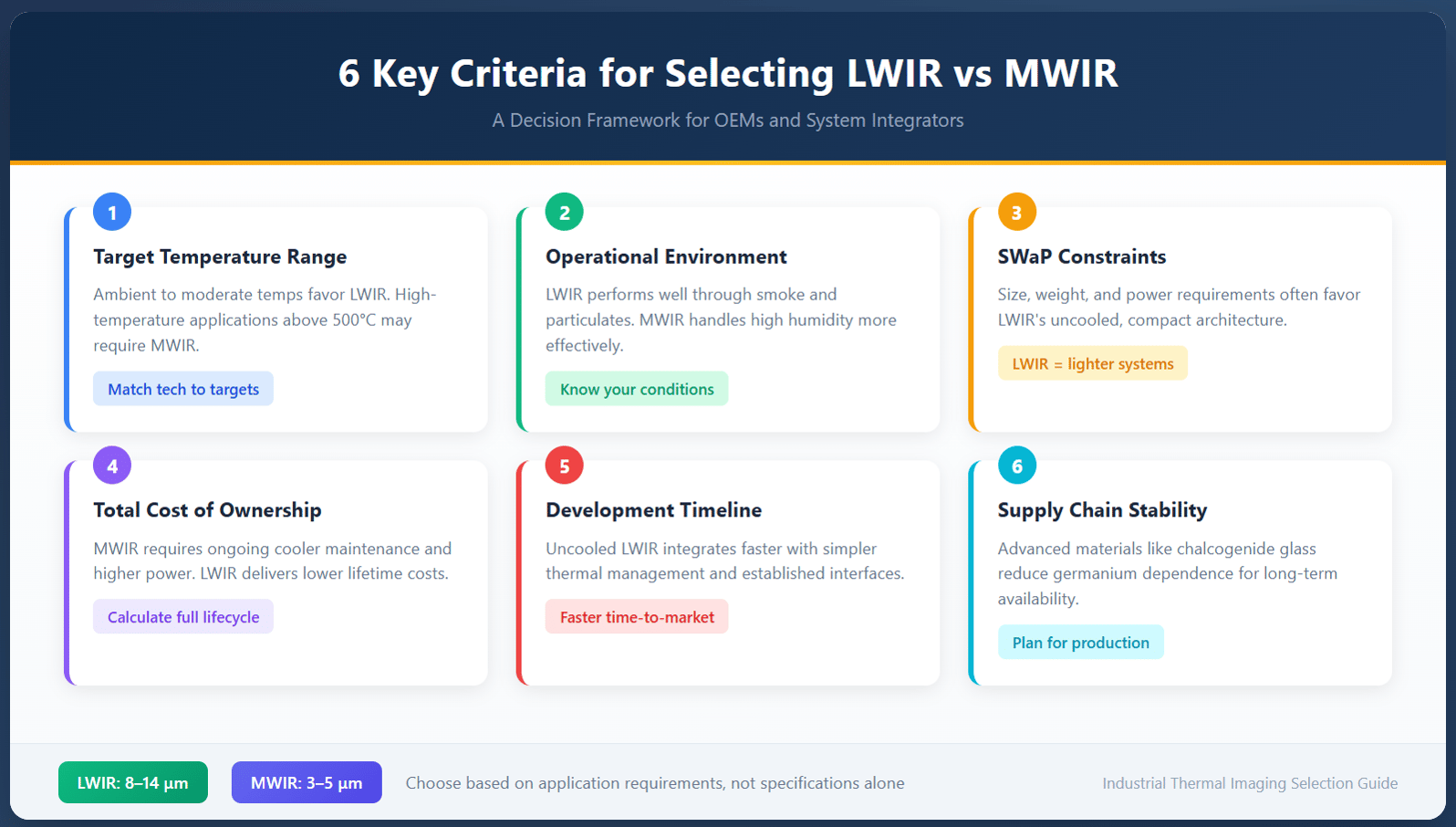
Consider these key selection criteria:
- Target Temperature Range: Define the temperature spectrum your end customers need to monitor. If primary targets operate near ambient temperatures, LWIR cameras typically provide optimal cost-performance balance. High-temperature applications above 500°C may require MWIR capability or specialized broadband solutions.
- Operational Environment: Atmospheric conditions influence technology selection. Long-wave infrared performs well through smoke and certain particulates, while mid-wave infrared handles high humidity environments more effectively. Understanding where your customers will deploy systems guides appropriate technology matching.
- Size, Weight, and Power Constraints: Platform integration requirements often favor LWIR technology. Drone payloads, portable inspection devices, and compact embedded systems benefit from uncooled cameras that minimize power demands and eliminate cooling system weight.
- Total Cost of Ownership: Initial component costs tell only part of the story. MWIR systems require ongoing cooler maintenance, consume more power, and may need specialized support infrastructure. LWIR solutions typically deliver lower lifetime costs even if individual sensor specifications appear less impressive.
- Development Timeline: Uncooled LWIR cameras generally integrate more quickly due to simpler thermal management requirements and established interface standards. Programs under time pressure often benefit from LWIR's reduced integration complexity.
- Supply Chain Considerations: Material availability affects long-term program viability. Traditional infrared optics relied heavily on germanium, but advanced manufacturers now offer alternative materials like proprietary chalcogenide glass that provide supply chain stability without performance compromises.
Integration Considerations for System Designers
Beyond technology selection, successful thermal imaging integration requires attention to system-level design decisions that affect final product performance.
Interface and Communication Standards
Modern LWIR cameras offer various interface options including Ethernet, USB, and purpose-built digital connections. Selecting cameras with interface compatibility for your platform architecture simplifies integration and reduces development time. Evaluate manufacturer documentation and integration support availability before finalizing component selections.
Optical Design and Lens Selection
Thermal camera performance depends heavily on optical system quality. LWIR thermal imaging lens assemblies must provide appropriate field of view, focal length, and athermalization to maintain focus across operating temperature ranges. Vertically integrated suppliers who manufacture both cameras and optical components can optimize these elements as matched systems.
Environmental Qualification
Industrial environments subject thermal imaging systems to temperature extremes, vibration, dust, and potentially corrosive atmospheres. Verify that selected LWIR cameras carry appropriate environmental ratings for intended deployment conditions. IP67 ratings and extended operating temperature specifications become particularly important for outdoor or harsh environment installations.
Software and Analytics Integration
Raw thermal imagery requires processing and analysis software to deliver actionable insights. Consider how thermal data will integrate with existing monitoring systems, SCADA platforms, or predictive maintenance databases. Manufacturers offering software development kits and integration guidance accelerate this phase of development.
Radiometric Calibration Requirements
Applications requiring accurate temperature measurement rather than simple thermal imaging need radiometrically calibrated cameras. Verify calibration procedures, accuracy specifications, and recalibration requirements when specifying LWIR cameras for quantitative temperature monitoring applications.
Frequently Asked Questions
What is the main advantage of LWIR cameras over MWIR for industrial applications?
LWIR cameras operate without cryogenic cooling, which significantly reduces system complexity, power consumption, and maintenance requirements. For industrial monitoring applications where targets operate at ambient to moderate temperatures, this simplified architecture delivers lower total ownership costs while meeting performance requirements.
Can LWIR cameras detect high-temperature objects in industrial settings?
Standard LWIR cameras effectively detect temperatures up to approximately 500°C. For applications requiring measurement across wider temperature ranges, broadband infrared cameras operating in the 3-12 micrometer range bridge traditional LWIR and MWIR bands within a single uncooled system. This extended spectral coverage allows OEMs to address both ambient monitoring and elevated temperature detection scenarios without the cooling systems, added weight, and maintenance demands of dedicated MWIR solutions.
How do atmospheric conditions affect the LWIR vs MWIR decision?
Each wavelength band interacts differently with atmospheric moisture and particles. Long-wave infrared generally performs better through smoke and certain types of fog, while mid-wave infrared handles humid conditions more effectively. Understanding your typical deployment environment helps match technology to operational requirements.
What should OEMs prioritize when selecting thermal imaging component suppliers?
Beyond technical specifications, evaluate integration support quality, supply chain reliability, and the supplier's experience with industrial OEM programs. Vertically integrated manufacturers who control optical materials, lens design, and camera assembly can provide matched systems optimized for specific applications while ensuring consistent availability.
Finding the Right Technology Partner
The LWIR vs MWIR decision establishes technology direction, but successful integration depends equally on manufacturer partnership quality. Component suppliers who understand industrial OEM requirements provide integration support, application engineering assistance, and supply chain reliability that de-risk development programs.
Manufacturers offering complete thermal imaging solutions spanning from optical materials through finished camera systems bring unique advantages. This vertical integration ensures optical designs optimized for specific detector characteristics, consistent quality across production runs, and engineering teams who understand the complete signal chain from infrared photon to processed image.
For OEMs and system integrators building industrial monitoring solutions, LightPath Technologies delivers the engineering partnership and comprehensive capabilities that transform thermal imaging specifications into competitive products. Our team works alongside program engineers from initial requirements through qualification testing, ensuring your integrated thermal systems deliver the performance and reliability your customers demand. Connect with our thermal imaging specialists to discuss your specific integration requirements.