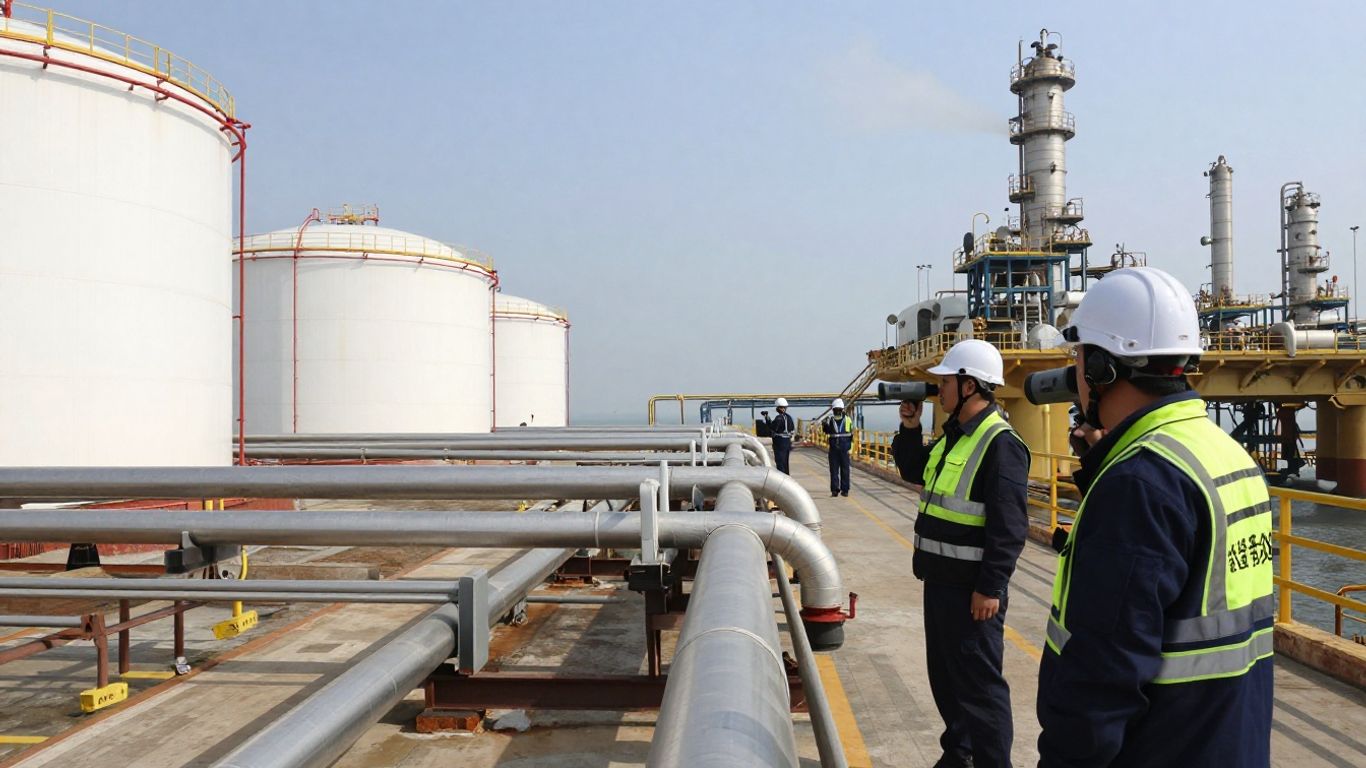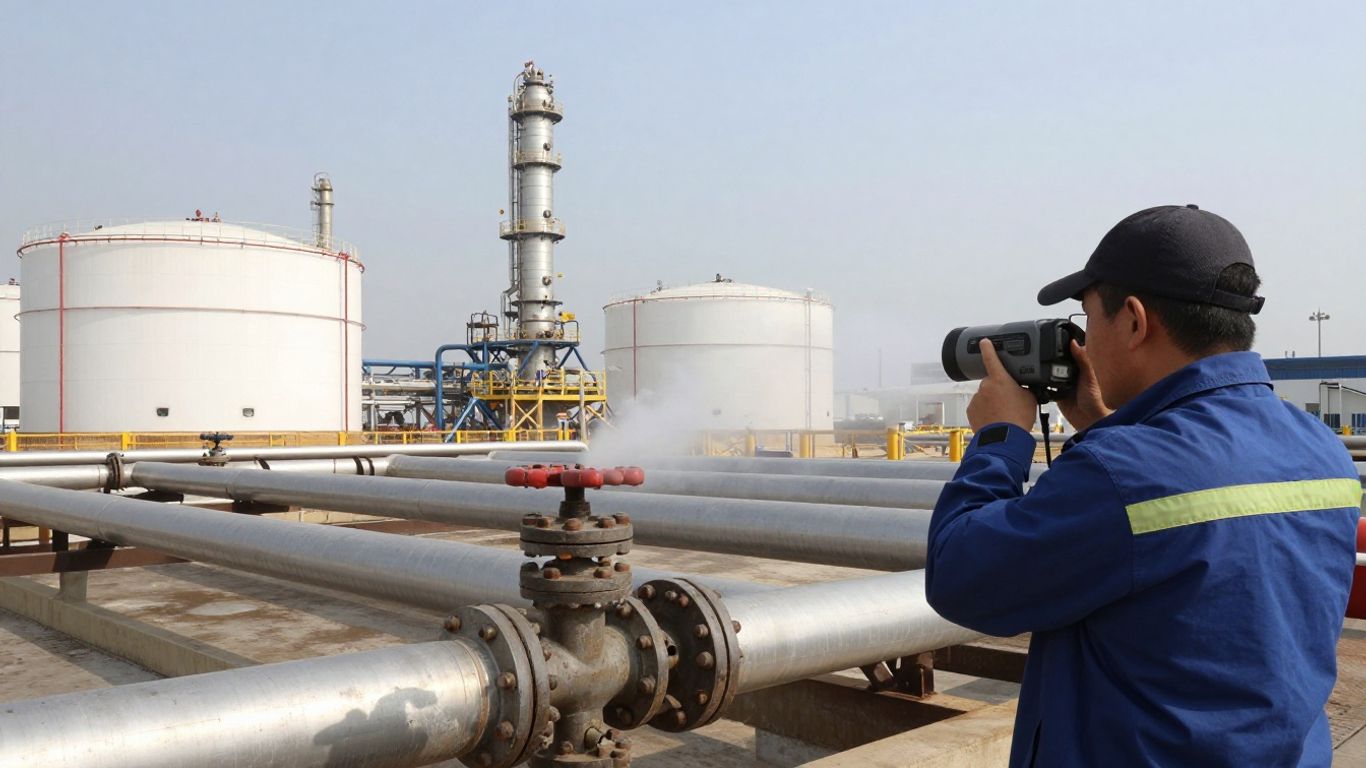

To wrap things up, here are the main points to remember about using thermal imaging for electrical checks. These benefits can really make a difference in how you manage your equipment and keep things running smoothly.
Key Takeaways
- Thermal imaging helps spot problems in electrical systems without touching anything, making inspections safer.
- You can find issues like loose connections or overloaded parts early, stopping them from causing bigger failures.
- This method helps prevent unexpected shutdowns, which saves you money and keeps production going.
- By finding problems early, you can fix them during planned maintenance, which is usually cheaper.
- Using thermal imaging can make your electrical equipment last longer and work more reliably.
1. Electrical System Inspection
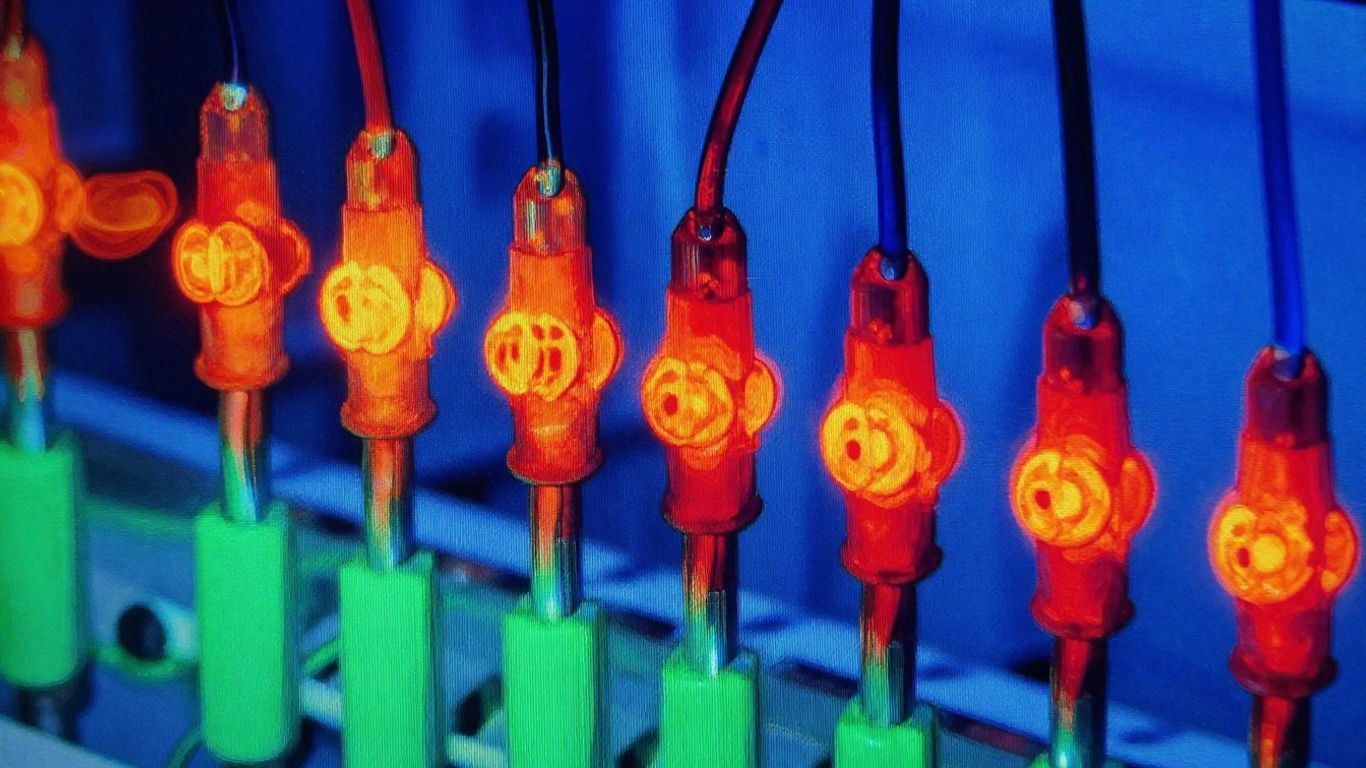
When you need to keep your electrical systems running smoothly and safely, thermal imaging offers a powerful advantage. It allows you to see what the naked eye cannot – heat signatures that indicate potential problems before they become serious issues. This non-contact method means you can inspect energized equipment without shutting it down, which is a big deal for maintaining continuous operations. Think of it as a proactive health check for your electrical infrastructure.
Thermal cameras detect infrared radiation emitted by all objects. When electrical components like connections, breakers, or fuses start to degrade, they often generate extra heat due to increased resistance or poor contact. Thermal imaging captures these temperature differences, showing them as visible patterns. This helps you spot issues such as:
- Loose connections
- Overloaded circuits
- Deteriorating components
- Improperly installed equipment
By identifying these hot spots early, you can prevent failures that might lead to costly downtime or even fire hazards. Regular thermal inspections are a smart way to ensure the reliability and safety of your electrical assets. For expert assistance with your electrical inspections, consider reaching out to professionals at lightpath.com/contact.
2. Process Temperature Monitoring
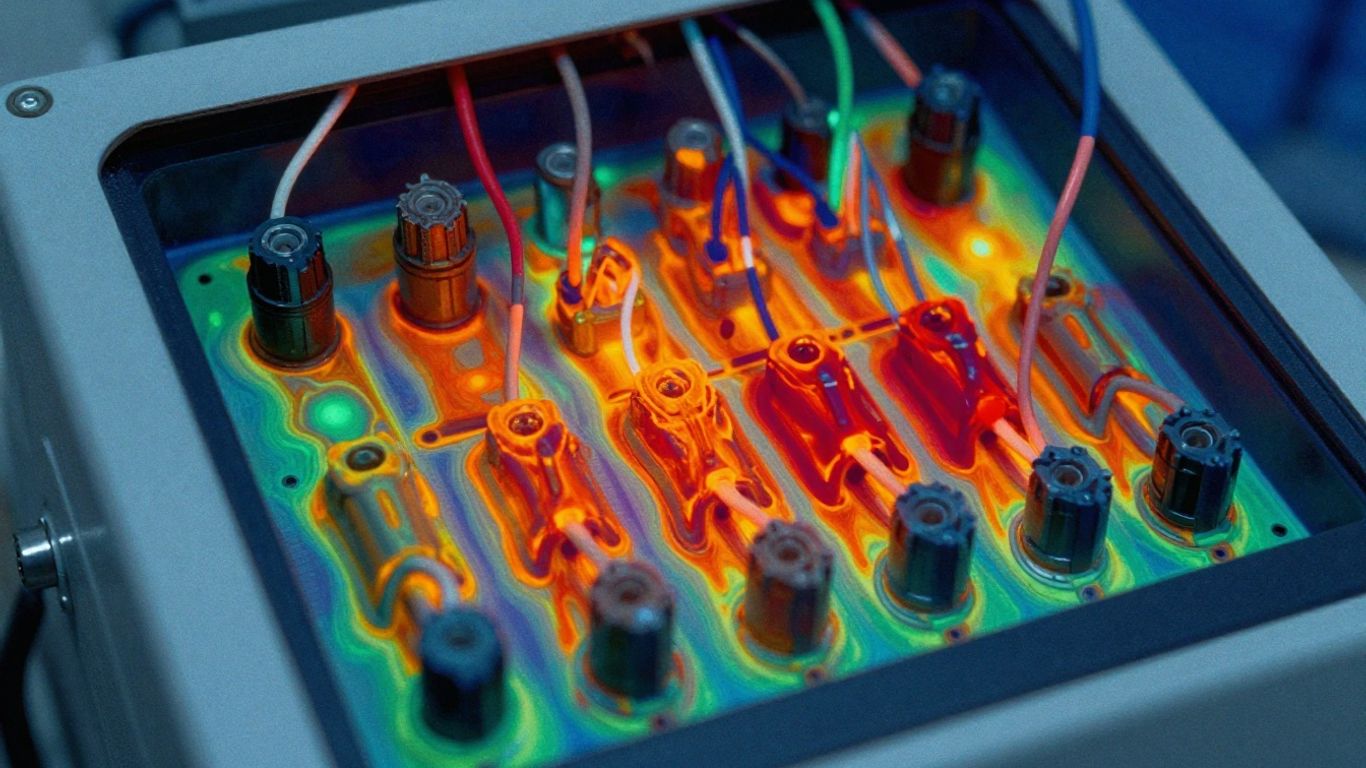
Beyond just electrical systems, thermal imaging offers a powerful way to keep an eye on your operational processes. Many manufacturing and industrial applications rely heavily on precise temperature control. Think about industries like food processing, chemical production, or plastics manufacturing – if the temperature isn't just right, it can lead to serious issues with product quality, safety, or even waste.
Thermal cameras provide continuous, non-contact monitoring of critical equipment like furnaces, ovens, and reaction vessels. They can spot temperature variations that might otherwise go unnoticed until they cause a problem. This real-time feedback allows you to maintain tight control over your processes, reducing waste and ensuring consistent product quality. It's a proactive approach that helps prevent deviations before they impact your bottom line.
Here are a few key areas where process temperature monitoring with thermal imaging makes a difference:
- Quality Control: Maintaining specific temperatures is often vital for product integrity. Thermal imaging helps verify that heating or cooling processes are functioning as intended, catching deviations that could lead to defects.
- Efficiency Optimization: Identifying areas where heat is being lost or where equipment is running hotter than it should can point to inefficiencies. Addressing these issues can lead to significant energy savings and improved operational performance.
- Safety Assurance: Uncontrolled temperature fluctuations can sometimes indicate developing hazards. Continuous monitoring helps identify potential safety risks early on, allowing for timely intervention.
Integrating thermal imaging into your process monitoring can significantly improve your operational efficiency and product consistency. If you're looking to implement advanced monitoring solutions for your facility, consider reaching out to experts who can help tailor a system to your specific needs. Contact us today at https://www.lightpath.com/contact.
3. Mechanical Component Analysis
Beyond electrical systems, thermal imaging offers significant advantages for monitoring mechanical components. Rotating equipment like motors, pumps, and bearings generate specific heat patterns during normal operation. When these components begin to wear, misalign, or suffer from lubrication issues, friction increases, leading to elevated temperatures. Thermal cameras can detect these subtle temperature changes, often long before they become audible or visible through other means.
This early detection is key to preventing unexpected breakdowns. Instead of waiting for a failure to occur, you can schedule maintenance during planned downtime. This approach extends the lifespan of your equipment and reduces the need for costly emergency repairs. Consider these points:
- Bearing Health: Increased temperature in bearings is a primary indicator of wear or insufficient lubrication. Thermal imaging can pinpoint which bearings are developing problems.
- Alignment Issues: Misaligned shafts or couplings can cause increased friction and heat. Thermal cameras can reveal these hot spots, allowing for prompt realignment.
- Lubrication Monitoring: Inadequate or excessive lubrication can both lead to temperature anomalies. Thermal imaging helps verify that lubrication levels are optimal.
By incorporating thermal inspections into your maintenance routine for mechanical systems, you move towards a more proactive strategy. This allows for better planning and resource allocation, ultimately saving you money and minimizing production interruptions. To learn more about how these solutions can benefit your operations, consider exploring predictive maintenance strategies. If you're ready to implement this technology, reach out to us at https://www.lightpath.com/contact.
In section 3, we dive into the mechanical parts. We'll look at how they're put together and what makes them work. Understanding these components is key to building great products. Want to learn more about our advanced optical solutions? Visit our website today!
Conclusion
In summary, thermal imaging electrical inspection offers a powerful, non-invasive method to safeguard your electrical systems. By identifying potential issues before they become major problems, you can significantly improve safety, reduce costly downtime, and extend the life of your equipment. Embracing this technology is a smart move for any facility looking to maintain reliable operations.
Frequently Asked Questions
What exactly is thermal imaging?
Think of it like a special camera that sees heat. Everything gives off heat, and this camera shows those heat differences as colors on a screen. It helps us see if something is getting too hot or too cold when it shouldn't be.
Why is thermal imaging good for electrical checks?
Electrical parts can get hot when they aren't working right, like if a connection is loose. A thermal camera can see these hot spots from a distance, even if the problem is small. This means we can find issues before they cause a fire or stop everything from working.
Do I need to turn off the power to use thermal imaging?
Nope! That's one of the best parts. You can check electrical systems while they are still running. This means less interruption to your work or production, and it's much safer because no one has to touch live wires.
What kind of problems can thermal imaging find in electrical systems?
It's great at finding things like loose screws in connections, overloaded circuits that are working too hard, or parts that are starting to wear out and get hot. It basically shows you where the heat isn't supposed to be.
How does this help save money?
When you find problems early, you can fix them before they cause major damage. This means you avoid expensive emergency repairs, stop costly breakdowns that halt production, and your equipment lasts longer. It's all about fixing things before they break badly.
Is thermal imaging difficult to use?
The cameras themselves are pretty straightforward to operate, but understanding what the heat patterns mean takes some training. You need someone who knows how to read the images correctly to know what's a real problem and what's just normal.