
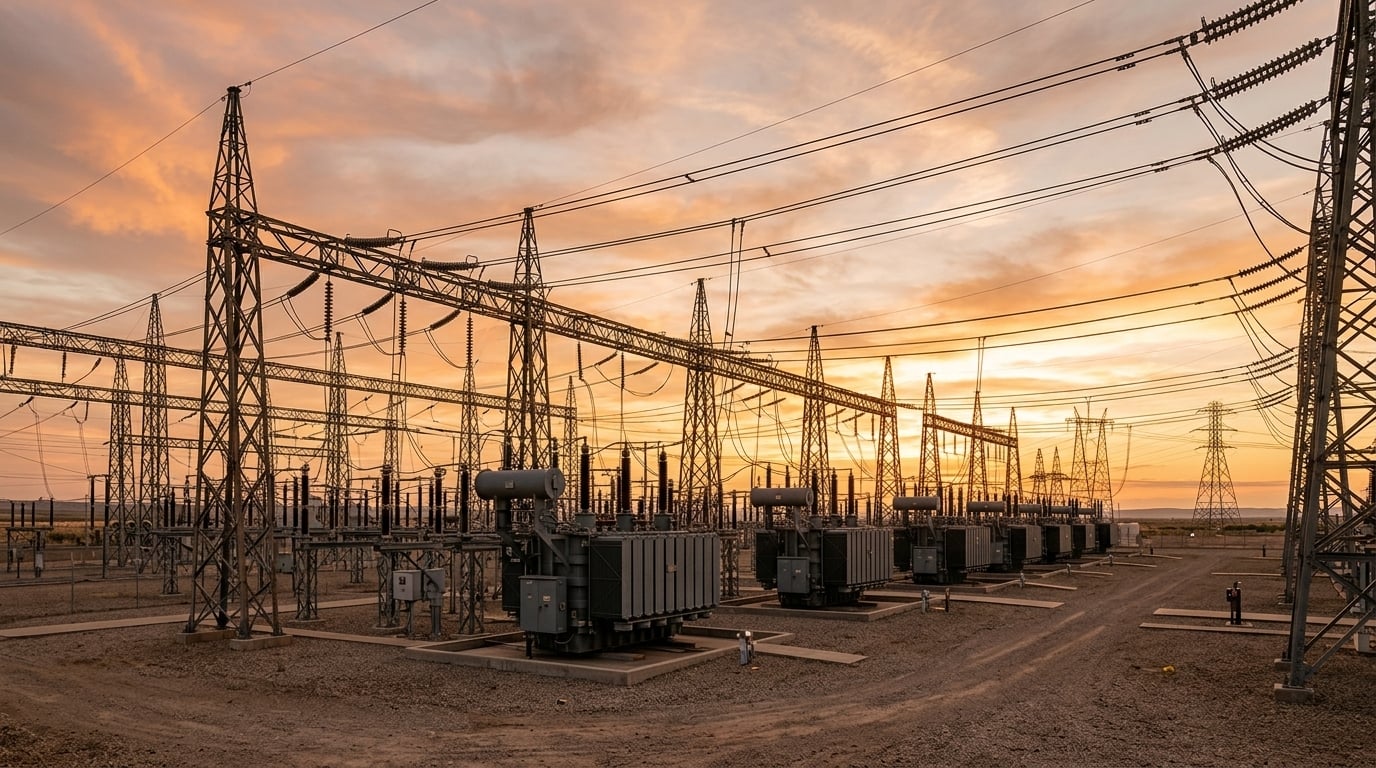
Thermal imaging turns invisible heat into an early warning system for the grid, catching failing connections and degrading components before they pull equipment offline.
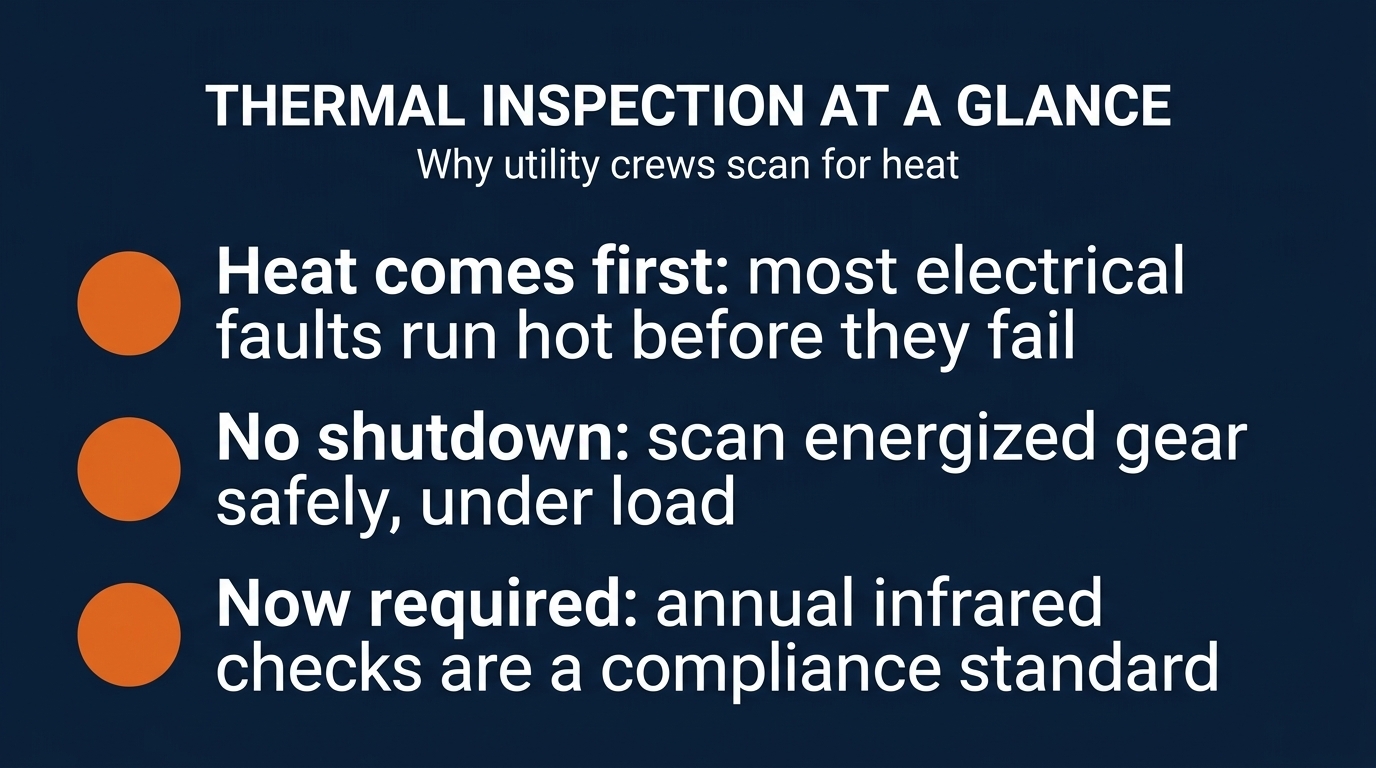
- Overheating is the common signature behind most electrical faults, so a single scan can flag trouble at substations, along lines, and across solar arrays long before a visible failure.
- The 2023 electrical maintenance standard made annual infrared inspection of energized equipment mandatory, moving electrical thermography from good practice to a compliance requirement.
- Deployment method drives results: handheld for close substation thermal inspection, fixed cameras for continuous watch on critical assets, and drone-mounted systems for lines and large solar sites.
- Choosing a system comes down to matching optics, sensitivity, and integration to the asset, not chasing the longest spec sheet.
If your crews inspect grid assets, treat the thermal camera as a system decision and spec it around the job it has to do.
Every energized connection on the grid runs a little warm. When one starts to fail, it runs a lot warmer, and that heat shows up well before anything smokes, trips, or goes dark. The whole premise behind thermal imaging electrical inspection is to read the heat, find the fault, and fix it on your schedule instead of the grid's.
Utility-scale solar operating capacity in the Lower 48 climbed from 81.9 to 107.4 gigawatts in a single year, and transmission and distribution networks are carrying heavier, more variable loads than they were built for. More assets, connections, and heat mean more places for a small problem to grow into an outage. Purpose-built infrared imaging systems for infrastructure give crews a non-contact way to see it coming.
This guide covers industrial thermal imaging across utility work, how teams deploy it, and what to weigh when specifying a camera system of your own.
What Thermal Imaging Electrical Inspection Reveals
Nearly every electrical fault announces itself as heat first. A loose bolt on a bus connection, a corroded terminal, an overloaded conductor, or a failing bushing all raise electrical resistance, and resistance turns current into unwanted heat. A thermal camera reads that heat as a temperature difference against the surrounding gear, which is why electrical thermography is so good at surfacing problems while everything still looks fine to the naked eye.
Two things make the approach practical for utility work. First, it is non-contact, so a technician scans energized equipment from a safe distance without shutting anything down. Second, it works under load, which is precisely when faults reveal themselves. Heat readings are physics, not magic, though: direct sun, wind, and reflective surfaces skew outdoor measurements, so a sound inspection weighs load and ambient conditions rather than trusting a single number.
Most of this work happens in the long-wave infrared band, roughly 8 to 14 µm, where uncooled long-wave infrared systems pick up the ambient-temperature signatures that electrical faults produce. Paired with the right optics, that band is the workhorse of nearly every thermal imaging electrical inspection program in the field.
Where Utility Crews Put Thermal Imaging to Work
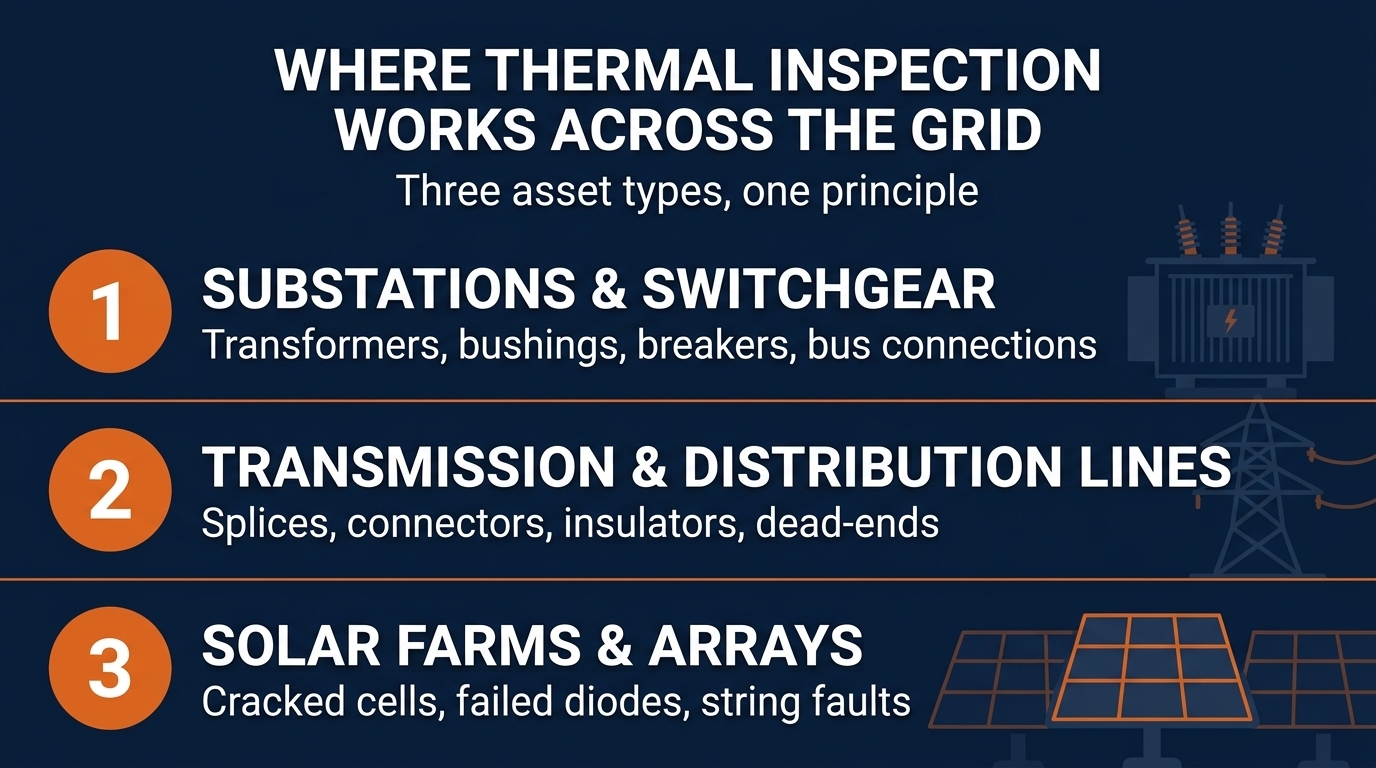
The grid is dozens of asset types with different failure modes. Industrial thermal imaging follows the same principle across all of them, but what you're hunting for shifts from the substation fence line to the transmission tower to the solar table.
Substations and Switchgear
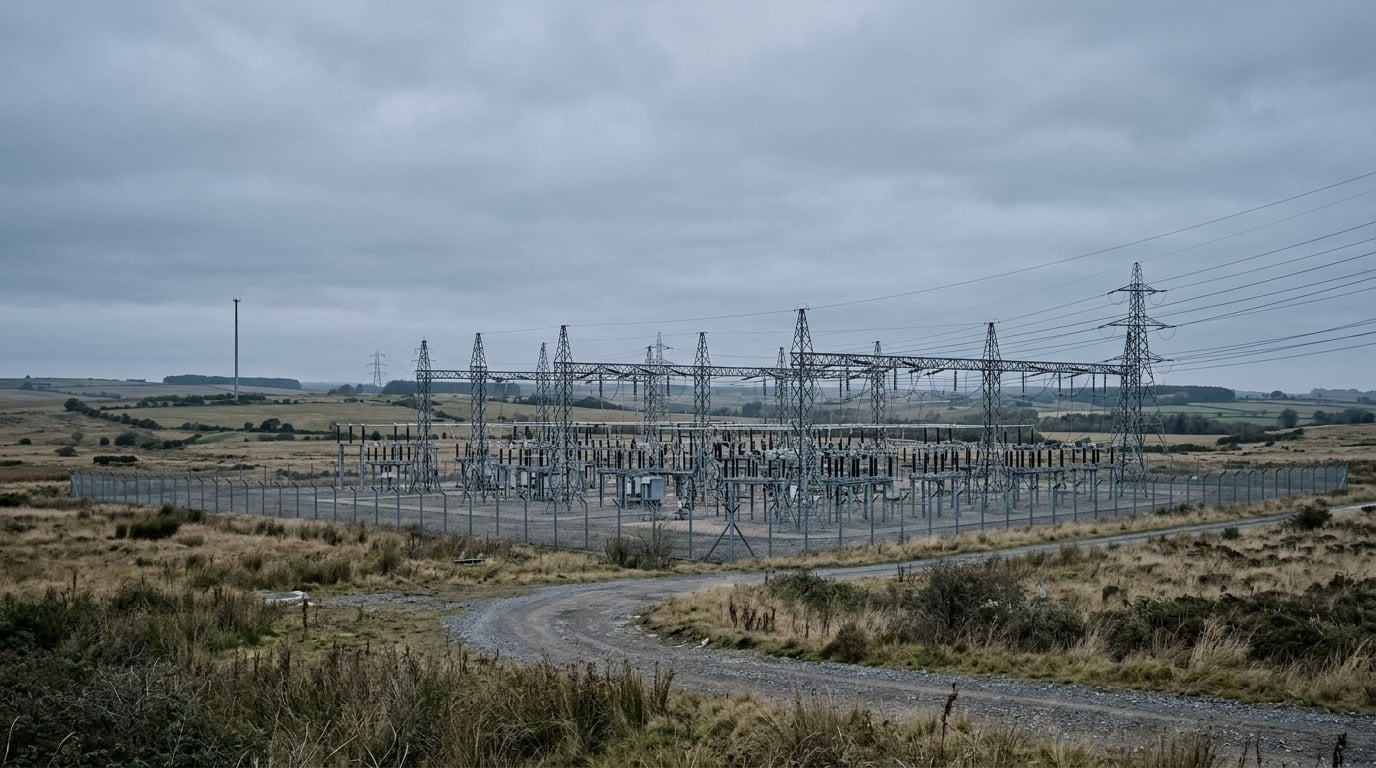
The substation is where thermal imaging pays off fastest because a single overheated transformer or switch can cascade into a wide-area outage. Crews scan transformers, bushings, disconnect switches, breakers, and bus connections for hot spots that signal high resistance or developing wear. Compliance now sets the schedule. A 2023 update to the national electrical maintenance standard made infrared inspection of energized equipment a requirement rather than a suggestion, with most gear needing a documented scan at least once a year. In practice, substation thermal inspection has moved from optional to expected, and the scan record is now part of the audit trail.
Transmission and Distribution Lines
Out on the lines, the targets are splices, connectors, insulators, and dead-ends, the points where conductors join and resistance tends to build. A power line thermal camera lets crews evaluate these connections from the ground or the air without de-energizing the circuit, covering miles of corridor that would take days to walk. Because line hardware sits in full sun and weather, experienced crews compare relative temperatures between similar components rather than reading absolute values, which keeps sun loading from generating false alarms. Reach is the whole point. A power line thermal camera surveys hardware that crews would otherwise inspect slowly and at height.
Solar Farms and Arrays
Solar is the fastest-growing reason utilities are investing in industrial thermal imaging. With solar now making up the majority of new generating capacity added to the grid, there are millions of new panels to keep healthy, and a bad cell doesn't announce itself. It just stops producing. Solar panel thermal inspection reveals hot spots from cracked cells, failed diodes, string faults, and soiling as bright anomalies against the even temperature of a healthy module. Underperforming equipment costs solar operators billions in lost revenue in a single year, most of it hiding at the panel and string level where monitoring software never looks. Solar panel thermal inspection is built to close that gap.
|
Utility asset |
What tends to overheat |
Why it matters |
|
Substation transformers |
Bushings, cooling systems, tap changers |
One failure can trigger a wide outage |
|
Switchgear and breakers |
Contacts, connections, terminals |
High resistance precedes arcing and faults |
|
Transmission and distribution lines |
Splices, connectors, insulators |
Miles of exposed hardware, hard to reach |
|
Solar arrays |
Cracked cells, diodes, string connections |
Silent yield loss across thousands of panels |
Handheld, Fixed, or Drone-Mounted: Choosing How You Deploy
The same core technology ships in three very different packages, and the right one depends on the asset, the inspection frequency, and how much ground you need to cover. Most utility programs run more than one, which is what makes utility thermal imaging so useful across a whole portfolio of assets.
|
Deployment |
Best for |
Trade-offs |
|
Handheld |
Close substation thermal inspection and switchgear |
Labor-intensive, one asset at a time |
|
Fixed or mounted |
Continuous watch on critical assets |
Higher install cost, fixed field of view |
|
Drone-mounted |
Lines, corridors, and large solar sites |
Needs a radiometric payload and flight planning |
Handheld cameras remain the standard for detailed switchyard work, where a technician needs to get close and interpret what they see. Fixed cameras on pan-and-tilt mounts give critical transformers a round-the-clock watch that a quarterly walkthrough would never match. For scale, drone-mounted thermal payloads cover in hours what ground crews cover in weeks. A single flight can complete a power line thermal camera survey down a corridor or a solar panel thermal inspection across thousands of modules, as long as the camera delivers calibrated, radiometric data rather than a good-looking picture.
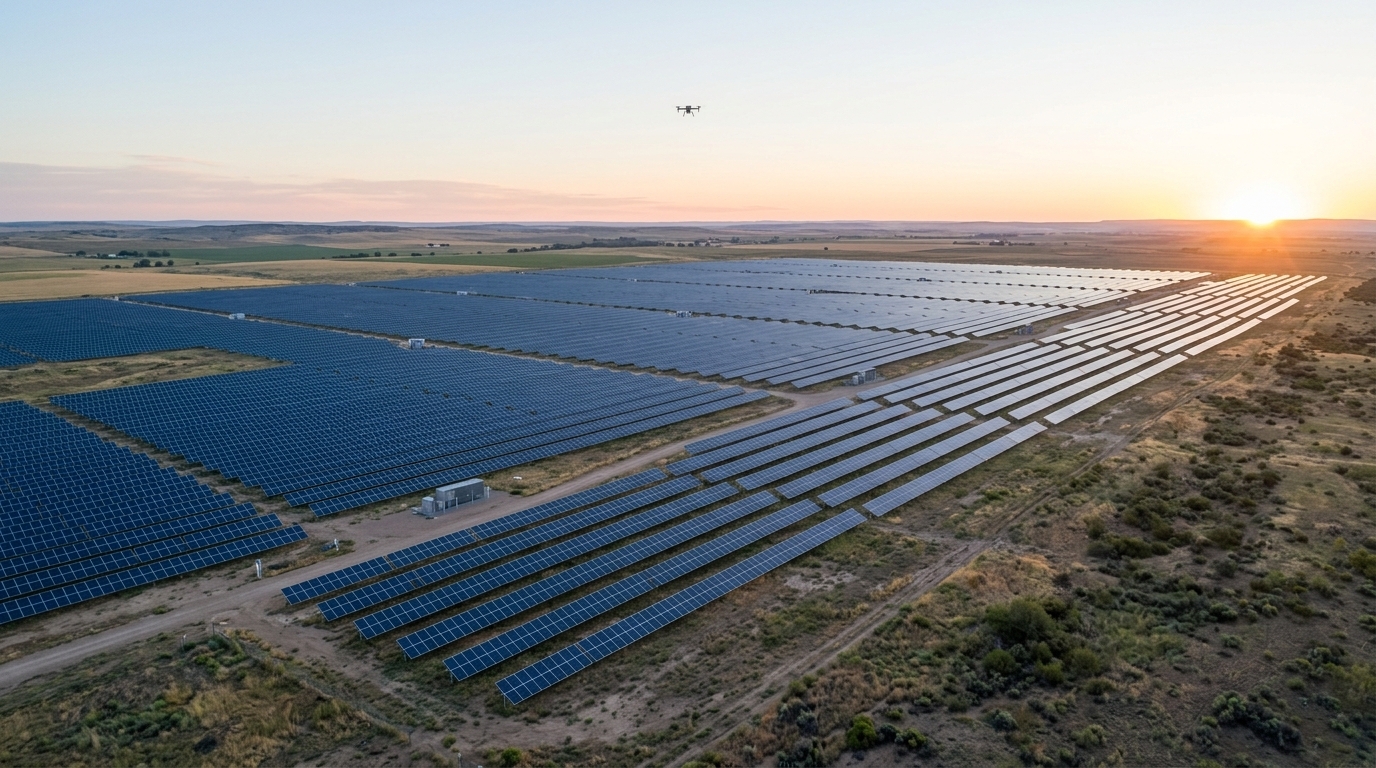
Utility thermal imaging shows its real value when a program blends all three, matching the tool to the asset instead of forcing one method to do everything.
Five Things to Look For in a Utility Thermal Camera System
Whether you are a utility standardizing a fleet or an OEM building an inspection platform, a short list of criteria separates a system that performs in the field from one that frustrates crews. Here is what to weigh when you spec a thermal imaging electrical inspection system.
- Radiometric accuracy. For utility work, you need a calibrated temperature at every pixel rather than a merely thermal-looking image. Both relative and absolute measurements matter when you are trending a fault over successive inspections.
- The right optics for the range. A switchyard scan and a transmission flyover need different fields of view and focal lengths. Optics, not the sensor alone, determine what you can resolve at distance, which makes lens selection a first-order decision.
- Sensitivity matched to the target. Spotting a slightly warm connection against a hot summer background asks more of a camera than catching a glowing bushing. Uncooled long-wave infrared handles most inspection work, while long-range and specialized tasks may justify more.
- Integration and output. The data has to flow into your workflow, whether that's a maintenance management system, an analytics platform, or a drone's payload bus. Standard interfaces save months of custom engineering, so it pays to confirm how a camera is specified before committing.
- A supplier who engineers the whole stack. Optics, coatings, detector, and packaging perform best when they are designed together. Partnering with a manufacturer that builds industrial thermal imaging systems end-to-end means fewer integration surprises and a steadier supply chain.
Frequently Asked Questions
Can thermal imaging inspect energized equipment without a shutdown? Yes. Thermal imaging is non-contact and works best under load, so crews scan energized substations, switchgear, and lines from a safe distance without interrupting service. That is a big reason electrical thermography fits real utility schedules instead of fighting them.
What is the difference between handheld and drone-based utility thermal imaging? Handheld cameras suit detailed, close-range work on switchyards and gear. Drone-mounted systems cover transmission corridors and large solar sites far faster, but they need a radiometric payload and flight planning to deliver measurement-grade data rather than just a thermal view.
Does thermal imaging work in bad weather? It performs well in darkness, fog, and smoke, which is a real advantage on the grid. Heavy rain, dense spray, and direct high-radiance sunlight can degrade readings, so outdoor scans are planned around conditions and load to keep the measurements trustworthy.
Is infrared inspection required for electrical equipment? Under the 2023 electrical maintenance standard, infrared inspection of energized equipment shifted from recommended to required for many facilities, typically at least annually and with documented results. Substation thermal inspection and related scans are now a compliance driver, not simply a best practice.
Put Sharper Eyes on Your Grid
The grid is getting bigger, older, and busier at once, and the teams that catch heat early dodge the 2 a.m. outage call. A thermal imaging electrical inspection program is only as strong as the camera system behind it, so the smart move is to spec that system around your assets from the start.
LightPath engineers infrared optics, coatings, and complete thermal camera systems for utility and industrial inspection, built to perform where reliability is not negotiable. Talk with our team about the right thermal imaging solution for your grid.