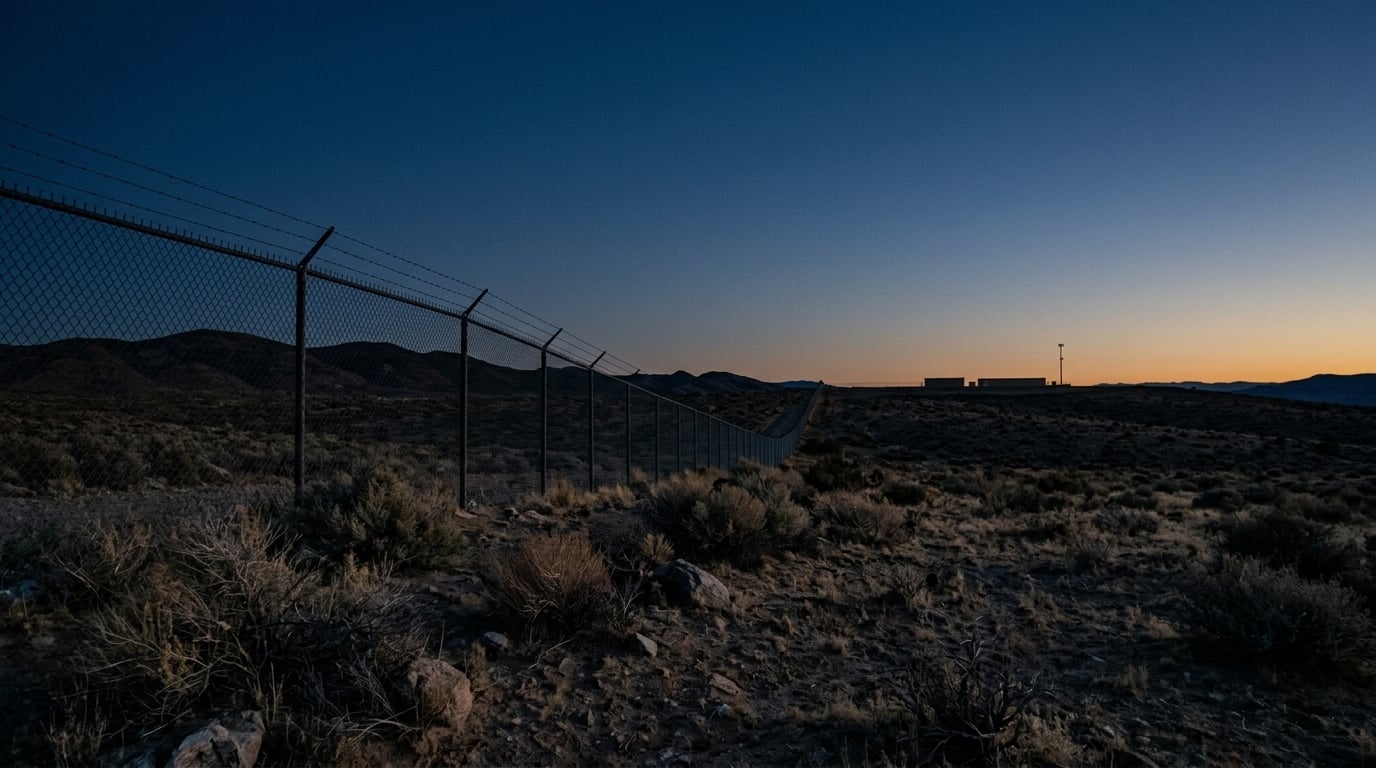

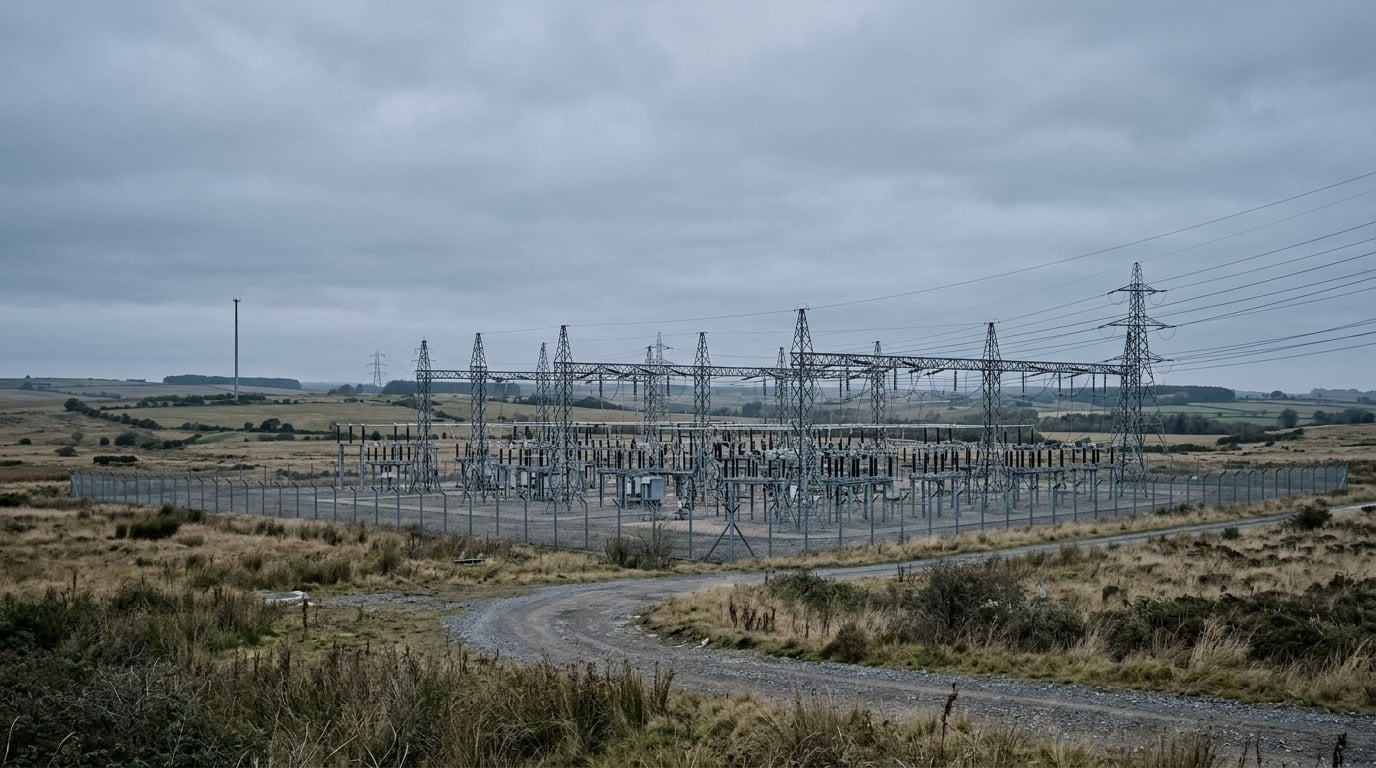
Perimeter protection at infrastructure sites depends less on raw camera specifications and more on how far outside the fence line you can reliably detect movement.
- Standoff detection buys response time, the one security asset you can't purchase once an incident is underway.
- Ground-based, open-area deployments now take the majority of perimeter security spending as operators push detection zones beyond hard barriers.
- Regulatory mandates cover a narrow slice of infrastructure sites, leaving most perimeter investment to owner-driven risk assessment.
- Thermal performs well in darkness and smoke but is measurably degraded by fog, which belongs in every honest specification.
If you build surveillance platforms for infrastructure operators, treat detection geometry and optical supply chain as first-order design decisions rather than late-stage integration details.
Utility switchyards, pump stations, and pipeline valve sites share an awkward property: they're enormously consequential and almost entirely unattended. The United States sorts these assets into 16 critical infrastructure sectors whose disruption would carry national economic or public safety consequences, and many sit behind nothing more sophisticated than a fence and a gate. That gap is why thermal cameras for critical infrastructure moved from specialty purchase to baseline expectation, and why the optical and infrared systems inside those platforms increasingly decide whether a program works.
The engineering conversation usually starts in the wrong place. Buyers ask about resolution and range before anyone has mapped where detection actually needs to happen.
What Separates Thermal Cameras for Critical Infrastructure From Standard Security Cameras?
The difference is what the system is asked to do and under what constraints. A commercial security camera watches a space that someone has already lit. An infrastructure perimeter camera watches terrain nobody has lit, will light, or often can light without drawing complaints or revealing the sensor's position.
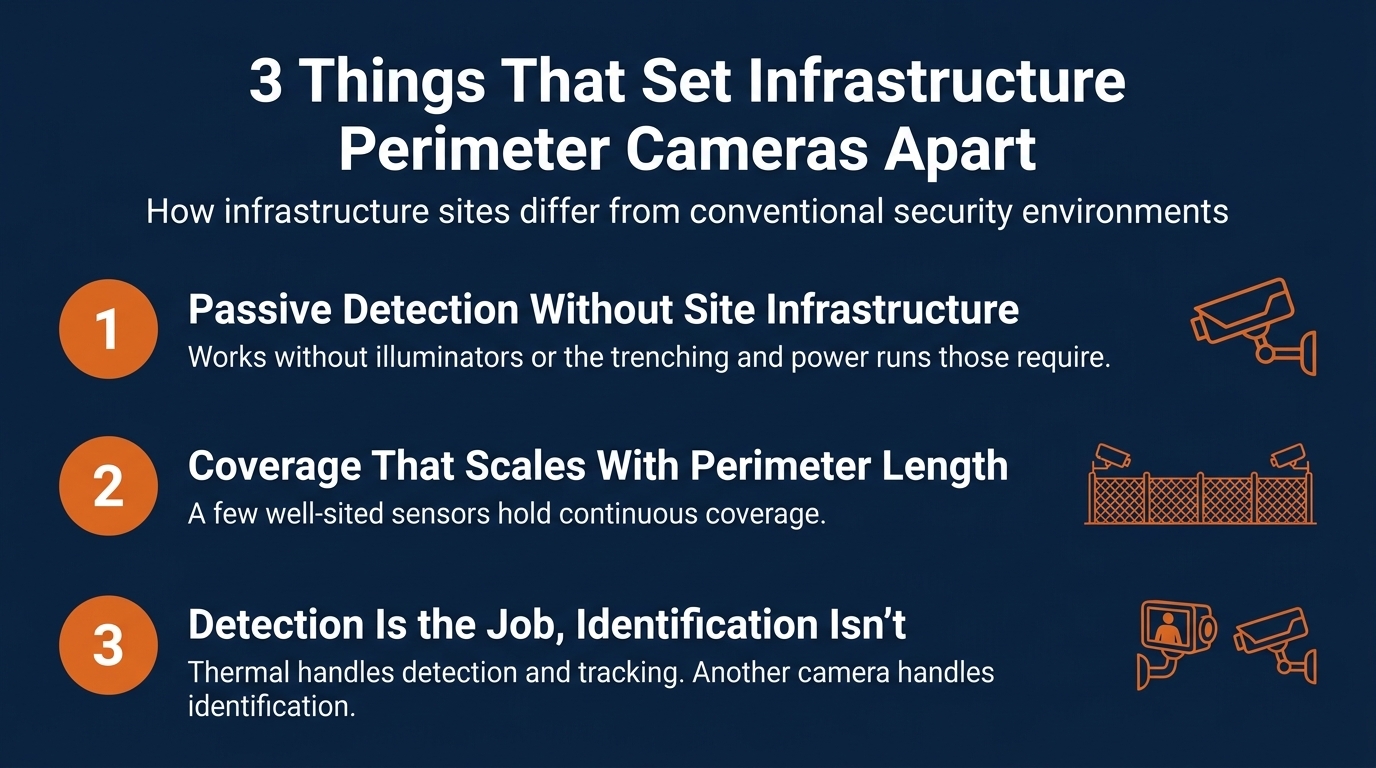
Passive Detection Without Site Infrastructure
Thermal imagers register heat emitted by objects rather than reflected light, so they work without illuminators or the trenching and power runs those require. At remote sites, lighting infrastructure often costs more than the camera. A passive sensor also emits no signal revealing where it watches from.
Coverage That Scales With Perimeter Length
Infrastructure perimeters are measured in kilometers. A refinery fence line or reservoir boundary can't be economically covered by dense camera placement at short intervals. Long-range thermal surveillance changes that math, letting a few well-sited sensors hold continuous coverage across terrain where fence-mounted sensing is impractical to maintain.
Detection Is the Job, Identification Isn't
Here's where honest specification matters. Thermal cameras for critical infrastructure show a human-shaped heat signature crossing a field, not a face or a plate number. Thermal handles detection and tracking; a visible-light or pan-tilt-zoom camera slaved to the alarm handles identification. Skip that second half, and you get alarms nobody can act on.
Why Does Standoff Distance Change the Entire Security Architecture?
Standoff is the distance between where you detect a threat and where the asset sits. It sounds like a specification detail. It's closer to a strategic one because it decides whether your program is reactive or preventive.
Market behavior reflects that. Ground-based and open-area deployments captured roughly 54% of perimeter security revenue in 2025 and are growing above 10% annually, driven by operators seeking early-warning zones beyond hard fences rather than sensing mounted on the barrier itself.
Time Is the Actual Deliverable
If detection happens at the fence, a response team learns about an intrusion when it's already inside. Detection several hundred meters out gives that team minutes to assess, dispatch, and intercept. Nothing else in a security stack manufactures time the way a standoff thermal camera layer does, and no forensics recovers it afterward.
Layering Zones Around the Asset
Thermal cameras for critical infrastructure work best inside layered perimeter surveillance systems rather than as a single ring around the asset.
|
Zone |
Distance From Asset |
Primary Question |
What Thermal Contributes |
|
Approach |
Several hundred meters out |
Anything moving toward us? |
Wide-area detection across open terrain |
|
Buffer |
Just outside the perimeter |
Real threat or false alarm? |
Track continuity feeding classification |
|
Fence line |
At the barrier |
Has the boundary been crossed? |
Confirms breach point, hands off to ID cameras |
|
Interior |
Inside the asset |
What are they doing now? |
Equipment yards and blind spots |
Which Sectors Are Driving Critical Infrastructure Surveillance Demand?
Different facilities produce very different thermal scenes, and that shapes what integrators need from optical suppliers. Knowing which segments are buying helps OEMs accurately size the opportunity.
Energy, Utilities, and Pipelines
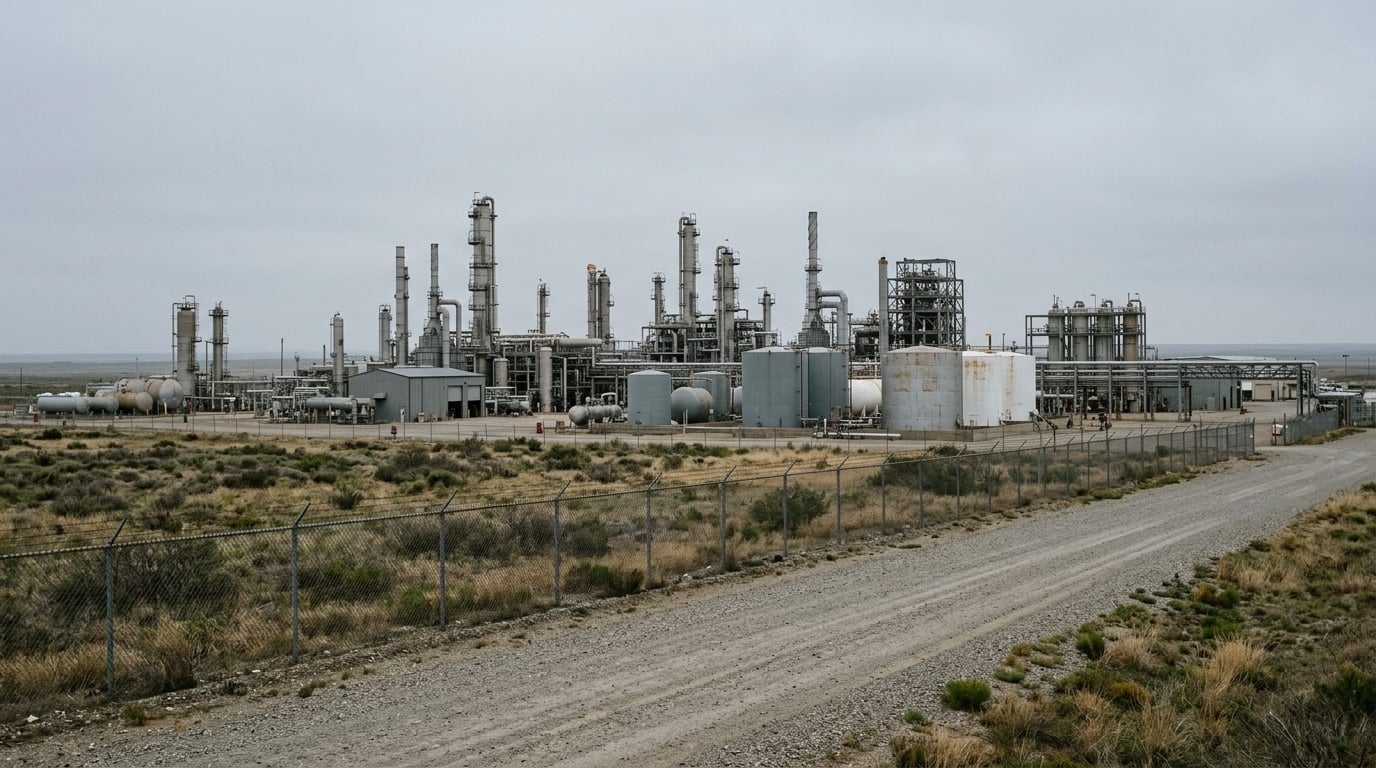
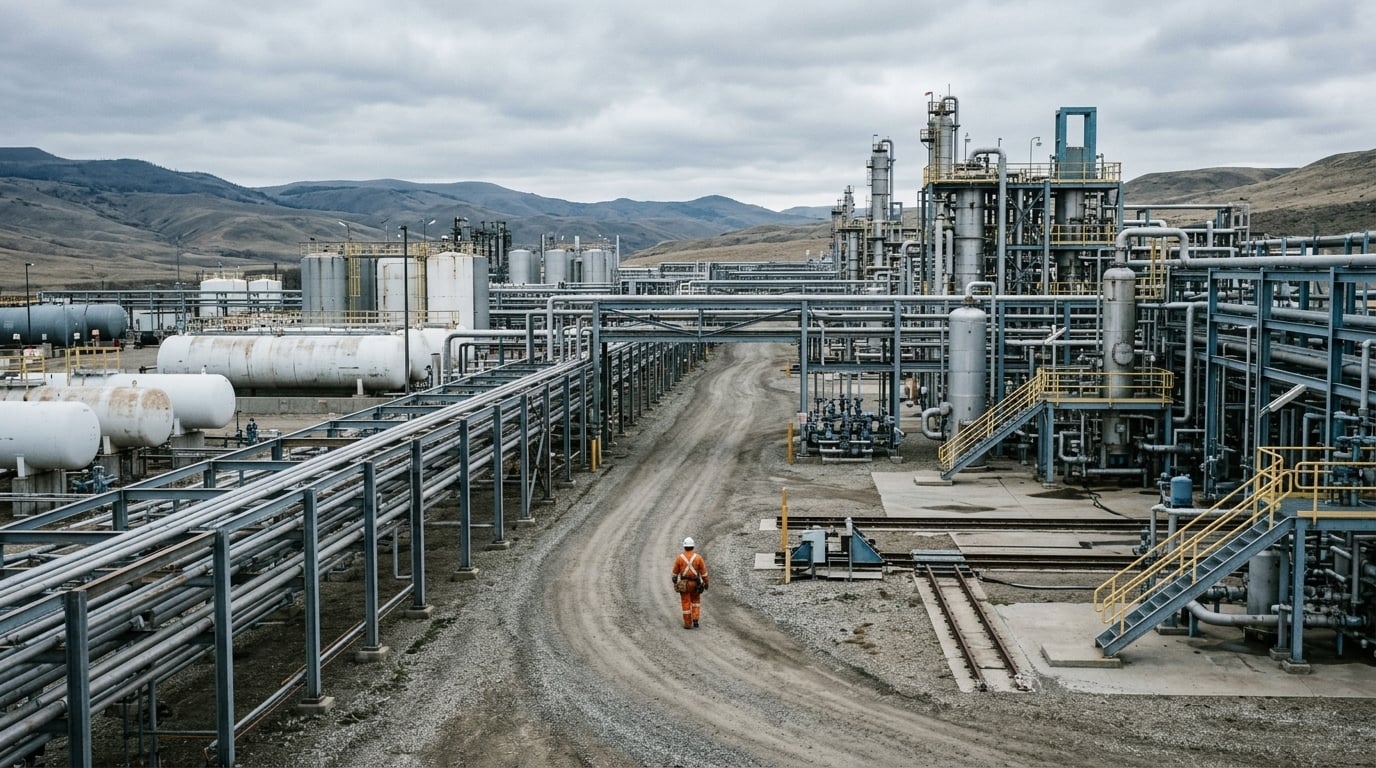
Substations, generating stations, and pipeline facilities combine hard-to-replace equipment with wide, often rural footprints. They also throw off significant background heat from transformers and process equipment, so the scene is thermally busy in ways a parking lot never is. Critical infrastructure surveillance here needs thermal imaging lens assemblies that hold up against high-radiance sources in the field of view.
Water, Transport, and Digital Infrastructure
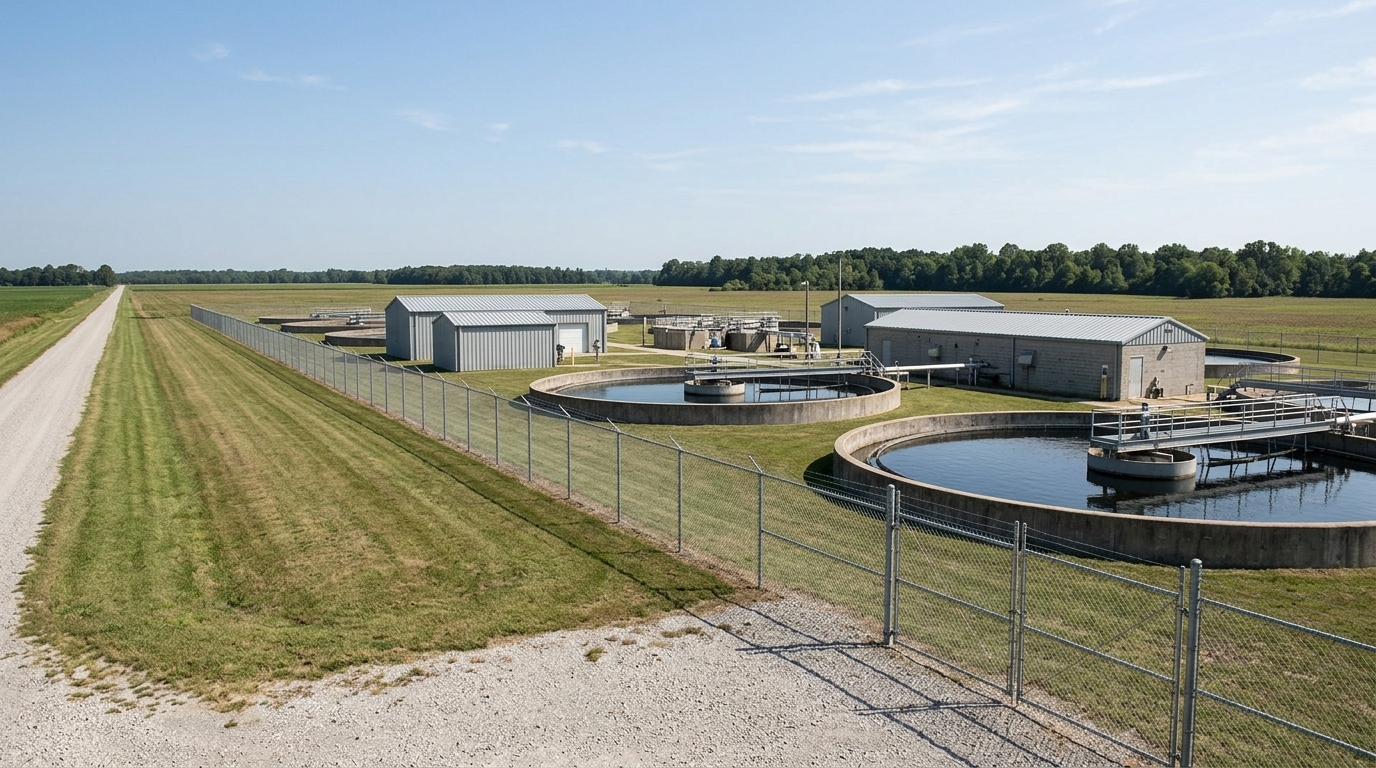
Water treatment sites, airport perimeters, rail yards, and data center campuses have expanded. Data centers push hardest, since brief unplanned downtime carries contractual consequences and campuses are large enough that fence-mounted sensing leaves gaps. Critical infrastructure surveillance in these sectors usually starts at one high-value sightline and expands outward.
Where Regulation Sets the Floor, and Where It Doesn't
Most vendor content skips regulations. In the United States, federal physical security standards under CIP-014 apply to transmission owners at 500 kV or higher, plus substations between 200 kV and 499 kV meeting specific criteria. Distribution substations fall outside that jurisdiction. NERC's board adopted a revised physical security standard in June 2026 that leaves those applicability thresholds unchanged. So most perimeter investment stays discretionary, driven by an owner's risk assessment rather than a compliance deadline. Europe differs: the Critical Entities Resilience Directive obligates designated entities across 11 sectors to implement physical protection measures within broader resilience planning. Sell into both regions, and those procurement logics look nothing alike.
Five Siting Decisions That Determine Perimeter Security Thermal Camera Performance
Two identical systems deliver very different results depending on placement. These five decisions separate perimeter security thermal camera programs that work from those that generate alarm fatigue.
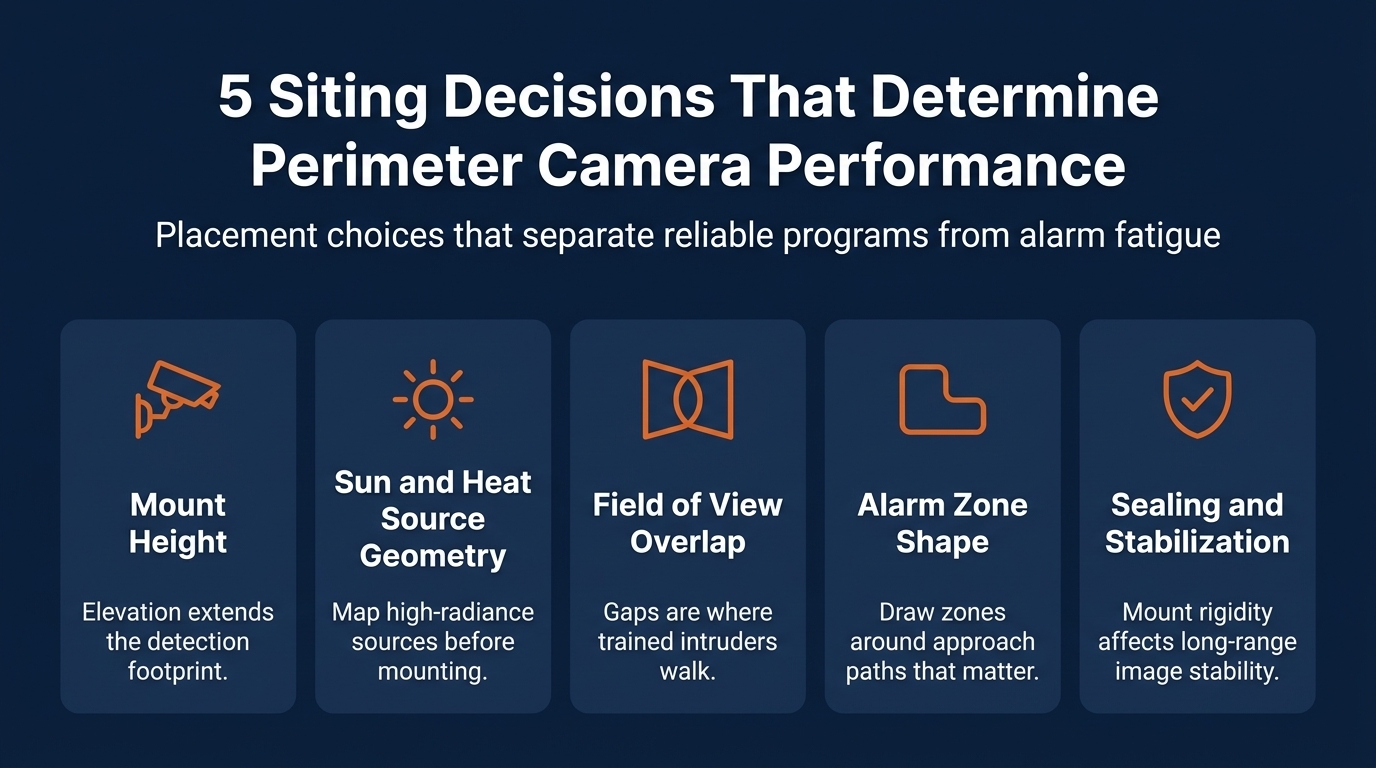
- Mount height relative to terrain. Elevation extends the detection footprint and reduces occlusion from vegetation and equipment. Too much flattens the viewing angle and shrinks ground targets. That answer comes from the site survey, not the datasheet.
- Sun and heat source geometry. Cameras aimed toward afternoon sun, sun-heated siding, or a cooling tower plume struggle with contrast at exactly the wrong hours. Mapping high-radiance sources beats relocating poles later.
- Overlap between adjacent fields of view. Gaps between coverage zones are where trained intruders walk. Deliberate overlap costs a little redundancy and eliminates a failure mode that's hard to diagnose after installation.
- Alarm zone shape versus field of view. Zones should be drawn around approach paths that matter, not around whatever the lens happens to see. Overly generous zones are the top source of nuisance alarms at wildlife-heavy sites.
- Realistic sealing and stabilization. Coastal, refinery, and heavy industry sites continuously expose optics to salt, particulates, and vibration. Sealing standards and mount rigidity affect long-range image stability more than most specifications acknowledge.
How Should Detection Range Claims Be Weighed Against Real Conditions?
Published detection ranges assume favorable atmospheric conditions. Real sites don't cooperate that reliably, and your platform's credibility depends on saying so.
What Weather Actually Does
Thermal cameras for critical infrastructure perform well in darkness, through most smoke, and in light haze. Fog is a different matter. Controlled work in Scientific Reports found that fog degrades infrared measurement substantially while smoke affects it only minimally, and that clarity falls off as ambient temperature approaches the target temperature. That second point matters for perimeter work. On a warm night when ground and body temperature converge, contrast narrows and detection distances shorten. Heavy rain and dense spray cut range too. None of this makes thermal the wrong choice. It makes conservative range assumptions and site trials the right practice.
Matching the Band to the Deployment
Band selection for long-range thermal surveillance is a deployment decision more than a preference, and the tradeoffs are clear at the program level.
|
Consideration |
Uncooled LWIR (8 to 14 µm) |
Cooled MWIR (3 to 5 µm) |
|
Typical role |
Fence-line and mid-range coverage |
Extended standoff, wide-area observation |
|
Size, weight, power |
Compact, low power, suits dense deployment |
Larger, higher draw, fewer units per site |
|
Maintenance |
Minimal moving parts, suits unattended sites |
Cooler assembly needs lifecycle planning |
|
Cost posture |
Scales across long perimeters |
Reserved for highest-consequence sightlines |
Most mature programs use both. Uncooled long-wave systems cover the bulk of the perimeter affordably, while a smaller number of cooled mid-wave systems watch the long approach corridors where early warning matters most.
What Should OEMs Expect From a Standoff Thermal Camera Supply Partner?
Once architecture is settled, the constraint shifts from design to sourcing. Infrastructure programs run on multi-year timelines with spare-parts obligations, so a supplier who delivers a first article but not a tenth-year replacement creates a problem that surfaces years later.
Three questions separate a catalog vendor from an engineering partner. Can they support the full stack, from raw optical material through lens assemblies to complete camera systems, so a change in one layer doesn't force a redesign of the others? Can they modify a design to fit your platform's envelope rather than asking you to design around their catalog? And what's their exposure to constrained materials? Germanium volatility has pushed many programs toward chalcogenide alternatives, and suppliers who make their own infrared glass materials carry a different risk profile than those buying on the open market. For domestic content requirements, where those optics are built is a procurement question as much as a technical one.
As long-range thermal surveillance programs show, these decisions compound. Optics chosen for a prototype become the optics you're committed to for a decade.

Frequently Asked Questions About Thermal Cameras for Critical Infrastructure
How far can a standoff thermal camera actually detect a person?
It depends on sensor resolution, lens focal length, mounting geometry, and conditions on the day. Published figures assume clear air and a cooperative background. Derate manufacturer numbers for your site's typical weather, then validate with a trial before finalizing pole placement.
Do thermal cameras replace radar and fence sensors?
No, and programs treating them as substitutes tend to underperform. Radar handles wide-area motion detection and range gating, fence sensors confirm contact with the barrier, and thermal supplies the visual confirmation that lets an operator decide whether to dispatch.
Why do similar sites have very different levels of thermal coverage?
Largely because mandatory standards cover a narrow slice of assets. Most operators make discretionary investments based on internal risk assessment, insurance considerations, and incident history, which produces uneven coverage across comparable facilities.
Does a perimeter security thermal camera raise privacy concerns?
Thermal imagery shows heat signatures rather than identifiable features, which is one reason it's often preferred along boundaries adjacent to residential property. The identification cameras paired with it carry the usual considerations and should be scoped accordingly.
Put the Right Optical Foundation Under Your Perimeter Program
Perimeter protection succeeds or fails on decisions made early: how far out you detect, how honestly you model conditions, and whether the optics inside your platform can be supported for the life of the program. Those choices are far cheaper to get right at the design stage than to correct after deployment.
LightPath Technologies designs and manufactures the infrared materials, lens assemblies, and camera systems that surveillance platform builders depend on, with vertically integrated production and germanium-free materials that reduce supply chain exposure. If you're specifying thermal cameras for critical infrastructure or perimeter programs, talk with an optics engineer about your requirements.