
You're looking into thermal imaging for your next project, and the term "LWIR" keeps popping up. It can get confusing with all the acronyms out there, right? But understanding long wave infrared technology isn't about getting lost in the specs. It's about knowing what kind of thermal imaging gives you the performance and reliability you need. LWIR imaging is a go-to for detecting things at normal temperatures, and it works really well for most situations you'll encounter. Whether you're designing a security system, monitoring industrial equipment, or working on defense tech, this guide breaks down what LWIR really means for your work.
Key Takeaways
- Long wave infrared technology is your go-to for detecting heat from objects at everyday temperatures, making it ideal for defense, industrial, and security tasks.
- LWIR works by capturing thermal radiation in the 8-14 micrometer range, meaning it can see heat signatures in total darkness without needing any extra lights.
- These systems are great in tough conditions, cutting through smoke, fog, and dust, and they keep working reliably no matter the weather.
- Uncooled LWIR systems are often simpler, cheaper, and easier to integrate compared to other thermal imaging options, making them a practical choice.
- When you need to see heat from things like people, vehicles, or machinery at normal temperatures, LWIR imaging offers the performance you need without the complexity.
Understanding Long Wave Infrared Technology Fundamentals
The Electromagnetic Spectrum and LWIR
Everything around you emits thermal radiation, a form of electromagnetic energy. The amount and type of radiation an object emits depend directly on its temperature. Long Wave Infrared (LWIR) technology focuses on a specific portion of this electromagnetic spectrum, typically ranging from 8 to 14 micrometers (μm). This particular band is significant because objects at ambient temperatures – think people, animals, buildings, and most machinery – emit their peak thermal radiation within this LWIR range. This characteristic makes LWIR imaging exceptionally well-suited for detecting and visualizing heat signatures from everyday objects without needing them to be unusually hot.
Detecting Thermal Radiation at Ambient Temperatures
LWIR cameras work by sensing the infrared radiation naturally emitted by objects. Unlike visible light cameras that rely on external light sources to see, thermal cameras are passive sensors. They detect the heat energy radiating from a scene. Because LWIR wavelengths align with the peak emission of objects at terrestrial temperatures, these cameras can effectively "see" heat signatures in complete darkness, through smoke, fog, or dust, and even when there's no visible light available. This capability is primarily achieved using uncooled microbolometer detectors. These detectors, often made from materials like vanadium oxide or amorphous silicon, change their electrical resistance when warmed by infrared radiation. Sophisticated electronics then translate these resistance changes into a visual thermal image, where different colors or shades represent varying temperatures.
Practical Implications of the 8-14 Micrometer Range
The 8-14 μm range offers several practical advantages for system integrators and end-users:
- Ambient Temperature Detection: It's the ideal band for spotting targets like humans, vehicles, and equipment operating at normal temperatures, which are common in surveillance, security, and industrial monitoring.
- Atmospheric Transmission: This wavelength range benefits from a relatively clear atmospheric transmission window. While water vapor can absorb infrared energy, the 8-14 μm band experiences less attenuation from common atmospheric constituents compared to other infrared ranges, allowing for more reliable detection over distance, especially in varied weather conditions.
- Cost-Effectiveness: LWIR systems, particularly those using uncooled detectors, are generally more affordable and simpler to integrate than their Mid-Wave Infrared (MWIR) counterparts, which often require cryogenic cooling. This makes LWIR a practical choice for widespread deployment where cost and complexity are significant considerations.
If you are exploring thermal imaging solutions for your next project, understanding these fundamental principles of LWIR technology is key to selecting the right approach. To discuss how LWIR can benefit your specific application, please contact us at https://www.lightpath.com/contact.
Core Advantages of Long Wave Infrared Imaging
When you're looking at thermal imaging technology, long wave infrared (LWIR) brings some distinct benefits to the table. These aren't just minor points; they can really shape how well your system performs and how easy it is to put into use.
Operation in Total Darkness Without External Illumination
One of the most significant advantages of LWIR technology is its ability to see in complete darkness. Unlike cameras that rely on visible light, LWIR systems detect heat that objects naturally emit. This means your system can operate effectively whether it's the middle of the night, a windowless room, or an environment completely obscured from light. You don't need any external light source, which simplifies system design and removes a potential point of failure. This passive detection capability is invaluable for surveillance, security, and any application where continuous operation regardless of ambient light is a requirement.
Penetration of Obscurants Like Smoke and Fog
LWIR technology also shows a strong ability to see through conditions that would blind regular cameras. Think about smoke from a fire, dense fog, or even dust kicked up in an industrial setting. The longer wavelengths used in LWIR imaging are less scattered by these particles compared to shorter wavelengths. This means your system can maintain a clearer view and detect targets even when visibility is severely limited. This is a critical feature for applications such as firefighting, search and rescue operations, and military or security scenarios where environmental conditions can be unpredictable and challenging.
Reliable Performance Across Varied Environmental Conditions
Beyond just darkness and obscurants, LWIR systems tend to be quite robust when it comes to different environmental factors. Objects at typical terrestrial temperatures, like people, vehicles, and machinery, emit most of their thermal radiation within the LWIR spectrum. This alignment means that LWIR cameras are well-suited for detecting these kinds of targets without needing extreme temperature differences. Furthermore, the technology generally performs well in a wide range of ambient temperatures and humidity levels, making it a dependable choice for systems that need to operate reliably in diverse climates and conditions. If you need a system that works consistently, whether it's a hot desert day or a humid evening, LWIR is often the practical choice. To learn more about how our solutions can meet your specific needs, please visit https://www.lightpath.com/contact.
LWIR Versus MWIR: Choosing the Optimal Infrared Solution
When you are tasked with integrating a thermal imaging solution, you will likely encounter discussions comparing Long Wave Infrared (LWIR) and Mid-Wave Infrared (MWIR) technologies. Both detect thermal radiation, but they operate in different parts of the electromagnetic spectrum, leading to distinct performance characteristics and cost implications. Understanding these differences is key to selecting the right technology for your specific application.
Wavelength Ranges and Physical Principles
LWIR technology typically operates in the 7.5 to 12 micrometer range. This band aligns with the peak thermal emissions from objects at or near typical environmental temperatures, such as human bodies, buildings, and standard equipment. The physics behind this is that objects at around 300 Kelvin emit most strongly in this longer wavelength band. MWIR, on the other hand, generally functions in the 3.6 to 4.9 micrometer range. This shorter wavelength band is better suited for detecting objects that are significantly hotter than their surroundings, like vehicle engines, exhaust plumes, or industrial furnaces. This is because as an object's temperature increases substantially, its peak emission shifts towards shorter wavelengths.
Performance Characteristics for Diverse Applications
The choice between LWIR and MWIR often depends on what you need to detect and under what conditions. LWIR systems are excellent for monitoring ambient temperature targets. Many LWIR systems use uncooled detectors, which simplifies deployment and reduces power needs. This makes them a practical choice for many surveillance, security, and industrial monitoring tasks where detecting people, vehicles, or equipment at normal operating temperatures is the goal.
MWIR systems tend to excel when targeting high-temperature objects. Their sensitivity in the 3-5 micrometer range allows for excellent contrast when imaging these hot targets against cooler backgrounds. However, MWIR systems typically require cryogenic cooling to reduce detector noise and maintain sensitivity. This adds size, weight, power consumption, complexity, and cost to your system.
Here's a look at how they perform in different environments:
- High Humidity/Haze: MWIR generally performs better due to different scattering characteristics from water vapor.
- Smoke/Particulates: LWIR can often perform better, though this depends on particle size and density.
- Clear Conditions: Both technologies perform very well.
- Maritime Environments: MWIR is often preferred due to humidity and salt spray.
Sensitivity and Detection Capabilities Trade-offs
When considering sensitivity, MWIR systems, especially those with cooled detector arrays, can achieve superior metrics. High-performance MWIR cameras can detect temperature differences below 20 millikelvin. This level of sensitivity is beneficial for long-range detection where thermal contrast diminishes with distance. However, this performance comes with the aforementioned increase in system complexity and cooling requirements.
LWIR technology, particularly in uncooled systems, typically offers sensitivity in the 30 to 50 millikelvin range. For most surveillance and monitoring applications, this is more than adequate. While cooled LWIR systems exist for specialized needs, the trade-off between sensitivity and system simplicity often favors LWIR solutions when ease of deployment or continuous operation is a priority. Ultimately, selecting the right technology involves balancing your specific detection needs against the practicalities of system integration, operational costs, and environmental factors. If you need assistance determining the best infrared solution for your project, please reach out to us at https://www.lightpath.com/contact.
Key Applications for Long Wave Infrared Technology
Long wave infrared (LWIR) technology has become a cornerstone for applications demanding reliable thermal detection across a wide spectrum of operational environments. Its ability to capture heat signatures from objects at ambient temperatures, even in complete darkness or through obscurants, makes it indispensable for critical functions.
Defense and Aerospace Surveillance
In defense and aerospace, LWIR systems provide unparalleled situational awareness. You can use them for:
- Perimeter Security: Detecting intruders or vehicles approaching sensitive areas, day or night, regardless of weather conditions.
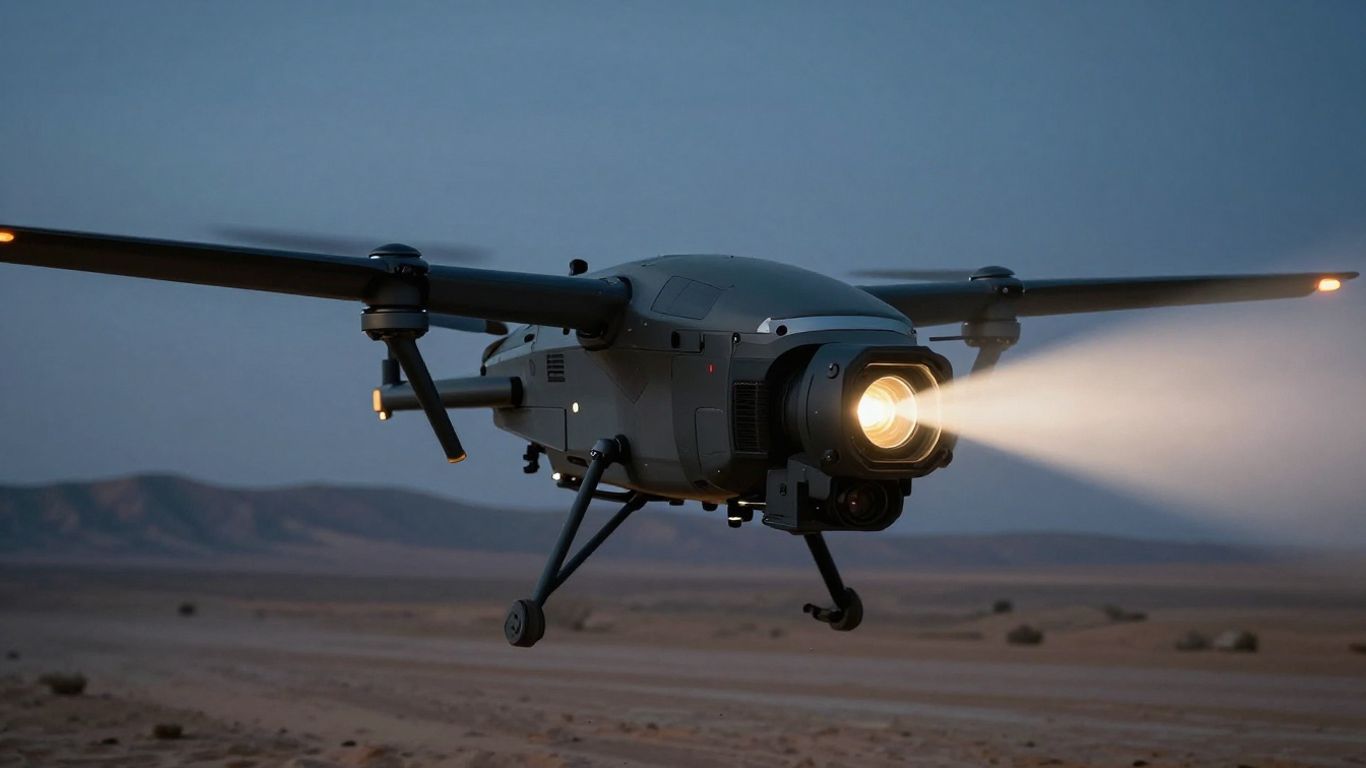
- Counter-Drone Operations: Identifying and tracking small aerial threats by their thermal signatures, even when visually obscured.
- Reconnaissance and Surveillance: Gathering intelligence from airborne or ground platforms, offering persistent monitoring capabilities.
- Force Protection: Providing early warning of potential threats to personnel and assets in forward operating bases or during patrols.
These systems are vital for maintaining operational advantage and ensuring the safety of personnel in complex and often hostile environments.
Industrial Monitoring and Predictive Maintenance
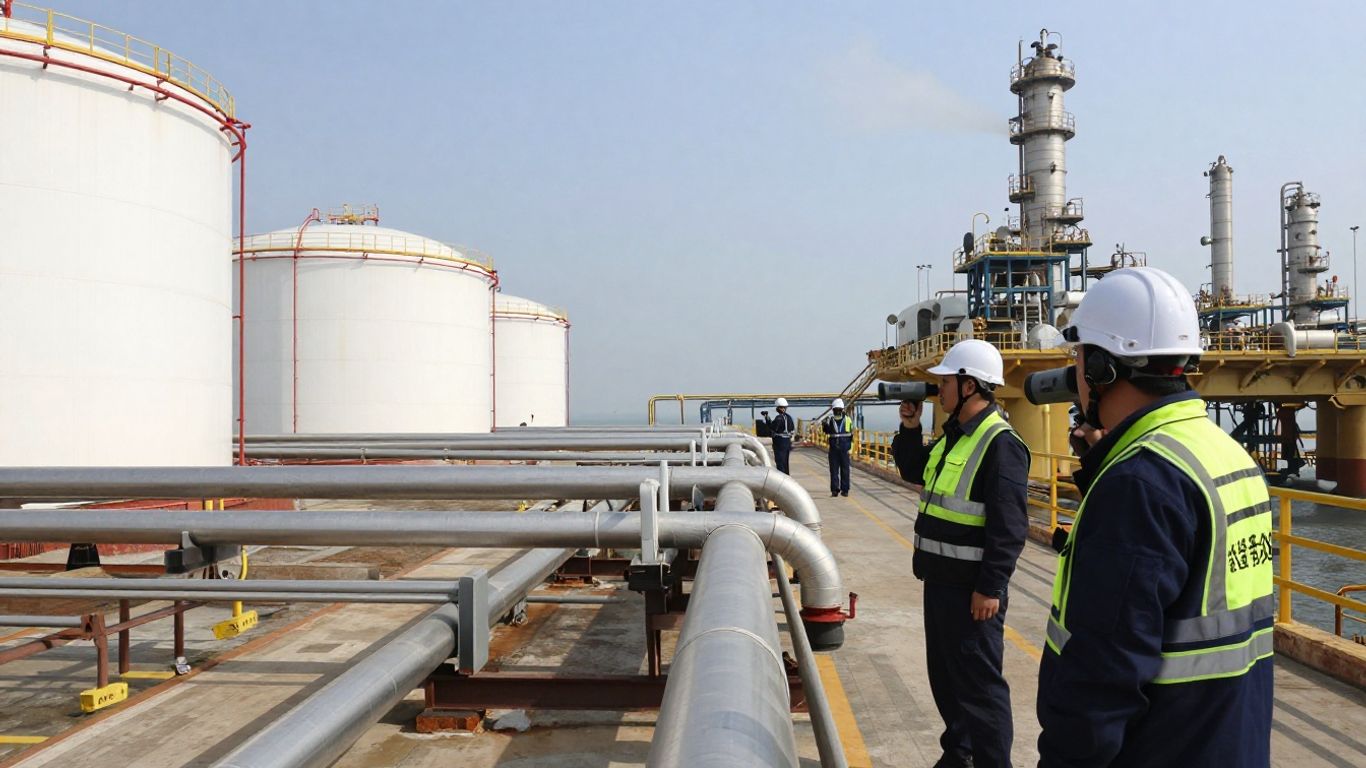
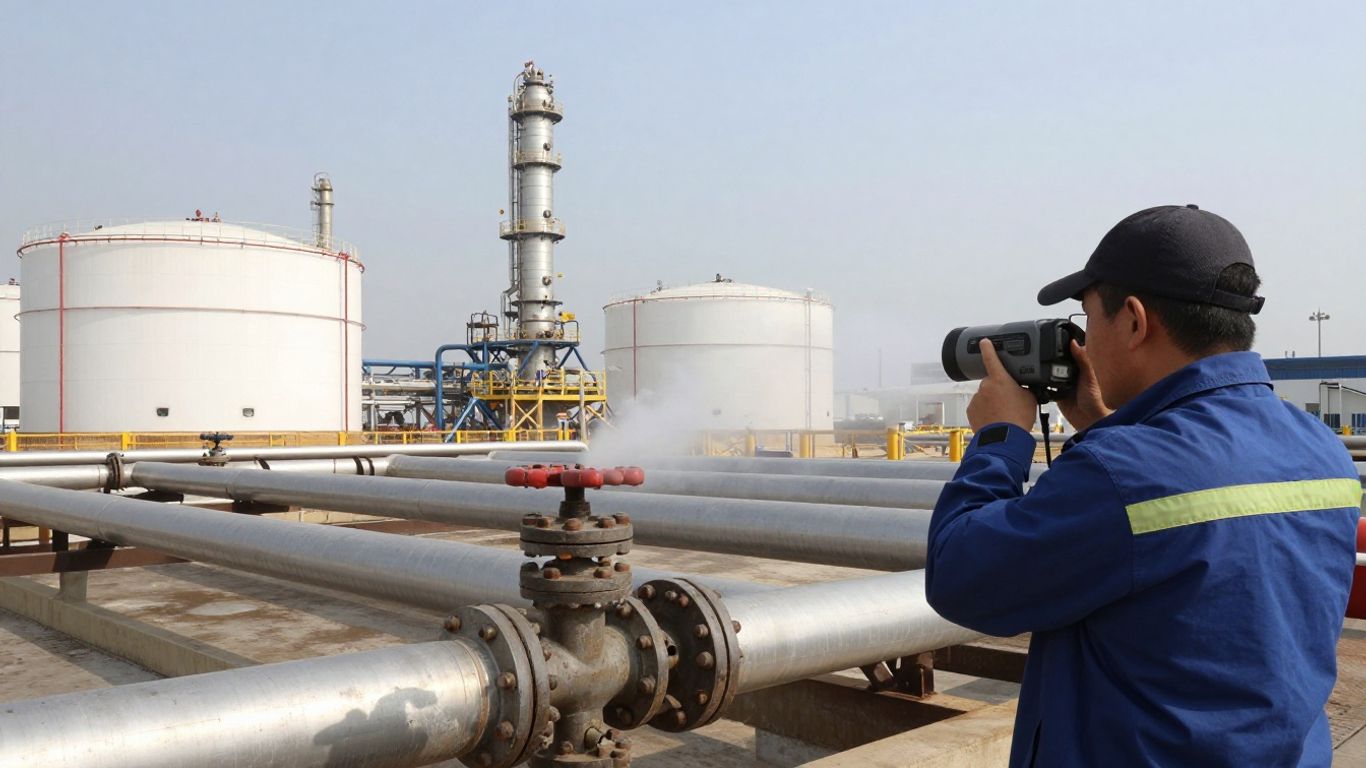
Within industrial settings, LWIR technology plays a significant role in preventing costly downtime and ensuring operational efficiency. You can apply it to:
- Electrical System Monitoring: Identifying hot spots in transformers, switchgear, and power distribution lines that indicate potential failures.
- Mechanical Equipment Inspection: Detecting overheating in bearings, motors, and rotating machinery, allowing for proactive maintenance.
- Process Monitoring: Observing temperature variations in manufacturing processes, furnaces, and chemical reactions to maintain quality control.
- Building Envelope Analysis: Locating insulation defects, air leaks, and moisture ingress in structures.
By spotting anomalies before they escalate, LWIR systems enable predictive maintenance strategies that save resources and minimize disruptions.
Perimeter Security and Force Protection
Beyond military applications, LWIR is crucial for robust perimeter security and force protection in various sectors. Consider its use in:
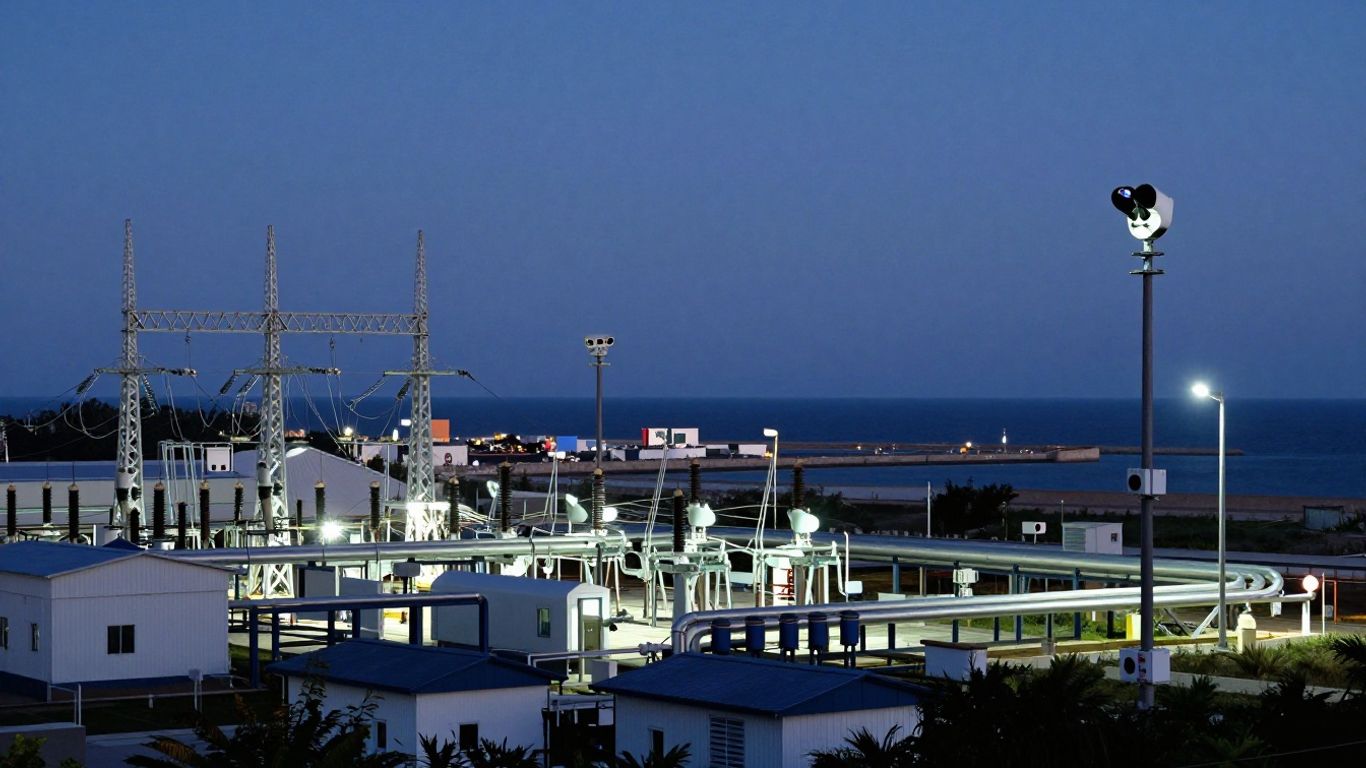
- Critical Infrastructure Protection: Monitoring power plants, water treatment facilities, and transportation hubs against unauthorized access.
- Border Surveillance: Detecting movement across borders, even in low-visibility conditions like fog or dust.
- High-Security Facilities: Providing continuous surveillance for government buildings, research labs, and correctional institutions.
- Maritime Security: Identifying vessels approaching ports or restricted waters, day or night.
The passive nature of LWIR imaging means it does not require external illumination, making it ideal for covert operations and environments where light sources could compromise security. If you are looking to integrate advanced thermal imaging capabilities into your systems, exploring LWIR solutions is a strategic step. Contact us at https://www.lightpath.com/contact to discuss your specific requirements.
Integration and Lifecycle Considerations for LWIR Systems
When you're planning to incorporate Long Wave Infrared (LWIR) technology into your system, thinking about how it fits in and how it will perform over time is just as important as its core capabilities. This involves looking at the technology's design, how easy it is to put into your product, and what it will cost to keep it running.
Uncooled Detector Technology Advantages
One of the most significant benefits of LWIR systems for integration is the prevalence of uncooled detector technology. Unlike some other infrared systems that require cryogenic cooling, uncooled microbolometers operate at ambient temperatures. This drastically simplifies system design. You don't need bulky, power-hungry cooling components, which means:
- Reduced Size, Weight, and Power (SWaP): Uncooled systems are inherently smaller, lighter, and consume less power. This is critical for platforms with limited space or battery life, such as thermal drone systems or portable devices.
- Faster Integration Times: Eliminating the need for complex cooling mechanisms shortens development cycles. Your engineering teams can focus on other system aspects rather than managing thermal management for the sensor.
- Lower Operational Costs: Without the need for cryocoolers, there are fewer parts to maintain or replace, leading to a lower total cost of ownership over the system's lifespan.
Reduced Complexity and Maintenance Burden
The inherent simplicity of uncooled LWIR systems translates directly into a reduced maintenance burden. Fewer moving parts and less complex thermal management mean fewer potential points of failure. This is particularly advantageous for systems deployed in remote or hard-to-access locations, or in applications where downtime is unacceptable.
- Increased Reliability: With fewer components that can break, the overall reliability of your LWIR-equipped system is improved.
- Simplified Servicing: When maintenance is required, it is typically less involved and requires less specialized training compared to cooled systems.
- Longer Operational Lifespan: Reduced stress on components due to simpler operation can contribute to a longer service life for the LWIR sensor module.
Cost-Effectiveness for Ambient Temperature Detection
For many applications, the primary goal is to detect objects at or near ambient temperatures – think people, vehicles, or buildings. LWIR technology excels in this domain. Because these objects emit most of their thermal radiation in the LWIR spectrum, you get excellent detection performance without the need for more expensive, specialized equipment.
|
Application Type |
Typical Target Temperature |
LWIR Suitability |
Cost Advantage |
|---|---|---|---|
|
Personnel Detection |
37°C (98.6°F) |
High |
Detects natural body heat without external lighting. |
|
Vehicle Monitoring |
Ambient to 100°C (212°F) |
High |
Captures engine and exhaust heat signatures. |
|
Building Envelope Inspection |
Ambient |
High |
Identifies heat loss or insulation defects. |
|
Industrial Equipment Monitoring |
Ambient to 200°C (392°F) |
High |
Detects anomalies in machinery operation. |
This cost-effectiveness, combined with the operational advantages, makes LWIR the go-to choice for a vast array of surveillance, security, and industrial monitoring tasks. If your application involves detecting heat signatures from objects at everyday temperatures, LWIR offers a practical and economical solution. To explore how LWIR technology can benefit your specific project, consider reaching out to our experts at https://www.lightpath.com/contact.
Distinguishing True Thermal Imaging from IR Illumination
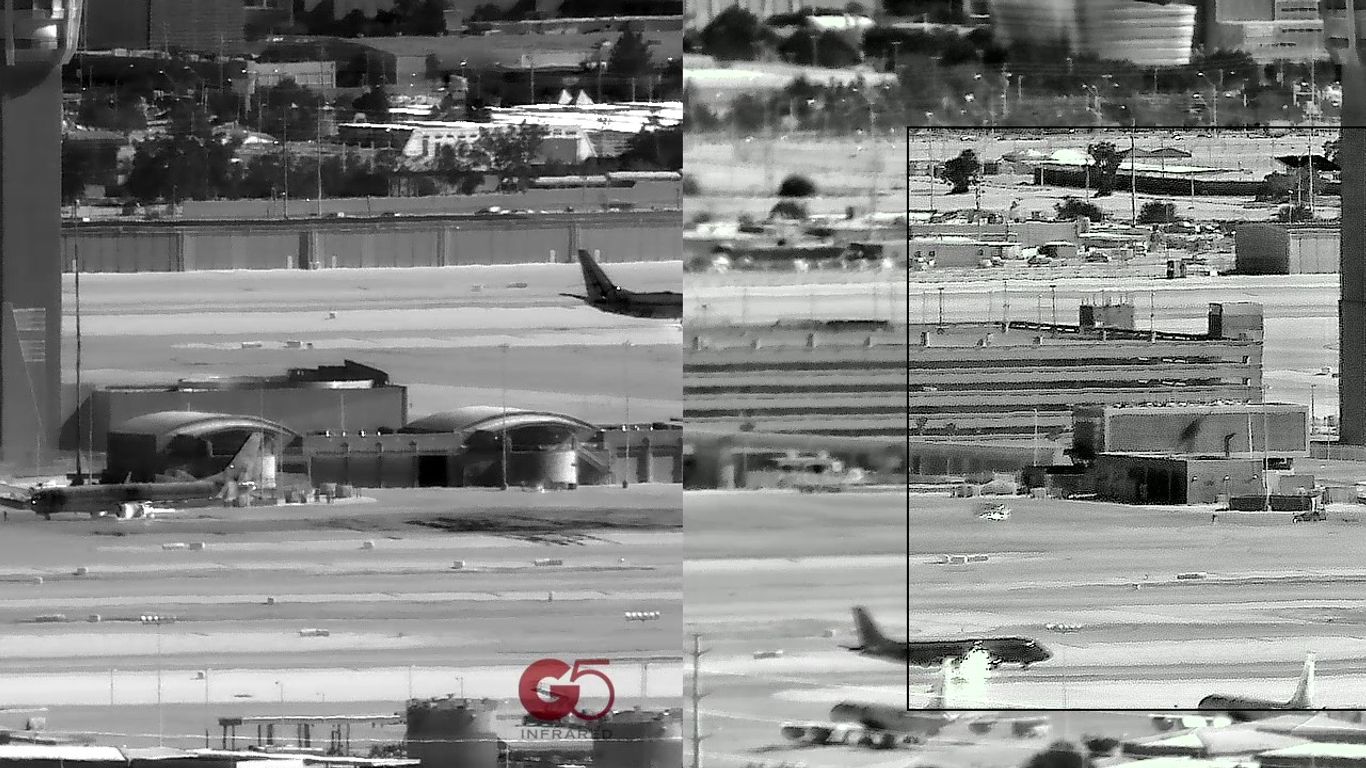
When you are evaluating infrared imaging systems, it is important to understand the fundamental differences between true thermal imaging and systems that use infrared (IR) illumination. While both technologies operate outside the visible light spectrum, their underlying principles and capabilities diverge significantly, particularly for demanding applications.
Passive Detection Architecture of Thermal Cameras
True thermal imaging cameras, especially those operating in the Long Wave Infrared (LWIR) spectrum (typically 8-14 micrometers), function as passive sensors. They detect the thermal radiation naturally emitted by objects based on their temperature. Every object with a temperature above absolute zero radiates energy, and warmer objects emit more. LWIR cameras capture this emitted heat, creating an image where brightness corresponds to temperature. This means they can see in complete darkness, through smoke, fog, or dust, without needing any external light source. The system simply observes the heat signatures already present in the environment. This passive approach also means your system does not emit any signals that could be detected, which is a significant advantage for operational security.
Limitations of IR-Illuminated Systems
Systems that rely on IR illumination are fundamentally different. These are essentially visible-light cameras augmented with near-infrared (NIR) LED arrays. They operate in the NIR spectrum (around 0.7 to 2.5 micrometers), which is just beyond what the human eye can see. The NIR LEDs provide illumination, and the camera sensor captures the reflected NIR light. Consequently, these systems are dependent on reflected light energy, much like standard visible-light cameras. This dependency introduces several limitations:
- Range Constraints: The effective range is limited by the power and efficiency of the IR illuminators. While manufacturers might claim certain detection distances, the actual identification range is considerably shorter. The intensity of illumination decreases rapidly with distance, requiring exponentially more power to maintain illumination at greater ranges.
- Contrast Dependency: IR-illuminated systems require contrast between the target and its background, similar to visible-light imaging. Camouflaged targets or objects that blend in with their surroundings can be difficult to detect, even with NIR illumination.
- Environmental Sensitivity: Fog, smoke, dust, and precipitation scatter NIR wavelengths significantly, drastically reducing the effective range and clarity of the image. In conditions that degrade visible-light cameras, IR-illuminated systems perform poorly.
Real-World Performance in Challenging Scenarios
Consider a perimeter security scenario. An IR-illuminated camera might provide a grayscale image in clear, dark conditions, perhaps detecting a person at 50 meters. However, if fog rolls in, its effective range might shrink to mere meters, rendering it useless for its intended purpose. Furthermore, the active IR illumination itself can be detected by adversaries with appropriate equipment, compromising covert operations.
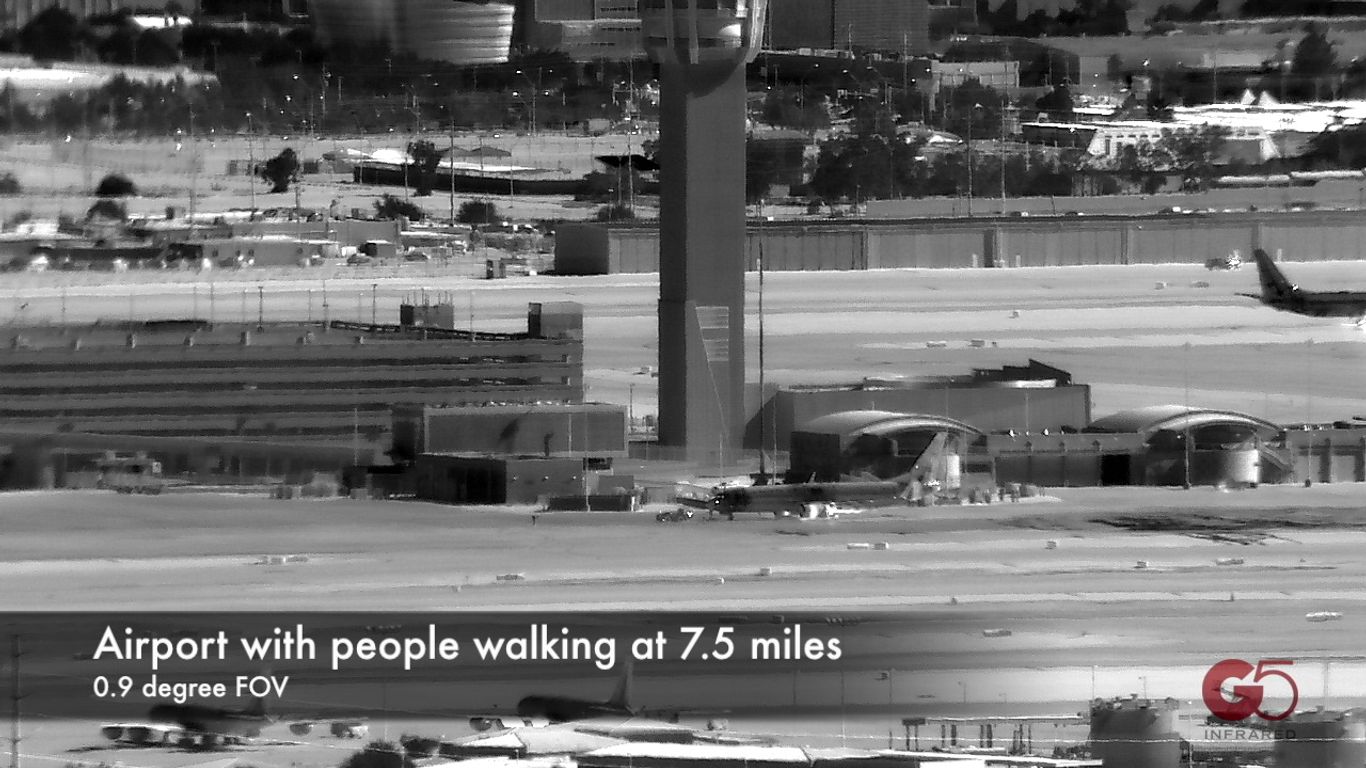
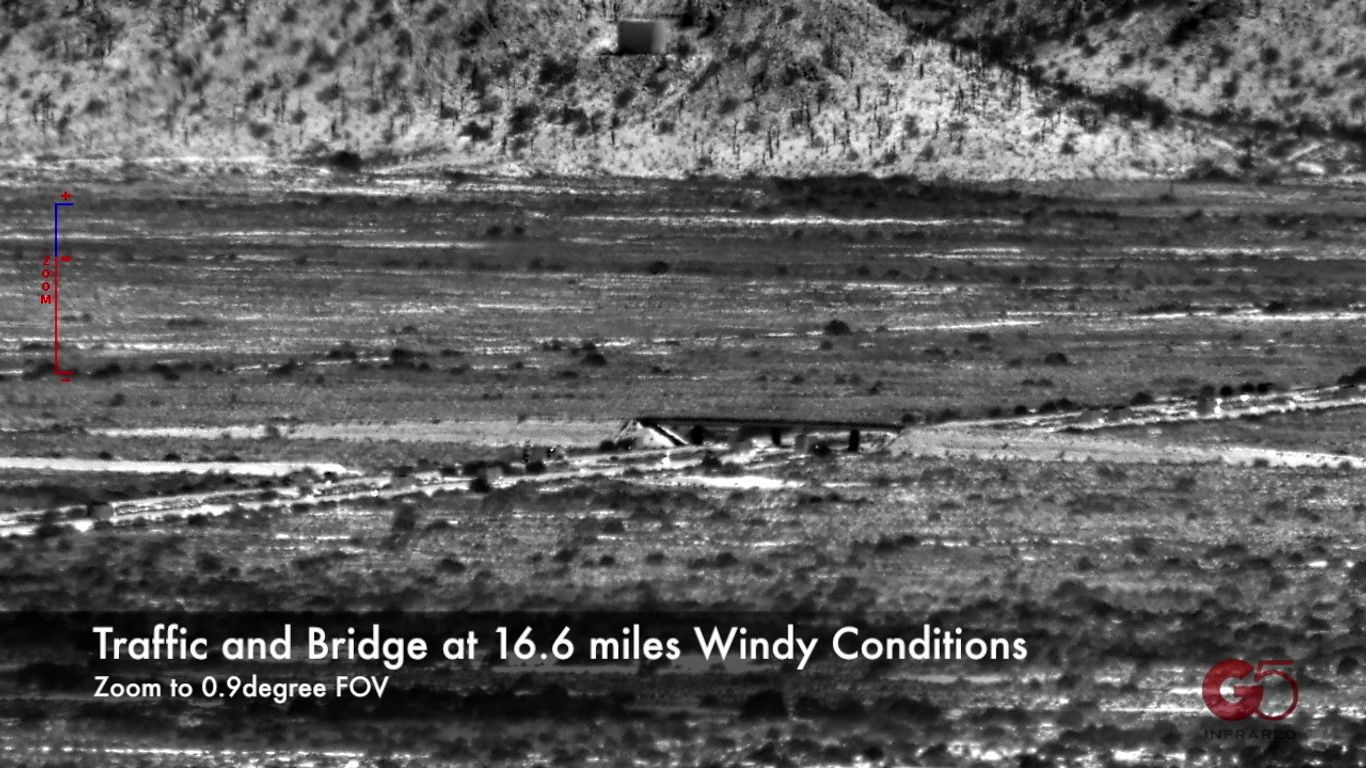
In contrast, an LWIR thermal camera would continue to detect the person's heat signature reliably, even in dense fog, smoke, or complete darkness, and at much greater distances, potentially hundreds of meters or more. This is because it is detecting emitted heat, not reflected light. For applications where reliable detection in all conditions is paramount, such as defense, industrial monitoring, or critical infrastructure security, the passive, heat-detecting capabilities of true thermal imaging are indispensable.
If you need to discuss the specific thermal imaging requirements for your application, please reach out to our experts at https://www.lightpath.com/contact.
It's easy to get confused between real thermal imaging and simple infrared lights. One shows you heat, the other just adds light you can't see. Want to learn more about how true thermal cameras work and what they can do? Visit our website to explore our advanced thermal imaging solutions.
Wrapping Up Your Understanding of LWIR
So, you've looked into long wave infrared technology. It's pretty clear that for a lot of jobs, especially when you need to see things that are just around normal temperatures, LWIR is the way to go. It works in the dark, through fog, and doesn't need fancy cooling systems like some other types. This makes it a solid choice for things like security cameras, checking on industrial equipment, or even in defense. When you're picking out a system, think about what you're trying to see and where you'll be using it. Getting the right LWIR setup means your project can work well without costing a fortune or being too complicated to put together.
Frequently Asked Questions
What exactly is Long Wave Infrared (LWIR) technology?
Think of LWIR as a special way to 'see' heat. It uses a part of light, called infrared, that's invisible to your eyes. LWIR specifically looks at the longer waves of this infrared light, which are great for spotting the heat that everyday objects give off, like people, animals, or even buildings, especially when it's dark.
Why is the 8-14 micrometer range important for LWIR?
This specific range of light waves is like a sweet spot for detecting heat from things that are at normal temperatures, like you or a car. Objects at these temperatures naturally give off most of their heat in this LWIR range. This means LWIR cameras can see these heat signatures clearly, even if there's no visible light, like at night or in fog.
Can LWIR cameras see in complete darkness?
Absolutely! Unlike regular cameras that need light to see, LWIR cameras detect the heat that objects naturally emit. So, whether it's pitch black outside, or you're looking through smoke or fog, an LWIR camera can still show you what's there based on its heat.
What's the main difference between LWIR and MWIR?
The main difference is the 'color' of infrared light they 'see.' LWIR focuses on longer infrared waves, which are best for seeing heat from objects at normal, everyday temperatures. MWIR uses shorter infrared waves and is better for spotting very hot things, like engines or fires, that give off more intense heat.
Are LWIR systems complicated to install and maintain?
Generally, LWIR systems, especially those using 'uncooled' detectors, are simpler. They don't need special cooling like some other types of infrared cameras. This means they are often easier to put into your system, require less upkeep, and can be more affordable in the long run.
Where is LWIR technology commonly used?
You'll find LWIR technology in many places! It's used for security cameras to watch areas at night, in military applications for surveillance, and in industries to check on equipment and make sure it's running correctly. It's also helpful for tasks like finding people lost in bad weather or checking buildings for heat loss.