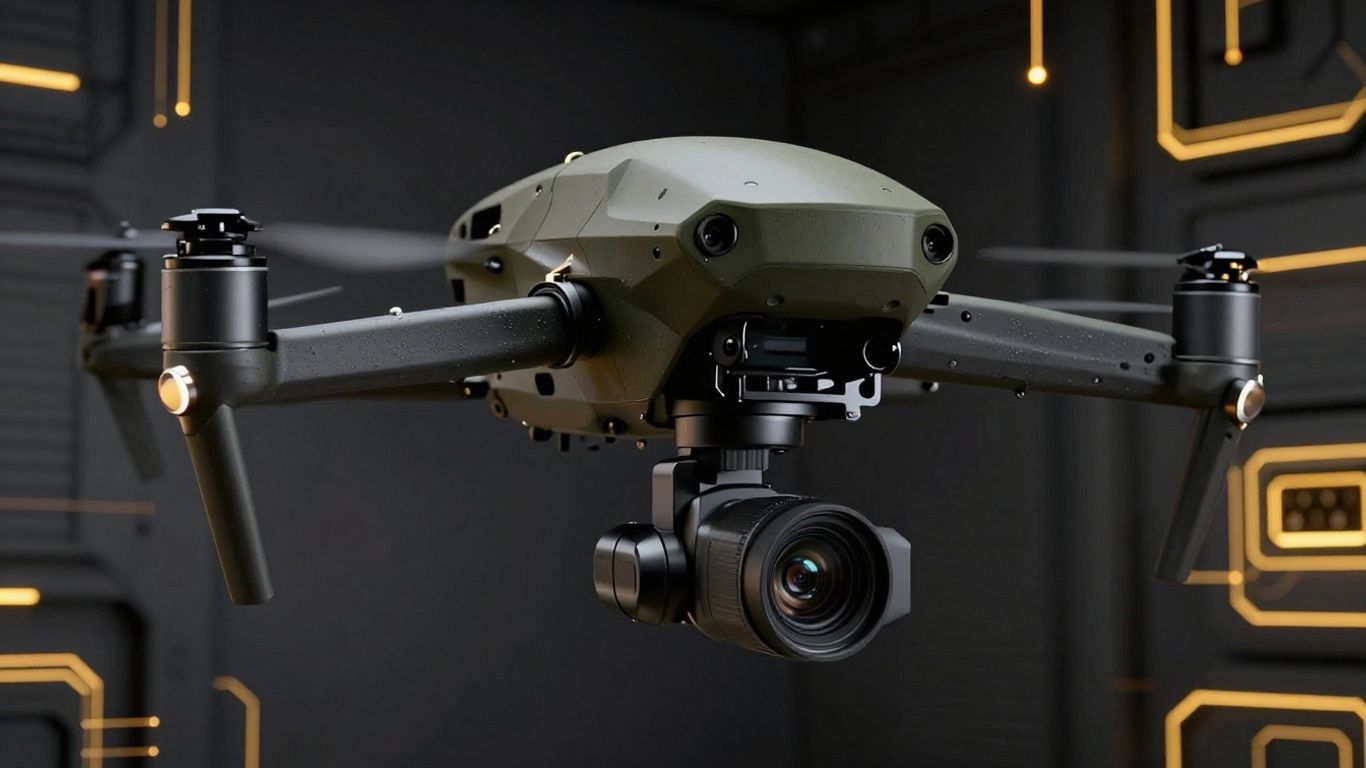

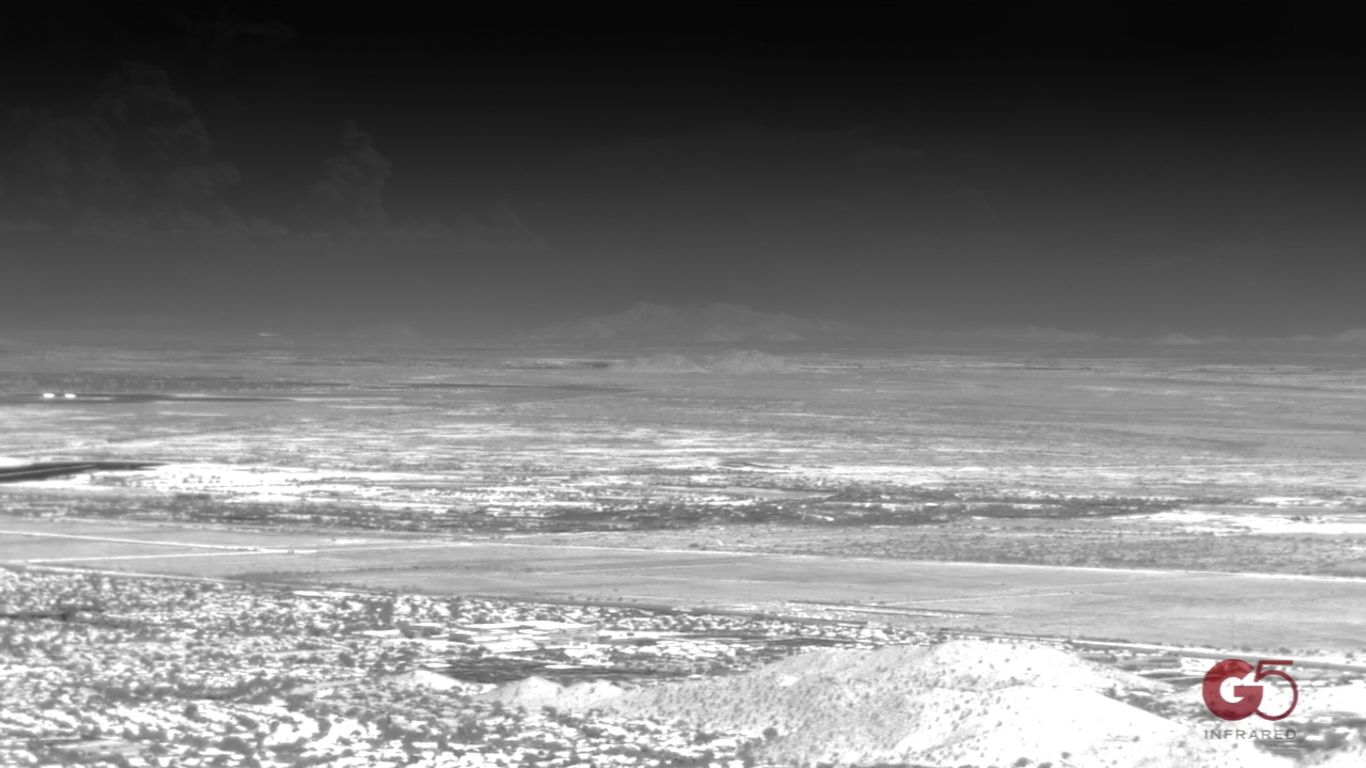
You're looking into high speed infrared imaging, and it can seem a bit technical at first. Think of it as a special kind of camera that sees heat instead of light. This lets you see things that are normally invisible, especially when it's dark or there's smoke. We'll break down what makes these systems work, how well they perform, and where you might see them used. It’s all about understanding how to spot temperature differences from a distance, quickly and accurately.
Key Takeaways
- High speed infrared imaging captures thermal energy, allowing you to see temperature differences in real-time, even in complete darkness or through obscuring conditions.
- These systems work by detecting infrared radiation, with different wavelength ranges (like LWIR and MWIR) suited for various temperature targets and environmental conditions.
- Performance is judged by how well the system detects small temperature changes (sensitivity) and how many images it can capture per second (frame rate).
- Applications span industrial monitoring, defense, surveillance, and scientific research, offering advantages over traditional cameras by not needing visible light.
- When selecting a system, consider the specific temperature ranges you need to see, the environmental challenges, and the required speed of detection for your particular task.
Understanding High Speed Infrared Imaging Fundamentals
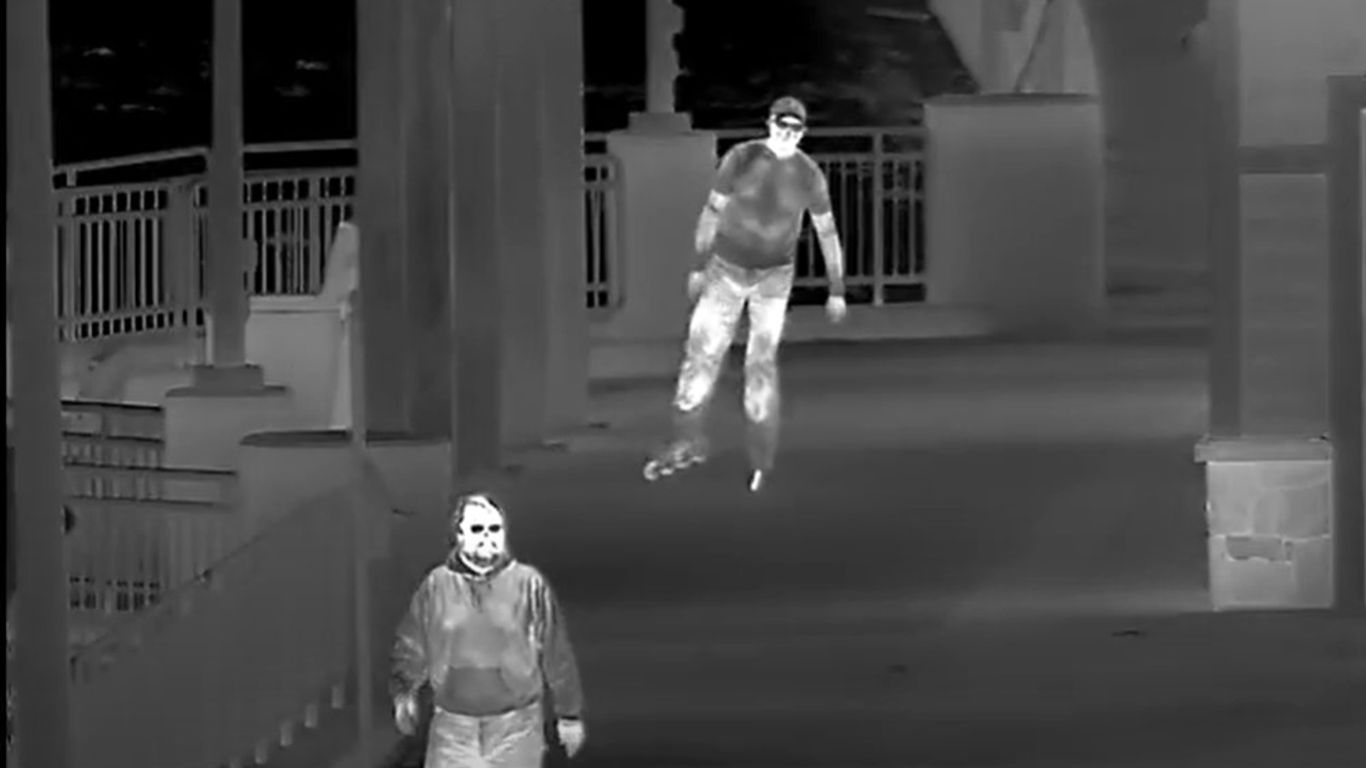
When you're looking to integrate advanced thermal imaging into your systems, grasping the basics of how it works is the first step. It's not just about seeing heat; it's about understanding the physics and technology that make it possible to detect and analyze thermal signatures.
The Electromagnetic Spectrum and Infrared Radiation
Everything around you emits energy in the form of electromagnetic radiation. This radiation spans a wide spectrum, from radio waves to gamma rays. Visible light, the part of the spectrum our eyes can see, is just a small sliver of this. Infrared (IR) radiation falls just beyond the red end of the visible spectrum. Objects emit IR radiation based on their temperature. The warmer an object is, the more IR energy it radiates. High-speed infrared imaging systems are designed to detect this emitted IR radiation, allowing you to
Key Components of High Speed Infrared Imaging Systems
To achieve high-speed infrared imaging, several specialized components work in concert. The performance and capabilities of your system hinge on the quality and integration of these elements.
Infrared Detector Technologies
The heart of any infrared imaging system is its detector. These components convert the infrared radiation emitted by objects into electrical signals that can be processed into an image. For high-speed applications, the choice of detector technology is paramount.
- Microbolometers: These are the most common type of uncooled infrared detectors. They consist of an array of tiny thermal elements that change their electrical resistance when heated by infrared radiation. Uncooled microbolometers are favored for their lower cost, smaller size, and reduced maintenance compared to cooled detectors. They operate at ambient temperatures, eliminating the need for complex cryogenic cooling systems. This makes them ideal for many industrial and surveillance applications where continuous operation and reliability are key.
- Cooled Detectors: These detectors, often using technologies like Mercury Cadmium Telluride (MCT) or Indium Antimonide (InSb), are cooled to very low temperatures using cryogenic coolers. This cooling significantly reduces internal noise, allowing them to detect much smaller temperature differences and achieve higher sensitivity and faster response times. While more complex and expensive, cooled detectors are essential for applications demanding the highest performance, such as long-range defense applications or scientific research requiring precise temperature measurements.
Advanced Lens Assemblies for Infrared
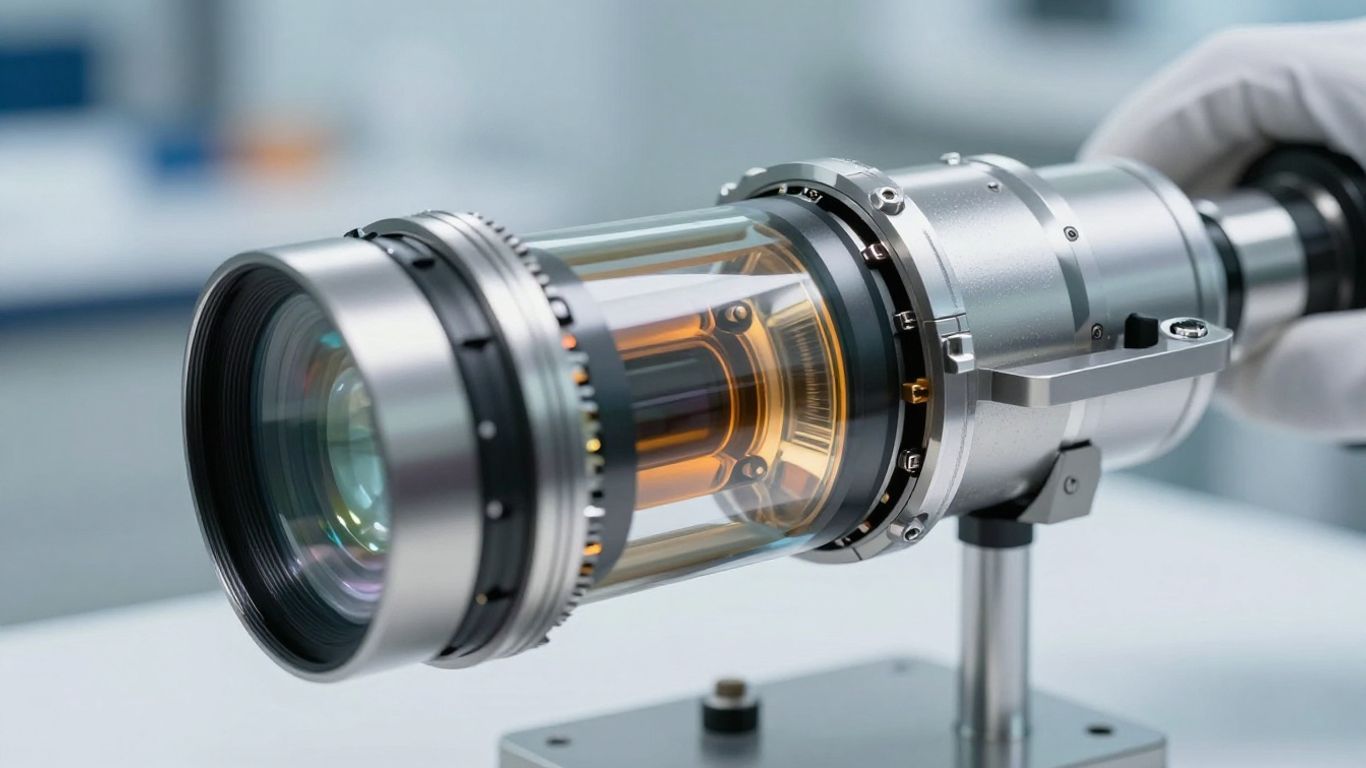
The optics in an infrared system are just as critical as the detector. Infrared lenses are designed to focus the specific wavelengths of infrared radiation onto the detector array. Unlike visible light lenses, infrared optics often use specialized materials that transmit infrared energy effectively.
- Material Selection: Germanium is a common material for infrared lenses due to its high transmission in the long-wave infrared (LWIR) spectrum. However, it can be expensive and has supply chain limitations. Alternative materials, such as chalcogenide glasses (like LightPath's proprietary BD6), offer comparable performance with greater design flexibility and more stable supply chains. These materials are crucial for developing robust and cost-effective lens assemblies.
- Optical Design: The design of the lens assembly, including its f-number and focal length, directly impacts the system's field of view, detection range, and image quality. Athermalization is also important, ensuring the lens maintains focus across a range of operating temperatures without requiring active adjustments. For high-speed imaging, lenses must be designed to handle rapid changes in thermal scenes without introducing optical artifacts.
- Coatings: Specialized anti-reflective (AR) coatings are applied to infrared lenses to minimize signal loss and improve transmission. High-durability coatings, like Diamond-Like Carbon (DLC), can also be applied to protect the lens surface in harsh environments.
On-Camera AI Processing Capabilities
Modern high-speed infrared imaging systems are increasingly incorporating artificial intelligence (AI) directly into the camera hardware. This
Performance Characteristics of High Speed Infrared Imaging
When you're evaluating high-speed infrared imaging systems, understanding their performance characteristics is key to selecting the right solution for your needs. These characteristics dictate how well a system can capture and present thermal data, especially in dynamic situations. It's not just about getting a picture; it's about getting the right picture, at the right time, with the right detail.
Sensitivity and Temperature Resolution
Sensitivity, often expressed as Noise Equivalent Temperature Difference (NETD), tells you how well a camera can distinguish between very small temperature variations. A lower NETD value means the camera is more sensitive. For instance, a system with an NETD of 30 millikelvin (mK) can detect smaller temperature differences than one with an NETD of 50 mK. This is vital for applications where subtle thermal anomalies indicate a problem, such as detecting early signs of equipment failure or identifying minute defects in manufacturing processes. While cooled systems can achieve sensitivities below 20 mK, uncooled systems commonly offer values between 30-50 mK, which is sufficient for many surveillance and monitoring tasks. The choice often comes down to balancing the need for extreme sensitivity with system complexity and cost. You can find advanced thermal cameras designed for industrial use with excellent sensitivity, capable of detecting minute temperature differences. advanced thermal camera
Frame Rates and Temporal Resolution
High-speed infrared imaging is defined by its ability to capture events as they happen. Frame rate, measured in frames per second (fps), is the primary indicator of temporal resolution. A higher frame rate means the camera captures more images in a given time, allowing for the detailed analysis of fast-moving objects or rapid thermal changes. For example, a system operating at 120 fps will provide a much smoother and more detailed view of a rapidly unfolding event than one operating at 30 fps. This is critical in applications like ballistics testing, high-speed manufacturing line inspection, or analyzing the dynamics of fluid flow. The ability to capture these fleeting moments without blur or missed data is what distinguishes high-speed systems.
Image Quality and Detail Enhancement
Beyond raw sensitivity and speed, the overall quality and detail of the thermal image are paramount. This involves several factors, including the resolution of the detector (e.g., 640x512 pixels), the quality of the optical lens assembly, and the sophistication of the image processing algorithms. Advanced processing can include techniques like digital detail enhancement or fusion with visible light imagery to provide a more comprehensive view. For instance, a system might use a 640x480 resolution detector, which provides a good balance of detail and frame rate for many applications. The lens design also plays a significant role; an achromatic lens, for example, can maintain focus across different wavelengths without needing to be refocused, which is beneficial when capturing a broad spectrum of thermal radiation. Ensuring you have the right optics is key to getting clear images. If you need to discuss custom thermal imaging requirements, our team is ready to help. custom thermal imaging solution
Applications of High Speed Infrared Imaging
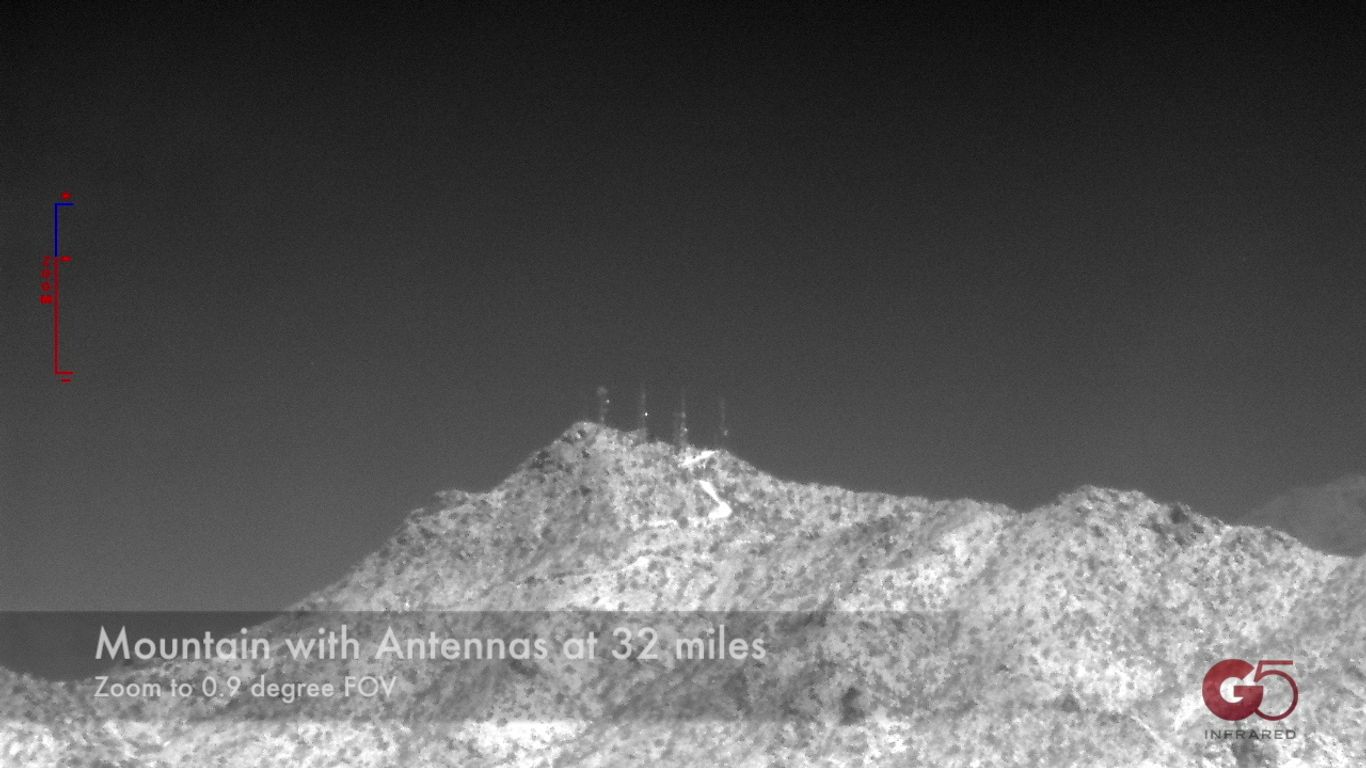
High-speed infrared imaging is not just a technological advancement; it's a transformative tool across a wide array of critical sectors. Its ability to capture thermal data rapidly and with great detail allows for insights previously unattainable. You can use this technology to monitor processes, enhance security, and push the boundaries of scientific discovery.
Industrial Process Monitoring and Quality Control
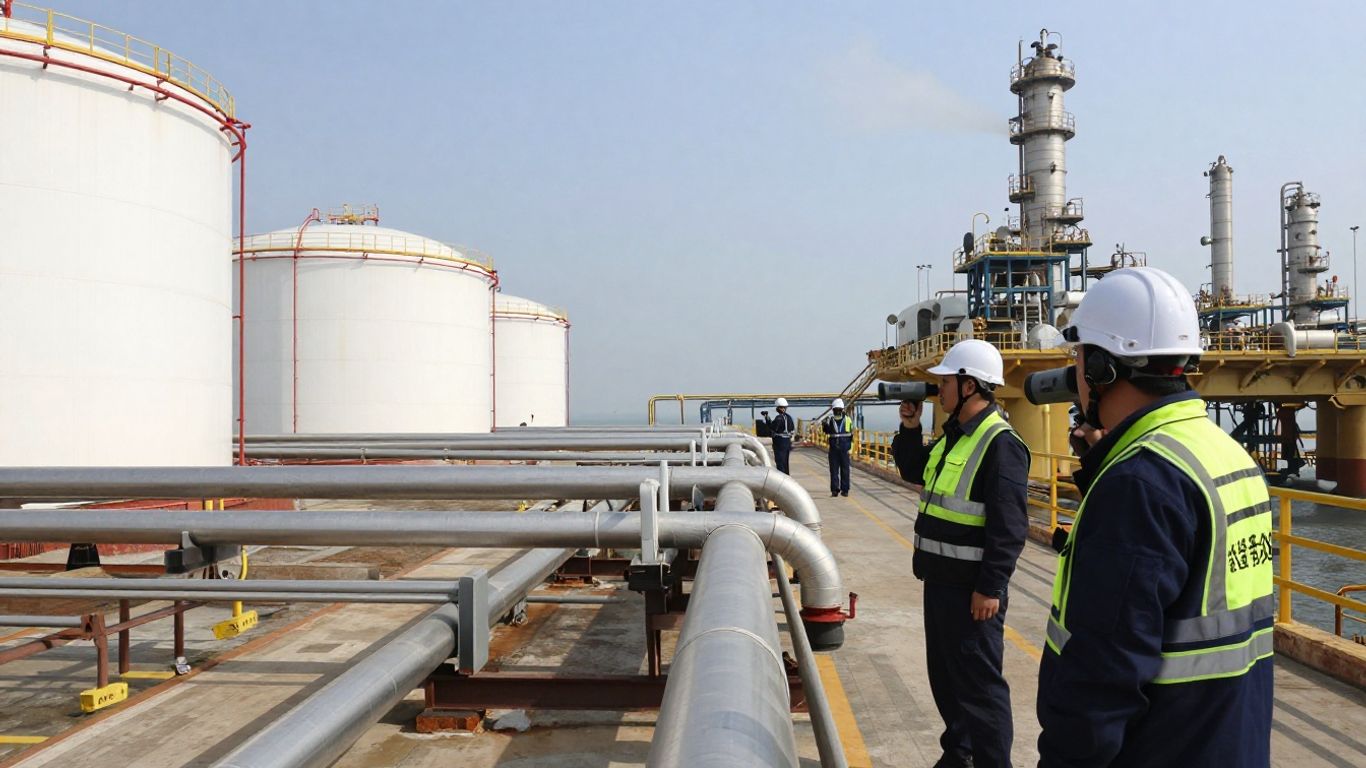
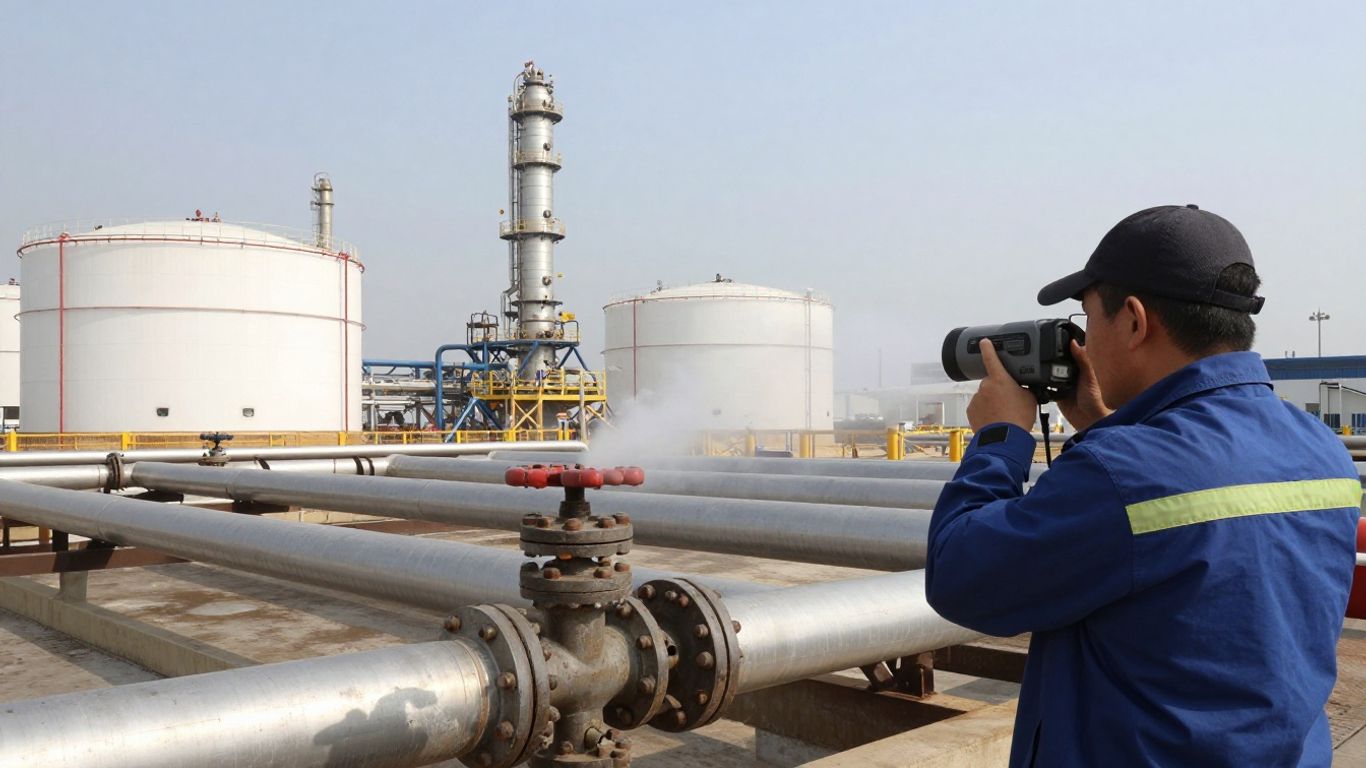
In manufacturing and industrial settings, maintaining optimal conditions is paramount for both product quality and operational efficiency. High-speed infrared imaging provides a non-contact, real-time method to observe thermal behavior during production.
- Process Optimization: You can monitor the temperature distribution of materials and equipment during processes like welding, casting, or curing. This allows for immediate adjustments to maintain ideal thermal profiles, reducing waste and improving consistency.
- Quality Assurance: Detecting subtle temperature variations can reveal hidden defects in products. For instance, in electronics manufacturing, you can identify faulty connections or overheating components on a printed circuit board before they lead to failure. This level of detail is often invisible to the naked eye or conventional cameras.
- Equipment Health: Predictive maintenance is significantly improved. By observing the thermal signatures of machinery, you can detect developing issues like bearing wear or electrical faults early on. This allows for scheduled maintenance, preventing costly unplanned downtime.
For example, imaging inside furnaces operating at extreme temperatures, such as those in power plants, becomes feasible. Using mid-wave infrared (MWIR) capabilities, you can get detailed thermal images of critical components exposed to intense heat, aiding in continuous monitoring and assessment. This capability is vital for safety and efficiency in high-temperature industrial environments.
Defense and Surveillance Operations
The defense and security sectors benefit immensely from the passive, all-weather capabilities of high-speed infrared imaging. Its ability to detect heat signatures makes it invaluable for situational awareness and threat detection.
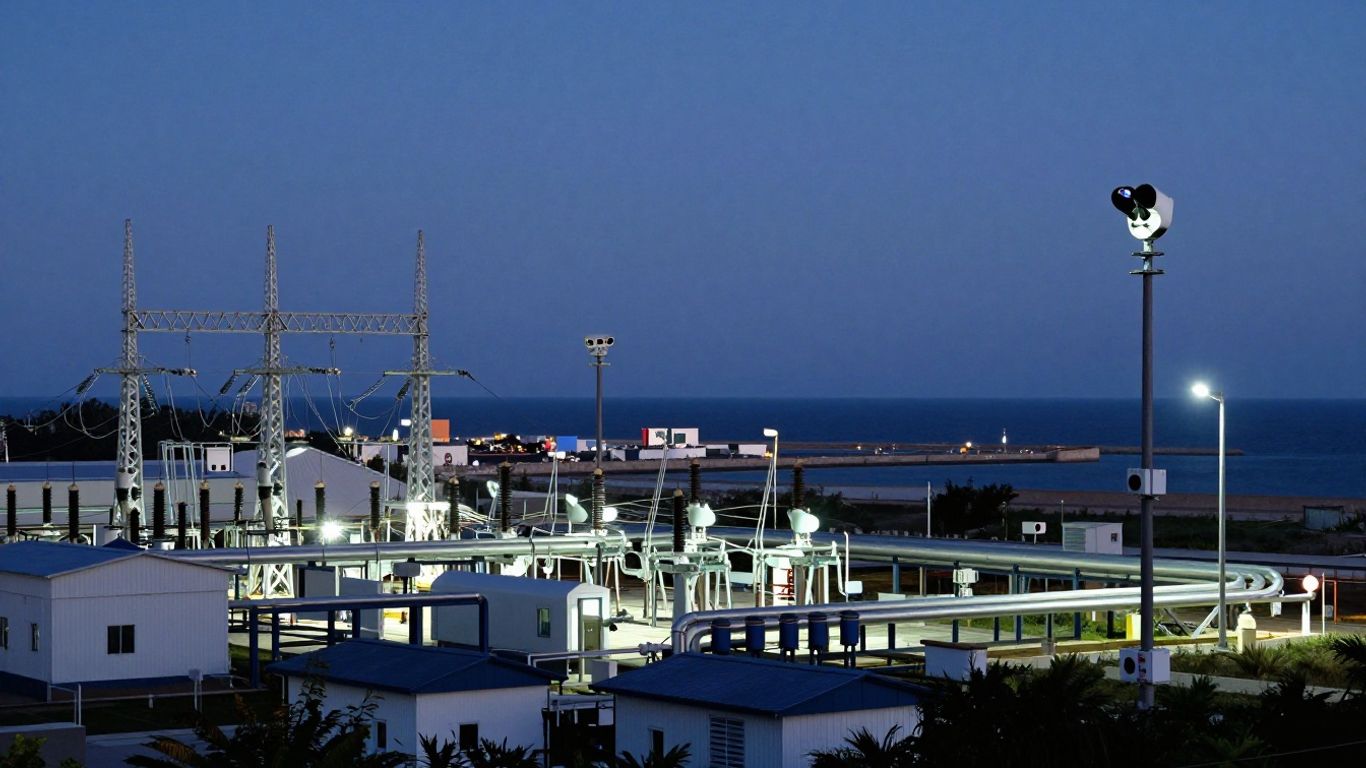
- Perimeter Security: Long-wave infrared (LWIR) systems are effective for detecting personnel and vehicles at significant distances, even in complete darkness or adverse weather conditions like fog or smoke. This passive detection means no external illumination is required, maintaining stealth.
- Target Identification: The detailed thermal imagery can help distinguish between different types of targets, providing critical information for tactical decision-making. This is especially useful in complex environments where visual identification is challenging.
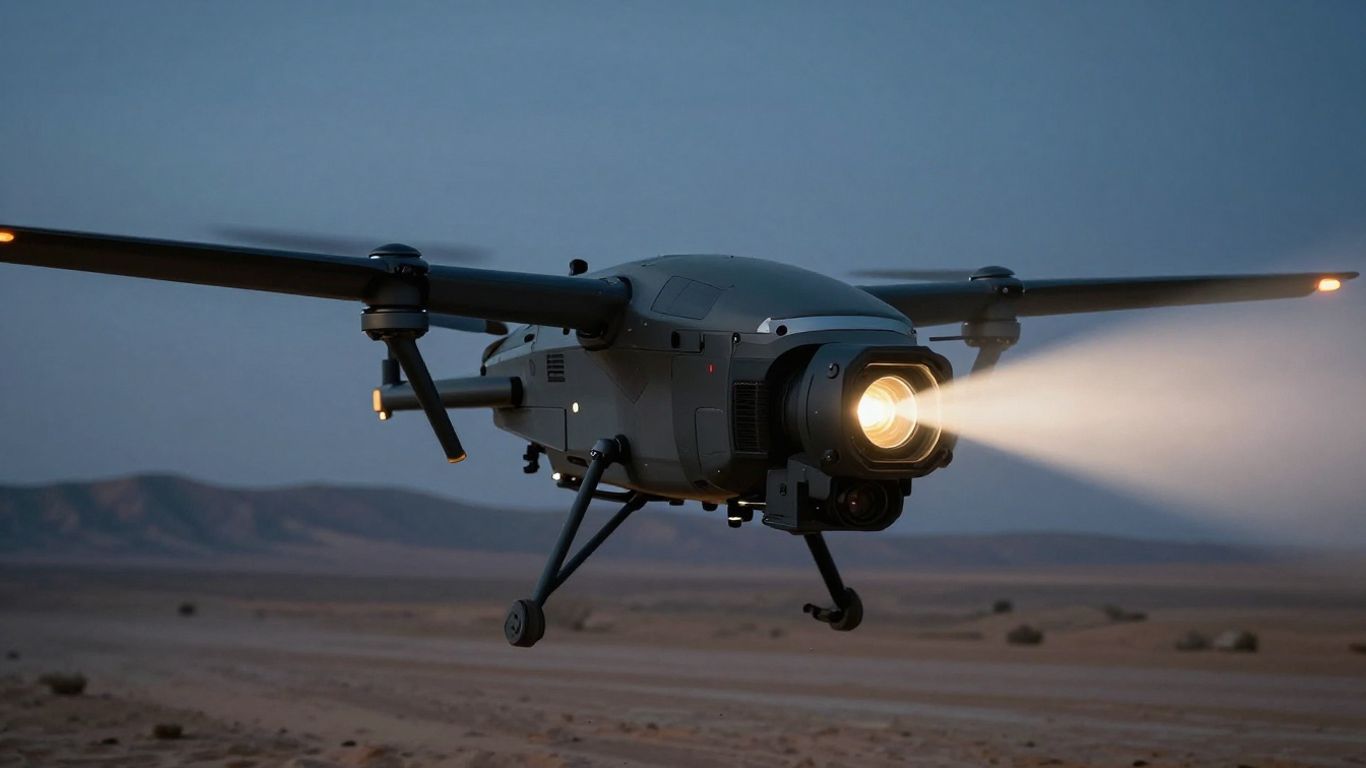
- Search and Rescue: In military or disaster relief scenarios, thermal drones equipped with high-speed infrared cameras can rapidly scan large areas to locate individuals by their body heat. This is particularly effective in rugged terrain or collapsed structures where visual searches are difficult or dangerous.
These systems are designed to operate reliably across extreme temperature ranges, from Arctic cold to desert heat, making them suitable for diverse operational theaters. The technology's ability to penetrate atmospheric obscurants like smoke and dust further solidifies its role in demanding defense applications.
Scientific Research and Development
In research, high-speed infrared imaging provides a window into dynamic thermal phenomena that occur too quickly for conventional methods to capture.
- Material Science: Studying the thermal response of new materials under stress or during phase transitions requires capturing rapid temperature changes. High-speed IR imaging allows researchers to observe these events in detail.
- Combustion Analysis: Understanding the complex thermal dynamics within engines or flames is crucial for improving efficiency and reducing emissions. High-speed IR cameras can visualize these processes, providing data for model validation and design improvements.
- Biological Studies: Observing the thermal patterns of biological systems, such as the metabolic activity of organisms or the thermal regulation of tissues, can yield new insights. The non-invasive nature of infrared imaging is a significant advantage here.
For instance, the development of advanced infrared optics, such as those utilizing specialized infrared glasses, is key to achieving the sensitivity and resolution needed for cutting-edge scientific applications. These optics enable the detection of minute temperature differences, pushing the boundaries of what can be observed and measured.
If you are looking to integrate advanced thermal imaging capabilities into your systems, consulting with experts can help you select the right solution. Contact us today to discuss your project needs.
Advantages Over Conventional Imaging Techniques
When you are evaluating imaging technologies, it is important to understand how high-speed infrared imaging stands apart from more traditional methods. These differences often translate into significant operational benefits and expanded capabilities.
Passive Detection in All Lighting Conditions
Unlike conventional cameras that rely on visible light or active illumination, infrared imaging systems detect emitted thermal radiation. This means your system can see clearly in complete darkness, through heavy smoke, or in environments where visible light is entirely absent. This passive approach does not require external light sources, which also means your system does not emit any signals that could compromise its position or operational security. You are simply observing the heat signatures that objects naturally produce.
Penetration of Atmospheric Obscurants
Visible light and even near-infrared wavelengths can be scattered by atmospheric conditions such as fog, smoke, dust, and light precipitation. Long-wave infrared (LWIR) wavelengths, however, pass through these obscurants with much less interference. This capability is vital for applications where visibility is often compromised, such as industrial environments with airborne particles or defense operations in challenging weather. Your system can maintain operational effectiveness when traditional cameras would fail.
Reduced System Complexity and Maintenance
Many high-speed infrared imaging systems, particularly those utilizing uncooled microbolometer detectors, operate at ambient temperatures. This eliminates the need for complex and power-hungry cryogenic cooling systems. The absence of cooling systems simplifies the overall design, reduces power consumption, and lowers the system's size and weight. Furthermore, fewer moving parts mean a reduced maintenance burden and an increased mean time between failures, leading to greater reliability in the field. This often translates to a lower total cost of ownership over the system's lifecycle.
To learn more about how these advantages can benefit your specific application, please contact us at https://www.lightpath.com/contact.
Selecting the Right High Speed Infrared Imaging Solution
Choosing the correct high-speed infrared imaging system involves careful consideration of your specific application needs and operational environment. It's not simply a matter of picking the highest resolution or fastest frame rate; a holistic approach is required to ensure optimal performance and reliability. You must evaluate how different system components and characteristics align with your project's goals.
Evaluating System Specifications for Specific Needs
When you begin to look at different systems, you'll see a lot of numbers and technical terms. It's important to understand what these mean for your particular use case. For instance, if you're monitoring fast-moving industrial processes, frame rate is obviously critical. However, if you're looking for subtle temperature variations in a manufacturing line, sensitivity and temperature resolution become paramount. Consider these points:
- Application Focus: What exactly do you need to see? Are you detecting small defects, monitoring large areas, or tracking fast objects? This will guide your choice between wide field-of-view lenses for broad coverage or narrow field-of-view lenses for detailed, long-range observation.
- Environmental Conditions: Will the system operate in extreme temperatures, high humidity, or dusty environments? The materials used in the optics and housing, as well as the detector technology, play a significant role in performance and longevity under harsh conditions.
- Integration Requirements: How will the system connect with your existing infrastructure? Look at the available interfaces (like GigE Vision, USB3, or MIPI CSI-2) and consider the need for software development kits (SDKs) or application programming interfaces (APIs) to streamline integration.
- Size, Weight, and Power (SWaP): For mobile or embedded applications, these factors are often more critical than raw specifications. A system that is too large, heavy, or power-hungry may be entirely unsuitable, regardless of its imaging capabilities.
The Importance of Integrated Solutions
Assembling a high-speed infrared imaging system from disparate components can lead to integration challenges and unforeseen issues. It is often more effective to consider integrated solutions where the optics, detector, processing electronics, and housing are designed to work together harmoniously. This approach can significantly reduce development timelines and improve overall system reliability. For example, a system designed with specific optical design considerations for its intended wavelength range will perform better than one where the optics are an afterthought.
Integrated systems often come with:
- Optimized Optics: Lenses specifically designed for the infrared spectrum and matched to the detector.
- Pre-calibrated Components: Factory calibration minimizes the need for complex user calibration procedures.
- Streamlined Interfaces: Standardized connections and software support for easier integration.
- Ruggedized Housings: Built to withstand specific environmental stresses.
Partnering for Custom Thermal Imaging Requirements
In many cases, off-the-shelf solutions may not fully meet the unique demands of a specific application. This is where partnering with a manufacturer that specializes in custom thermal imaging solutions becomes invaluable. They can work with you to engineer a system tailored to your exact specifications, from selecting the right detector technology to designing specialized optics and integrating advanced processing capabilities, such as on-camera AI. This collaborative approach ensures that you receive a system that not only meets but exceeds your performance expectations. If you are looking for a custom thermal imaging solution, consider reaching out to our team of experts at https://www.lightpath.com/contact.
Choosing the right high-speed infrared camera system can seem tricky. We make it simple to find the perfect fit for your needs. Ready to see what's possible? Visit our website to explore your options and talk to our experts today!
Wrapping Up: The Power of High-Speed Infrared Imaging
So, you've seen how high-speed infrared imaging is more than just a fancy gadget. It's a tool that lets you see heat, which is pretty useful for all sorts of things. Whether you're trying to spot a problem before it gets bad, keep an eye on something from far away, or just understand how something is working, this technology gives you a new way to look at the world. It's not magic, it's just smart science that's becoming more common in different fields. Keep an eye out, because you'll probably see it used in even more ways as time goes on.
Frequently Asked Questions
What exactly is high-speed infrared imaging?
High-speed infrared imaging is like taking super-fast pictures using heat instead of light. It captures images of how hot or cold things are, incredibly quickly, allowing you to see things that happen too fast for regular cameras.
How is this different from a regular camera?
Regular cameras see the light that bounces off objects. Infrared cameras, on the other hand, see the heat that objects give off. This means they can see in total darkness, through smoke, or fog, which regular cameras can't do.
Why would you need to capture images so fast?
Capturing images very quickly is important for watching things that move or change temperature rapidly. Think about a fast-moving machine part that might be overheating, or a chemical reaction happening in a blink of an eye. High-speed infrared imaging lets you catch these events before they cause problems.
What are the main parts of a high-speed infrared camera system?
A high-speed infrared camera system usually has a special sensor that detects heat, a lens designed to focus infrared light, and powerful electronics to process all the fast-moving image data. Some advanced cameras even have built-in computer 'brains' to analyze the images right away.
Where is this technology used?
You'll find high-speed infrared imaging used in many places. Industries use it to check if machines are getting too hot, scientists use it to study fast processes, and defense and security teams use it for surveillance. It's great for spotting problems or understanding events that are hard to see otherwise.
Is it hard to use these cameras?
While the technology is advanced, modern systems are designed to be more user-friendly. Many cameras can work without needing special cooling, and some have smart features that help you get the best images. Choosing the right system for your specific job is key to making it easier to use.