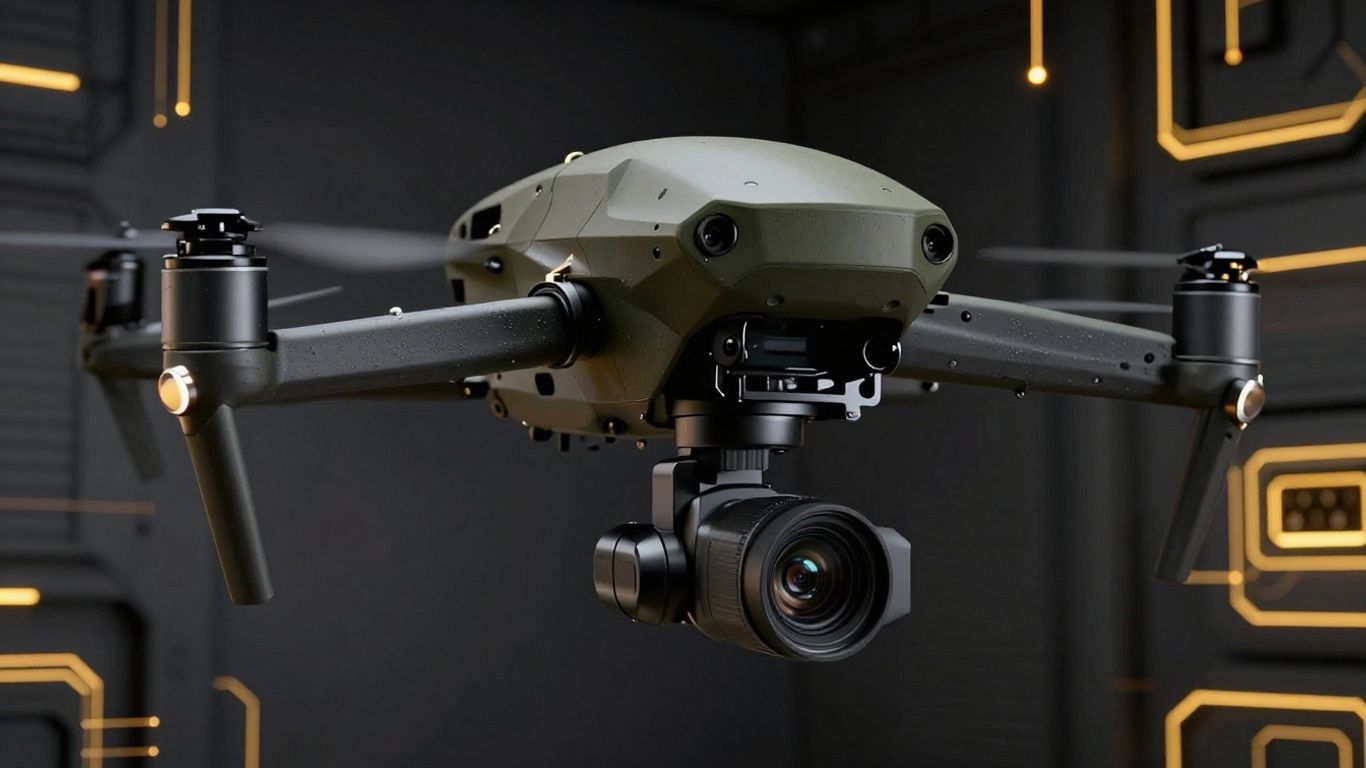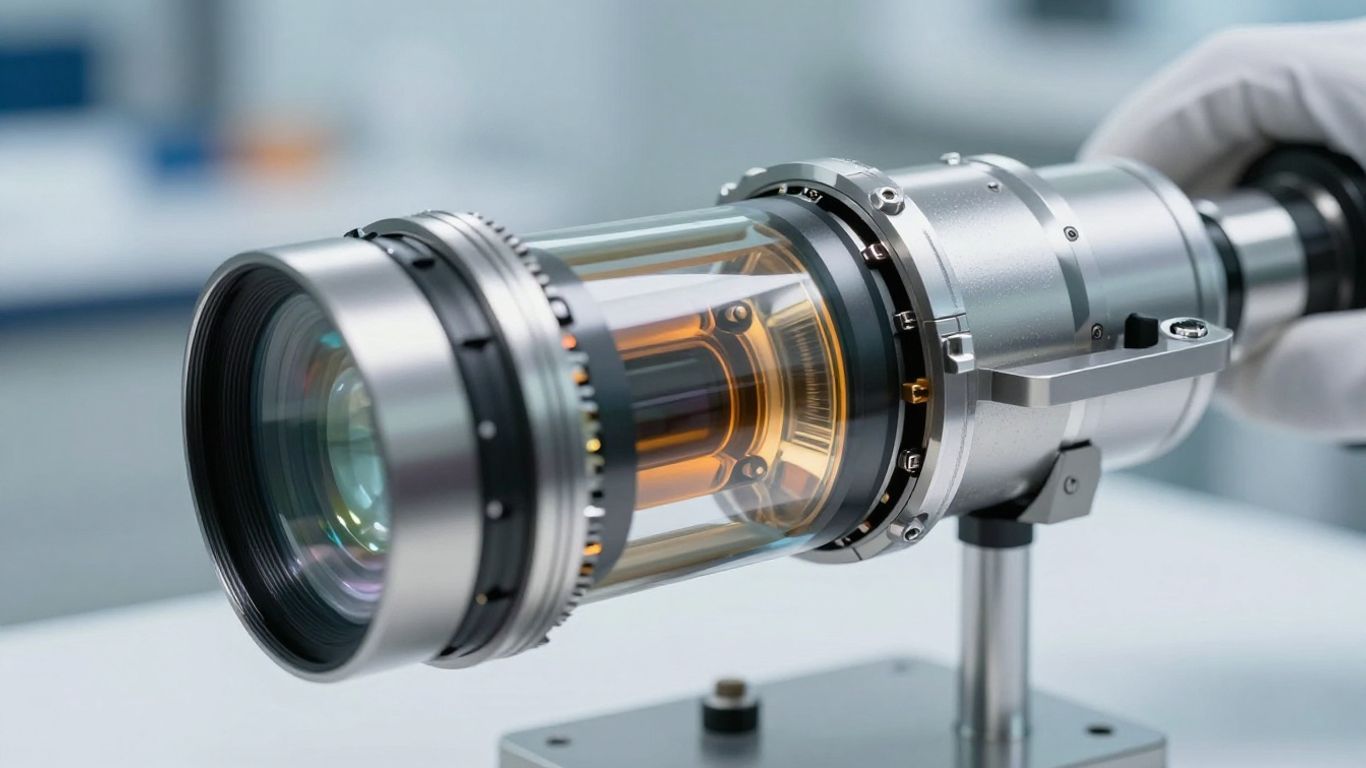

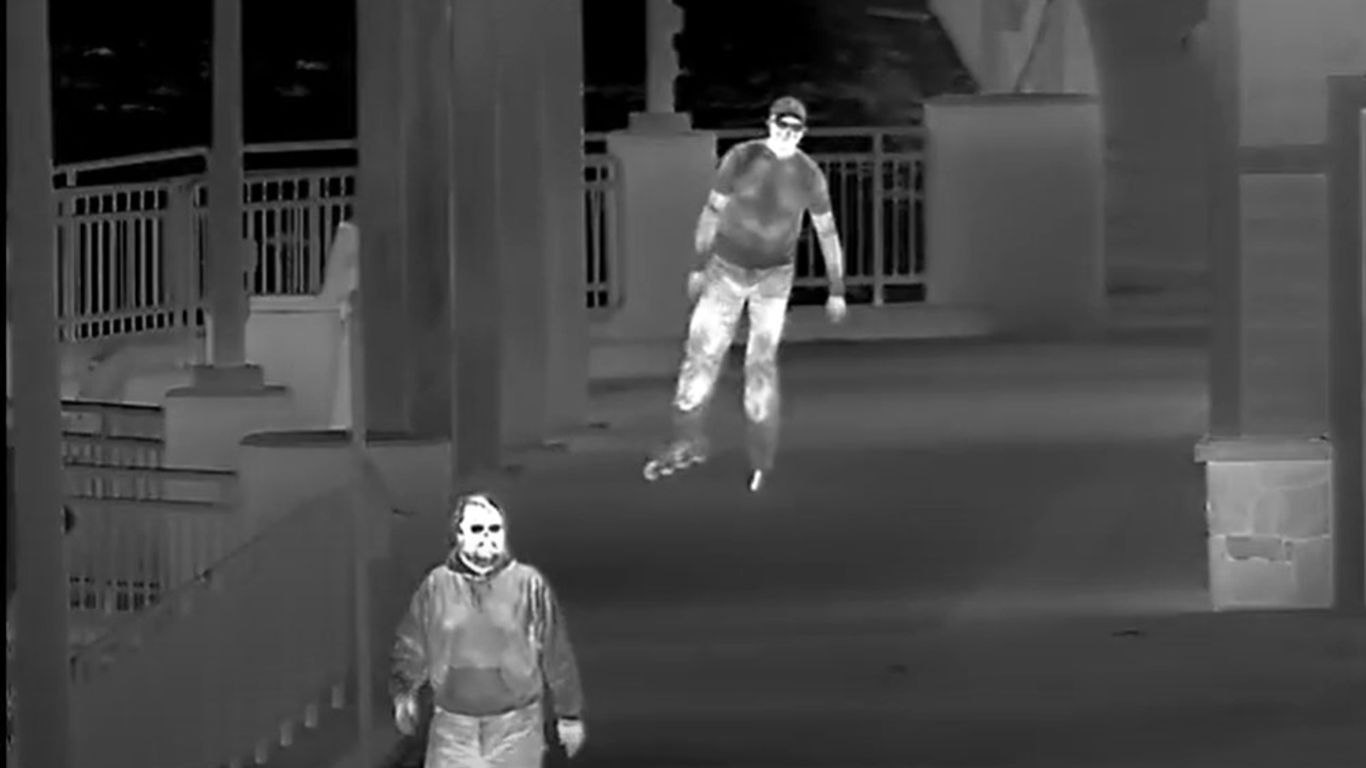
Keeping equipment running smoothly is super important. Things break down, and when they do, it can really mess up production and cost a lot of money. That's where infrared thermal imaging cameras come in. These cameras are pretty neat because they can see heat, which helps us spot problems before they get out of hand. Think of it like a doctor using an X-ray, but for machines. This technology is changing how we do maintenance, making things safer and more efficient.
Key Takeaways
-
Using an infrared thermal imaging camera helps find issues in electrical systems and machinery early on, preventing bigger problems.
-
These cameras allow for safe, non-contact checks of equipment, meaning fewer risks for workers and no need to stop production.
-
By spotting temperature changes, an infrared thermal imaging camera helps schedule maintenance when it's actually needed, not just based on a calendar.
-
The data from an infrared thermal imaging camera can be linked with other maintenance systems, giving a clearer picture of equipment health.
-
Investing in an infrared thermal imaging camera can significantly lower repair costs and reduce unexpected downtime.
Leveraging Infrared Thermal Imaging Cameras for Predictive Maintenance
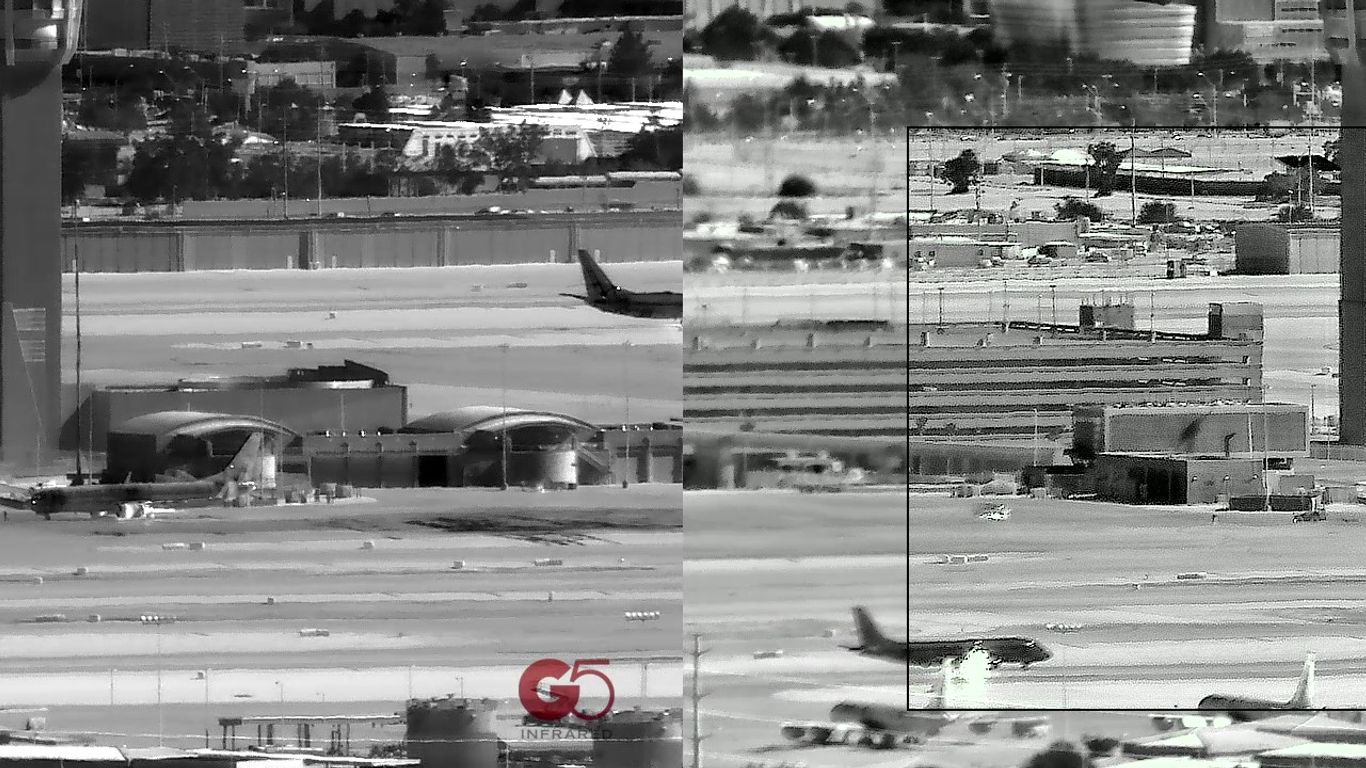
Predictive maintenance is all about catching problems before they get serious, and thermal imaging cameras are a big help here. Instead of waiting for something to break and then fixing it – which is usually more expensive and causes more headaches – we can use these cameras to see what's going on with equipment without even touching it. Think of it like a doctor using an X-ray to see inside a patient. Thermal cameras show us heat patterns, and unusual heat can be an early sign that something isn't right.
Detecting Anomalies in Electrical Systems
Electrical systems can be tricky. Loose connections, overloaded circuits, or components that are starting to fail often get hotter than they should. Thermal cameras can spot these "hot spots" from a safe distance. This means maintenance teams can find problems in things like switchgear, motor control centers, or distribution panels before they lead to a fire or a complete system failure. It's way better than waiting for a breaker to trip or, worse, for something to catch fire.
Assessing Rotating Machinery Health
Machines with moving parts, like motors, pumps, and compressors, are another area where thermal imaging shines. When bearings start to wear out, or if there's a lubrication issue, they tend to generate extra heat. Thermal cameras can pick up on these temperature increases, sometimes weeks or even months before you'd notice any other signs, like strange noises or vibrations. This lets us schedule maintenance during planned downtime, avoiding those sudden, costly breakdowns that stop production.
Optimizing Process Equipment Performance
Beyond electrical and mechanical systems, thermal imaging is useful for monitoring process equipment too. For example, in industries that rely on precise temperature control, like food processing or chemical manufacturing, thermal cameras can keep an eye on furnaces, ovens, or reaction vessels. They can detect if temperatures are deviating from the norm, which could affect product quality or even create safety risks. This continuous monitoring helps keep processes running smoothly and products meeting specifications.
Enhancing Safety and Efficiency with Thermal Monitoring
Industrial settings often involve complex operations where safety and consistent output are top priorities. Thermal imaging cameras play a big part in keeping things running smoothly and safely. They let us see heat patterns that our eyes can't, which is super helpful for spotting problems before they get serious. This means fewer unexpected shutdowns and a safer workplace for everyone.
Minimizing Production Disruptions Through Proactive Measures
Unexpected equipment failures can bring production to a halt, costing a lot of money and time. Thermal cameras help avoid this by finding issues early. For example, a slightly warmer electrical connection might signal a loose wire that could eventually cause a fire or a complete system failure. By spotting these hot spots during routine checks, maintenance teams can fix the problem during a planned downtime, not during a critical production run. This proactive approach keeps the assembly line moving and avoids those costly emergency repairs.
Improving Maintenance Efficiency with Condition-Based Strategies
Instead of fixing things on a schedule, whether they need it or not, thermal imaging allows for condition-based maintenance. This means maintenance is performed only when the equipment actually shows signs of needing attention. Thermal cameras can detect subtle temperature changes in things like bearings in rotating machinery or insulation on pipes. These changes often appear weeks or months before a failure. This allows maintenance teams to:
-
Prioritize repairs based on actual equipment condition.
-
Schedule maintenance during less busy periods.
-
Reduce unnecessary work on healthy equipment.
This smart approach makes maintenance teams more effective and saves resources.
Extending Equipment Lifespan Through Early Intervention
When equipment fails unexpectedly, it's often beyond simple repair and needs to be replaced. This is expensive and disruptive. Thermal imaging helps prevent these catastrophic failures. By identifying small problems, like increased friction in a motor bearing or a developing fault in a transformer, early on, they can be addressed with minor fixes. This early intervention stops small issues from turning into major damage, allowing machinery and electrical systems to operate reliably for much longer than they would with a reactive maintenance strategy. It’s like catching a cold before it turns into pneumonia – much easier to manage and less impactful.
The Role of Infrared Thermal Imaging Cameras in Industrial Environments
Navigating Challenging Industrial Conditions
Industrial settings are tough on equipment, and that includes the tools we use to monitor them. Think about it: you've got heat, dust, vibrations, maybe even chemicals flying around. Standard tools can get damaged or give unreliable readings in places like busy factories or outdoor electrical substations. Infrared thermal imaging cameras, though, are built to handle this. They can see heat without touching anything, which is a big deal when you can't just walk up to a live electrical panel or a running motor. These cameras are designed to keep working accurately even when things get messy, which is pretty important if you want to catch problems before they cause a shutdown.
Ensuring Calibration Accuracy and Reliable Operation
Keeping an infrared camera accurate is key. If the readings are off, you might miss a problem or think there's an issue when there isn't one. This is especially true in industrial places where temperatures can swing wildly or where the camera might be exposed to extreme conditions. Manufacturers put a lot of effort into making sure these cameras stay calibrated. They use special materials and designs that resist changes from heat or humidity. Regular checks and proper handling are still a good idea, of course. But the cameras themselves are made to be tough and dependable, so you can trust the temperature data they give you, even after being used in a demanding environment. This reliability means you can count on them for things like spotting loose electrical connections that are getting too hot, or checking if a motor's bearings are starting to wear out because they're running hotter than they should.
Continuous Surveillance Across Facilities
One of the best things about thermal imaging is that it lets you keep an eye on a lot of equipment without having to stop everything. You can use these cameras to quickly scan electrical panels, check on pumps and motors, or even look at process equipment like pipes and tanks. This means you can do what's called condition-based maintenance. Instead of fixing things on a schedule that might be too early or too late, you fix them when the camera shows there's actually a problem developing. This is way more efficient. For example, you can walk through a plant and use the camera to spot any electrical connections that are running hotter than normal. These hot spots are often the first sign of a problem, like a loose wire or an overloaded circuit, that could eventually lead to a fire or a breakdown. Catching these early means you can schedule a repair during a planned downtime, avoiding costly emergency fixes and keeping production running smoothly. It's like having a constant, non-intrusive check-up for your entire facility.
Applications of Infrared Thermal Imaging Cameras in Energy and Utilities
In the energy and utilities sector, where continuous operation and safety are paramount, infrared thermal imaging cameras have become indispensable tools. These cameras allow for non-contact inspection of critical infrastructure, identifying potential issues before they lead to costly failures or safety hazards. The ability to monitor equipment from a distance without disrupting service is a significant advantage in this demanding industry.
Monitoring Transformers and Substations
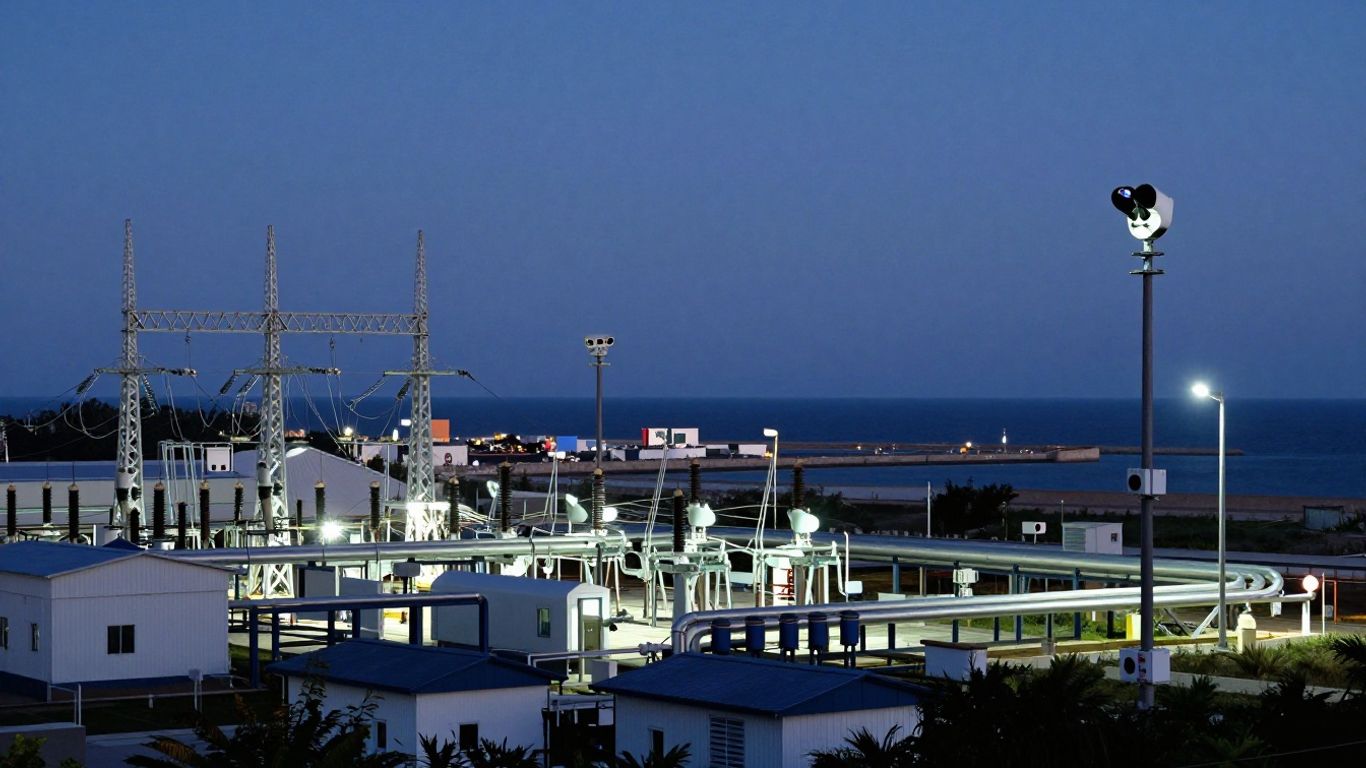
Transformers and substations are vital components of the electrical grid. Thermal imaging cameras can detect hot spots in electrical connections, overloaded components, or failing insulation within transformers and switchgear. These temperature anomalies often indicate developing problems such as loose connections or internal degradation. Early detection through thermal monitoring allows for planned maintenance, preventing unexpected outages and reducing the risk of equipment damage. This proactive approach is far more efficient than reacting to a failure after it occurs. For instance, identifying a hot connection in a substation can prevent a widespread power disruption. This technology helps maintain grid stability and reliability.
Inspecting Power Lines and Transmission Infrastructure
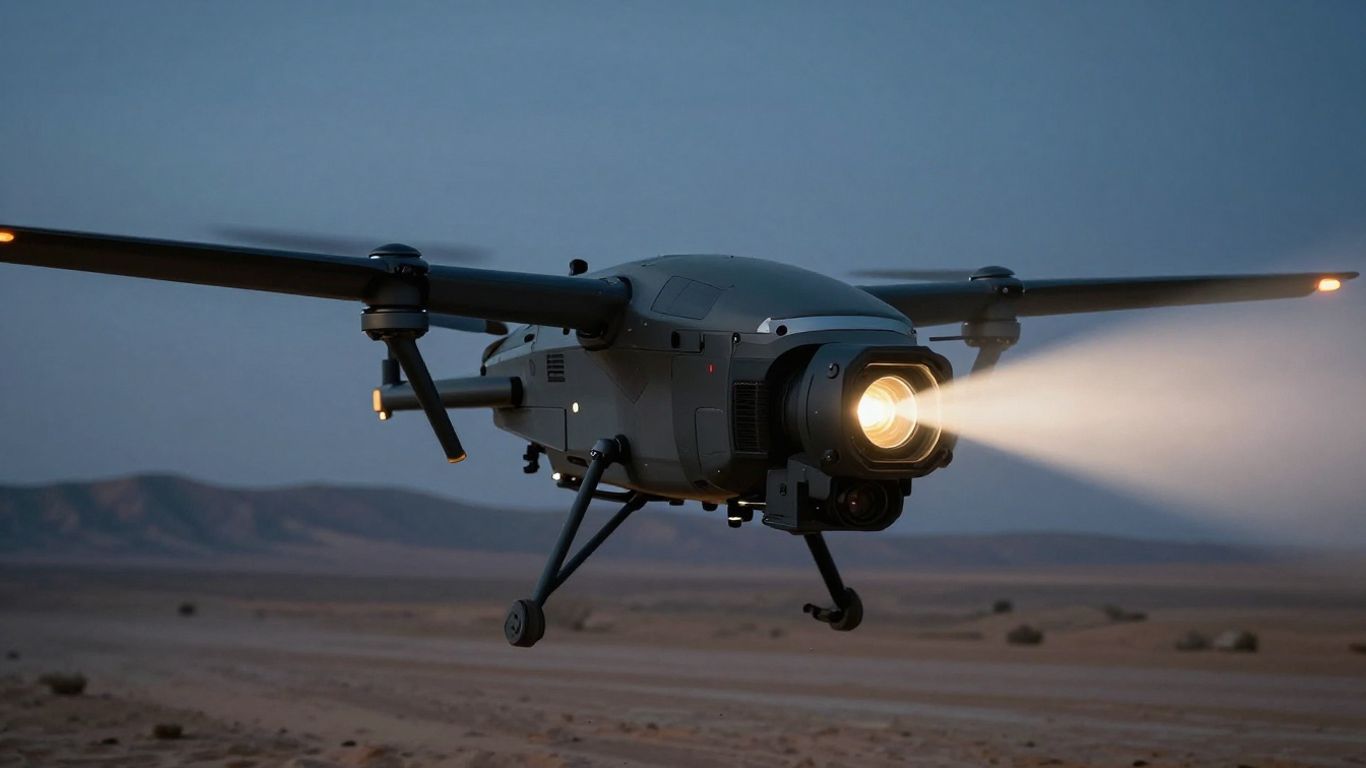
Power lines and transmission infrastructure operate under constant stress from environmental factors and electrical load. Thermal cameras, often mounted on drones or vehicles, can quickly survey vast networks of power lines, identifying issues like corroded connectors, damaged insulators, or vegetation encroachment that could lead to faults. Detecting these problems early means maintenance crews can address them during scheduled inspections, rather than dealing with emergency repairs after a line failure. This not only saves money but also improves the overall efficiency of power delivery. Regular inspections can help identify areas that might need preventive maintenance.
Detecting Gas Leaks in Refineries and Plants
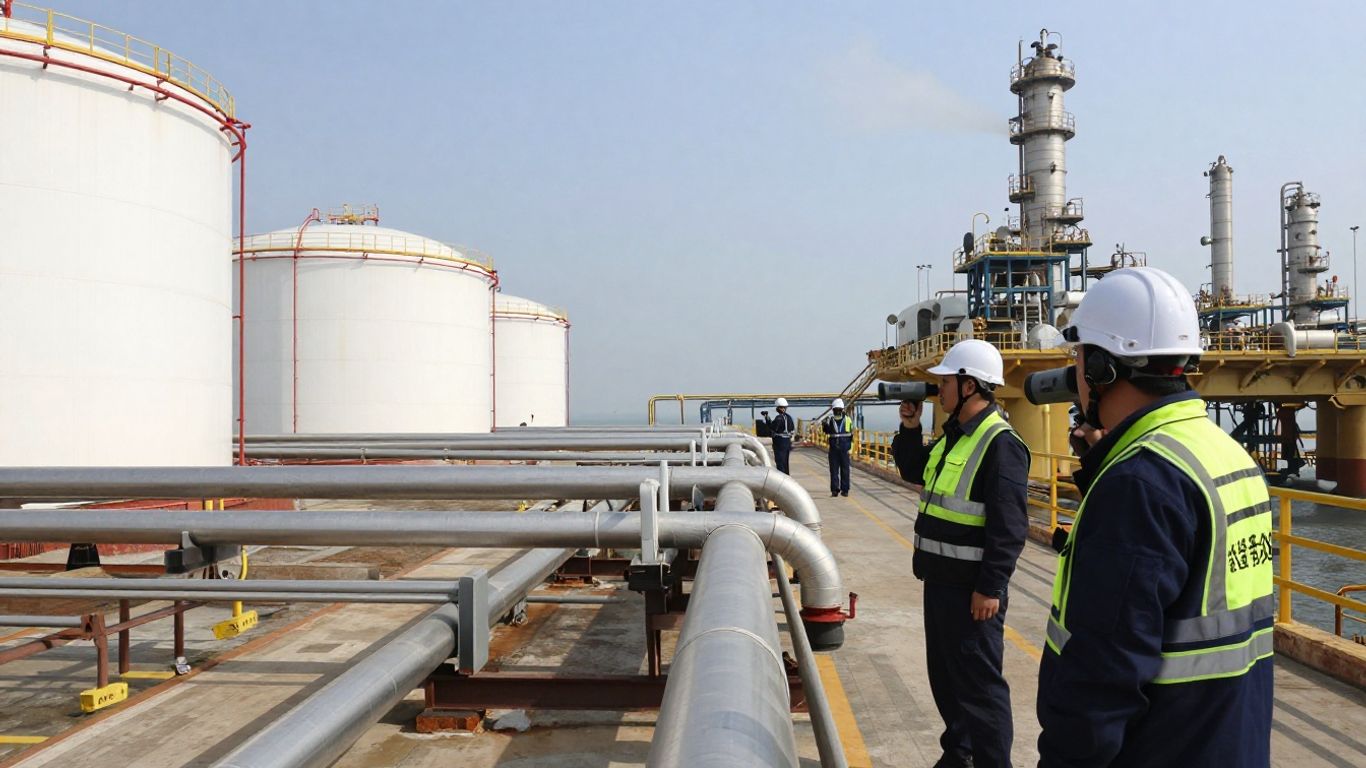
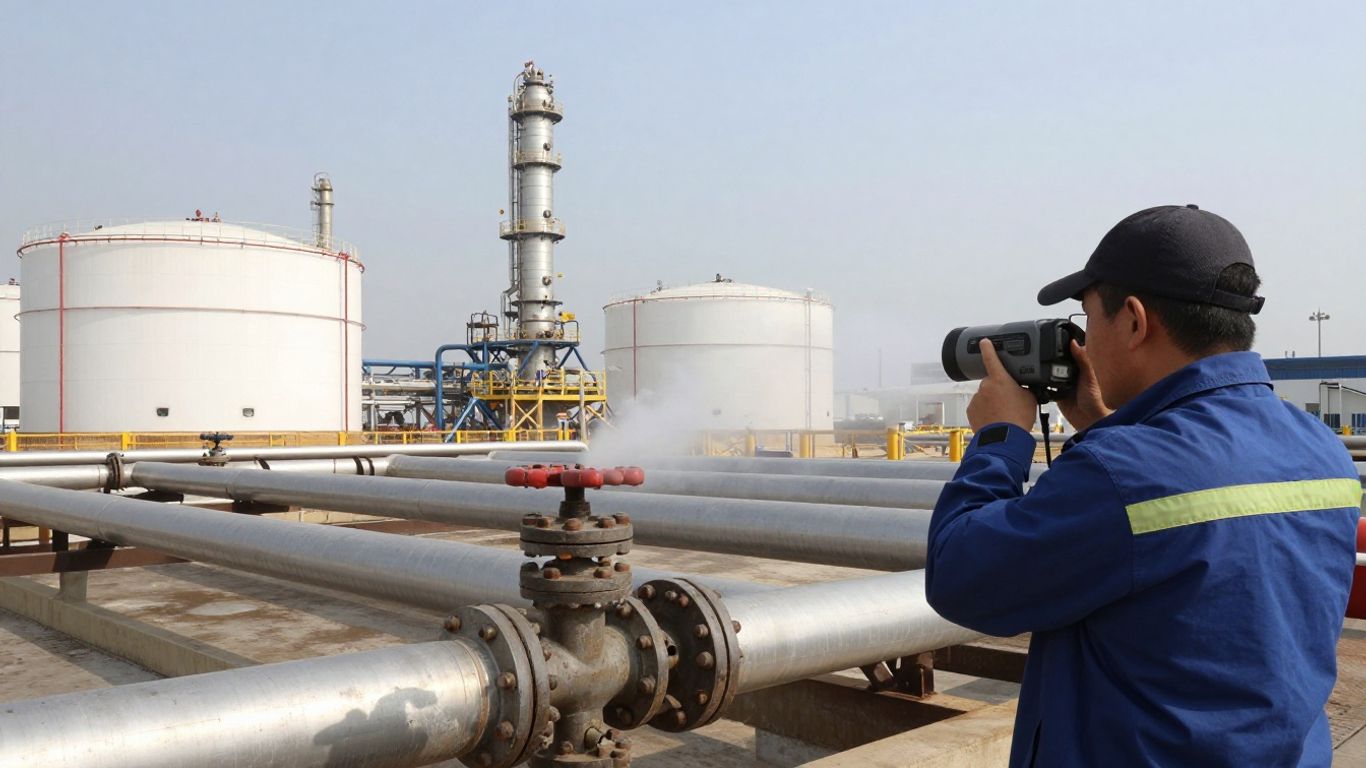
In the oil, gas, and chemical industries, the detection of gas leaks is critical for safety, environmental protection, and operational efficiency. Specialized optical gas imaging cameras, a type of thermal camera, can visualize invisible gas plumes. This allows operators in refineries and plants to quickly pinpoint the source of leaks, whether it's from pipes, valves, or storage tanks. Unlike traditional methods that might require shutting down parts of the facility or using handheld detectors, thermal imaging provides a continuous, non-contact way to survey large areas. This capability is essential for meeting regulatory requirements and minimizing the release of harmful or valuable gases into the atmosphere. Early detection of even small leaks can prevent larger environmental incidents and significant financial losses.
Advancements in Infrared Thermal Imaging Camera Technology
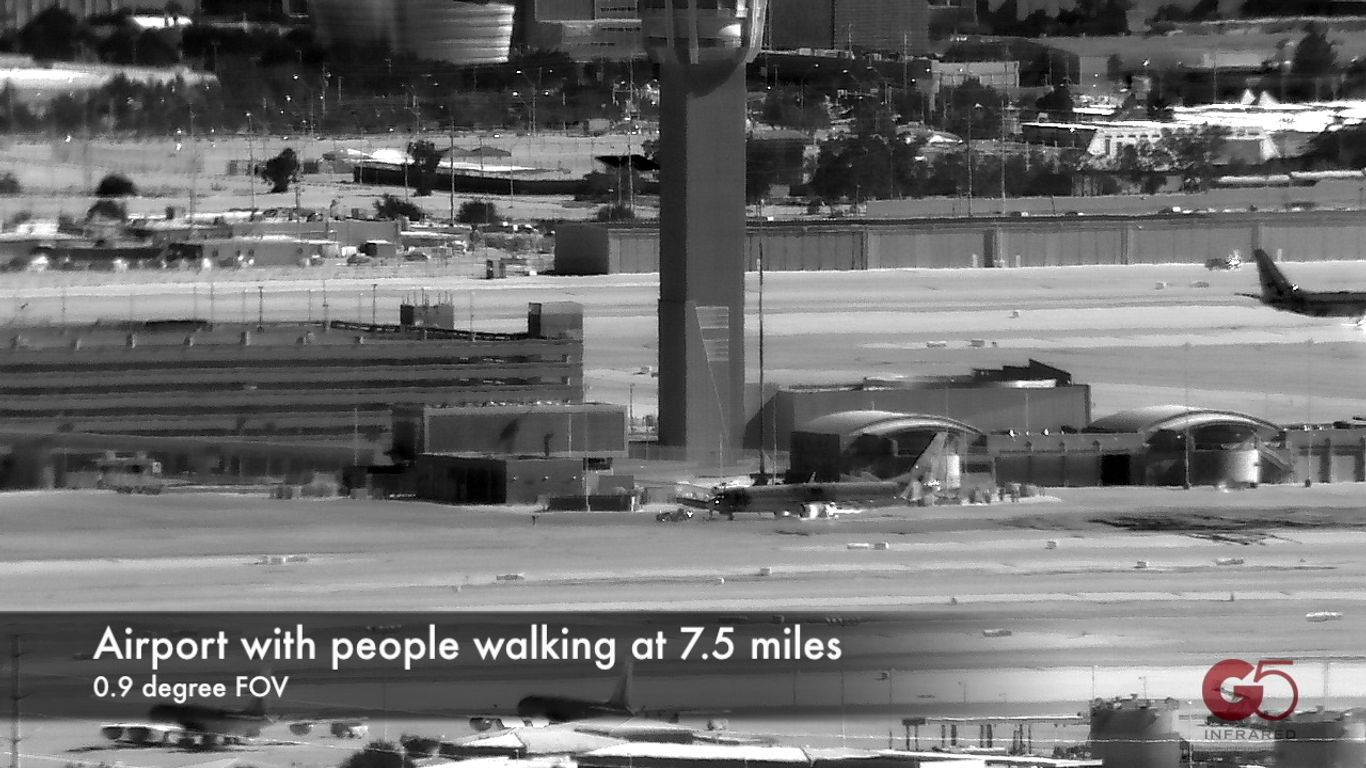
Modern infrared thermal imaging cameras are way more advanced than they used to be. It's not just about pointing a camera and seeing a hot spot anymore. These systems are getting smarter, more connected, and a lot more precise, which really helps in industrial settings.
Integrating Thermal Data with Maintenance Systems
One big step forward is how thermal cameras now talk to other maintenance software. Instead of just getting a thermal picture, the data can be fed directly into systems that track equipment health. This means that when a camera spots a temperature issue, that information can automatically update a maintenance log or even create a work order. It makes the whole process of predictive maintenance smoother.
-
Automated Data Entry: Thermal readings are logged automatically, reducing manual input errors.
-
Trend Analysis: Software can track temperature changes over time, showing how equipment is degrading.
-
Work Order Generation: Issues flagged by thermal imaging can directly trigger maintenance requests.
Real-Time Monitoring and Automatic Alerts
Another cool development is the ability for these cameras to monitor things constantly and send alerts. Imagine a critical piece of equipment that needs to stay within a certain temperature range. A modern thermal camera can watch it 24/7. If the temperature goes too high or too low, it can send an alert right to a technician's phone or a control room computer. This means problems can be caught and fixed almost immediately, way before they cause a breakdown.
High-Resolution Sensors for Precise Measurement
The sensors inside these cameras are getting much better too. Higher resolution means they can see smaller details and detect smaller temperature differences. This is super important for spotting tiny issues, like a slightly loose connection in an electrical panel or early signs of wear in a small bearing. More pixels and better sensitivity let us see problems that might have been missed with older, lower-resolution cameras. This precision is key for really advanced diagnostics where even small temperature variations matter.
Cost-Benefit Analysis of Industrial Thermal Imaging Solutions
Implementing infrared thermal imaging cameras in an industrial setting might seem like a significant upfront investment, but the financial advantages it brings often far outweigh the initial costs. Think about it: when a piece of equipment fails unexpectedly, it doesn't just mean a repair bill. You're also looking at lost production time, potential damage to other parts of the system, and maybe even safety hazards for your team. Thermal imaging helps you sidestep a lot of these problems.
Dramatic Cost Reduction Through Preventive Action
One of the biggest wins with thermal imaging is how it helps prevent costly breakdowns. By spotting issues like loose electrical connections or worn-out bearings early on, you can fix them during planned maintenance. This is way cheaper than dealing with an emergency repair. Studies show that predictive maintenance programs, which heavily rely on tools like thermal cameras, can cut maintenance costs by 30% to 40% compared to just waiting for things to break.
Here’s a quick look at how that plays out:
-
Early Detection: Identifying hot spots in electrical panels or unusual heat from a motor bearing weeks or months before failure.
-
Planned Repairs: Scheduling maintenance during a convenient shutdown period, rather than an emergency stop.
-
Reduced Parts & Labor: Fixing a small issue is almost always less expensive than replacing a major component or dealing with secondary damage.
Return on Investment for Thermal Imaging Implementation
So, how quickly do you see your money back? For many facilities, the return on investment (ROI) for thermal imaging systems comes in pretty fast, often within 12 to 18 months. This is achieved through a combination of reduced repair expenses, less downtime, and improved operational efficiency. The market for these cameras is growing rapidly, which tells you a lot of companies are seeing the financial sense in them. When you factor in the cost of a single major equipment failure or a production line stoppage, the investment in thermal imaging starts looking like a smart business decision.
Savings Over Reactive Maintenance Approaches
Traditional maintenance often follows a reactive model: fix it when it breaks. This approach is inherently inefficient and expensive. Thermal imaging shifts this paradigm to a proactive, condition-based strategy. Instead of guessing when maintenance is needed, you're using actual data from the equipment's thermal performance. This means:
-
Optimized Maintenance Schedules: Maintenance is performed based on the equipment's actual condition, not just a calendar date.
-
Minimized Unplanned Downtime: By catching problems early, you significantly reduce the chances of unexpected shutdowns, which can cost thousands per hour.
-
Extended Equipment Lifespan: Regular, timely interventions prevent minor issues from escalating into catastrophic failures, allowing machinery to operate reliably for longer periods.
Thinking about how much money industrial thermal imaging can save? It's a smart move for businesses looking to cut costs and improve operations. These tools help spot problems early, preventing bigger, more expensive issues down the road. Want to learn more about how these systems can benefit your company? Visit our website today to explore our solutions!
The Enduring Value of Thermal Imaging
So, we've looked at how these thermal cameras are really changing the game for keeping industrial equipment running smoothly. They spot problems early, way before things break down completely. This means less downtime, fewer costly emergency repairs, and generally safer workplaces. It’s not just about fixing things when they’re broken anymore; it’s about knowing what’s going on before it becomes a big issue. As the technology gets better and more affordable, it’s becoming a standard tool for any serious maintenance operation. Basically, if you’re running an industrial facility, ignoring thermal imaging is probably not the smartest move for your bottom line or your team's safety. Visit LightPath.com to learn more about advanced thermal imaging solutions.
Frequently Asked Questions
What exactly is thermal imaging and how does it help find problems?
Thermal imaging uses special cameras to see heat that things give off. Everything has heat, but when something is about to break or isn't working right, it often gets hotter or colder than it should. These cameras make a picture showing these hot and cold spots, like a heat map. This helps us find problems, like loose wires or worn-out parts, before they cause bigger issues.
How can thermal cameras help keep machines running smoothly?
These cameras are great for checking machines that move, like motors or pumps. When parts inside start to wear down, they usually create extra heat. Thermal cameras can spot this extra heat early on, sometimes weeks or months before the machine actually breaks. This means we can fix the part during a planned stop, instead of dealing with a surprise breakdown that stops everything.
Are thermal cameras useful for checking electrical systems?
Yes, electrical systems are one of the best places to use thermal cameras. Wires and connections that are loose or overloaded get very hot. A thermal camera can easily see these 'hot spots' that could lead to a fire or power failure. It's a safe way to check electrical gear without having to turn it off or get too close.
Can thermal imaging help save money for a company?
Definitely! By finding problems early, companies can fix them when it's cheaper and easier. This prevents major breakdowns that cause costly downtime and lost production. Many companies save a lot of money on repairs and avoid unexpected shutdowns, which makes their operations run much better.
Is thermal imaging technology difficult to use in tough factory settings?
Modern thermal cameras are built tough for factories. They can handle dust, heat, and other challenging conditions. While it's important to make sure they are set up correctly and checked regularly, they are designed to work reliably in busy industrial places. They also help keep workers safer by letting them check equipment from a distance.
What kind of new features are being added to thermal cameras?
New thermal cameras are getting smarter. Some can now connect to computer systems that manage maintenance, sending alerts automatically when they detect a problem. Others have even sharper pictures to see even smaller details. This makes it easier to keep a constant eye on important equipment and react quickly when needed.