
You're probably familiar with how industrial companies try to keep their machines running smoothly. For a long time, this meant waiting for something to break and then fixing it. This approach, however, often leads to unexpected shutdowns and costly repairs. Now, there's a smarter way. Thermal imaging systems let you see heat, which can tell you a lot about how your equipment is doing, even before a problem shows up. This article will walk you through how these systems work and why they're becoming so important for keeping factories and plants running efficiently. We'll look at the core ideas behind thermal imaging for maintenance, where it's used most, and the real benefits you can expect.
Key Takeaways
- Thermal imaging helps spot equipment issues by detecting heat differences, allowing for repairs before major breakdowns occur.
- These systems are used in many areas, including electrical checks, monitoring moving parts like motors and pumps, and looking at process equipment.
- Using thermal imaging for maintenance can significantly cut costs, improve worker safety by allowing remote checks, and reduce unexpected downtime.
- Modern thermal cameras offer features like real-time alerts and data logging, which help track equipment health over time.
- Implementing a thermal monitoring program involves understanding which equipment is most critical and setting up baseline temperature readings to spot changes.
Understanding the Principles of Thermal Imaging for Predictive Maintenance
Thermal imaging systems are a cornerstone of modern predictive maintenance strategies, offering a non-intrusive way to assess equipment health. These systems operate by detecting infrared radiation, which is emitted by all objects with a temperature above absolute zero. When equipment begins to malfunction, it often generates excess heat due to increased friction, electrical resistance, or mechanical stress. Thermal cameras capture this emitted infrared radiation and translate it into a visual representation, typically a thermographic image, where different colors correspond to different temperature levels.
Detecting Infrared Radiation for Anomaly Identification
At its core, thermal imaging technology detects infrared radiation. Every object radiates thermal energy, and the intensity of this radiation is directly related to its temperature. Thermal cameras are designed to sense this infrared spectrum, which is invisible to the human eye. By analyzing the patterns of this radiation, maintenance professionals can identify areas that are hotter or colder than their surroundings. These temperature differences, or anomalies, are often the first indicators of an impending equipment failure. For instance, a loose electrical connection will typically show a higher temperature than a properly seated one due to increased resistance. Similarly, a bearing in a motor that is starting to fail will often generate more heat than a healthy bearing.
Translating Heat Signatures into Actionable Data
The raw data from a thermal camera, the thermographic image, needs to be interpreted to become useful. Advanced software associated with these systems allows for the translation of heat signatures into actionable data. This involves:
- Quantifying Temperature: Precisely measuring the temperature of specific points or areas within the image.
- Pattern Recognition: Identifying deviations from normal operating temperatures or expected thermal patterns.
- Comparison and Trending: Comparing current readings against historical data or established baseline measurements to detect gradual changes over time.
This translation process transforms a visual heat map into concrete information that maintenance teams can use to diagnose issues and plan interventions. For example, a consistent rise in the temperature of a motor bearing over several inspections might indicate a lubrication issue or impending bearing failure, prompting a scheduled maintenance action.
The Role of Temperature Anomalies in Failure Prediction
Temperature anomalies are the primary indicators that thermal imaging systems use for failure prediction. As equipment degrades, its operational efficiency often decreases, leading to increased energy consumption in the form of heat. These temperature anomalies serve as early warning signs:
- Hot Spots: Indicate increased electrical resistance, friction, or poor heat dissipation. These are common in electrical systems (loose connections, overloaded circuits) and mechanical systems (bearings, gears).
- Cold Spots: Can indicate issues like blockages in fluid systems, reduced insulation effectiveness, or areas where heat transfer is not occurring as it should.
- Uneven Temperature Distribution: In components like heat exchangers or motors, an uneven pattern can suggest internal issues such as fouling, damage, or uneven wear.
By detecting these anomalies early, often weeks or months before a catastrophic failure occurs, maintenance teams can schedule interventions during planned downtime. This proactive approach, facilitated by thermal imaging technology, significantly reduces the likelihood of unexpected breakdowns, minimizes production losses, and extends the operational life of critical assets. If you are interested in implementing such advanced monitoring solutions, consider reaching out to experts at https://www.lightpath.com/contact.
Key Industrial Applications of Thermal Imaging Systems
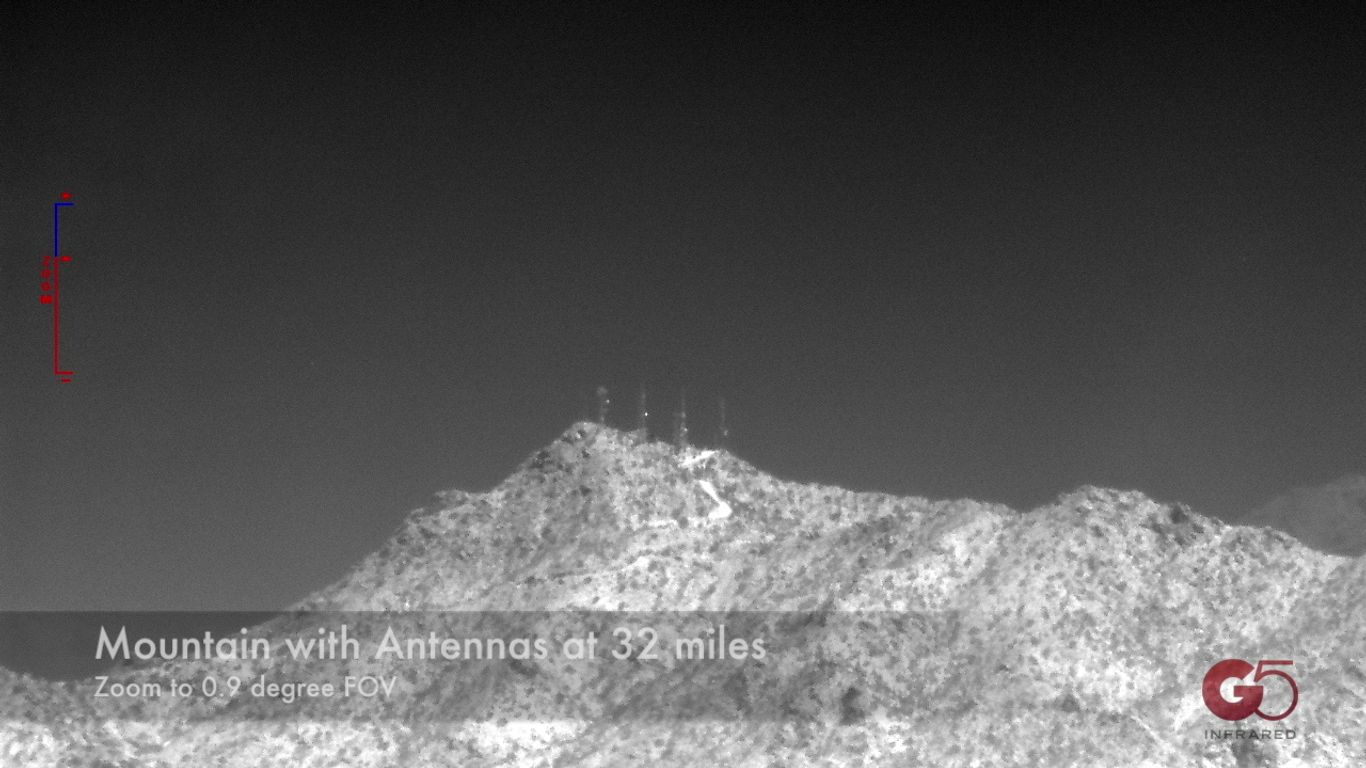
Thermal imaging systems have become indispensable tools across a wide spectrum of industrial operations, offering a non-contact method to identify potential issues before they escalate into costly failures. You can apply this technology to several critical areas to bolster reliability and safety.
Electrical System Monitoring and Safety
Electrical systems are a prime area where thermal imaging demonstrates its value. Loose connections, overloaded circuits, and degrading components often generate excess heat, creating "hot spots" that are invisible to the naked eye. Thermal cameras can detect these anomalies from a safe distance, allowing maintenance teams to identify problems in switchgear, motor control centers, and distribution panels without shutting down equipment or exposing personnel to arc flash hazards. This proactive approach significantly reduces the risk of electrical fires and unplanned outages.
- Identify loose connections: Detect increased resistance at terminal blocks or connectors.
- Spot overloaded circuits: Identify components drawing more current than they are designed for, leading to overheating.
- Monitor component degradation: Observe signs of wear or impending failure in breakers, fuses, and transformers.
Rotating Machinery Health Assessment
Industrial facilities rely heavily on rotating equipment such as motors, pumps, compressors, and fans. Thermal imaging can provide early warnings of developing issues in these machines. For instance, worn bearings often generate more friction, leading to a temperature increase that a thermal camera can detect. Similarly, misalignment or lubrication problems can manifest as abnormal heat patterns. By monitoring these thermal signatures, you can schedule maintenance before a component fails catastrophically, preventing extensive damage and costly downtime.
Process Equipment and Heat Exchanger Performance
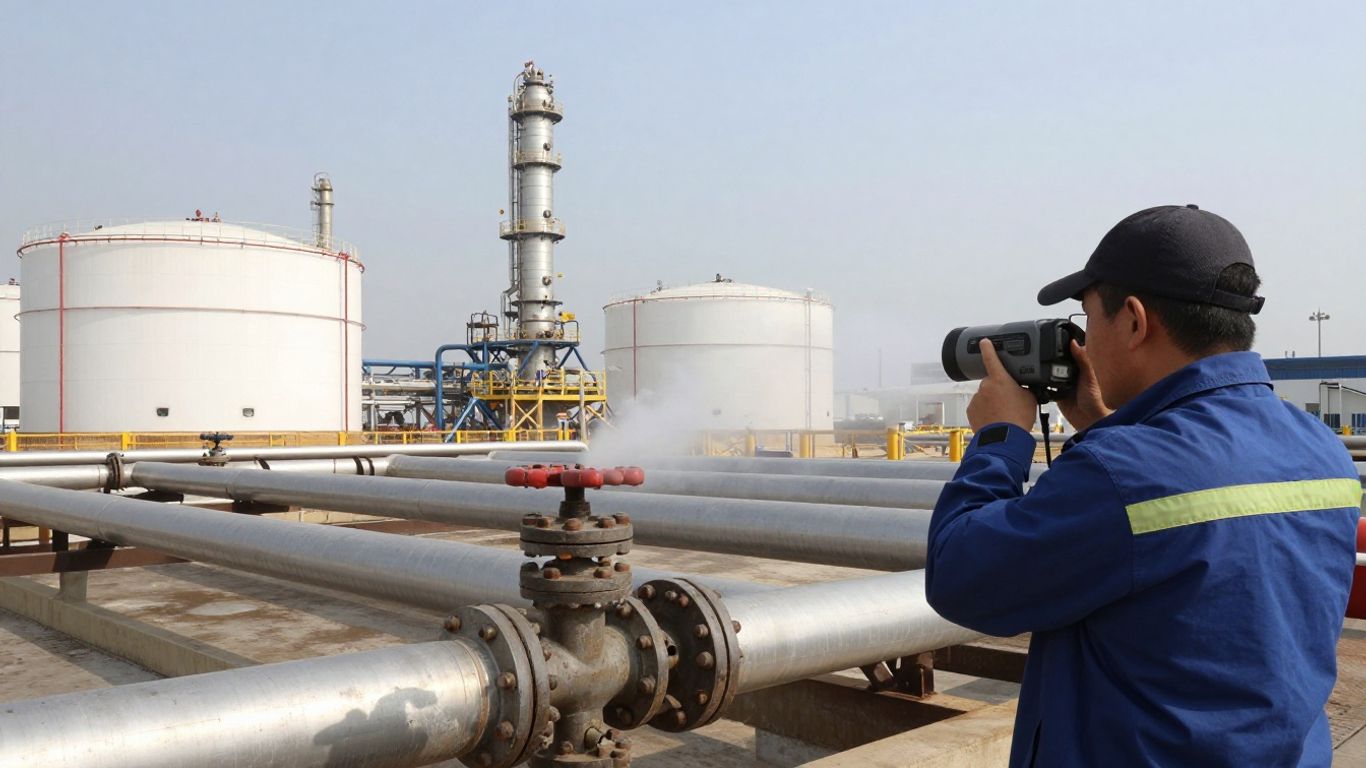
Beyond electrical and mechanical systems, thermal imaging is also effective for monitoring process equipment. In heat exchangers, for example, thermal cameras can reveal blockages or fouling by showing uneven temperature distribution across the unit. This allows for targeted cleaning or repair, optimizing heat transfer efficiency and preventing process disruptions. Similarly, you can use thermal imaging to check the integrity of insulation on pipes and vessels, identifying areas where heat is being lost unnecessarily, which impacts energy efficiency and operational costs.
Benefits of Implementing Thermal Imaging in Industrial Settings
Implementing thermal imaging systems in your industrial operations can lead to substantial improvements across several key areas. By shifting from reactive repairs to a proactive, condition-based approach, you can significantly impact your bottom line and operational efficiency.
Significant Cost Reduction Through Proactive Intervention
One of the most compelling advantages of thermal imaging is its ability to drastically cut maintenance costs. Traditional maintenance often involves waiting for equipment to fail before addressing it, leading to expensive emergency repairs, extensive downtime, and potential secondary damage. Thermal imaging allows you to identify potential issues, such as loose electrical connections or failing bearings, by detecting the excess heat they generate. This early detection means you can schedule repairs during planned downtime, using less costly replacement parts and labor. Studies indicate that facilities can achieve maintenance cost savings of 30-40% by addressing problems before they escalate into major failures. This proactive strategy prevents catastrophic breakdowns, which can cost far more in lost production and extensive repairs than the initial investment in thermal monitoring.
Enhanced Operational Safety and Remote Monitoring
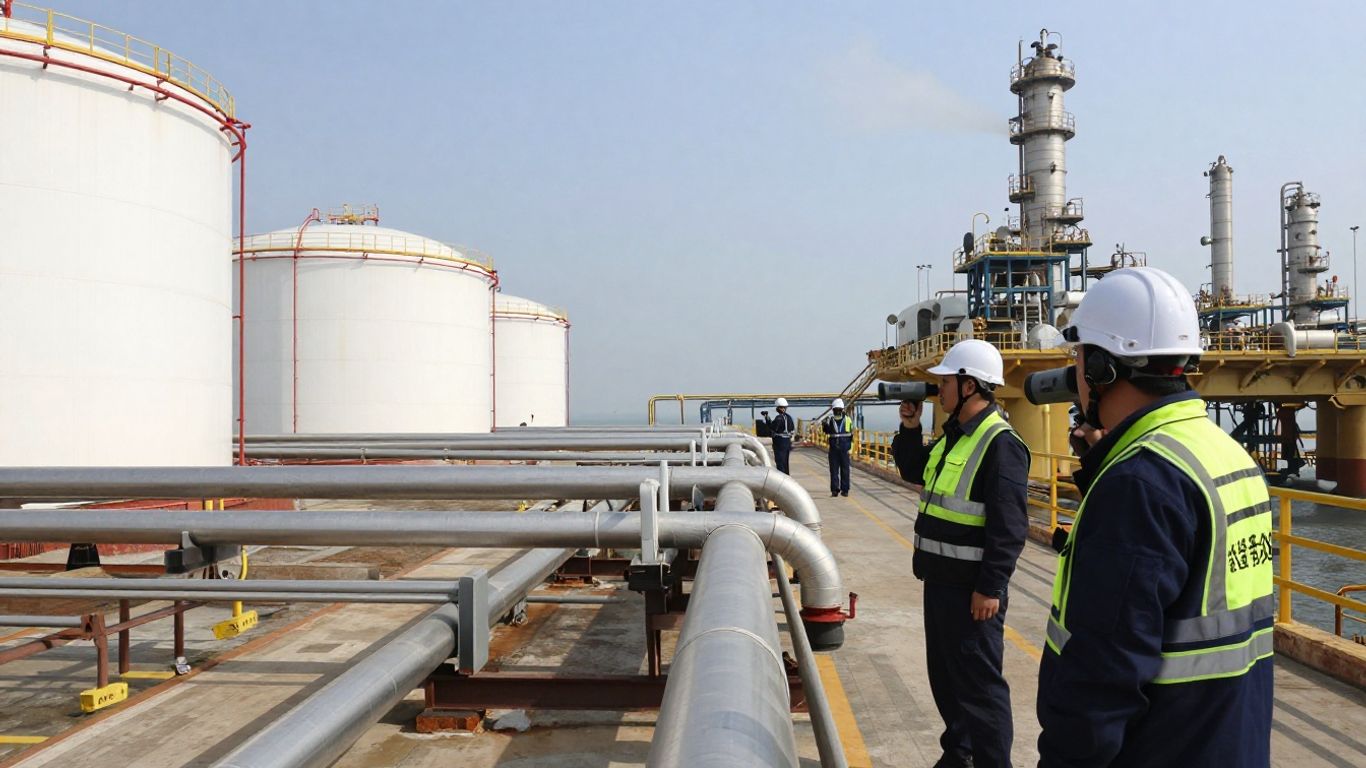
Safety is paramount in any industrial setting. Thermal imaging systems provide a non-contact method for inspecting equipment, which is particularly beneficial for high-voltage electrical systems or machinery operating in hazardous environments. Your maintenance teams can assess the thermal condition of critical assets from a safe distance, eliminating the need to shut down operations or expose personnel to arc flash hazards or dangerous moving parts. This remote monitoring capability not only protects your workforce but also allows for more frequent and thorough inspections without compromising operational continuity.
Minimizing Production Disruptions and Downtime
Unplanned downtime is a major drain on productivity and profitability. When equipment fails unexpectedly, production lines can halt, leading to missed deadlines and customer dissatisfaction. Thermal imaging helps you move towards planned maintenance by providing clear indicators of developing problems. By identifying thermal anomalies weeks or even months before a failure occurs, you can schedule interventions during planned maintenance windows. This strategic scheduling can reduce unplanned downtime by up to 50%, ensuring more stable production schedules and consistent output.
Extending Equipment Lifespan and Reliability
Regularly monitoring equipment health with thermal imaging contributes directly to extending its operational life. By catching issues like overheating components, poor lubrication, or electrical stress early, you prevent the cumulative damage that leads to premature equipment failure. Instead of replacing assets prematurely, you can perform targeted maintenance that addresses the root cause of the problem. This approach not only saves on capital expenditure for new equipment but also increases the overall reliability and longevity of your existing machinery, leading to more consistent performance over time.
Advanced Features Enhancing Industrial Thermal Monitoring
Real-Time Monitoring and Automated Alerting Systems
Modern thermal imaging systems go beyond simple snapshots. They offer continuous, real-time monitoring of your critical assets. Imagine your equipment being watched 24/7 without needing constant human oversight. When a temperature threshold is breached, indicating a potential issue, these systems can automatically trigger alerts. This immediate notification allows your maintenance teams to respond rapidly, often before a minor anomaly becomes a major problem. This proactive approach is key to preventing unexpected failures and costly damage.
Data Logging and Trend Analysis Capabilities
Beyond immediate alerts, advanced thermal systems meticulously log temperature data over time. This historical record is incredibly useful for trend analysis. You can observe gradual changes in equipment temperature, which often signal developing wear or degradation long before it's visible through other means. By comparing current readings against established baseline measurements and normal operating patterns, you can accurately predict when maintenance will be needed. This moves your maintenance strategy from a reactive or time-based approach to a truly condition-based one, optimizing your resources and preventing unnecessary interventions.
Integration with Maintenance Management Systems
To truly maximize the value of thermal imaging, these systems can be integrated with your existing Computerized Maintenance Management Systems (CMMS) or Enterprise Asset Management (EAM) platforms. This integration allows thermal data to be combined with other sensor inputs and maintenance records. You get a more complete picture of your equipment's health, which informs better maintenance decisions. For example, a thermal anomaly flagged by the camera can automatically generate a work order in your CMMS, streamlining the entire maintenance workflow. This connected approach ensures that thermal insights are acted upon efficiently and effectively.
To learn more about how these advanced features can benefit your operations, please contact us at https://www.lightpath.com/contact.
Strategic Implementation of Thermal Monitoring Programs
Implementing a thermal monitoring program effectively requires careful planning to get the most out of your investment. It's not just about buying cameras; it's about integrating them into your existing maintenance strategy. You need to think about which equipment matters most and how you'll use the data you collect.
Assessing Equipment Criticality and Prioritization
Not all equipment is created equal when it comes to maintenance. Some machines, if they fail, can bring your whole operation to a halt. Others might have a smaller impact. Your first step should be to identify these critical assets. Think about:
- Production Bottlenecks: Which machines are absolutely essential for your main production line? If these go down, everything stops.
- Safety Systems: Any equipment tied to safety protocols or emergency shutdowns needs top priority. A failure here could have serious consequences.
- High-Cost Assets: Consider the expense of replacing or repairing major pieces of equipment. Preventing a failure on a costly machine often provides a quick return on investment.
By focusing your initial thermal imaging efforts on these high-priority items, you can demonstrate the program's value quickly and build momentum for broader implementation.
Establishing Baseline Measurements and Normal Operating Patterns
Once you know what to look at, you need to understand what 'normal' looks like for that equipment. Thermal imaging works best when you can compare current readings to established patterns. This means:
- Initial Scans: Conduct thorough thermal scans of your critical equipment when it's operating under typical conditions. Capture images during different shifts or load levels if your operations vary.
- Data Recording: Log these baseline temperatures and thermal patterns. Note the ambient temperature, load, and any other relevant operating parameters at the time of the scan.
- Trend Analysis: Over time, you'll build a history of normal operation. This allows you to spot deviations – a gradual temperature increase in a bearing, for example – that might indicate an impending issue long before it becomes a failure.
Without these baselines, it's much harder to tell if a temperature reading is a cause for concern or just a normal fluctuation.
Optimizing Resource Allocation for Maintenance Teams
Thermal imaging helps you move away from guesswork and toward data-driven maintenance. This means your maintenance team can work more efficiently.
- Targeted Repairs: Instead of performing routine checks on every piece of equipment on a fixed schedule, your team can focus their time and resources on the assets that the thermal data indicates actually need attention.
- Planned Interventions: By identifying potential problems early, you can schedule maintenance during planned downtime. This avoids costly emergency repairs and minimizes disruption to production.
- Skill Development: Training your team on how to use thermal cameras and interpret the data ensures they can effectively contribute to the predictive maintenance program. This builds internal capability and confidence.
Implementing a structured thermal monitoring program, starting with critical equipment and establishing clear operational baselines, allows you to allocate your maintenance resources more effectively. If you're looking to implement such a program, consider reaching out to experts for guidance at https://www.lightpath.com/contact.
The Growing Market and Future of Industrial Thermal Imaging
Market Growth Driven by Predictive Maintenance Needs
The industrial thermal imaging market is experiencing significant expansion, a trend directly linked to the increasing adoption of predictive maintenance strategies. As facilities recognize the substantial cost savings and operational improvements offered by proactive equipment monitoring, the demand for thermal imaging systems continues to rise. Projections indicate a robust growth trajectory, with the market expected to expand considerably in the coming years. This expansion is not merely about acquiring new technology; it represents a fundamental shift in how industries approach equipment upkeep, moving away from reactive repairs towards condition-based interventions.
Technological Advancements in Thermal Camera Systems
Innovations in thermal camera technology are continuously enhancing their capabilities and accessibility for industrial applications. Modern systems offer higher resolution, improved sensitivity, and more advanced analytical features. These advancements include:
- Real-time Monitoring and Automated Alerting Systems: Continuous surveillance of critical assets with immediate notifications when temperature anomalies are detected, allowing for rapid response.
- Data Logging and Trend Analysis Capabilities: The ability to record temperature data over time, enabling the identification of gradual degradation patterns and the prediction of future maintenance needs.
- Integration with Maintenance Management Systems: Seamless connection with existing CMMS or EAM platforms, consolidating data for a holistic view of equipment health and maintenance planning.
These technological leaps make thermal imaging more practical, effective, and integrated into daily maintenance workflows.
Transforming Traditional Maintenance Strategies
The integration of thermal imaging is fundamentally reshaping traditional maintenance practices. Instead of relying on fixed schedules or waiting for equipment failures, industries are adopting a more intelligent, data-driven approach. This transformation allows for:
- Optimized Resource Allocation: Maintenance teams can focus their efforts on equipment that genuinely requires attention, rather than performing unnecessary work on healthy assets.
- Enhanced Safety Protocols: Non-contact monitoring reduces the risk of personnel exposure to hazardous environments or energized equipment.
- Extended Equipment Lifespan: Early detection and timely intervention prevent minor issues from escalating into major, costly failures, thereby prolonging the operational life of machinery.
This evolution towards predictive maintenance, powered by thermal imaging, is setting new standards for operational efficiency and reliability in industrial settings. To explore how advanced thermal monitoring solutions can benefit your operations, consider reaching out to our experts at https://www.lightpath.com/contact.
The world of industrial thermal imaging is booming, with new uses popping up all the time. From spotting problems before they get big to making sure things run smoothly, these cameras are becoming super important. As this technology gets better and more common, its future looks really bright. Want to learn more about how these amazing tools can help your business? Visit our website today to explore our solutions!
Looking Ahead: The Future of Thermal Imaging in Maintenance
So, you've seen how thermal imaging systems are really changing the game for industrial maintenance. Instead of waiting for things to break and then scrambling to fix them, you can now spot problems early, often weeks or months before they become big issues. This means fewer surprise breakdowns, safer working conditions because you're not poking around dangerous equipment, and ultimately, a lot more money saved. It's not just about fixing things; it's about keeping everything running smoothly and reliably. As this technology gets even better and more accessible, it's becoming a standard tool for any facility that wants to stay competitive and efficient. You'll likely see it used even more widely as companies realize the clear benefits it brings to the bottom line and overall operations.
Frequently Asked Questions
What exactly is thermal imaging and how does it help with machine upkeep?
Thermal imaging uses special cameras to see heat that objects give off. Think of it like seeing an invisible heat map. When machines start to have problems, they often get hotter because of extra friction or electrical issues. Thermal cameras spot these hot spots, letting you know something might be wrong before it breaks.
Can you give examples of how thermal imaging is used in factories?
Certainly! It's used a lot for checking electrical panels and connections to find loose wires that could cause fires. It also helps monitor moving parts like motors and pumps to see if bearings are getting too hot, which means they might be wearing out. Even things like heat exchangers can be checked to see if they're working right.
What are the main good things about using thermal imaging for maintenance?
The biggest benefits are saving money and making things safer. By catching problems early, you avoid costly emergency repairs and stop unexpected shutdowns that halt production. It also keeps workers safer because you can check equipment from a distance without getting too close to dangerous parts.
Does thermal imaging help machines last longer?
Yes, it really does! When you fix small issues before they become big ones, you prevent major damage. This means your machines don't break down as often and can run for a much longer time. It's like taking care of a small scratch on your car before it turns into a big rust problem.
How does thermal imaging help maintenance teams work smarter?
Instead of checking machines on a fixed schedule, thermal imaging lets you check them based on their actual condition. This means your team can focus their time and effort on the machines that actually need attention, making their work more efficient and effective.
Is thermal imaging a new technology, or is it becoming more common?
Thermal imaging for maintenance is becoming much more common. The technology is improving, and more companies are realizing how much it can help them save money and keep their operations running smoothly. It's changing how factories handle upkeep.