
Key Takeaways
Implementing advanced thermal imaging technology allows industrial facilities to move from costly reactive repairs to highly efficient, proactive maintenance systems.
- Thermal imaging detects potential electrical and mechanical failures weeks or months before they actually occur.
- Non-contact infrared inspections keep maintenance personnel at safe distances from high-voltage and high-temperature hazards.
- Modern thermal monitoring reduces unplanned production downtime by up to 50% and lowers maintenance costs by 30-40%.
- Specialized uncooled and cooled sensor platforms enable reliable deployment in extreme ambient conditions, including deserts and furnaces.
- Incorporating custom infrared optics and durable IP-rated enclosures ensures long-term calibration stability and system accuracy.
The role of thermal imaging in modern industrial maintenance
To remain competitive, modern manufacturing and processing operations must keep their equipment running reliably without unexpected interruptions. Traditional, hands-on diagnostics frequently fall short because they require technicians to touch or halt running assets, which creates unnecessary hazards and limits insights. By adopting comprehensive thermal imaging solutions for industrial operations, companies can instantly view invisible heat patterns and identify early malfunctions.
Shifting from reactive to predictive maintenance strategies
Utilizing thermal imaging solutions for industrial facilities completely changes how facilities manage scheduled maintenance. Rather than waiting for a component to fail unexpectedly or relying on arbitrary calendar schedules, maintenance teams monitor equipment based on real-world conditions. These highly specialized thermal cameras capture infrared radiation emitted by assets to detect microscopic thermal anomalies before physical symptoms appear. This structural shift moves maintenance efforts away from urgent, high-stressed emergency repairs to organized, planned interventions during normal operational pauses.
Economic impact of reducing unplanned downtime and repair costs
Sudden equipment failures cost heavy industries millions of dollars every year in lost manufacturing capacity and emergency technician labor. Statistics indicate that properly implemented predictive maintenance integrations reduce overall maintenance expenditure by 30% to 40% compared to reactive models. Early warnings mean worn-out components are replaced before they fracture, minimizing damage to adjacent machinery. By scheduling a minor part replacement ahead of time, plants avoid the exponential costs of major, emergency-level overhauls.
Non-contact safety advantages for high-voltage and hazardous environments
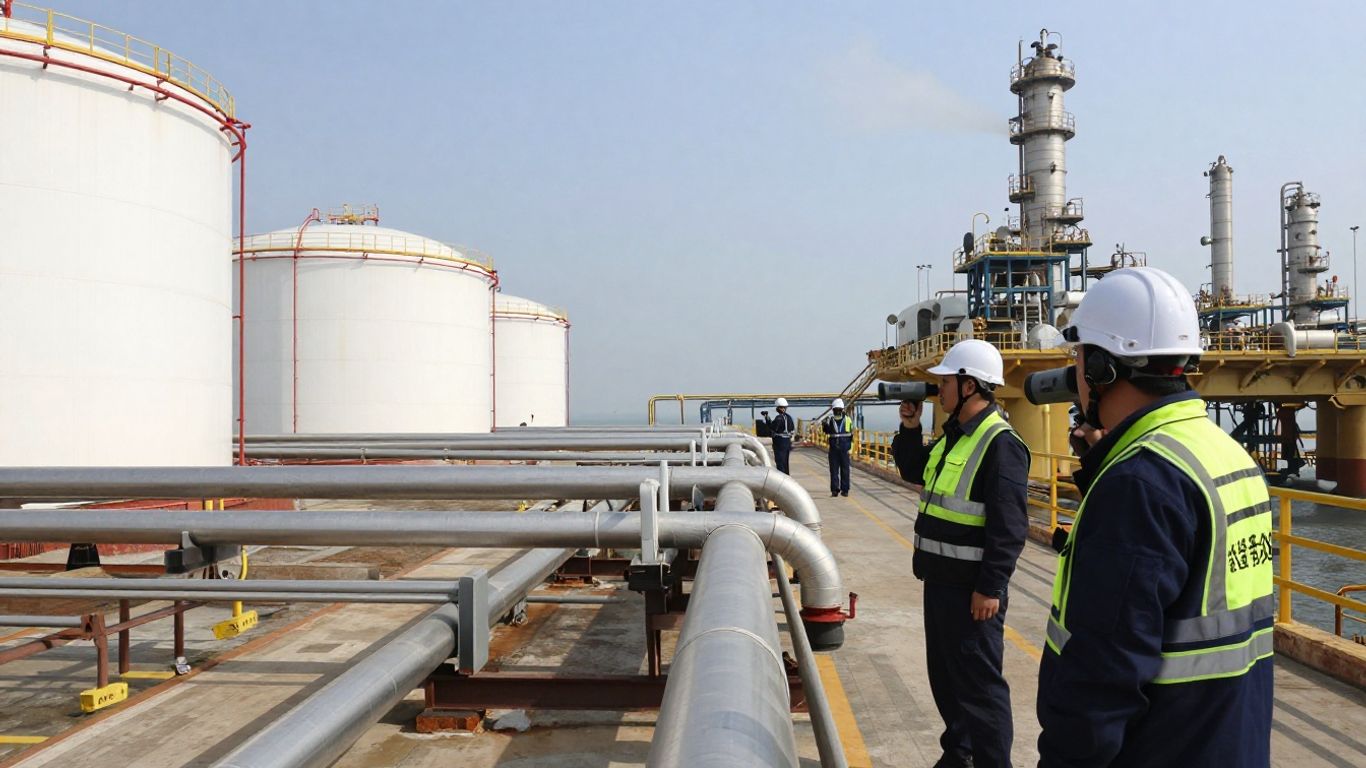
Safety is a paramount concern when inspecting energized high-voltage substations, rapidly rotating machinery, or steam lines. Infrared monitoring offers an inherently safe method for assessing equipment condition from a comfortable physical distance. Technicians can pinpoint developing issues without entering volatile arc flash boundary zones or coming into contact with heavy mechanical drives. This non-contact inspection methodology safeguards highly trained personnel from high temperatures, electrical discharge, and toxic environments while maintaining complete operational clarity.
Comparison of real-time monitoring versus traditional inspection intervals
Traditional maintenance relies heavily on periodic inspections that occur quarterly or annually, creating significant periods of unmonitored operation. Under this outdated model, critical components can degrade rapidly and fail undetected between scheduled technician rounds. Contrastingly, direct real-time fixed-sensor surveillance creates a continuous stream of temperature data. Real-time software monitors these critical trends, enabling systems to flag anomalous shifts immediately rather than relying on the random timing of a human clipboard inspection.
Protecting critical electrical and mechanical assets
Industrial motors, gearboxes, switchgear, and power distribution components operate under demanding workloads that generate clear thermographic heat footprints. When these mechanical and electrical systems begin to experience elevated stress, friction, or electrical resistance, their heat output changes dramatically. Implementing dedicated thermal imaging equipment allows operators to track these shifts continuously.
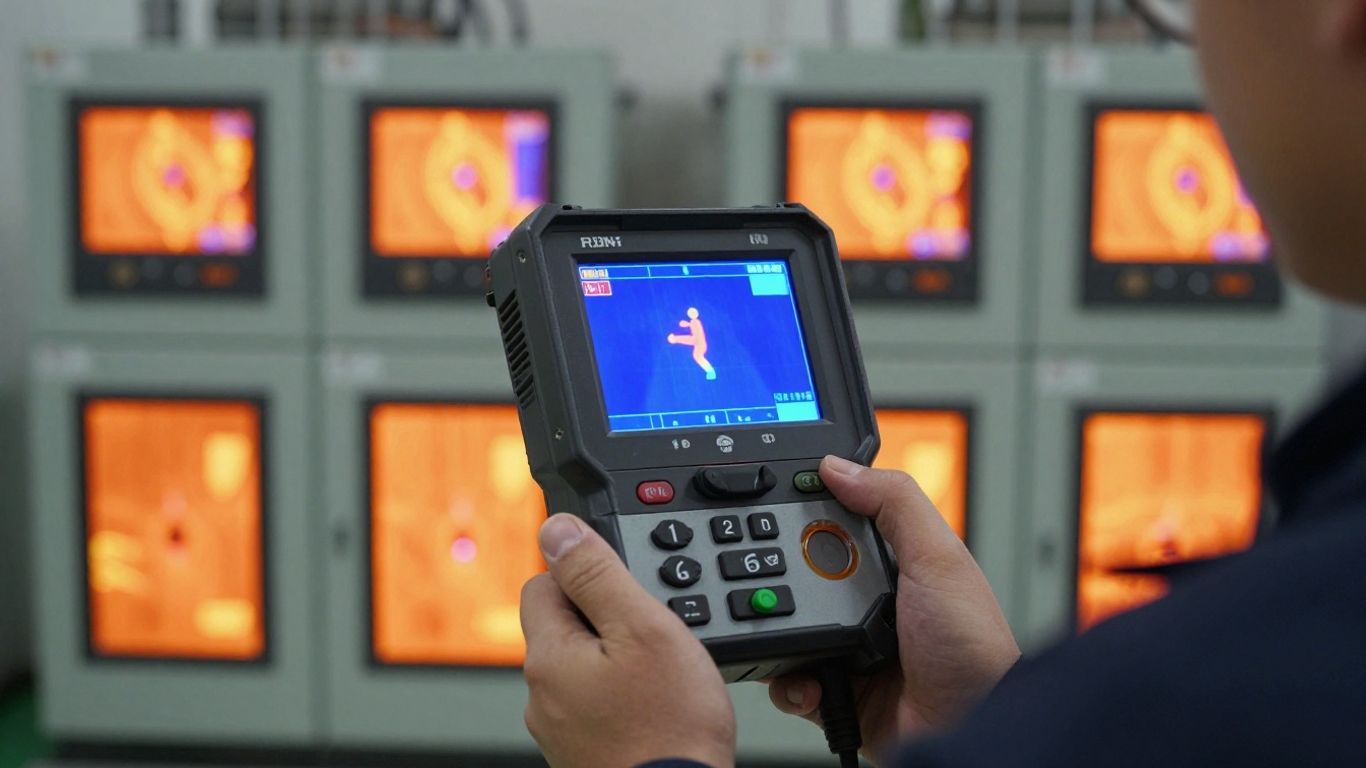
Heat signature profiling of electrical connections and switchgear
Overloaded circuits, loose wiring terminations, and degrading contacts quickly translate into high resistance, which builds up substantial thermal signatures. Thermal cameras excel at capturing these localized hot spots across switchgear assemblies and motor control centers. This visual documentation allows maintenance crews to identify exact problematic terminations that need tightening. Addressing these anomalies immediately prevents widespread, expensive switchgear fires and minimizes systemic power supply interruptions.
Early detection of bearing wear and lubrication failures in rotating machinery
Rotating equipment, including large pumps, fans, and compressors, relies heavily on bearings that must remain properly aligned and well-lubricated. When lubricating fluid breaks down or bearings start experiencing fatigue, friction increases, generating measurable heat weeks before physical vibrations become noticeable. Continuous infrared monitoring recognizes these minor temperature changes, prompting technicians to schedule basic grease replacements or bearing swaps long before catastrophic failure occurs.
Analyzing thermal anomalies in belt drives and coupling alignment
Misaligned shaft packings, worn coupling inserts, and sliding drive belts introduce excessive mechanical resistance that shows up clearly in thermal scans. Technicians use thermal profiles to identify poor alignments by capturing the asymmetric heat dispersion created across the drive mechanisms. Correcting these mechanical variations early protects the primary motor shafts from carrying abnormal structural loads that would otherwise shorten their lifespans.
Mapping temperature distribution patterns in transformers and distribution panels
High-power utility transformers and industrial distribution panels require uniform thermal profiles to operate safely. Our engineers often use detailed thermography to map overall temperature profiles and identify uneven load distributions, internal oil cooling blockages, or degrading insulation barriers. By monitoring these structures, companies can balance phase loads systematically, keeping critical electrical networks operating safely below maximum thermal thresholds.
Optimization of mining and high-temperature processing
Primary material industries like mining, steel manufacturing, and chemical processing operate in extreme conditions that challenge standard diagnostic tools. Monitoring high-temperature reaction vessels, continuous conveyors, and remote assets requires specialized, rugged infrared solutions built to withstand the toughest industrial conditions. Utilizing advanced thermographic sensors allows processing plants to avoid hazardous situations while improving material yield.
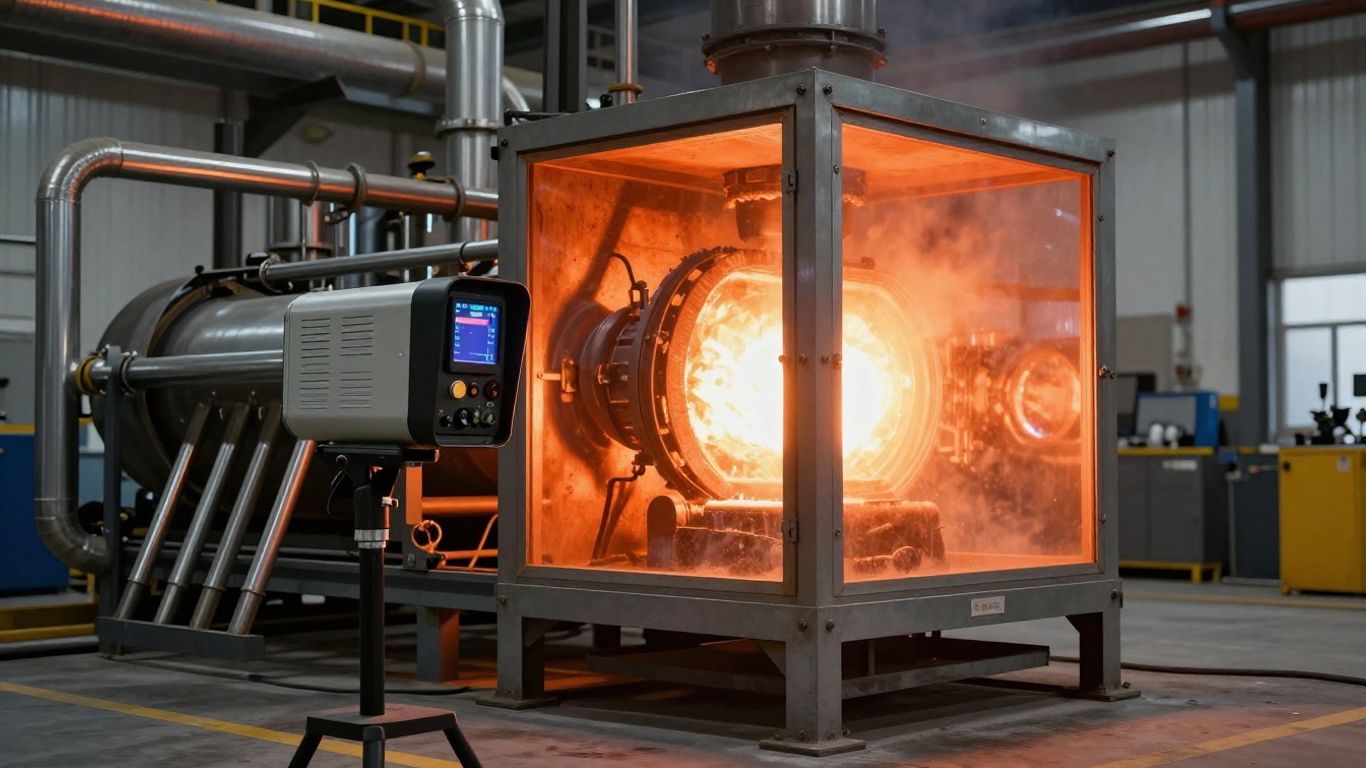
Monitoring thermal stability in industrial furnaces, kilns, and reaction vessels
Processing plants running furnaces, calciners, or high-temperature kilns require constant thermal monitoring to prevent catastrophic refractory linings failure. Standard inline sensors degrade rapidly under these conditions or only read single-point temperatures. Industrial thermal monitoring systems view the outer shell of the vessel to identify structural hot spots indicating insulation degradation. This allows operators to schedule refractory repairs strategically rather than suffering sudden external breaches.
Identifying hazardous gas leaks with optical gas imaging technology
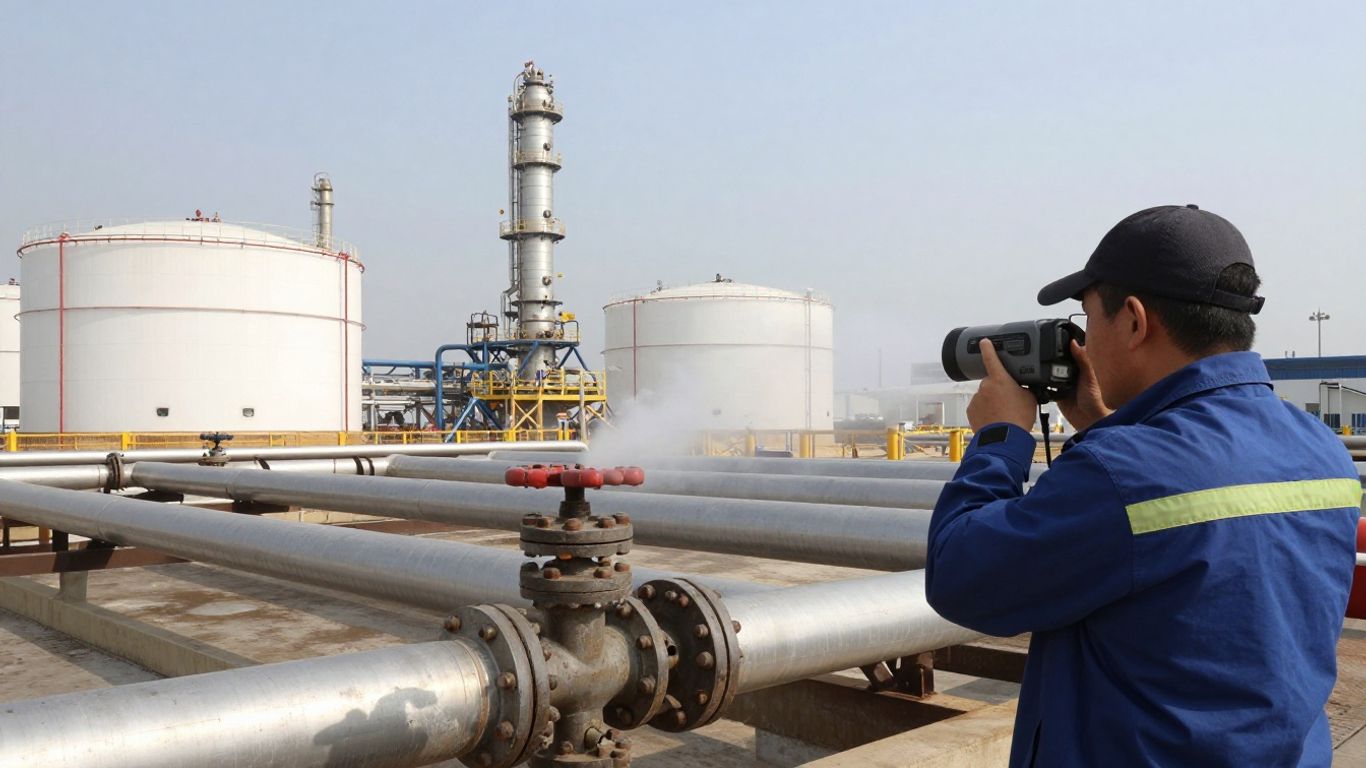
Chemical processors and refineries utilize specialized optical gas imaging (OGI) systems to detect elusive VOCs, hydrocarbons, and dangerous gases. This equipment makes volatile gas plumes visible against the surrounding air, allowing personnel to identify the origin of a leak immediately. This is far more effective than periodic manual sniffers, helping companies maintain continuous environmental compliance and prevent toxic hazards or explosions.
Surveillance and pipeline infrastructure monitoring in remote or arid regions
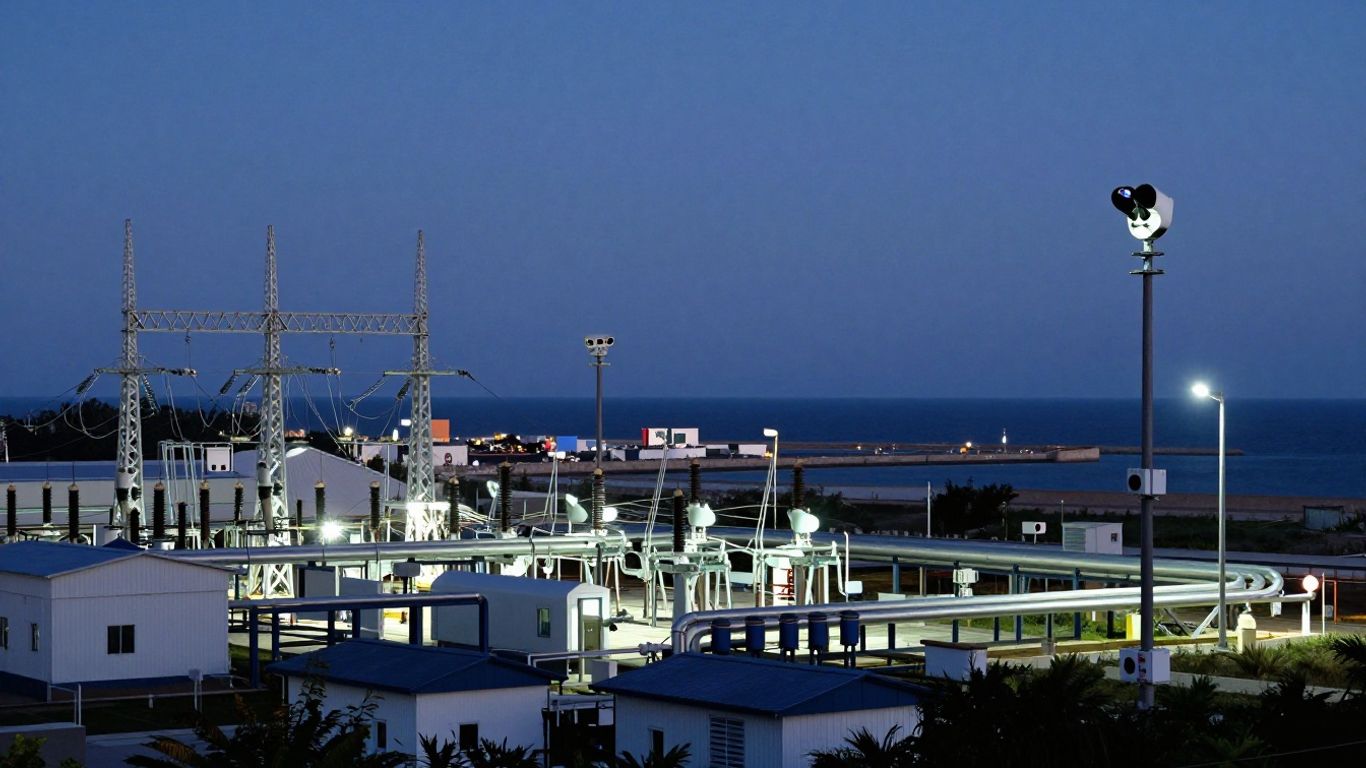
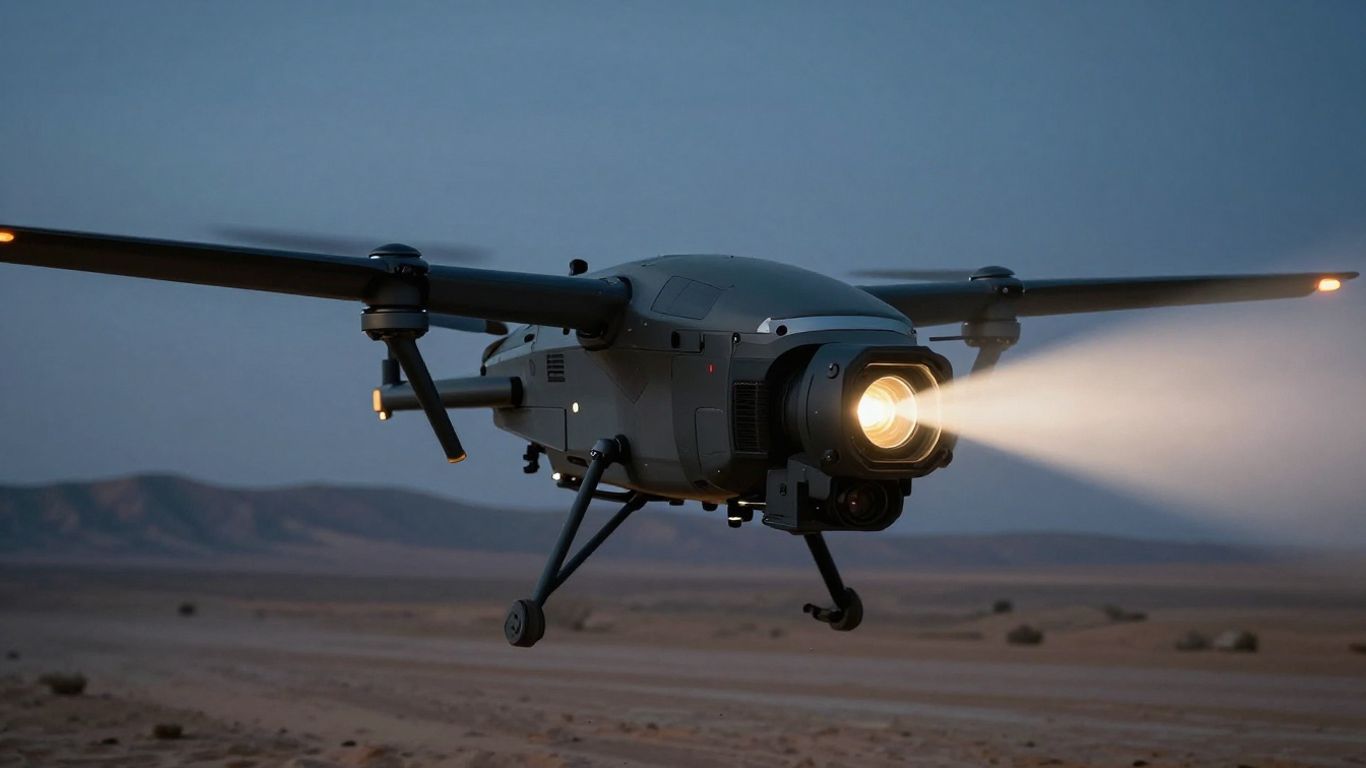
Extensive operations in remote, arid, or desert climates face major security threats and harsh ambient conditions like intense sun and dust. Integrating dedicated infrared platforms on security towers or vehicle-mounted assemblies allows operators to keep remote infrastructure secure. To learn more about customized physical setups, please contact our experts to design a complete system. Advanced systems function through high daytime solar loading and drop significantly in temperature overnight, securing critical borders, remote pipelines, and assets.
Quality control applications in continuous flow manufacturing and processing
Continuous manufacturing lines rely on precise, repeatable temperature regimes to ensure finished product quality. Continuous process monitoring systems capture and measure surface temperatures of materials like metals, paper, or plastic. This data flows directly to control loops, adjusting cooling rates or furnace burners in real time, reducing scrap and improving consistency.
To optimize this workflow, organizations can review the typical application priorities outlined below:
|
Application Area |
Primary Monitoring Objective |
Potential Operational ROI |
|---|---|---|
|
Electrical Substations |
Connection reliability and fire prevention |
Critical - keeps entire plant online |
|
Rotating Kilns |
Shell refractory lining wear detection |
High - prevents structural breaches |
|
Processing Lines |
Product temperature consistency |
Medium - improves overall yield |
|
Gas Containment |
Real-time leak source identification |
Environmental and safety compliance |
Reviewing these targeted application fields helps teams systematically determine where to prioritize their sensing equipment for maximum operational efficiency.
Engineered thermal imaging solutions for harsh environments
Deploying high-performance thermal hardware into industrial environments requires careful selection of sensors, calibrated optical structures, and robust physical protection. Standard consumer cameras fail quickly when exposed to aggressive industrial vibrations, chemical fumes, and extreme temperatures. Designing high-output, durable thermal monitoring platforms relies on matching the right technologies to the specific environment.
Selecting between cooled and uncooled infrared sensor platforms
When developing thermal imaging systems, designers must choose between uncooled long-wave infrared (LWIR) detectors and cooled mid-wave infrared (MWIR) platforms. Uncooled LWIR detectors offer compact, low-power, and cost-effective operations, ideal for close-range industrial diagnostics. For long-range detection, high-contrast imagery, or specialized chemical testing, cooled MWIR sensors provide unmatched thermal sensitivity and response speed, making them indispensable for complex defense and scientific applications.
Maintaining calibration accuracy under extreme ambient temperatures
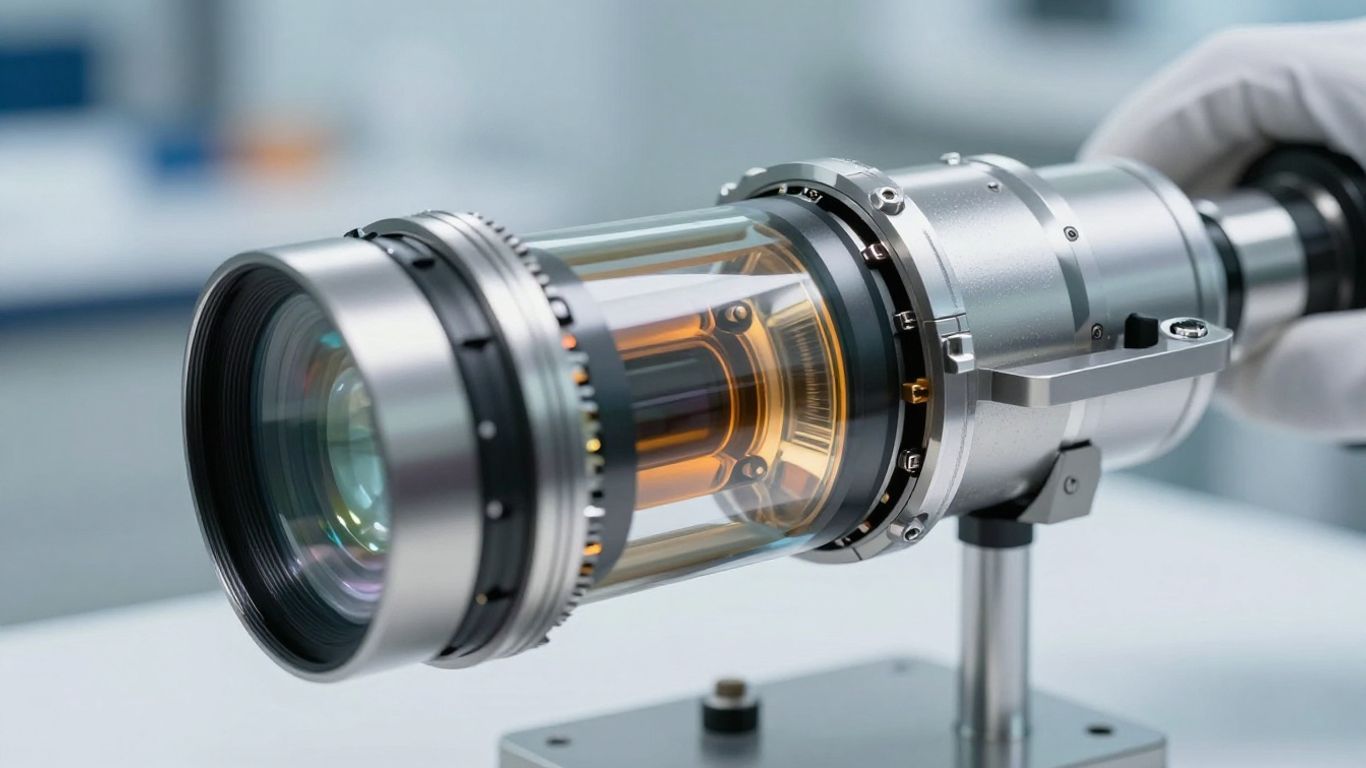
Industrial plants often have extreme ambient temperature variations, ranging from sub-zero winter temperatures outdoors to hot furnace rooms exceeding 60 degrees Celsius. Standard thermal sensors lose calibration in these challenging conditions, providing inaccurate readings. Solving this requires premium thermal optics to protect the sensor, which is why LightPath offers Black Diamond™ (BD6) chalcogenide glass lenses to maintain sharp focus and calibration accuracy when exposed to severe temperature extremes.
Implementation of durable, IP-rated enclosures for dust and moisture resistance
To ensure your thermal hardware survives harsh industrial environments, your team should focus on implementing the following physical protections:
- Enclose cameras within durable, IP67-rated sealed housings to prevent dust, oil, and moisture infiltration.
- Utilise integrated air purge collars to keep abrasive soot and dust off the optical face.
- Install water-cooled thermal jackets around cameras deployed near high-temperature furnaces.
- Incorporate specialized, scratch-resistant protective windows to prevent optical degradation.
Applying these physical protections guarantees that your optical systems will continue to deliver accurate thermographic data, even when exposed to abrasive particles and high ambient moisture over long operational cycles.
Integration with factory automation, SCADA, and centralized data systems
Modern automated factories must route their thermal monitoring data directly into central SCADA frameworks to enable fast action. When an industrial thermal engine detects a temperature anomaly, the platform can flag the safety hazard directly to the operators on shift. Integrating commercial-grade thermal camera systems into factory networks allows operators to coordinate automated security shutoffs, dispatch local technicians, and build continuous history logs across all critical machinery.
Strategic roadmap for implementing thermal imaging solutions
Successfully implementing a site-wide thermal imaging program requires structured planning, careful asset prioritization, and thorough staff training. Simply giving maintenance crews handheld cameras without a systematic plan leads to inconsistent data and missed defects. Organizations must establish clear, standardized protocols to get the most out of their predictive monitoring investments.
Establishing equipment baseline profiles for accurate anomaly detection
To detect mechanical and electrical failures, your maintenance team must first establish how an asset performs under normal working conditions. This is done by capturing baseline thermal profiles of equipment operating at typical production loads. Modern thermal imaging systems use these baseline profiles to set alarm thresholds, ensuring that any subsequent temperature increases are flagged as actual thermal anomalies rather than normal operating heat.
Prioritizing high-value assets based on criticality and operational ROI
Investing in thermal monitoring systems for every single motor or distribution panel across a facility is rarely cost-effective. Instead, project engineers should prioritize their most critical, high-value assets where a sudden failure would halt production entirely or create severe safety hazards. This targeted approach ensures that your thermal hardware resources are focused on high-priority areas, maximizing your return on investment and safeguarding essential production loops.
Addressing data management and automated alarm infrastructure requirements
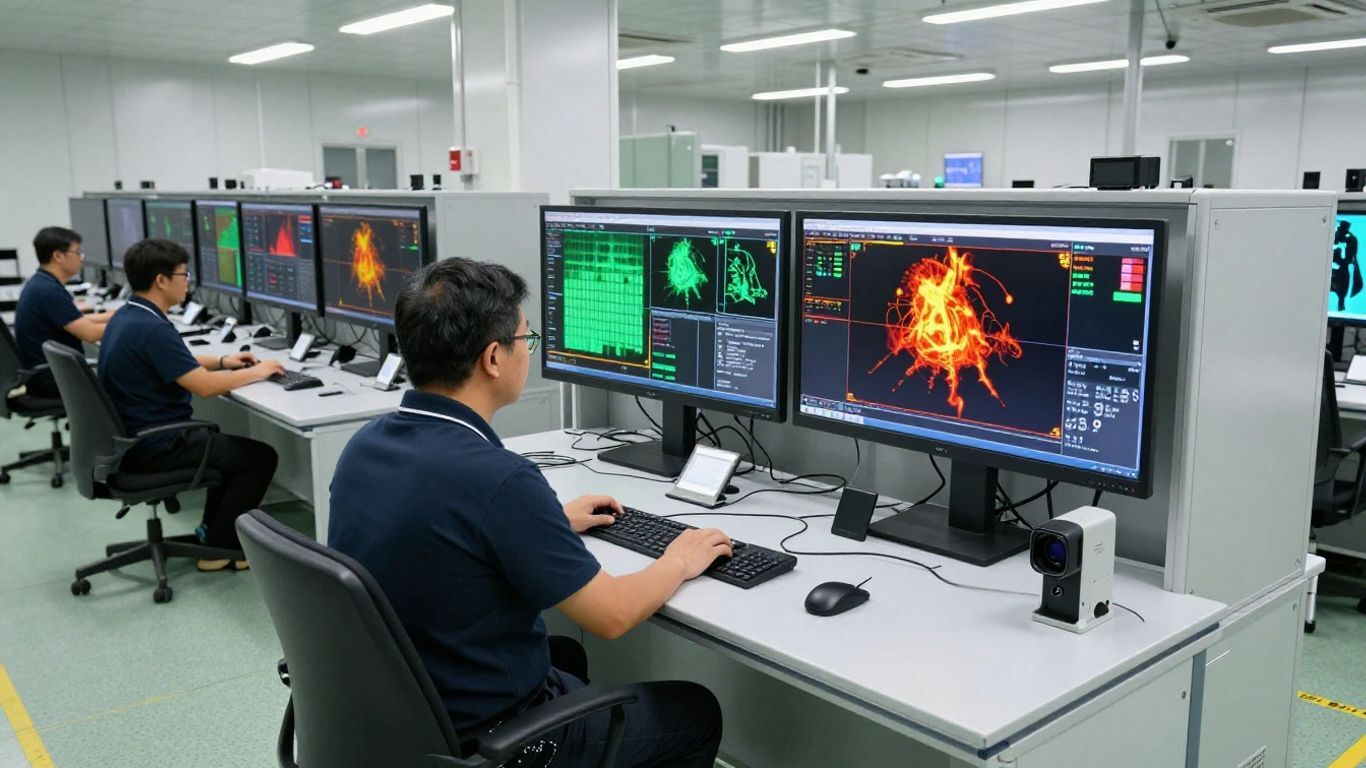
Continuous thermal monitoring across a large manufacturing plant generates massive volumes of temperature data. To manage this influx, organizations must implement robust storage systems and intelligent analysis software. Setting up automated email alerts, localized warning lights, and automated work orders ensures that maintenance crews are notified immediately when temperatures exceed pre-set thresholds, without having to manually review hours of raw video footage.
Training maintenance personnel for thermal data interpretation and planning
An advanced thermal camera is only as effective as the technician analyzing the thermal imagery. Understanding variables like surface emissivity, atmospheric interference, and material reflectivity is crucial for making accurate assessments and avoiding false positives. Providing comprehensive training for your personnel ensures they can correctly identify actual thermal anomalies, plan scheduled repairs, and utilize thermal monitoring to optimize plant operations.
Contact our Team of Experts
Ready to transform your facility's predictive maintenance capabilities with world-class thermal solutions? LightPath designs and manufactures premium, high-performance optical components, infrared assemblies, and custom-engineered systems designed to withstand the harshest industrial and aerospace environments. For tailored solutions engineered for your mission, contact our experts today.
Conclusion
Transitioning to predictive diagnostic routines is no longer an optional upgrade, but a vital operational move for modern industrial and mining facilities. Integrating high-performance thermal imaging solutions for industrial operations elevates employee safety, improves production uptime, and protects critical infrastructure. Relying on premium infrared assemblies and custom chalcogenide glass designs ensures your systems maintain calibration and accuracy in the toughest conditions. Contact our specialized engineers to configure the ideal thermal systems to protect, optimize, and streamline your operations.
Frequently Asked Questions
Can thermal cameras see through solid physical barriers or metal enclosures?
Because thermal cameras capture infrared radiation emitted from the surface of objects, they cannot see through solid barriers, glass windows, or metal enclosure doors. To inspect internal components, operators must open the cabinet doors safely or install specialized infrared-transparent optical windows that allow the camera to view the interior.
How does surface emissivity affect industrial temperature measurement accuracy?
Emissivity measures a material's efficiency in emitting infrared radiation compared to a perfect blackbody. Highly reflective metal surfaces have low emissivity, which can cause thermal cameras to report incorrect temperatures by reading surrounding reflections instead of the component itself. Technicians must correct for emissivity using specialized non-reflective electrical tape or paint.
What is the primary difference between cooled and uncooled thermographic sensors?
Uncooled sensors are simpler, more compact, and operate at room temperature, making them ideal for standard close-range maintenance checks. Cooled sensors are integrated with a cryocooler that drops sensor temperatures to cryogenic levels, increasing thermal sensitivity. This enables long-range monitoring and fast-moving targets to be captured with extreme precision.
Are standard industrial thermal cameras certified for use in explosive environments?
Standard thermal imaging housings are not designed to prevent electrical sparks from escaping the enclosure. For explosive chemical, mining, or oil and gas atmospheres, systems must be installed in explosion-proof ATEX or IECEx certified housings to guarantee safety.
How regularly should industrial thermal cameras undergo recalibration?
To maintain high accuracy, most manufacturers recommend calibrating industrial thermal sensors once a year. However, systems operating in harsh chemical environments, extreme furnace heat, or severe vibration may require more frequent recalibration to ensure accurate data.
Can thermography identify internal structural defects in composite materials?
Yes, active thermography can verify composite structural integrity by applying an external heat source to the material. Internal cavities, delamination, and structural voids block normal heat transfer, creating clear surface thermal patterns that indicate underlying material flaws.
How does thermal monitoring prevent arc flash incidents in substation facilities?
By allowing maintenance technicians to inspect high-voltage connections from a safe distance, thermal cameras identify loose or corroded terminals before they fail. This non-contact inspection allows operators to correct electrical issues before they trigger powerful short circuits or dangerous arc flash explosions.