
You're looking into thermal imaging for a project, and the term "long-wave infrared imaging" or "LWIR" keeps popping up. It sounds technical, but understanding it is key to choosing the right technology for your needs. Whether you're working on defense systems, industrial monitoring, or security, LWIR imaging is a workhorse for detecting objects at normal temperatures. This guide breaks down what LWIR is and why it's so widely used, helping you make informed decisions without getting lost in jargon.
Key Takeaways
- Long-wave infrared imaging captures thermal radiation in the 8 to 14 micrometer range, making it ideal for detecting objects at everyday temperatures.
- LWIR systems work in complete darkness and can see through smoke, fog, and dust, offering reliable performance in challenging conditions.
- These systems typically use uncooled microbolometer detectors, which reduces complexity, cost, and maintenance compared to cooled alternatives.
- LWIR imaging is a cost-effective solution for many surveillance, security, and industrial monitoring tasks where detecting ambient temperature objects is the primary goal.
- When selecting an LWIR solution, consider target temperatures, environmental factors, and integration needs, and partner with manufacturers who understand custom engineering.
Understanding Long-Wave Infrared Imaging Fundamentals
The 8 to 14 Micrometer Wavelength Range
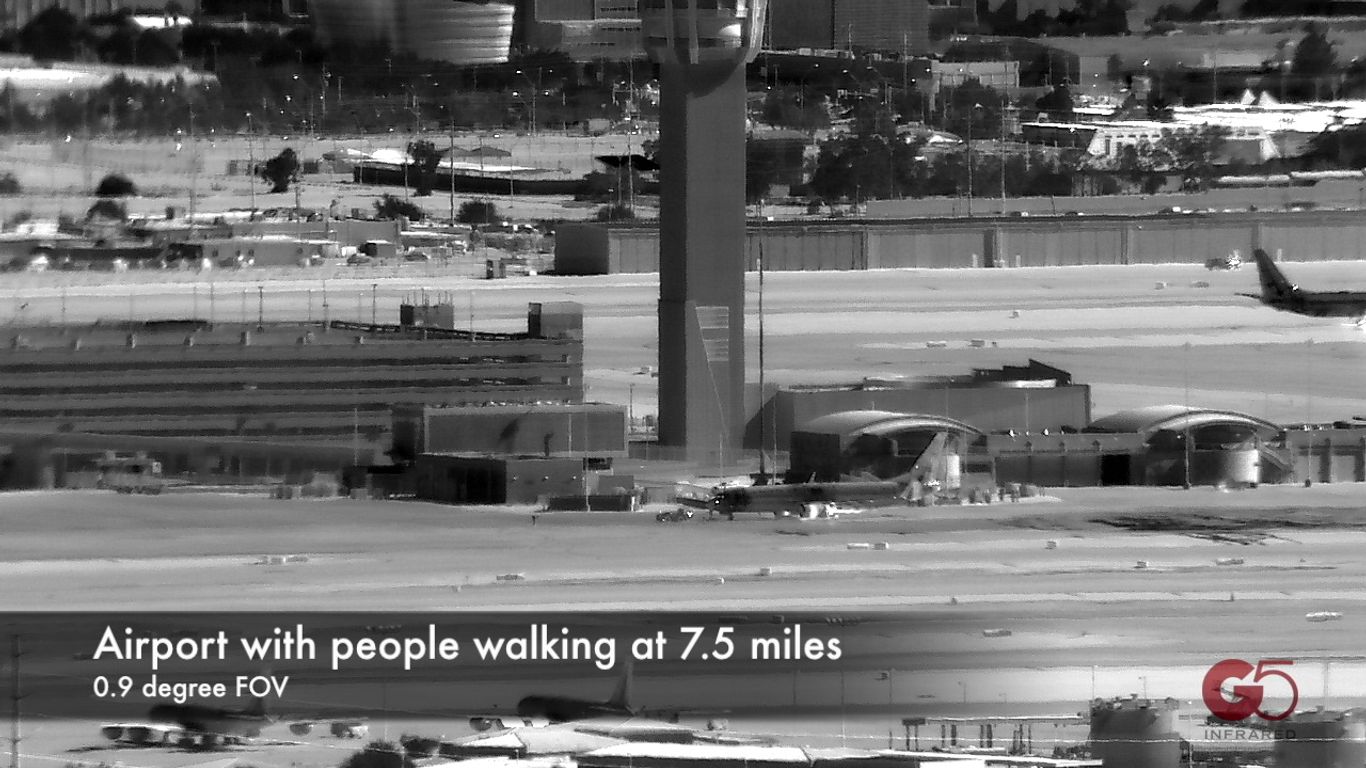
Long-wave infrared (LWIR) imaging captures thermal radiation within a specific part of the electromagnetic spectrum, generally considered to be between 8 and 14 micrometers. This particular range is significant because objects at typical terrestrial temperatures, such as human bodies, vehicles, and buildings, emit the majority of their thermal energy within these wavelengths. This characteristic makes LWIR technology exceptionally well-suited for detecting objects that are not intensely hot, which is common in many real-world scenarios. Unlike visible light, which relies on reflected illumination, LWIR systems detect the heat naturally emitted by objects. This means your system can "see" thermal signatures even in complete darkness, without the need for any external light source. Whether it's a moonless night or a heavily obscured environment, an LWIR system operates with the same effectiveness because it's sensing emitted heat, not reflected light.
Detecting Ambient Temperature Objects
One of the primary strengths of LWIR imaging is its proficiency in detecting objects at ambient temperatures. Every object with a temperature above absolute zero emits infrared radiation. The peak wavelength of this emission is directly related to the object's temperature. For objects at everyday temperatures – think of a person at 37°C, machinery at 50°C, or a building at 20°C – their thermal emissions are most concentrated in the LWIR band. This makes LWIR cameras ideal for applications where you need to identify targets that aren't glowing hot. Your system can reliably detect these thermal signatures without any external illumination, providing a clear picture in conditions where visible light cameras would fail. This capability is a key reason why LWIR is the workhorse for many surveillance, security, and monitoring tasks.
Uncooled Microbolometer Detectors
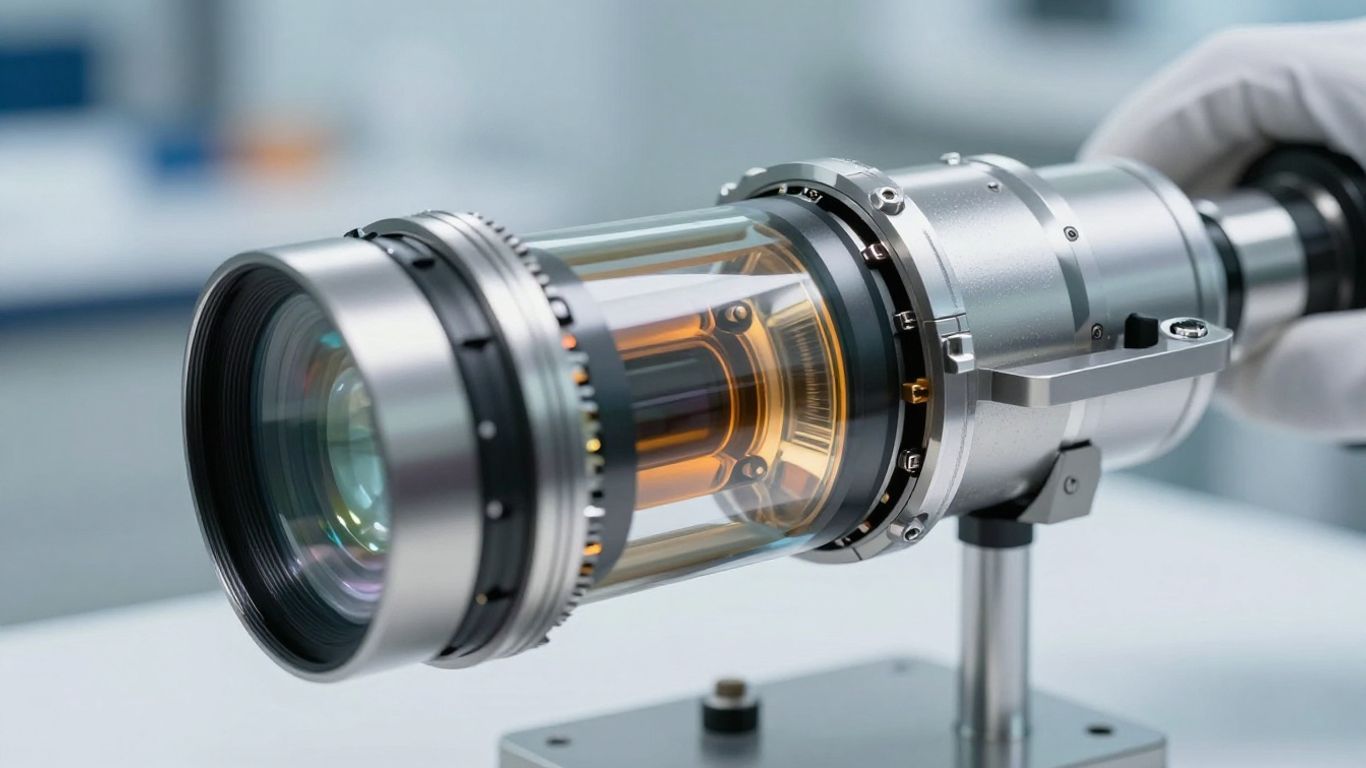
Modern LWIR systems commonly employ uncooled microbolometer detectors. These detectors are made from materials like vanadium oxide or amorphous silicon. When infrared radiation strikes these materials, their electrical resistance changes. Sophisticated electronics then interpret these resistance changes to construct the thermal image. The "uncooled" aspect is particularly important because it means these detectors operate at or near room temperature. This eliminates the need for complex and expensive cryogenic cooling systems that are often required for other types of infrared detectors, such as those used in mid-wave infrared (MWIR) systems. The absence of cooling systems leads to several advantages: reduced complexity, lower power consumption, decreased maintenance requirements, and a more cost-effective overall solution. This makes LWIR technology more accessible and practical for a wider range of applications and system integrations. If you're looking to integrate thermal imaging capabilities into your next project, understanding these fundamental principles will help you make informed decisions. To discuss how LWIR technology can benefit your specific application, please visit https://www.lightpath.com/contact.
Key Advantages of Long-Wave Infrared Imaging
When weighing thermal imaging technologies for your next system or application, it helps to know exactly what makes long-wave infrared (LWIR) stand out. This is not just a matter of what wavelength the camera can see—it’s about practical, everyday benefits that impact cost, reliability, and performance. Below, you’ll find a breakdown of the key advantages of LWIR imaging and how each can impact your program.
Operation in Total Darkness
Unlike standard cameras or many illuminated IR solutions, LWIR imaging does not require any visible light or extra infrared light sources. Instead, the system passively detects the thermal energy objects emit.
- Allows imaging in complete darkness (e.g., basements, unlit facilities, outdoor night operations)
- Performance remains stable regardless of lighting changes—day or night
- Targets such as people, vehicles, or equipment are visible thanks to their heat signatures
Penetration of Obscurants
LWIR cameras excel in environments filled with smoke, fog, dust, or aerosols—conditions that defeat regular cameras. The specific 8-14 micron wavelength range can transmit through these obscurants, allowing continued surveillance and detection.
- Penetrates many forms of smoke and some fog, where visible and near-IR fail
- Useful for firefighting, battlefield monitoring, and industrial safety
- Maintains performance in poor weather or polluted air
Cost-Effective Performance
A strong advantage of LWIR is its use of uncooled microbolometer arrays, which are simpler and less expensive than cooled alternatives found in mid-wave infrared or some specialty systems.
- Lower acquisition costs compared to cooled MWIR systems
- Fewer moving parts means lower ongoing maintenance
- Uncooled operation reduces power requirements, supporting battery-powered or portable devices
Below is a summary table comparing operating costs:
|
Feature |
LWIR (Uncooled) |
MWIR (Cooled) |
|---|---|---|
|
Initial Cost |
Lower |
Higher |
|
Power Consumption |
Lower |
Higher |
|
Maintenance Needs |
Minimal |
Significant |
|
Service Life |
Longer |
Shorter (due to cryocooler wear) |
Reliability Across Temperature Extremes
LWIR systems consistently deliver stable imaging results even when faced with wide-ranging temperatures—desert heat or arctic cold. Since most do not rely on sensitive cooling, system calibration and function remain stable across environments.
- No risk of cryocooler failure at extreme temperatures
- Reliable performance from below freezing to high-heat industrial conditions
- Simplifies mechanical and system thermal management
These core advantages make LWIR cameras a trusted choice for defense surveillance, industrial safety, and many field-based applications where downtime or false readings can be costly.
If your project demands consistent performance, flexible integration, and cost control, you owe it to yourself to discuss LWIR solutions with an expert. Reach out to the team at LightPath Technologies to explore how LWIR imaging can address your technical needs.
Long-Wave Infrared Versus Mid-Wave Infrared
When you're looking at thermal imaging options, you'll often see Long-Wave Infrared (LWIR) and Mid-Wave Infrared (MWIR) mentioned. They both detect heat, but they work in different parts of the infrared spectrum, which means they're good at different things. It's not really about one being better than the other; it's about picking the right tool for the job you need done.
Wavelength Ranges and Physical Principles
MWIR systems typically operate in the 3 to 5 micrometer range. This part of the spectrum is great for spotting objects that are much hotter than their surroundings. Think about things like a car engine running hot, exhaust fumes, or a blast furnace. The physics behind this is that hotter objects give off more energy at shorter wavelengths. So, MWIR sensors show a really clear difference when looking at these high-temperature targets against a cooler background.
LWIR, on the other hand, usually works in the 8 to 14 micrometer range. This is where objects at more normal, everyday temperatures, like people, buildings, or equipment running at typical operating levels, give off most of their heat. The reason for this is based on how temperature relates to the peak wavelength of emitted radiation. Objects at around 300 Kelvin (which is roughly room temperature) peak in the LWIR band. As things get significantly hotter, their peak emission shifts towards the shorter MWIR wavelengths.
Sensitivity and Detection Capabilities
MWIR systems, especially those that use cooled detectors, often have very high sensitivity. They can sometimes detect temperature differences of less than 20 millikelvins. This is useful when you need to see very subtle temperature variations, perhaps over long distances where the thermal contrast might fade. However, this high sensitivity usually comes with more complex and expensive cooling systems.
Uncooled LWIR systems, which are more common, typically have a sensitivity in the 30 to 50 millikelvin range. For most surveillance and monitoring tasks, this level of sensitivity is perfectly adequate. While cooled LWIR systems do exist for specialized needs, the uncooled versions offer a good balance of performance and practicality for many applications. The choice often comes down to whether you need that absolute top-tier sensitivity or if a slightly less sensitive but simpler and more cost-effective system will do the job.
Operational Capabilities and Target Temperatures
Because MWIR is better at seeing very hot objects, it's often preferred for applications like:
- Targeting hot engines: Spotting vehicles or aircraft by their heat signatures.
- Industrial process monitoring: Watching furnaces or other high-temperature manufacturing steps.
- Long-range surveillance: In some specific atmospheric conditions, MWIR can offer advantages for seeing distant, hot targets.
LWIR systems are the workhorses for detecting objects at or near ambient temperatures. Their strengths lie in:
- Surveillance and security: Detecting people, animals, and vehicles in various lighting conditions.
- Predictive maintenance: Finding hot spots in electrical panels or machinery that indicate a problem.
- Firefighting: Seeing through smoke to locate heat sources.
- Operation in darkness: Since they detect emitted heat, they work just as well in total darkness as they do in daylight.
It's important to remember that while each technology has its optimal use case, there's overlap. An LWIR system can still see a hot engine, and an MWIR system can detect a person. The difference is in the contrast and clarity you'll get. For most everyday detection needs where targets are not extremely hot, LWIR provides excellent performance with greater simplicity and lower cost. If your primary goal is to detect very high-temperature objects or achieve maximum detection range in specific, often humid, atmospheric conditions, MWIR might be the better fit. To discuss which technology best suits your specific application, please reach out to us at https://www.lightpath.com/contact.
Applications of Long-Wave Infrared Imaging
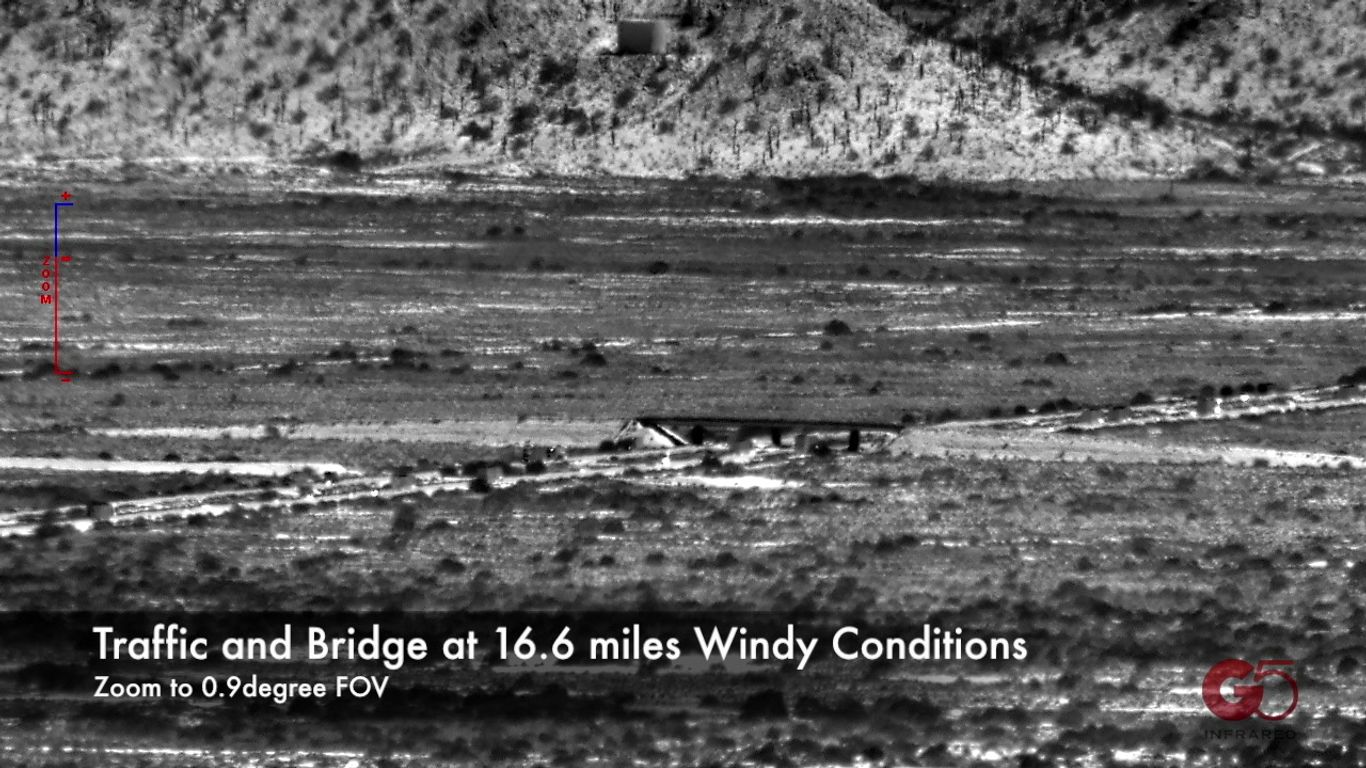
Long-wave infrared (LWIR) imaging has become a workhorse technology across a variety of demanding fields. Its ability to detect thermal signatures from objects at ambient temperatures, even in complete darkness or through obscurants, makes it indispensable for applications where conventional imaging falls short. You'll find LWIR systems playing critical roles in ensuring security, optimizing industrial processes, and enhancing safety.
Defense and Aerospace Surveillance
In defense and aerospace, LWIR cameras provide a significant advantage for situational awareness and security. They are used for:
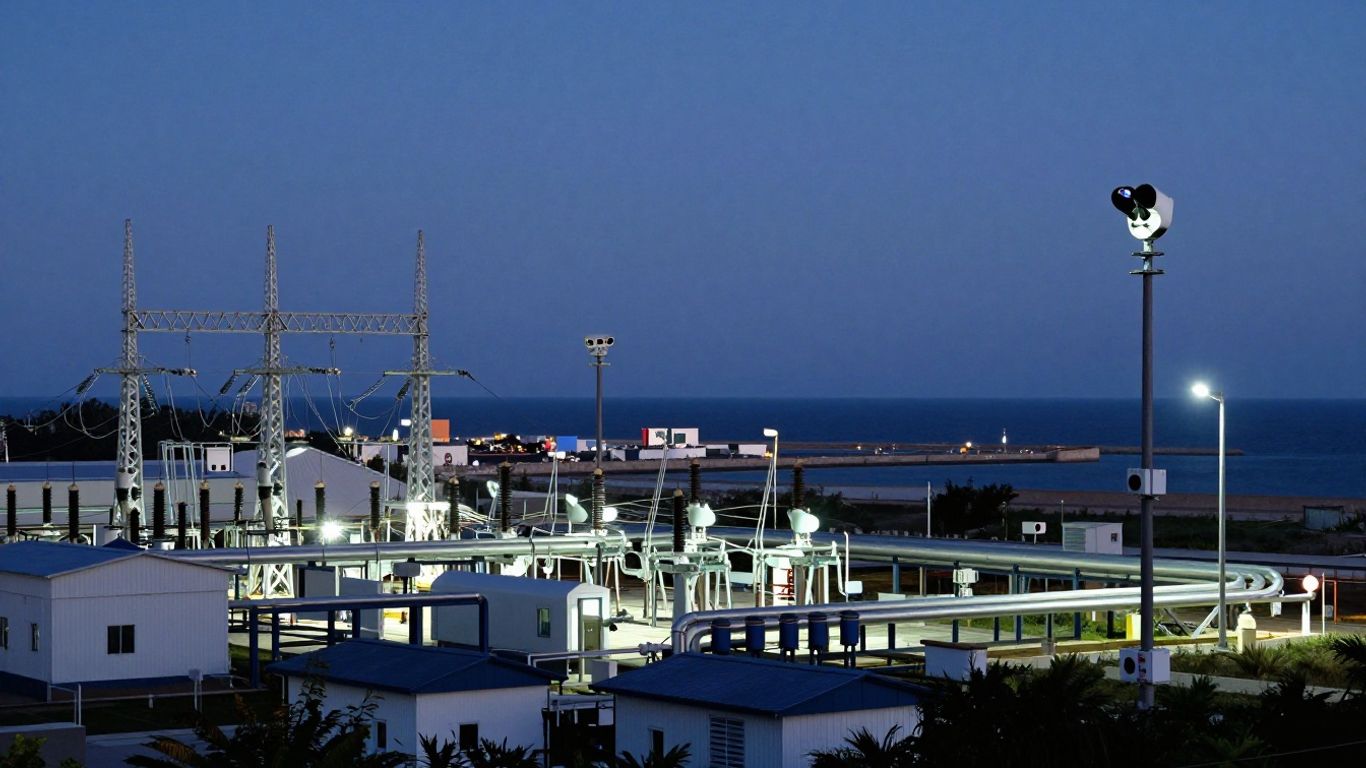
- Perimeter Security: Detecting intruders or unauthorized vehicles around sensitive installations, day or night.
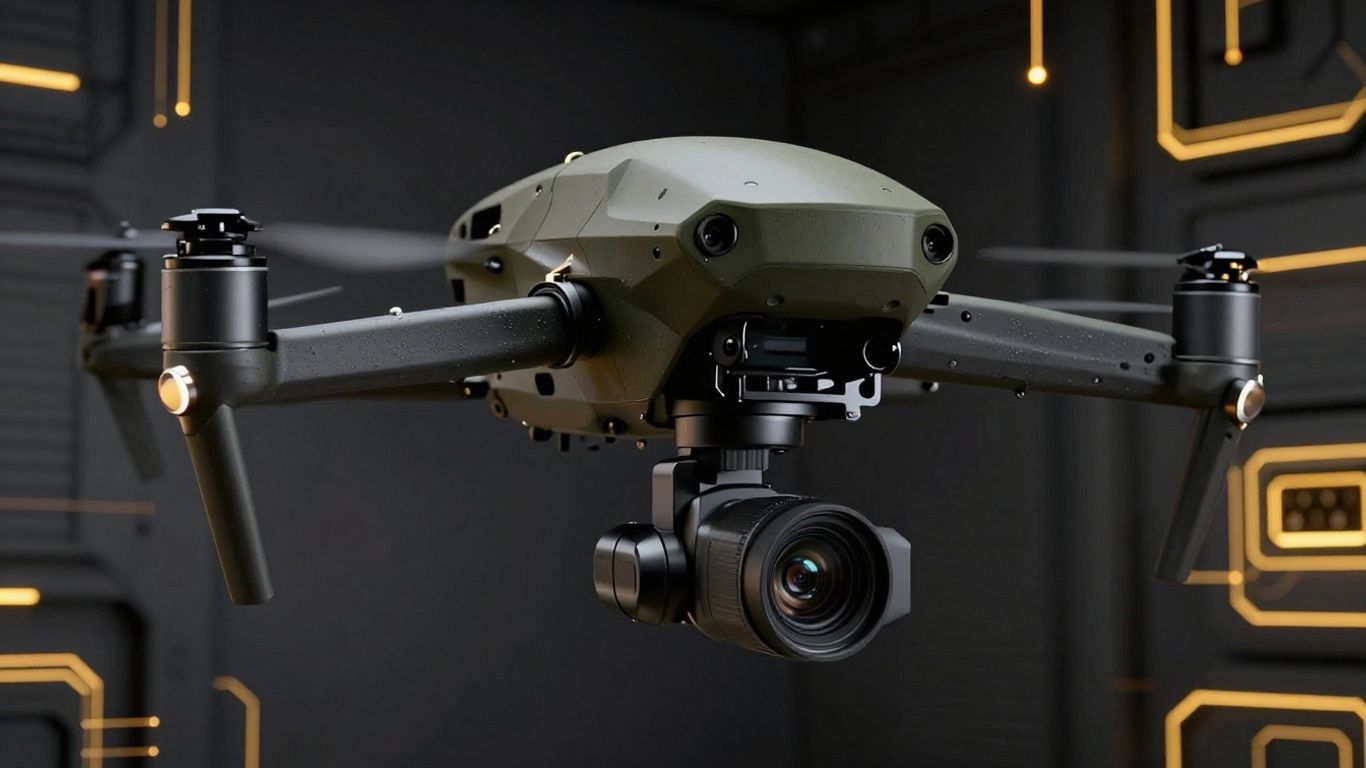
- Counter-Drone Systems: Identifying and tracking small aerial threats by their thermal contrast against the sky.
- Reconnaissance and Surveillance: Gathering intelligence in low-light or adverse weather conditions where visible light cameras are ineffective.
- Target Acquisition: Assisting in the identification and tracking of targets based on their heat signatures.
These systems operate effectively in environments where external illumination is impossible or undesirable, offering a passive detection method that does not reveal the observer's position.
Industrial Monitoring and Predictive Maintenance
Within industrial settings, LWIR imaging is vital for maintaining operational efficiency and preventing costly failures. Its applications include:
- Electrical System Inspection: Identifying hot spots in connections, circuit breakers, and transformers that indicate potential failures or fire hazards. This allows for maintenance before equipment breaks down or causes an outage.
- Rotating Machinery Assessment: Detecting overheating in bearings, motors, and pumps, which are early indicators of wear, misalignment, or lubrication issues.
- Process Monitoring: Observing temperature variations in manufacturing processes, such as furnaces or chemical reactions, to ensure they are operating within optimal parameters.
- Building Envelope Analysis: Identifying insulation gaps, air leaks, and moisture intrusion in buildings, which can lead to energy loss and structural damage.
LWIR's ability to see heat allows for non-contact inspections, meaning you can monitor energized equipment without shutting it down, thereby minimizing disruption.
Maritime Operations and Coastal Security
The maritime environment presents unique challenges, including saltwater corrosion, fog, and low light conditions. LWIR technology addresses these by:
- Port and Harbor Security: Monitoring docks, vessels, and shorelines for unauthorized activity, even in dense fog or at night.
- Coastal Border Surveillance: Detecting small vessels or individuals attempting to cross borders, where visibility is often limited by haze or darkness.
- Vessel Navigation and Obstacle Avoidance: Providing critical thermal data for autonomous surface vehicles (ASVs) and manned vessels to detect other ships, debris, or marine life, especially in conditions that obscure visible light.
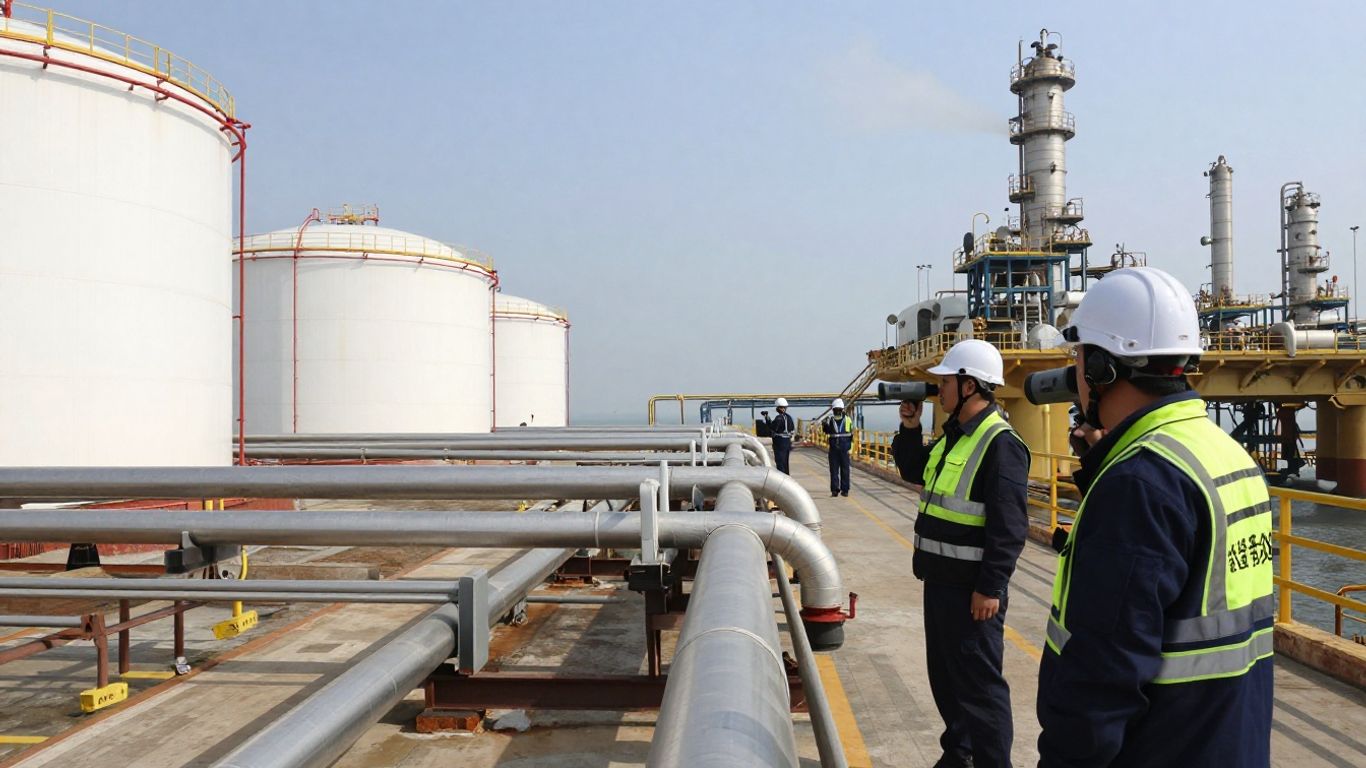
- Offshore Platform Monitoring: Inspecting critical infrastructure like oil rigs and wind turbines for equipment anomalies and potential leaks.
Specialized ruggedized LWIR systems are designed to withstand harsh marine conditions, ensuring reliable performance.
Firefighting and Environmental Monitoring
LWIR imaging plays a significant role in safety and environmental protection:
- Fire Detection and Situational Awareness: Firefighters use LWIR cameras to see through smoke and darkness to locate the seat of a fire, identify trapped individuals, and assess structural integrity by detecting heat build-up.
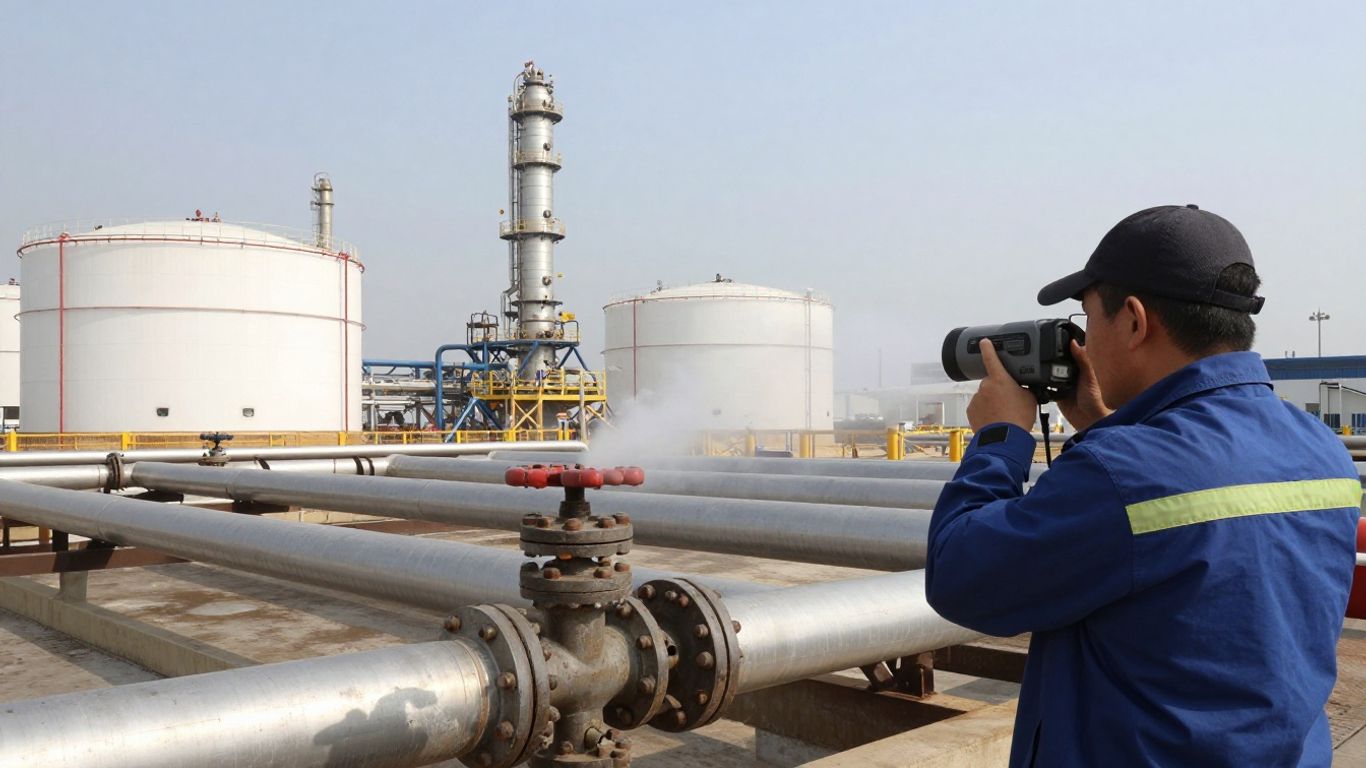
- Gas Leak Detection: Certain LWIR cameras can visualize specific gas leaks, such as methane or sulfur hexafluoride, which are invisible to the naked eye. This is critical for refineries, chemical plants, and utility companies to prevent environmental hazards and safety risks.
- Wildlife Monitoring: Researchers use LWIR to observe animal behavior and population densities in their natural habitats, often at night or in dense foliage, without disturbing the animals.
- Environmental Spill Detection: Identifying thermal anomalies that may indicate oil spills or other environmental contaminants on water surfaces.
If you are looking to integrate advanced thermal imaging capabilities into your next project, consider reaching out to our experts. Contact us at https://www.lightpath.com/contact.
Integration and Lifecycle Considerations
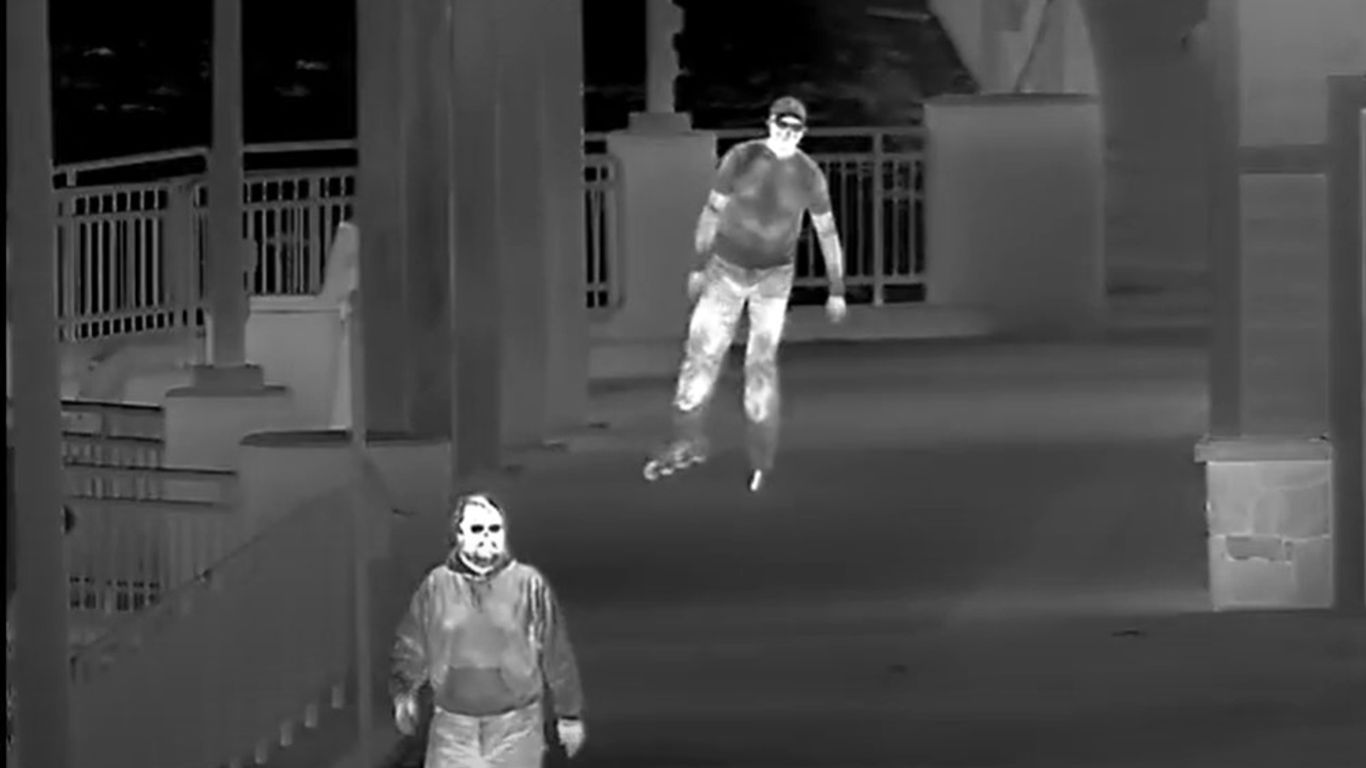
Integrating long-wave infrared (LWIR) imaging into your systems is not just about technical compatibility—it is about making your timeline, power requirements, supply chain, and long-term costs work for your business. Whether your focus is defense, industrial, or security projects, LWIR technology offers approachability you might not expect from advanced imaging solutions. Here is a closer look at how integration and lifecycle planning for LWIR unfolds.
Faster Integration and Lower Power Requirements
LWIR cameras, especially those using uncooled microbolometers, make integration straightforward because their components don’t require heavy cooling or complex environmental controls. Here’s why integration can be faster:
- No Cryogenic Cooling: You avoid the lengthy setups and high maintenance of cooled detector systems.
- Simple Electrical Interfaces: Modern LWIR modules include popular protocols (like USB3, MIPI CSI-2, or GigE Vision), making hardware and software integration easier for most embedded platforms.
- Reduced Power Draw: Typical uncooled LWIR cameras operate in a 2–5 watt range, far lower than cooled alternatives. This simplifies both power supply design and thermal management.
The table below shows typical integration considerations compared to mid-wave infrared (MWIR) technology:
|
Feature |
Uncooled LWIR |
Cooled MWIR |
|---|---|---|
|
Power Consumption |
2–5 W |
10–30+ W |
|
Cooling Required |
No |
Yes (Stirling/TEC) |
|
Start-up Time |
Seconds |
Minutes |
|
Integration Timeline |
Shorter |
Longer |
Reduced Maintenance and Total Cost of Ownership
Because uncooled LWIR sensors skip cryogenic elements and rely on simpler component assemblies, your maintenance demands usually go down. This influences your long-term budget:
- Fewer Moving Parts: No compressor or continuous coolant system minimizes failure points.
- Stable Calibration: Systems maintain calibration over long deployment periods, even in varying environments.
- Lower Spare Parts Inventory: With fewer proprietary or high-wear elements, stocking and sourcing are more predictable.
Altogether, these factors keep operational costs manageable across years of use—not just initial setup.
Component Sourcing and Manufacturing Partnerships
Sourcing consistent, high-performance LWIR components is critical for both initial rollouts and field upgrades. How your manufacturing partners support you will shape your experience:
- Vertically Integrated Suppliers: Seek providers who control everything from optical materials to final assembly, as this keeps supply chain friction low.
- Standardized Components, Customizable Options: Look for partners who can deliver both off-the-shelf modules and application-specific adjustments.
- Engineering Support: Ensure your supplier offers direct support for calibration, module configuration, and ongoing firmware upgrades.
Choosing the right partner shortens lead times, lowers integration risk, and sets the stage for stable production.
If you are planning to integrate or scale up LWIR imaging in your products, working with an experienced thermal imaging provider makes a real difference. For guidance tailored to your project, contact LightPath Technologies at https://www.lightpath.com/contact.
Performance in Challenging Environments
When your operations extend beyond controlled settings, standard imaging systems often falter. Long-wave infrared (LWIR) technology, however, is engineered to perform reliably even when conditions are far from ideal. This makes it an indispensable tool for applications where consistent detection is paramount, regardless of external factors.
Humid Conditions and Solar Reflection
LWIR imaging demonstrates a distinct advantage in environments with high humidity and haze. Unlike some other infrared bands that are significantly absorbed by water vapor, the 8-14 micrometer range LWIR operates within has a broader atmospheric transmission window. This means your system can maintain clear imagery even when dealing with coastal fog, tropical moisture, or general atmospheric haze. Furthermore, LWIR systems are less susceptible to interference from solar reflection during daylight operations. While visible light cameras can be blinded by glare, LWIR cameras focus on emitted heat, allowing them to see through such conditions without issue. This resilience is critical for continuous surveillance and monitoring tasks where visibility can be compromised by atmospheric moisture or bright sunlight.
Penetration of Smoke, Fog, and Dust
One of LWIR's most significant strengths is its ability to penetrate obscurants that would render conventional imaging useless. Whether you're dealing with smoke from a fire, dense fog, or airborne dust and particulates, LWIR cameras can often see through these conditions. The effectiveness can vary depending on the density and particle size of the obscurant, but generally, LWIR offers superior performance compared to visible or near-infrared systems. This capability is vital for applications such as firefighting, where visibility is severely limited, or in industrial settings where dust or fumes are present. For defense and security applications, this means maintaining situational awareness on the battlefield or securing perimeters even when smoke screens or dust storms are deployed.
Reliable Performance in Complete Darkness
LWIR imaging operates by detecting the thermal radiation naturally emitted by objects. This means it does not require any external light source, including visible or near-infrared illumination. Consequently, LWIR systems perform identically whether it's the brightest day or the darkest night. This passive detection capability is a game-changer for security and surveillance operations, providing constant vigilance without the need for artificial lighting. You can detect personnel, vehicles, or other heat-emitting targets from significant distances, even in environments with zero ambient light. This inherent ability to see in total darkness makes LWIR an essential technology for perimeter security, covert operations, and any scenario where reliable detection around the clock is a requirement. If you need dependable detection in difficult conditions, LWIR thermal camera systems are crucial for your organization. Visit https://www.lightpath.com/contact to discuss your specific needs.
Our products work great even when things get tough. Whether it's super hot, freezing cold, or dusty, our technology keeps performing. We make sure our gear can handle difficult situations so you don't have to worry. Want to see how we can help you in tough spots? Visit our website to learn more.
Looking Ahead with Long-Wave Infrared
So, you've seen how long-wave infrared imaging isn't just some niche technology; it's become a pretty standard tool for a lot of different jobs. From keeping watch on borders to checking on industrial equipment, LWIR cameras are out there doing the work. They're good at seeing things in the dark or when the weather's bad, which is a big deal for security and safety. As technology keeps moving forward, you can bet LWIR will keep finding new ways to help us see what we couldn't before. It’s a solid choice for many applications because it works well without being overly complicated or expensive. You'll likely see it pop up in more places as time goes on.
Frequently Asked Questions
What makes long-wave infrared (LWIR) imaging special?
LWIR imaging is special because it focuses on a specific part of the heat spectrum, from 8 to 14 micrometers. This range is perfect for seeing objects that are at normal, everyday temperatures, like people, animals, or buildings. Think of it as seeing the heat that things naturally give off, even in complete darkness, without needing any light.
Can LWIR cameras see in total darkness?
Yes, absolutely. LWIR cameras don't need any light to work. They detect the heat that objects naturally emit. So, whether it's the middle of the night, a very cloudy day, or even if something is hidden in smoke, an LWIR camera can still 'see' it by its heat signature.
Why is LWIR imaging useful for things like firefighting or in foggy conditions?
LWIR imaging is great in these situations because the heat waves it detects can pass through things like smoke, fog, and dust much better than visible light can. This means firefighters can see through smoke to find people, or security systems can spot things through haze that would normally block your view.
Is LWIR imaging more expensive than other types of thermal cameras?
Generally, LWIR systems are often more cost-effective for many common tasks. They typically use detectors that don't need to be cooled down to very low temperatures, which makes the cameras simpler, less expensive to buy, and easier to maintain compared to some other types of thermal cameras, like those used for very specific, high-temperature industrial jobs.
How does LWIR imaging compare to mid-wave infrared (MWIR)?
While both detect heat, LWIR is best for seeing objects at normal temperatures, like people and vehicles, and works well in most conditions. MWIR is better for detecting very hot objects, like engines or furnaces, and can sometimes be better for seeing things from very far away in specific atmospheric conditions. For most everyday surveillance and monitoring, LWIR is the go-to choice.
Where do you commonly see LWIR imaging being used?
You'll find LWIR imaging used in many places. It's vital for defense and security for surveillance and border patrol. In industry, it helps monitor equipment to prevent breakdowns. It's also used in firefighting to see through smoke, for environmental monitoring, and even in cars to help drivers see at night or in bad weather.