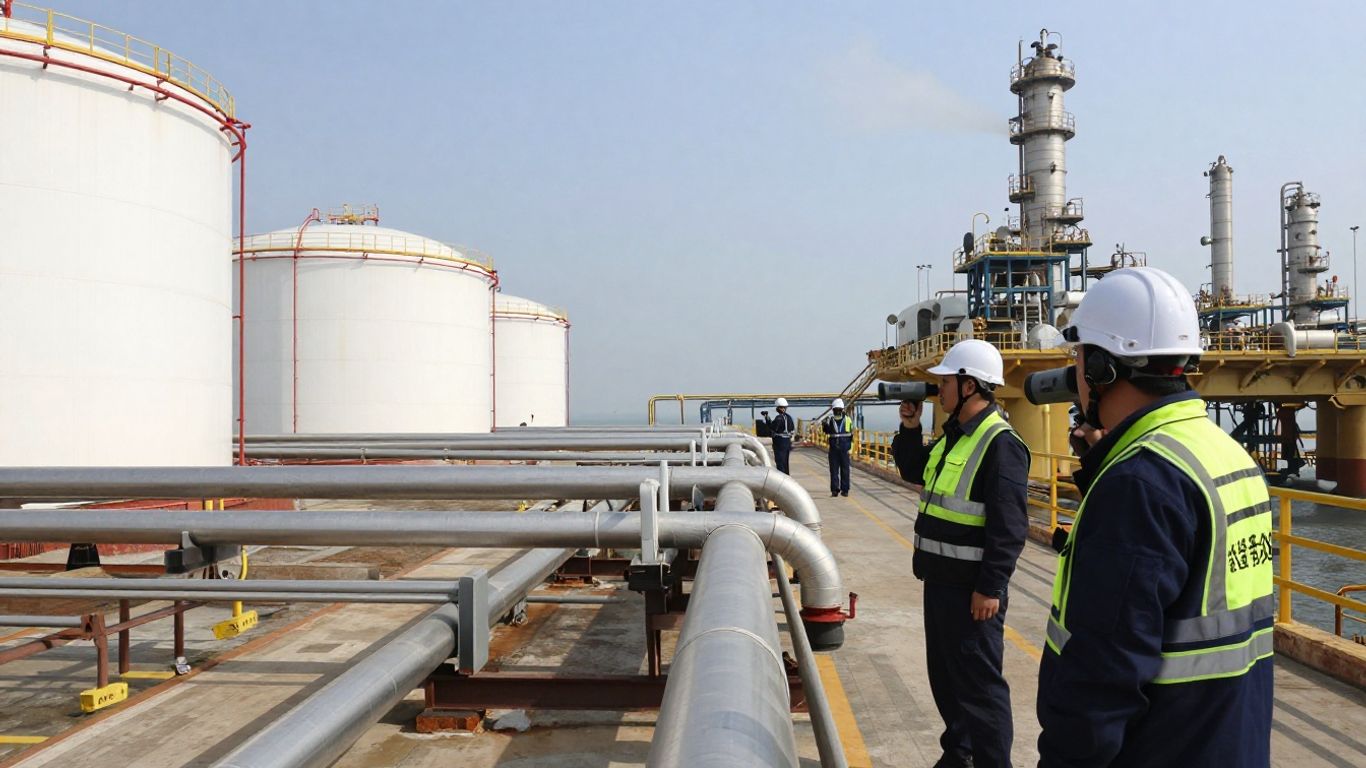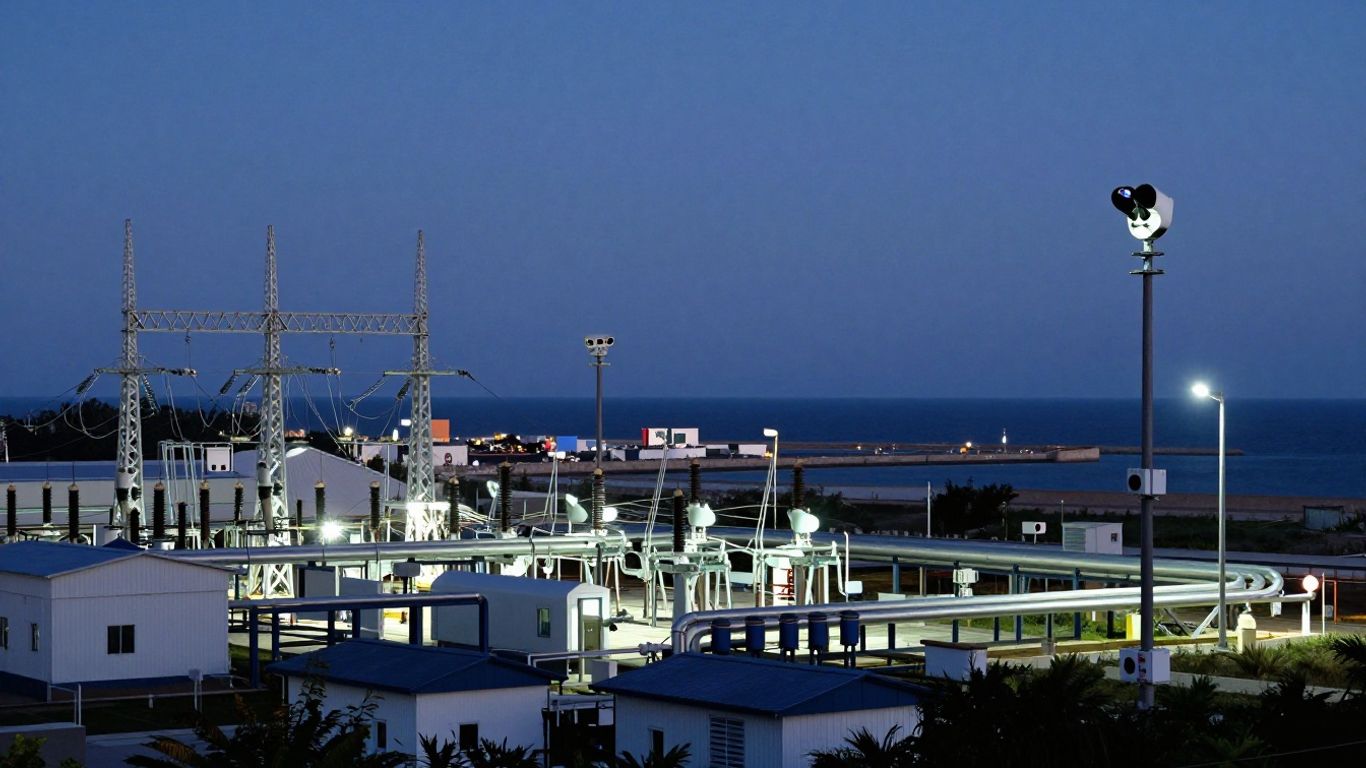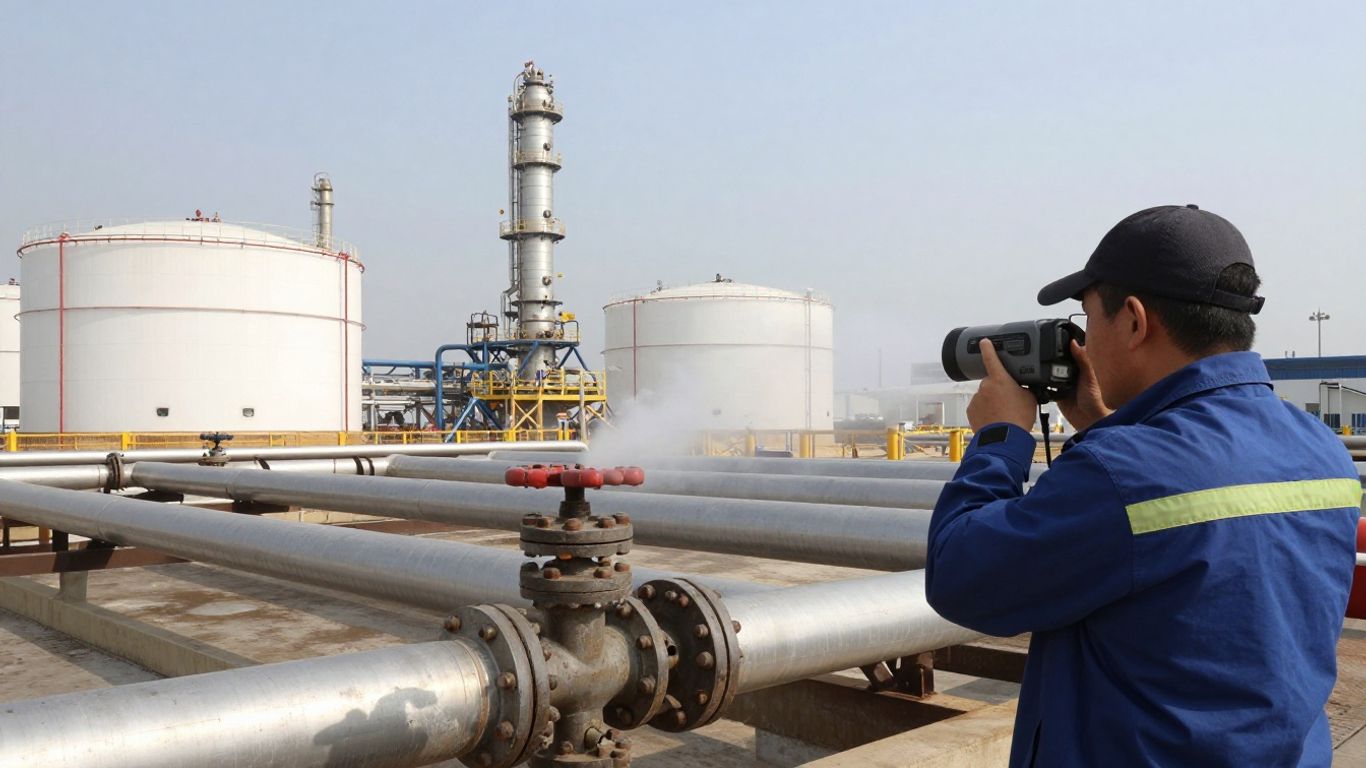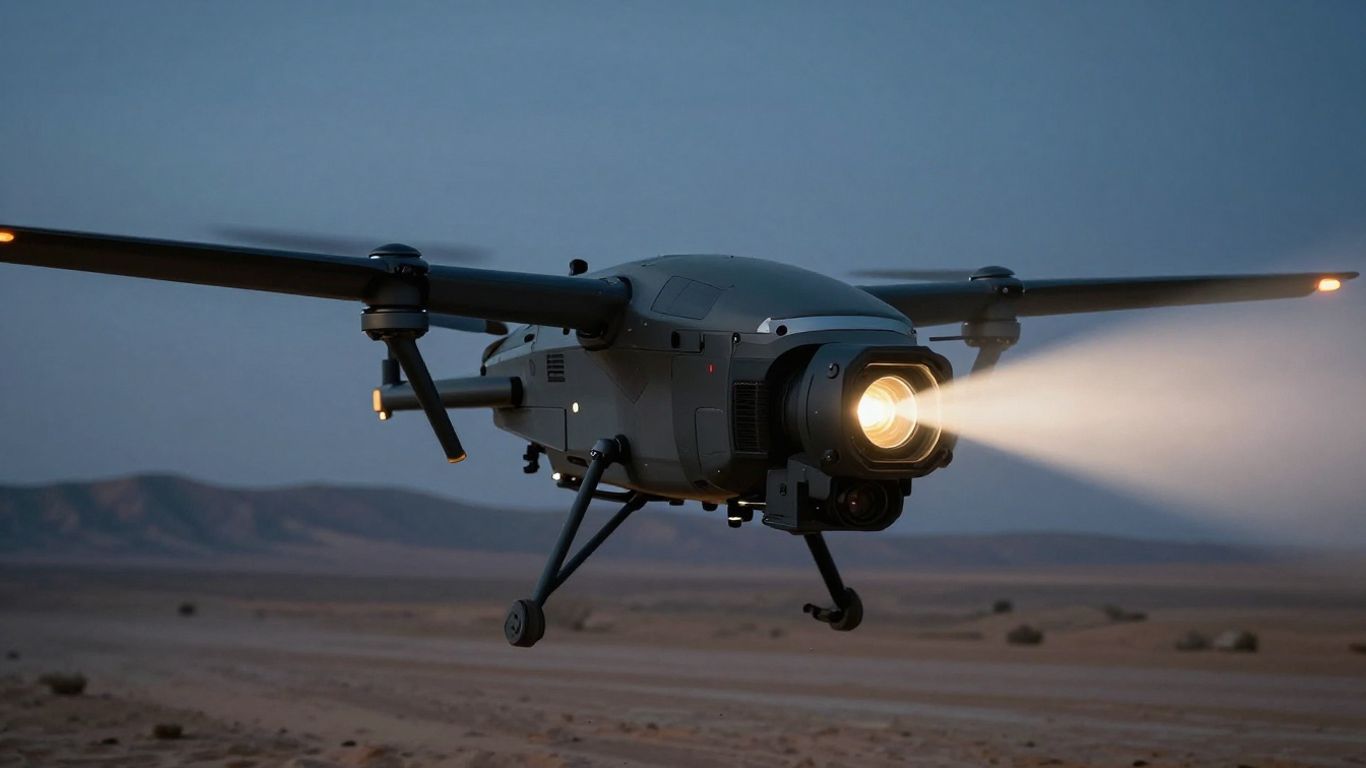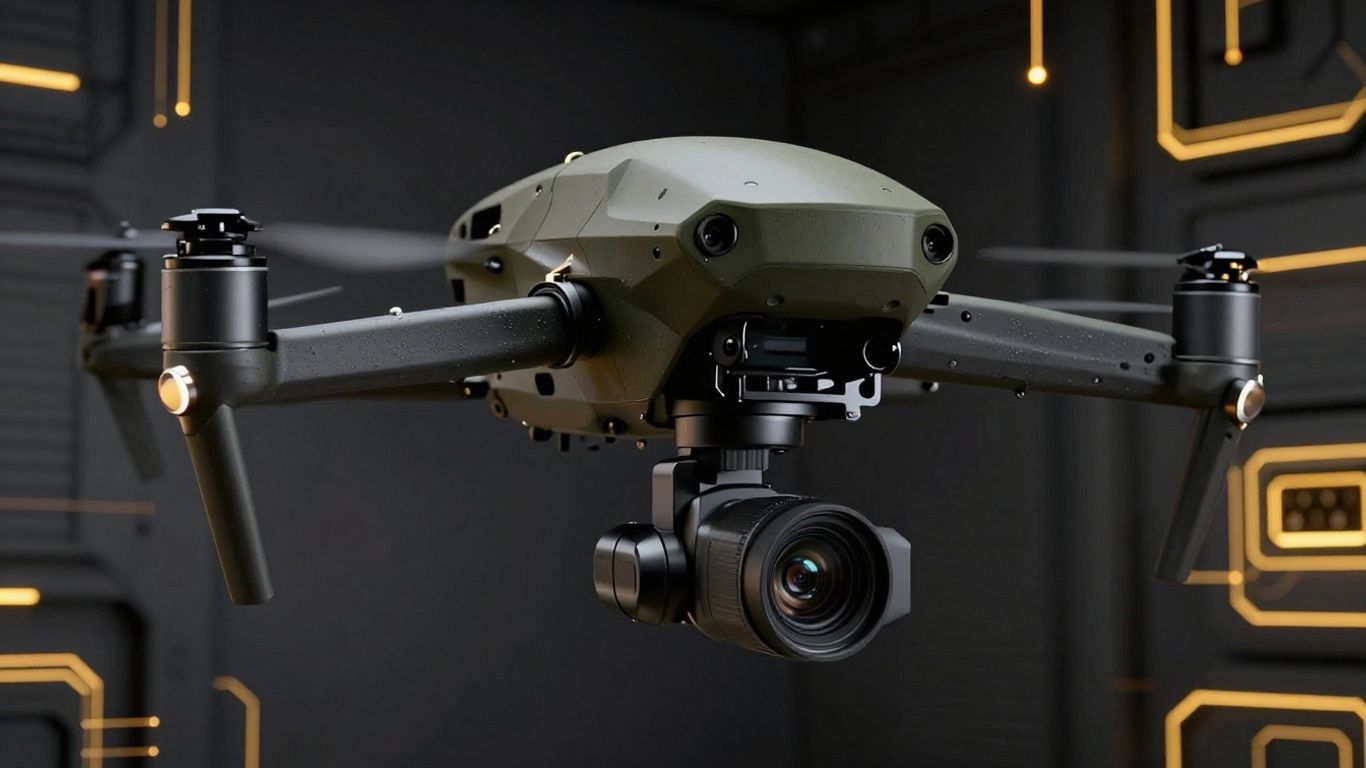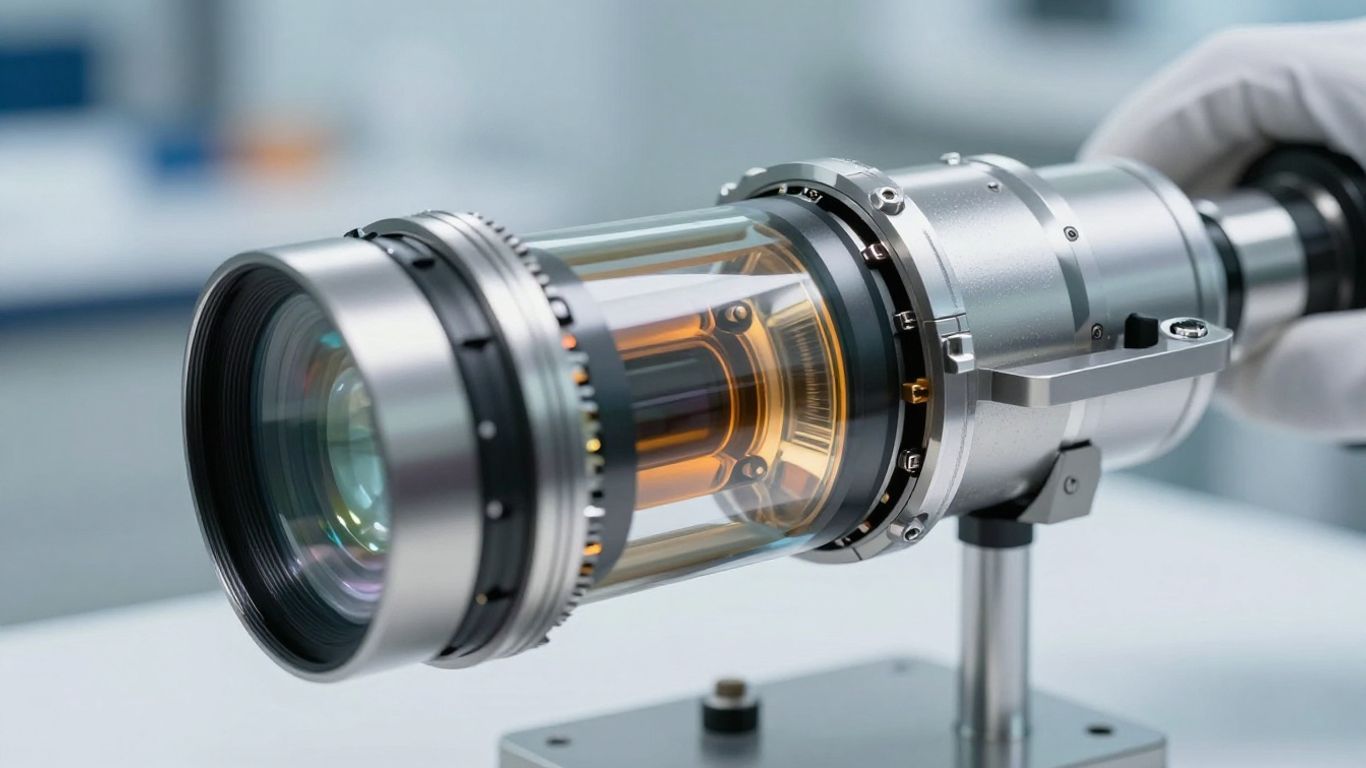

When you're developing tactical drone platforms, picking the right thermal surveillance camera system is a big deal. It's not just another part; it really affects how well your drone can do its job, from seeing things far away to staying in the air longer. This guide will help you figure out what makes a thermal surveillance camera system truly ready for tough missions, looking at the important features and what you need to consider.
Key Takeaways
- The choice of a thermal surveillance camera system is critical for the success of tactical drone missions, whether for observation or defense.
- Cooled thermal systems offer better long-range detection for important tasks, while uncooled ones are better for saving space, weight, and power on longer flights.
- Look for systems with good optical design, matching lenses to sensors, and special filters to ensure they perform well in the field.
- Manufacturers that handle the whole production process can offer faster custom work, reliable parts, and better overall system performance compared to just buying off-the-shelf parts.
- Choosing thermal imaging solutions designed for the job, rather than just standard cameras, gives drone builders a real edge in detection, easier integration, and a stronger market position.
Defining Mission-Critical Thermal Surveillance Camera Systems
Distinguishing Tactical-Grade from Commercial Alternatives
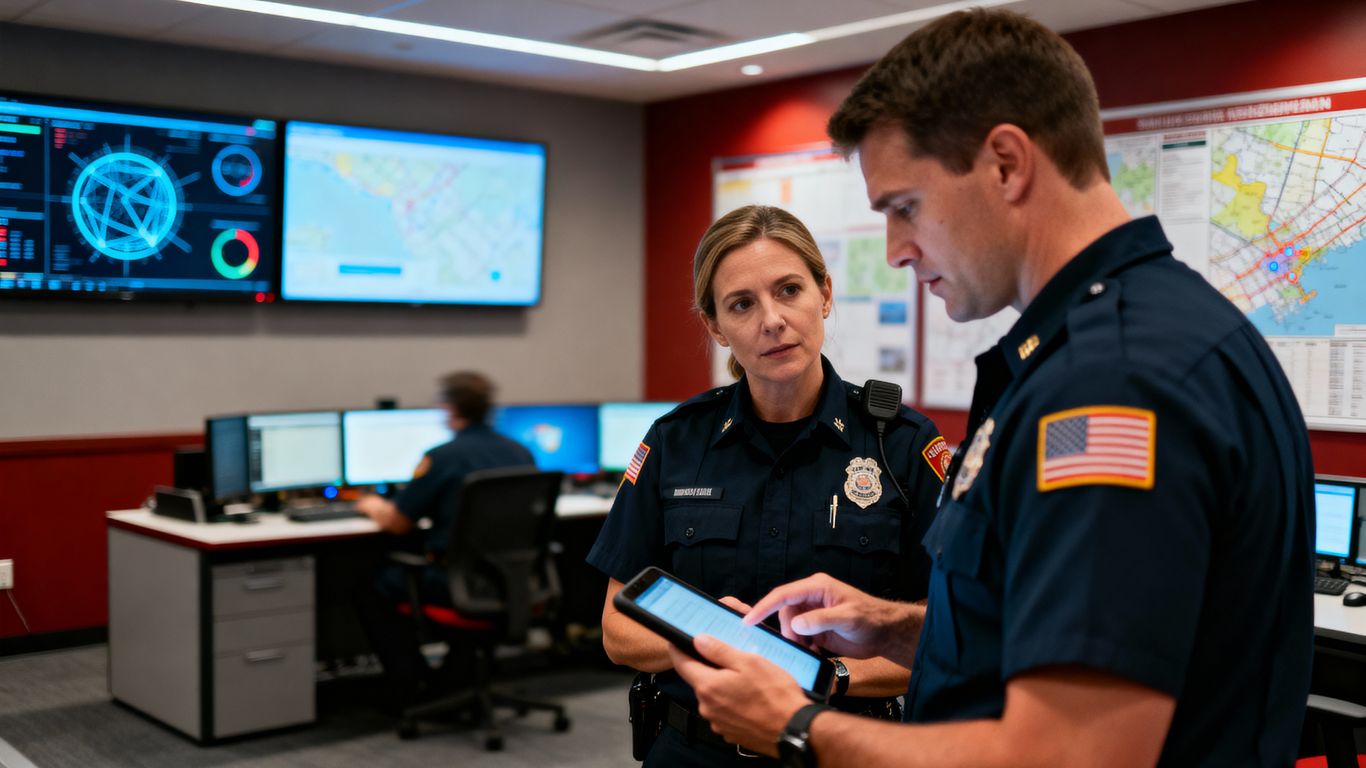
The landscape of thermal imaging for drones has shifted dramatically. What was once experimental is now a core requirement for many defense and aerospace applications. For those developing drone platforms, selecting the right thermal surveillance camera system is a decision that profoundly impacts mission success. It's not just another component; it dictates how far you can see, how long you can operate, and ultimately, whether your platform performs as needed. The difference between a camera that merely meets basic needs and one engineered for tactical use can be the deciding factor in winning contracts or falling behind competitors with superior imaging capabilities. This section explores what truly separates mission-ready tactical systems from their commercial counterparts.
Essential Components for Mission Readiness
Mission-ready thermal imaging systems for tactical drone platforms need more than just the ability to detect infrared radiation. The harsh realities of defense and aerospace operations expose the limitations of commercial-grade parts that might work fine in controlled settings but falter in the field. Key elements that define a mission-ready system include:
- Detector Sensitivity and Resolution: The ability to detect subtle temperature differences and resolve fine details is paramount. This directly influences detection range and target recognition capabilities.
- Environmental Robustness: Tactical systems must withstand extreme temperatures, shock, vibration, and other environmental stressors without performance degradation. This includes sealed housings and hardened optics.
- Image Processing and Stabilization: Advanced algorithms are needed to enhance thermal data, reduce noise, and provide stable imagery, especially when the drone is in motion or operating in challenging conditions.
- Power Efficiency and SWaP Optimization: For drone integration, minimizing size, weight, and power consumption is critical to maximizing flight time and payload capacity. Tactical systems are engineered with these constraints in mind.
The Role of Thermal Imaging in Modern Defense
Thermal cameras detect infrared energy, invisible to the human eye, and convert it into visible images. This capability is transformative for defense operations, enabling surveillance, reconnaissance, and targeting in conditions where visual observation is impossible. For instance, Long-Wave Infrared (LWIR) thermal camera technology allows for the detection of heat signatures through obscurants like smoke, fog, and darkness. This is vital for identifying enemy combatants, tracking vehicles, or assessing battle damage at extended ranges. In counter-unmanned aircraft systems (C-U-A-S), high-sensitivity thermal cameras can distinguish between objects with similar thermal profiles, providing enhanced situational awareness to identify and track unauthorized drones. The ability to operate 24/7, regardless of lighting, makes thermal imaging an indispensable tool for modern defense strategies. If you are considering integrating such advanced capabilities, reaching out to experts can help clarify your options. Contact us at https://www.lightpath.com/contact.
Key Performance Indicators for Tactical Drone Cameras
When you are selecting a thermal surveillance camera for a tactical drone, it is important to look beyond just the basic specifications. The real-world performance of the camera directly impacts the success of your mission. You need to consider how the camera will perform under operational conditions, not just in a lab. Several key performance indicators will help you make the right choice.
Detection Range and Target Recognition Capabilities
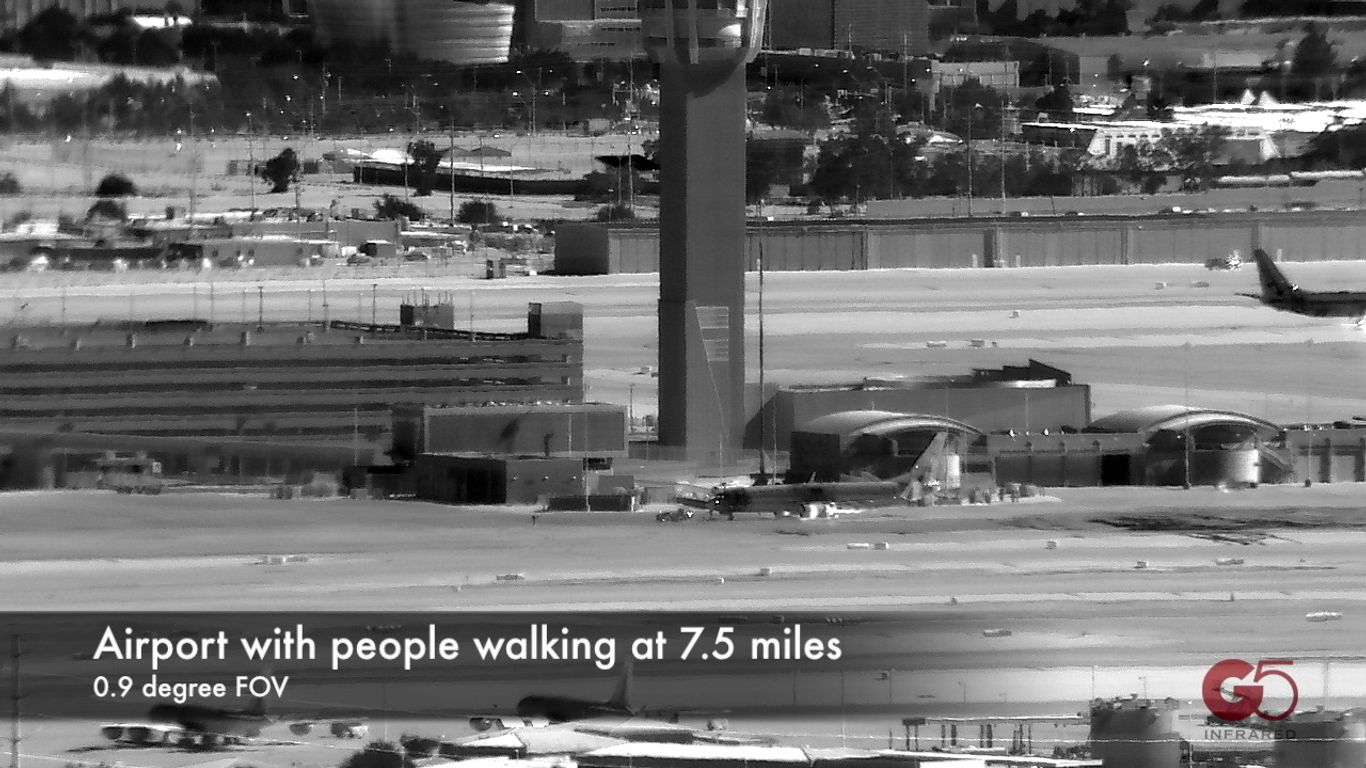
The distance at which your drone camera can detect and identify a target is often the most critical factor. This range isn't just about seeing a heat signature; it's about recognizing what that signature represents. Several elements influence this: the sensitivity of the camera's detector, the focal length of the lens, atmospheric conditions like haze or fog, and the characteristics of the target itself. A system that can only detect a vague heat anomaly might not provide the actionable intelligence you need. You require a camera that offers sufficient resolution to distinguish between different types of targets, moving beyond simple detection to true recognition. This capability is vital for making informed decisions in dynamic situations.
Frame Rate and Latency for Real-Time Decision-Making
For tactical operations, especially those involving moving targets or rapid maneuvers, the video feed needs to be as close to real-time as possible. This means looking at the frame rate and latency. A low frame rate can result in choppy video, making it difficult to track targets smoothly, particularly when the drone is moving. High latency, the delay between an event happening and it appearing on your display, can be equally detrimental. You should aim for systems with frame rates of at least 30 Hz and minimal latency. This ensures that operators receive a clear, responsive video stream, which is necessary for effective decision-making during critical moments.
Environmental Operating Range and Durability
Tactical drones operate in a wide variety of environments, from scorching deserts to freezing arctic regions. Your thermal camera system must be built to withstand these extremes. This includes maintaining its calibration and performance across a broad temperature range without needing constant adjustments. Furthermore, the camera needs to be robust enough to handle the vibrations and shocks associated with drone launch, flight, and landing. Unlike commercial-grade equipment, tactical systems are engineered for resilience, ensuring reliability when it matters most. Consider the following aspects:
- Temperature Extremes: The camera must function reliably in temperatures ranging from -40°C to +60°C or wider, depending on anticipated operational theaters.
- Shock and Vibration Resistance: Look for specifications related to MIL-STD-810G or similar standards to confirm durability during flight and landing.
- Ingress Protection (IP) Rating: A high IP rating indicates resistance to dust and water, which is important for operations in adverse weather conditions.
When evaluating these performance indicators, remember that the best system for your needs will depend on the specific mission profile. You can learn more about how advanced thermal imaging solutions can meet your requirements by contacting us at https://www.lightpath.com/contact.
Architectural Considerations: Cooled Versus Uncooled Systems
When you're outfitting a tactical drone with a thermal surveillance camera, a primary technical decision you'll face is the type of detector technology. The choice between cooled and uncooled thermal systems significantly impacts performance, platform integration, and operational readiness. Each architecture presents distinct advantages that align with specific mission profiles and the constraints of your drone platform.
Superior Sensitivity of Cooled Thermal Systems
Cooled thermal systems employ cryogenic cooling to reduce detector noise and maximize sensitivity. This technology allows for the detection of temperature differences as small as a few millikelvin. What this means for your mission is the ability to identify targets at extreme distances or distinguish between objects with nearly identical heat signatures. These capabilities make cooled systems particularly well-suited for long-range intelligence, surveillance, and reconnaissance (ISR) platforms, precision targeting systems, and any application where detection performance cannot be compromised. However, this superior performance comes with a trade-off: cooled systems typically have a larger footprint and higher power requirements due to the necessary cooling mechanisms, and they require a warm-up period before they can operate.
Optimizing Size, Weight, and Power with Uncooled Technology
Uncooled thermal surveillance camera technology offers a more compact and power-efficient solution. Modern uncooled detectors provide resolution and sensitivity that are adequate for many tactical applications, all while eliminating the power draw, weight penalty, and complexity associated with cooling mechanisms. These characteristics make uncooled systems an excellent choice for smaller drone platforms where flight time and payload capacity are primary concerns. They also offer an "instant-on" capability, meaning there's no warm-up time needed, which is ideal for rapid deployment scenarios. While they may not match the extreme sensitivity of cooled systems, advancements in processing and detector technology have made them highly capable for a wide range of surveillance and detection tasks.
Matching System Architecture to Mission Requirements
The selection between cooled and uncooled architectures should be driven by your specific mission requirements, not by general assumptions. Consider these points:
- Detection Range: For missions requiring the identification of targets at very long distances, a cooled system's superior sensitivity is often indispensable.
- Platform Constraints: If your drone is a smaller platform with limited payload capacity and battery life, an uncooled system's compact size and low power consumption will be more practical.
- Operational Tempo: For missions demanding immediate deployment, the instant-on capability of uncooled systems offers a distinct advantage over the warm-up time required by cooled systems.
- Budgetary Considerations: Cooled systems generally have a higher acquisition and operational cost compared to uncooled systems.
Ultimately, understanding your operational needs is key. A reconnaissance platform conducting area surveillance over friendly territory might achieve mission success with uncooled cameras that maximize flight time. Conversely, a targeting platform tasked with identifying hostile forces at long range will likely require the performance of cooled systems, regardless of the size, weight, and power (SWaP) penalty. If you need assistance in determining the optimal thermal imaging solution for your specific application, please reach out to us at https://www.lightpath.com/contact.
Integration Challenges and Manufacturing Provenance
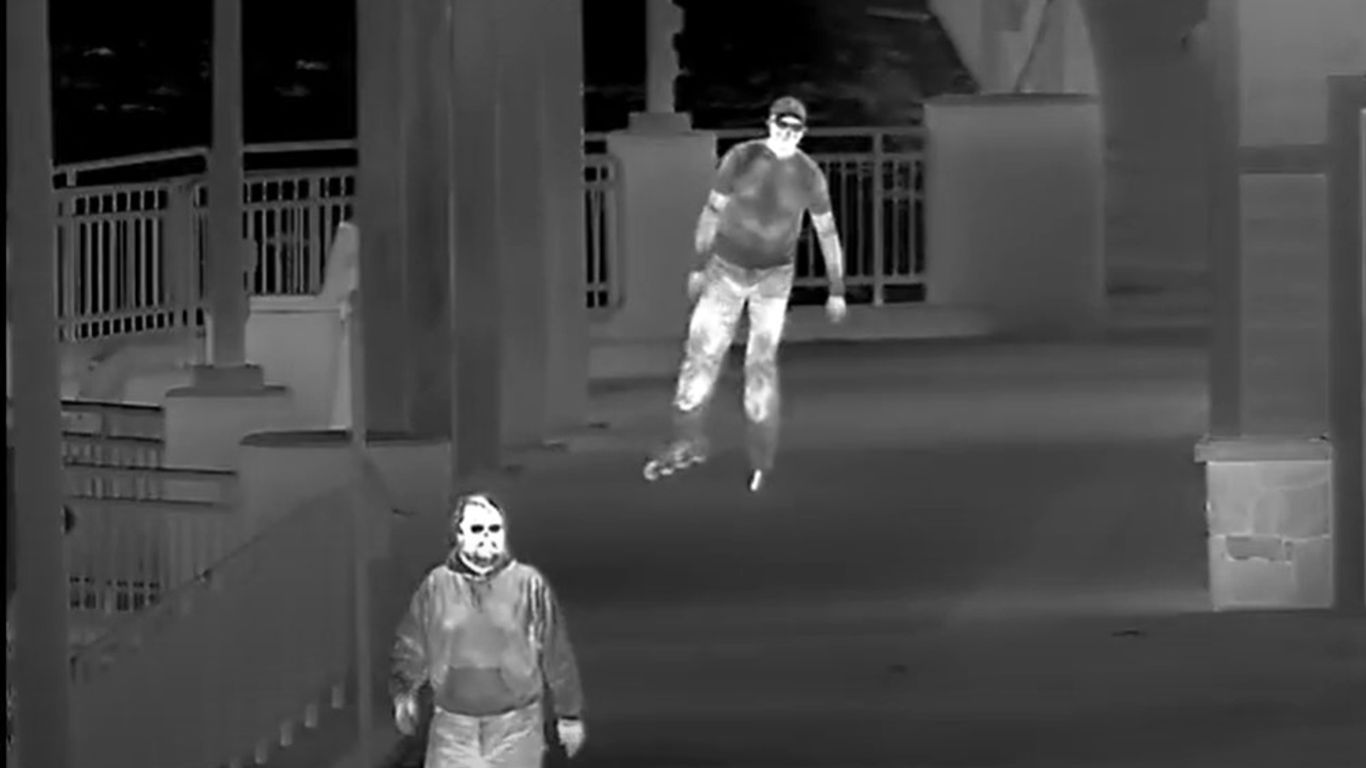
Integrating a high-performance thermal surveillance camera into a tactical drone platform is a lot more involved than just attaching a sensor. The path from specification to deployment runs into roadblocks that can have long-term effects on program stability, compliance, and even national security. Your choices here influence more than just technical outcomes—they shape your ability to adapt and operate.
Addressing Size, Weight, and Power (SWaP) Constraints
Size, weight, and power—those are the three numbers everyone talks about, and for good reason. Every aspect of a drone is affected by its payload. Choose a heavier, higher-draw camera system, and you sacrifice flight time or need a bigger power source; go too small or low-power, and detection range and image quality can suffer. Integrating a thermal camera that’s not built with SWaP in mind usually leads to lots of platform adaptation, sometimes involving custom housings or rethinking the vehicle's components entirely.
Key factors to consider:
- Payload capacity: Can your drone handle additional weight while still meeting endurance targets?
- Power draw: Will the camera system reduce operational endurance or affect other onboard systems that need electricity?
- Form factor: Can the camera fit existing mounts, or are custom mechanical interfaces needed?
For example, solutions customized for SWaP from the start eliminate the need for clunky adapter plates or reconfigured internal layouts, helping maintain aerodynamics and operational simplicity. When your threat landscape is rapidly evolving, this fast adjustment is valuable—protecting energy infrastructure from drone threats makes these points more than just theoretical.
Supply Chain Security and Regulatory Compliance
Manufacturing provenance is emerging as a defining issue. Where and how your camera is built, and where its components come from, has serious implications for reliability and compliance. For tactical platforms, sudden changes in material availability or regulatory status can halt production or limit operational use. Traditional thermal optics depend heavily on materials like germanium, which has recently faced export restrictions and price swings.
What to prioritize in supply chain and compliance:
- Material sourcing: Can your supplier guarantee availability over the long term, especially for specialty optics or sensors?
- Regulatory alignment: Does your camera system comply with local and international rules, including ITAR or EAR requirements?
- Traceability: Is it possible to audit the component trail from sensor to final product? This is vital for both program assurance and market access.
A table summarizing these considerations:
|
Factor |
What to Ask |
Why It Matters |
|---|---|---|
|
Material Sourcing |
Are supply risks (e.g., germanium) mitigated? |
Stability over project life |
|
Regulatory Status |
Is the vendor compliant with NDAA/ITAR/EAR? |
Avoids delays, legal risks |
|
Component Traceability |
Can every lens or sensor be traced to origin? |
Program security and support |
Camera systems assembled from off-the-shelf components are sometimes repurposed from commercial supply chains. They might seem cost-effective, but at the first sign of a major regulation change or supply problem, support dries up. That’s a critical risk you cannot manage late in the program lifecycle.
The Importance of Vertically Integrated Manufacturers
Source everything from one supplier or build from parts—this is a defining choice in your platform architecture. Vertically integrated manufacturers manage the process from raw material through optics manufacturing, assembly, and system integration. That means single-source accountability for performance, schedule, and material traceability.
Consider these benefits:
- Fewer delays and improved communication when changes are needed
- Better quality control, as suppliers manage both optical components and cameras
- Simplified export compliance and documentation, since the manufacturing path is clear
- Predictable response to design changes or support needs, especially as threats or mission requirements shift
Spot suppliers offering in-house lens manufacturing and camera assembly—their integration teams can move quickly when updates are needed. This is particularly true in markets where requirements can change at short notice, or when expanding into new applications.
Securing a reliable, compliant, and adaptable integration stream will save cycles as you scale and support your tactical drone fleet. For more guidance specific to your application, reach out to LightPath’s specialist team and start the conversation about your integration needs.
Advanced Capabilities and Application-Specific Requirements
Multi-Sensor Integration for Enhanced Situational Awareness
Integrating multiple sensor types onto a single drone platform moves beyond basic thermal detection. You can combine thermal cameras with high-resolution visual cameras, powerful zoom lenses, and laser rangefinders. This fusion allows operators to switch between imaging modes, overlay thermal data onto visual feeds, or precisely measure distances to targets for accurate coordinate reporting. Such multi-sensor systems provide a more complete picture of the operational environment, which is vital for complex missions.
Real-Time Video Transmission for Tactical Operations
For tactical applications, receiving imagery in real-time is not just beneficial; it's often a necessity. Reliable video downlink capabilities allow ground commanders to see exactly what the drone is observing. This immediate visual feedback enables swift, informed tactical decisions and the efficient deployment of resources. Without this, the drone's intelligence is delayed, diminishing its operational value.
Understanding Optical Trade-offs in Lens Selection
When selecting a thermal camera, the lens choice presents a significant trade-off. Wide field-of-view lenses are excellent for covering large areas, providing broad situational awareness. However, they inherently reduce the detection range for specific targets. Conversely, narrow field-of-view lenses extend your detection range, allowing you to see distant objects more clearly, but they cover a much smaller area. Your operational needs will dictate which of these optical characteristics is more important. For instance, MWIR cameras are adept at identifying temperature differences within mid-range wavelengths, finding frequent application in military and tactical drones for extended surveillance purposes. Precision optical components, designed specifically for thermal wavelengths, can help mitigate these trade-offs by maximizing light transmission across the entire optical path. You should always request complete system NETD specifications, including the actual lens f-numbers, rather than relying solely on theoretical sensor capabilities. If you need assistance evaluating these complex optical trade-offs for your specific application, consider reaching out to experts. You can contact us at https://www.lightpath.com/contact.
Navigating Export Restrictions and Specification Choices
When you're developing tactical drone systems, understanding the rules around exporting technology is just as important as picking the right camera. The United States has regulations like ITAR (International Traffic in Arms Regulations) and EAR (Export Administration Regulations) that can affect which thermal imaging capabilities you can sell internationally. These rules often come into play if a system has a resolution higher than 640×512, operates above a 9 Hz frame rate, or has a thermal sensitivity (NETD) below 50mK. Knowing these limits early on can save you a lot of trouble down the road.
Understanding ITAR and EAR Regulations
These regulations are designed to control the export of defense-related technologies. For thermal cameras, this means that systems with very high performance – like extreme sensitivity or high frame rates – might be classified as defense articles. This classification can impose strict requirements on who you can sell to and where you can sell it. It's not just about international sales; these rules can also influence domestic partnerships or even the components you can use if your end product is destined for export. For instance, a system designed with capabilities that fall under ITAR might require a special license for export, which can be a lengthy and complex process. It's often more practical to design your system with these restrictions in mind from the start, rather than trying to adapt it later. You can find more information on these regulations through government resources, but for specific guidance related to your product, consulting with a legal expert specializing in export controls is advisable.
Aligning Specifications with Operational Needs
It's easy to get caught up in the numbers on a spec sheet, but you need to ask yourself if those high-end specifications are truly necessary for your mission. For example, a search and rescue operation might not need a 640×512 resolution camera running at 30 Hz if a 320×240 camera at a lower frame rate can effectively locate heat signatures. Over-specifying can lead to unnecessary export controls, increased costs, and potentially a system that's more complex than needed. Think about the actual operational environment and the primary tasks the drone will perform. Does your application require tracking very fast-moving targets, or is it more about broad area surveillance? The answers to these questions will help you select specifications that meet your needs without triggering export restrictions unnecessarily. This careful alignment ensures you get the performance you require while maintaining market access. LightPath has been a trusted partner to aerospace and defense innovators for over 40 years, providing components and systems engineered for challenging conditions.
Application-Driven Decisions for Optimal Performance
Your choice of thermal camera should be driven by what the drone needs to accomplish. Consider the trade-offs between different types of thermal systems. For instance, while cooled thermal systems offer superior sensitivity for long-range detection, they also come with higher costs and power demands. Uncooled systems, on the other hand, are more compact and power-efficient, making them suitable for a wider range of drone platforms. When selecting lenses, think about the balance between a wide field of view for broad coverage and a narrow field of view for extended detection range. These optical choices can significantly impact performance, sometimes more than raw sensor resolution. By focusing on the specific demands of your application – whether it's surveillance, search and rescue, or inspection – you can make informed decisions that lead to optimal performance and avoid costly over-engineering. If you need assistance in selecting the right components for your tactical drone systems, consider reaching out to experts at https://www.lightpath.com/contact.
Choosing the right specifications and understanding export rules can seem tricky. We make it simple. Explore our site to find the perfect fit for your needs and get expert advice. Visit us today!
Looking Ahead
As you can see, tactical drones equipped with thermal surveillance cameras are no longer just a futuristic idea; they're a present-day necessity. The technology has come a long way, moving from experimental stages to becoming a vital part of operations. When you're building these platforms, picking the right thermal camera isn't just about picking a part number. It really affects how far you can see, how long the drone can fly, and ultimately, whether the mission succeeds. Making sure you choose a system that's built for tough conditions, not just a basic commercial model, is key to staying ahead. It's about getting the best performance so your platform stands out.
Frequently Asked Questions
What makes a thermal camera suitable for military drones?
For military drones, a thermal camera needs to be tough. It must work in very hot or cold weather, handle bumps and shakes from flying, and be able to spot things from far away. Unlike regular cameras, it sees heat, which is useful even when it's dark or there's smoke.
Why is the speed of the camera important for drone missions?
When a drone is moving, especially if it's watching something that's also moving, you need the camera to show you what's happening right away. If the video is slow or choppy (high latency), it's hard to make quick decisions, which can be dangerous in military situations.
What's the difference between cooled and uncooled thermal cameras on drones?
Cooled thermal cameras are super sensitive and can see tiny differences in heat, making them great for spotting targets from a long distance. Uncooled cameras are lighter, use less power, and are cheaper, making them better for drones that need to fly for a long time or are small.
Why is it important where the drone camera is made?
Knowing where your drone camera comes from is crucial for security. It means the parts are traceable, and the manufacturing follows strict rules. This helps ensure the camera won't be easily tampered with and that you can get replacements when you need them, which is vital for military operations.
Can you combine different types of cameras on a drone?
Yes, you often can! Combining a thermal camera with a regular high-definition camera or a zoom camera gives you more information. You can switch between views or even see both at once, which greatly improves your understanding of what's happening around you.
What are export restrictions for drone cameras, and why do they matter?
Some advanced thermal cameras have strict rules about where they can be sold or sent, like ITAR and EAR in the U.S. These rules are in place for national security reasons. If you plan to sell drones overseas or work with international partners, you must understand these rules to avoid problems and choose cameras that meet both your needs and legal requirements.