
You're looking to understand how long-wave infrared (LWIR) technology can help your projects, especially with drones and industrial monitoring. It's not just about seeing in the dark; it's about getting reliable information when and where you need it. This guide breaks down the practical side of LWIR applications, showing you what it can do for your systems without getting lost in overly technical details. Think of it as a straightforward look at how this tech can make your work easier and more effective.
Key Takeaways
- LWIR imaging captures heat signatures, letting you see things clearly even in total darkness or through fog and smoke, which is a big deal for drones and industrial checks.
- For drone operations, using LWIR cameras means dealing with smaller, lighter, and less power-hungry systems, making integration much simpler.
- In industrial settings, LWIR is great for watching equipment, spotting problems before they happen, and finding gas leaks, helping to prevent costly breakdowns and safety issues.
- This technology works well in tough conditions, from complete darkness to extreme heat or cold, making it reliable for various demanding jobs.
- When choosing between LWIR and MWIR, consider what you're trying to see (temperature differences) and where you'll be using it, as LWIR is often the more practical and cost-effective choice for most common applications.
Understanding Long-Wave Infrared Technology
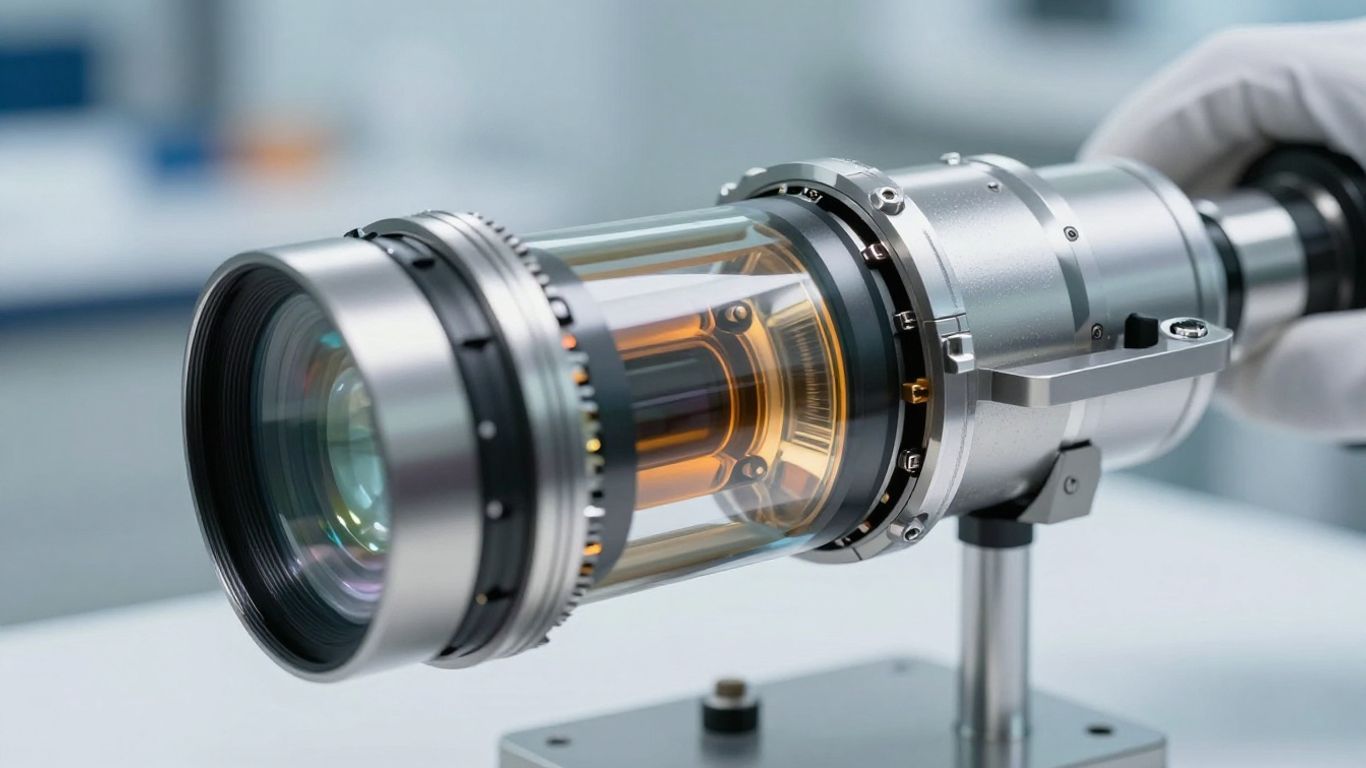
Long-wave infrared (LWIR) technology represents a significant advancement in thermal imaging, allowing for the detection of heat signatures emitted by objects. This capability is distinct from visible light cameras, which rely on reflected light. LWIR systems operate within a specific portion of the electromagnetic spectrum, typically between 8 and 14 micrometers. This particular range is chosen because objects at ambient temperatures, such as people, animals, and most equipment, emit their peak thermal radiation within these wavelengths. This makes LWIR imaging particularly effective for detecting targets that do not generate their own visible light or are not illuminated externally.
Fundamentals of LWIR Imaging
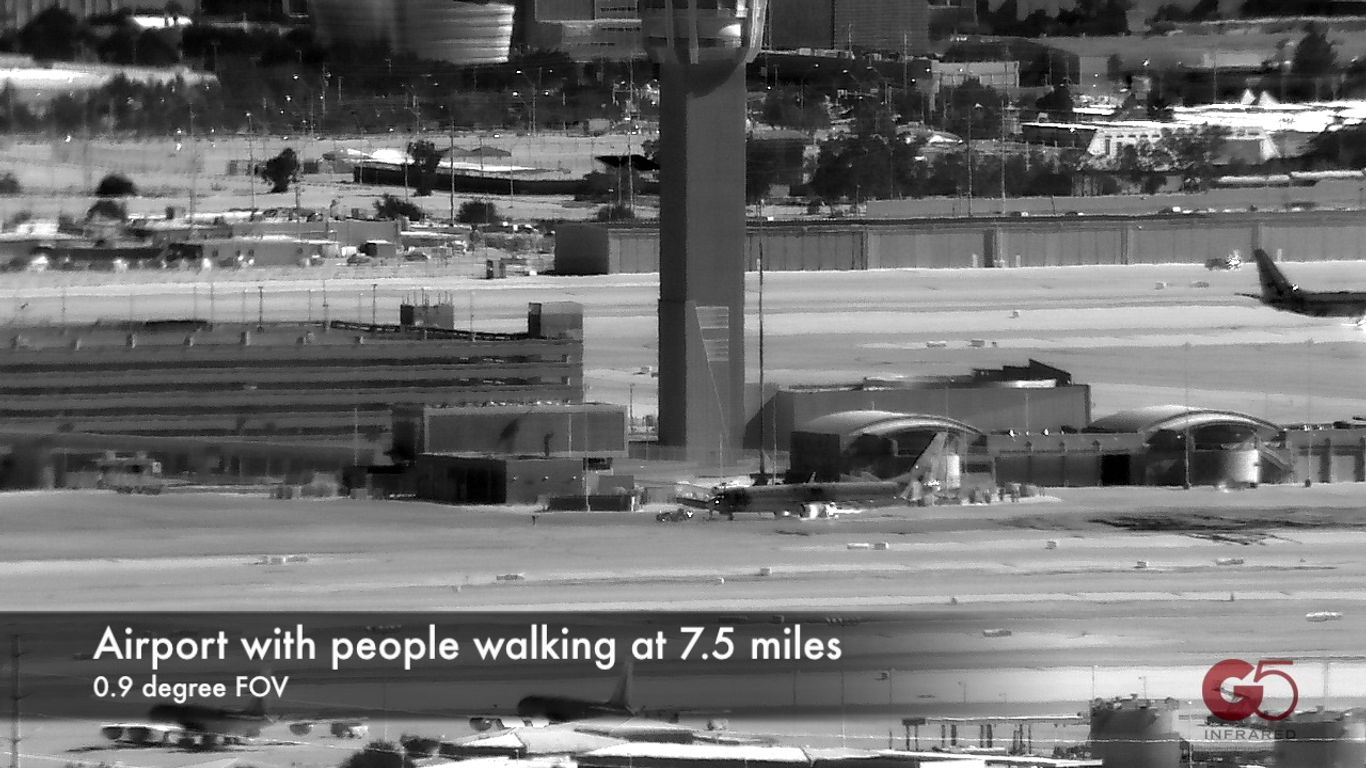
LWIR imaging captures the infrared radiation that objects naturally emit based on their temperature. Unlike visible light cameras that need external light sources, LWIR cameras work by sensing this emitted heat. The core component is often an uncooled microbolometer detector. These detectors are sensitive to infrared radiation and convert it into an electrical signal, which is then processed to create a thermal image. This image displays temperature differences as variations in color or grayscale, allowing for the visualization of heat patterns. The practical advantage here is the ability to see in complete darkness, through smoke, fog, or dust, and even through thin materials that are transparent to infrared radiation. This makes LWIR a versatile tool for a wide array of applications where visibility is otherwise limited.
Key Advantages of LWIR for System Integration
Integrating LWIR systems into various platforms offers several distinct benefits. A primary advantage is their ability to operate without external illumination, providing a passive surveillance capability that does not reveal the observer's presence. Furthermore, LWIR technology excels in challenging atmospheric conditions. It can penetrate smoke, fog, dust, and light precipitation far better than visible light cameras. This is due to the specific wavelengths used, which are less affected by scattering from these particles. For system integrators, the uncooled nature of most LWIR detectors is a significant plus. It means reduced power consumption, smaller size, lighter weight, and lower cost compared to cooled infrared systems. These factors simplify integration, reduce maintenance, and lower the overall total cost of ownership for the end-user.
LWIR Wavelengths and Atmospheric Transmission
The specific wavelengths used in LWIR imaging, generally from 8 to 14 micrometers, are chosen for their favorable atmospheric transmission properties. While water vapor and carbon dioxide can absorb infrared radiation, this particular band has a relatively clear atmospheric window. This means that thermal radiation in the LWIR range can travel through the atmosphere with less attenuation compared to other infrared bands. This characteristic is vital for applications requiring detection over distance, as it ensures that the thermal signal from the target reaches the sensor with minimal degradation. This is particularly important in environments where atmospheric conditions might otherwise obscure vision, making LWIR a reliable choice for surveillance and monitoring tasks across diverse geographical and weather conditions.
LWIR Applications in Drone Operations
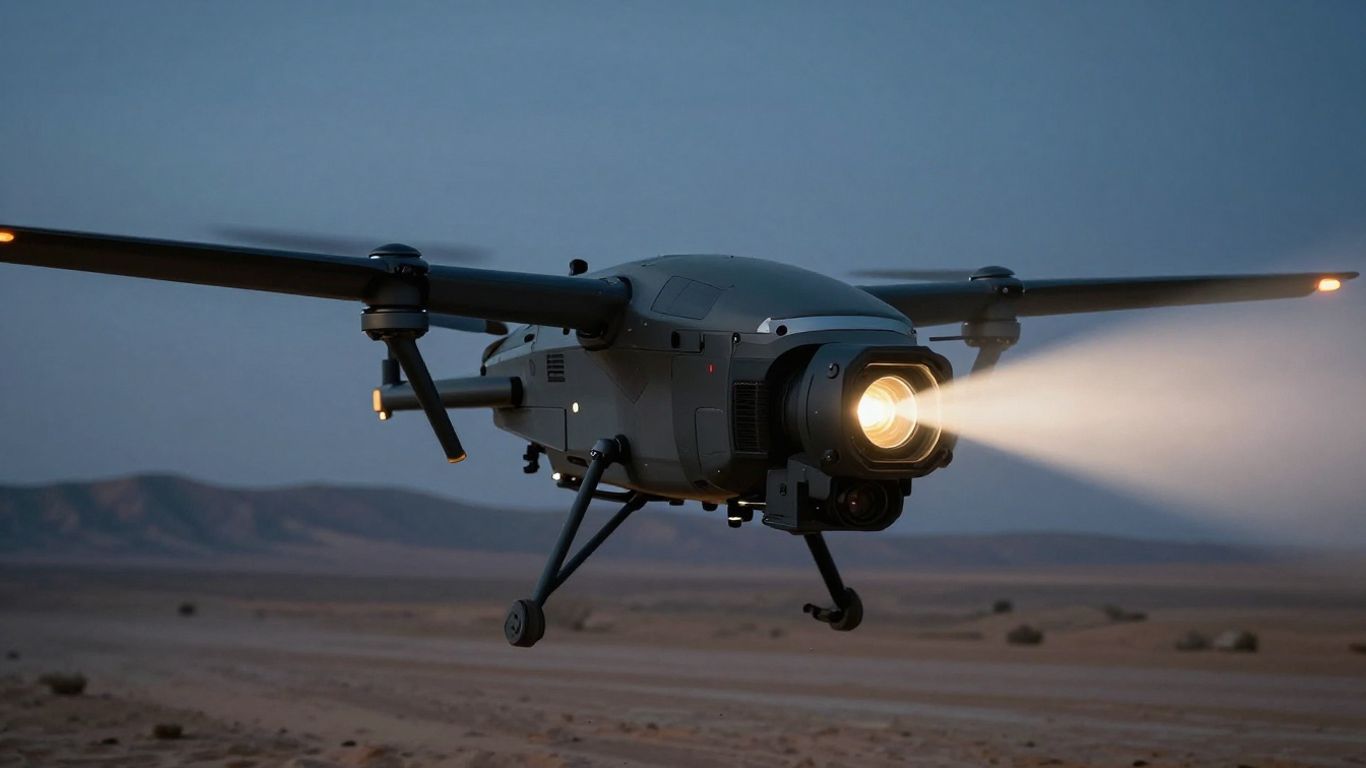
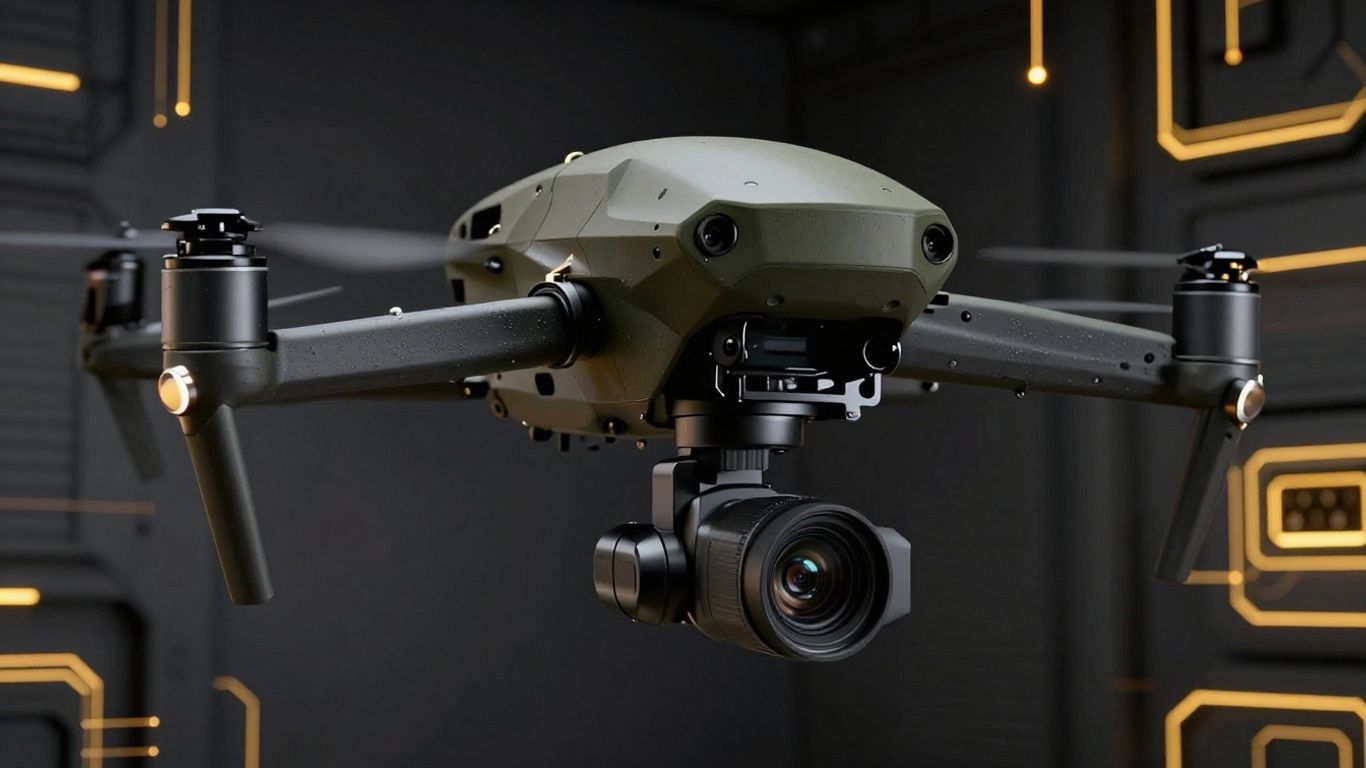
Drones with long-wave infrared (LWIR) imaging are becoming tools you can rely on, not just for security teams but also for professionals running search operations and industrial checks. With the steady advancement of thermal camera technologies, more drone models can carry LWIR sensors, opening up new ways for you to spot heat and temperature changes from the air. What follows are practical details about integrating these systems onto aerial platforms, their benefits in security, and the limits you need to keep in mind regarding payload and power.
Drone Integration of IR Cameras
Mounting an LWIR camera to a drone is no longer a complicated affair confined to large defense contracts. This technology is now available in off-the-shelf packages for various applications. Here’s what to keep in mind when configuring a drone for IR imaging:
- Sensor and Lens Selection: Match the camera’s resolution and lens focal length to your mission. Wide views are best for general monitoring; narrow views go further but provide less coverage per pass.
- Data Output: Consider whether you need radiometric video (which adds temperature data for each pixel) or standard thermal video. More data means faster storage needs and possible lag over a live link.
- Mechanical Mounts: Use stabilized gimbals for clear imagery during motion. Fixed mounts may be lighter but suffer from vibration or wind shift.
- System Integration: Account for signal interfaces, compatibility with ground stations, and the ability to trigger image capture remotely.
Tactical Surveillance with Drone-Mounted LWIR Systems
LWIR-equipped drones have changed what’s possible when viewing targets in low light, through foliage, or behind smoke. Here’s how you benefit in tactical and security scenarios:
- Stealth Observation: Thermal imaging doesn’t need visible light, so you can operate in full darkness without alerting anyone.
- See Through Obstacles: LWIR passes through smoke, dust, and light fog, which makes it useful for disaster response and battlefield conditions where visibility drops.
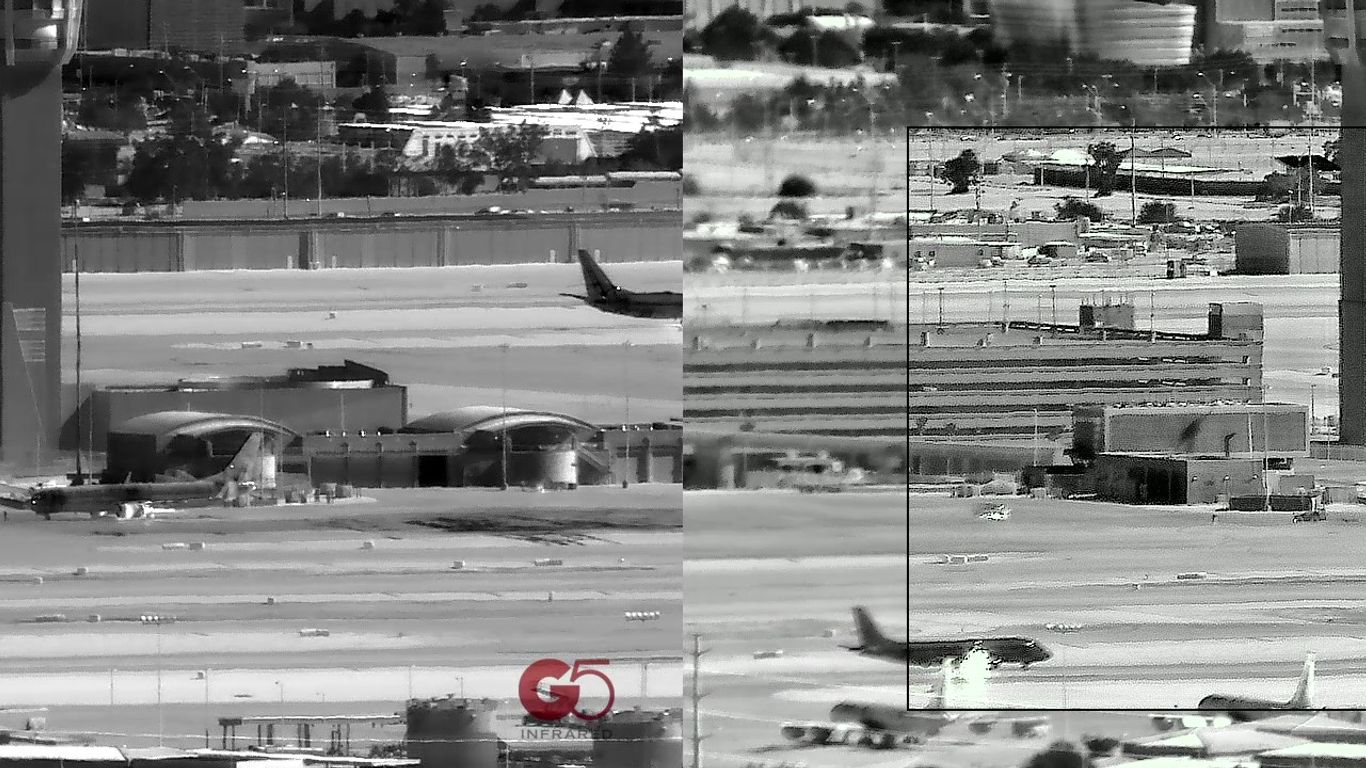
- Long-Range Detection: Human bodies, vehicles, and other warm objects stand out even at a distance, letting you spot movement and heat-based anomalies from above.
- Silent Monitoring: Since the technology is passive, drones with LWIR can perform covert surveillance—no lights or infrared beams that could give away the drone’s position.
Weight and Power Constraints for Drone Payloads
No matter how good the sensor, your drone’s endurance often comes down to how much weight it can lift and how much energy it can spare. Here’s a snapshot of how different IR payload options stack up:
|
System Type |
Weight Profile |
Power Consumption |
Typical Platform |
|---|---|---|---|
|
Uncooled LWIR |
Lightweight, compact |
Low (few watts) |
Small/medium drones |
|
Cooled MWIR |
Heavy (2–6 kg) |
High (20–50 W) |
Large, industrial UAVs |
|
Dual-sensor Systems |
Moderate, variable |
Moderate |
Professional/fleet UAVs |
Consider these factors before picking an IR camera for drone deployment:
- Power draw and payload weight directly impact flight time and battery needs.
- Data streaming from high-res, radiometric cameras can exceed standard downlinks. You may need to compress video, reduce frame rate, or store onboard.
- Temperature sensitivity and lens choice also affect weight and system complexity, especially for missions that require a balance between range and area coverage.
Whether you’re updating your drone program or specifying your first LWIR payload, accounting for these details early prevents costly missteps. If you would like direct advice or need help choosing components for drone-based LWIR, connect with our team at LightPath Technologies.
Industrial Monitoring with LWIR Solutions
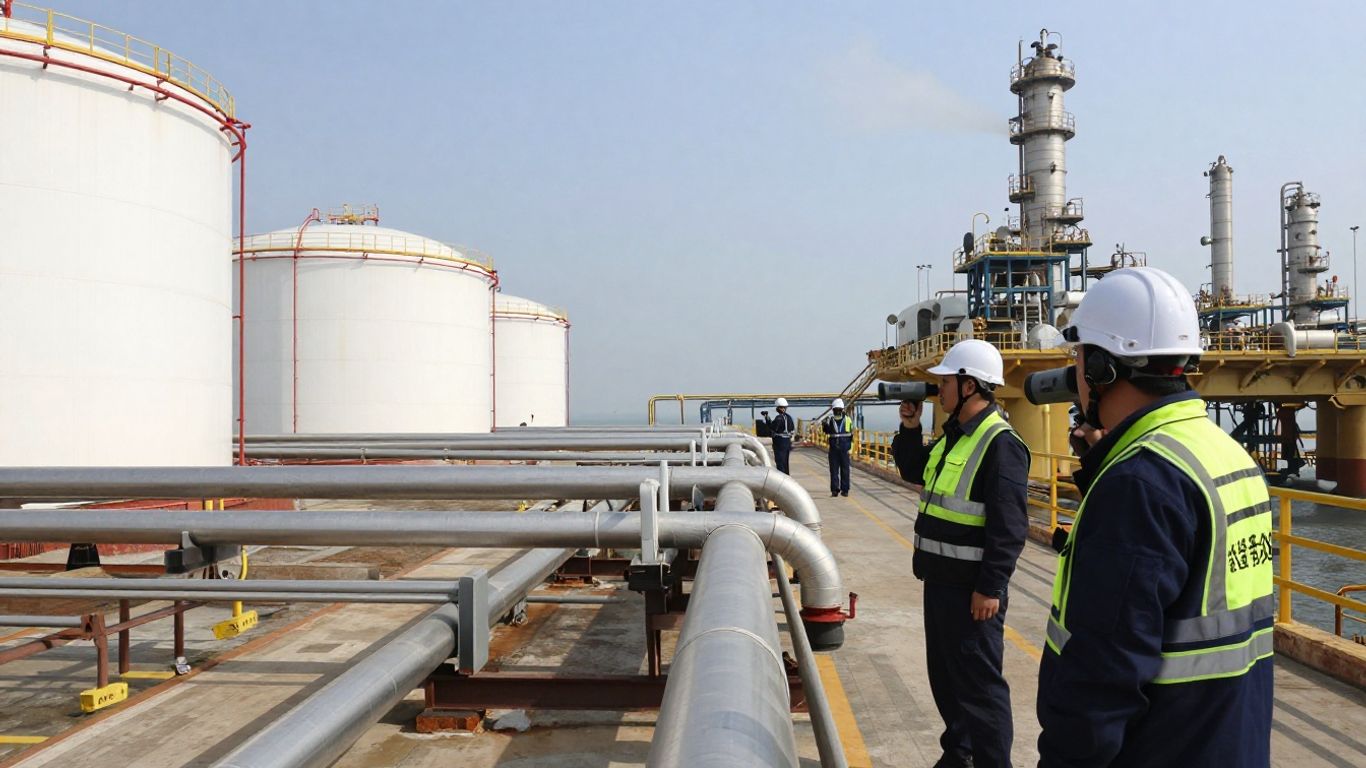
Industrial settings present a unique set of challenges for monitoring equipment and processes. From high-temperature environments to the presence of dust and chemicals, standard imaging systems often fall short. Long-wave infrared (LWIR) technology offers a robust solution, providing critical insights without direct contact and in conditions where visible light cameras cannot operate. You can find more information on LWIR imaging and its industrial uses.
Critical Role of Thermal Imaging in Equipment Monitoring
Thermal imaging has become indispensable for monitoring industrial equipment. By detecting the infrared radiation emitted by objects, LWIR cameras can visualize temperature differences that often indicate developing problems. This allows for proactive identification of issues before they lead to costly failures or safety hazards.
Key areas where thermal imaging provides significant value include:
- Electrical Systems: Identifying hot spots in transformers, switchgear, and connections that signal overloaded circuits, loose connections, or failing components. This is vital for power generation, transmission, and distribution operations.
- Mechanical Equipment: Detecting overheating in motors, bearings, and rotating machinery, which can point to friction, lubrication issues, or impending mechanical failure.
- Process Monitoring: Observing temperature variations in furnaces, kilns, and chemical processes to ensure optimal operation, product quality, and safety. This is particularly important in industries like steel manufacturing and chemical processing.
Predictive Maintenance and Anomaly Detection
Predictive maintenance programs heavily rely on thermal imaging to prevent unplanned downtime. Instead of waiting for equipment to fail, you can use LWIR cameras to spot subtle temperature anomalies that suggest a problem is brewing. This approach allows for scheduled maintenance during planned shutdowns, significantly reducing operational disruptions and repair costs.
Here’s how it works:
- Routine Scans: Regularly scan critical equipment using LWIR cameras.
- Anomaly Identification: Analyze the thermal images for unusual hot or cold spots that deviate from normal operating temperatures.
- Root Cause Analysis: Investigate the identified anomalies to determine the underlying cause, such as a failing bearing or a loose electrical connection.
- Scheduled Repair: Address the issue during a planned maintenance window before it escalates into a critical failure.
This systematic approach transforms maintenance from a reactive necessity to a proactive strategy, optimizing asset lifespan and operational efficiency.
Gas Leak Detection and Environmental Surveillance
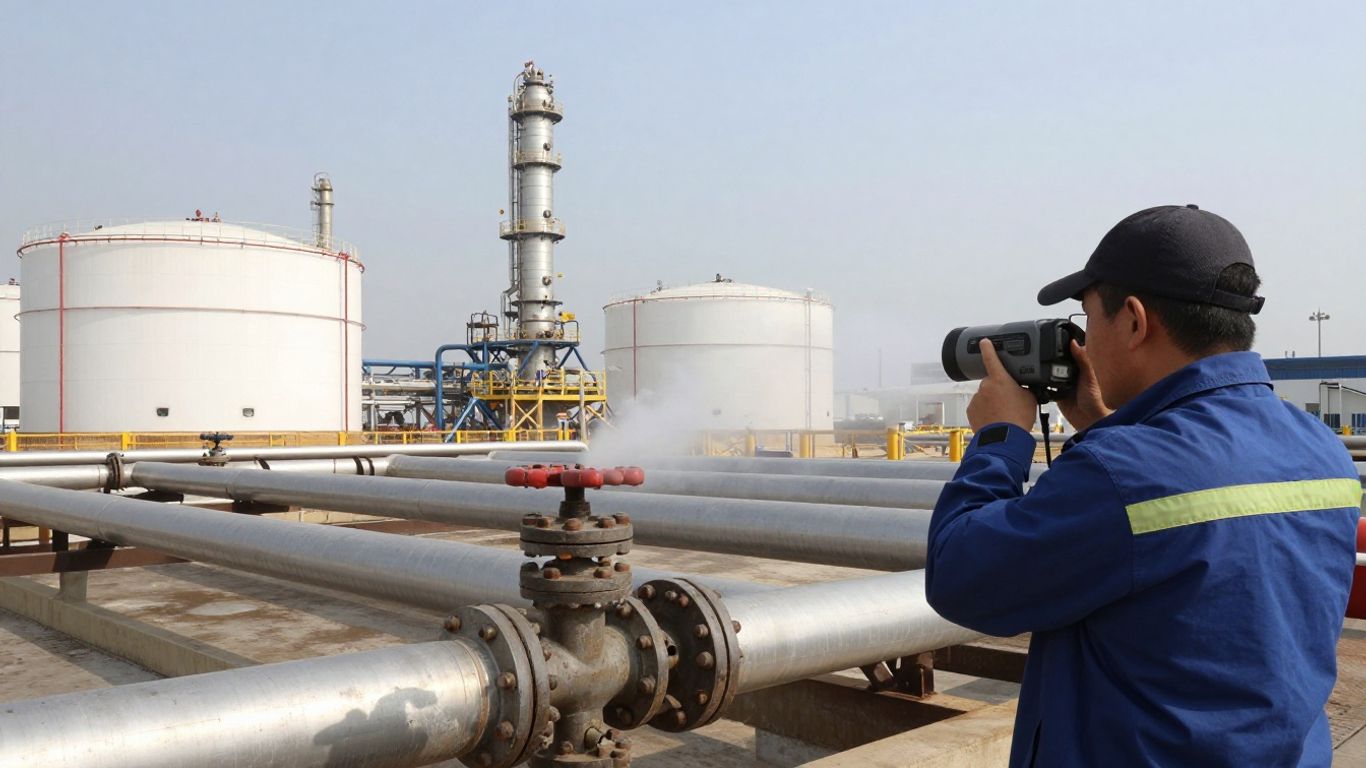
Detecting gas leaks is another area where LWIR technology excels, especially with specialized optical gas imaging cameras. Many gases are invisible to the naked eye but emit or absorb infrared radiation. LWIR cameras can visualize these gas plumes, allowing for rapid identification and remediation of leaks in refineries, chemical plants, and natural gas facilities.
Benefits for environmental surveillance include:
- Early Leak Detection: Identifying hydrocarbon leaks and other gas emissions that pose safety and environmental risks.
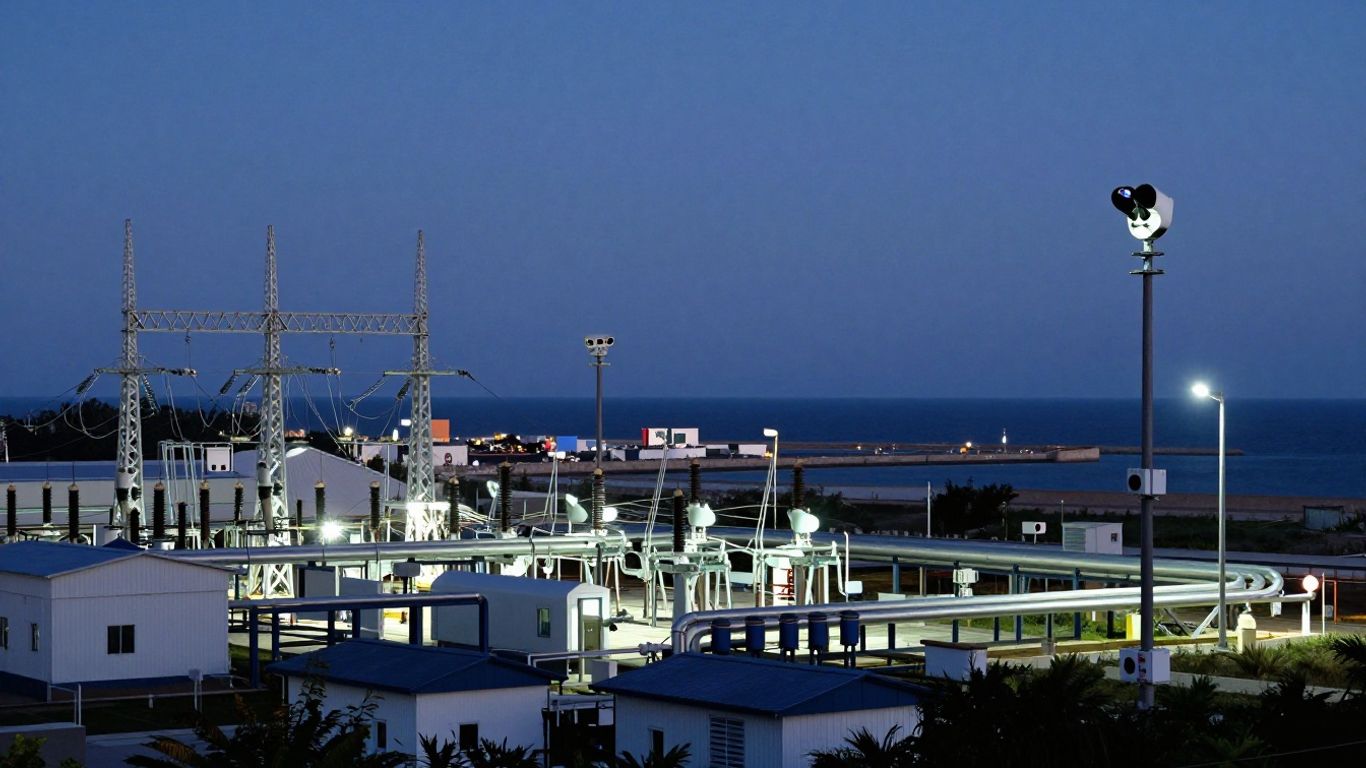
- Continuous Monitoring: Providing constant surveillance across large facilities or extensive pipeline networks, unlike periodic manual inspections.
- Regulatory Compliance: Helping organizations meet increasingly stringent environmental regulations for leak detection and repair programs.
By enabling non-contact, real-time monitoring, LWIR solutions significantly improve safety, reduce environmental impact, and optimize operational integrity. If you are looking to integrate advanced thermal imaging into your industrial monitoring systems, consider reaching out to us at https://www.lightpath.com/contact.
Performance Characteristics in Diverse Environments
Operation in Complete Darkness
Long-wave infrared (LWIR) cameras capture thermal radiation, not visible light. This means your system can see clearly in absolute darkness, through thick smoke, or within enclosed spaces where no light exists. The technology works by detecting the heat emitted by objects. This passive approach also means your system doesn't give off any signals that could be detected, which is a significant advantage for security and defense applications. You get a clear thermal picture without needing any external light source.
Penetration of Atmospheric Obscurants
Traditional cameras struggle when visibility is poor due to smoke, fog, dust, or light rain. LWIR wavelengths, however, pass through these conditions with much less scattering. This capability is vital for applications like firefighting, battlefield surveillance, or industrial monitoring where airborne particles are common. Your system can maintain visibility when standard cameras would fail completely, extending operational effectiveness.
Reliability Across Extreme Temperatures
LWIR systems are built to perform consistently across a wide range of operating temperatures. Whether your platform is in the freezing Arctic or the scorching desert, the uncooled detector technology maintains stable imaging. This reliability means you don't need complex environmental controls within your system. Your engineers can focus on optimizing overall system performance rather than compensating for sensor variations. This makes LWIR a dependable choice for demanding environments.
LWIR vs. MWIR: Selecting the Right Technology
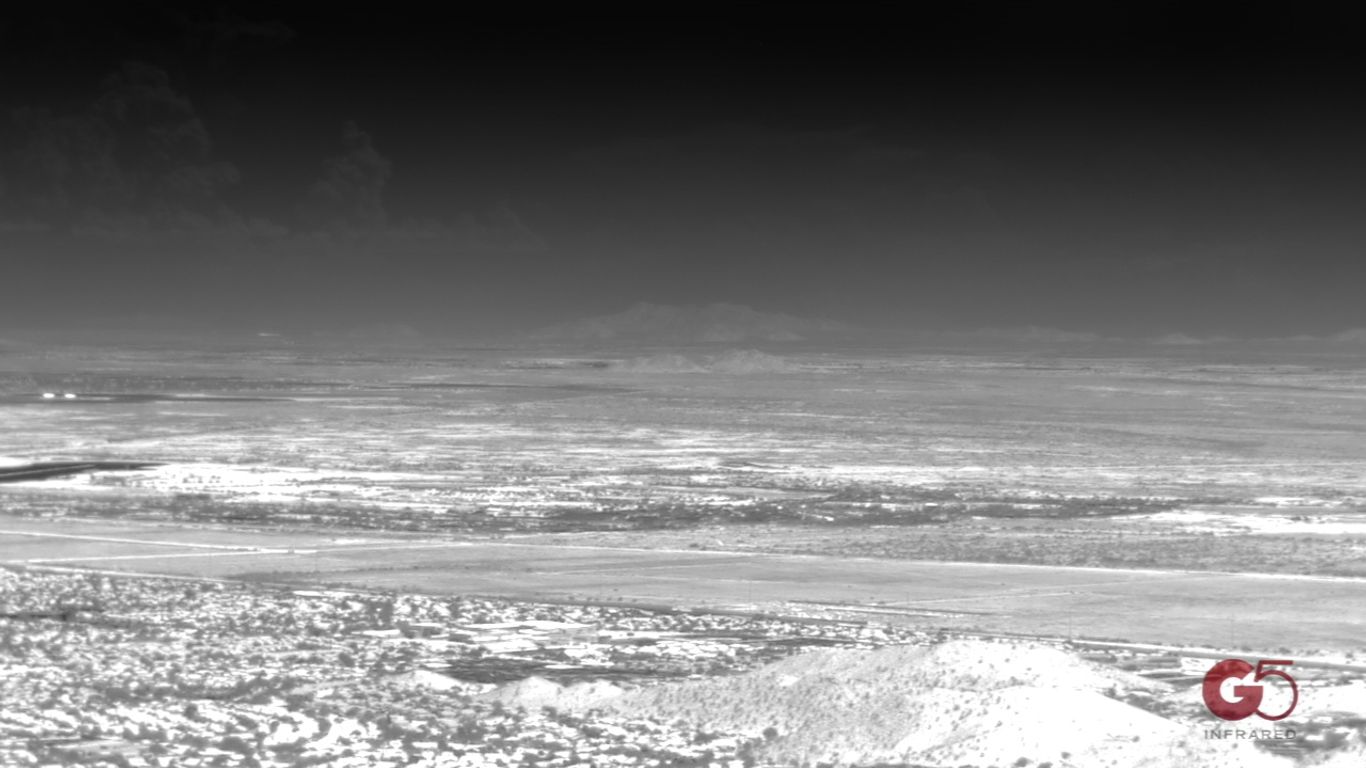
When weighing long-wave infrared (LWIR) against mid-wave infrared (MWIR) for your monitoring or drone system, you will find different capabilities and trade-offs. The optimal choice hinges on your application’s temperature targets, performance expectations, and cost or system complexity limits. Understanding how these two technologies compare helps you avoid mismatched solutions and prevent costly mistakes later in development.
Sensitivity and Detection Capabilities Comparison
LWIR and MWIR differ in their detection performance, especially as it relates to the thermal contrast of the target. MWIR cameras excel when measuring objects at higher temperatures—examples include furnaces, engines, or exhaust—because these sources emit strongly in the 3–5 µm band MWIR cameras detect. MWIR’s sensitivity is typically superior, often under 20 millikelvin (mK) for top cooled systems, allowing detection of subtle changes in surface temperatures at a distance. By contrast, LWIR cameras usually detect objects emitting near ambient temperature, such as people, machinery, or buildings, and operate in the 8–14 µm band.
A practical overview is:
|
Technology |
Target Temperature Range |
Typical Sensitivity (NETD) |
Example Use Cases |
|---|---|---|---|
|
LWIR |
Ambient to ~300°C |
30–50 mK (uncooled) |
People, buildings, equipment monitoring |
|
MWIR |
High (>300°C) |
<20 mK (cooled) |
Engines, exhaust, industrial furnaces |
Key points for choosing:
- MWIR provides better sensitivity for high-temperature targets and long-range detection, but adds complexity and cooling burdens.
- LWIR is often adequate for near-ambient targets, especially where simplicity and lower cost matter most.
Performance in Humid and Particulate-Laden Conditions
Environmental factors have a large effect on infrared system performance. MWIR maintains image clarity in humid or misty environments better than LWIR since its shorter wavelength is less affected by water vapor absorption. This makes MWIR preferable in maritime settings or tropical areas where humidity is always high. On the other hand, LWIR tends to outperform MWIR in the presence of smoke, dust, or larger airborne particles, making it a better fit for firefighting and some industrial areas.
|
Atmospheric Factor |
MWIR Performance |
LWIR Performance |
|---|---|---|
|
High Humidity |
Generally better |
Can be limited |
|
Smoke/Particles |
Mixed |
Often better |
|
Clear Conditions |
Excellent |
Excellent |
|
Maritime |
Preferred |
Challenging |
Consider before choosing:
- MWIR is the preferred option for visibility through humid air or haze.
- LWIR shines in smoke, dust, and some industrial environments, especially for ambient temperature targets.
Cost and Complexity Considerations
You will find cost and integration are decisive in many cases. LWIR cameras, especially uncooled, are typically smaller, lighter, use less power, and can be fitted to almost any drone or industrial monitor with limited space or energy budgets. Maintenance is simpler, and total integration time is reduced. MWIR cameras, on the other hand, require cooling systems that can add several kilograms and draw 20–50W or more, suitable only for large and well-powered platforms. This difference makes LWIR a go-to choice for fielded systems on commercial drones and widespread industrial installations.
Factors favoring LWIR:
- Lightweight and compact: fits in most drone designs
- Low power consumption: ideal for battery-sensitive applications
- Lower upfront and maintenance costs: reduces total cost of ownership
Factors favoring MWIR:
- Needed for detection of very hot objects or where highest sensitivity is required
- Investment justified only if application demands extended range and temperature extremes
When configuring your next thermal imaging platform, the right choice comes down to understanding your typical targets and operating environments. If you need further technical guidance or a quote for an application-specific solution, contact a LightPath expert at https://www.lightpath.com/contact.
Integration and Lifecycle Considerations for LWIR Systems
When you're planning the integration of a long-wave infrared (LWIR) system, looking beyond the immediate technical specifications is important. You need to consider what these choices mean for your development timeline and ongoing operational expenses. Uncooled LWIR systems, for instance, often lead to quicker integration, require less power, and need less maintenance. These factors can significantly shorten development cycles and lower the overall cost of ownership.
Uncooled Operation Benefits
Uncooled LWIR detectors, typically microbolometers, operate at ambient temperatures. This means you can avoid the complexity and power demands of cryogenic cooling systems. The advantages are substantial:
- Reduced System Complexity: Eliminating coolers simplifies the overall design and reduces the number of potential failure points.
- Lower Power Consumption: This is particularly important for battery-powered platforms like drones, extending operational endurance.
- Smaller Size and Lighter Weight: Uncooled systems are more compact, making them easier to integrate into space-constrained applications.
- Faster Deployment: The absence of cool-down periods allows for immediate operation upon activation.
System Complexity and Maintenance Reduction
The inherent simplicity of uncooled LWIR technology directly translates into reduced maintenance requirements over the system's lifespan. With fewer moving parts, especially compared to cooled systems, the mean time between failures (MTBF) is generally higher. This means less downtime for repairs and lower service costs. For organizations that rely on continuous monitoring or frequent deployment, this reliability is a significant operational advantage. You can focus more on your mission and less on sensor upkeep. Understanding the supply chain for critical components is also part of this lifecycle consideration, especially concerning regulations like the NDAA, which can impact defense optics supply chain decisions.
Total Cost of Ownership
When evaluating LWIR solutions, it's vital to consider the total cost of ownership (TCO) rather than just the initial purchase price. The benefits of uncooled operation, such as lower power draw, reduced maintenance, and simpler integration, all contribute to a more favorable TCO. While some cooled systems might offer higher sensitivity in specific scenarios, the ongoing costs associated with cooling, maintenance, and potentially more complex power systems can quickly outweigh the initial price difference. For many applications, particularly those involving ambient temperature detection, LWIR provides the necessary performance at a more economical overall cost. If you're looking to integrate advanced thermal imaging into your next project, reaching out to experts can help you make the most informed decision. Contact us at https://www.lightpath.com/contact.
Thinking about how to set up and manage your Long-Wave Infrared (LWIR) systems? It's important to consider how they fit into your projects and how they'll work over time. Making sure these systems are installed correctly and maintained properly is key to their success. Want to learn more about the best ways to handle LWIR systems? Visit our website for expert advice and solutions.
Looking Ahead
So, as you can see, LWIR technology is really making waves, especially with drones and industrial monitoring. It's not just some fancy tech; it's out there doing important work, letting us see things we couldn't before, day or night, through all sorts of weather. Whether you're keeping an eye on a factory floor or watching over a remote area from the sky, LWIR cameras are becoming a go-to tool. The way these systems are getting smaller, more efficient, and easier to integrate means they'll only become more common. It's pretty clear that if you're involved in these fields, getting familiar with LWIR isn't just a good idea, it's becoming pretty necessary.
Frequently Asked Questions
What exactly is Long-Wave Infrared (LWIR) technology?
Think of LWIR like a special kind of camera that sees heat instead of light. It works by picking up the heat energy that objects naturally give off. This is super useful because it means you can see things clearly even when it's totally dark, or if there's fog or smoke around. It's like having night vision, but for heat!
How does LWIR help drones see better?
When you put an LWIR camera on a drone, it can see heat signatures from a distance. This is great for tasks like finding people or animals in the dark, checking for heat leaks in buildings, or even spotting hidden equipment. Because LWIR can see through fog and smoke, drones equipped with it can be used for search and rescue missions or to monitor areas with poor visibility.
Why is LWIR important for monitoring industrial equipment?
Industrial machines and electrical systems can get too hot when they're about to break. LWIR cameras let you see these hot spots from a safe distance, like a warning sign. This helps prevent equipment failures and costly shutdowns. It's like giving your machines a regular check-up by looking at their heat patterns.
Can LWIR cameras work in really bad weather or darkness?
Yes, that's one of their biggest strengths! LWIR cameras don't need any visible light to work, so they're perfect for nighttime operations. They can also see through things like smoke, fog, and dust much better than regular cameras. This makes them reliable for use in challenging environments, like during a fire or in foggy conditions.
What's the difference between LWIR and MWIR technology?
LWIR and MWIR are both types of infrared cameras, but they see different heat ranges. LWIR is better for seeing objects that are around normal room temperature, like people or buildings, and it's often simpler and cheaper to use. MWIR can sometimes see smaller temperature differences or see farther in certain conditions, but it usually needs cooling and costs more. For most everyday jobs, LWIR is the way to go.
What are the benefits of using uncooled LWIR systems?
Uncooled LWIR systems are great because they don't need a special cooling system to work. This makes them lighter, smaller, and use less power, which is perfect for drones or portable equipment. They also require less maintenance and are generally more affordable. This simplicity means they can be used in more places and are easier to keep running smoothly.