
To summarize, methane detection cameras are sophisticated tools that offer unique advantages for various industries. Here are the main points to remember:
Key Takeaways
- Methane detection cameras work by sensing specific infrared light absorbed by methane gas, visualizing leaks that are otherwise invisible.
- They utilize specialized sensors, often in the MWIR or LWIR spectrum, combined with advanced image processing to create visual representations of gas plumes.
- Key applications span the oil and gas sector, utilities, environmental monitoring, and compliance efforts aimed at reducing methane emissions.
- These cameras are designed for diverse conditions, including harsh industrial settings, and require careful consideration of features like sensitivity, resolution, and ruggedness.
- Selecting the right camera involves matching its technical specifications and capabilities to the specific needs of the intended application and environment.
Principles of Methane Detection Camera Operation
Infrared Spectral Detection of Methane
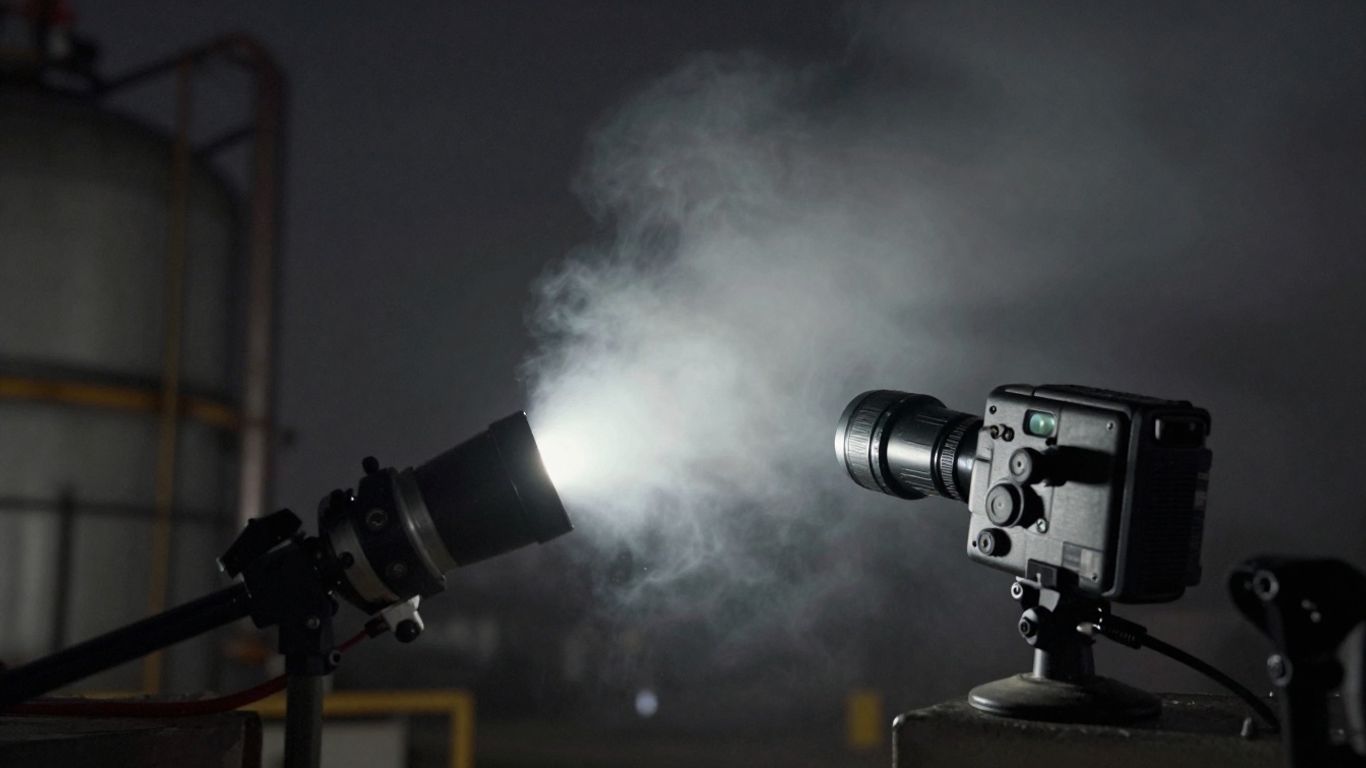
Methane detection cameras operate by sensing the specific way methane gas absorbs infrared (IR) light. Methane molecules have a unique spectral signature, meaning they absorb IR radiation at particular wavelengths. When infrared light passes through an area containing methane, a portion of that light is absorbed by the gas. The camera is designed to detect this absorption. By analyzing the amount of IR light that is not absorbed, the camera can identify the presence and concentration of methane. This principle allows these cameras to visualize what is otherwise an invisible gas. This technology is a significant advancement over older methods that relied on direct contact or less sensitive detection mechanisms, providing a non-contact way to identify gas leaks.
Sensor Technologies: MWIR Versus LWIR
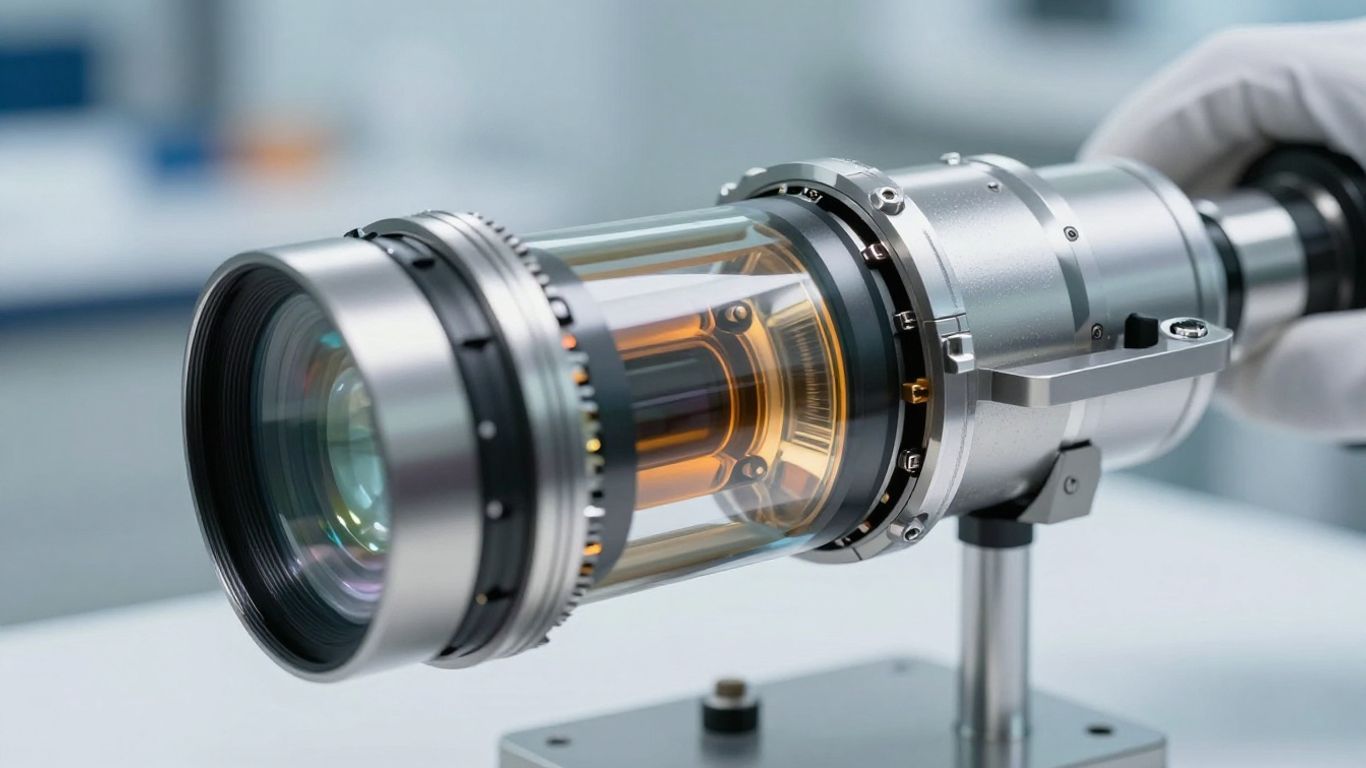
Thermal cameras used for methane detection typically operate within two main infrared spectrum bands: Mid-Wave Infrared (MWIR) and Long-Wave Infrared (LWIR). Each band has distinct characteristics that influence its suitability for methane detection.
- MWIR (Mid-Wave Infrared): This band covers wavelengths from approximately 3 to 5 micrometers. MWIR sensors are generally more sensitive to hotter objects and can offer excellent contrast for high-temperature targets. However, MWIR cameras often require cryogenic cooling to reduce detector noise, which adds complexity, cost, and power consumption to the system. While capable of detecting methane, they are not always the primary choice for general gas leak detection due to these factors.
- LWIR (Long-Wave Infrared): This band spans wavelengths from about 7.5 to 12 micrometers. LWIR sensors are highly effective at detecting thermal emissions from objects at or near ambient temperatures, making them ideal for visualizing gases like methane that are often at or near environmental temperatures. Most methane detection cameras utilize LWIR technology because uncooled microbolometer sensors are readily available, leading to more compact, cost-effective, and lower-maintenance systems. These cameras can operate effectively in a wide range of environmental conditions, providing infrared imagery that highlights methane plumes against background scenery.
Image Processing and Thermal Visualization
Once the infrared sensor captures the absorbed or emitted radiation, sophisticated image processing takes place. The raw data from the sensor array is converted into a visual representation. This process involves:
- Signal Conversion: Electrical signals from each detector pixel are processed to determine the intensity of infrared radiation received.
- Temperature Mapping: These signals are translated into temperature values, creating a thermal map of the scene.
- Image Enhancement: Algorithms are applied to improve image clarity, reduce noise, and highlight subtle temperature differences. This often includes overlaying the thermal data onto a standard visible-light image, creating a combined view that clearly shows the location and extent of methane plumes.
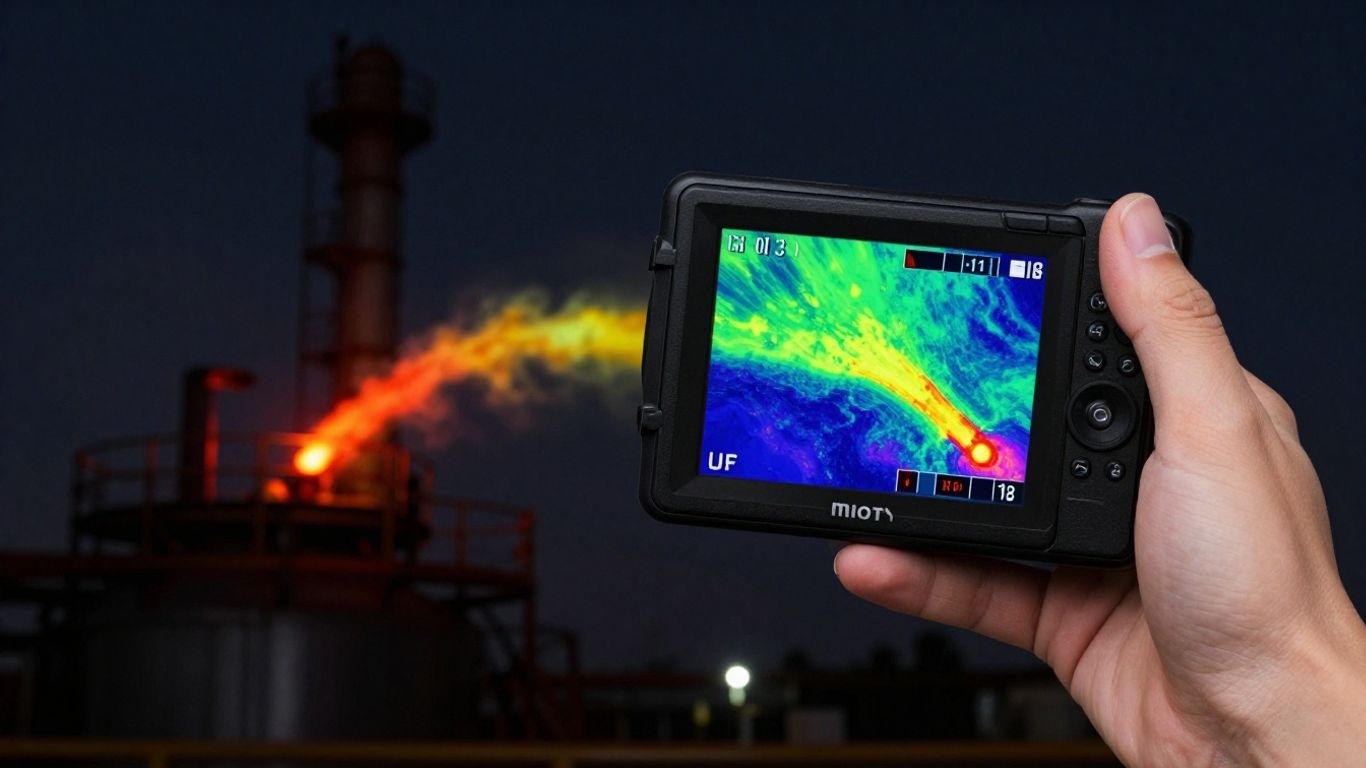
- Color Palettes: Different color palettes can be applied to the thermal image to make specific temperature ranges or gas concentrations more apparent to the operator. For instance, a common palette might show methane leaks as bright yellow or red against a blue or purple background.
This processed output allows operators to easily identify and locate methane leaks, even in complex industrial settings. For more information on advanced thermal imaging solutions, you can contact LightPath.
Key Features and Performance Specifications of Methane Detection Cameras
When selecting a methane detection camera, understanding its core features and performance specifications is paramount. These elements dictate the camera's effectiveness in identifying leaks, its operational reliability, and its suitability for specific environments. You'll want to consider how these specifications align with your operational needs.
Sensitivity and Resolution Capabilities
The sensitivity of a methane detection camera refers to its ability to detect very small concentrations of methane gas. This is often expressed in parts per million-meter (ppm-m), indicating the lowest concentration of gas that can be detected over a specific path length. Higher sensitivity means the camera can identify smaller or more distant leaks. Resolution, on the other hand, relates to the detail in the thermal image produced. A higher resolution camera, typically with more pixels, can distinguish finer details and identify smaller temperature differences, which is important for pinpointing leak locations accurately. For instance, cameras with resolutions of 640x480 pixels offer more detailed imagery than those with 320x240 pixels, aiding in the precise localization of fugitive emissions.
Noise Equivalent Temperature Difference (NETD)
Noise Equivalent Temperature Difference (NETD) is a critical metric for thermal camera performance. It quantifies the smallest temperature difference that the camera's sensor can detect. A lower NETD value signifies higher sensitivity and better image quality, as it indicates less internal noise within the sensor. This allows the camera to discern subtle temperature variations, which is vital for detecting low-concentration gas leaks or distinguishing between objects with very similar thermal profiles. For applications requiring the detection of minute temperature anomalies, a camera with a very low NETD is indispensable.
Real-Time Data Processing and AI Integration
Modern methane detection cameras go beyond simply capturing thermal images. They often incorporate sophisticated real-time data processing capabilities. This includes onboard analytics that can automatically identify gas signatures, quantify leak rates, and even classify the type of gas. The integration of Artificial Intelligence (AI) and edge computing is increasingly common. AI algorithms can analyze thermal data more intelligently, reducing false positives and improving the speed of detection. For example, systems with embedded AI accelerators, like EdgeIR, can process data directly on the camera, minimizing latency and enabling faster decision-making in critical situations. This allows for immediate alerts and more efficient response protocols.
To ensure you select a system that meets your specific requirements, it is advisable to consult with specialists. You can contact our team of experts to discuss your project and find the right infrared technology for your needs.
Industrial Applications for Methane Detection Cameras
Methane detection cameras, also known as Optical Gas Imaging (OGI) devices, are indispensable tools across a range of industrial sectors. Their ability to visualize invisible methane leaks makes them critical for safety, environmental compliance, and operational efficiency. By detecting the infrared absorption patterns of methane, these cameras render leaks as visible plumes, transforming the way industries manage this potent greenhouse gas. This technology plays a significant role in the ongoing energy transition by facilitating better monitoring and management of emissions, aligning with important Environmental, Social, and Governance (ESG) goals.
Oil, Gas, and Petrochemical Facility Monitoring
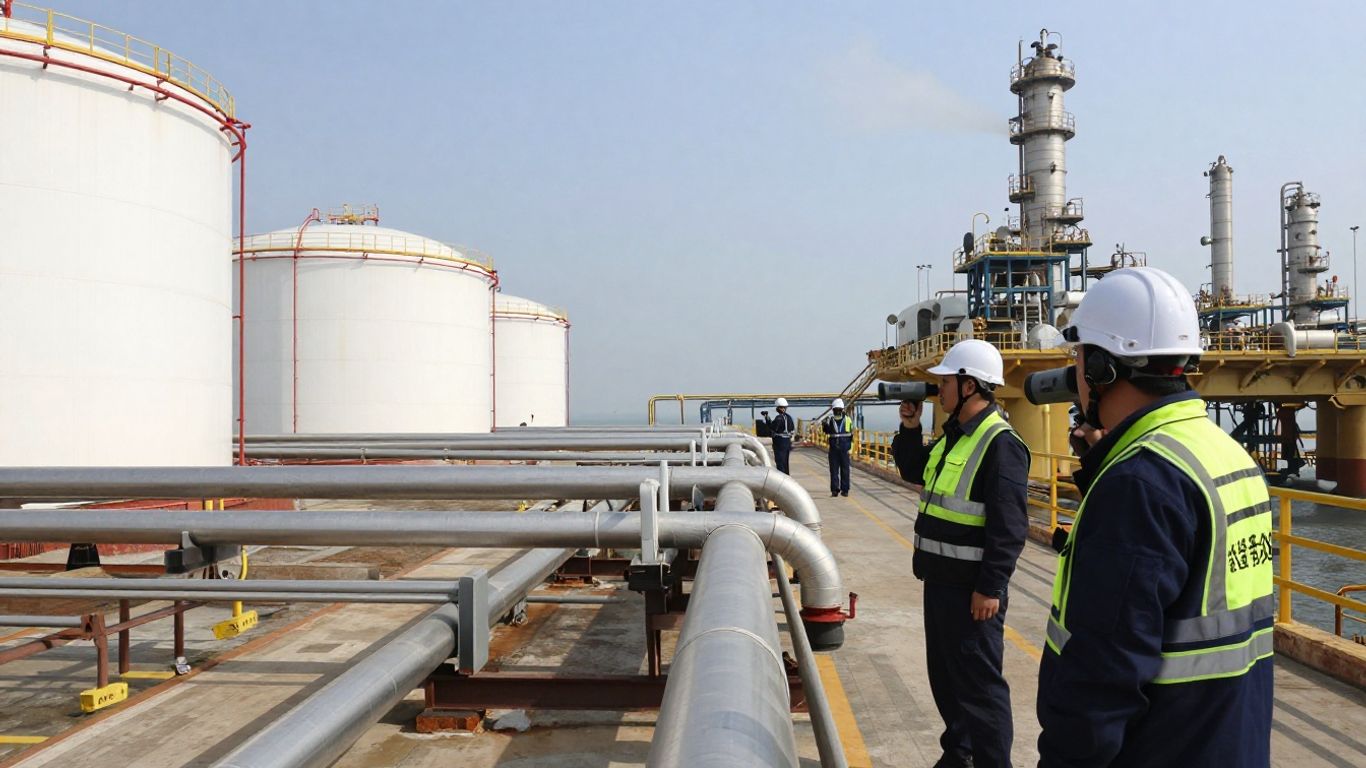
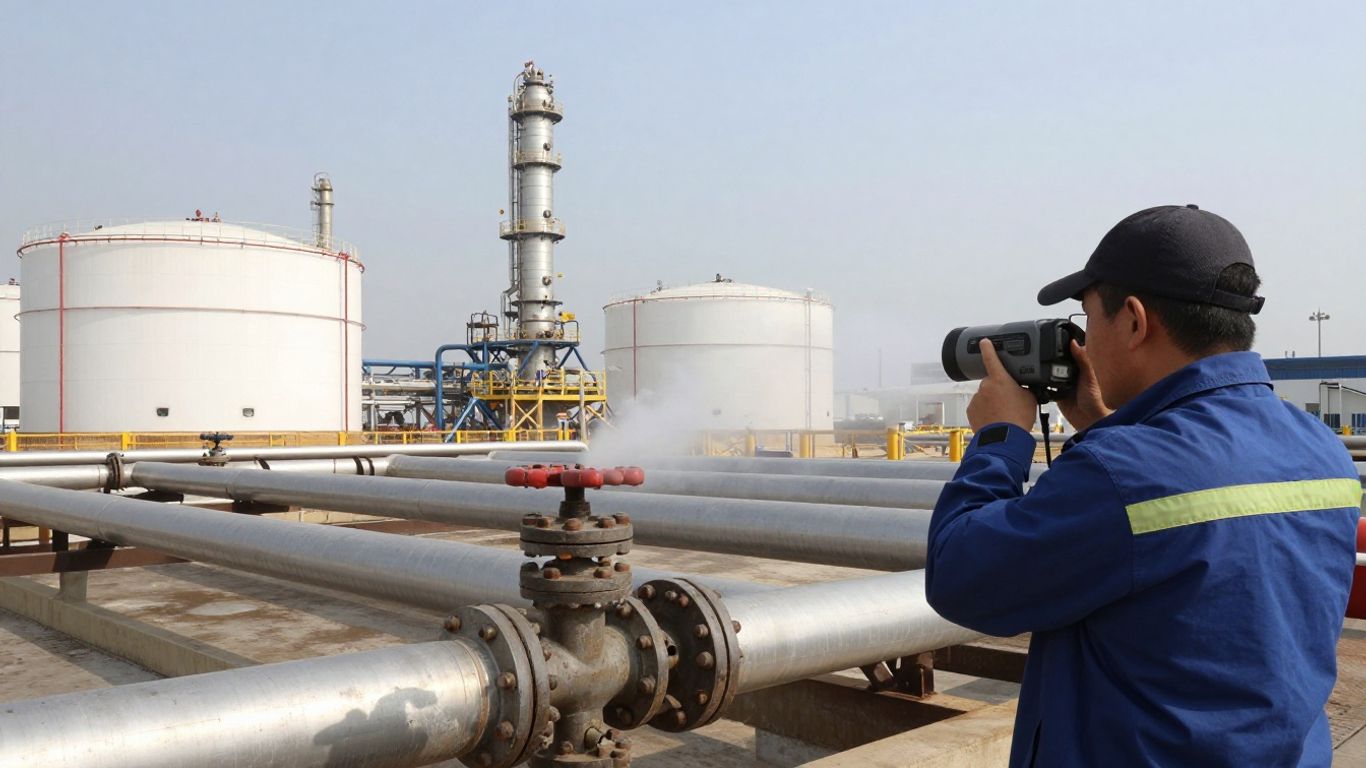
In the oil, gas, and petrochemical industries, the continuous monitoring of infrastructure for methane leaks is paramount. Facilities such as refineries, processing plants, and extraction sites are complex environments where even small leaks can have significant consequences. Methane detection cameras provide a non-contact method for surveying vast areas of equipment, including pipelines, valves, flanges, and storage tanks, identifying fugitive emissions that could otherwise go unnoticed. This proactive approach helps prevent potential safety hazards, reduces product loss, and aids in meeting stringent environmental regulations. The ability to perform thermal imaging leak detection without shutting down operations is a major advantage, minimizing downtime and maintaining productivity.
Utilities and Pipeline Leak Detection
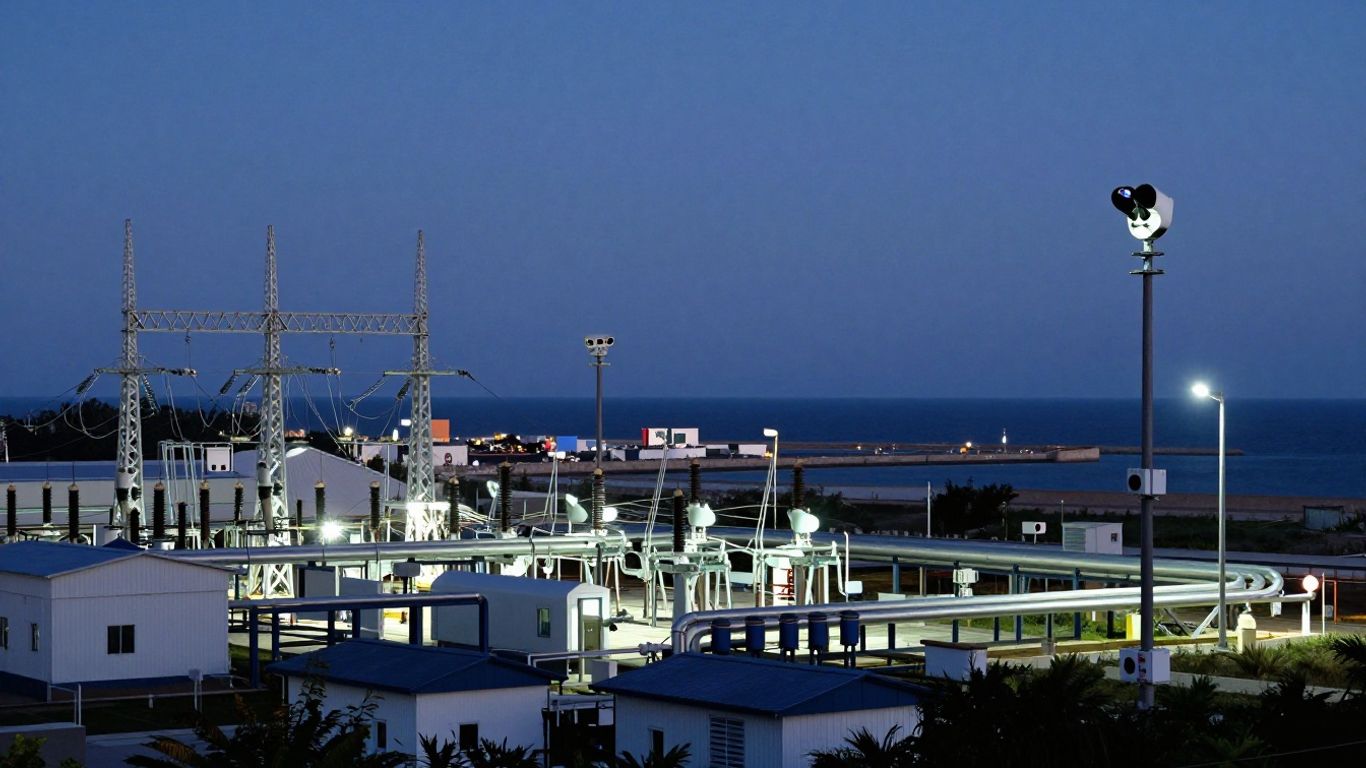
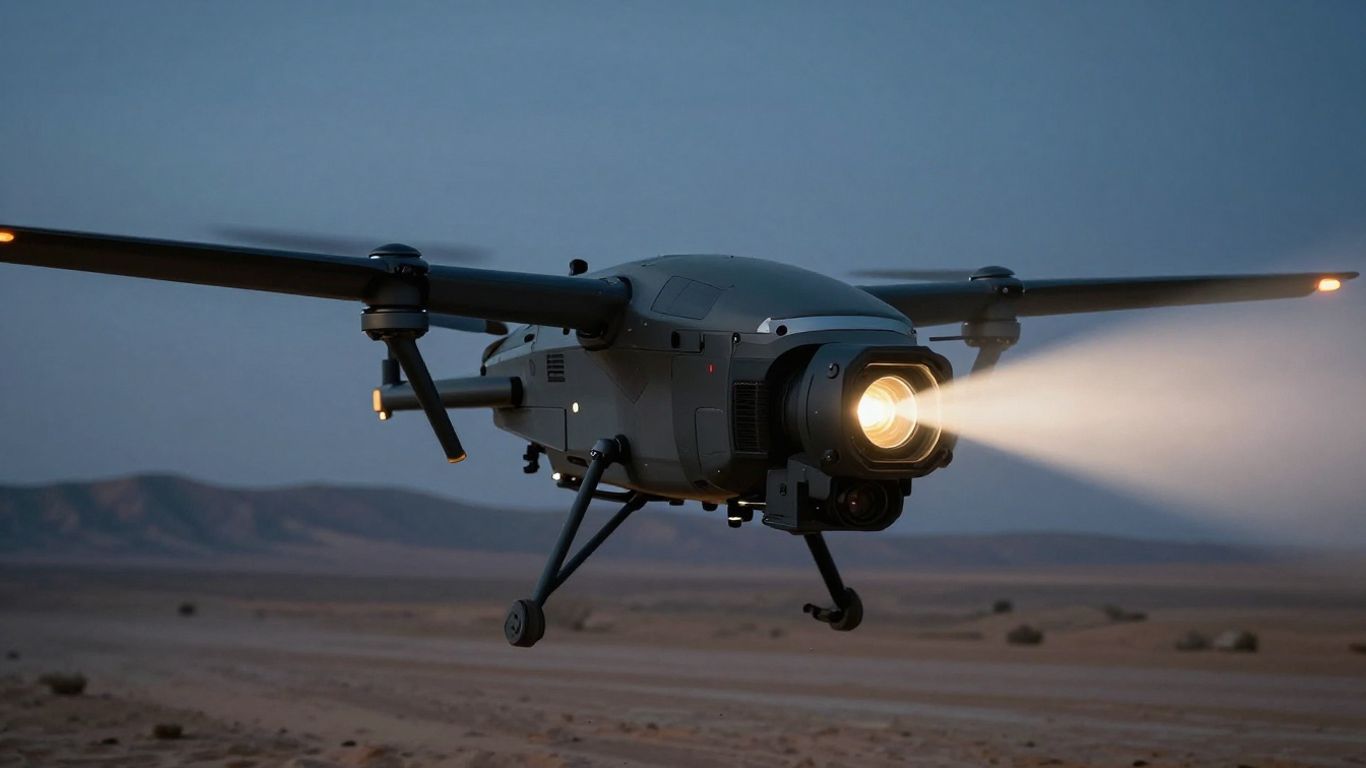
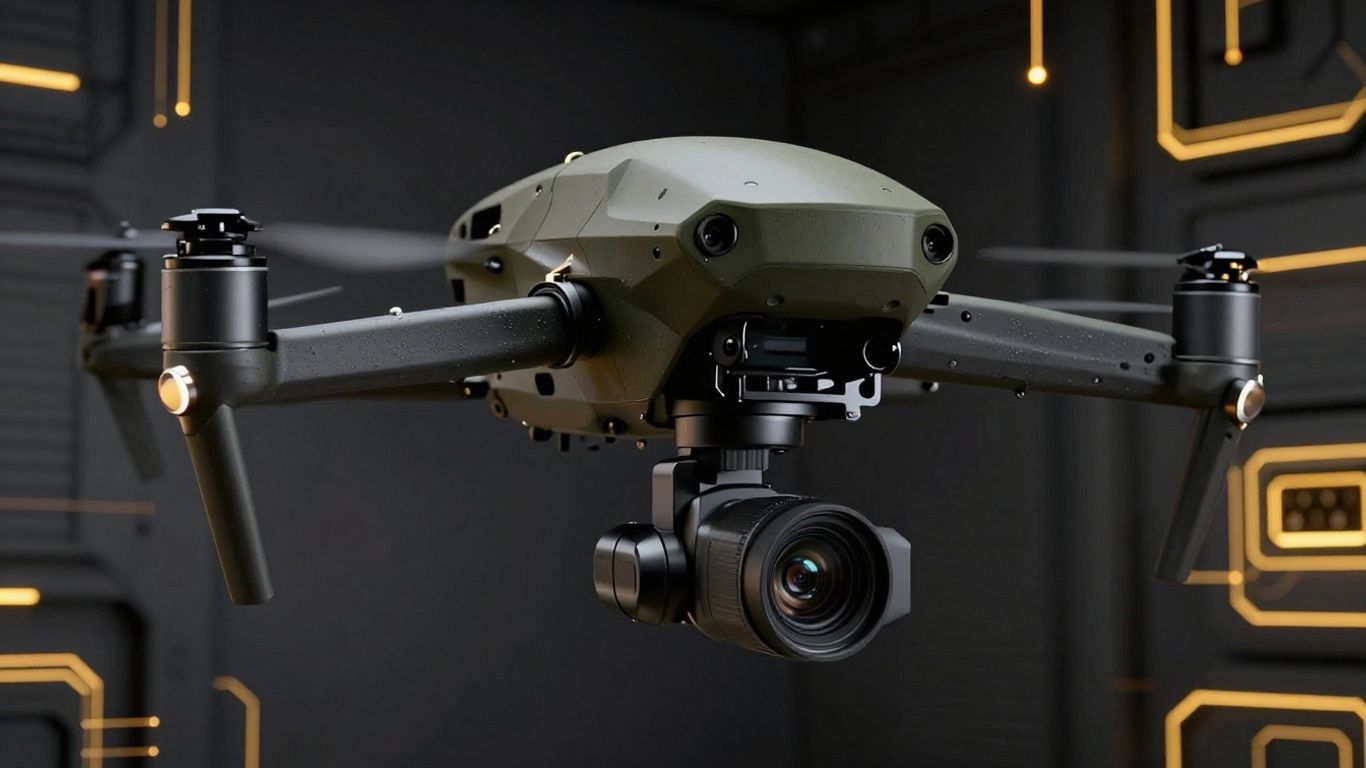
For utility companies and pipeline operators, ensuring the integrity of their distribution networks is a core responsibility. Methane leaks from natural gas pipelines can pose serious risks, including explosion hazards and significant environmental damage. Methane detection cameras offer an efficient way to survey extensive pipeline networks, both above and below ground, as well as associated infrastructure like compressor stations and metering points. Vehicle-mounted or drone-based systems can cover large distances rapidly, identifying leaks that might be inaccessible or difficult to detect through traditional methods. This capability is vital for maintaining public safety and adhering to regulatory requirements for leak detection and repair (LDAR) programs.
Environmental Compliance and Emissions Reduction
Beyond immediate safety and operational concerns, methane detection cameras are crucial for environmental stewardship and compliance. Methane is a powerful greenhouse gas, and reducing its emissions is a key objective for many organizations aiming to improve their environmental footprint. By accurately quantifying and locating methane leaks, these cameras enable targeted repair efforts, leading to substantial reductions in overall emissions. This supports broader sustainability initiatives and helps companies meet their commitments to environmental, social, and governance (ESG) targets. The use of methane detection cameras is becoming increasingly standard for organizations serious about managing their environmental impact and contributing to climate change mitigation efforts.
If your organization operates in these or other sectors where methane detection is critical, understanding the capabilities of modern OGI cameras is essential. To explore how these advanced solutions can benefit your operations, please reach out to our team for expert consultation. Contact us today.
Integration of Methane Detection Cameras in Harsh Environments
When your methane detection cameras need to operate outside of a controlled laboratory or office setting, you run into a whole new set of challenges. Industrial sites, offshore platforms, and remote field locations can expose equipment to conditions that would quickly disable standard devices. You need cameras built to withstand these demanding situations.
Design Requirements for Rugged Operations
For a methane detection camera to perform reliably in harsh environments, its design must account for several factors. This isn't just about making a camera tougher; it's about engineering it for specific stressors. You'll find that many industrial-grade cameras are built with robust housings, often made from materials resistant to corrosion, impact, and extreme temperatures. Look for features like:
- Sealed Housings: High ingress protection (IP) ratings, such as IP67 or higher, are vital to prevent dust, sand, and moisture from entering the camera body. This is especially important in environments with airborne particulates or high humidity.
- Vibration and Shock Resistance: Equipment mounted on moving platforms or near heavy machinery needs to handle constant vibration and potential shocks. Manufacturers often test their ruggedized cameras to military standards (like MIL-STD) to confirm their durability.
- Temperature Extremes: Standard electronics can fail when exposed to intense heat or freezing cold. Cameras designed for harsh environments will have specified operating temperature ranges that far exceed those of consumer-grade devices, sometimes from -40°C to over 60°C.
- Optical Protection: Lenses and viewports need to be protected from scratches, impacts, and environmental degradation. Hardened optical windows and robust lens caps are common.
Performance in Extreme Temperatures and Weather
Extreme temperatures and adverse weather conditions can significantly impact the performance and lifespan of any electronic device. Methane detection cameras intended for these environments are engineered to maintain their accuracy and operational integrity.
- Thermal Stability: The camera's internal components must remain stable across a wide temperature range to ensure consistent measurement accuracy. This often involves advanced thermal management within the camera housing.
- Weatherproofing: Beyond just sealing against water, cameras need to perform in conditions like heavy rain, snow, fog, or high winds. Some systems are designed to see through light fog or dust, which is a significant advantage over visible-light cameras.
- Solar Loading: In desert environments, intense sunlight can heat up camera housings and affect internal electronics. Cameras designed for these regions often incorporate special coatings or shielding to mitigate solar loading effects.
Marine and Offshore Deployment Considerations
Deploying methane detection cameras in marine or offshore settings introduces a unique set of challenges, primarily due to the corrosive nature of saltwater and the constant motion of vessels.
- Corrosion Resistance: Saltwater is highly corrosive. Camera housings, connectors, and mounting hardware must be made from materials like stainless steel or specialized plastics that can withstand prolonged exposure without degrading. You can find rugged offshore OGI cameras specifically built for these conditions.
- Motion and Vibration: The constant movement of ships and offshore platforms creates significant vibration and shock. Camera mounts and internal components must be designed to absorb or withstand these forces without affecting image quality or causing mechanical failure.
- Humidity and Salt Spray: High humidity and salt spray are constant concerns. Even if a camera is sealed, the external environment can still affect its surfaces and connections over time. Regular maintenance and inspection are key.
Integrating methane detection cameras into harsh environments requires careful consideration of the specific operational challenges. By selecting equipment engineered for these conditions, you can ensure reliable performance and accurate gas leak detection where it's needed most. If you need to discuss specific solutions for your demanding application, please contact us.
Maintenance and Reliability Considerations for Methane Detection Cameras
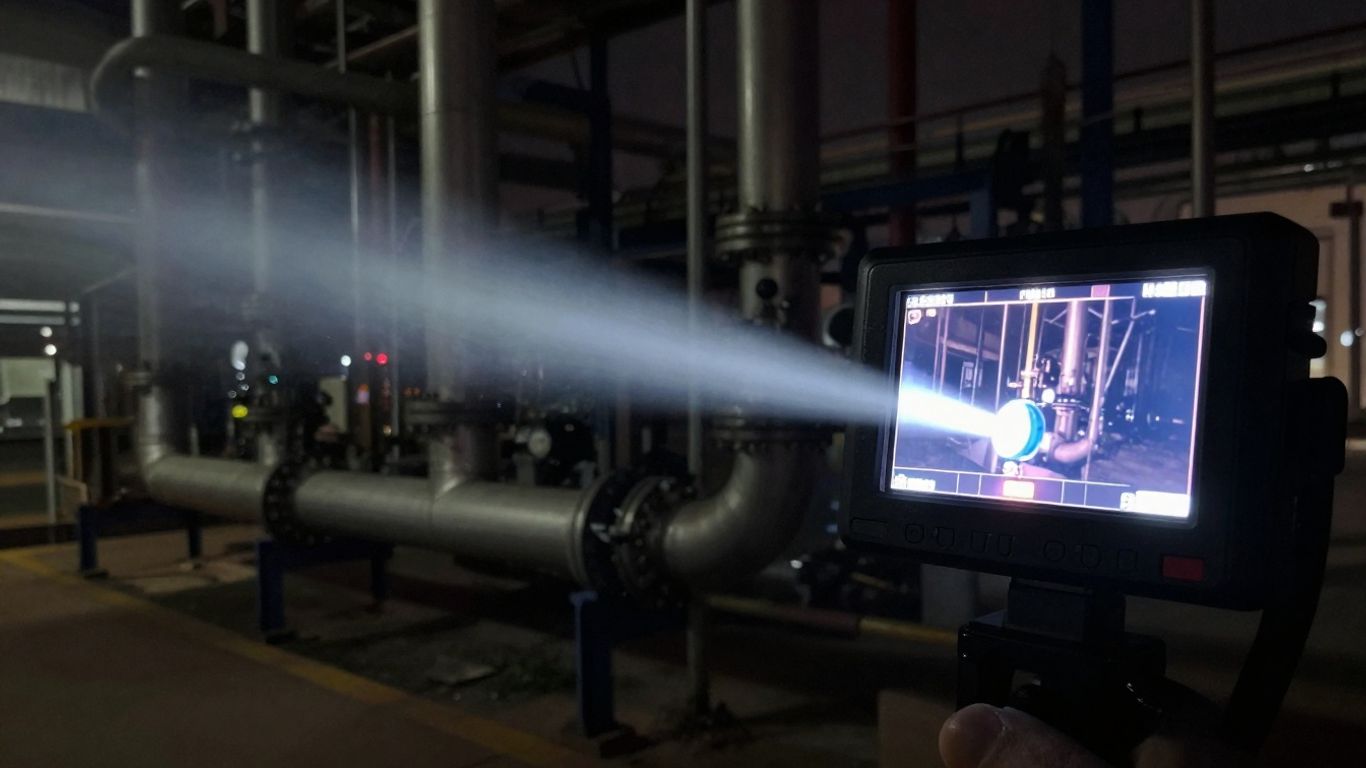
Ensuring the consistent and accurate performance of your methane detection camera is paramount, especially in demanding industrial settings. Regular maintenance and a focus on reliability are not just good practices; they are essential for operational integrity and safety. Neglecting these aspects can lead to inaccurate readings, unexpected downtime, and potentially significant safety or environmental incidents.
Calibration and System Integrity
Calibration is the bedrock of reliable thermal imaging. Over time, environmental factors and operational use can cause drift in a camera's sensor readings. To counteract this, periodic recalibration is necessary. This process realigns the camera's internal measurements with known standards, restoring its accuracy. For methane detection cameras, this means ensuring that the sensitivity to specific gas concentrations remains within the manufacturer's specifications. Without proper calibration, the camera might fail to detect a leak or, conversely, generate false alarms, both of which can have serious consequences. Maintaining system integrity also involves checking the physical condition of the camera, including its housing, lens, and connectors, to prevent ingress of dust or moisture that could compromise performance.
Predictive Maintenance Utilities
Beyond routine calibration, adopting a predictive maintenance strategy can significantly extend the operational life and reliability of your methane detection cameras. This approach involves monitoring the camera's performance metrics and environmental conditions to anticipate potential issues before they lead to failure. For instance, tracking the camera's operating temperature, battery health (if applicable), and image quality over time can reveal trends that suggest an impending problem. Some advanced systems may even offer self-diagnostic capabilities. Implementing these checks allows for planned interventions, such as cleaning optics or updating firmware, during scheduled downtime rather than reacting to an emergency failure. This proactive stance is particularly beneficial for cameras deployed in harsh environments where component stress is higher. Voluntary methane slip monitoring, for example, can be integrated with camera performance data to optimize overall operational efficiency and maintenance planning [00b6].
Operational Longevity in Industrial Settings
Industrial environments are inherently challenging for sensitive electronic equipment. Factors such as extreme temperatures, high humidity, dust, vibration, and exposure to corrosive substances can degrade camera performance and shorten its lifespan. To ensure operational longevity, it is vital to select cameras designed for these conditions and to implement appropriate protective measures. This might include using specialized enclosures, ensuring proper ventilation, and mounting the cameras securely to minimize vibration. Regular inspections should focus on identifying any signs of wear or damage, such as corrosion on external components or degradation of optical surfaces. By understanding the specific environmental stressors your camera will face and taking steps to mitigate them, you can significantly improve its reliability and ensure it continues to perform its critical detection duties effectively over the long term. Verifying successful methane emission repairs, for instance, relies heavily on the continued accuracy of these detection systems [db01].
If you require robust and reliable methane detection solutions tailored for your specific industrial needs, consider exploring the advanced imaging technologies available. Contact us to discuss your application and find the right system for your operations.
Selecting the Right Methane Detection Camera for Your Application
Choosing the correct methane detection camera involves carefully considering your specific operational needs and the environment in which the camera will be deployed. It's not a one-size-fits-all scenario, and understanding the nuances of different technologies and specifications will help you make an informed decision. Think about what you need the camera to do and where it will be used.
Matching Technology to Industry Needs
Different industries have unique challenges and requirements for methane detection. For instance, the oil and gas sector often requires cameras capable of long-range detection and operation in potentially hazardous areas. Utilities might prioritize ease of use and rapid leak identification for pipeline integrity. Environmental compliance efforts may focus on high sensitivity for detecting even minor emissions. Understanding these industry-specific demands is the first step in narrowing down your options. For example, if your primary concern is monitoring extensive pipeline networks in remote areas, a system designed for rapid surveys of infrastructure might be more suitable than one intended for close-quarters industrial monitoring.
Comparing Cooled and Uncooled Solutions
The choice between cooled and uncooled thermal camera systems is a significant one, impacting performance, cost, and maintenance.
- Uncooled Systems: These are generally more affordable, lighter, and require less maintenance as they lack cryogenic cooling components. They are suitable for many applications where high sensitivity is not the absolute top priority, such as general predictive maintenance or detecting larger leaks. Modern uncooled detectors offer good performance for a wide range of tasks.
- Cooled Systems: These systems use cryogenic cooling to lower the detector's temperature, which significantly reduces internal noise. This results in superior image clarity and exceptional thermal sensitivity, making them ideal for long-range detection, identifying very small temperature differences, or applications demanding the highest precision. However, they are typically more expensive, heavier, and require more maintenance due to the cooling mechanism.
Your application's sensitivity requirements and budget will heavily influence this decision. For instance, if you need to detect faint thermal signatures from a great distance, a cooled system might be necessary. Conversely, for routine inspections where cost and simplicity are key, an uncooled option could be sufficient.
Regulatory and Safety Compliance Factors
Beyond technical specifications, regulatory requirements and safety considerations play a vital role in camera selection. Many industries are subject to strict regulations regarding methane emissions and leak detection. Your chosen camera must not only meet these regulatory standards but also contribute to a safer working environment. Consider cameras that offer features like real-time data logging, clear visualization of gas plumes, and certifications for use in hazardous locations. Ensuring your equipment aligns with these factors is paramount for both compliance and operational safety. If you are looking to implement a formal program, understanding the principles of a Leak Detection and Repair (LDAR) program can guide your equipment choices.
When you are ready to explore specific solutions, reaching out to experts can provide tailored recommendations for your unique operational challenges. Contact us at https://www.lightpath.com/contact to discuss your needs.
Emerging Trends in Methane Detection Camera Technology
The field of methane detection is constantly evolving, with new technologies and approaches appearing regularly. These advancements aim to make detection more precise, efficient, and adaptable to various challenging situations. You'll find that staying informed about these trends is key to selecting the most effective tools for your needs.
Advancements in AI and Edge Computing
Artificial intelligence (AI) and edge computing are significantly changing how methane detection cameras operate. Instead of sending all data to a central server for analysis, processing now happens directly on the camera itself or a nearby device. This is often referred to as edge computing. This approach means faster detection and response times because the data doesn't have to travel far. It also reduces the amount of data that needs to be transmitted, which can be a big help in areas with limited network access. AI algorithms are becoming more sophisticated, allowing cameras to not only detect methane but also to differentiate between various gas types and even predict potential leak severity. This embedded intelligence, like the EdgeIR system, means cameras can make smarter decisions in real-time, improving overall operational efficiency and safety.
Dual-Band and Broadband Imaging Solutions
Traditionally, methane detection cameras operated within specific infrared bands. However, newer systems are emerging that utilize dual-band or broadband imaging. Dual-band cameras capture data from two different infrared spectrums simultaneously. This allows for improved accuracy and the ability to detect methane under a wider range of environmental conditions, reducing false positives. Broadband solutions, on the other hand, cover a much wider range of infrared wavelengths in a single camera. This versatility means one camera can potentially be used for multiple detection tasks, simplifying equipment needs and integration. For instance, a single broadband infrared camera could be adapted for various industrial inspection needs, offering a more flexible solution.
Integration With Multi-Sensor Monitoring Systems
Another significant trend is the integration of methane detection cameras into larger, multi-sensor monitoring systems. Instead of operating in isolation, these cameras are increasingly being networked with other sensors, such as environmental monitors, GPS trackers, and even visual cameras. This creates a more holistic view of an operation or facility. For example, a methane leak detected by a camera could be automatically cross-referenced with wind data from an environmental sensor and location data from a GPS unit. This integrated approach allows for more precise pinpointing of leaks, better assessment of potential spread, and more informed decision-making. Such systems can provide a comprehensive picture, aiding in everything from regulatory compliance to emergency response planning. If you're looking into advanced imaging solutions, reaching out to an expert can help you understand how these integrated systems can benefit your specific application. Contact us to discuss your needs.
New cameras are getting really good at spotting methane leaks. These advanced tools can see where gas is escaping, helping us protect the environment. Want to learn more about how this technology works and how it can help your business? Visit our website today to discover the latest in methane detection!
Conclusion
Methane detection cameras represent a significant advancement in monitoring and managing this potent greenhouse gas. By offering real-time, visual identification of leaks, these devices empower industries to improve safety, reduce environmental impact, and ensure regulatory compliance. As the technology continues to evolve with AI integration and broader spectral capabilities, their role in a sustainable future will only become more pronounced. Understanding their operation and applications is key for any organization concerned with methane emissions.
Frequently Asked Questions
What exactly is a methane detection camera?
Think of it like a special camera that can see methane gas, which is normally invisible to our eyes. It finds leaks by looking at how methane absorbs a certain kind of light, showing us where the gas is escaping.
How does it see the gas?
The camera uses special sensors that are sensitive to the heat given off by methane. When methane is present, it absorbs infrared light in a way the camera can detect. The camera then turns this detection into a visible image, often showing gas clouds as a different color.
Who would use these cameras?
Companies that work with oil, natural gas, or pipelines are big users. They need to find leaks quickly to prevent accidents and environmental damage. Also, environmental groups and government agencies use them to check if companies are meeting pollution rules.
Are these cameras hard to use?
Many modern methane detection cameras are designed to be user-friendly. While they are advanced tools, they often have simple controls and display clear images. Some even use artificial intelligence to help identify leaks more easily.
Can these cameras work in bad weather?
Yes, many are built tough to handle difficult conditions like rain, dust, or extreme temperatures. This is important for outdoor use in places like oil fields or along pipelines where the weather can be unpredictable.
Why is detecting methane important?
Methane is a powerful greenhouse gas, meaning it traps a lot of heat in the atmosphere, contributing to climate change. Finding and fixing methane leaks helps reduce pollution and protect our planet. It also helps prevent dangerous situations, like explosions, that can happen with gas leaks.