
Key Takeaways
Thermal imaging solutions provide non-contact, continuous temperature monitoring that drastically reduces equipment downtime and improves industrial safety.
- Uncooled microbolometer technology simplifies daily site inspections by operating efficiently without expensive, high-maintenance cooling systems.
- Rugged optical designs, such as BlackDiamond™ chalcogenide glass, maintain thermal measurement accuracy inside high-temperature and highly abrasive environments.
- Predictive maintenance programs using thermal mapping reduce facility maintenance costs by 30% to 40% compared to reactive repair strategies.
- Continuous automated monitoring of electrical switchgear and rotating machinery helps prevent catastrophic asset failures and electrical fires.
- Choosing the correct wavelength range is critical for applications that mix standard thermal monitoring with precise gas leak detection.
The science behind thermal imaging solutions
Industrial environments require reliable methods for spotting early equipment degradation without stopping production. Thermal imaging solutions serve as the primary defensive technology by turning the invisible infrared spectrum into clear, actionable data. This process relies on basic physical laws regarding heat transfer, sensor physics, and materials science to provide continuous health readings of critical plant infrastructure.
Detecting infrared radiation and thermal emission
Every object with a temperature above absolute zero constantly emits infrared radiation. This radiation is a form of electromagnetic energy that travels through space and can be captured by specialized sensors. Standard visual cameras rely on reflected ambient light, but industrial thermal systems measure this naturally emitted radiation directly, providing an accurate representation of thermal energy distribution.
The role of uncooled microbolometer detectors
For many everyday factory installations, uncooled microbolometer detectors serve as the primary sensing mechanism. These small, solid-state sensors absorb incoming infrared photons, which heats up the individual detector pixels and changes their electrical resistance. This design operates without active cooling systems, providing a reliable, low-maintenance solution for continuous facility monitoring.
Translating thermal signatures into visual data
Once the microbolometer detects changes in electrical resistance across its pixel array, internal processors translate these values into a coherent temperature map. This data is rendered as a thermogram, assigning different colors to specific temperatures. By converting raw electromagnetic signals into clear color variations, technicians can immediately identify anomalies such as loose joints or overloaded circuits.
Understanding emissivity and measurement accuracy
Accurate temperature monitoring depends heavily on understanding emissivity, which measures how efficiently an object emits thermal radiation compared to a perfect blackbody. Reflective metal surfaces have low emissivity and often bounce background heat into the sensor, which can cause false readings. Technicians must calibrate their systems by adjusting emissivity values based on specific target materials to prevent measurement errors.
Key system components for industrial environments
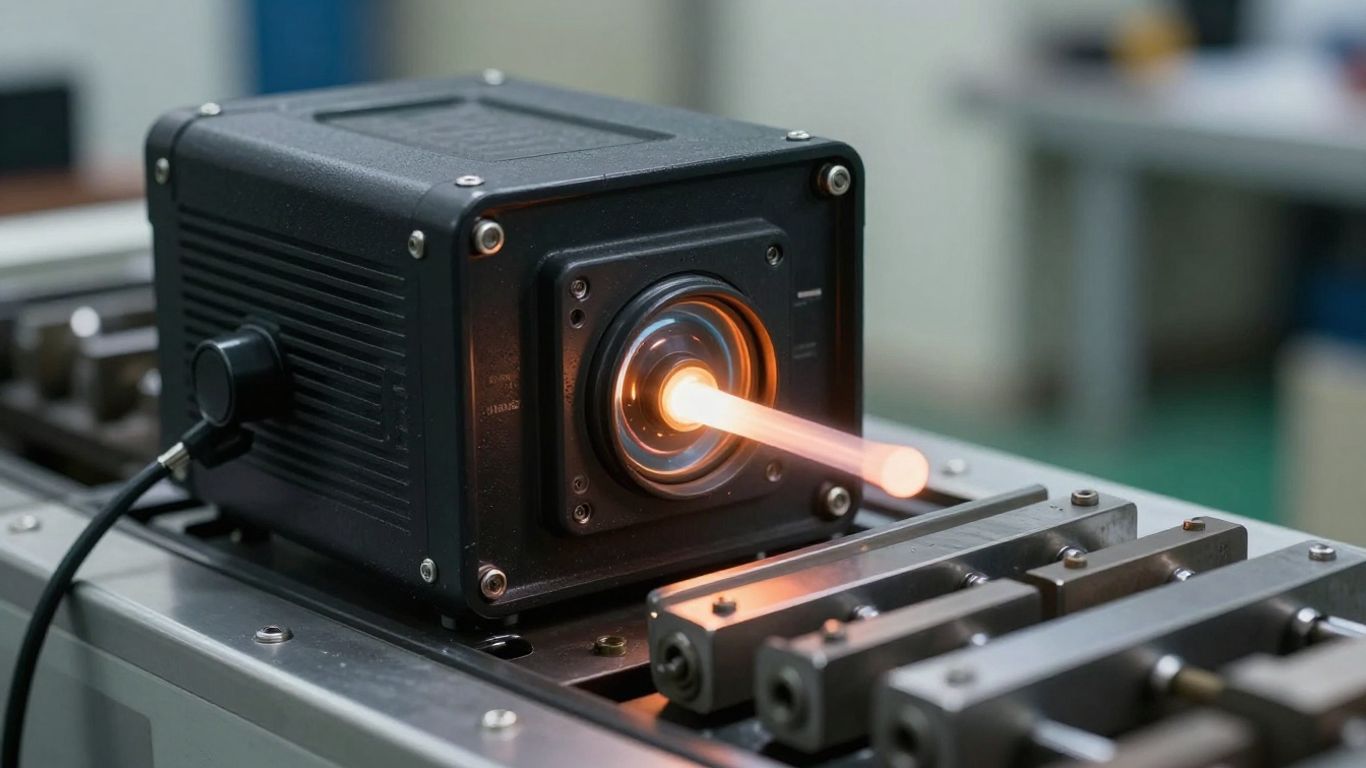
To operate successfully in processing plants, thermal imaging solutions must be built with specialized, high-grade components. The entire optical path—from the outer lens element to the internal sensor housing—must withstand vibration, moisture, and chemical exposure. Selecting high-performance sub-systems is essential for maintaining alignment and measurement accuracy over years of continuous operation.
Specialized optics for harsh conditions
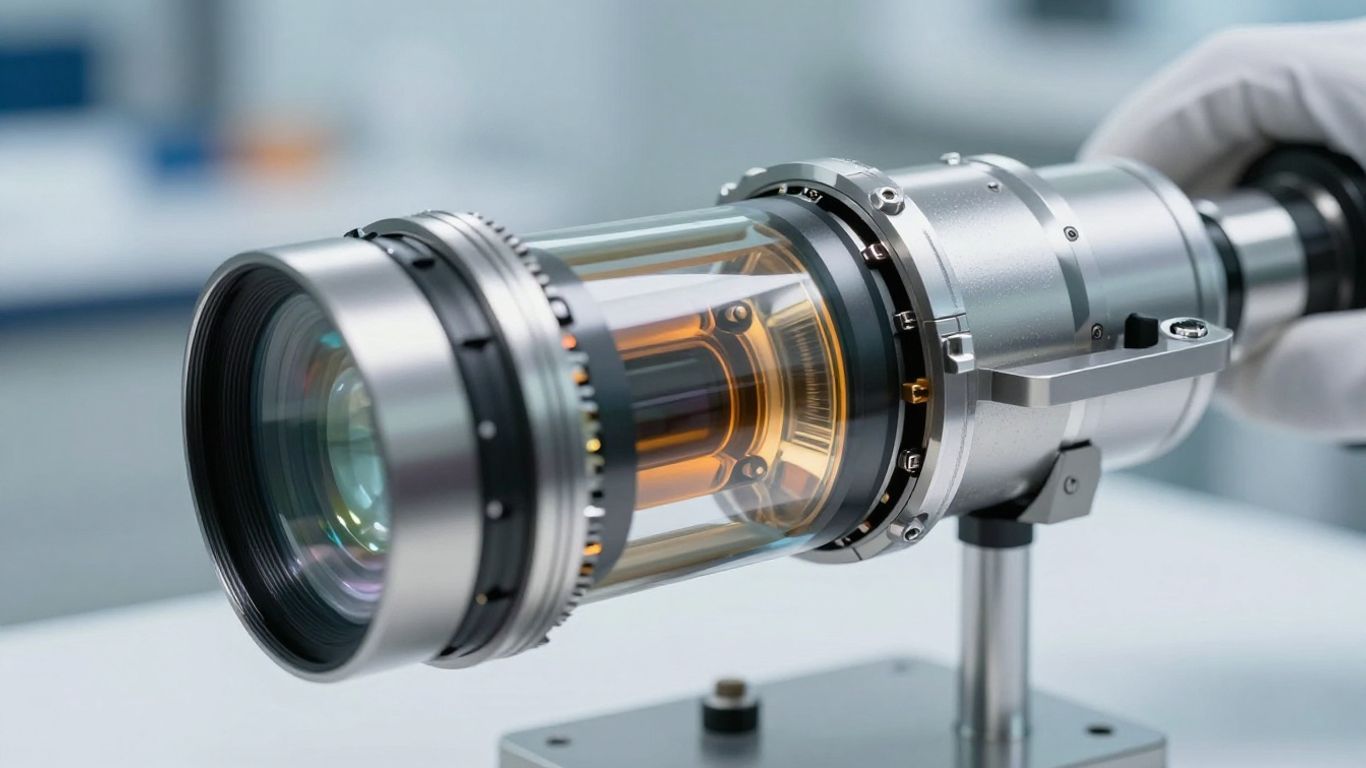
Standard optical glass cannot transmit long-wave infrared energy, meaning thermal systems require specialized materials like germanium or chalcogenide glass. When implementing custom setups, choosing robust materials like BlackDiamond™ Infrared Chalcogenide Glass ensures the system maintains high transmission efficiency and thermal stability. These advanced materials prevent focus shift during extreme indoor temperature spikes.
Cold shield design and signal stability
Internal stray radiation from the camera's own housing can distort sensitive thermal measurements. Incorporating a high-efficiency cold shield optical design blocks unwanted internal heat signatures from reaching the sensor array. This specialized design ensures that only the thermal radiation originating from the target asset is measured, preserving signal purity and measurement repeatability.
Software layers for pattern recognition and trending
Modern industrial systems rely on internal software to track and log temperature fluctuations over time. The system compares real-time thermal profiles against established baselines, immediately identifying developing hot spots. By analyzing these multi-week temperature trends, maintenance software can flag failing assets before they reach critical temperature thresholds.
Ruggedized housing and environmental ratings
Industrial cameras require rugged enclosures to protect sensitive internal optics from dust and moisture. Deploying systems with an IP67 rating ensures complete protection against fine particulates and pressurized water sprays. This physical armor is essential for preserving internal optical alignment and preventing premature component failure in harsh environments.
Predictive maintenance and equipment monitoring applications
Transitioning from reactive firefighting to a planned predictive maintenance strategy is the most effective way to lower industrial operating costs. By deploying non-contact thermal monitoring throughout a facility, maintenance managers can identify developing faults early. This predictive capability shifts maintenance tasks to scheduled windows, protecting production timelines.
Non-contact identification of electrical resistance
As electrical connections degrade, loose terminals or corroded components create localized resistance that generates excessive heat. Thermal cameras can easily detect these elevated hot spots in motor control centers and distribution panels. Discovering these anomalies early prevents costly arc-flash incidents and unexpected power outages across the plant floor.
Monitoring friction and wear in rotating machinery
Failing bearings, misaligned shafts, and inadequate lubrication in rotating equipment generate characteristic thermal signatures. Monitoring these thermal profiles helps maintenance teams track mechanical wear patterns in real time.
|
Mechanical Asset Components |
Thermal Anomaly Cause |
Predictive Maintenance Action |
|---|---|---|
|
Support Bearings |
Lubrication breakdown, high friction |
Replenish grease or replace worn bearing |
|
Drive Couplings |
Shaft misalignment, uneven load |
Re-align motor and shaft assembly |
|
Gearbox Assemblies |
Gear tooth wear, contaminated oil |
Flush oil reservoir and inspect gear teeth |
Using these targeted thermal inspections helps keep rotating gear running efficiently and prevents sudden mechanical lockups.
Optimizing asset lifecycle through early fault detection
Addressing mechanical and electrical issues early prevents small faults from cascading into catastrophic equipment damage. Regularly scheduled inspections help tracking subtle thermal trends that signal gradual degradation. This proactive approach helps extend the operating life of major capital assets, avoiding the high cost of emergency replacements.
Integrating temperature mapping into existing work orders
Thermal survey data becomes much more useful when combined with the plant's computerized maintenance management system (CMMS). Automated thermal analysis software can generate maintenance work orders when temperature readings cross pre-set thresholds. This link ensures that maintenance technicians are dispatched with clear thermal maps showing exactly where the fault is located.
Advanced operational integration strategies
To maximize the value of thermal imaging solutions, factories must transition from occasional manual inspections to continuous, integrated monitoring systems. Connecting thermal sensors to the wider company network ensures critical data is accessible to key decision-makers. This real-time visibility allows teams to coordinate automated plant shutdowns and coordinate safety responses safely.
Continuous versus periodic monitoring architectures
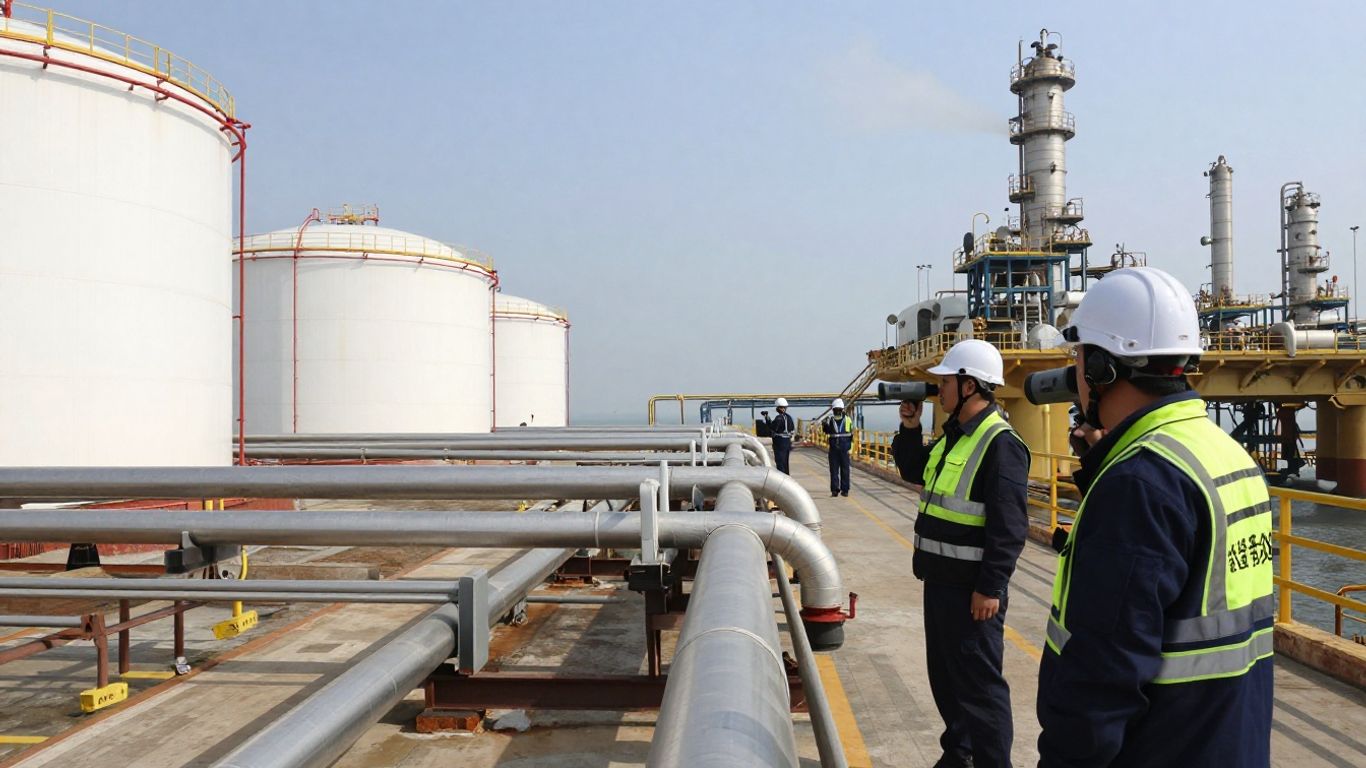
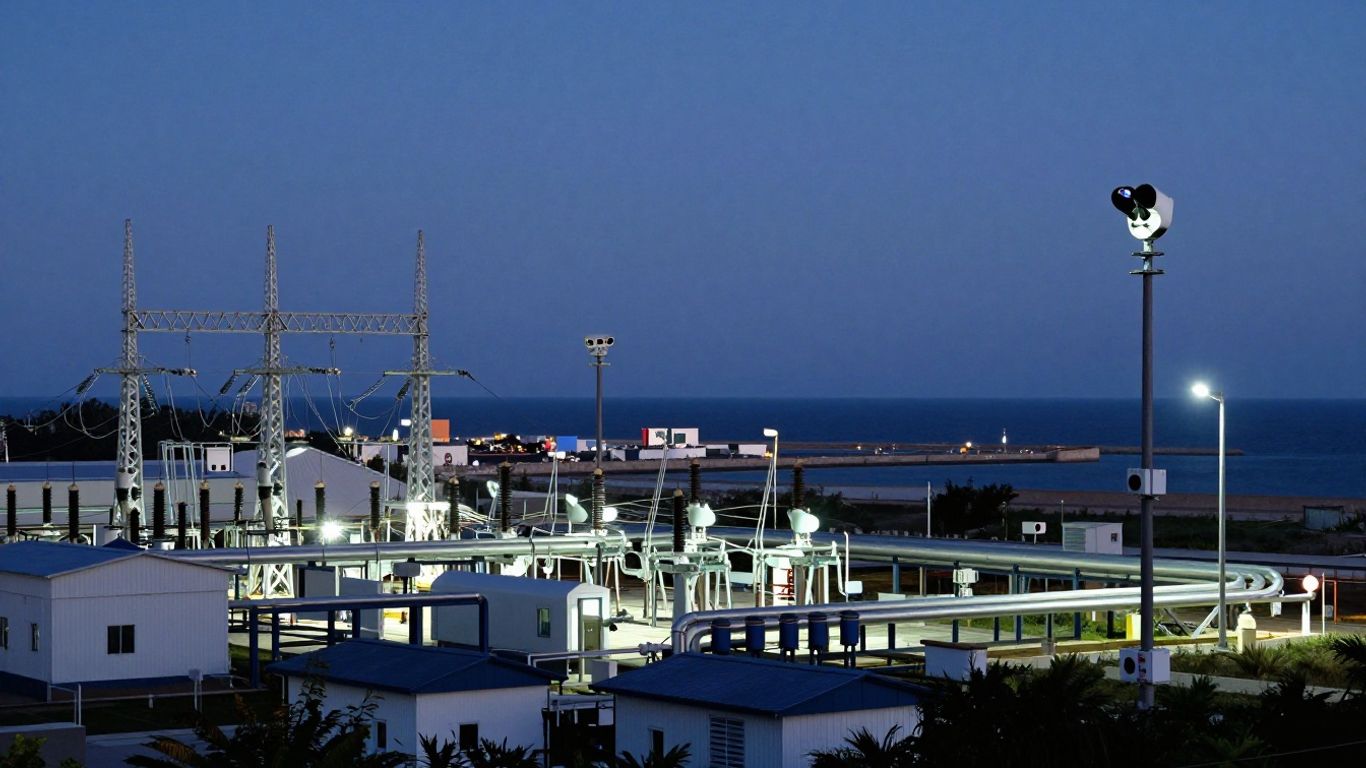
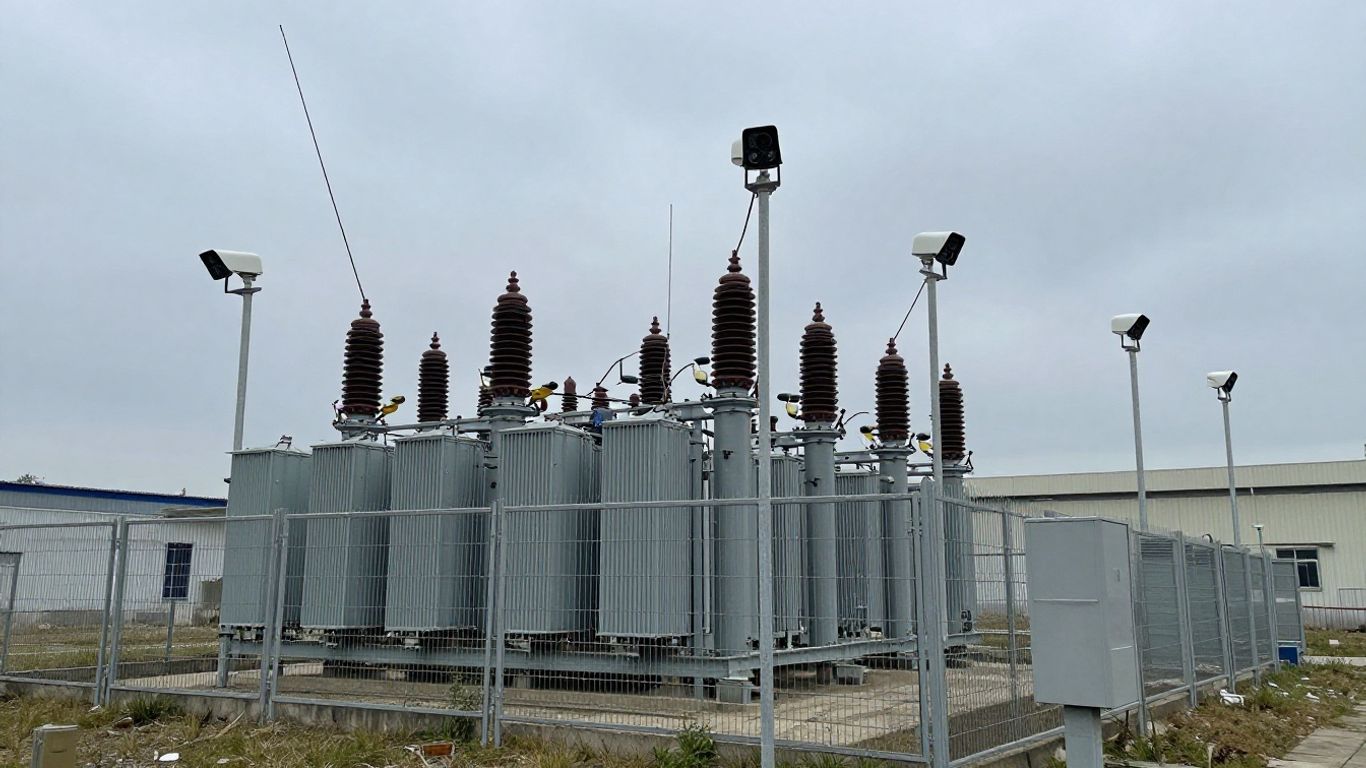
While hand-held thermal inspections are helpful for monthly checks, they ofen miss quick thermal spikes that occur under heavy production loads. Continuous monitoring architectures use fixed-position thermal cameras to watch high-risk equipment 24/7. This continuous coverage is essential for detecting rapid temperature changes in high-voltage switchyards and chemical processing lines.
Leveraging artificial intelligence for automated anomaly detection
Continuous thermal surveillance produces large amounts of imaging data that can easily overwhelm manual review teams. Integrating artificial intelligence models helps automate this screening process by automatically filtering out normal background operational temperatures. Utilizing intelligent sensing workflows enables the system to flag only true heat spikes, reducing false alarms and focusing attention where it is actually needed.
Network connectivity and data transmission challenges
Streaming high-resolution thermal video over existing factory networks requires careful bandwidth management. Modern thermal cameras address this challenge by performing processing at the edge, sending only numerical temperature metadata and alert triggers during normal operation. This edge approach reduces network congestion while ensuring that full thermal video streams are still available to operators when an alarm is triggered.
Coordinating alarms with facility safety protocols
Thermal alarm thresholds can be wired directly into plant safety loops and emergency shutdown systems. For example, if a high-temperature reactor vessel exceeds its safe limits, the thermal camera can trigger automated cooling systems or isolate power feeds. Integrating thermal alert systems with site safety software helps protect personnel and expensive equipment from catastrophic damage.
Navigating long wave and mid wave infrared technology
Choosing the correct infrared wavelength band is critical when designing a thermal monitoring system. Industrial optical applications primarily use long wave infrared (LWIR) and mid wave infrared (MWIR) bands. Each option has unique advantages depending on the ambient temperature fields, target materials, and atmospheric interference present in your facility.
Comparative performance in ambient temperature environments
For standard industrial target temperatures, such as normal indoor electrical panels and electric motors, the long wave infrared (LWIR) band is highly effective. LWIR cameras detect the wavelengths where ambient-temperature objects emit their peak thermal radiation. This makes LWIR systems excellent for general predictive maintenance and indoor building inspections.
Evaluating cost versus performance trade offs
System designers must balance budget limits with required imaging detail when specifying cameras. LWIR systems typically use uncooled microbolometers, which are affordable and highly durable. In contrast, high-end MWIR cameras require internal Stirling coolers, which are more expensive but provide high spatial resolution and sensitivity for long-range or high-performance applications.
Selecting wavelength ranges for specific gas detection
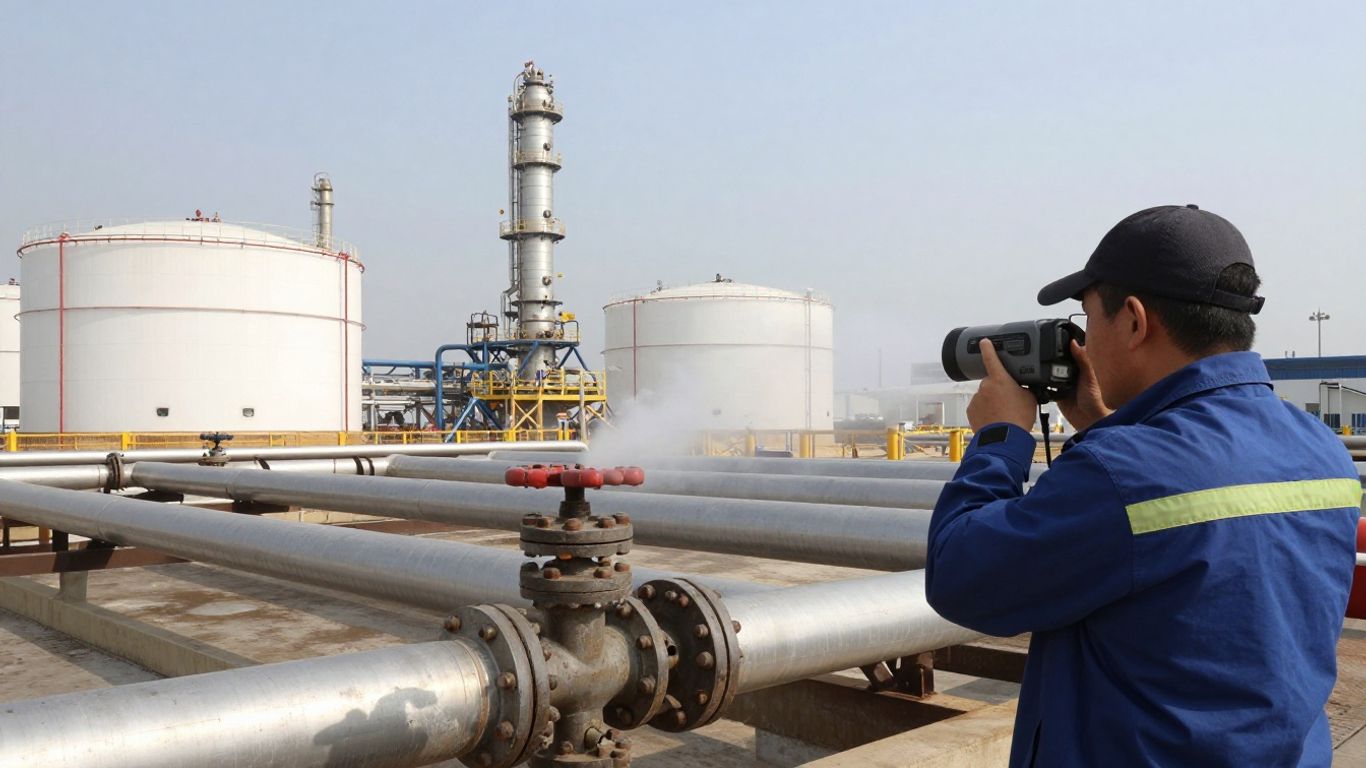
Optical gas imaging relies on the specific infrared absorption characteristics of different gases. Many hydrocarbons, such as methane, absorb infrared energy in the narrow waveband between 3.2 and 3.4 micrometers. Specially filtered MWIR camera systems are designed to detect these subtle absorption drops, making them highly effective for identifying invisible gas leaks. To explore targeted solutions for your facility's safety systems, you can contact LightPath Technologies today.
Assessing the role of cryogenic cooling systems
High-performance MWIR detectors must be cooled to cryogenic temperatures, typically around 77 Kelvin, to minimize thermal noise from the camera itself. While these active cooling systems provide excellent thermal sensitivity and clarity, they add mechanical complexity and require regular servicing. Uncooled systems remains the preferred Choice for standard, low-maintenance industrial monitoring.
Overcoming environmental challenges in industrial settings
Deploying sensitive optical sensors in heavy industrial environments requires careful planning. Airborne dust, severe physical vibration, intense electromagnetic fields, and corrosive chemicals can quickly damage delicate optical components. Overcoming these environmental hazards requires engineered solutions that maintain calibration accuracy even under tough conditions.
Maintaining performance in high particulate and smoke environments
Thick dust, steam, and smoke can easily scatter visible light and block standard vision cameras. Fortunately, long infrared wavelengths pass more easily through airborne particulates than visible light does.
- Optical path sealing: Using pressurized gaseous nitrogen purges keeps the outer lens elements clean and free from accumulating dust.
- Wavelength advantages: Standard LWIR bands easily penetrate dense dust clouds and heavy steam, providing consistent target views.
- Protective blast windows: Sacrificial window elements help protect expensive internal lenses from abrasive airborne particulate wear.
Using these protective measures ensures and preserves consistent temperature measurements in high-particle environments.
Stability in extreme temperature fluctuations
Thermal cameras operating near high-temperature kilns, steel furnaces, or in outdoor arctic conditions face significant thermal stress. These extreme fluctuations can cause optical frame expansion, misaligning focus and distorting temperature readings. Utilizing athermalized lens assemblies with stabilizing chalcogenide elements maintains focus across wide temperature ranges.
Resilience against electromagnetic interference
Heavy industrial equipment, such as large electric motors and high-voltage transformers, generates strong electromagnetic fields. These fields can introduce video noise and disrupt sensitive digital signals in standard cameras. Industrial-grade thermal imaging systems feature robust shielding, isolated power supplies, and differential signaling to protect data transmission.
Corrosion resistance for maritime and outdoor deployments
Outdoor storage yards, ports, and chemical processing facilities expose camera housings to salt air, moisture, and acid vapors. Standard aluminum enclosures degrade quickly in these corrosive environments. To prevent damage, outdoor systems use marine-grade stainless steel or chemical-resistant polymer coatings, keeping the equipment sealed and reliable for long-term use.
Conclusion
Thermal imaging solutions provide invaluable visibility into the physical health of critical industrial assets, helping teams identify electrical and mechanical faults before they lead to expensive downtime. By combining high-transmission infrared optics, uncooled microbolometers, and smart analytics, modern plants can safely transition from reactive repairs to predictive maintenance schedules. Investing in ruggedized components designed for challenging physical environments preserves system calibration and ensures reliable protection for both plant equipment and personnel.
Frequently Asked Questions
How does a thermal imaging camera measure temperature without physical contact?
Thermal cameras measure temperature by capturing invisible infrared radiation naturally emitted by all objects. This electromagnetic energy is focused by specialized lenses onto a heat-sensitive microbolometer detector, which converts the thermal energy into electrical signals used to calculate precise temperatures.
What is emissivity and why is it important for accurate thermal imaging?
Emissivity is a measure of how efficiently an object's surface emits infrared radiation. Different materials have different emissivity levels, so setting the correct emissivity value on the thermal camera is critical to ensure accurate temperature measurements.
What are the main differences between LWIR and MWIR thermal cameras?
LWIR cameras operate in the long-wave infrared band, are typically uncooled, and are ideal for everyday temperature monitoring of ambient-temperature targets. MWIR cameras operate in the mid-wave spectrum, often require cryogenic cooling, and excel at high-temperature monitoring, long-range imaging, or specialized optical gas verification.
Can thermal cameras see through industrial walls or metal enclosures?
No, thermal cameras cannot see through solid walls, metal panels, or glass sheets because these materials block the transmission of infrared energy. Instead, the camera measures the exterior surface temperature of the enclosure, which can indicate heat buildup inside.
How do thermal imaging systems assist with industrial electrical inspections?
Thermal imaging systems identify high-resistance connections, overloaded circuits, and deteriorating electrical parts by highlighting localized hot spots. This non-contact inspection allows maintenance teams to scan energized systems from safe distances and resolve electrical faults before they cause fires.
What maintenance is required for industrial thermal cameras in dusty environments?
Industrial thermal cameras in dusty settings require regular inspections of the protective lens window and camera housing seals. Utilizing protective air-purging accessories helps keep the optical surface clean and prevents abrasive dust from damaging the performance of the camera's lens.
Why are uncooled microbolometers preferred for everyday predictive maintenance?
Uncooled microbolometers do not require internal cryogenic cooling systems, making them highly reliable, compact, and affordable. Their rugged, low-maintenance design makes them the ideal choice for continuous thermal monitoring in demanding everyday industrial processes.
Partner with Thermal Experts
Designing and deploying reliable thermal imaging solutions for high-stress manufacturing environments requires proven engineering and deep material expertise. The experienced engineering team at LightPath Technologies provides full-range vertical integration, delivering custom precision-molded optics and thermal imaging sub-systems that give your company a strong competitive advantage. To discuss your project's unique environmental and optical requirements with a professional sales engineer, contact our team of experts today.