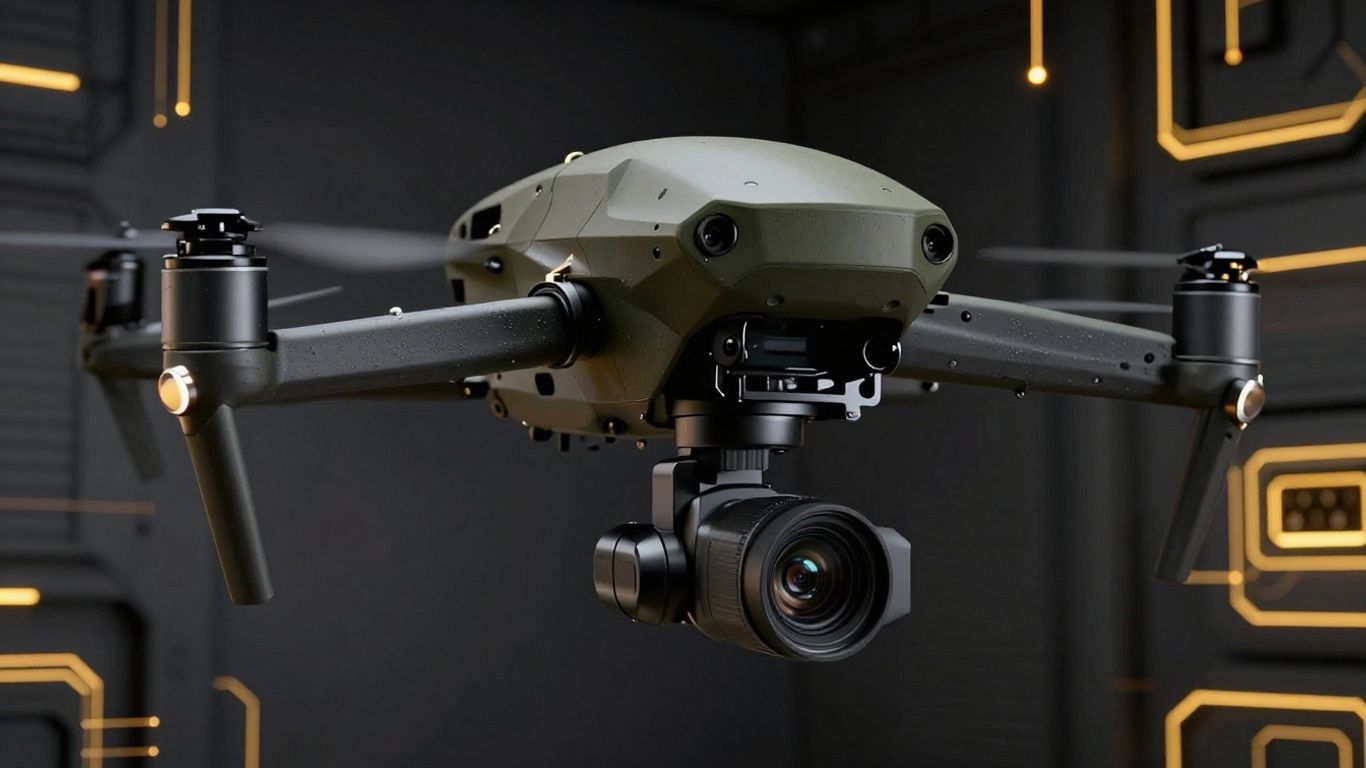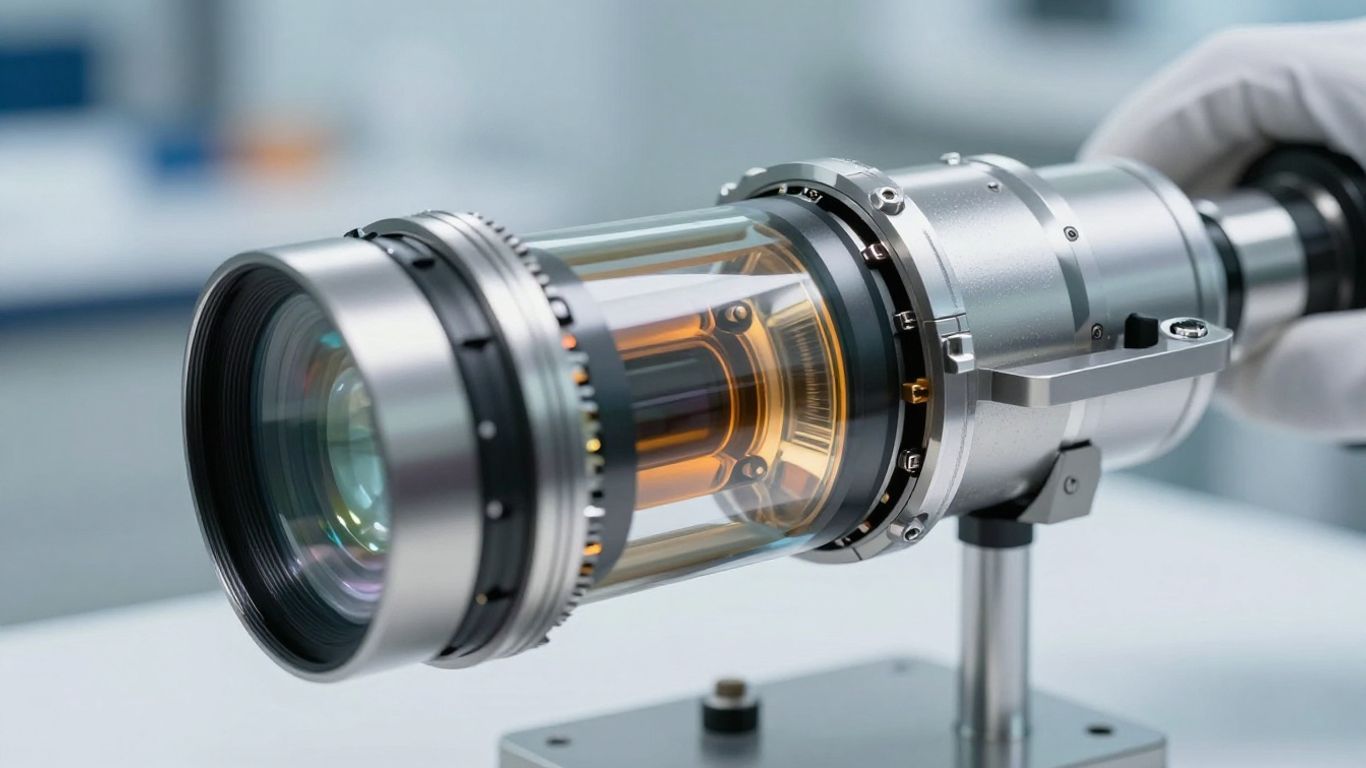

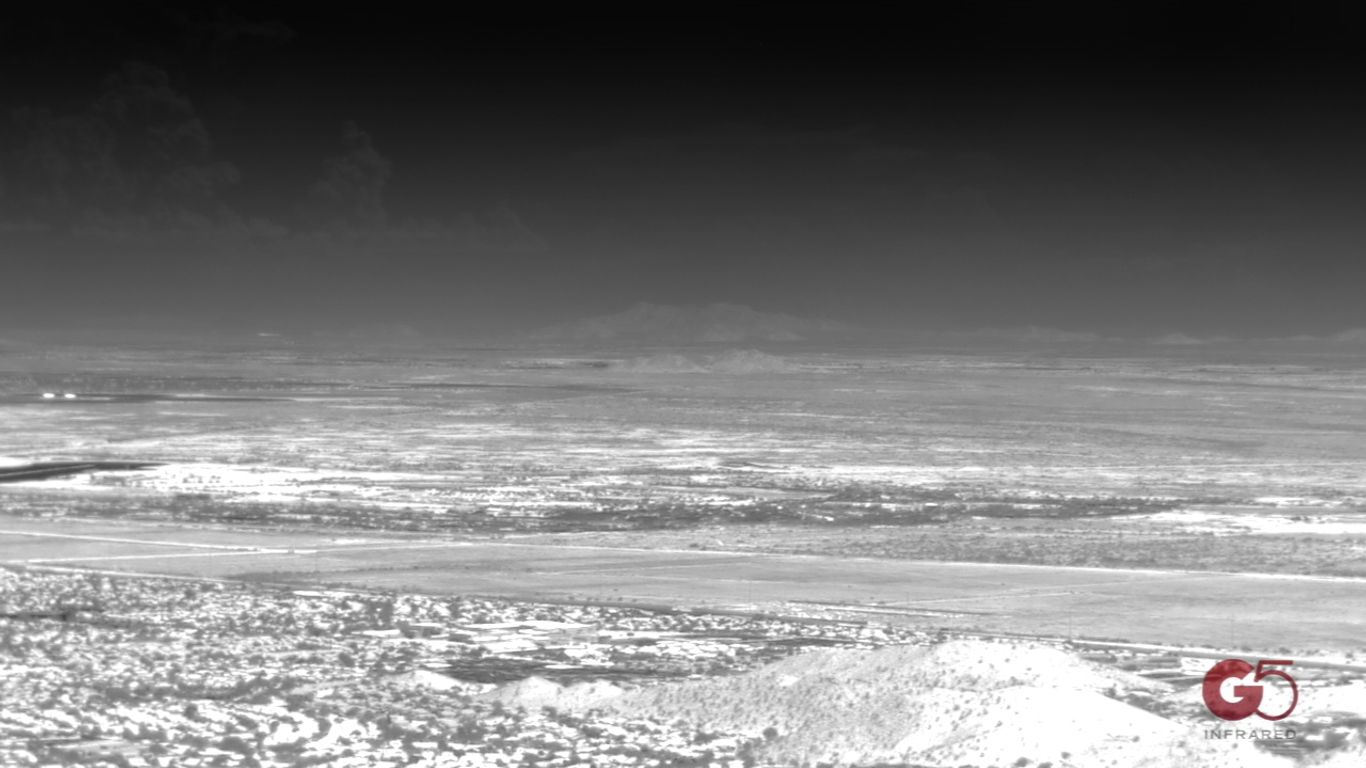
When your work takes you beyond the usual, standard cameras just won't cut it. You need equipment that can handle tough conditions, whether that's saltwater spray, extreme cold, or just plain darkness. This is where LWIR thermal cameras really shine. They see heat, not light, which means they can work when other cameras are blind. Let's explore how these specialized cameras are built tough and why they're becoming so important for demanding jobs.
Key Takeaways
- LWIR thermal cameras provide reliable imaging by detecting heat signatures, working effectively in complete darkness and through atmospheric conditions like fog and smoke where visible light cameras fail.
- These cameras are built for challenging environments, offering resistance to corrosion, stable performance in extreme temperatures (from Arctic cold to industrial heat), and durability against shock and vibration.
- Specialized applications for LWIR thermal cameras span maritime operations, Arctic surveillance, industrial monitoring, and defense/security roles like border surveillance and counter-drone systems.
- The use of uncooled detector technology in many LWIR systems simplifies integration, reduces power consumption, and lowers overall costs compared to cooled alternatives.
- When selecting LWIR thermal cameras, consider purpose-built designs that prioritize environmental resilience and operational reliability over adapted commercial technology for mission-critical performance.
Understanding LWIR Thermal Camera Fundamentals
Long Wave Infrared (LWIR) thermal cameras operate by detecting the heat energy naturally emitted by objects. Unlike visible light cameras that rely on reflected light, thermal cameras capture this emitted radiation, allowing them to "see" in complete darkness, through smoke, fog, and other obscurants. This capability is particularly useful for applications where visibility is limited or non-existent.
Core Principles of Long Wave Infrared Imaging
LWIR cameras function within a specific portion of the electromagnetic spectrum, typically between 8 to 14 micrometers. At ambient temperatures, most objects, including people, animals, and machinery, emit their peak thermal radiation within this LWIR band. This makes these cameras exceptionally well-suited for detecting targets that are not necessarily hot, but simply warmer or cooler than their surroundings. The technology relies on specialized sensors, often microbolometers, which change their electrical resistance when struck by infrared radiation. This change is then translated into a visual image where different colors or shades represent varying temperatures.
Wavelengths and Ambient Temperature Detection
Every object with a temperature above absolute zero emits infrared radiation. The intensity and peak wavelength of this emission are directly related to the object's temperature. For objects at typical terrestrial temperatures—think of a person at 37°C or a piece of equipment operating at 50°C—their most significant thermal emissions fall within the LWIR range. This is why LWIR cameras are so effective for detecting these kinds of targets without needing any external light source. They are essentially seeing the heat signature of the object itself. This passive detection method means your system can maintain full imaging capability even in environments with zero visible light, such as during nighttime operations or within enclosed spaces. You can learn more about the LWIR transparency of a polymer window to understand how different materials interact with these wavelengths.
Passive Detection for Operational Security
Because LWIR thermal cameras detect naturally emitted heat, they do not require any external illumination. This passive detection method is a significant advantage in applications where operational security is paramount. Unlike systems that might emit signals or light that could be detected by adversaries, thermal cameras simply observe the existing thermal landscape. This means your platform or system remains undetectable while still providing critical visual information. This characteristic is especially important in defense and surveillance scenarios where maintaining a low profile is a tactical necessity. If you are looking to integrate such systems, consider reaching out to experts for tailored solutions at https://www.lightpath.com/contact.
Performance Advantages in Challenging Conditions
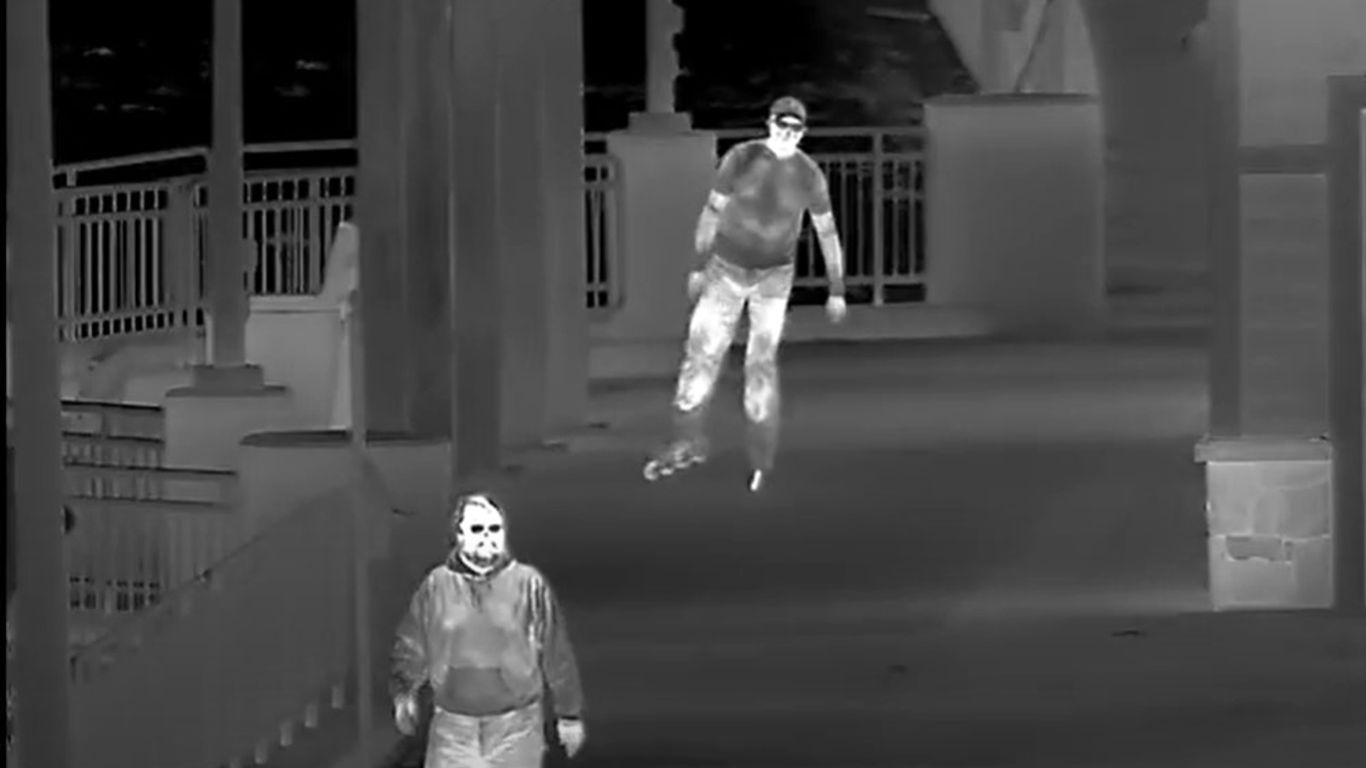
When your operations extend beyond the controlled environment of a laboratory or office, standard imaging systems often falter. Long Wave Infrared (LWIR) thermal cameras, however, are engineered to perform where conventional methods fail. Their ability to detect heat signatures provides a distinct advantage, especially when visibility is compromised by atmospheric conditions or complete darkness.
Penetrating Atmospheric Obscurants
Visible light cameras struggle when faced with smoke, fog, dust, or even light rain. These elements scatter light, rendering images blurry or completely obscured. LWIR thermal cameras operate in a different part of the electromagnetic spectrum, specifically the 8-14 micrometer range. This longer wavelength allows the radiation to pass through many of these atmospheric particles with significantly less scattering. This means you can maintain a clear view of your surroundings even when:
- Firefighting: See through smoke to locate individuals or assess structural integrity.
- Search and Rescue: Detect heat signatures of missing persons in fog or dense foliage.
- Industrial Monitoring: Observe processes in dusty environments or through steam.
This capability is not about seeing through solid objects, but rather about maintaining a functional image when light cannot penetrate. The result is an extended operational window, allowing for more effective decision-making and response.
Reliability in Extreme Temperatures
Standard electronic equipment is often rated for a limited temperature range, typically from around -20°C to +50°C. Exceeding these limits can lead to component failure, reduced performance, or complete system shutdown. LWIR thermal cameras designed for harsh environments are built to withstand much wider temperature fluctuations.
- Cold Weather Operations: Systems engineered for Arctic surveillance can operate reliably at temperatures well below -40°C. This involves specialized materials for housings that don't become brittle, lubricants that remain fluid, and internal components designed to prevent condensation.
- Hot Environments: Cameras deployed in desert regions or near industrial heat sources can function in ambient temperatures exceeding 50°C, and some specialized systems can even monitor objects at temperatures over 1500°C.
This thermal stability is achieved through careful material selection, robust thermal management systems within the camera, and detector technologies that maintain consistent performance across a broad spectrum of operating temperatures. You can depend on your thermal imaging system to provide accurate data, whether deployed in the frigid north or the scorching desert.
Consistent Imaging in Low-Light and Darkness
One of the most significant benefits of thermal imaging is its independence from visible light. LWIR cameras detect the infrared radiation naturally emitted by all objects above absolute zero. This means they can "see" in complete darkness, through overcast skies at night, or within enclosed spaces where no light is present.
- Nighttime Surveillance: Detect intruders or monitor activity without the need for external illumination, which could compromise your position.
- Underground or Enclosed Spaces: Identify heat sources or anomalies in areas with no natural or artificial light.
- Overcast Conditions: Maintain clear imaging during nighttime operations when cloud cover would render visible-light cameras ineffective.
This passive detection capability not only provides visibility in challenging lighting conditions but also enhances operational security, as the camera itself emits no detectable signals. You gain a consistent, reliable view of your environment, day or night, regardless of ambient light levels. For reliable performance in demanding situations, consider the advanced capabilities of LWIR thermal cameras. To learn more about how these systems can meet your specific needs, please visit https://www.lightpath.com/contact.
Specialized Applications for LWIR Thermal Cameras
When your operations move beyond controlled settings, standard imaging often falls short. LWIR thermal cameras, however, are engineered to perform where other technologies falter. Their ability to detect heat signatures makes them indispensable across a range of demanding fields.
Maritime and Offshore Operations
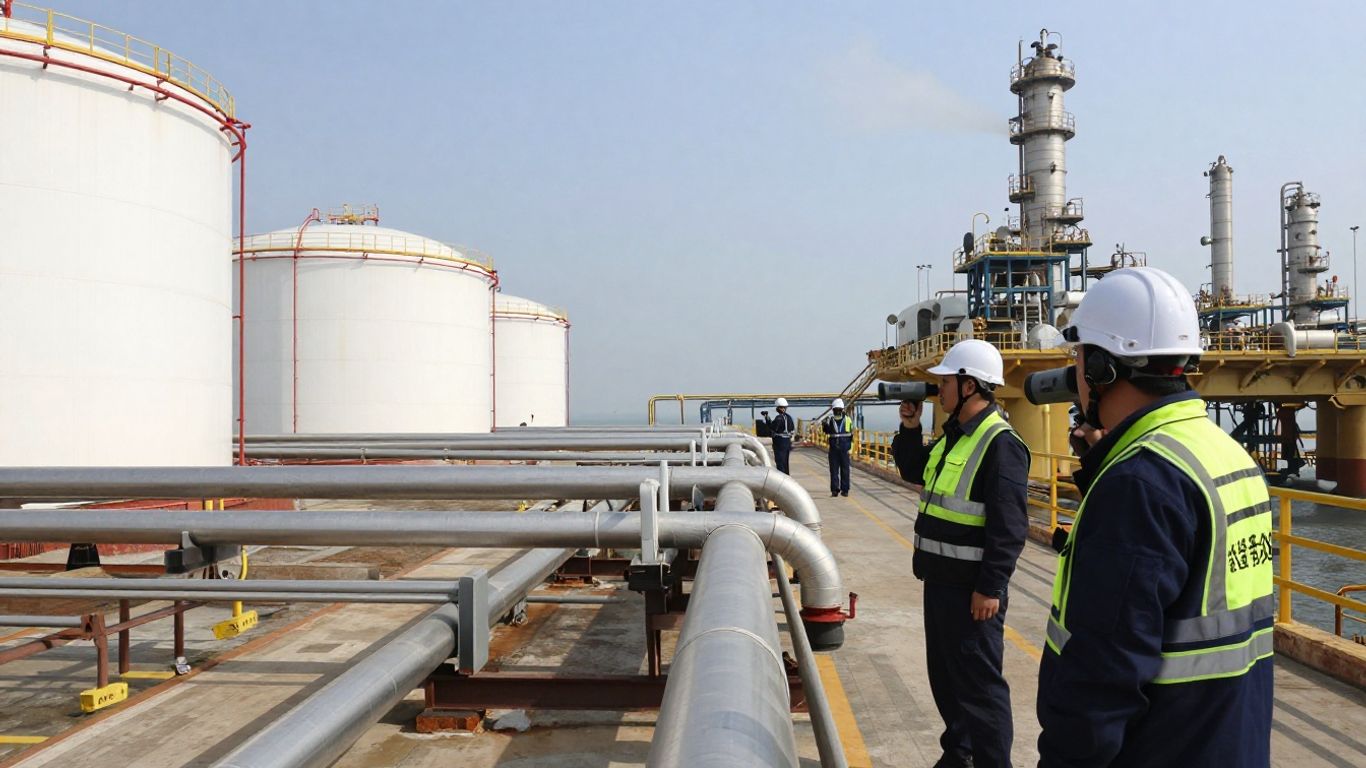
On the water, conditions can be particularly unforgiving. Saltwater is corrosive, and constant motion introduces vibration. LWIR thermal cameras are vital for maritime security and offshore platform monitoring. They can see through sea spray and fog, which often blind visible-light cameras. This allows for reliable detection of vessels, debris, or personnel in the water, even in low-light or adverse weather. Systems designed for these environments feature robust, corrosion-resistant housings and optics that can withstand the harsh marine atmosphere. Their passive detection means they don't give away your position, which is a significant advantage for operational security at sea.
Arctic and Cold Weather Surveillance
Extreme cold presents a unique set of challenges for electronic equipment. LWIR thermal cameras designed for arctic conditions must maintain stable performance at temperatures well below freezing, often down to -40°C or even lower. Standard cameras can fail or become unreliable in such environments. LWIR systems, particularly those with uncooled microbolometer detectors, are well-suited for these conditions because they don't rely on complex cooling systems that could freeze. They provide consistent surveillance for border monitoring, remote facility security, and scientific research in polar regions, detecting heat signatures of personnel, vehicles, or wildlife against the cold landscape.
Industrial Facility Monitoring
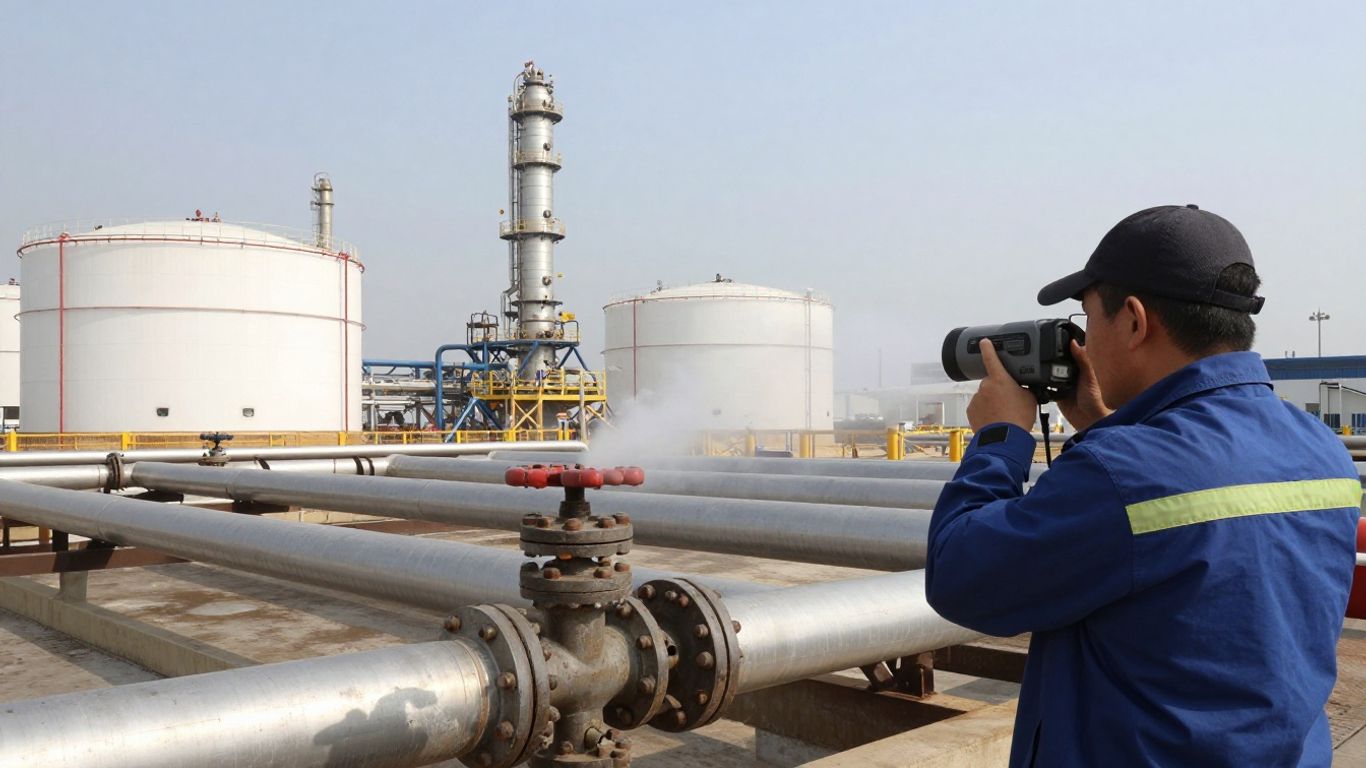
Industrial settings often involve high temperatures, dust, and other environmental hazards. LWIR thermal cameras are used extensively for monitoring processes in steel mills, chemical plants, and power generation facilities. They can inspect furnaces, detect overheating equipment, and identify gas leaks without direct contact. This non-contact monitoring is crucial for safety and efficiency, preventing downtime and potential accidents. Ruggedized industrial cameras are built with sealed enclosures to protect against dust and moisture, and some may even incorporate specialized cooling or thermal shielding for deployment near extremely hot sources. Their ability to see through smoke or steam also makes them valuable for safety inspections in environments where visibility is otherwise limited.
If you need to discuss how LWIR thermal cameras can be applied to your specific challenging environment, please reach out to us at https://www.lightpath.com/contact.
Engineering for Harsh Environment Durability
When your operations extend beyond the controlled conditions of a laboratory or office, the equipment you rely on faces significant challenges. Standard electronics and housings can quickly fail when exposed to elements like saltwater spray, extreme temperatures, or abrasive dust. LWIR thermal cameras designed for these demanding scenarios require robust engineering to ensure consistent performance and longevity. This means looking beyond basic functionality to consider how each component will withstand the rigors of its intended environment.
Corrosion Resistance and Sealing
Environments such as maritime settings or industrial plants often involve corrosive agents. Saltwater, in particular, is highly destructive to unprotected electronics and metal components. To combat this, LWIR cameras intended for such use are constructed with materials that resist corrosion. This includes using specialized alloys for housings and employing protective coatings on internal and external parts. Furthermore, effective sealing is paramount. Look for cameras with high Ingress Protection (IP) ratings, such as IP67 or IP68, which indicate that the unit is dust-tight and can withstand submersion in water to specified depths. This prevents moisture and contaminants from entering the sensitive internal electronics, which is critical for maintaining operational integrity.
Thermal Stability and Management
Extreme temperatures, whether hot or cold, can significantly impact the performance and lifespan of electronic devices. LWIR thermal cameras must maintain stable imaging capabilities across a wide operational temperature range. This is achieved through careful thermal management. For high-temperature environments, such as those near furnaces or engines, systems may incorporate heat sinks, thermal barriers, or even active cooling mechanisms to prevent overheating. In cold climates, materials are selected for their ability to retain flexibility and structural integrity at sub-zero temperatures, and internal components are designed to operate reliably without freezing or becoming brittle. Thermal cycling, the repeated expansion and contraction of materials due to temperature fluctuations, is also a key consideration. Components and optical assemblies are designed to accommodate these changes without compromising alignment or image quality.
Robustness Against Shock and Vibration
Many harsh environments involve significant physical stress. Platforms like vehicles, aircraft, or industrial machinery often generate substantial shock and vibration. Standard cameras can suffer from loose connections, damaged internal components, or misaligned optics under these conditions. LWIR cameras designed for durability feature internal shock mounting to isolate sensitive components from external forces. Housings are often reinforced, and connectors are secured to prevent accidental disconnection. Optical elements are typically mounted more rigidly to maintain precise alignment, even when subjected to continuous movement. This engineering focus on mechanical resilience ensures that the camera continues to provide reliable thermal data, even when the platform it's mounted on is experiencing considerable physical stress.
To learn more about how robust LWIR thermal cameras can benefit your operations, please visit https://www.lightpath.com/contact.
LWIR Thermal Cameras in Defense and Security
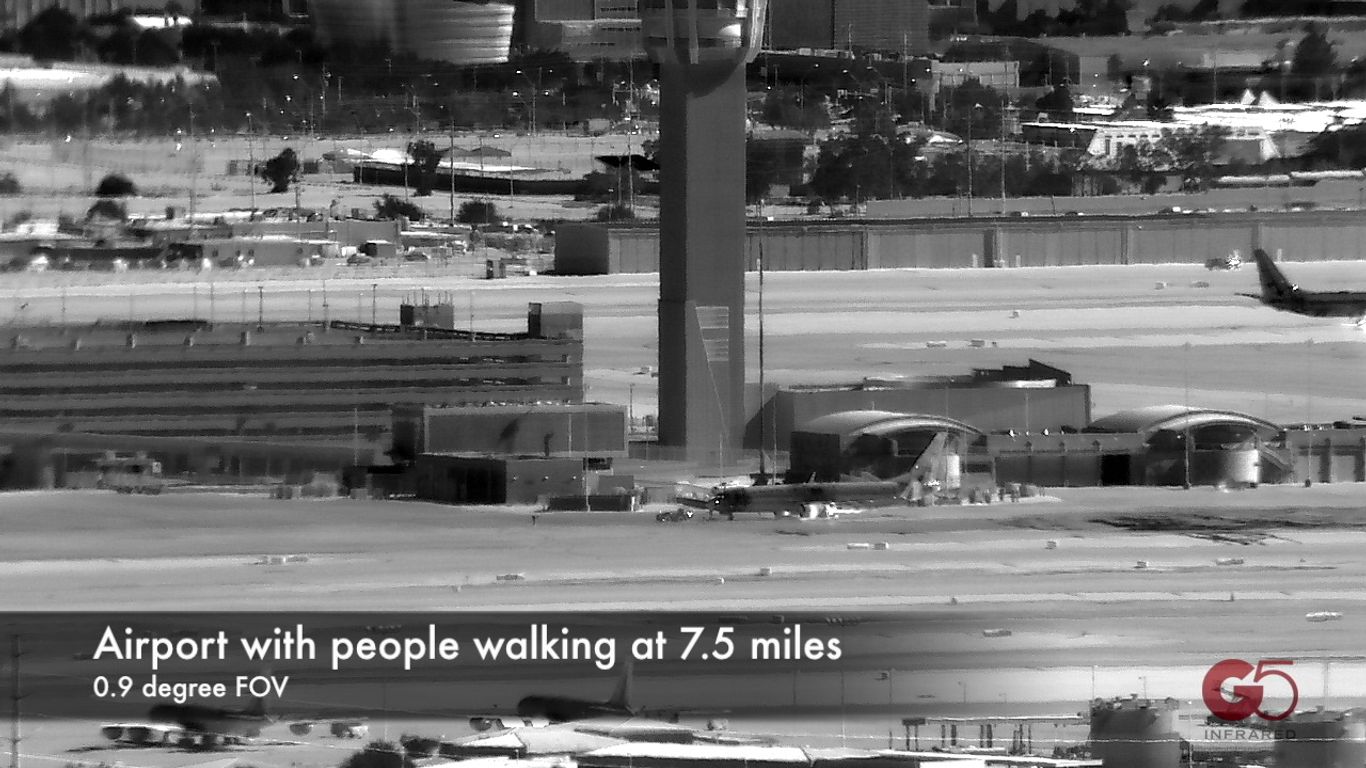
When you are tasked with integrating a thermal imaging solution into your next defense platform, surveillance application, or security system, the demands are often significant. Timelines can be tight, and the operational environment presents unique challenges. Understanding Long Wave Infrared (LWIR) technology is key to selecting the right approach for your needs. LWIR imaging captures thermal radiation in the 8 to 14 micrometer wavelength range. This specific band is highly effective for detecting objects at ambient temperatures, such as personnel, vehicles, and equipment, without needing external light sources. This passive detection method means your system can operate in complete darkness and does not emit signals that could compromise operational security.
Perimeter Security and Border Surveillance
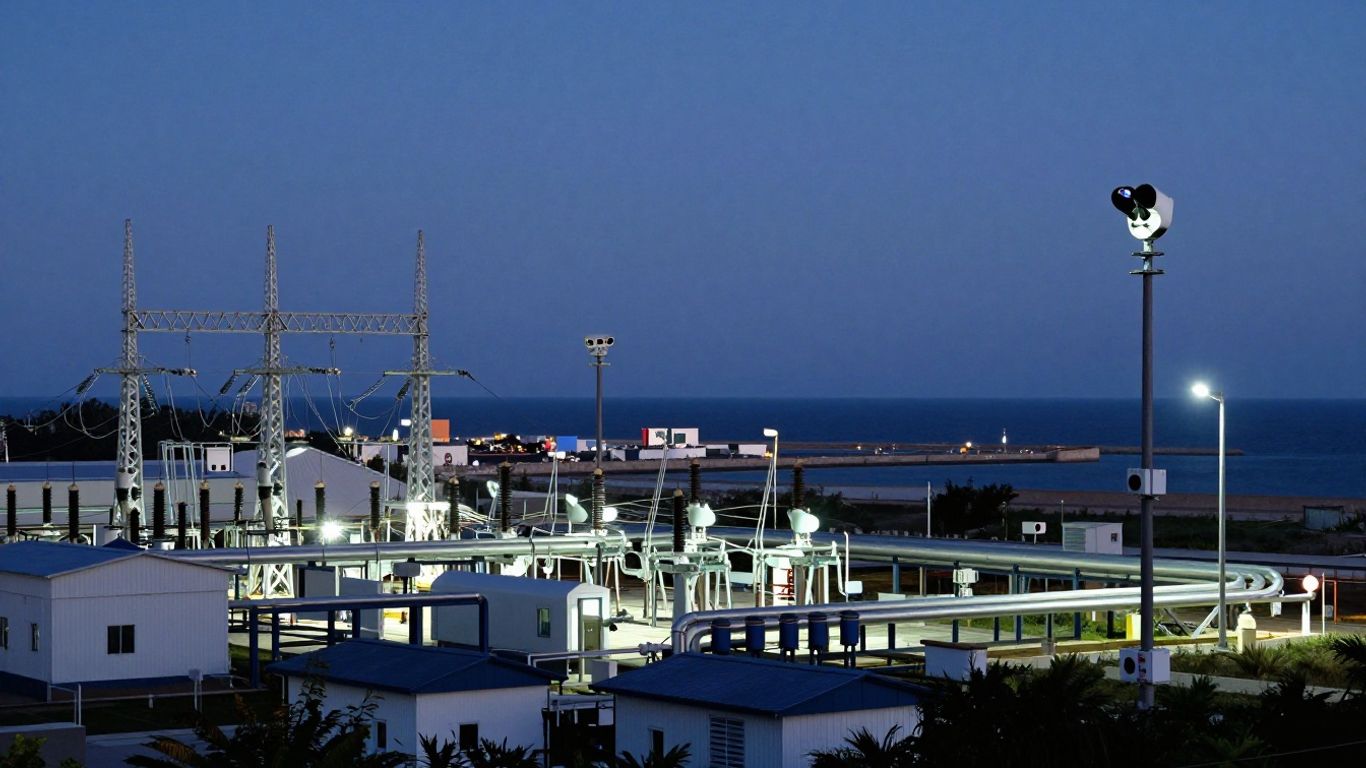
LWIR thermal cameras are indispensable for perimeter security and border surveillance. They provide continuous monitoring capabilities that function reliably regardless of lighting conditions or weather. Fixed installations can detect unauthorized approaches and monitor large areas, operating effectively in salt air environments that degrade lesser equipment. For coastal border surveillance, these cameras can be mounted on towers or mobile platforms to detect small vessels and unauthorized crossings. The ability of LWIR to penetrate light fog and haze makes it particularly valuable for maritime border security where visibility is often limited.
Counter-Drone Detection Capabilities
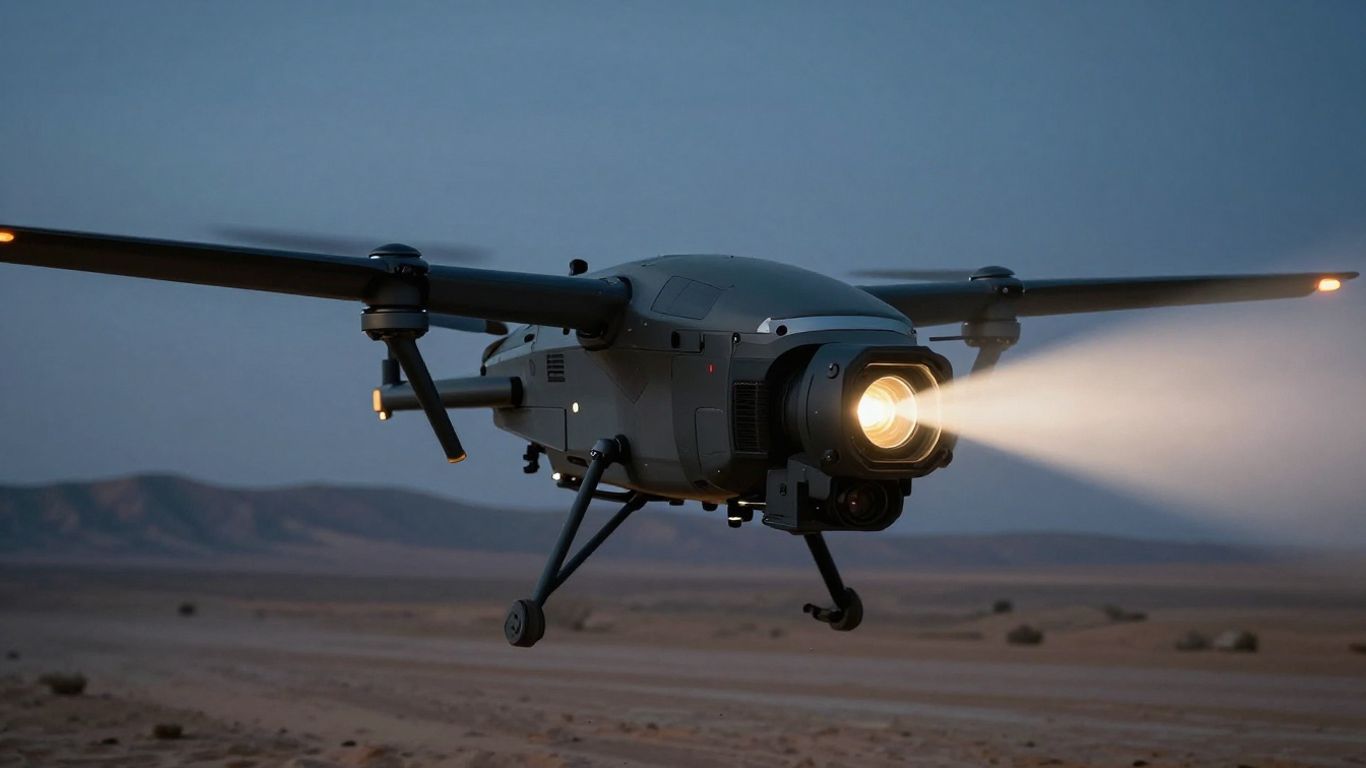
The increasing prevalence of drones necessitates advanced detection methods. LWIR thermal cameras play a significant role in counter-drone systems. They can effectively detect the thermal signature of drones, even against complex backgrounds or in low-light conditions. While both LWIR and Mid-Wave Infrared (MWIR) technologies can be used, LWIR is often favored for detecting the airframe's thermal contrast, especially for smaller drones operating at moderate ranges. The passive nature of LWIR is also an advantage, as it does not reveal the sensor's position.
Situational Awareness Platforms
Situational awareness is paramount in defense and security operations. LWIR thermal cameras contribute significantly by providing a clear thermal picture of the environment. They can detect targets at considerable distances, often exceeding 1000 meters for personnel and 2000 meters for vehicles, far surpassing the capabilities of IR-illuminated cameras. This extended detection range provides crucial time for response. Furthermore, LWIR's ability to penetrate atmospheric obscurants like smoke, fog, and dust means that operational capability is maintained in conditions that would render traditional imaging systems useless. This all-weather, all-lighting performance makes LWIR systems a vital component of modern situational awareness platforms.
To learn more about how our advanced thermal imaging solutions can support your defense and security needs, please visit https://www.lightpath.com/contact.
Integration and Cost-Effectiveness of LWIR Systems
Uncooled Detector Advantages
When you're looking at LWIR thermal cameras, a big plus is that many use uncooled microbolometer detectors. This means they work at ambient temperatures, so you don't need complex and power-hungry cryogenic cooling systems. This simplifies your system design quite a bit, making it smaller, lighter, and less of a headache to maintain. For applications like drone payloads or vehicle-mounted systems, this reduction in size and power draw is a significant advantage. It also means fewer moving parts, which generally leads to better reliability and less downtime. You can find these LWIR thermal camera systems in a wide range of configurations, many of which benefit from this uncooled technology.
Cost-Effective Ambient Temperature Detection
Most of the time, you're trying to detect things that are around normal temperatures – people, vehicles, or equipment. LWIR cameras are really good at this. They offer excellent sensitivity for these kinds of targets without the high cost associated with other thermal technologies. This makes them a practical choice for many surveillance, security, and monitoring tasks. When you're looking to deploy systems across many platforms or develop commercial products, this cost-effectiveness is a major factor in making a project viable. It means you can get the performance you need without breaking the bank.
Simplified System Integration
Integrating LWIR systems can be much more straightforward, especially when you work with manufacturers who offer support. Instead of spending months developing custom solutions, you can often get integration-ready systems that cut down development time significantly. Manufacturers provide standardized interfaces, factory calibration, and engineering support, which helps avoid common pitfalls. This approach minimizes technical risk and speeds up your time to market. Relying on manufacturer expertise means your team can focus on your core mission rather than getting bogged down in the complexities of thermal imaging optics and calibration. If you're looking for a partner to help with your integration needs, consider reaching out to experts at https://www.lightpath.com/contact.
Making Long-Wave Infrared (LWIR) systems work well with your existing setup and budget is key. We focus on creating solutions that are easy to add and don't cost too much. Want to see how our LWIR technology can fit into your projects? Visit our website to learn more and talk to our team!
Looking Ahead: The Future of Thermal Imaging in Tough Spots
So, you've seen how these specialized long-wave infrared (LWIR) cameras are built tough. They're not just regular cameras put in a metal box; they're designed from the ground up to handle salt, extreme cold, heat, and all sorts of rough conditions. When you're out there, whether it's on a ship, in a desert, or up in the Arctic, having equipment that just works is what matters. These cameras are key for keeping operations going when visibility is low or when standard gear would just give up. As technology keeps improving, you can expect these cameras to get even better, making them more reliable for whatever tough job you need them for.
Frequently Asked Questions
What makes LWIR thermal cameras suitable for harsh environments?
LWIR thermal cameras are designed to work well in tough places like deserts, the ocean, or the Arctic. They use strong materials that resist rust, water, and dust. Their parts are sealed to keep out sand and moisture, and they can handle big changes in temperature without breaking down.
How do LWIR thermal cameras see in the dark or through fog?
LWIR thermal cameras do not need light to work. They detect heat, or infrared energy, given off by people, animals, and objects. This allows them to create images even when it is completely dark or when fog, smoke, or dust is in the air.
Are LWIR thermal cameras expensive to use and maintain?
Most LWIR thermal cameras use uncooled detectors, which means they do not need special cooling systems. This makes them cheaper to run and easier to take care of compared to other types of thermal cameras that need cooling.
What are some common uses for LWIR thermal cameras in harsh conditions?
You can find LWIR thermal cameras used on ships at sea, in cold Arctic weather, and in factories with high heat or dangerous chemicals. They help with security, watch for problems in equipment, and keep workers safe.
How do LWIR thermal cameras help in defense and security?
LWIR thermal cameras help spot people, vehicles, and drones even at night or in bad weather. They do not give off light, so they can watch areas secretly. This makes them useful for protecting borders, military bases, and important buildings.
Is it easy to add LWIR thermal cameras to existing systems?
Yes, many LWIR thermal cameras are made to work with common computer and security systems. Because they do not need extra cooling, they are simple to set up and use in many different places.