
You're looking to integrate a thermal imaging system, and the technical terms like BBIR, MWIR, and LWIR keep popping up. It can get confusing fast, right? Understanding these different types of infrared imaging isn't just about knowing specs; it's about picking the right tool for your job. Whether you're working on defense, industrial monitoring, or security, knowing how BBIR vs MWIR vs LWIR compare will help you choose a system that performs reliably and fits your needs without unnecessary complexity or cost. Let's break down what these terms mean for your applications.
Key Takeaways
- Long-wave infrared (LWIR) technology is ideal for detecting objects at ambient temperatures, working effectively in complete darkness without external light sources.
- Mid-wave infrared (MWIR) systems are better suited for detecting hotter objects and often require cooling, which adds complexity and cost compared to LWIR.
- The choice between LWIR and MWIR depends heavily on your specific application, target temperatures, and environmental conditions, with LWIR dominating most surveillance and monitoring tasks.
- Atmospheric conditions like humidity, smoke, and fog can affect performance differently for LWIR and MWIR, making environmental factors a key consideration for system selection.
- When selecting a thermal imaging system, consider factors beyond just resolution, including detector sensitivity, lens design, size, weight, power (SWaP) requirements, and the total cost of ownership.
Understanding the Infrared Spectrum: BBIR vs MWIR vs LWIR
The world around us constantly emits thermal radiation, a form of energy invisible to the human eye. Thermal imaging systems capture this radiation, allowing us to 'see' heat signatures. This capability is invaluable across numerous fields, from industrial monitoring to defense applications. However, not all thermal imaging is the same. The infrared spectrum is divided into different bands, and understanding these distinctions – specifically Broadband Infrared (BBIR), Mid-Wave Infrared (MWIR), and Long-Wave Infrared (LWIR) – is key to selecting the right technology for your needs.
Defining the Wavelength Ranges
The infrared spectrum is a portion of the electromagnetic spectrum. Different thermal imaging technologies operate within specific wavelength ranges, measured in micrometers (µm). These ranges dictate what kind of heat signatures the system can detect and under what conditions.
- Long-Wave Infrared (LWIR): Typically operates between 8 µm and 14 µm. This band is excellent for detecting objects at ambient temperatures, such as people, animals, and buildings, as they emit most of their thermal radiation in this range.
- Mid-Wave Infrared (MWIR): Generally covers the 3 µm to 5 µm range. MWIR is more sensitive to hotter objects, like vehicle engines, exhaust plumes, or industrial furnaces, because hotter objects emit more energy at shorter wavelengths.
- Broadband Infrared (BBIR): This term is less common in specific technology discussions but generally refers to systems that can capture a wider range of infrared wavelengths, potentially overlapping or encompassing both MWIR and LWIR bands. For practical purposes in thermal imaging, the distinction is usually made between LWIR and MWIR.
Principles of Thermal Emission
Every object with a temperature above absolute zero emits thermal radiation. The intensity and peak wavelength of this radiation are directly related to the object's temperature. This is described by Planck's Law. As an object gets hotter, it emits more energy, and the peak of its emission shifts towards shorter wavelengths.
- Ambient Temperature Objects: Objects at typical environmental temperatures (e.g., human body temperature, buildings, vehicles at rest) emit most of their thermal energy in the LWIR band. This makes LWIR systems ideal for detecting these targets without needing external light sources.
- High-Temperature Objects: Objects significantly hotter than their surroundings, such as active machinery or engines, have peak emissions that shift towards the MWIR band. This allows MWIR systems to capture these targets with high contrast against cooler backgrounds.
The Role of Object Temperature
Object temperature is the most significant factor in determining which infrared band is most suitable for detection. Your application's target objects and their expected temperature ranges will guide your technology choice.
- Detecting People and Structures: For applications like surveillance, security, or building inspections where targets are at or near ambient temperatures, LWIR technology is generally preferred. It provides clear thermal signatures from these objects in complete darkness or challenging weather conditions.
- Identifying Hot Machinery or Engines: If your goal is to detect the heat from active components, such as vehicle engines, industrial processes, or aircraft exhaust, MWIR technology often offers superior performance. Its sensitivity to shorter wavelengths makes these high-temperature sources stand out.
Understanding these fundamental differences in wavelength and emission principles is the first step toward selecting the thermal imaging system that will best meet your operational requirements. If you need to explore specific solutions, consider reaching out to experts at lightpath.com/contact for tailored advice.
Long-Wave Infrared (LWIR) Technology
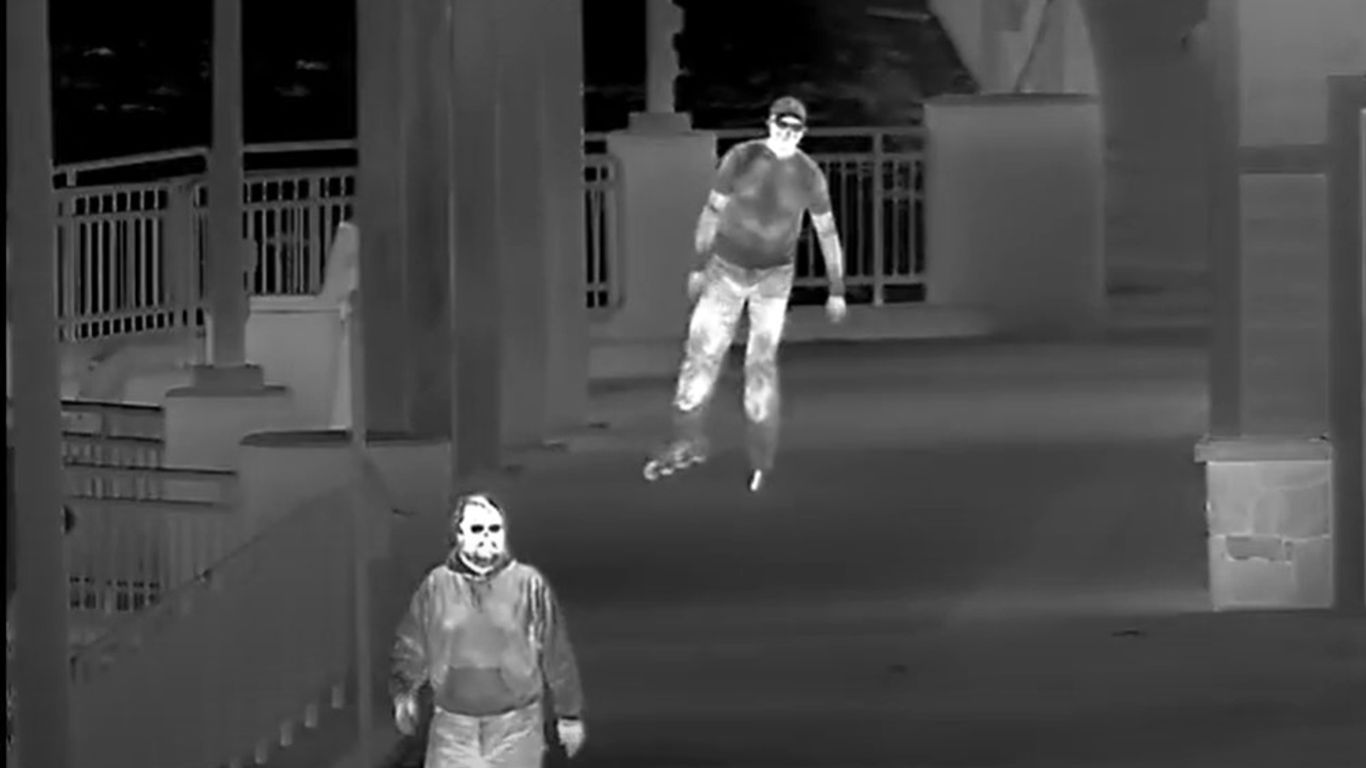
Long-wave infrared (LWIR) imaging captures thermal radiation within the 8 to 14 micrometer wavelength range. This part of the spectrum is particularly significant because objects at typical terrestrial temperatures, including human bodies, machinery, and buildings, emit the majority of their thermal energy within this band. This characteristic makes LWIR systems exceptionally well-suited for detecting objects that are not intensely hot, operating effectively even in complete darkness without any external light source. Whether it's a cloudy night or a completely dark environment, an LWIR system can perceive heat signatures just as it would during the day, as it relies on emitted heat rather than reflected light. This capability makes LWIR technology a workhorse for many thermal imaging applications.
Operational Wavelengths and Applications
The operational wavelength range of 8-14 µm is key to LWIR's utility. This band allows thermal cameras to detect objects at ambient temperatures, which is common for many surveillance, security, and industrial monitoring tasks. Unlike technologies that rely on visible light, LWIR systems are not hindered by the absence of illumination. This passive detection method is a significant advantage in scenarios where covert operations or consistent performance in varying light conditions are necessary. For instance, in perimeter security, LWIR cameras can reliably detect intruders against natural backgrounds, regardless of whether it's day or night.
Advantages of Uncooled Detectors
A major benefit of LWIR technology is its compatibility with uncooled microbolometer detectors. These detectors, often made from materials like vanadium oxide or amorphous silicon, change their electrical resistance when infrared radiation strikes them. Sophisticated electronics then translate these resistance changes into thermal images. Because these detectors operate at room temperature, they eliminate the need for complex, costly, and maintenance-intensive cryogenic cooling systems. This simplification leads to:
- Reduced System Complexity: Eliminates the need for bulky and power-hungry cooling components.
- Lower Power Consumption: Uncooled systems require significantly less power, making them ideal for portable or battery-operated devices.
- Cost-Effectiveness: The absence of cooling mechanisms generally results in a lower overall system cost.
- Faster Deployment: Simpler integration and less maintenance contribute to quicker deployment times.
Performance in Diverse Environmental Conditions
LWIR technology demonstrates robust performance across a wide array of environmental challenges. Its effectiveness in humid conditions is notable, and it experiences less interference from solar reflections during daytime operations compared to other infrared bands. Furthermore, LWIR systems are adept at penetrating obscurants such as smoke, fog, and dust, making them a preferred choice for applications like firefighting or military operations where visibility is often compromised. The broader atmospheric transmission window within the 8-14 µm range means that LWIR radiation passes through with minimal attenuation, even in the presence of water vapor, which can significantly absorb energy in other infrared bands. This reliability in challenging conditions ensures consistent detection capabilities when you need them most. If you are considering thermal imaging solutions for demanding environments, it is advisable to contact us to discuss your specific requirements.
Mid-Wave Infrared (MWIR) Technology
Key Wavelengths and Target Temperatures
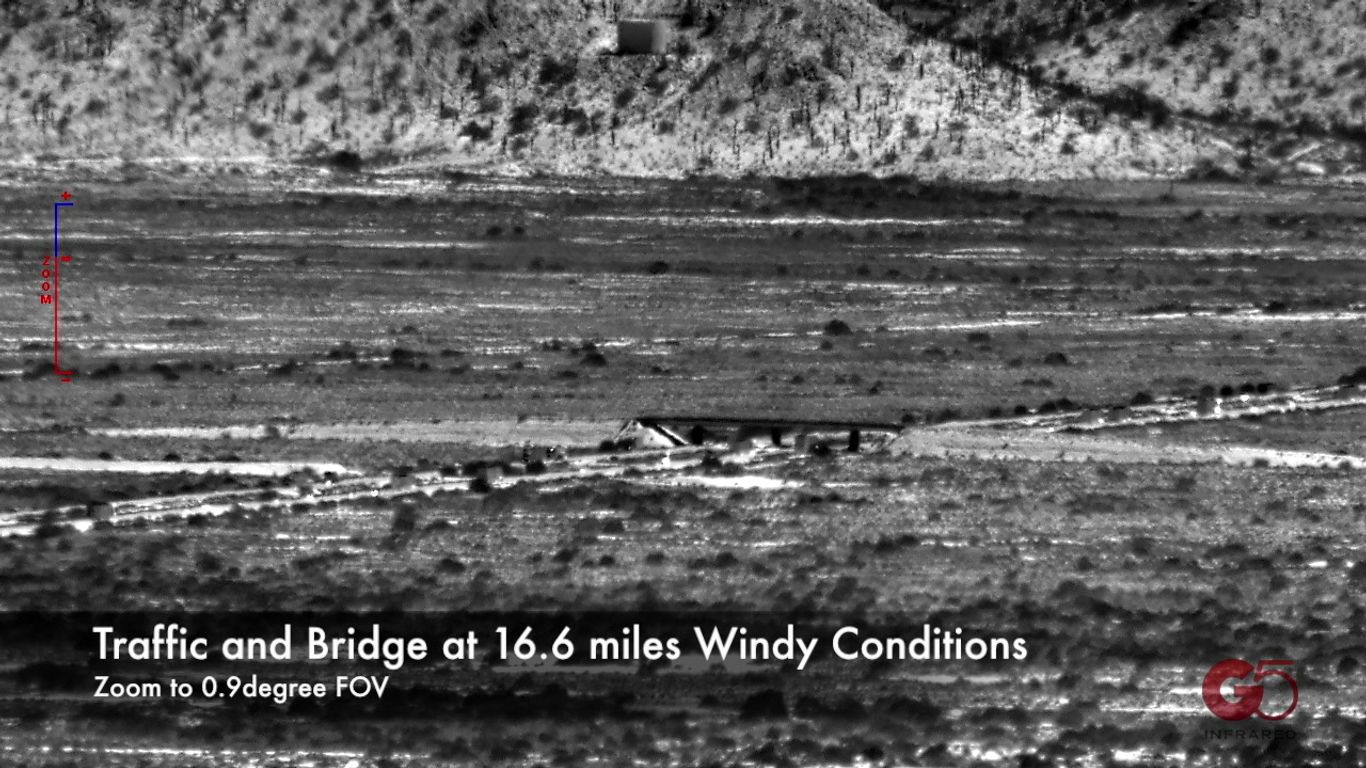
Mid-wave infrared (MWIR) technology operates within a specific segment of the infrared spectrum, typically ranging from 3 to 5 micrometers. This band is particularly effective for detecting objects that are significantly hotter than their surroundings. The physical principle behind this is Planck's law: as an object's temperature increases, the peak wavelength of its emitted thermal radiation shifts towards shorter wavelengths. Consequently, MWIR sensors exhibit excellent contrast when imaging high-temperature targets against cooler backgrounds. This makes MWIR ideal for applications where you need to identify heat sources like vehicle engines, exhaust plumes, or industrial furnaces. For instance, MWIR analysis offers a promising approach for studying black polymers due to its sensitivity to temperature variations in such materials.
Sensitivity and Cooling Requirements
MWIR systems generally offer superior sensitivity compared to their LWIR counterparts, especially when employing cooled detector arrays. High-performance MWIR cameras can discern temperature differences as small as 20 millikelvin (mK). This level of sensitivity is invaluable for long-range detection, where thermal contrast naturally diminishes with distance. However, achieving this sensitivity comes with a significant trade-off: MWIR detectors typically require cryogenic cooling. This cooling mechanism, often a Stirling cooler, is necessary to minimize detector noise and maintain optimal performance. The inclusion of such a system adds considerable complexity, size, weight, and power consumption to the overall thermal imaging solution. Furthermore, MWIR cameras generally carry a higher price tag than comparable LWIR systems.
Applications Favoring MWIR
Given its characteristics, MWIR technology is best suited for specific applications. It excels in scenarios where the primary targets are sources of significant heat, such as:
- Aerospace and Defense: Identifying aircraft engines, missile plumes, and other high-temperature signatures at extended ranges.
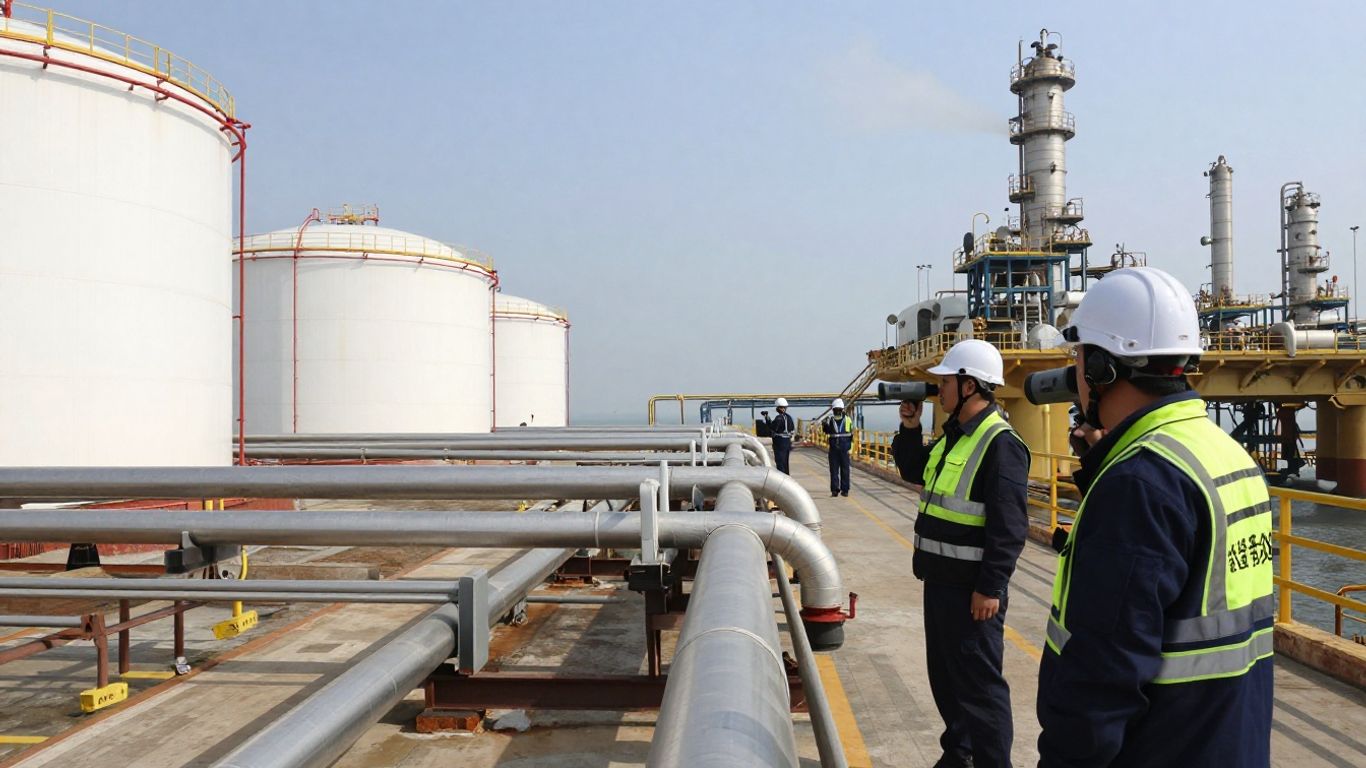
- Industrial Monitoring: Inspecting high-temperature processes like furnaces, kilns, and combustion systems where precise temperature measurement is critical.
- Targeting and Surveillance: Detecting vehicles or personnel in environments where distinguishing hot objects from cooler backgrounds is paramount, especially at longer distances.
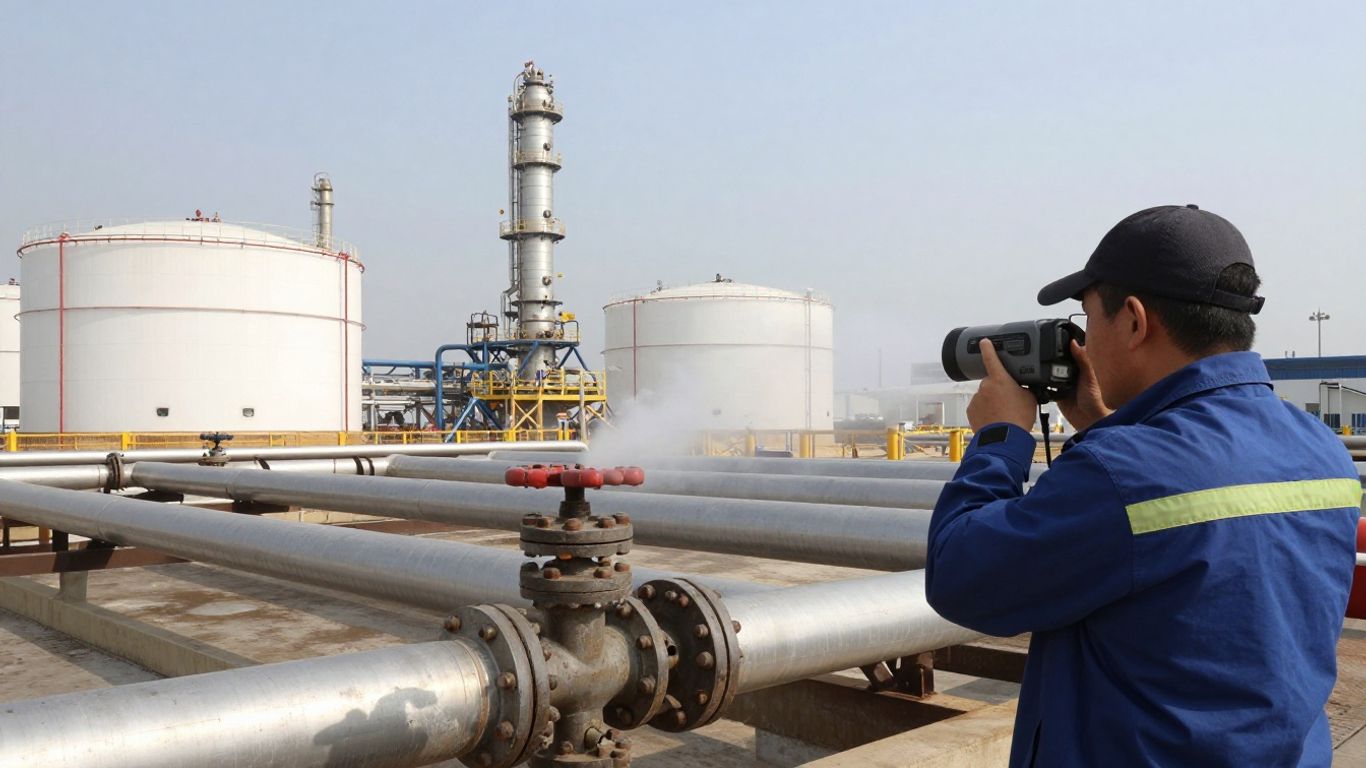
- Gas Detection: Certain hydrocarbon gases have strong absorption bands within the MWIR spectrum, making it useful for leak detection in industrial settings.
While LWIR is often the workhorse for general surveillance and ambient temperature detection, MWIR provides the specialized capability needed when dealing with intense heat sources or requiring maximum detection range in specific atmospheric conditions. If your application demands the detection of these hotter targets, exploring MWIR solutions is a logical next step. You can learn more about how these technologies align with specific needs by contacting our team.
Comparing BBIR vs MWIR vs LWIR Performance Characteristics
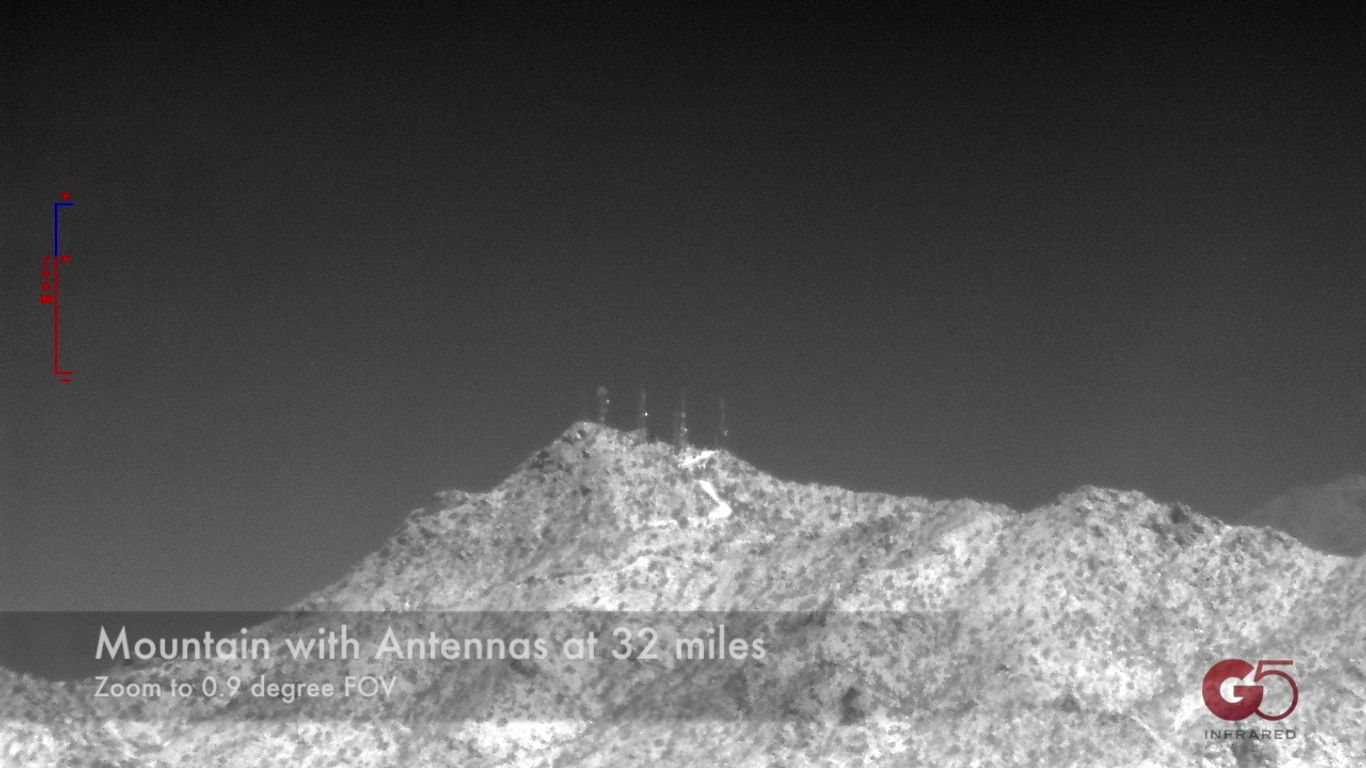
When selecting a thermal imaging system, understanding how different infrared bands perform is key to meeting your specific operational needs. Each band, Broad-Band Infrared (BBIR), Mid-Wave Infrared (MWIR), and Long-Wave Infrared (LWIR), has distinct characteristics that influence detection capabilities, environmental resilience, and range.
Sensitivity and Detection Capabilities
Sensitivity, often measured in Noise Equivalent Temperature Difference (NETD), indicates how well a system can detect small temperature variations. Cooled MWIR systems, for instance, can achieve very low NETD values, sometimes below 20 millikelvin (mK). This high sensitivity is advantageous for detecting subtle thermal differences, especially at longer distances where thermal contrast naturally diminishes. However, this performance comes with increased system complexity and cooling requirements.
LWIR systems, particularly uncooled microbolometer-based ones, typically offer NETD values in the range of 30-50 mK. While this is less sensitive than high-end MWIR, it is more than adequate for many common applications like surveillance and monitoring of ambient temperature targets. The trade-off here is often between peak sensitivity and system simplicity, power consumption, and cost.
- MWIR (Cooled): Highest sensitivity, ideal for detecting subtle temperature differences and long-range targets. Requires cooling.
- LWIR (Uncooled): Good sensitivity for most ambient temperature targets. Simpler, lower power, and more cost-effective.
- BBIR: This term is less common in specific performance comparisons as it generally refers to systems that capture a broader range of infrared wavelengths. Performance characteristics would depend on the specific sensor technology and wavelength coverage.
Atmospheric Penetration and Environmental Factors
How well a thermal system performs is heavily influenced by atmospheric conditions. Water vapor, haze, smoke, and particulates can all affect the transmission of infrared radiation.
|
Atmospheric Condition |
MWIR Performance |
LWIR Performance |
|---|---|---|
|
High Humidity/Haze |
Generally Better |
More Variable |
|
Smoke/Particulates |
More Variable |
Often Better |
|
Clear Conditions |
Excellent |
Excellent |
|
Maritime Environments |
Generally Preferred |
Can Be Challenging |
MWIR systems often perform better in humid conditions and environments with fine aerosols, making them suitable for coastal or tropical regions. LWIR technology can sometimes offer advantages in environments with larger suspended particles, such as certain types of smoke or fog, though performance can vary significantly based on particle size and density. For applications requiring robust performance across a wide range of environmental challenges, careful consideration of the specific wavelength band's interaction with expected obscurants is necessary. You can find more information on Mid-Wave Infrared (MWIR) thermal imaging solutions that are designed for various applications.
Range Limitations and Resolution Considerations
Range and resolution are not solely determined by the sensor's pixel count. The instantaneous field of view (IFOV) per pixel, which is a function of both sensor resolution and the optical lens design, plays a critical role. A system with a lower resolution sensor but a longer focal length lens might achieve better long-range detection than a higher resolution system with a shorter lens.
- Resolution: Higher pixel counts generally allow for more detail, but optical design is equally important for effective range.
- IFOV: This metric combines sensor resolution and optics to define the angular subtense of a single pixel, directly impacting detection range.
- Sensitivity vs. Optics: A sensor's stated NETD can be affected by the lens used. Marketing materials often cite best-case scenarios, so understanding the complete system performance, including optical constraints, is vital for accurate range estimations.
Ultimately, selecting the right thermal imaging technology involves balancing these performance characteristics against your specific application requirements and operational environment. Contact LightPath for expert assistance with your thermal imaging needs.
Integration and Operational Considerations
When you are selecting a thermal imaging technology, it is important to look beyond just the technical specifications. You also need to consider how the technology will fit into your overall system and what its long-term operational impact will be. This includes factors like size, weight, and power requirements, as well as the complexity of the system and its maintenance needs. Finally, the cost implications, including the total cost of ownership, are critical for making a sound decision.
Size, Weight, and Power (SWaP) Constraints
Each thermal imaging technology has different SWaP requirements. Long-wave infrared (LWIR) systems, particularly those using uncooled microbolometer detectors, generally have a smaller footprint and lower power consumption. This makes them well-suited for integration into platforms where space and power are limited, such as drones, handheld devices, or compact surveillance units. Mid-wave infrared (MWIR) systems, especially cooled ones, often require more substantial power sources and cooling mechanisms, leading to larger and heavier modules. This can be a significant constraint for mobile or size-sensitive applications.
- LWIR (Uncooled): Typically offers the lowest SWaP, ideal for portable and embedded systems.
- MWIR (Cooled): Generally has higher SWaP due to cooling requirements, better suited for platforms with ample space and power.
- LWIR (Cooled): Falls between uncooled LWIR and MWIR, offering a balance for specific high-performance needs.
System Complexity and Maintenance
The operational complexity and maintenance needs of thermal imaging systems vary considerably. Uncooled LWIR systems are inherently simpler. They operate at ambient temperatures, eliminating the need for cryogenic coolers, which are complex, prone to failure, and require regular servicing. This simplicity translates to reduced maintenance schedules, fewer potential points of failure, and a more robust system overall. MWIR systems, particularly those requiring active cooling, introduce significant complexity. The cooling systems themselves require maintenance, and their failure can render the entire sensor inoperable. This makes LWIR systems a more practical choice for applications where ease of use and minimal downtime are paramount.
Cost Implications and Total Cost of Ownership
Cost is a major factor in any system integration project. While the initial purchase price of MWIR systems might sometimes be competitive for specific high-performance needs, the total cost of ownership often favors LWIR. The reduced complexity of uncooled LWIR systems leads to lower manufacturing costs, less expensive maintenance, and reduced power consumption, all of which contribute to a lower overall cost over the system's lifespan. Furthermore, the broader applicability of LWIR for detecting objects at ambient temperatures means that for many common surveillance and monitoring tasks, it provides the necessary performance without the added expense of MWIR technology. When evaluating the financial aspect, it is important to consider not just the upfront investment but also the ongoing operational and maintenance expenses.
For more information on selecting the right thermal imaging solution for your needs, please contact us at https://www.lightpath.com/contact.
Strategic Selection for Thermal Imaging Systems
Choosing the right thermal imaging technology is less about comparing specs on paper and more about understanding what will fit your application, budget, and operational context. In this section, you’ll see what it takes to make a selection that truly meets your requirements, not just today but as your system evolves.
Aligning Technology with Application Requirements
Start by mapping your operating environment, detection goals, and practical limitations. No technology is one-size-fits-all. Here are some steps to run through:
- Define Target Temperatures: If you’re mainly detecting people, vehicles, or equipment at or close to ambient temperature, LWIR is typically a reliable and cost-effective approach. MWIR usually enters the equation when you're dealing with much hotter objects, like engines or fires.
- Assess Detection Range & Resolution: For longer-range surveillance, especially in harsh or humid atmospheres, MWIR sensors may provide better contrast for hot targets. For general perimeter security or equipment monitoring, LWIR’s performance is usually adequate.
- Weigh Environmental Factors: LWIR's ability to see through smoke, fog, and dust outperforms MWIR in many scenarios. But MWIR can excel in maritime or high-humidity settings where transmission losses in LWIR are more pronounced.
A simple comparison table summarizes these differences:
|
Requirement |
LWIR Advantage |
MWIR Advantage |
|---|---|---|
|
Ambient temp detection |
Stronger |
Weaker |
|
High-temp target tracking |
Weaker |
Stronger |
|
Low maintenance |
Yes (often uncooled) |
No (typically cooled) |
|
Cost |
Lower |
Higher |
|
Harsh climates (fog/smoke) |
Better |
Decent, but sometimes less ideal |
|
Extreme range |
Limited at long range |
Strong for hot targets |
The Rise of Dual-Band Systems
There’s a growing trend toward integrating both MWIR and LWIR cameras on the same platform. This hybrid approach lets you select the optimum wavelength for specific targets or scenarios in real time. Why consider a dual-band system?
- Operational Flexibility: Switch between MWIR and LWIR channels depending on targets or conditions. For example, spot overheating pipes with MWIR, then shift to LWIR for human surveillance.
- Improved Reliability: When one band is hampered by weather or obscurants, the other may still deliver usable imagery.
- Long-Term Value: As mission profiles become more complex or regulations change, dual-band platforms help future-proof your investment.
Partnering for Optimized Thermal Solutions
You might be tempted to piece together a system from different component vendors, but integrating thermal imaging solutions often demands more than just buying a camera and a lens. A reliable manufacturing partner can save you time, reduce risks, and ensure consistent results. Look for providers offering:
- Experienced engineering teams specializing in thermal optics and calibration.
- Customizable solutions to meet your particular environment or operational requirement.
- Standardized, proven integration paths to speed development and reduce maintenance surprises.
- Ongoing support and upgrade options as thermal technology evolves.
If you’re preparing to select or spec a thermal imaging solution for your next system, consult with designers and manufacturers who understand the intersection of real-world use and technology capabilities. For questions or to discuss the best way to meet your application needs, connect with the LightPath team here.
Choosing the right thermal imaging system might feel confusing, but we're here to make it easy. Each project has its own needs, so having a team you can trust is important. Visit our website today and let our friendly experts help you pick the best solution for your goals.
Wrapping Up Your Thermal Imaging Choice
So, when you're looking at thermal cameras, it really comes down to what you need them to do. For most jobs, like spotting people or equipment in normal conditions, the long-wave infrared (LWIR) cameras are usually the way to go. They work well, don't need fancy cooling, and are easier on your wallet. Mid-wave infrared (MWIR) cameras are more for when you're dealing with really hot stuff or need that extra bit of range in tricky weather. It's not just about the specs, though. Think about how easy it is to put the system together, how much power it uses, and how much upkeep it'll need over time. Picking the right one means looking at your specific situation, the environment you'll be in, and what you can afford. Getting it right now means your system will work when you need it to.
Frequently Asked Questions
What exactly is thermal imaging, and how does it work?
Thermal imaging is like having special eyes that can see heat. Every object that's warmer than the coldest possible temperature gives off heat, which is a type of energy called thermal radiation. Thermal cameras detect this heat and turn it into a picture you can see. It's like magic, but it's science! You don't need any light to see with these cameras because they're looking at heat, not light that bounces off things.
What's the difference between BBIR, MWIR, and LWIR?
Think of the infrared spectrum as a road with different lanes. BBIR isn't really a standard term in this context, but MWIR (Mid-Wave Infrared) and LWIR (Long-Wave Infrared) are. MWIR is good for seeing very hot things, like engines. LWIR is best for seeing things at normal temperatures, like people or buildings, because most everyday objects give off their heat in the LWIR lane. It's like choosing the right lane on the highway for where you want to go.
Why is LWIR often used for everyday tasks like security?
LWIR is super useful because most things you want to see, like people, animals, or buildings, give off their heat in the LWIR part of the spectrum. Also, LWIR cameras don't need to be super-cooled like some MWIR cameras, which makes them cheaper, lighter, and easier to use. They work well even if it's foggy or smoky, making them great for security cameras and checking on equipment.
When would you choose MWIR over LWIR?
You'd pick MWIR when you absolutely need to see very hot things with amazing detail, like the exhaust from a jet engine or a super-hot industrial furnace. MWIR can sometimes see finer details in those really hot situations. However, MWIR cameras usually need special cooling, which makes them more expensive and complex to use compared to LWIR cameras.
Do these cameras work in total darkness?
Yes, that's one of the biggest advantages of thermal imaging! Since these cameras detect heat that objects naturally give off, they don't need any light at all. Whether it's the middle of the night with no moon or a completely dark room, a thermal camera can still show you what's there based on its heat signature.
Can I just pick any thermal camera, or do I need to consider specific needs?
It's really important to think about what you need the camera for. Are you looking for people in the dark (LWIR is great)? Or are you checking on extremely hot machinery (MWIR might be better)? You also need to think about how big the camera can be, how much power it uses, and how much you can spend. Choosing the right type of thermal camera for your specific job makes all the difference.