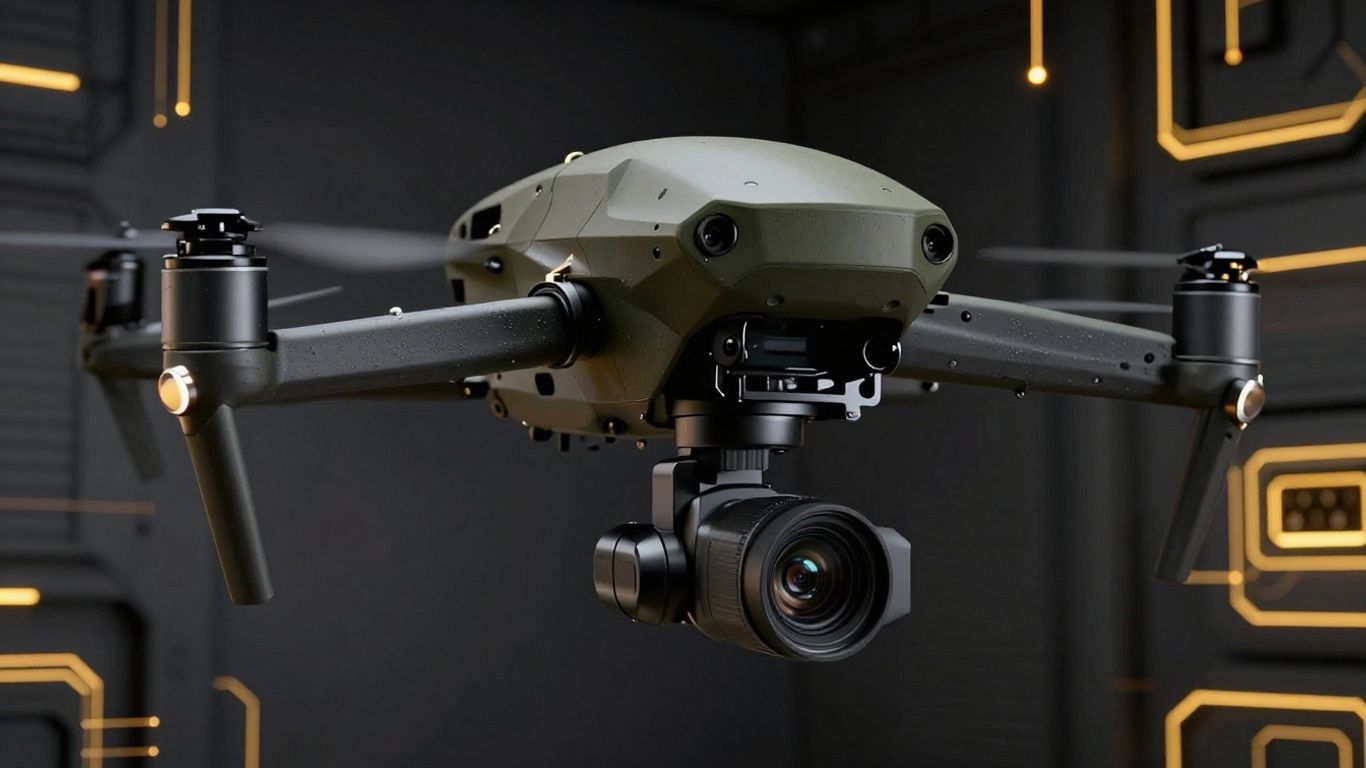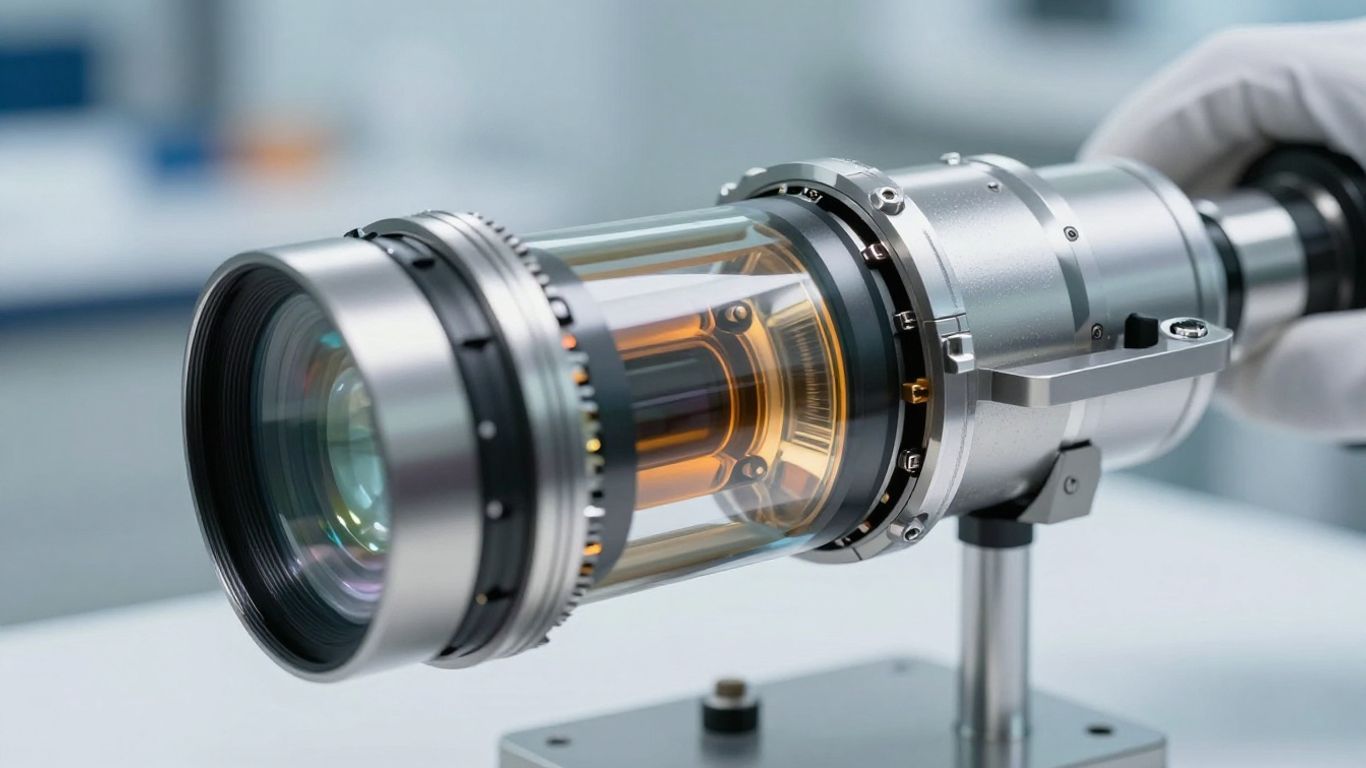

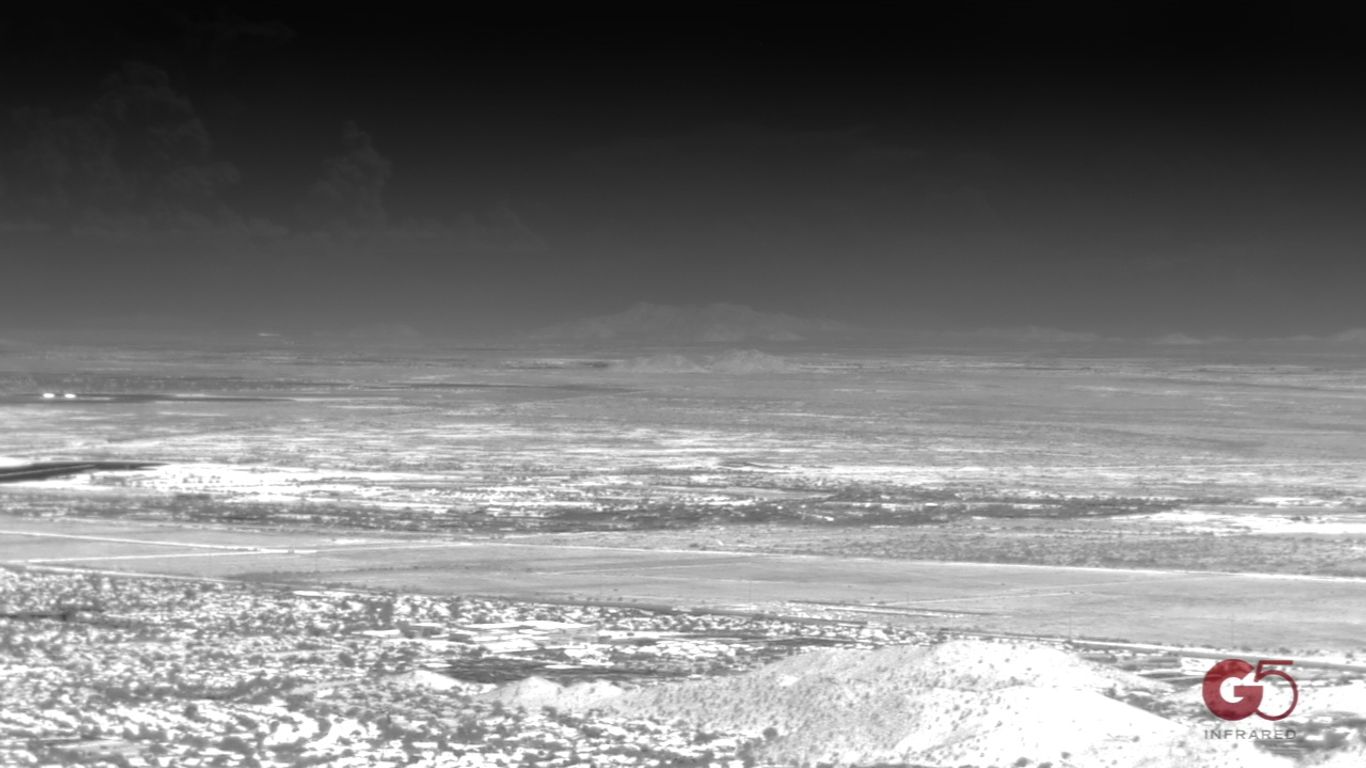
You're looking into how drone thermal imaging solutions are changing the game across different fields. It's pretty amazing how seeing heat can help with so many things, from finding people in trouble to keeping big industrial sites running smoothly. We'll walk through some of the main areas where this tech is making a real difference, and what you should think about if you're considering drone thermal imaging systems.
Key Takeaways
- Drone thermal imaging solutions are vital for search and rescue, helping locate individuals faster in difficult conditions by detecting heat signatures.
- Industrial uses for drone thermal imaging solutions include monitoring equipment for potential issues and detecting gas leaks, which helps prevent costly problems.
- In security, these systems provide constant oversight for areas like ports and coastlines, and are even used to counter other drones.
- Understanding the differences between cooled and uncooled thermal cameras, along with resolution and size, weight, and power (SWaP) needs, is important for choosing the right drone thermal imaging solution.
- When looking at drone thermal imaging solutions, you need to consider things like export rules, what the system actually needs to do for your specific job, and how well all the parts work together.
Search and Rescue Operations Enhanced by Drone Thermal Imaging Solutions
When every second counts, the ability to quickly locate individuals in distress can mean the difference between life and death. Traditional search and rescue methods, while valuable, often face significant limitations, especially in challenging environments or during periods of low visibility. This is where drone thermal imaging technology steps in, providing a transformative capability for first responders.
Locating Individuals in Challenging Environments
Thermal imaging cameras detect infrared radiation, essentially heat signatures, emitted by objects. This allows drones equipped with these sensors to 'see' heat even in complete darkness, through smoke from fires, dense fog, or even light foliage. This capability is a game-changer for finding missing persons who might otherwise be invisible to the naked eye or standard visual cameras. Whether someone is lost in a dense forest at night, trapped in a collapsed structure, or adrift at sea, thermal imaging can cut through the environmental obstacles that hinder traditional searches.
Overcoming Limitations of Traditional Search Methods
Ground teams can cover terrain slowly, and their effectiveness is severely limited by visibility. Helicopters offer a wider view but are constrained by weather conditions, daylight, and operational costs. Drones equipped with thermal cameras combine rapid area coverage with the ability to detect human heat signatures against cooler backgrounds. This allows for faster scanning of large areas, identifying potential targets that ground teams can then investigate more closely. The aerial perspective also helps in prioritizing search efforts, directing resources to the most likely locations first.
Leveraging Aerial Perspectives for Prioritization
The ability to survey vast areas quickly from above is a significant advantage. Drones can map out search zones and identify heat sources that might indicate a person's presence. This information allows incident commanders to make informed decisions about where to deploy ground search teams, saving precious time and manpower. In scenarios like disaster response, drones can quickly assess the extent of damage and identify potential survivor locations within rubble or inaccessible areas, guiding rescue efforts more effectively. If you are looking to equip your teams with these advanced capabilities, consider exploring solutions that can integrate seamlessly with your existing operations. Contact us at https://www.lightpath.com/contact to learn more.
Industrial Applications of Drone Thermal Imaging Solutions
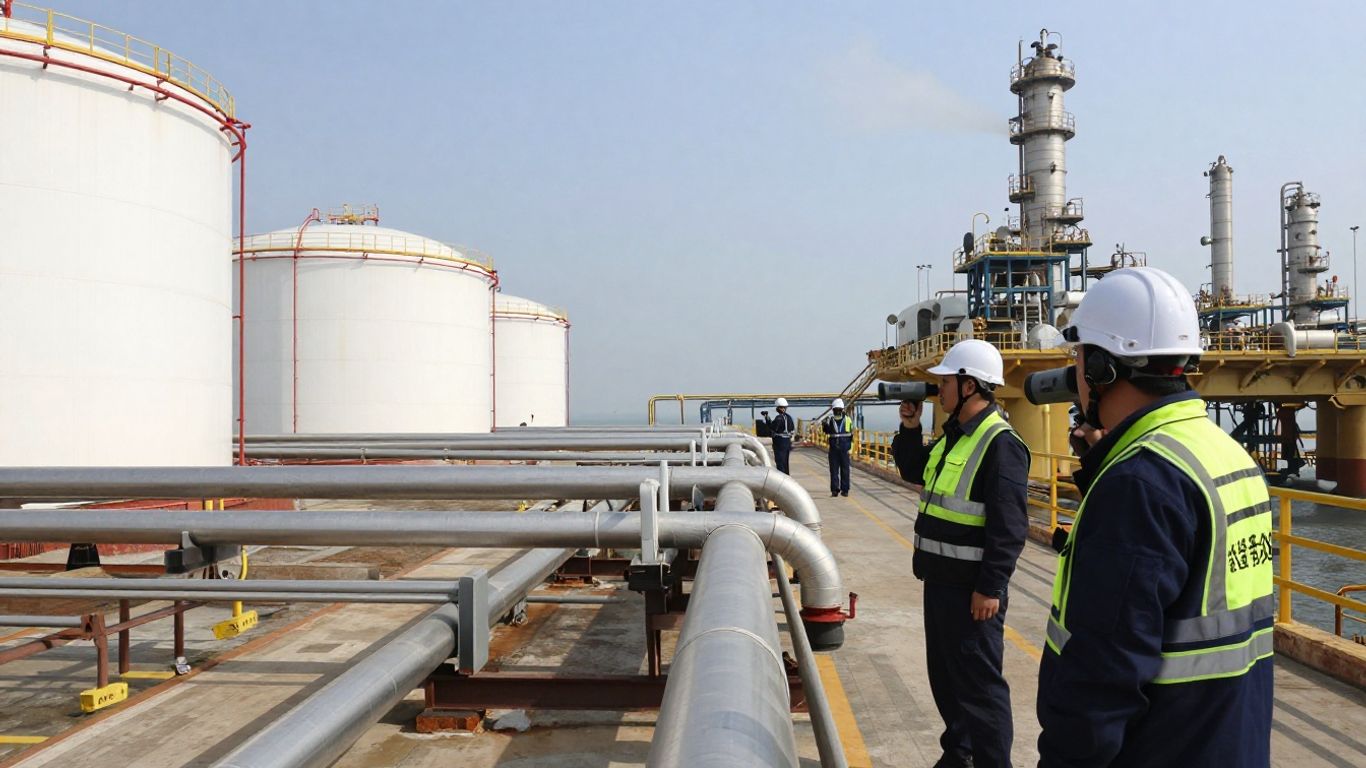
Drone-based thermal imaging is transforming how industries monitor their assets and processes. You can gain a new perspective on operational efficiency and safety by deploying these advanced systems. This technology moves beyond simple visual inspection, allowing you to see the invisible heat signatures that indicate potential issues before they escalate.
Predictive Maintenance and Equipment Monitoring
Thermal imaging provides a powerful tool for proactive equipment management. By detecting temperature anomalies, you can identify developing problems in electrical and mechanical systems long before they lead to failures. This approach shifts maintenance from a reactive necessity to a predictive strategy, saving significant costs and preventing unexpected downtime.
- Electrical Systems: Monitor switchgear, motor control centers, and transformer connections for hot spots caused by loose connections, overloaded circuits, or degrading components. Early detection prevents fires and system failures.
- Rotating Machinery: Inspect motors, pumps, bearings, and compressors for signs of wear, misalignment, or lubrication issues. Thermal cameras can spot temperature increases that indicate problems weeks or months before traditional methods.
- Process Equipment: Assess the condition of heat exchangers, pipes, and vessels. Changes in thermal patterns can reveal insulation degradation, flow restrictions, or internal corrosion.
Gas Leak Detection and Environmental Surveillance
For industries dealing with potentially hazardous gases, thermal imaging offers a non-contact method for detecting leaks that are invisible to the naked eye. This capability is vital for safety, environmental compliance, and operational integrity.
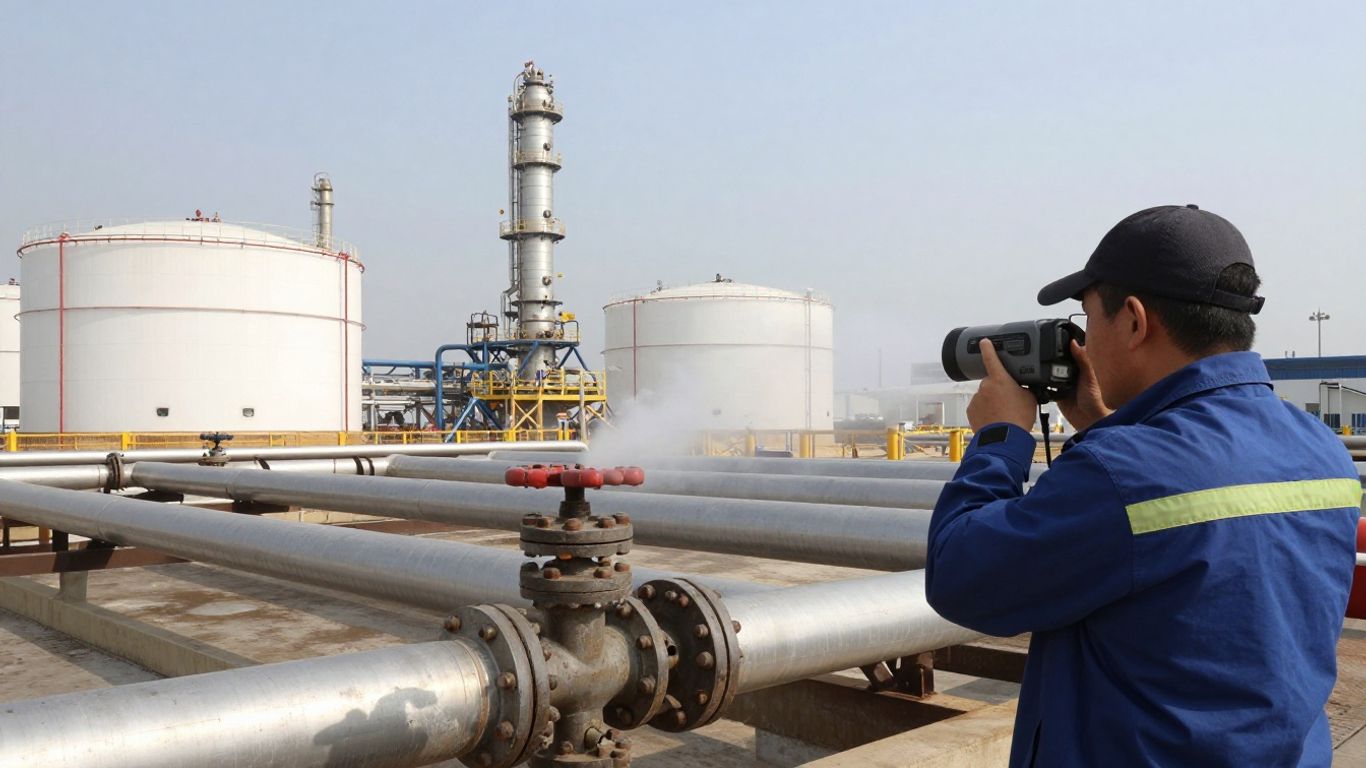
- Hydrocarbon Leaks: Specialized optical gas imaging cameras can visualize plumes of gases like methane, enabling rapid identification and repair of leaks in refineries, chemical plants, and natural gas facilities.
- Pipeline Monitoring: Drones equipped with thermal cameras can survey extensive pipeline networks efficiently, identifying leaks in remote or difficult-to-access locations.
- Environmental Compliance: Continuous monitoring helps facilities meet increasingly stringent environmental regulations regarding emissions and leak detection.
Infrastructure Inspection and Anomaly Identification
Beyond equipment, drone thermal imaging is invaluable for inspecting large-scale infrastructure. You can quickly assess the condition of structures and identify anomalies that might compromise their integrity or performance.
- Building Envelope: Detect heat loss or gain through walls, roofs, and windows, identifying insulation gaps or air leaks that affect energy efficiency.
- Solar Farms: Inspect solar panels for hotspots or malfunctioning cells that reduce energy output and can lead to premature failure.
- Civil Structures: Identify thermal anomalies in bridges, dams, or other critical infrastructure that might indicate structural weaknesses or water ingress.
Implementing drone thermal imaging solutions can provide you with a more informed approach to asset management and operational oversight. To explore how these capabilities can benefit your specific industrial needs, please reach out to us at https://www.lightpath.com/contact.
Surveillance and Security Utilizing Drone Thermal Imaging Solutions
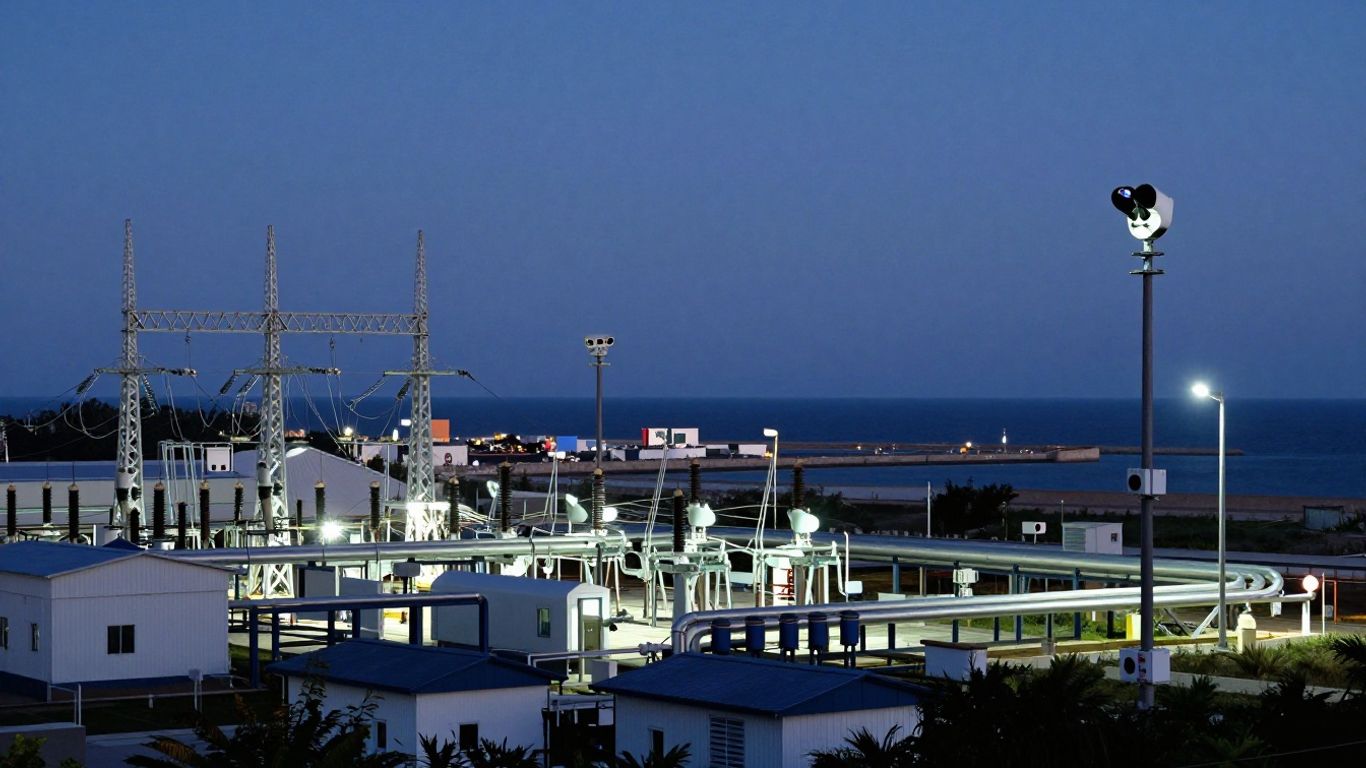
Drone thermal imaging technology has become a vital tool for modern surveillance and security operations, offering capabilities that extend far beyond traditional visual methods. The ability to detect heat signatures allows for continuous monitoring in conditions where visible light is insufficient or absent, providing a critical advantage in safeguarding assets and personnel.
Maritime Security and Coastal Monitoring
Protecting vast coastlines and critical maritime assets presents unique challenges. Thermal imaging from drones provides an unparalleled perspective for these operations. You can monitor large bodies of water, detect approaching vessels in low light or fog, and identify potential threats that might otherwise go unnoticed. This technology is particularly effective for:
- Vessel Detection: Identifying unauthorized or suspicious watercraft, even at significant distances or through light atmospheric obscurants like sea spray or haze.
- Activity Monitoring: Observing activity on docks, piers, and offshore platforms, helping to ensure the security of cargo and infrastructure.
- Border Patrol: Providing persistent surveillance along maritime borders to detect illegal crossings or smuggling operations.
Port Security and Infrastructure Protection
Ports and critical infrastructure are complex environments requiring constant vigilance. Drone-based thermal imaging offers a flexible and effective solution for maintaining security. You can deploy drones for rapid assessment of perimeter breaches, monitor large areas for unauthorized access, and inspect infrastructure for potential vulnerabilities. Key applications include:
- Perimeter Surveillance: Establishing a comprehensive thermal overview of port facilities to detect intrusions or unusual activity.
- Cargo Monitoring: Observing the movement and security of goods, especially during nighttime operations or in dimly lit storage areas.
- Infrastructure Inspection: Identifying thermal anomalies in electrical systems or structural components that could indicate a security risk or impending failure.
Counter-Unmanned Aircraft Systems Operations
The proliferation of drones has introduced new security challenges. Counter-unmanned aircraft systems (C-UAS) operations rely heavily on advanced detection methods, and thermal imaging plays a significant role. Drones equipped with thermal cameras can detect and track other aerial vehicles by their heat signatures, even when they are small or operating in challenging conditions. This capability is crucial for:
- Early Detection: Identifying unauthorized drones entering restricted airspace before they can pose a threat.
- Tracking and Identification: Following the flight path of detected drones and distinguishing them from other airborne objects.
- Situational Awareness: Providing security personnel with real-time thermal data to assess threats and coordinate responses.
If you are looking to integrate advanced thermal imaging solutions into your security operations, consider reaching out to experts. Contact us at https://www.lightpath.com/contact to discuss your specific needs.
Understanding Thermal Camera Technology for Drone Integration
When you're looking to equip a drone with thermal imaging capabilities, it's important to know the basics of the technology. This isn't just about picking the camera with the most megapixels; it involves understanding how thermal sensors work and what makes one system better suited for your needs than another. The core of thermal imaging lies in detecting infrared radiation, which all objects emit based on their temperature. These cameras convert that invisible radiation into a visual image, showing temperature differences.
Cooled Versus Uncooled Thermal Systems
The primary distinction in thermal camera technology for drones comes down to two main types: cooled and uncooled systems. Each has its own set of advantages and disadvantages that directly impact performance and application suitability.
- Uncooled Thermal Systems: These cameras operate at ambient temperature and do not require cryogenic cooling. They are generally more affordable, lighter, and consume less power, making them ideal for smaller drone platforms and applications where extreme sensitivity isn't the top priority. Modern uncooled detectors provide good image quality for many tasks, such as detecting human heat signatures in search and rescue.
- Cooled Thermal Systems: These systems use cryogenic cooling to lower the detector's temperature. This significantly reduces internal heat noise, leading to superior image clarity, higher thermal sensitivity, and better detection range. They are often preferred for long-range surveillance, detailed industrial inspections, and applications where precise temperature measurement is critical. However, they are typically larger, heavier, consume more power, and come with a higher price tag.
|
Characteristic |
Cooled Thermal Systems |
Uncooled Thermal Systems |
|---|---|---|
|
Detection Range |
Superior long-range performance, enhanced sensitivity |
Effective for short to medium-range applications |
|
Size, Weight, Power |
Larger, heavier, higher power requirements |
Compact, lightweight, minimal power consumption |
|
Operational Readiness |
Requires warm-up period |
Instant-on capability |
|
Image Quality |
Exceptional clarity and resolution, minimal noise |
Good image quality, suitable for general surveillance |
|
Maintenance |
Periodic maintenance of cooling systems |
Minimal maintenance |
|
Cost |
Higher acquisition and operational costs |
Lower total cost of ownership |
Thermal Resolution and Detection Range
When evaluating thermal cameras, resolution refers to the number of individual detector pixels. Higher resolution means more data points for temperature measurement, which can lead to more detailed images and the ability to identify smaller objects or finer temperature variations. This is particularly important for detecting targets at greater distances.
However, it's not just about the pixel count. The lens and optics play a significant role. A wide field-of-view lens will cover a larger area but reduce the detection range for any given object size. Conversely, a narrow field-of-view lens will extend the detection range but cover a smaller area. For many applications, a balance is needed, or dual-camera systems might be considered to offer both wide-area coverage and the ability to zoom in for detailed inspection.
Size, Weight, and Power (SWaP) Considerations
For drone integration, SWaP is a critical factor that often dictates system choices. The size and weight of the thermal camera payload directly affect the drone's flight time, maneuverability, and payload capacity. High-performance cooled systems, while offering superior imaging, can be too heavy or power-hungry for many smaller or medium-sized drone platforms. Uncooled systems, with their smaller footprint and lower power draw, are often the more practical choice for extended flight operations and integration onto a wider variety of aerial vehicles.
When selecting a thermal camera, you must consider how its SWaP characteristics align with the drone platform's capabilities and the mission's duration. If you need to conduct long-duration searches or operate on platforms with limited power reserves, an uncooled system might be the only viable option, even if a cooled system offers higher performance metrics on paper. You can learn more about how our advanced thermal imaging solutions can meet your specific integration needs by contacting us at https://www.lightpath.com/contact.
Key Considerations for Drone Thermal Imaging Solutions
When you're looking into drone thermal imaging, it's not just about picking the camera with the most impressive numbers on paper. Several factors really matter for making sure your system works as it should, especially when you're out in the field. You've got to think about things like what rules apply, what your specific job needs, and how all the pieces fit together.
Export Restrictions and Regulatory Compliance
It's important to know that not all thermal imaging technology can be sold or used everywhere. Regulations like ITAR and EAR in the United States put limits on certain thermal capabilities. For example, systems with very high resolutions (over 640x512), high frame rates (above 9 Hz), or extremely good thermal sensitivity (below 50mK NETD) often fall under these controls. If you plan to sell your drone system internationally or work with partners in other countries, these restrictions can significantly affect your market access. It's much better to understand these rules early on, rather than finding out later that your chosen system can't be exported. Sometimes, a slightly less powerful system that doesn't face export controls can still do the job perfectly well for your needs, like in search and rescue where a 320x240 system at 30 Hz might be sufficient. Always check if your intended application truly requires capabilities that are subject to export controls.
Application-Specific Performance Requirements
What works for one job might not be right for another. You need to match the thermal camera's performance to what you'll actually be doing. For instance:
- Search and Rescue: You'll want a camera that can detect small heat differences from a distance, even through smoke or fog. A wider field of view can help cover more ground quickly, but you also need enough resolution to identify a person. Flight time is also key, so lighter, lower-power systems are often preferred.
- Industrial Inspection: Here, you might need radiometric capabilities, meaning the camera can accurately measure temperatures across the entire image, not just in still photos. Real-time video with temperature data is often more important than maximum detection range.
- Surveillance: For watching large areas, a wide field of view is beneficial. If you need to track fast-moving objects or identify targets at a distance, a narrower field of view and higher resolution become more important.
It's a balancing act. For example, a camera with a very wide lens covers more area but can't see as far. A narrow lens sees further but covers less ground. You have to decide which is more important for your specific mission.
Importance of System Integration and Provenance
Getting the right thermal camera is only part of the puzzle. How well it integrates with your drone platform is just as vital. This includes considering the camera's size, weight, and power needs (SWaP). A heavy or power-hungry camera can drastically reduce your drone's flight time or even make it unflyable. You also need to think about where the camera comes from. Systems built by manufacturers who control the entire production process, from raw materials to the final assembly, often offer better reliability and support. This is especially true for demanding applications where component traceability and supply chain security are critical. Choosing a system with a proven track record and strong integration support can save you a lot of headaches down the line. If you need help figuring out the best thermal imaging solution for your drone project, feel free to reach out to us at https://www.lightpath.com/contact.
Advanced Capabilities in Tactical Drone Thermal Imaging Solutions
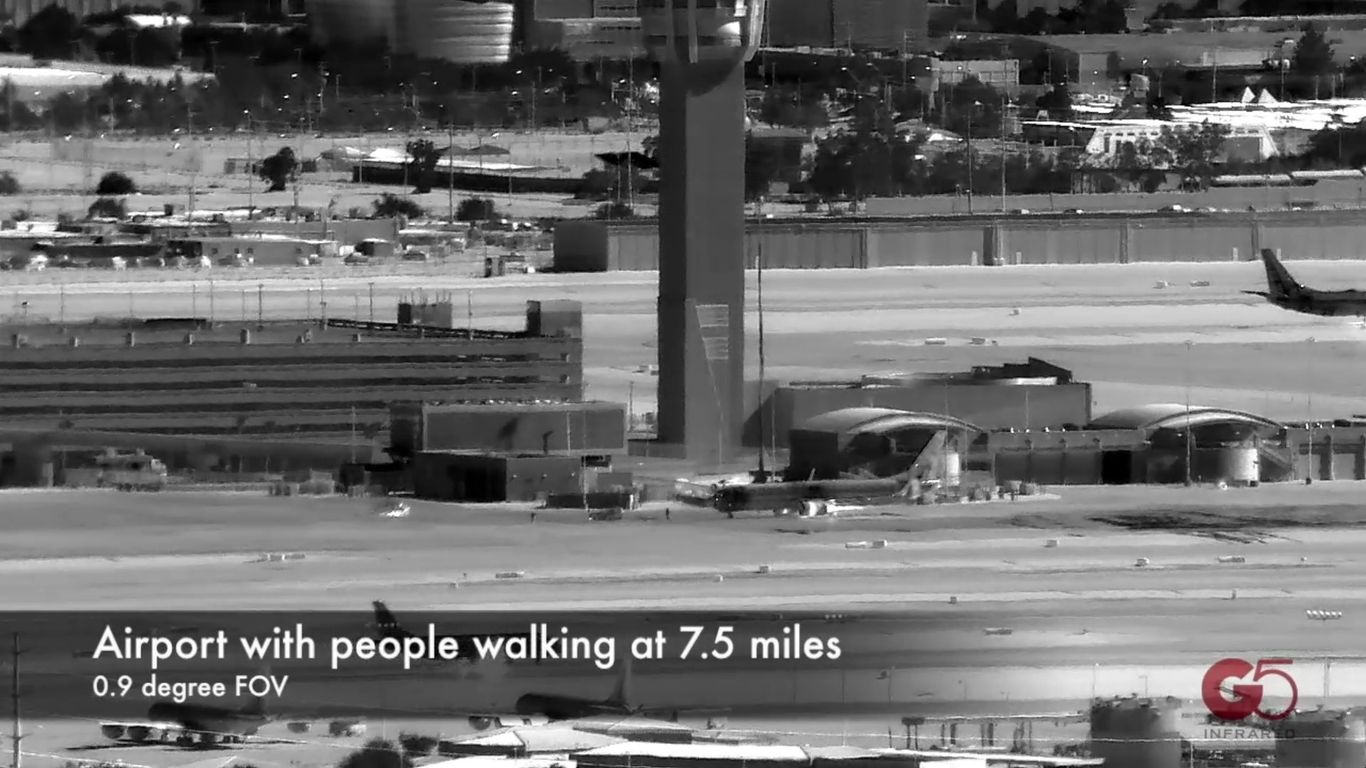
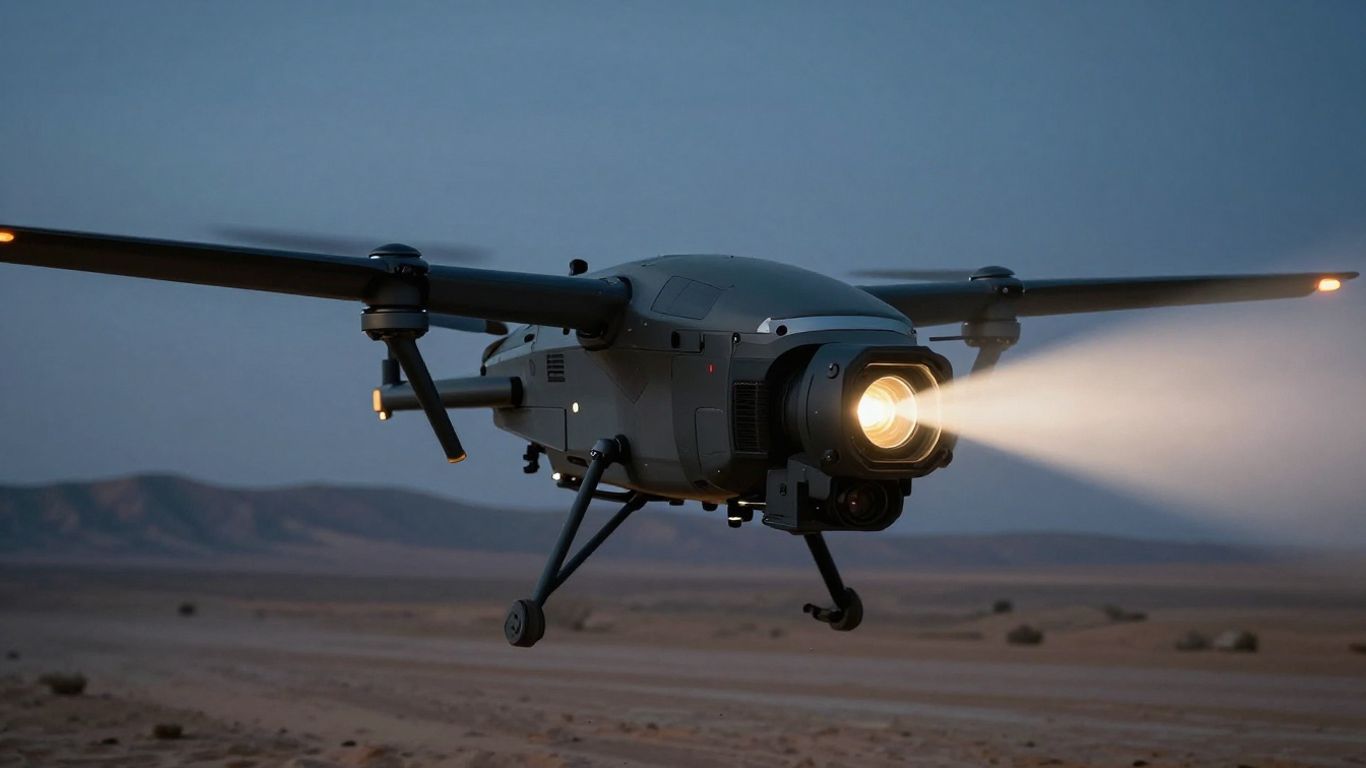
When developing drone platforms for defense, aerospace, or high-stakes security operations, the thermal imaging system is far more than just another component. It directly influences your platform's ability to perform under pressure, dictating how far you can see, how reliably you can operate, and ultimately, whether your mission succeeds. Tactical-grade thermal imaging goes beyond basic detection; it's engineered for resilience and precision in environments where failure is not an option.
Mission-Ready Systems for Demanding Environments
Commercial thermal cameras might perform adequately in controlled settings, but tactical applications push equipment to its limits. Mission-ready systems are built to withstand the rigors of deployment. This means they must maintain consistent performance across extreme temperature ranges, from the biting cold of arctic operations to the intense heat of desert environments. They also need to tolerate continuous vibration from flight and landing, and operate reliably even after rapid deployment. The difference lies in the engineering: specialized optical designs, robust construction, and rigorous testing ensure that a tactical thermal camera will function when you need it most, providing clear imagery regardless of external conditions.
OEM Integration Challenges and Solutions
Integrating advanced thermal imaging into a drone platform presents unique challenges for Original Equipment Manufacturers (OEMs). Size, weight, and power (SWaP) are critical considerations. Every gram added to the payload impacts flight time and maneuverability. Power consumption directly affects mission endurance. Furthermore, the physical dimensions of the camera must fit within the drone's design without compromising aerodynamics. Solutions often involve working with partners who specialize in miniaturized, power-efficient thermal modules specifically designed for airborne integration. These partners can provide:
- Customized Form Factors: Thermal cameras engineered to fit specific drone chassis and gimbal systems.
- Optimized Power Management: Systems designed for low power draw to maximize flight duration.
- Integrated Gimbal Solutions: Thermal cameras pre-mounted and stabilized for smooth, actionable video feeds.
Distinguishing Tactical-Grade from Commercial Systems
It's important to recognize that not all thermal cameras are created equal, especially when comparing tactical-grade systems to commercial off-the-shelf (COTS) options. Tactical systems are distinguished by several key factors:
- Detector Technology: Cooled thermal systems, for instance, offer superior sensitivity and detection range, crucial for identifying targets at extreme distances. While uncooled systems are more power-efficient and lighter, tactical applications often demand the performance edge provided by cooled detectors.
- Image Quality and Performance Metrics: Tactical systems prioritize metrics like Noise Equivalent Temperature Difference (NETD) and frame rate. A lower NETD means the camera can detect smaller temperature variations, which is vital for distinguishing subtle heat signatures. Higher frame rates (e.g., 30 Hz or more) are necessary for tracking moving targets and maintaining stable imagery during dynamic flight maneuvers.
- Durability and Reliability: Tactical cameras undergo extensive testing for shock, vibration, and environmental extremes. They often feature ruggedized housings and specialized optical coatings to withstand harsh conditions that would disable a commercial camera. Provenance and supply chain security are also paramount, with many defense and aerospace programs requiring components manufactured under strict quality controls and with secure sourcing.
When selecting a thermal imaging solution for your tactical drone platform, consider these advanced capabilities to ensure your system meets the demanding requirements of your mission. To discuss your specific needs and explore tailored solutions, please contact us at https://www.lightpath.com/contact.
Drones are getting smarter with advanced thermal imaging. These tools help see heat, making them super useful for spotting things in the dark or through fog. Imagine using them for safety or finding lost people! Want to know more about how this cool tech works? Visit our website to explore the latest in drone thermal imaging.
Looking Ahead
As you can see, drone thermal imaging is a pretty big deal across a lot of different fields. We've talked about how it helps find people in tough spots, keeps an eye on important buildings, and even helps with things like checking pipelines. It's not just about seeing heat; it's about getting information you just can't get any other way. As the technology keeps getting better and cheaper, you're going to see it pop up in even more places. So, whether you're in public safety, industry, or just curious about what's next, keeping an eye on drone thermal imaging is a smart move.
Frequently Asked Questions
How can drones with thermal cameras help find people who are lost?
Drones with thermal cameras are like super-powered eyes that can see heat. When someone is lost, especially at night or in places like thick forests or smoke, these cameras can spot their body heat. This helps search teams find them much faster than looking with just their eyes or using regular cameras, even when it's hard to see.
What makes thermal cameras good for checking industrial equipment?
Industrial equipment can get too hot or too cold when something is wrong, and this can cause problems. Thermal cameras can see these temperature changes from a distance. This means people can check machines without touching them, finding problems like bad electrical connections before they break down and cause a factory to stop working.
Can drones with thermal cameras help with security?
Yes, they can! Drones with thermal cameras can watch over large areas like ports or coastlines, day or night. They can spot people or boats that shouldn't be there by seeing their heat. This helps keep important places safe and can even be used to find other drones that might be a threat.
What's the difference between cooled and uncooled thermal cameras on drones?
Think of it like this: cooled cameras are like high-end cameras that need a special cooling system to see the tiniest heat differences, making them great for seeing things far away. Uncooled cameras are simpler, lighter, and cheaper, and they work well for most jobs where you need to see heat but don't need to see super far.
Are there special rules for exporting drone thermal cameras?
Yes, some advanced thermal cameras have rules about where they can be sold or sent, especially if they are very powerful. These rules are in place to control the technology. It’s important to know these rules so you don't run into problems when buying or using these systems, especially for international use.
Why is the size and weight of a thermal camera important for a drone?
Drones have limits on how much they can carry and how long they can fly. A big, heavy camera uses more battery and makes the drone fly for less time. So, choosing a camera that is small and light, while still doing the job well, is very important for making sure the drone can complete its mission.