
Here are the main points to remember about how optical (OGI) gas cameras are used in different industries. These cameras offer a unique way to see gases that are normally invisible to the human eye, making them incredibly valuable for safety and efficiency.
Key Takeaways
- Optical (OGI) gas cameras help find leaks in oil and gas production and processing, improving safety and reducing waste.
- These cameras are vital for monitoring utilities and pipelines, spotting issues early to prevent problems.
- They play a big role in environmental compliance programs, helping companies meet regulations by detecting harmful gas emissions.
- OGI cameras provide a non-contact way to inspect large areas quickly, saving time and resources.
- By making invisible gas leaks visible, these cameras contribute to a safer working environment and better environmental protection.
1. Oil & Gas Production And Processing
In the oil and gas sector, keeping operations running smoothly and safely is paramount. This industry deals with complex processes, often in challenging environments, where even small issues can lead to significant problems. Optical Gas Imaging (OGI) cameras offer a powerful way to monitor these operations more effectively.
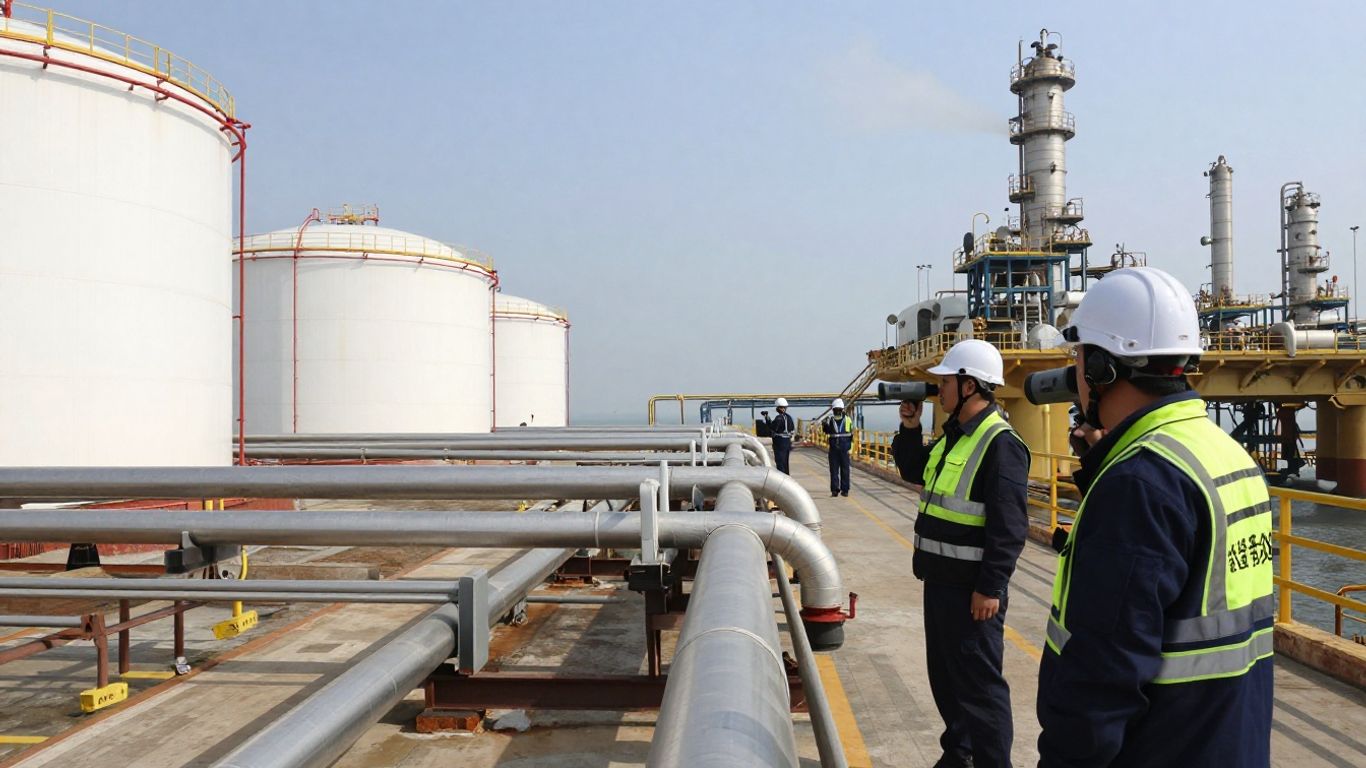
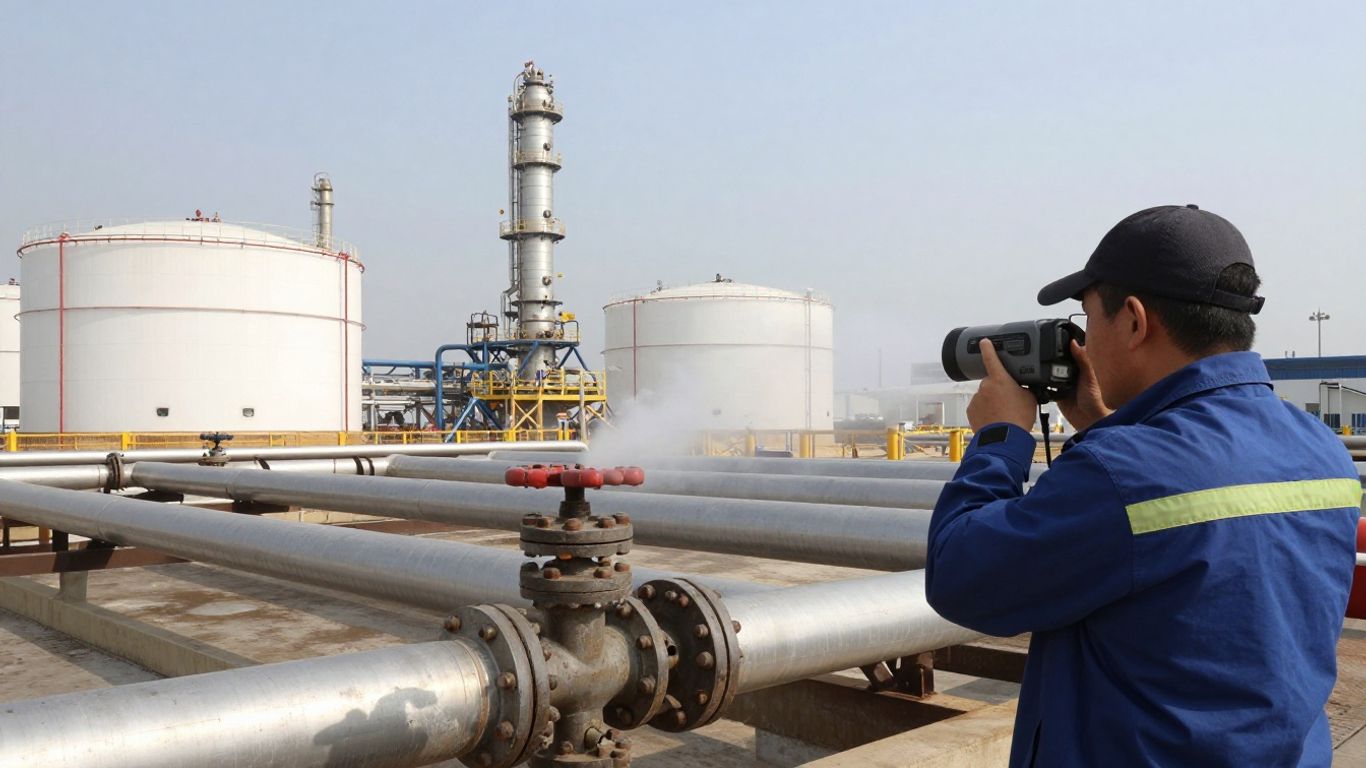
These cameras allow you to see invisible gas leaks in real-time. This is incredibly useful during production and processing stages, from the wellhead to the refinery. You can quickly identify fugitive emissions that might otherwise go unnoticed. This not only helps prevent potential safety hazards but also reduces product loss and improves overall efficiency. Think about inspecting tanks, pipelines, and processing equipment; OGI cameras can scan these areas rapidly without needing to shut down operations. This capability is a game-changer for maintaining continuous production and minimizing downtime.
Here are some key applications within oil and gas production and processing:
- Leak Detection and Repair (LDAR): OGI cameras are central to modern LDAR programs. They enable faster identification of leaks compared to traditional methods, allowing for quicker repairs and reduced environmental impact. This helps meet regulatory requirements and operate more responsibly.
- Process Monitoring: You can use these cameras to monitor critical process equipment, such as furnaces, flares, and separators. Spotting temperature anomalies or gas plumes can indicate process upsets or equipment malfunctions before they become serious issues.
- Safety Inspections: Identifying and addressing gas leaks promptly is vital for worker safety. OGI cameras provide a visual confirmation of potential dangers, allowing teams to take immediate action to mitigate risks.
- Equipment Health Checks: Beyond gas leaks, the thermal imaging capabilities can help assess the health of certain equipment by detecting abnormal heat signatures, which might point to developing problems.
Implementing OGI technology means you can gain better visibility into your operations. This leads to more proactive maintenance, improved safety protocols, and better environmental stewardship. For organizations looking to enhance their operational oversight and risk management, exploring advanced imaging solutions is a logical next step. If you're interested in how these systems can benefit your specific operations, consider reaching out to experts who can provide tailored solutions. Visit LightPath's contact page to learn more.
2. Utilities And Pipeline Monitoring
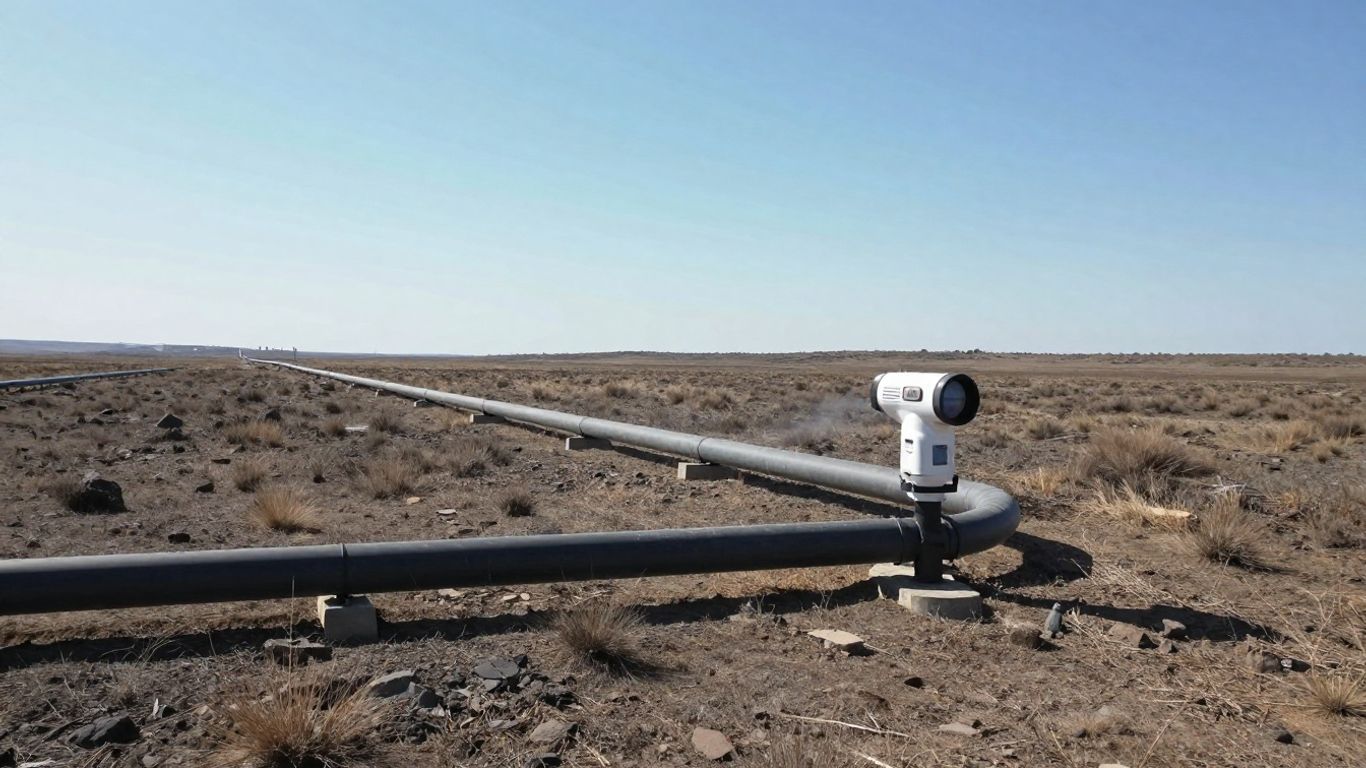
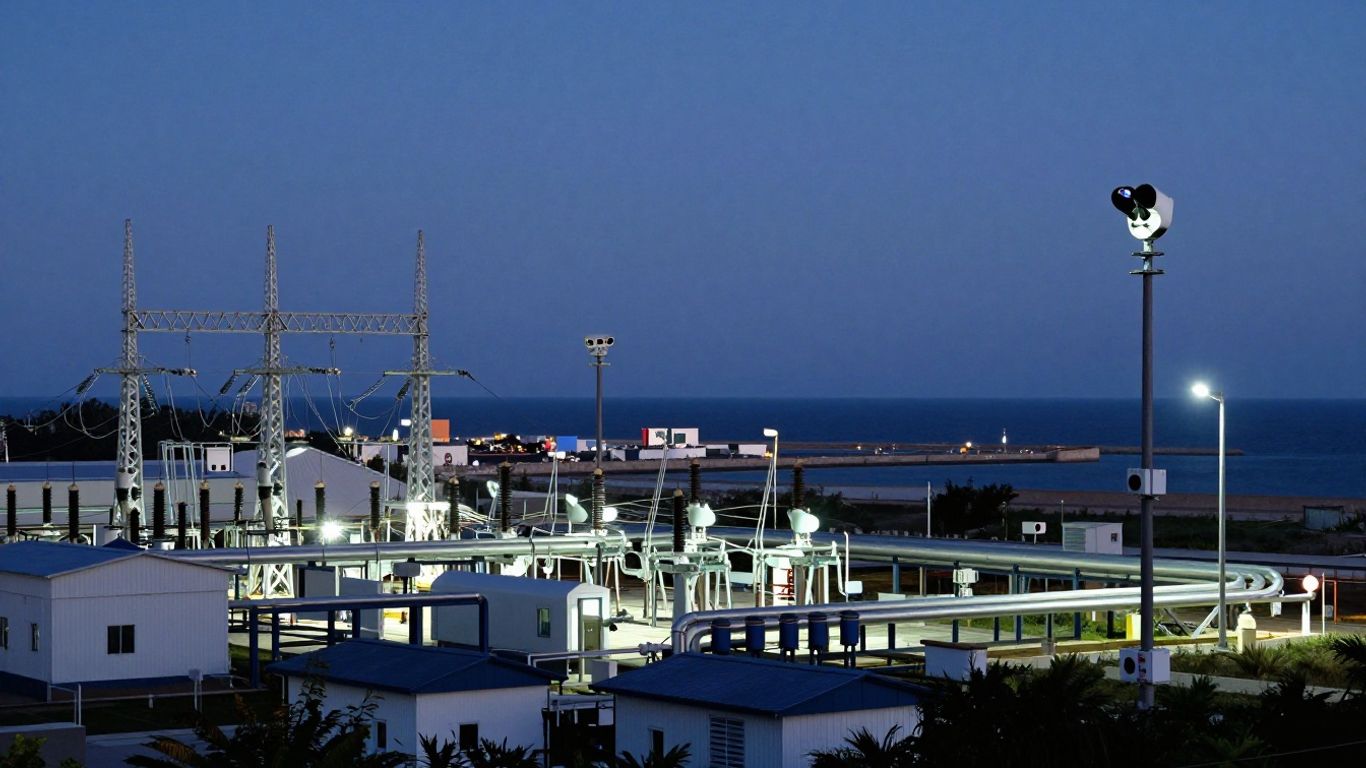
Maintaining the integrity of utility infrastructure and vast pipeline networks is a constant challenge. Optical Gas Imaging (OGI) cameras offer a powerful, non-contact method to identify potential issues before they escalate. You can use these advanced tools to visually detect gas leaks that are otherwise invisible to the naked eye, helping to prevent service interruptions and ensure public safety.
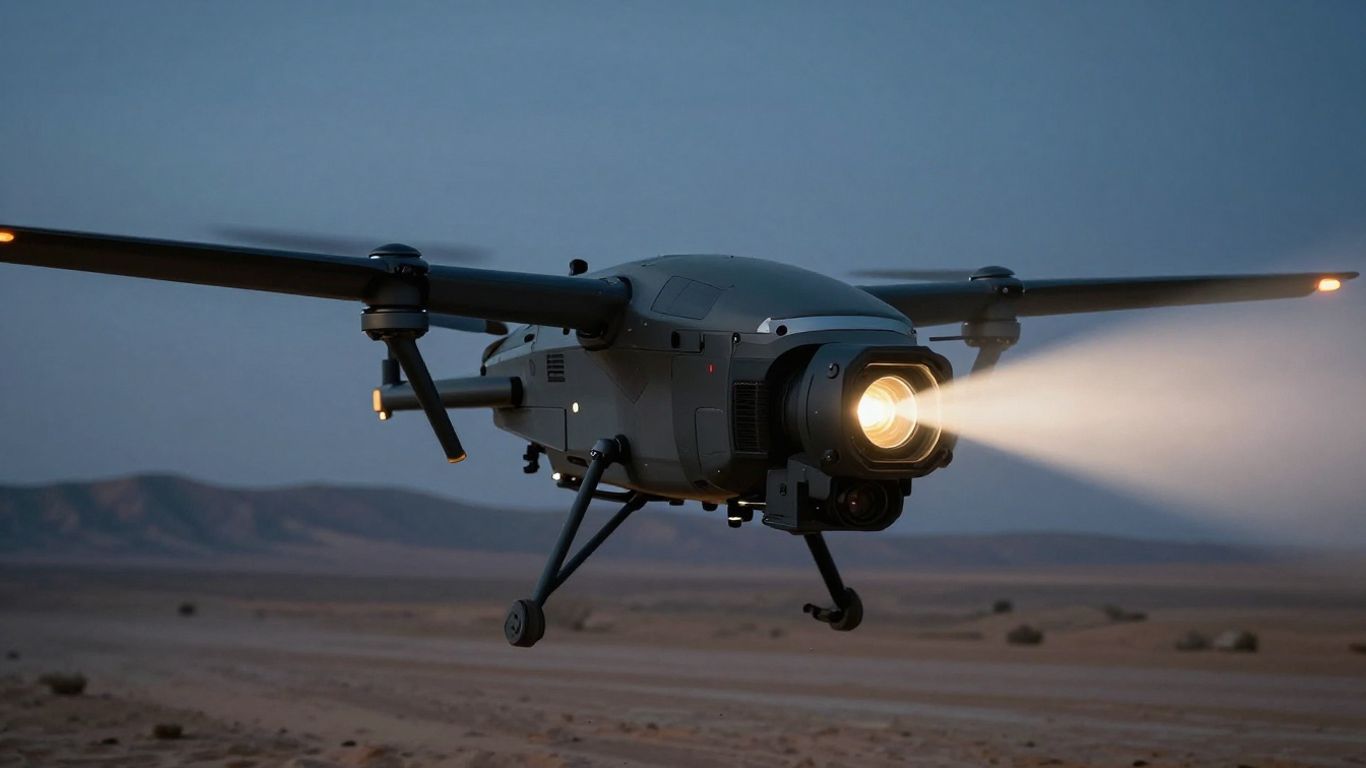
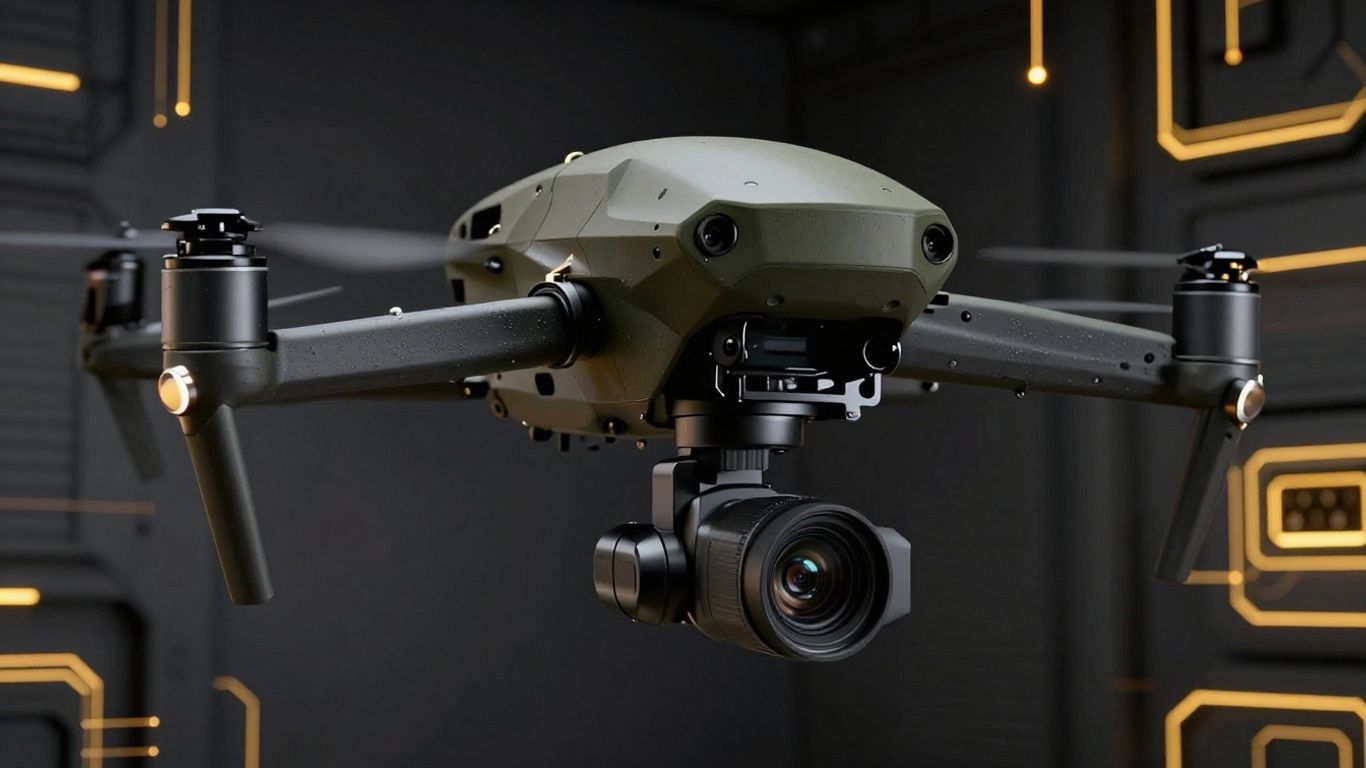
For utility companies, OGI technology is particularly useful for monitoring natural gas distribution systems. Leaks in underground pipes or at connection points can be pinpointed quickly, allowing for timely repairs. This proactive approach not only reduces the risk of accidents but also minimizes the loss of valuable resources. Furthermore, regular pipeline surveys using OGI can cover extensive distances efficiently. Drones equipped with OGI cameras can survey miles of pipeline in a fraction of the time it would take for manual inspections, making it a more cost-effective and thorough solution for pipeline monitoring.
Key benefits of using OGI in utilities and pipeline monitoring include:
- Early Leak Detection: Identify small leaks before they become significant problems, preventing potential safety hazards and environmental damage.
- Reduced Downtime: Quickly locate leaks and prioritize repairs, minimizing service disruptions for customers.
- Improved Safety: Detect fugitive emissions that could pose explosion or health risks, creating a safer environment for both workers and the public.
- Cost Savings: Minimize product loss and reduce the expenses associated with emergency repairs and regulatory fines.
The ability to visualize gas plumes in real-time allows operators to assess the severity of a leak and take immediate action. This capability is invaluable for maintaining the reliability and safety of our energy infrastructure. To explore how advanced imaging solutions can support your monitoring needs, consider reaching out to an expert at https://www.lightpath.com/contact.
3. Environmental Compliance Programs
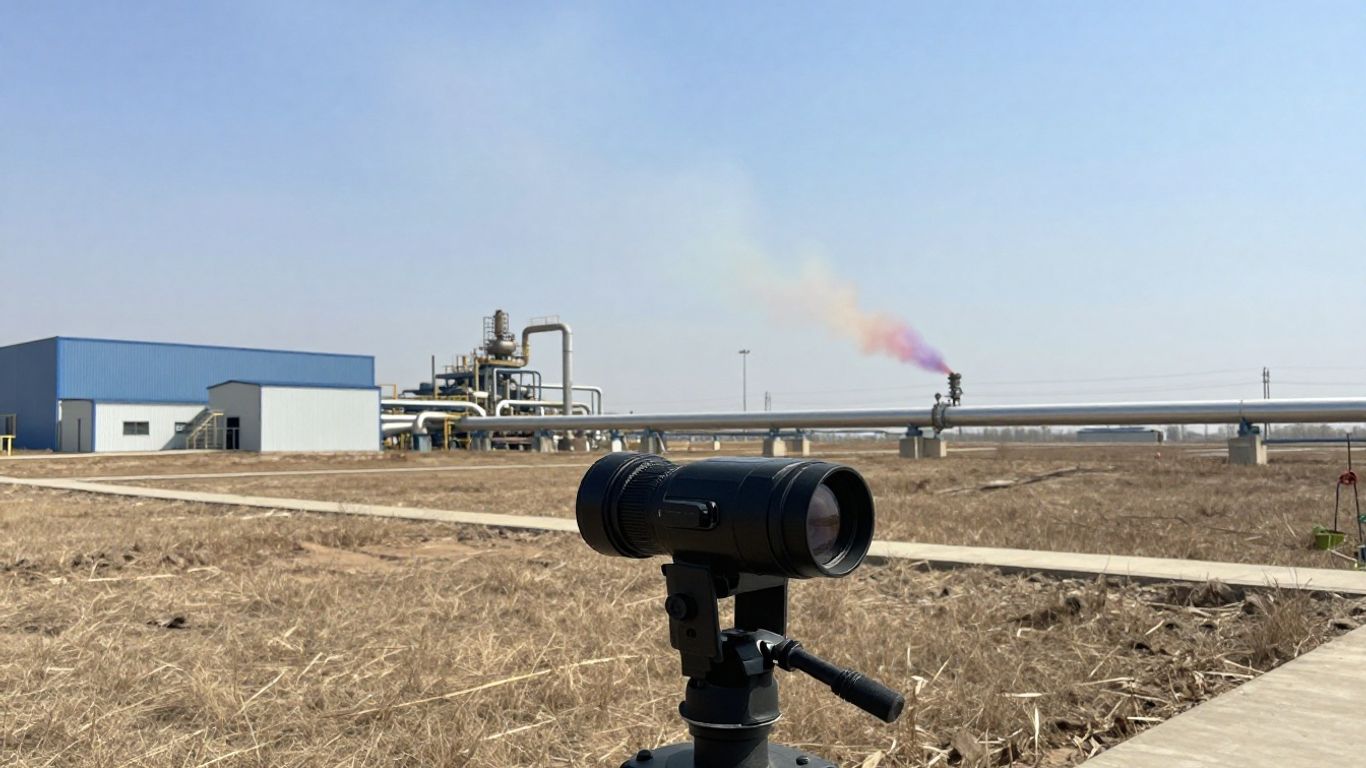
Environmental regulations are becoming more stringent, and demonstrating compliance is a top priority for many organizations. Optical Gas Imaging (OGI) cameras offer a powerful tool to meet these demands. These cameras visualize otherwise invisible gas leaks, such as methane, allowing for prompt identification and repair. This proactive approach not only helps you adhere to environmental standards but also prevents potential fines and reputational damage.
Using OGI cameras within your environmental compliance programs provides several key benefits:
- Early Leak Detection: Identify small leaks before they become significant environmental concerns or costly problems.
- Regulatory Adherence: Meet requirements for leak detection and repair (LDAR) programs mandated by environmental agencies.
- Reduced Emissions: Quantify and reduce fugitive emissions, contributing to sustainability goals and improving air quality.
- Improved Safety: By visualizing gas leaks, you can also enhance the safety of your operations for personnel.
Optical gas imaging has become the standard for visualizing methane leaks, significantly influencing how regulations and compliance programs are structured [30f7]. The ability to see these emissions in real-time allows for immediate action, which is far more effective than traditional, more time-consuming inspection methods. Implementing OGI technology means you can conduct more thorough and efficient inspections, ensuring your operations meet all necessary environmental benchmarks. For organizations looking to bolster their environmental stewardship and regulatory standing, integrating OGI cameras is a logical and effective step. To explore how these advanced imaging solutions can support your specific compliance needs, please reach out to our team for a consultation [0db0].
Our company is dedicated to helping you meet all environmental rules and regulations. We have programs in place to ensure everything is done correctly and safely. Want to learn more about how we can help you stay compliant? Visit our website today!
Conclusion
As you can see, the optical (OGI) gas camera is a powerful tool. It helps keep industries safe, efficient, and compliant with environmental rules. Whether it's finding leaks in oil fields, checking pipelines, or making sure companies are following the law, these cameras are really useful. They let us see what's normally invisible, making it easier to fix problems before they get big. Investing in this technology is a smart move for many businesses looking to improve their operations and protect the environment.
Frequently Asked Questions
What exactly is an optical (OGI) gas camera?
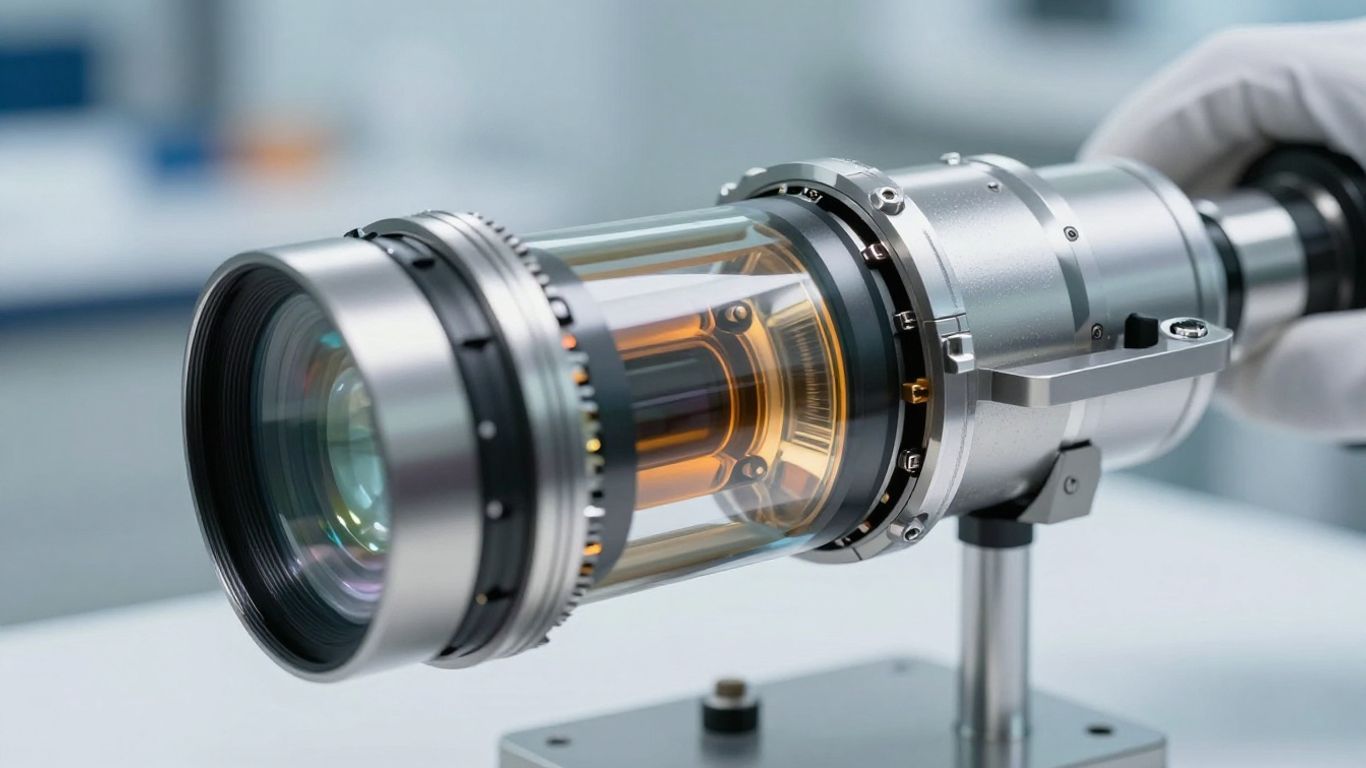
An optical gas imaging (OGI) camera is a special kind of camera that can see gases that are normally invisible to us. Think of it like wearing special glasses that let you see heat or certain gases, making it easy to spot leaks.
Why are these cameras important for oil and gas companies?
In oil and gas, there are lots of pipes and tanks. Sometimes, gases can leak out, which is bad for safety and the environment. OGI cameras help workers quickly find these leaks, even small ones, so they can be fixed right away. It's like a super-fast way to check for problems.
How do OGI cameras help with environmental rules?
Many rules say companies have to keep certain gases from escaping into the air. OGI cameras let companies check if they are following these rules. If a camera spots a leak, the company can fix it to stay compliant and help the environment.
Can these cameras see all types of gases?
These cameras are usually designed to see specific types of gases, like methane, which is common in natural gas. They don't see everything, but they are very good at spotting the gases they are made for.
Is using an OGI camera difficult?
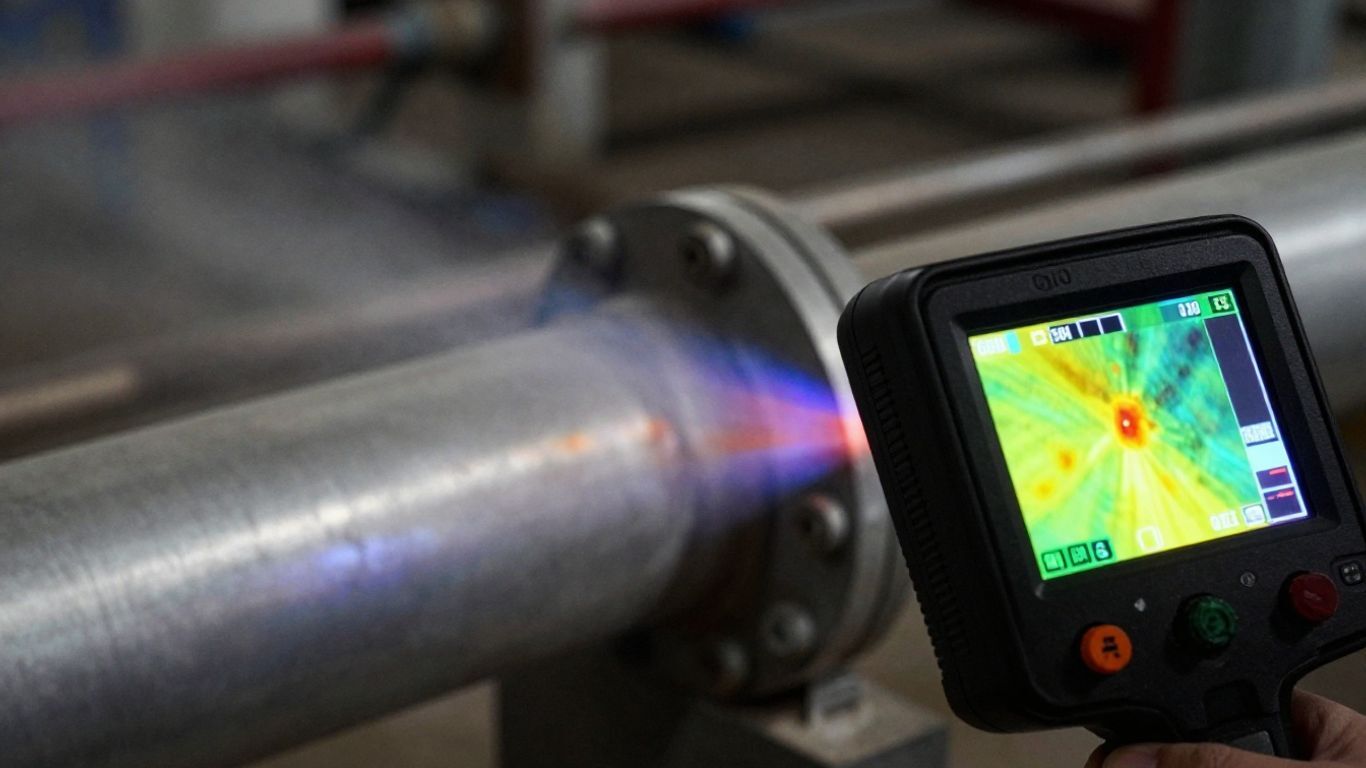
Not really. Once you know what you're looking for, it's pretty straightforward. You point the camera, and if there's a gas leak, it shows up on the screen as a colored cloud. It makes the inspection process much simpler than older methods.
Where else besides oil and gas are these cameras used?
They are also used by utility companies to check gas lines, in factories to monitor processes, and for general environmental checks. Anywhere there's a risk of invisible gas leaks, these cameras can be a big help.