

MWIR earns its cost and complexity in a specific set of applications, and knowing which ones is most of the decision.
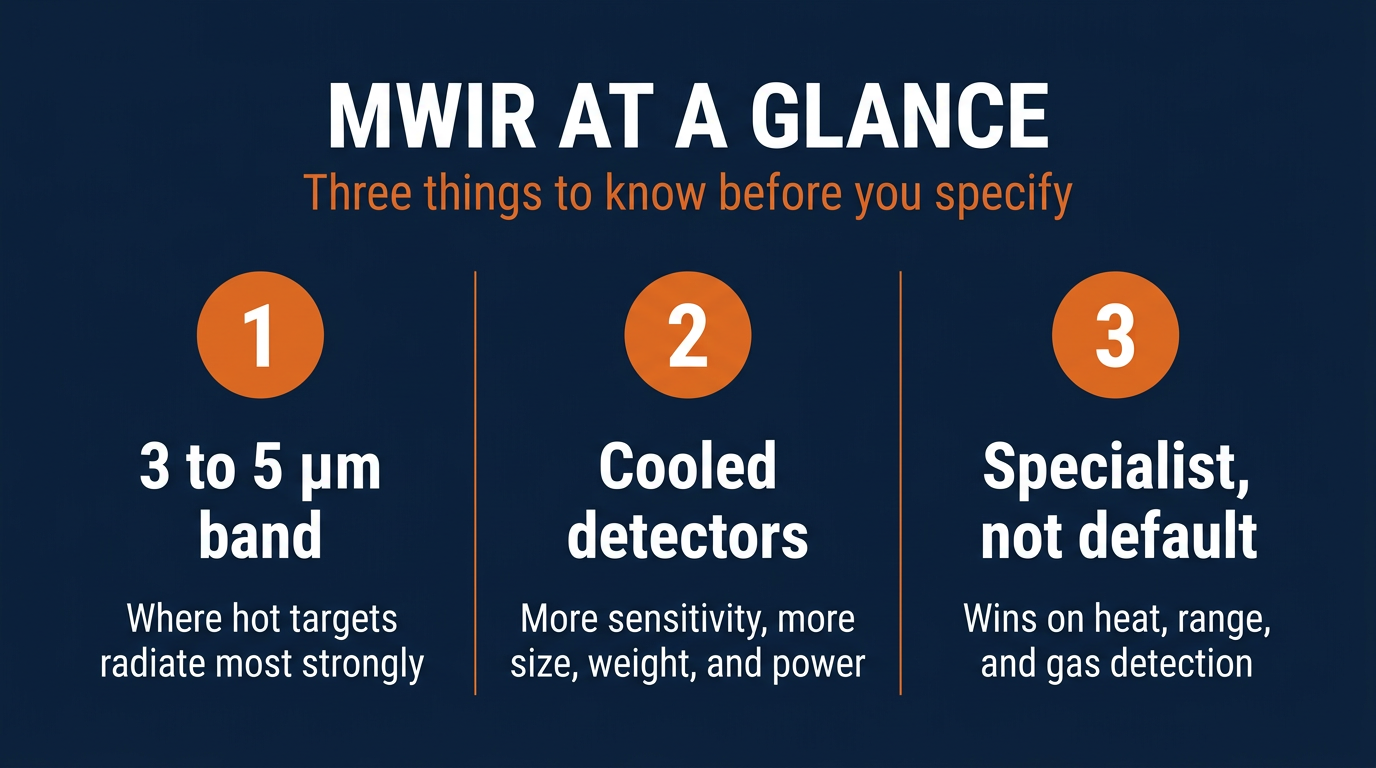
- MWIR covers the 3 to 5 µm band, where hot targets like engines, exhaust plumes, flares, and furnaces radiate most strongly.
- Most mid-wave systems use cooled detectors, buying sensitivity and long-range contrast in exchange for size, weight, power, and maintenance.
- Mid-wave holds up well in humid and maritime air; long-wave tends to do better through smoke and heavy particulate.
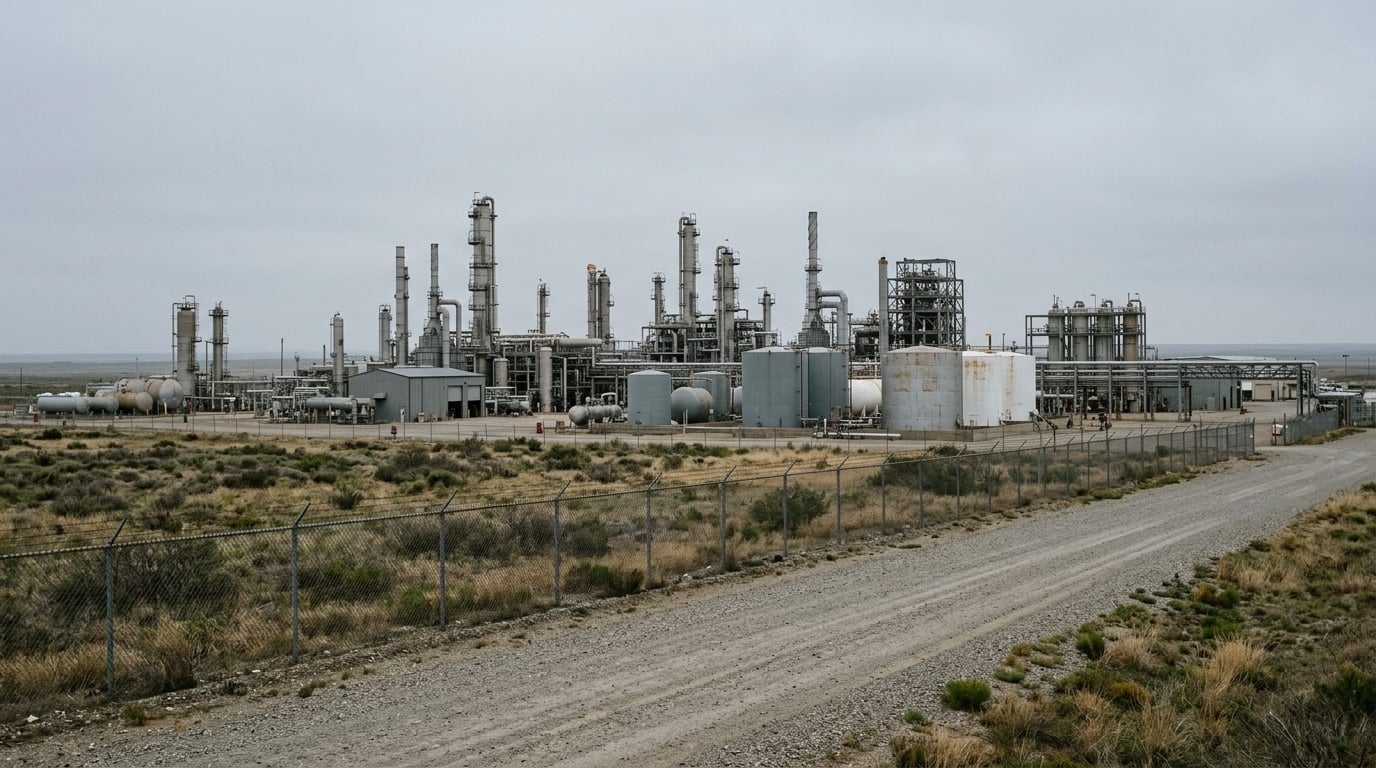
- Gas detection is the clearest industrial case, since many hydrocarbons absorb strongly inside the mid-wave band.
Define your target temperature, your required range, and your operating environment before you compare spec sheets. Those three answers settle the MWIR vs LWIR question faster than any datasheet will.
Ask five engineers what MWIR means and you will get five correct answers at five levels of abstraction. That becomes a problem when you are signing off on an architecture, because the band you choose shapes detector cost, thermal management, platform weight, and the supplier relationships you inherit for years.
This guide is for the people making that call: design engineers, program managers, and procurement leads specifying complete systems rather than operating them. The global infrared imaging market is projected to grow to roughly $11.65 billion by 2030, with defense and industrial automation driving much of that expansion. If you are evaluating infrared optics and camera systems for a new platform, knowing where mid-wave fits will save you a redesign later.
What Is MWIR, Exactly?
MWIR stands for mid-wave infrared, one of the primary atmospheric windows thermal imaging systems use. Everything else about the technology follows from where that slice of the spectrum sits.
The 3 to 5 Micrometer Band
Mid-wave infrared occupies wavelengths from 3 to 5 µm. For context, long-wave infrared sits at 8 to 14 µm, and broadband systems span roughly 2 to 14 µm depending on configuration. These divisions correspond to windows where the atmosphere lets infrared energy through instead of absorbing it, which is why nearly every practical thermal system works inside one of them.
Every object above absolute zero radiates infrared energy, and the wavelength at which it radiates most strongly depends on its temperature. Hotter objects peak at shorter wavelengths. That single relationship explains why mid-wave and long-wave systems have such different personalities, and it is worth understanding before you open a datasheet.
Why Most MWIR Camera Systems Use Cooled Detectors
The detector in a mid-wave camera generates its own thermal noise, and at these wavelengths that noise can swamp a faint signal. Cooling it to cryogenic temperatures suppresses that noise, which is why most MWIR camera architectures include an integrated cooler.
That choice cascades through the design. A cooler adds mass, draws power, introduces a wear component with a finite service life, and demands thermal management inside the housing. In return you get sensitivity and thermal contrast that uncooled architectures generally cannot match at long range.
Cooling also changes what the optics have to do. A cooled detector sits behind a cold shield, and the optical design has to match that shield so the sensor sees the scene instead of stray thermal energy from inside the camera. Get the pairing wrong and you get corner shading and uneven imagery no amount of detector resolution will fix. It is the clearest reason mid-wave performance depends on optics and detector being designed as a pair rather than sourced separately.
Where Does MWIR Outperform Other Bands?
Mid-wave is a specialist rather than a general-purpose upgrade over long-wave, earning its place in three specific situations. Recognizing them is more useful than memorizing detector specifications.
High-Temperature Targets
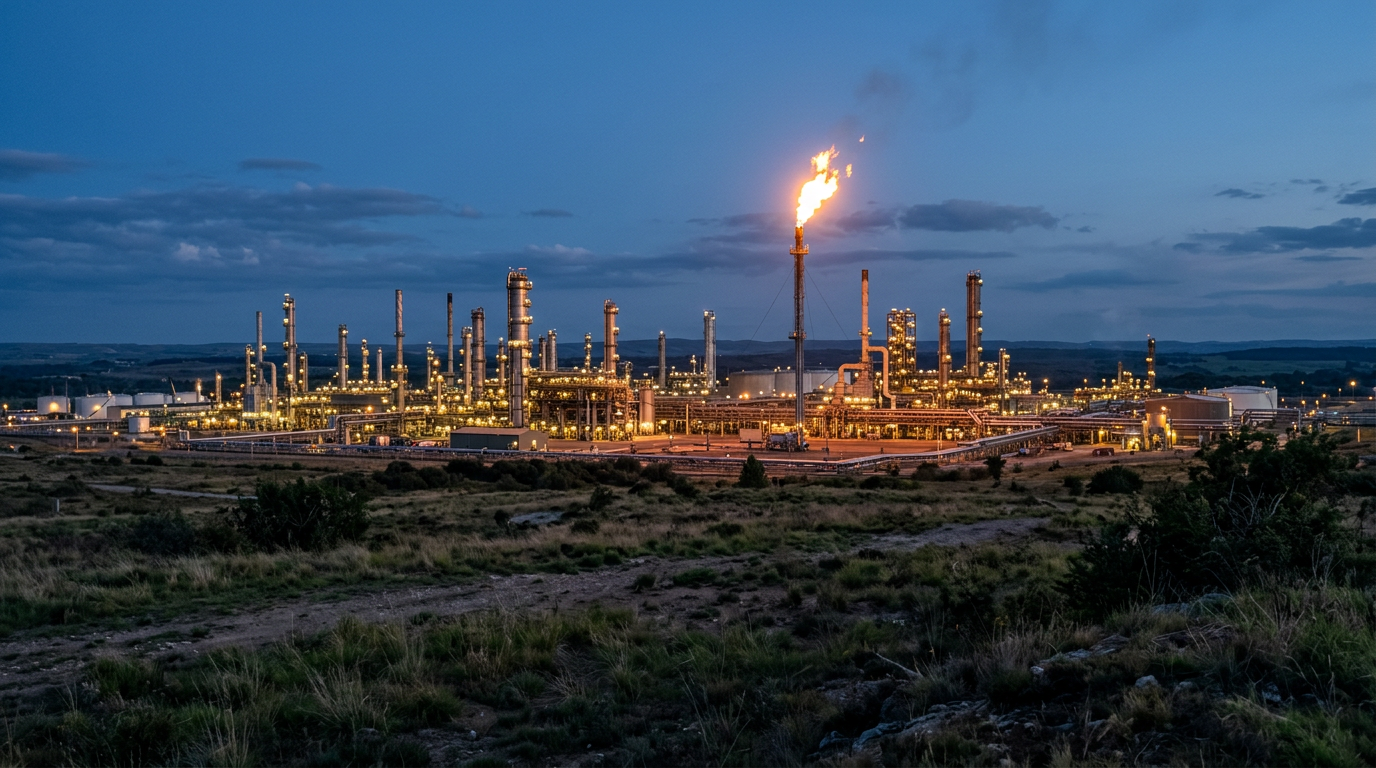
When your target runs significantly hotter than its surroundings, its emission shifts toward shorter wavelengths and lands squarely in the mid-wave band. Engine exhaust, aircraft propulsion, flare stacks, furnaces, and molten material all fall into this category. The practical result is thermal contrast: a hot object separates cleanly from a cooler background, often more cleanly than the same scene in long-wave. For systems built around detecting heat sources rather than mapping ambient scenes, that contrast advantage is the entire argument.
Long-Range Detection and Recognition
Range degrades signal. The farther a target sits, the less energy reaches your aperture and the more detector noise matters, which is why cooled MWIR imaging systems paired with long focal length optics appear so often in long-range surveillance and targeting. The band also transmits well through humid air and maritime haze. Worth saying plainly: no infrared band sees through everything, and heavy rain, dense spray, and direct sunlight create real limits regardless of what you choose.
Gas Detection and Compliance Monitoring
Many hydrocarbons absorb infrared energy at specific wavelengths inside the mid-wave band, which makes optical gas imaging one of the strongest industrial cases for the technology. A camera tuned to the right absorption feature renders an otherwise invisible plume visible. The use case carries regulatory weight: the EPA's final methane rule for oil and natural gas operations sets leak detection and repair requirements and includes a protocol governing how optical gas imaging cameras are used in surveys. For OEMs building industrial inspection platforms, camera performance is tied to a compliance framework rather than image quality alone.
MWIR vs LWIR: How Do You Decide?
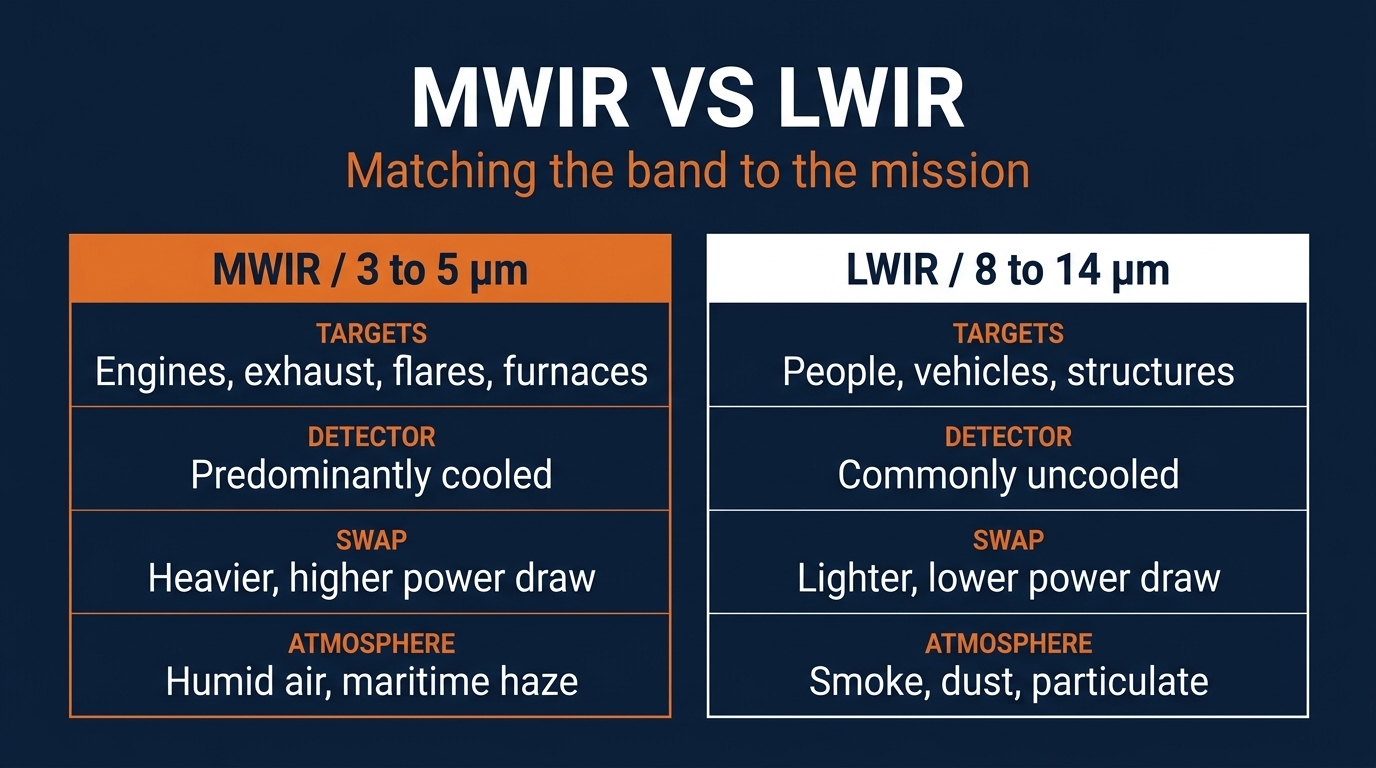
The MWIR vs LWIR call has no universal winner. The bands solve different problems, and most platforms are better served by matching band to mission than by chasing the more expensive option.
|
Consideration |
Mid-Wave Infrared (3 to 5 µm) |
Long-Wave Infrared (8 to 14 µm) |
|---|---|---|
|
Typical targets |
Hot sources: engines, exhaust, flares, furnaces |
Ambient sources: people, vehicles, structures, equipment |
|
Detector approach |
Predominantly cooled |
Commonly uncooled |
|
SWaP profile |
Heavier, higher power draw |
Lighter, lower power draw |
|
Atmospheric strengths |
Humid air, maritime haze |
Smoke, dust, heavy particulate |
|
Common applications |
Long-range targeting, gas imaging, process heat |
Surveillance, perimeter security, predictive maintenance |
|
Lifecycle notes |
Cooler has a service life |
Fewer wear components |
If your targets sit near ambient temperature and your platform is weight constrained, long-wave is usually the more practical starting point, and the fundamentals of long-wave infrared imaging are worth reviewing first. For a deeper treatment of the trade-offs, compare mid-wave and long-wave options against your mission profile.
Five Questions to Answer Before Specifying an MWIR Imaging System
Most sourcing conversations go badly because they start with hardware instead of requirements. These five questions, answered early, tell you more than a stack of comparison charts.
- What temperature range do your targets actually occupy? Specify against the range the system will see most days, not the extreme case in the brief. If your targets sit close to ambient, mid-wave may be solving a problem you do not have.
- What range do you need to detect, recognize, and identify? Three thresholds, three different optical requirements. Programs routinely specify around detection range, then find the system cannot support identification at the distances operators expect.
- What does the operating environment do to your signal? Validate against the deployment environment rather than the lab bench. A configuration proven inland can behave differently on a coastal platform, and that gap tends to surface late and expensively.
- What SWaP and lifecycle budget can the platform absorb? Cooled architectures carry mass, power draw, and a maintenance interval that uncooled designs do not. On airborne or man-portable platforms, that arithmetic can decide the program before performance enters the discussion.
- Who controls the optics behind the system? Detector selection gets the attention, but the optical train determines whether the detector performs to spec. Material availability, coating capability, and manufacturing location belong in this conversation.
Why Does the Optics Supply Chain Matter So Much Here?
That last question deserves more weight than it gets. Infrared optics depend on a narrow set of transmissive materials, and germanium has long been the default for mid-wave and long-wave designs. Its supply picture has grown more complicated.
According to the U.S. Geological Survey's 2025 mineral commodity summary, infrared optics rank among the leading domestic end uses for germanium, and China banned germanium exports to the United States in December 2024. For programs with multi-year production horizons and domestic content requirements, that is a design constraint rather than a purchasing footnote. Chalcogenide glass alternatives offer comparable infrared transmission through a supply chain that does not route through a single restricted source. If your program carries NDAA obligations or a long production tail, ask suppliers where the raw material originates and where the optics are made, while the architecture is still flexible.
How Does MWIR Fit Into a Broader Imaging Architecture?
Few platforms live in one band anymore. Programs increasingly want a hot target and an ambient scene in the same frame, which is where dual-band and broadband infrared camera platforms come in, trading band-specific optimization for scene flexibility.
Dedicated mid-wave infrared camera systems stay the stronger choice when long-range performance against hot targets drives the requirement. Broadband earns its place when your platform faces varied targets and you would rather carry one system than two. Across aerospace and defense imaging programs, mission profile decides more often than any inherent superiority.
That leaves a question most sourcing processes defer too long: who assembles the result? A detector from one vendor, optics from another, and a housing from a third arrive as three separate integration problems, each with its own schedule risk. Integrated thermal imaging solutions built as a unit arrive as one.
Frequently Asked Questions About MWIR
What does MWIR stand for?
MWIR stands for mid-wave infrared, the 3 to 5 µm portion of the infrared spectrum.
Do all MWIR cameras require cooling?
The large majority use cooled detectors, because cooling suppresses sensor noise that would otherwise limit sensitivity in this band. Some broadband systems capture mid-wave energy without cryogenic cooling, with different trade-offs than a dedicated cooled design.
How should a program plan for cooler maintenance?
Treat the cooler as a scheduled sustainment item rather than a fit-and-forget component. Coolers carry a rated operating life, so build replacement intervals and spares into the support plan before fielding, particularly on platforms where physical access is limited once deployed.
Are MWIR imaging systems subject to export controls?
Cooled infrared systems and their components frequently fall under export control regimes, and classification depends on the specific configuration and performance. Confirm classification with your supplier early, since it shapes sourcing, documentation, and which international programs the platform can serve.
Get the Band Decision Right the First Time
Choosing between infrared bands is an architecture decision disguised as a component decision. Get it right and the rest of the program gets easier. Get it wrong and you are redesigning around a constraint you inherited from a spec sheet.
LightPath Technologies builds across the full infrared stack, from proprietary Black Diamond™ chalcogenide glass through lenses, assemblies, and complete cooled and uncooled camera systems, manufactured in North America. That vertical integration means the optics and the camera are engineered together, and your supply chain does not hinge on materials under export restriction. If you are scoping a mid-wave platform and want engineers who start with your requirements rather than a catalog, start the conversation with our team.