
Key Takeaways: Predictive maintenance thermal camera systems enable OEMs to deliver industrial monitoring solutions that reduce client maintenance costs by 30-40% while improving operational safety.
- Integration requires careful evaluation of resolution, connectivity, and environmental specifications to ensure seamless system performance
- Custom engineering capabilities become critical when standard thermal imaging solutions cannot meet specific industrial application requirements
- Supply chain stability and material innovation directly impact long-term system reliability and cost-effectiveness for OEM customers
- System integrators should prioritize partners who offer complete thermal imaging solutions from components to fully integrated camera assemblies.
The thermal imaging market continues its rapid expansion, reaching $7.69 billion in 2024 with projections indicating growth to $16.29 billion by 2034. This growth stems largely from industrial applications where predictive maintenance thermal camera systems deliver measurable value to end-user facilities. For OEMs developing industrial monitoring solutions, understanding thermal imaging integration requirements becomes essential for competitive product development.
Industrial facilities implementing predictive maintenance programs report maintenance cost reductions of 30-40% compared to reactive approaches, making thermal imaging integration a compelling value proposition for system developers. However, successful implementation requires OEMs to navigate complex technical specifications, environmental challenges, and integration considerations that standard consumer-focused thermal cameras cannot address.
Why Do OEMs Choose Predictive Maintenance Thermal Camera Integration?
System integrators developing industrial monitoring platforms face increasing pressure to deliver solutions that provide measurable return on investment for their clients. Predictive maintenance thermal camera integration addresses this challenge by enabling early detection of equipment anomalies before costly failures occur.
Unlike traditional inspection methods requiring physical contact or equipment shutdown, thermal imaging systems capture temperature data from safe distances without disrupting facility operations. This capability proves especially valuable for high-voltage electrical systems, rotating machinery, and hazardous industrial processes where direct access poses safety risks for client personnel.
The technology works by detecting infrared radiation naturally emitted by equipment operating above absolute zero temperature. When mechanical components begin failing, increased friction generates excess heat signatures that thermal cameras identify weeks or months before traditional monitoring methods detect problems. Electrical connections develop resistance as they degrade, creating distinct thermal patterns that enable proactive maintenance scheduling.
For OEMs, thermal imaging integration offers several competitive advantages. Factory monitoring thermal camera systems provide continuous equipment surveillance without requiring dedicated personnel for routine inspections. Automated alert capabilities integrate with existing facility management systems, generating work orders when thermal anomalies exceed predetermined thresholds.

What Are Critical Specifications for Industrial Thermal Camera Integration?
Resolution and Sensitivity Requirements
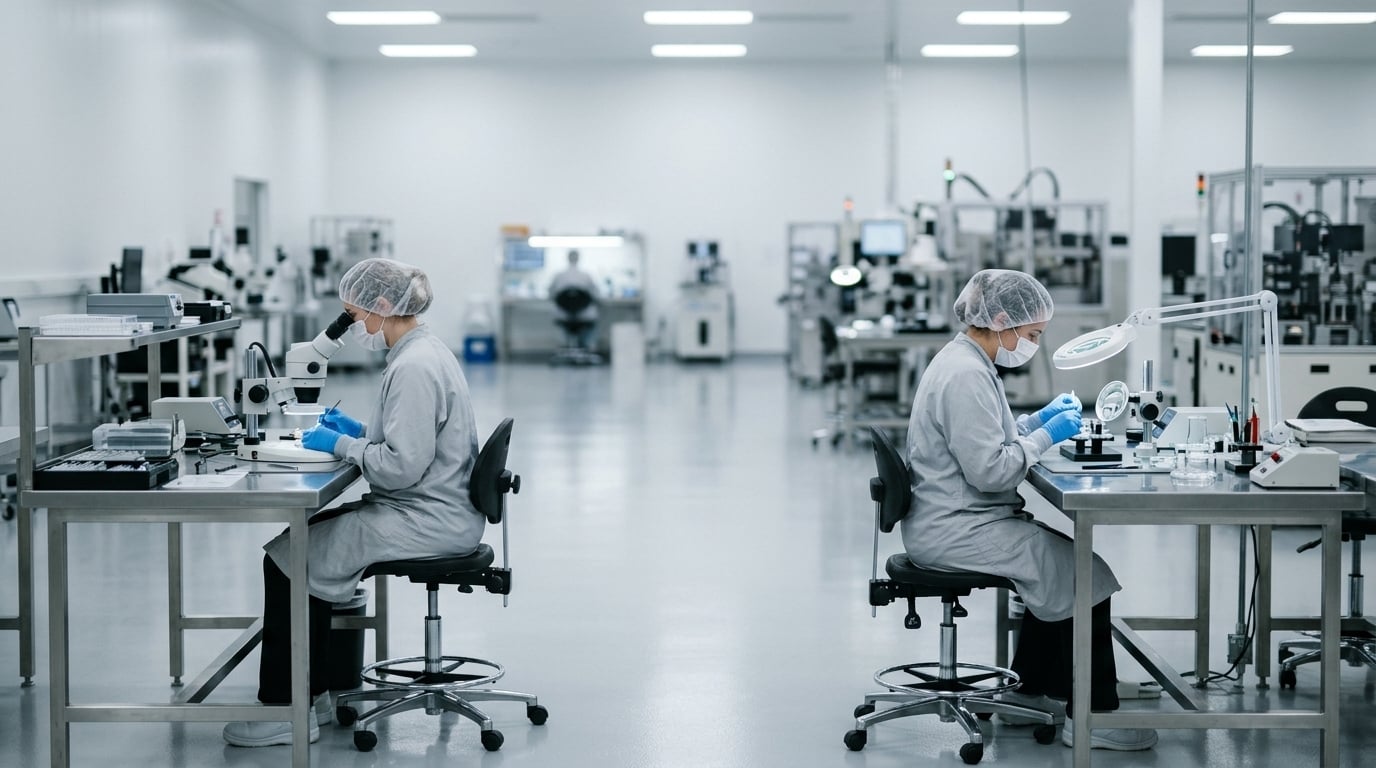
Industrial predictive maintenance applications demand specific thermal imaging performance parameters that differ significantly from general-purpose thermal cameras. Advanced optical components and assemblies enable these demanding specifications through precision engineering and custom manufacturing capabilities. Resolution requirements typically range from 320x240 pixels for basic monitoring to 640x480 pixels or higher for detailed component analysis.
Thermal sensitivity, measured as Noise Equivalent Temperature Difference (NETD), determines the system's ability to detect small temperature variations. Industrial applications generally require NETD values of 50mK or better, with critical monitoring scenarios demanding sensitivity down to 20mK for early fault detection.
Temperature Range Considerations:
|
Application Type |
Typical Range |
Accuracy Requirements |
|
Electrical Systems |
-20°C to 300°C |
±2°C or ±2% |
|
Rotating Machinery |
-10°C to 200°C |
±1°C or ±1% |
|
Process Equipment |
0°C to 500°C+ |
±2°C or ±2% |
|
Industrial Furnaces |
100°C to 1600°C+ |
±5°C or ±1% |
Environmental Durability Standards
Industrial environments present unique challenges that standard thermal cameras cannot withstand. Maintenance inspection IR camera systems must meet stringent environmental specifications including vibration resistance, dust protection, and temperature cycling capabilities.
IP65 or higher ingress protection ratings become essential for factory environments where dust, moisture, and chemical exposure occur regularly. Operating temperature ranges must accommodate extreme industrial conditions, typically spanning wide ranges for outdoor installations and more moderate ranges for indoor facility monitoring.
Shock and vibration specifications should meet IEC 60068 standards to ensure reliable operation near heavy machinery. EMC compliance according to IEC 61000 standards prevents interference with sensitive industrial control systems.
How Do Integration Considerations Vary Across Industrial Environments?
Manufacturing Facility Requirements
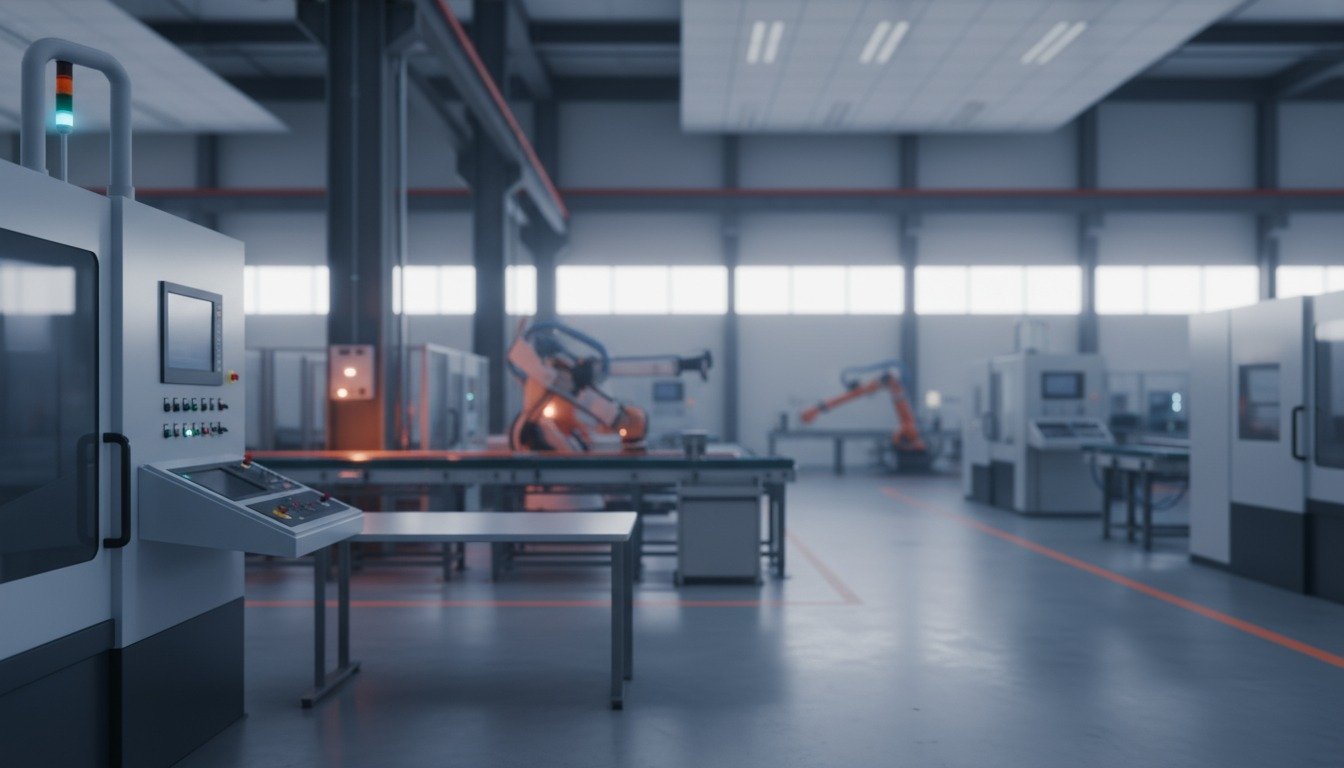
Manufacturing environments require predictive maintenance thermal camera systems optimized for continuous operation monitoring. Production lines generate significant electromagnetic interference, requiring careful consideration of camera shielding and grounding requirements.
Thermal cameras for industrial use in manufacturing must integrate with existing SCADA systems and manufacturing execution systems (MES). Standard communication protocols including Ethernet/IP, Modbus TCP, and OPC-UA enable seamless data exchange with facility management platforms.
Mounting considerations become critical in manufacturing environments where space constraints and accessibility limitations affect camera placement. Thermal imaging lens assemblies designed for industrial applications address these challenges through compact, ruggedized configurations optimized for challenging installation requirements. System designers must account for optimal viewing angles while ensuring technician access for periodic maintenance and calibration.
Process Industry Applications
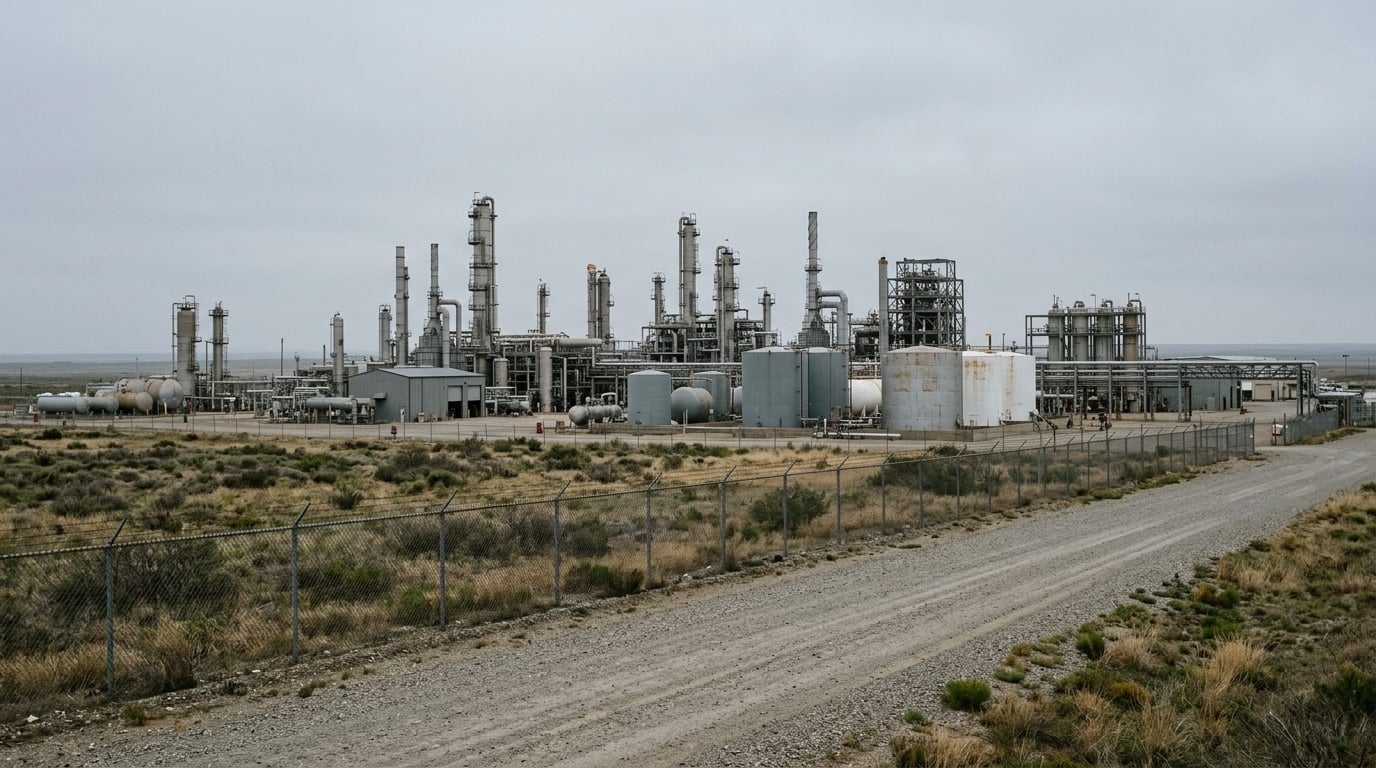
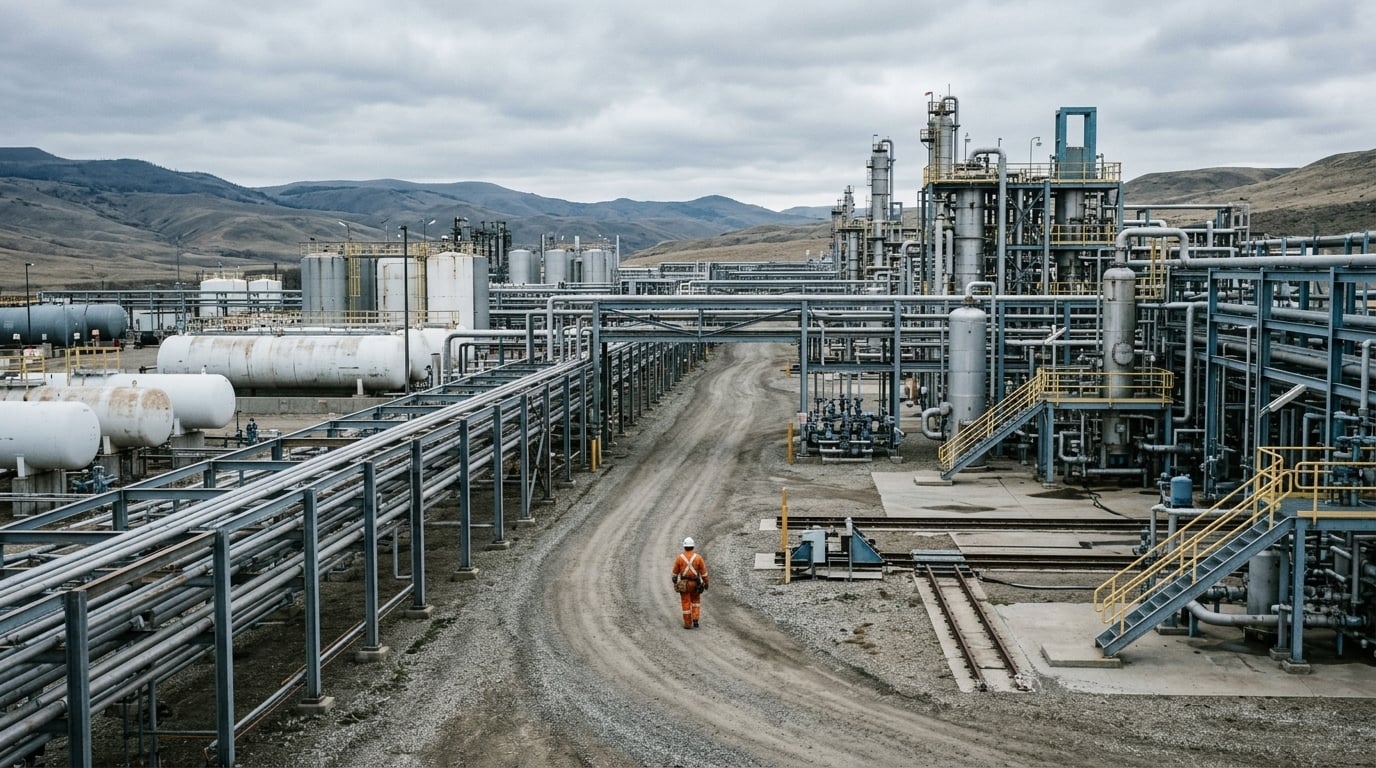
Chemical processing, oil refining, and similar process industries present unique challenges for thermal imaging integration. Hazardous area classifications require cameras meeting ATEX or IECEx certification standards for explosive atmosphere operation.
Process equipment monitoring often involves elevated installation positions requiring specialized housing and lens configurations. Long-distance thermal imaging capabilities become essential when monitoring equipment located in inaccessible areas.
Temperature measurement accuracy requirements in process industries typically exceed general industrial standards. Pharmaceutical and food processing applications may require calibration traceability and validation documentation for regulatory compliance.
Utility and Infrastructure Monitoring
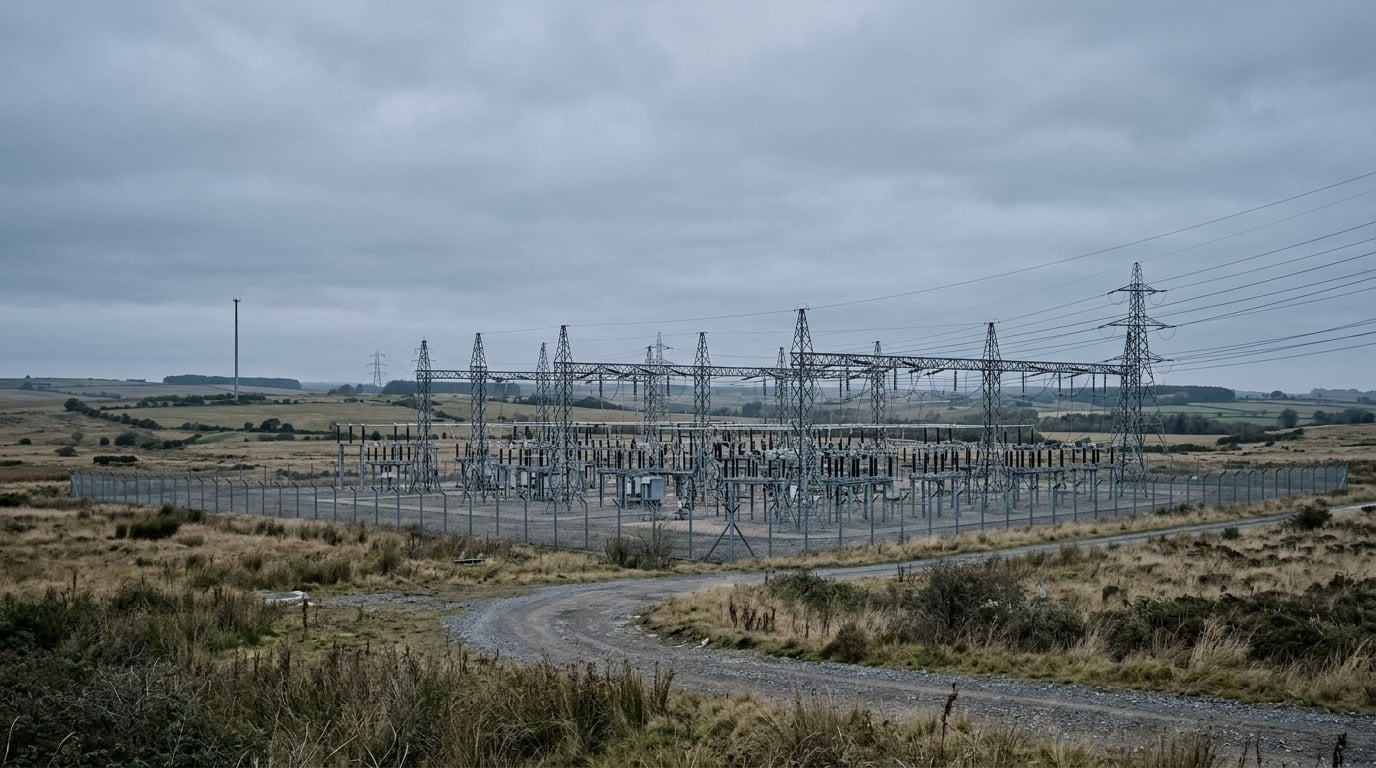
Power generation and distribution facilities demand predictive maintenance thermal camera systems capable of monitoring high-voltage equipment from safe distances. Electrical utility applications require cameras with sufficient resolution and sensitivity to detect corona discharge and insulation degradation.
Transmission line monitoring systems must withstand extreme weather conditions while providing reliable communication capabilities for remote locations. Solar panel inspection applications require specialized spectral filtering to optimize detection of photovoltaic cell defects.
Essential Evaluation Criteria for OEM Thermal Camera Selection
When evaluating thermal imaging solutions for industrial predictive maintenance applications, OEMs should prioritize these critical factors:
Technical Performance Parameters
System integrators must verify thermal sensitivity specifications under actual operating conditions rather than laboratory specifications. NETD values can vary significantly based on ambient temperature, humidity, and electromagnetic interference levels typical in industrial environments.
Resolution requirements should match the specific monitoring tasks and viewing distances expected in target applications. Higher resolution systems provide better spatial detail but require increased processing power and data storage capabilities.
Integration and Connectivity Options
Modern predictive maintenance thermal camera systems must support multiple communication protocols to accommodate diverse industrial networking environments. Ethernet-based protocols provide high-speed data transfer for real-time monitoring applications.
Wireless connectivity options enable flexible installation in locations where cable routing proves challenging. However, wireless systems must demonstrate reliable performance in electromagnetically noisy industrial environments.
Customization Capabilities
Standard thermal cameras rarely meet all requirements for specialized industrial applications. OEMs should evaluate potential partners based on their ability to provide custom lens configurations, specialized housing designs, and modified electronics for specific environmental conditions.
Software customization capabilities allow system integrators to develop application-specific user interfaces and analysis algorithms. Open API access enables integration with proprietary software platforms and custom data analysis tools.
Supply Chain and Support Considerations
Long-term product availability becomes critical for industrial systems with expected operational lifespans measured in decades rather than years. OEMs should verify component sourcing strategies and manufacturer commitments to product support over extended periods.
Technical support capabilities including application engineering assistance, calibration services, and field service availability affect overall system lifecycle costs.
Cost-Effectiveness Analysis
Total cost of ownership calculations must include initial hardware costs, integration expenses, ongoing maintenance requirements, and software licensing fees. Hidden costs such as special tooling requirements and custom documentation can significantly impact project profitability.

What Technology Trends Are Affecting OEM Thermal Camera Decisions?
Artificial Intelligence Integration
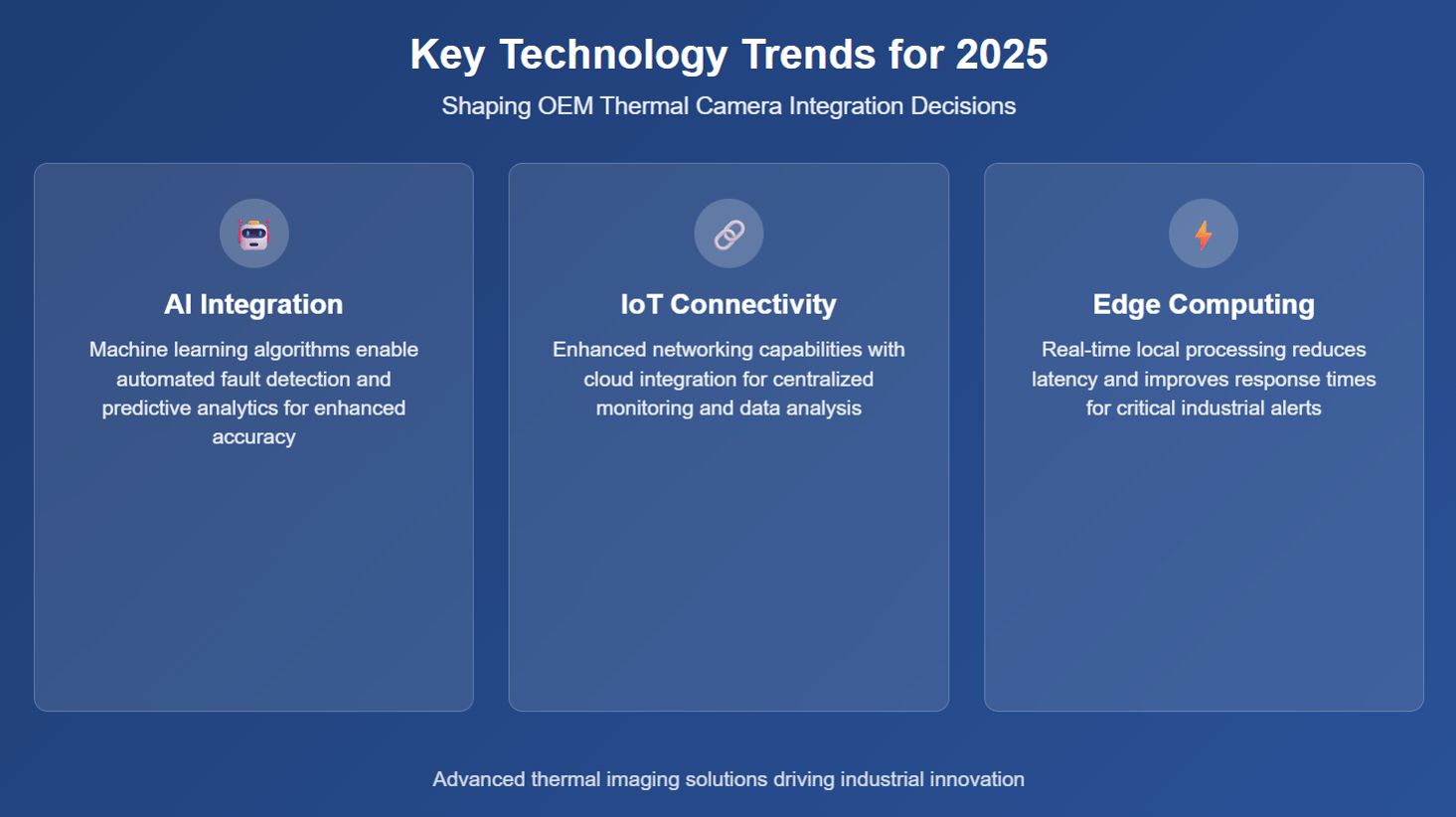
Machine learning algorithms increasingly enhance thermal imaging analysis capabilities, enabling automated fault detection and predictive analytics. AI-powered systems can identify subtle thermal patterns indicating developing equipment problems that human operators might miss.
Edge computing integration allows thermal cameras to perform local analysis, reducing network bandwidth requirements and enabling faster response times for critical alerts. This capability proves especially valuable for remote installations with limited connectivity.
Enhanced Connectivity and IoT Integration
Industrial IoT platforms demand thermal imaging systems with robust networking capabilities and standardized data formats. Cloud connectivity enables centralized monitoring of distributed facilities while providing scalable data storage and analysis capabilities.
Cybersecurity requirements for connected thermal imaging systems continue evolving as industrial facilities become increasingly digitized. OEMs must ensure thermal camera systems meet current cybersecurity standards including encryption, authentication, and secure firmware update capabilities.
Advanced Materials and Optics
Innovations in detector materials and optical components continue improving thermal imaging performance while reducing system costs. Uncooled microbolometer technology advances enable higher resolution and sensitivity at price points suitable for broader industrial applications.
Specialized optical coatings and lens materials enhance performance in challenging industrial environments. Complete thermal imaging solutions incorporating proprietary materials and custom optics deliver superior performance compared to standard commercial thermal cameras. Anti-reflective coatings optimized for industrial wavelengths improve image quality when monitoring equipment through protective windows or enclosures.
How Should System Integrators Implement Thermal Imaging Solutions?
Planning and Assessment Phase
Successful thermal imaging integration begins with comprehensive facility assessment to identify critical monitoring points and environmental challenges. System designers should conduct site surveys during normal operating conditions to understand thermal backgrounds and potential interference sources.
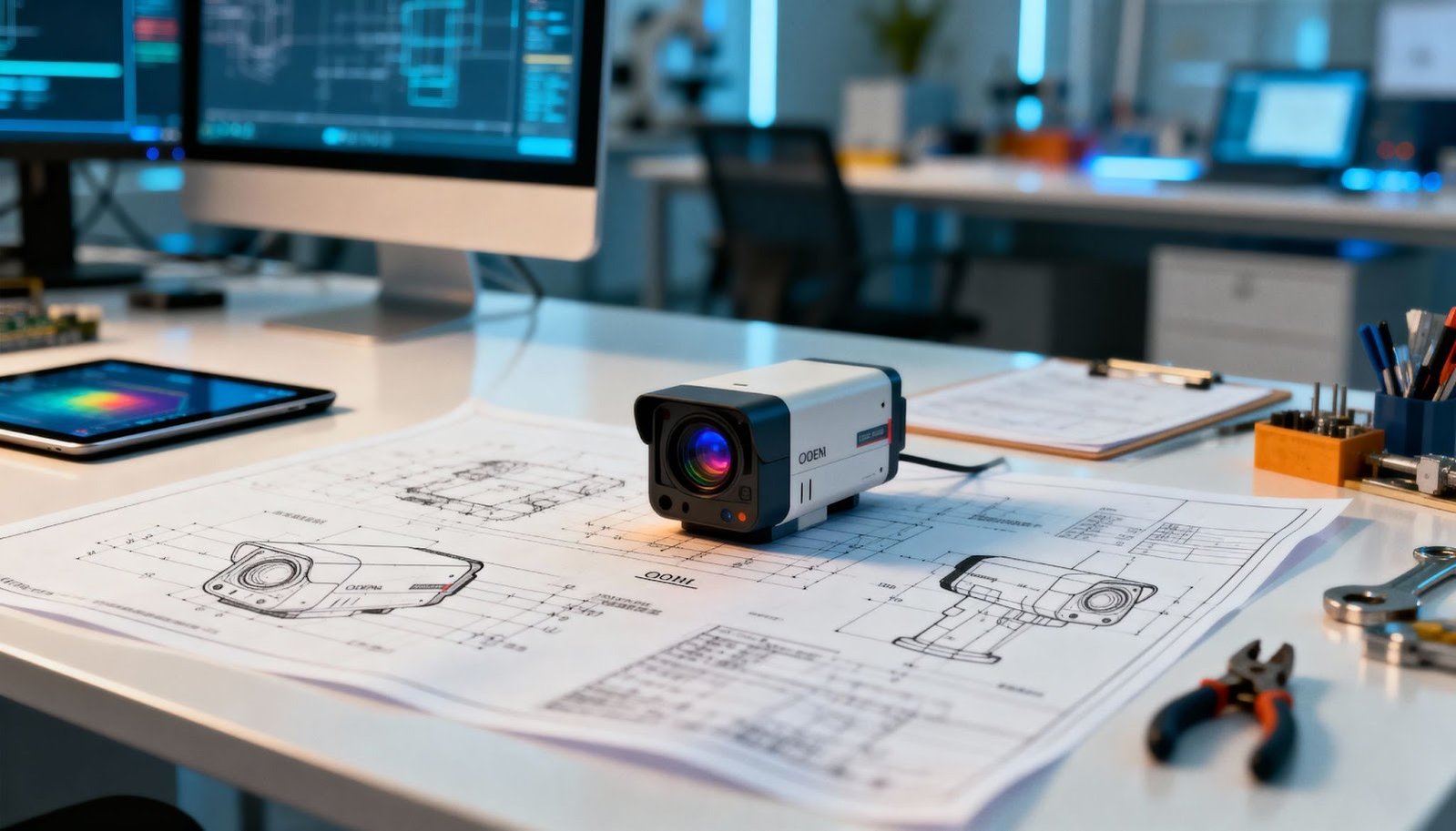
Baseline thermal imaging data collection during equipment commissioning provides reference points for future anomaly detection. Properly engineered thermal camera assemblies ensure consistent baseline measurements through optimized optical designs and integrated calibration capabilities. Documentation of normal operating temperatures and thermal patterns enables accurate fault detection algorithms.
Installation and Commissioning
Proper camera mounting and alignment directly affects measurement accuracy and system reliability. Thermal cameras require stable mounting platforms that minimize vibration transmission while providing appropriate viewing angles.
Calibration verification using certified reference sources ensures measurement accuracy meets application requirements. Regular calibration checks maintain system performance over time and support regulatory compliance requirements.
Training and Documentation
Operator training programs should emphasize proper interpretation of thermal imaging data and appropriate response procedures for different alert conditions. Maintenance personnel require training on camera operation, calibration procedures, and basic troubleshooting techniques.
Comprehensive documentation including installation procedures, calibration records, and maintenance schedules supports regulatory compliance and facilitates system troubleshooting.
Thermal Imaging System Performance Optimization:
|
Factor |
Impact |
Optimization Strategy |
|
Ambient Temperature |
±5°C accuracy variation |
Implement temperature compensation |
|
Viewing Distance |
Spatial resolution degradation |
Optimize lens selection for application |
|
Atmospheric Conditions |
Signal attenuation |
Consider environmental corrections |
|
Surface Emissivity |
±10% measurement error |
Use reference targets for calibration |
Common Implementation Challenges and Solutions
Environmental Interference
Industrial environments present numerous challenges that can affect thermal imaging accuracy and reliability. Dust accumulation on camera lenses requires regular cleaning schedules and protective housing designs. Steam and vapor emissions can obscure thermal readings, necessitating strategic camera placement and environmental controls.
Electromagnetic interference from heavy machinery and power systems can disrupt camera operation and data transmission. Proper shielding, grounding, and cable routing minimize these effects while ensuring reliable system performance.
Data Management and Analysis
Thermal imaging systems generate substantial data volumes requiring efficient storage and analysis capabilities. Cloud-based platforms provide scalable storage solutions while enabling advanced analytics and reporting capabilities.
Integration with existing maintenance management systems requires careful planning to ensure data compatibility and workflow optimization. Automated alert systems must balance sensitivity with false alarm rates to maintain operator confidence and response effectiveness.
Maintenance and Calibration
Regular maintenance schedules ensure continued system performance and measurement accuracy. Preventive maintenance programs should include lens cleaning, housing inspection, and communication system testing.
Calibration drift over time requires periodic verification using certified reference sources. Automated calibration checking systems can reduce maintenance requirements while ensuring continued accuracy.
FAQ: Predictive Maintenance Thermal Camera Integration
What resolution specifications are required for industrial predictive maintenance applications? Most industrial applications require minimum 320x240 pixel resolution for basic monitoring, with 640x480 or higher recommended for detailed component analysis. The specific resolution needed depends on monitoring distance and target size requirements.
How do environmental conditions affect thermal camera performance in industrial settings? Temperature extremes, humidity, dust, and electromagnetic interference can all impact measurement accuracy and system reliability. Proper environmental ratings (IP65 or higher), temperature compensation, and protective housing design are essential for consistent performance.
What communication protocols should industrial thermal cameras support? Industrial systems should support standard protocols including Ethernet/IP, Modbus TCP, and OPC-UA for integration with existing facility management systems. Wireless options may include Wi-Fi, cellular, or proprietary industrial wireless protocols.
How often do industrial thermal imaging systems require calibration? Calibration frequency depends on accuracy requirements and environmental conditions. Most industrial applications require annual calibration verification, with critical applications potentially requiring quarterly or semi-annual verification.
What are the typical ROI timelines for predictive maintenance thermal imaging systems? Most facilities report ROI within 12-18 months through reduced maintenance costs and prevented equipment failures. The exact timeline depends on equipment criticality, current maintenance practices, and system implementation scope.
Build Your Competitive Advantage with Advanced Thermal Imaging Solutions
The evolution of predictive maintenance thermal camera technology continues creating new opportunities for OEMs developing industrial monitoring solutions. Success requires partners who understand both the technical complexities of thermal imaging integration and the operational realities of industrial environments.
For over 40 years, LightPath Technologies has pioneered optical and thermal imaging innovations that help OEMs deliver competitive advantages to their clients. Our vertically integrated manufacturing capabilities, proprietary Black Diamond™ glass technology, and complete system engineering expertise enable custom thermal imaging solutions that meet the most demanding industrial applications. Contact us today to discuss how our thermal imaging solutions can enhance your next predictive maintenance system development.