
Key Takeaways
The infrared thermal imaging camera market is experiencing unprecedented transformation as OEMs navigate evolving technology landscapes and customer demands.
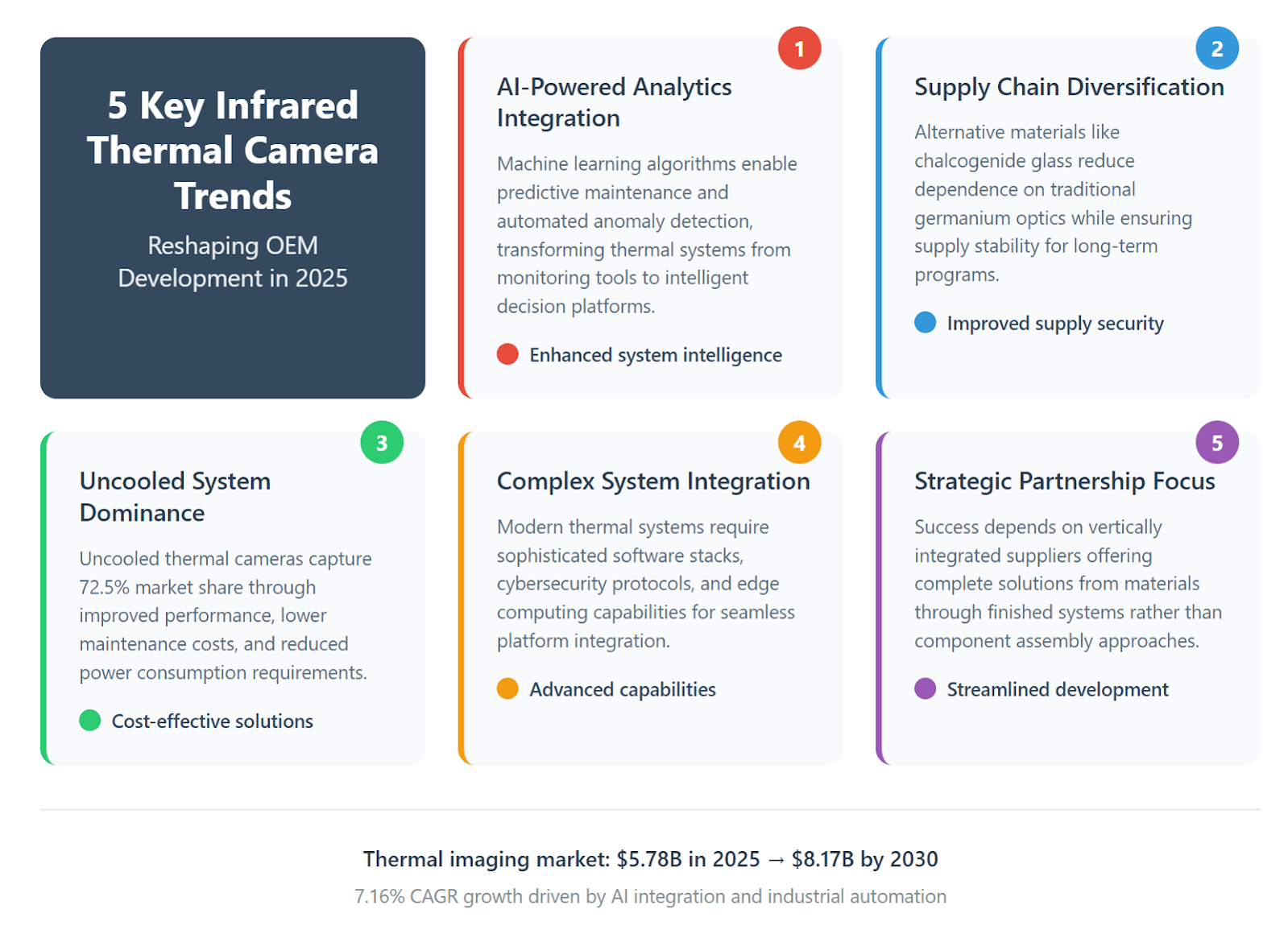
- AI-powered analytics are becoming standard requirements for system integration, demanding new partnerships between camera manufacturers and software developers
- Supply chain diversification through alternative materials like chalcogenide glass is reducing dependence on traditional germanium-based optics
- Cost pressure intensification is driving the shift toward uncooled systems while maintaining performance standards for defense and industrial applications
- Integration complexity is increasing as thermal cameras merge with IoT platforms and edge computing architectures
System integrators must evaluate these trends carefully to maintain competitive positioning while meeting increasingly sophisticated customer requirements.
The thermal imaging systems market is valued at $5.78 billion in 2025 and forecast to reach $8.17 billion by 2030, expanding at a 7.16% CAGR. Unlike previous market cycles focused primarily on hardware improvements, 2025 trends emphasize system-level integration and business model evolution that directly impact procurement strategies and partnership decisions.
For program managers and engineering teams partnering with leading optical and thermal imaging solution providers, understanding these shifts becomes critical for maintaining competitive advantages in increasingly complex thermal imaging applications. The convergence of artificial intelligence, supply chain innovation, and cost pressures is reshaping how thermal systems integrate into larger platforms across aerospace, defense, and industrial markets.
How Is Artificial Intelligence Transforming Infrared Thermal Imaging Camera Systems?
Artificial intelligence integration represents the most significant technological shift affecting infrared thermal imaging camera development in 2025. Unlike basic temperature monitoring, AI-powered thermal systems now provide predictive analytics, automated anomaly detection, and real-time decision support that transform how OEMs approach system architecture.
Real-World AI Implementation Challenges
The integration challenge extends beyond simple software additions. Recent research from IEEE demonstrates that AI-enabled thermal systems require significant computational resources, edge computing capabilities, and sophisticated data management protocols. For system integrators, this means evaluating thermal technology 2026 roadmaps must include partnerships with software developers and cloud service providers alongside traditional hardware suppliers.
Industrial Applications Drive Market Demand
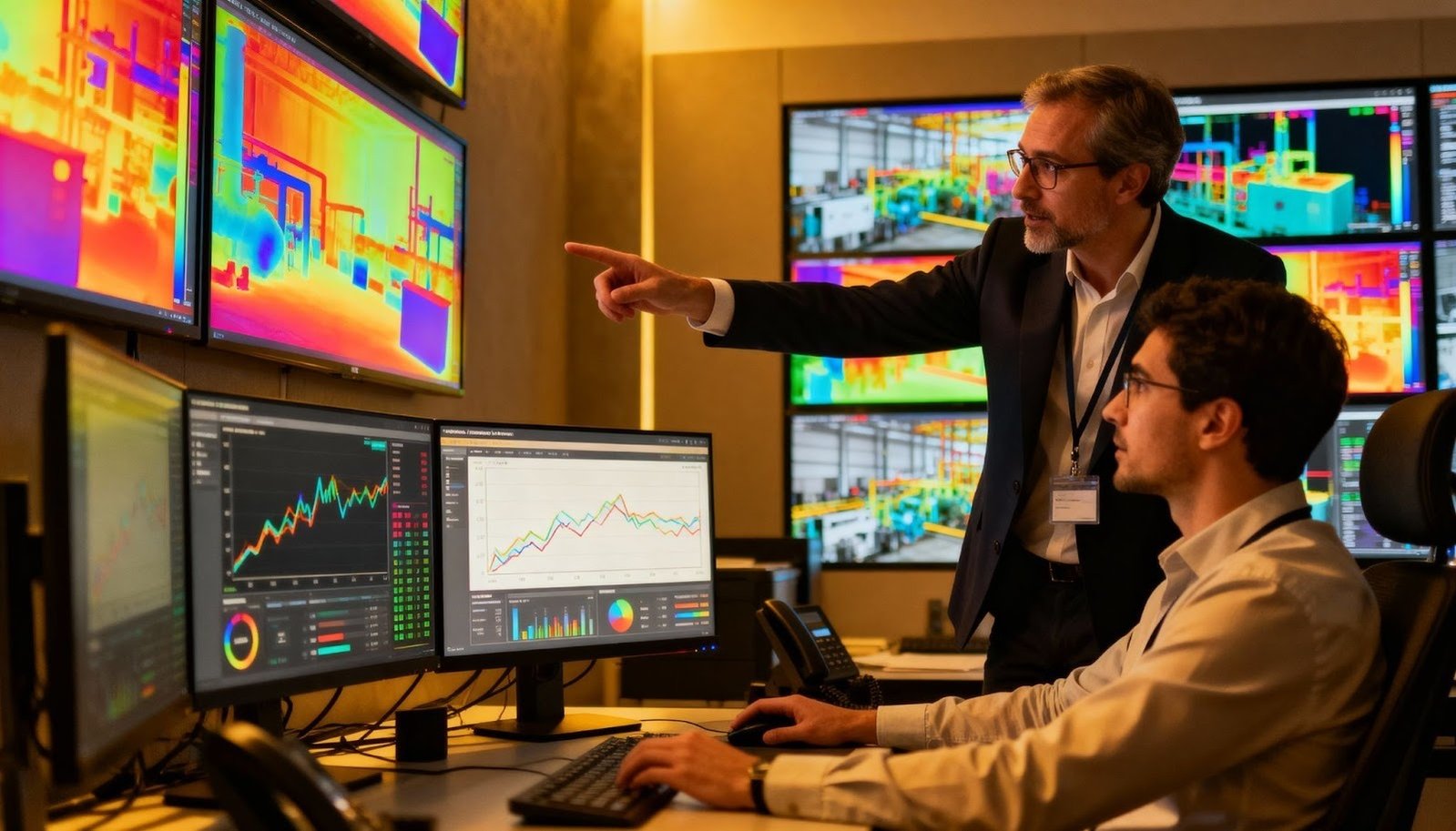
Industrial applications demonstrate the practical implications most clearly. Modern thermal monitoring systems can now predict equipment failures weeks before traditional temperature thresholds trigger alarms. This capability requires thermal cameras that output structured data compatible with machine learning algorithms, fundamentally changing procurement specifications for OEMs developing industrial monitoring platforms.
Cost-Benefit Analysis for AI Integration
The business case for AI integration varies significantly across applications. Defense programs often justify higher system costs through enhanced threat detection capabilities, while industrial customers focus on quantifiable maintenance cost reductions. System integrators report AI-powered thermal systems require higher initial investments but can reduce operational expenses through improved maintenance scheduling and predictive analytics capabilities.
Why Are Supply Chain Innovations Critical for Modern Thermal Imaging?
Material supply chain disruptions continue influencing infrared thermal imaging camera development, but 2025 brings innovative solutions that create new competitive dynamics. The traditional reliance on germanium-based optics faces both cost pressures and supply availability challenges that smart OEMs are addressing through alternative material strategies.
Alternative Materials Gain Market Acceptance
Chalcogenide glass technology emerges as a viable alternative, offering thermal performance comparable to germanium while providing more predictable supply chains and cost structures. For system integrators managing multi-year defense programs or large-scale industrial deployments, supply chain stability often outweighs marginal performance differences in procurement decisions.
Manufacturing Integration Benefits
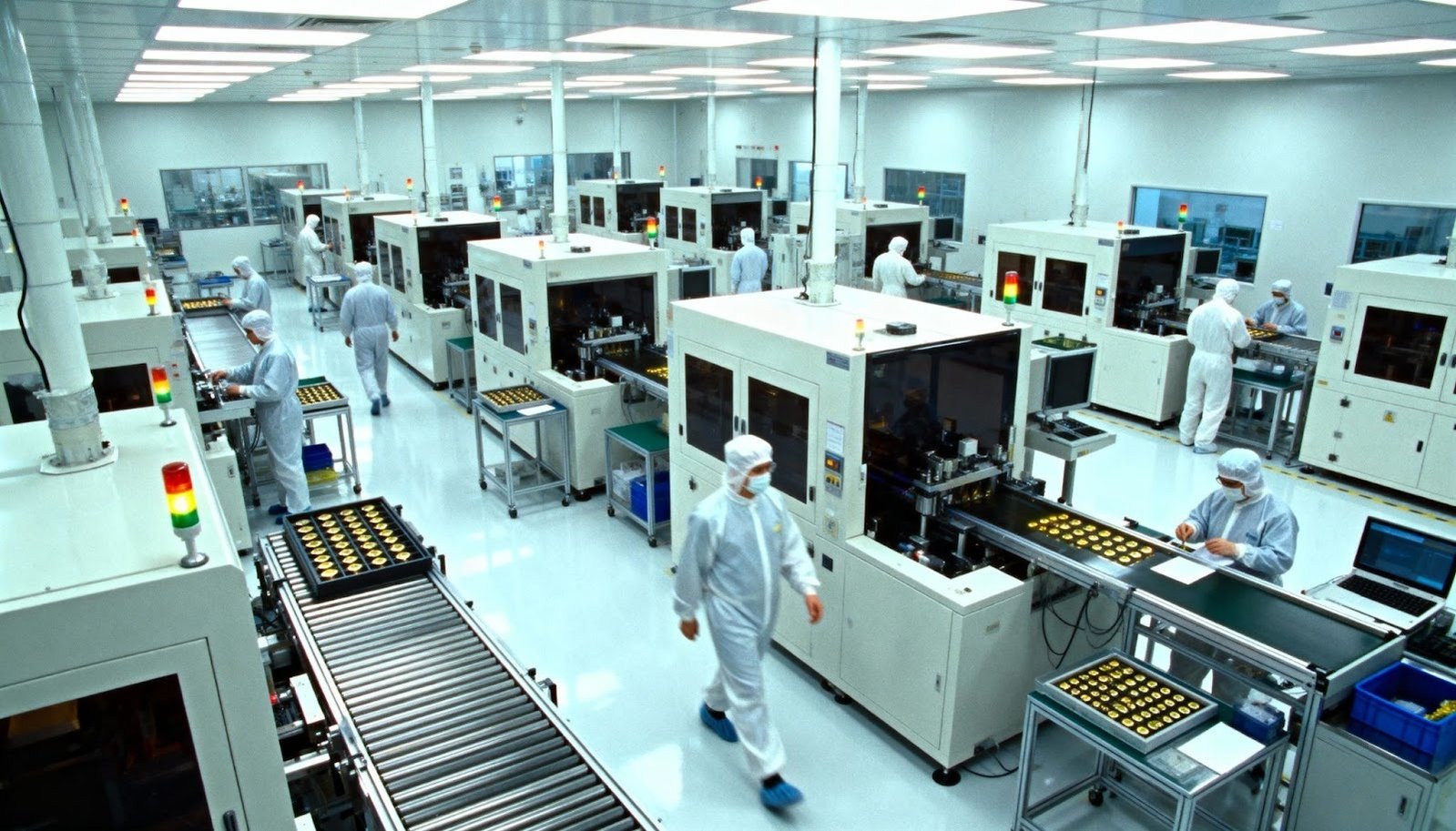
Advanced infrared systems benefit from suppliers offering vertically integrated manufacturing capabilities. Companies providing everything from raw materials through finished camera assemblies reduce coordination complexity and improve quality control. This integration becomes particularly valuable for custom applications requiring specific thermal performance characteristics.
|
Material Option |
Performance |
Supply Stability |
Cost Predictability |
|
Traditional Germanium |
High |
Low to Very Low |
Low |
|
Chalcogenide Glass |
High |
High |
High |
|
Silicon-based Alternatives |
Moderate |
Very High |
Very High |
The trend toward supply chain consolidation affects pricing structures and partnership strategies. OEMs report improved project timelines and reduced engineering overhead when working with suppliers offering comprehensive thermal technology 2026 solutions rather than managing multiple vendor relationships.
What Makes Uncooled Systems the Dominant Choice Despite Performance Trade-offs?
Uncooled infrared thermal imaging camera technology continues expanding market share, retaining 72.5% of 2024 thermal imaging systems market size. This dominance reflects fundamental changes in application priorities and cost structures that affect how OEMs approach thermal system integration.
Performance Gap Continues Narrowing
The performance gap between cooled and uncooled systems continues narrowing through microbolometer sensor improvements and advanced signal processing algorithms. For many applications, uncooled systems now provide sufficient thermal sensitivity while offering significant advantages in power consumption, maintenance requirements, and total cost of ownership.
Application-Specific Requirements Drive Selection
Different markets show varying tolerance for the performance trade-offs inherent in uncooled systems. Industrial monitoring applications often prioritize reliability and low maintenance over ultimate thermal sensitivity. Defense applications increasingly specify uncooled systems for portable platforms where power efficiency and durability outweigh maximum detection range requirements.
Total Cost Analysis Favors Uncooled Systems
The financial advantages of uncooled systems extend beyond initial purchase price. Maintenance costs run substantially lower than equivalent cooled systems, while power consumption reductions can significantly impact system design requirements for battery-powered or remote applications.
How Do Integration Complexities Impact Development Timelines?
Modern infrared thermal imaging camera integration involves significantly more complexity than traditional point solutions. System integrators report extended development timelines compared to previous thermal integration projects due to increased software requirements, cybersecurity considerations, and multi-vendor coordination challenges.
Software Integration Requirements Expand
Contemporary thermal systems require sophisticated software stacks supporting everything from basic thermal processing through AI analytics and cloud connectivity. Integration teams must coordinate between thermal hardware specialists, software developers, and cybersecurity experts throughout development processes.
Cybersecurity Compliance Drives Design Decisions
Government and industrial customers increasingly specify detailed cybersecurity requirements for thermal imaging systems. These specifications affect hardware selection, software architecture, and ongoing support structures in ways that fundamentally change procurement processes.
For system integrators working on defense programs, cybersecurity compliance represents a significant portion of total development effort. This reality drives preference toward thermal suppliers offering pre-certified solutions rather than requiring custom cybersecurity implementation for every program.
Which Market Dynamics Are Reshaping Thermal Technology Investments?
The thermal imaging market demonstrates clear segmentation between high-volume, cost-sensitive applications and specialized, performance-critical missions. This bifurcation affects how OEMs approach product development and technology investment strategies across different market segments.
Regional Markets Shape Development Priorities
Geographic market dynamics significantly influence thermal technology development priorities. North American markets emphasize cybersecurity and supply chain security, while European markets prioritize environmental sustainability. Asian markets focus heavily on cost optimization and high-volume manufacturing capability.
Technology Roadmaps Converge on AI Integration
Five-year technology roadmaps show convergence toward AI-enabled, cloud-connected thermal systems with emphasis on edge computing capabilities. System integrators must balance current application requirements against future technology trajectories to avoid obsolescence in rapidly evolving markets.
Top 5 Strategic Integration Approaches for Thermal Success
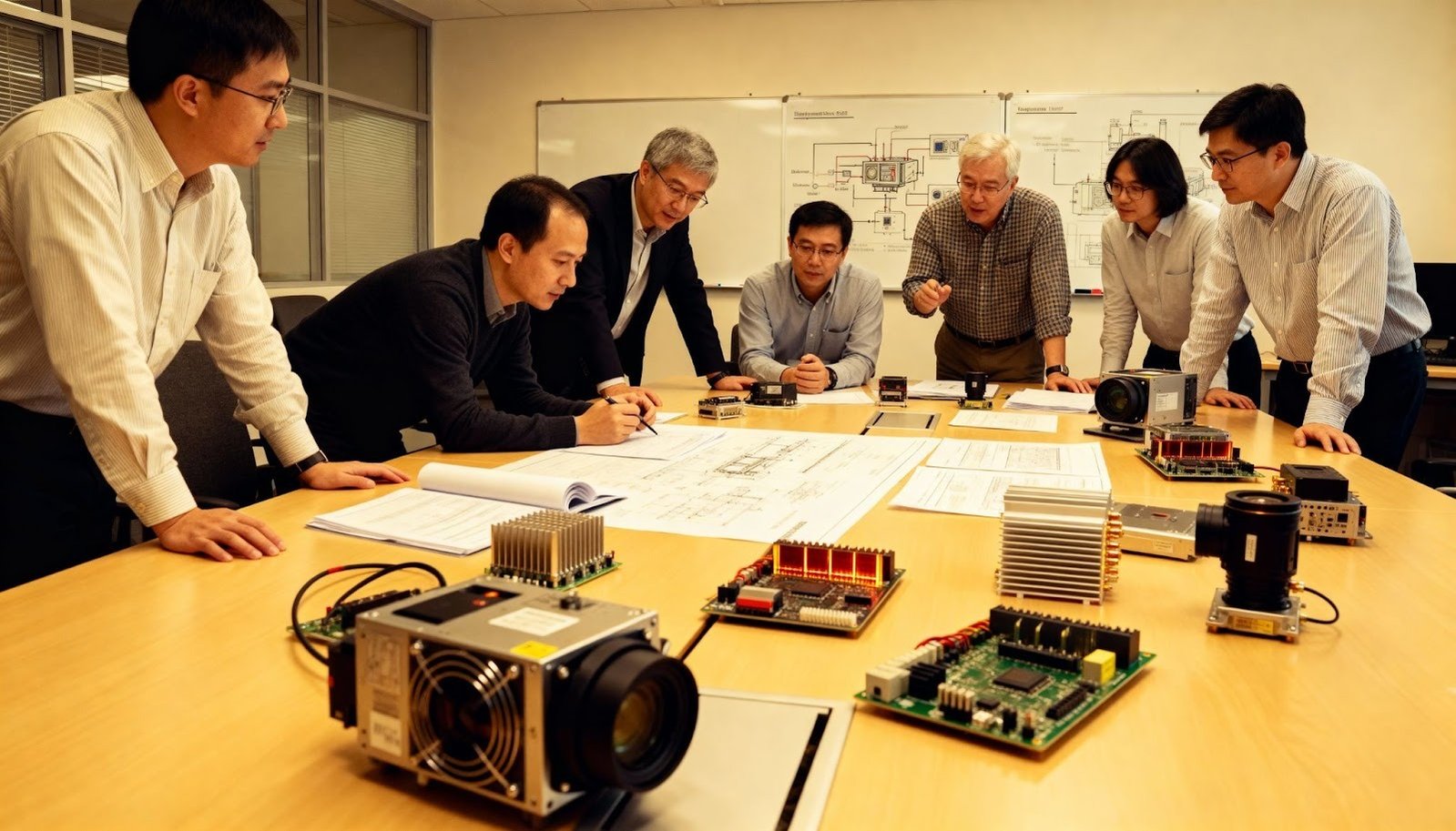
Based on current market dynamics and technology trends, successful thermal integration strategies should prioritize these approaches:
- Partner with Vertically Integrated Suppliers - Work with companies offering everything from materials through finished systems to reduce coordination complexity and ensure quality consistency across the entire thermal imaging value chain.
- Evaluate AI Capabilities Early - Assess artificial intelligence requirements during initial development phases rather than treating them as late-stage additions, ensuring proper computational resources and data architecture planning.
- Prioritize Supply Chain Diversity - Implement alternative materials and geographic supplier distribution strategies to protect against disruptions while maintaining performance standards for mission-critical applications.
- Plan for Cybersecurity from Architecture - Design security requirements into initial system architecture rather than retrofitting security measures, reducing compliance costs and development timeline risks.
- Design for Future Connectivity - Build flexibility for emerging technologies while meeting current performance specifications to avoid premature obsolescence in rapidly evolving thermal imaging markets.
These strategies reflect the reality that thermal integration success depends more on system-level thinking than traditional component optimization approaches.
Frequently Asked Questions
What performance differences should OEMs expect between uncooled and cooled infrared thermal imaging camera systems?
Uncooled systems typically provide 50-80% of cooled system thermal sensitivity while offering significant advantages in power consumption, maintenance requirements, and cost structure. The performance gap continues narrowing through sensor improvements and signal processing advances, making uncooled systems suitable for most applications except precision scientific measurements or maximum-range detection missions.
How do AI integration requirements change thermal imaging camera procurement specifications?
AI-enabled thermal systems require structured data outputs, edge computing capability, and software development kit availability that traditional thermal cameras may not provide. Procurement specifications should include data interface requirements, computational resource specifications, and long-term software support commitments alongside traditional thermal performance criteria.
What supply chain factors are most critical for multi-year thermal imaging programs?
Geographic supplier diversity, alternative material availability, and vertically integrated manufacturing capabilities provide the most protection against supply chain disruptions. Programs should evaluate supplier financial stability, technology roadmap alignment, and proven ability to scale production alongside traditional quality and performance metrics.
Why are development timelines increasing for thermal integration projects?
Modern thermal integration requires coordination between hardware specialists, software developers, and cybersecurity experts, extending timelines 25-40% compared to traditional projects. Increased software requirements, AI capabilities, and compliance considerations add complexity that affects every aspect of system development.
Building Competitive Advantage Through Strategic Thermal Partnership
The infrared thermal imaging camera landscape of 2025 demands more than traditional component selection approaches. Success requires understanding how AI integration, supply chain innovation, and market dynamics intersect to create both opportunities and challenges for system integrators and OEMs.
These trends point toward a future where thermal imaging becomes increasingly integrated into larger system architectures rather than functioning as standalone components. The companies that recognize this shift and adjust their development strategies accordingly will maintain competitive advantages in rapidly evolving markets.
For organizations ready to navigate these complexities with a proven partner offering comprehensive thermal solutions, contact our team to discuss how integrated thermal technology can enhance your next-generation systems.