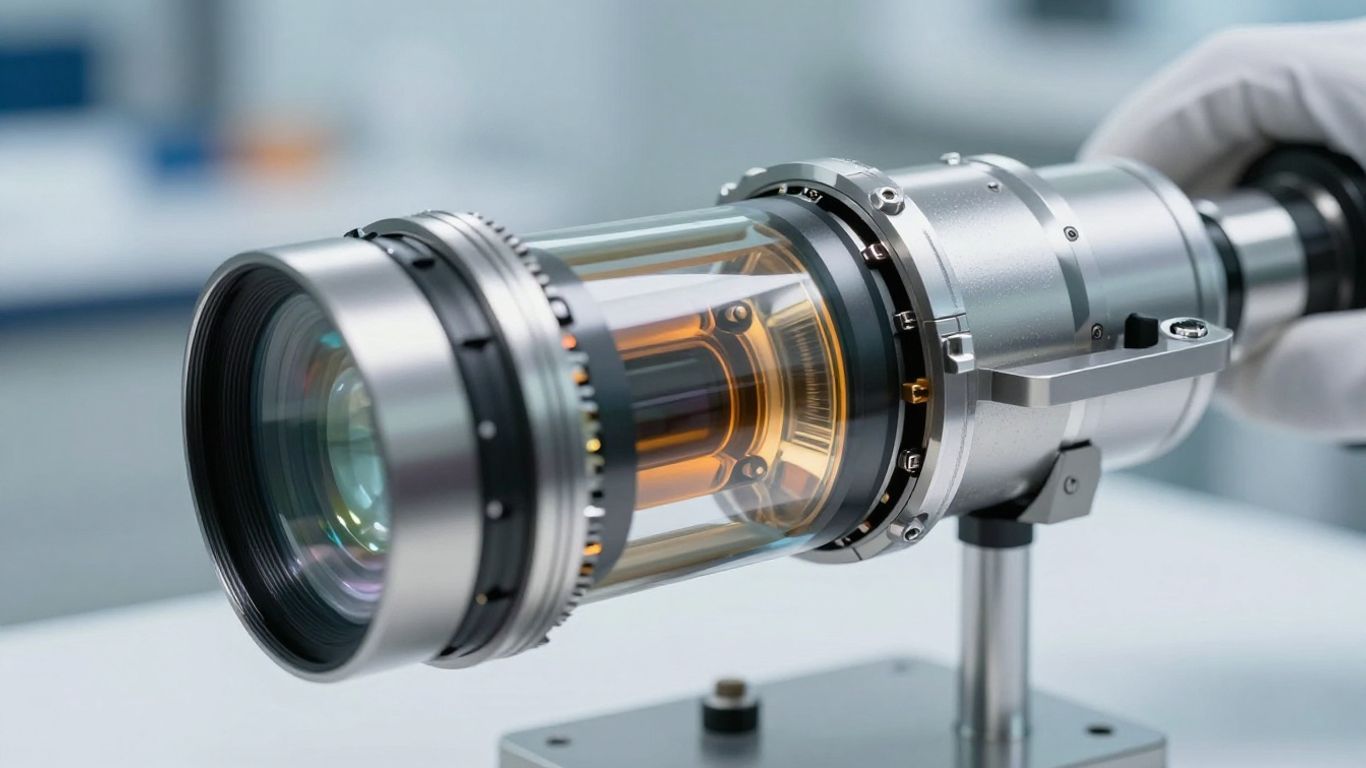

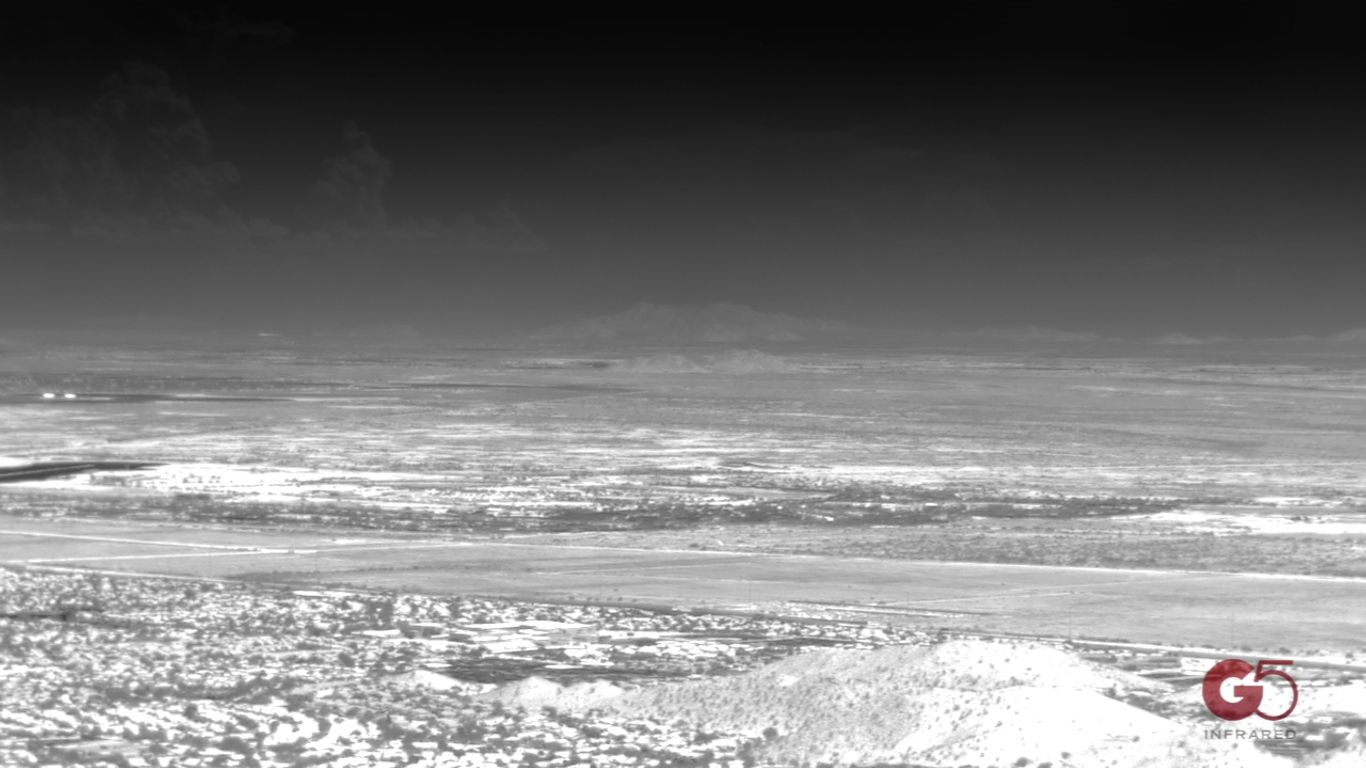
You're looking into broadband infrared imaging, and it might seem a bit complex at first. It's not just about seeing in the dark; it's about understanding how different wavelengths of light, particularly those related to heat, can give you a clearer picture of the world. Whether you're working on defense projects, industrial monitoring, or even security systems, knowing the basics of how these cameras and optics work can make a big difference in choosing the right tools for the job. Let's break down what broadband infrared imaging really means and why it matters for your applications.
Key Takeaways
- Broadband infrared imaging systems capture a wide range of infrared wavelengths, allowing for the detection of heat signatures and details invisible to the human eye or standard cameras.
- Unlike near-infrared systems that rely on reflected light, true thermal imaging detects emitted heat, enabling operation in complete darkness and through atmospheric obscurants like fog or smoke.
- The performance of broadband infrared imaging is heavily influenced by the quality and material of its optical components, not just the sensor itself.
- These systems are vital for applications requiring long-range detection, reliability in challenging environments, and passive observation, such as aerospace, defense, and industrial process control.
- When selecting a broadband infrared imaging system, consider the specific operational needs, environmental conditions, and the integration capabilities of the camera and optics.
Understanding Broadband Infrared Imaging Fundamentals

When you're developing systems that rely on seeing beyond the visible spectrum, getting a handle on infrared imaging is key. It's not just about pointing a camera in the dark; it's about understanding the specific wavelengths your system needs to capture and how that translates to performance. This section breaks down the basics of broadband infrared imaging, helping you make informed decisions for your projects.
Defining Broadband Infrared Spectrum Coverage
Broadband infrared imaging refers to systems designed to capture radiation across a wide range of infrared wavelengths. Unlike narrow-band systems that focus on a very specific slice of the spectrum, broadband systems aim for versatility. This broad coverage is particularly important for applications where targets might emit radiation across different infrared bands, or where environmental conditions can affect signal transmission.
- Long-Wave Infrared (LWIR): Typically spanning 8 to 14 micrometers (µm), LWIR is where most objects at ambient temperatures emit their strongest thermal radiation. This makes it ideal for detecting heat signatures from people, animals, and everyday equipment without needing external light sources.
- Mid-Wave Infrared (MWIR): Generally covering 3 to 5 micrometers (µm), MWIR is sensitive to higher temperatures. It's useful for detecting very hot objects like engines, exhaust systems, or industrial processes that generate significant heat.
- Near-Infrared (NIR): This range, from about 0.7 to 2.5 micrometers (µm), is closer to visible light. Cameras in this band detect reflected infrared light, much like a standard digital camera, and require active illumination.
Broadband systems often aim to capture data across multiple of these bands, or at least a significant portion of one, to provide a more complete picture.
Distinguishing Thermal Imaging from Near-Infrared
It's common to see "infrared camera" used as a catch-all term, but the distinction between thermal imaging and near-infrared (NIR) systems is critical for performance. They operate on fundamentally different principles.
- Thermal Imaging (LWIR/MWIR): These cameras detect the heat that objects naturally emit. They are passive systems, meaning they don't need any external light source to function. This allows them to see in complete darkness, through smoke, fog, and dust, because they are sensing emitted thermal radiation, not reflected light. The image you see is a representation of temperature differences.
- Near-Infrared (NIR) Imaging: These systems work more like visible-light cameras. They detect reflected NIR light. To see in the dark, they require an active NIR illuminator (like LEDs) to bounce light off objects. The resulting image is a grayscale representation of the reflected light, similar to what you'd see in a black-and-white visible light camera. Their performance is limited by the range and effectiveness of the illuminator and can be hindered by atmospheric conditions that scatter light.
Choosing between these two depends entirely on your application's need for passive detection in challenging conditions versus simply seeing in low-light environments with active illumination.
The Significance of Wavelengths in Imaging Performance
The specific wavelengths a broadband infrared camera can capture have a direct impact on its capabilities. Different materials and phenomena interact with infrared radiation differently across the spectrum.
- Atmospheric Transmission: Certain wavelengths of infrared light travel better through the atmosphere than others. For instance, LWIR wavelengths (8-14 µm) are known for their ability to penetrate atmospheric obscurants like fog, smoke, and dust more effectively than NIR wavelengths. This is a major reason why LWIR is favored for surveillance and defense applications in varied weather.
- Target Emission: As mentioned, objects at typical terrestrial temperatures emit most strongly in the LWIR band. If your goal is to detect people or equipment operating near ambient temperatures, LWIR is your primary focus. If you're looking at very hot industrial processes, MWIR might be more suitable, or a broadband system that covers both.
- Optical Material Properties: The materials used to make lenses and optics for infrared cameras are wavelength-dependent. Germanium, for example, is excellent for LWIR and MWIR but can be expensive and has supply chain challenges. Other materials like chalcogenide glasses offer good transmission across broader infrared bands, which is why they are often used in broadband systems. The choice of material directly influences the camera's performance, durability, and cost.
Understanding these wavelength-specific characteristics is vital for selecting a broadband infrared camera that will perform reliably in your intended operational environment. If you need to discuss specific wavelength requirements for your application, reach out to our team of experts. You can contact us at https://www.lightpath.com/contact.
Core Principles of Broadband Thermal Detection
Passive Detection of Emitted Thermal Radiation
Broadband thermal cameras operate by detecting the infrared radiation that all objects emit naturally. This emission is a direct consequence of an object's temperature; the warmer it is, the more thermal energy it radiates. Unlike cameras that rely on visible light or active illumination, thermal imagers do not need any external light source to function. This passive detection capability means they can "see" in complete darkness, through smoke, fog, or other obscurants that would blind conventional cameras. The technology typically utilizes specialized sensors, such as microbolometers, which are sensitive to wavelengths in the mid-wave infrared (MWIR, 3-5 micrometers) or long-wave infrared (LWIR, 8-14 micrometers) bands. These wavelengths are ideal for capturing the thermal signatures of objects at ambient temperatures, making them highly effective for a wide range of applications.
Temperature Contrast as the Basis for Imaging
The ability of a thermal camera to form an image relies on detecting differences in temperature between objects and their surroundings. Every object above absolute zero emits thermal radiation, and the intensity of this radiation varies with temperature. A warmer object will emit more infrared energy than a cooler object. Thermal cameras translate these differences in emitted radiation into a visual representation, often displayed as a grayscale or false-color image. For instance, a person at body temperature will appear distinctly warmer than the cooler background environment, making them easily detectable even if they are camouflaged or hidden in shadows. This principle of temperature contrast is what allows thermal imaging to identify targets that would be invisible to the naked eye or standard optical cameras.
Operational Advantages in Diverse Environments
One of the most significant benefits of broadband thermal detection is its performance across a wide array of environmental conditions. Because thermal cameras detect emitted heat rather than reflected light, they are not hindered by the absence of visible light. This allows for reliable operation during nighttime, in enclosed spaces with no lighting, or during adverse weather events like fog, smoke, or heavy precipitation. While visible light and near-infrared wavelengths scatter significantly in these conditions, the longer wavelengths used in thermal imaging penetrate them more effectively. This resilience makes thermal cameras indispensable for applications requiring continuous monitoring and detection, such as perimeter security, industrial process control, and search and rescue operations, where environmental factors can often compromise other imaging systems. If you require robust thermal imaging solutions, consider exploring options at https://www.lightpath.com/contact.
Key Differentiators in Infrared Camera Technologies
When selecting infrared imaging systems, it's important to recognize the fundamental differences between various technologies. Not all "infrared cameras" operate on the same principles, and these distinctions significantly impact performance, reliability, and application suitability. Understanding these differences is vital for making informed decisions, especially for demanding applications in defense, aerospace, and critical infrastructure.
Performance Limitations of IR-Illuminated Systems
IR-illuminated cameras, often marketed as "night vision" devices, function by supplementing visible-light imaging with near-infrared (NIR) illumination. These systems typically operate in the 850-940nm wavelength range, just beyond what the human eye can perceive. The camera sensor captures reflected NIR light from objects illuminated by onboard LEDs. While this approach can provide grayscale images in low-light conditions, it comes with inherent limitations:
- Limited Range: The effective detection range is heavily constrained by the power and efficiency of the NIR illuminators. The inverse square law dictates that illumination intensity drops rapidly with distance, meaning practical identification ranges are often significantly shorter than advertised, typically under 100 meters for personnel.
- Dependence on Reflected Light: Like visible-light cameras, these systems rely on contrast between the target and its background. Camouflaged objects or those with low contrast against their surroundings can be difficult to detect, even with NIR illumination.
- Environmental Degradation: Performance degrades substantially in adverse weather conditions such as fog, smoke, or precipitation. These atmospheric obscurants scatter NIR wavelengths, severely limiting the camera's effective range and clarity.
- Detectability: The active NIR illumination can be detected by other night vision devices or IR sensors, compromising covert operations.
Superior Range and Reliability of Thermal Cameras
True thermal infrared cameras operate on a fundamentally different principle: they detect emitted thermal radiation rather than reflected light. These cameras typically capture images in the mid-wave infrared (MWIR, 3-5µm) or long-wave infrared (LWIR, 8-14µm) spectrum. This passive detection method offers significant advantages:
- Passive Detection: Thermal cameras do not require external illumination, allowing them to operate in complete darkness without revealing their position. They detect temperature differences, making warm objects like people and vehicles stand out against cooler backgrounds.
- Extended Range: Thermal systems can achieve detection ranges far exceeding IR-illuminated cameras. Personnel can often be detected at distances of 500 meters or more, with vehicles detectable beyond 1000 meters, and even further with specialized optics and sensors. This extended range is critical for early threat detection and response.
- All-Weather Performance: The longer wavelengths used in thermal imaging penetrate atmospheric obscurants like fog, smoke, and dust much more effectively than NIR. This ensures reliable performance in conditions where IR-illuminated systems would fail.
- Contrast Independence: Detection is based on temperature contrast, not visual contrast. This makes thermal cameras highly effective at spotting camouflaged targets or objects in low-contrast environments.
Environmental Resilience and Atmospheric Penetration
The ability to perform reliably in challenging environmental conditions is a key differentiator. While IR-illuminated systems struggle with atmospheric interference, thermal imaging technology excels. The longer wavelengths used in LWIR and MWIR bands are less susceptible to scattering by water droplets, smoke particles, and dust. This means that a thermal camera can maintain a clear view through conditions that would render an IR-illuminated camera virtually blind. For applications such as border security, industrial monitoring in dusty environments, or search and rescue operations in fog, the environmental resilience of thermal imaging is indispensable. When considering the operational demands of your system, the choice between active illumination and passive thermal detection becomes a critical factor in achieving the required performance and reliability. For advanced imaging solutions, consider LightPath BBIR cameras for versatile monitoring capabilities.
To discuss your specific infrared imaging requirements and explore solutions tailored to your operational needs, please contact us.
Optical Components for Broadband Infrared Imaging
Advanced Materials for Infrared Optics
The performance of any broadband infrared imaging system hinges significantly on the quality and properties of its optical components. Unlike visible light optics, which commonly use glass like fused silica or BK7, infrared optics require materials that can transmit specific, longer wavelengths. The choice of material directly impacts spectral range, durability, and thermal stability. Historically, Germanium (Ge) has been a go-to material due to its excellent transmission in the mid-wave (MWIR) and long-wave (LWIR) infrared spectrum. However, Germanium is relatively soft, prone to thermal runaway (its transmission decreases as it gets hotter), and can be subject to supply chain volatility. This has driven innovation in alternative materials. Chalcogenide glasses, for instance, offer a broader transmission range, better thermal stability, and can be molded into complex shapes, which is beneficial for cost-effective mass production. These advanced materials are engineered to provide consistent performance across a wide spectrum, from 3 micrometers up to 14 micrometers and beyond, making them suitable for broadband applications.
Precision Lens Design and Manufacturing
Designing and manufacturing lenses for broadband infrared imaging presents unique challenges. The goal is to achieve sharp, clear images across a wide range of wavelengths without significant optical aberrations. This requires sophisticated optical design software and precise manufacturing techniques. Techniques like diamond turning allow for the creation of highly accurate aspheric surfaces, which can correct for aberrations more effectively than simple spherical lenses, especially when dealing with multiple wavelengths. Molding processes, particularly for chalcogenide glasses, enable the production of intricate lens geometries with high repeatability and reduced cost compared to traditional grinding and polishing. The precision in manufacturing ensures that the optical path is consistent, which is vital for applications demanding high accuracy and reliability. Whether it's a single lens element or a complex multi-element assembly, the manufacturing tolerances are extremely tight to meet the demanding performance requirements of broadband IR systems.
The Role of Achromatic Lens Design
In broadband infrared imaging, a single lens often needs to focus light from a wide range of wavelengths onto the sensor. Standard lenses can suffer from chromatic aberration, where different wavelengths of light are focused at different points, leading to blurry or color-fringed images. Achromatic lens design aims to correct for this. For infrared optics, this typically involves combining lens elements made from different materials with varying refractive indices across the desired spectrum. For example, a lens might be designed using two or more elements, each with specific dispersion characteristics, to bring multiple wavelengths to a common focal point. This is particularly important for broadband cameras that operate across both MWIR and LWIR bands simultaneously, such as those designed for applications requiring simultaneous detection of both high-temperature and ambient-temperature objects. An achromatic design eliminates the need for refocusing when the spectral content of the scene changes, simplifying system integration and improving operational flexibility. If you are developing a system that requires precise imaging across a broad infrared spectrum, understanding the principles of achromatic lens design is key. To discuss your specific optical component needs, please reach out to our team at https://www.lightpath.com/contact.
Applications of Broadband Infrared Imaging Systems
Broadband infrared imaging systems are finding their way into a wide array of critical applications, offering capabilities that traditional imaging technologies simply cannot match. Their ability to see heat signatures, penetrate obscurants, and operate in complete darkness makes them indispensable tools across various sectors.
Aerospace and Defense Applications
In aerospace and defense, the need for reliable, long-range detection and surveillance is paramount. Broadband thermal cameras provide a significant advantage here. They are used for:
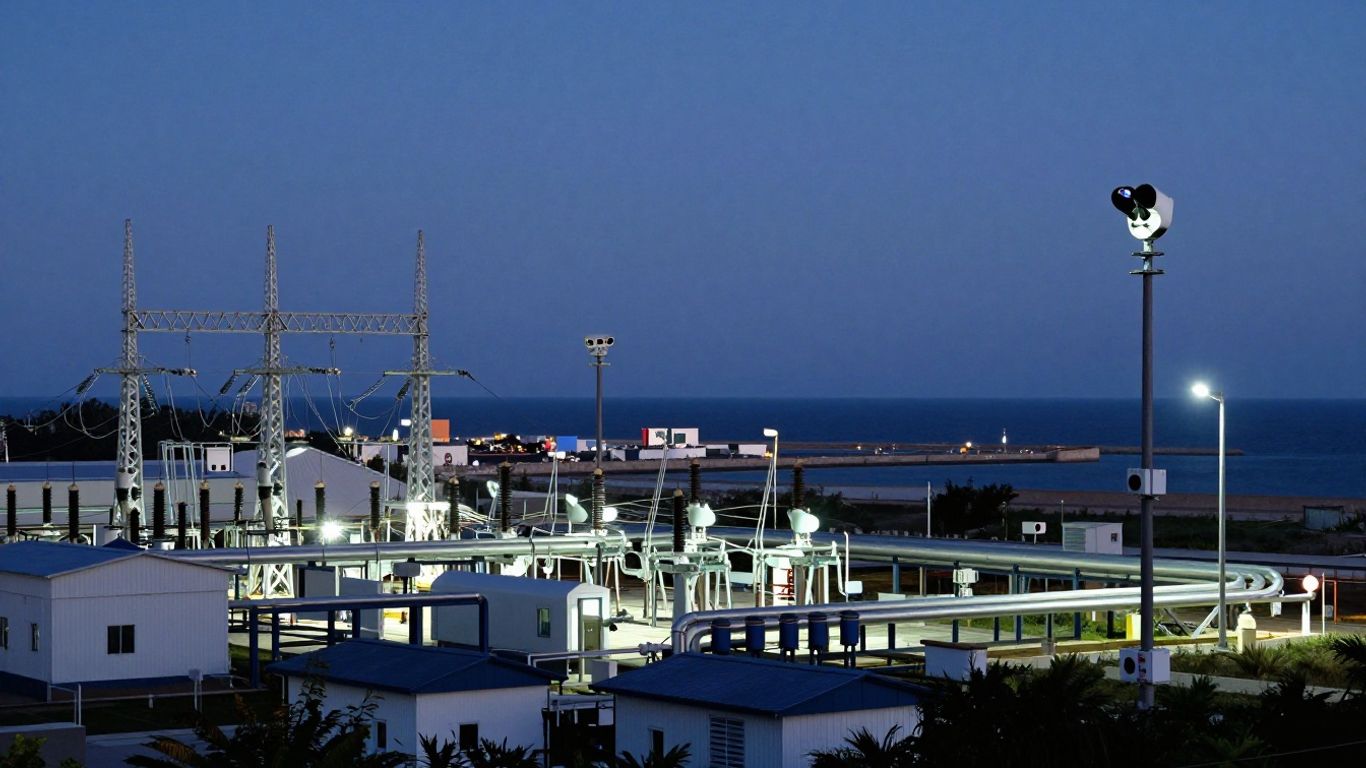
- Perimeter Security: Protecting sensitive installations and borders from intrusion. Unlike IR-illuminated systems that have limited range and are affected by atmospheric conditions, thermal cameras can detect personnel and vehicles at distances exceeding 1000 meters, even through fog, smoke, or dust.
- Target Acquisition and Tracking: Identifying and following targets in day or night conditions, regardless of camouflage or visual contrast. The passive nature of thermal imaging also means these systems do not emit detectable signals, which is vital for covert operations.
- Situational Awareness: Providing pilots and ground forces with a clear view of their surroundings, identifying potential threats, and navigating complex environments. This includes applications like drone-based surveillance and reconnaissance.
- Counter-UAS Systems: Detecting and tracking small, low-flying unmanned aerial vehicles that might be difficult to spot with other sensors.
Industrial Monitoring and Process Control
Within industrial settings, broadband infrared imaging is revolutionizing how equipment is monitored and processes are controlled. This leads to improved efficiency, reduced downtime, and enhanced safety.
- Predictive Maintenance: Identifying potential equipment failures before they occur. Thermal cameras can detect hot spots in electrical systems (like transformers and switchgear), mechanical components (such as bearings and motors), and process equipment, indicating developing issues that could lead to costly breakdowns.
- High-Temperature Monitoring: Specialized broadband cameras can image extremely high temperatures, up to 2000°C, making them suitable for monitoring processes in steel and glass manufacturing, power generation, and heavy industrial applications. This allows for precise control and safety in environments where visual inspection is impossible or dangerous.
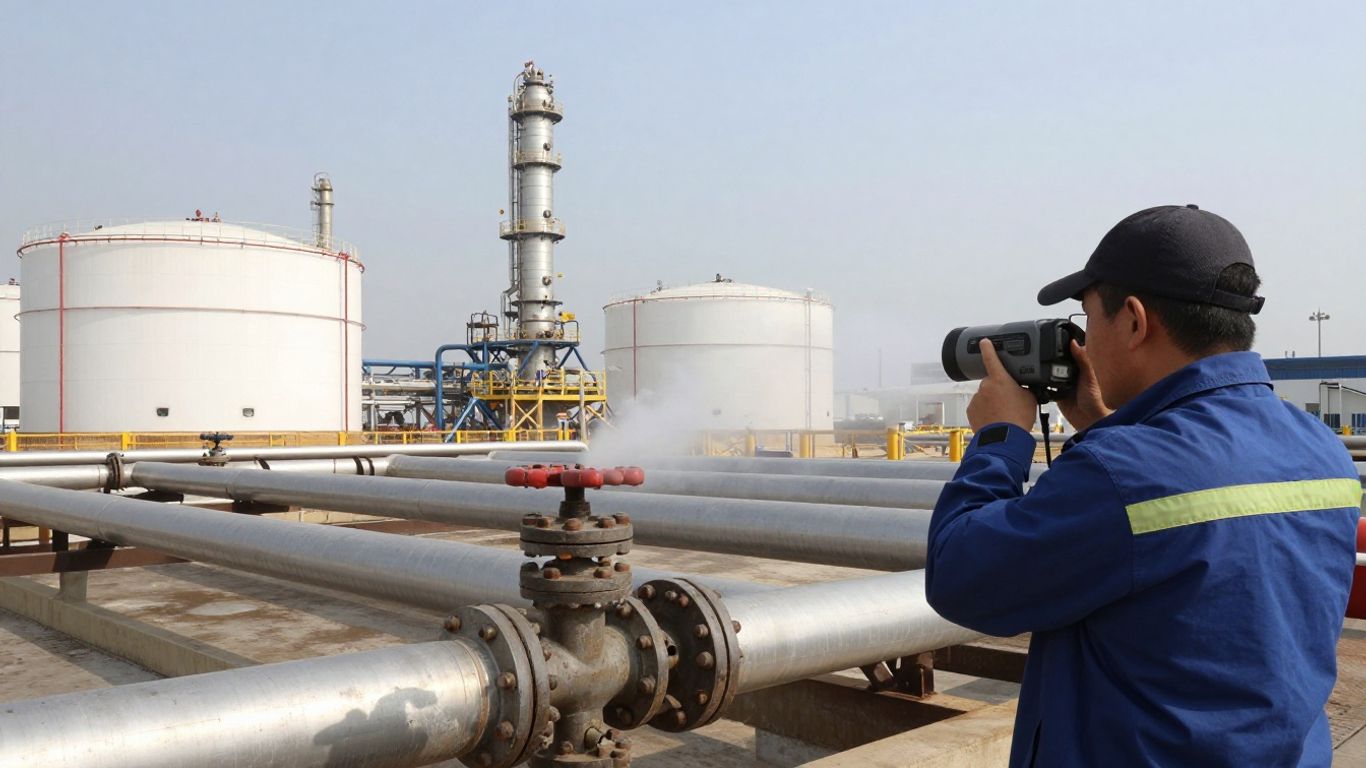
- Gas Leak Detection: Optical gas imaging (OGI) cameras, operating in specific LWIR bands, can visualize leaks of methane and other volatile organic compounds (VOCs) in oil and gas facilities, refineries, and chemical plants. This is crucial for environmental compliance and preventing hazardous situations.
- Process Optimization: Monitoring the thermal performance of various industrial processes to ensure they are operating within optimal parameters, leading to better product quality and energy efficiency.
Security and Surveillance Requirements
For security and surveillance, broadband infrared cameras offer unparalleled performance, especially in challenging environments where visible light cameras fail.
- All-Weather Surveillance: Their ability to penetrate fog, smoke, dust, and light precipitation makes them ideal for continuous monitoring in diverse climates and conditions. This is a significant advantage over IR-illuminated systems, which are severely degraded by these same obscurants.
- Low-Light and No-Light Operation: Thermal cameras detect emitted heat, not reflected light, meaning they provide clear images in complete darkness without the need for external illumination. This is critical for applications like border patrol, port security, and nighttime surveillance.
- Object Detection and Identification: Reliably detecting and identifying people, vehicles, and other heat-emitting objects against various backgrounds, regardless of visual camouflage or lighting conditions. This capability is vital for security personnel to assess threats and respond effectively.
If you are looking to integrate advanced broadband infrared imaging solutions into your systems, consider consulting with experts who understand the nuances of sensor technology and optical design. Contact us at https://www.lightpath.com/contact to discuss your specific requirements.
System Integration and Performance Considerations
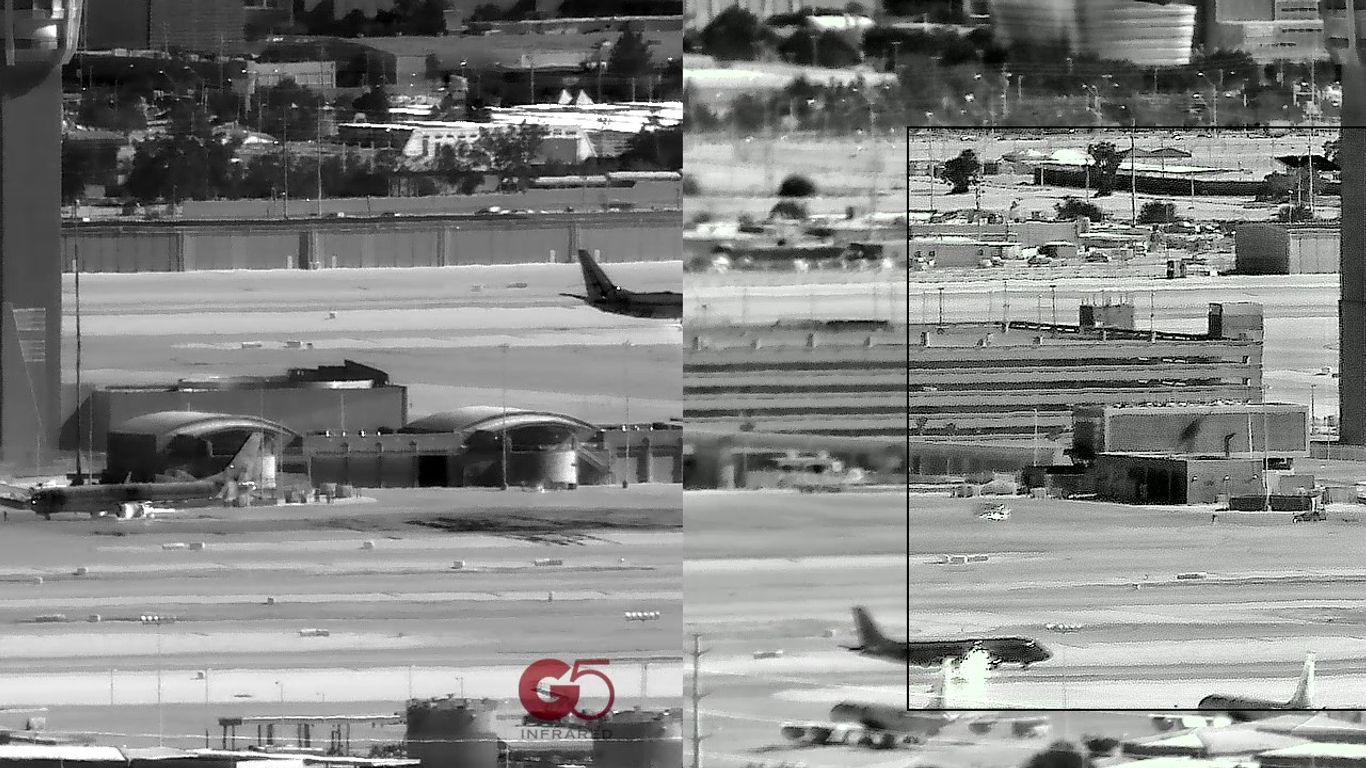
System integration is where all the careful component choices and design decisions in broadband infrared imaging come together. This phase determines not just if your camera or sensor system works in a lab, but whether it will perform reliably in the real world, under the conditions you actually face. For users in aerospace, defense, industrial, or security, this is the stage where the difference between smooth deployment and frustrating setbacks becomes clear.
Evaluating Sensor and Optical Subsystem Quality
Sensor specifications catch a lot of attention, but the optical subsystem—lenses, materials, coatings, design tolerances—plays an equal or even greater role in real performance. The following table highlights key performance factors determined by optical and sensor quality:
|
Performance Factor |
Impact of Sensor Quality |
Impact of Optical Subsystem |
|---|---|---|
|
Sensitivity (NETD) |
Sets baseline for detection |
Can bottleneck sensitivity |
|
Detection Range |
Limited by both sensor & optics |
Directly affected by lens f/# |
|
Image Uniformity |
NUC and electronics play a role |
Lens and cold shield design |
|
Environmental Stability |
Calibration matters |
Athermalization, coatings |
- Always verify system-level NETD, not just sensor figures.
- Ask about optical athermalization – how well does the lens stay focused as temperature changes?
- Pay attention to lens f-number and field of view for your detection needs.
Challenges in Component Integration and Supply Chains
Supply chain disruptions, shifting materials costs, and component shortages can disrupt delivery and long-term support. Integrating an infrared system requires risk management strategies like:
- Choosing sensor and optics from suppliers with reliable, proven materials sources. For example, using chalcogenide glass instead of germanium can reduce supply volatility.
- Establishing clear interface and communications standards—like GigE Vision or USB3—across all hardware to avoid integration bottlenecks.
- Planning for service and calibration support, not just initial delivery, to keep your systems field-ready over time.
Manufacturers with end-to-end control of materials and optical assembly often deliver better consistency and fewer surprises.
Optimizing for Specific Operational Scenarios
No two use cases are identical, and off-the-shelf solutions will almost always require some tailoring. Consider these points for scenario-based optimization:
- Field of view: Wide for area surveillance, narrow for long-range identification.
- Radiometric accuracy: Critical for industrial process monitoring, less so for basic detection.
- Size, weight, and power (SWaP): Especially important for drone, UAV, and mobile applications.
- Environmental hardening: For outdoor, marine, or dusty industrial settings, confirm the system’s IP rating, lens coating durability, and operational temperature range.
Successful integration usually means working closely with your supplier to define non-negotiable requirements and where you do (or don’t) need extra capability. Factory integration, calibration, and access to flexible, standards-compatible software interfaces can reduce headaches and help you get your system operational faster.
If you have unique requirements or want to ensure the most robust performance from your broadband infrared system, reach out to the experts at LightPath Technologies for consultation and tailored support.
Making sure your system works well with all its parts is very important. When everything fits together smoothly, performance gets better and you avoid problems down the road. If you need advice or want to learn more, visit our site and see how we can help.
Bringing It All Together
So, as you can see, broadband infrared cameras and their associated optics are pretty complex, but also incredibly useful. They're not just for high-tech military stuff anymore; they're showing up in all sorts of places, from checking for heat leaks in your house to keeping an eye on industrial equipment. The technology is always getting better, too, with new materials and designs making these systems more capable and easier to use. When you're looking at a project that needs to see heat, remember that the difference between basic infrared and true thermal imaging is huge, and choosing the right system, along with the right optics, can make all the difference in getting the job done right. It's a field that's definitely worth keeping an eye on as it continues to grow and find new applications.
Frequently Asked Questions
What is the main difference between thermal cameras and other infrared cameras?
Think of it this way: thermal cameras are like your eyes seeing heat, while other infrared cameras, like those using near-infrared (NIR), are more like cameras that see reflected light. Thermal cameras detect the heat objects naturally give off, allowing them to see in total darkness. NIR cameras need a light source, even an invisible one, to see things, much like how a regular camera needs light to capture a picture.
Why are broadband infrared cameras useful?
Broadband infrared cameras are great because they can see a wide range of infrared light, which includes heat. This means they can detect objects based on their temperature, even if they're hidden in darkness or obscured by things like smoke or fog. This makes them super useful for seeing things that regular cameras can't.
Can thermal cameras see through walls?
No, thermal cameras cannot see through solid walls. While they can see through things like smoke, fog, or light clothing because they detect heat, they can't pass through solid materials like walls or thick barriers.
How does the wavelength affect how well an infrared camera works?
The wavelength determines what kind of infrared light the camera can 'see.' Different wavelengths are better at different tasks. For example, long-wave infrared (LWIR) is excellent for detecting the heat from everyday objects, while mid-wave infrared (MWIR) is better for hotter things. Choosing the right wavelength is key to getting the best image for your specific needs.
What are some common uses for broadband infrared cameras?
You'll find these cameras used in many places! They're used by the military and police for seeing in the dark, in factories to check if machines are overheating, for looking for leaks in pipes, and even for checking buildings for heat loss. They're also used in drones for surveillance and inspection tasks.
Are special lenses needed for infrared cameras?
Yes, regular glass lenses don't work well for infrared light. Infrared cameras need special lenses made from materials like Germanium or special types of glass that allow infrared light to pass through. These lenses are carefully designed to focus the infrared light onto the camera's sensor, ensuring clear and accurate images.