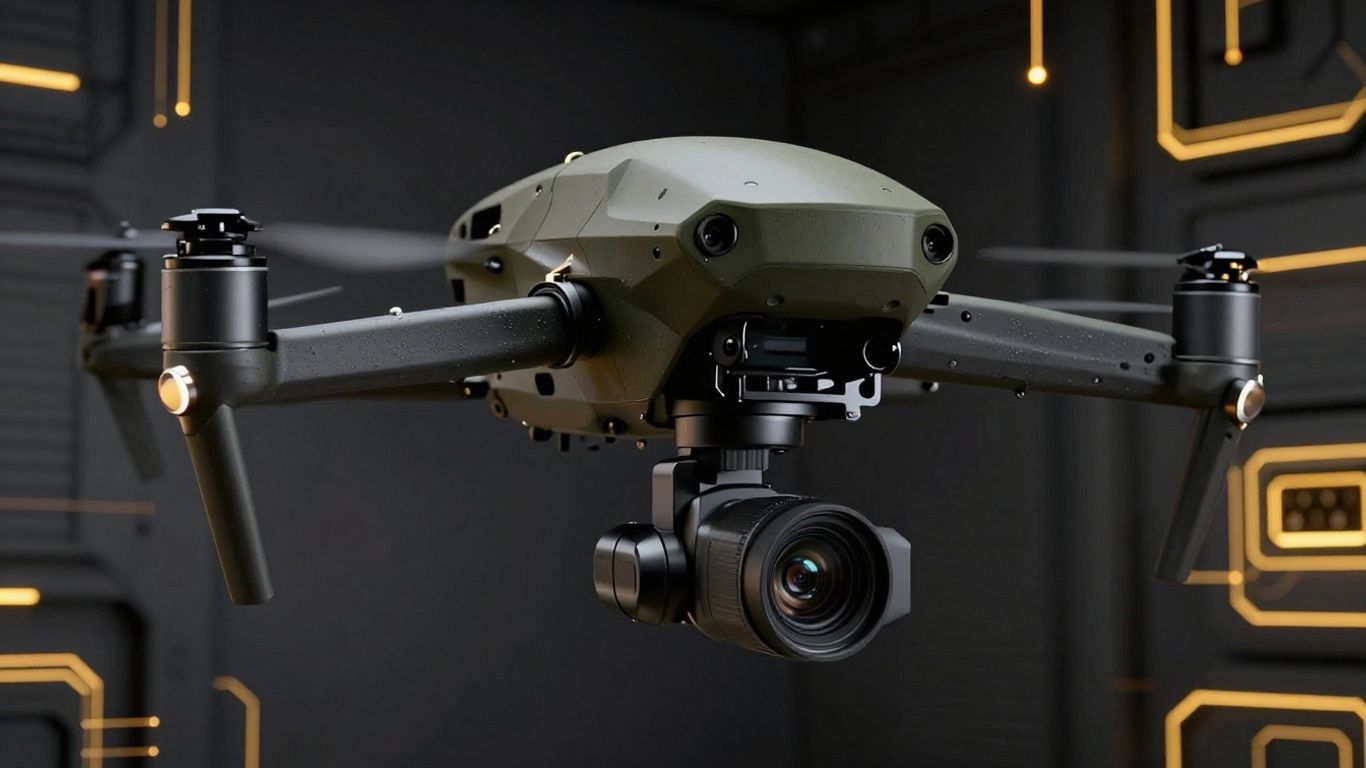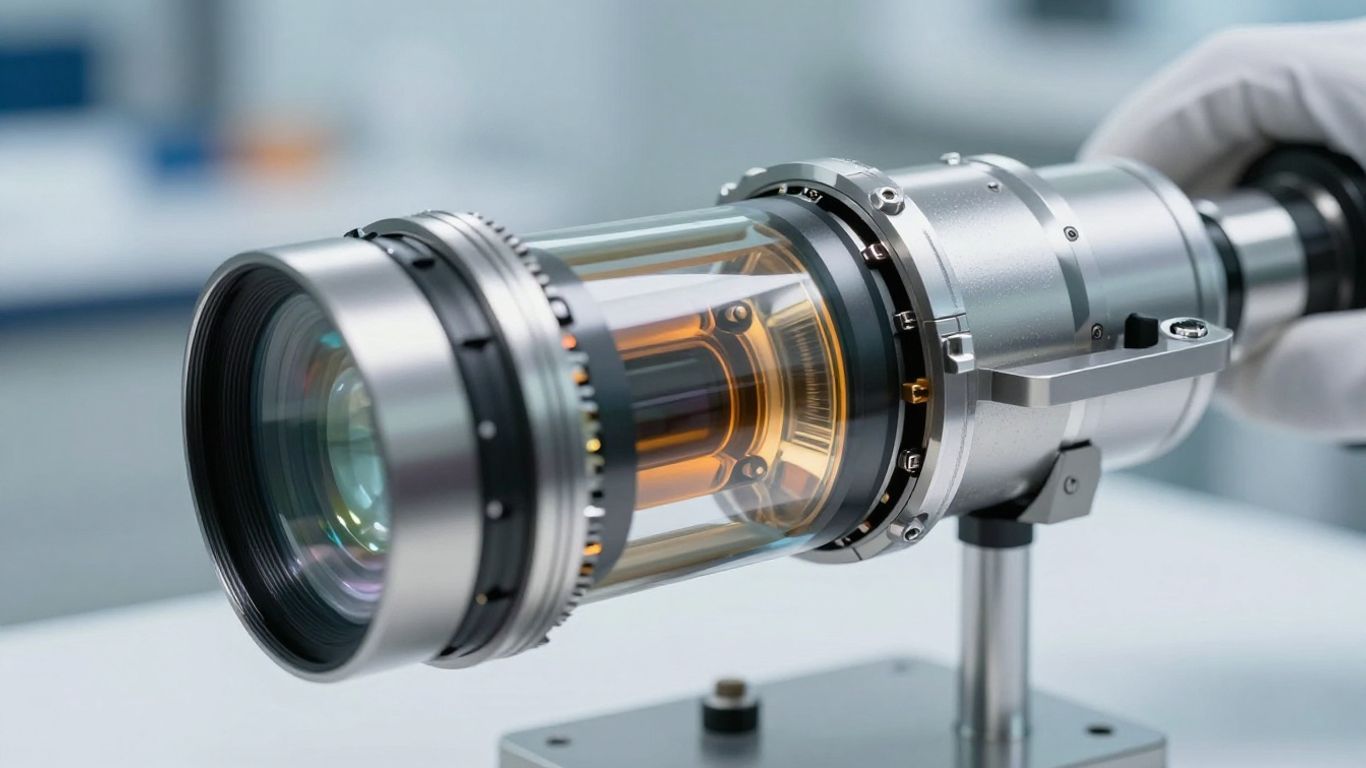

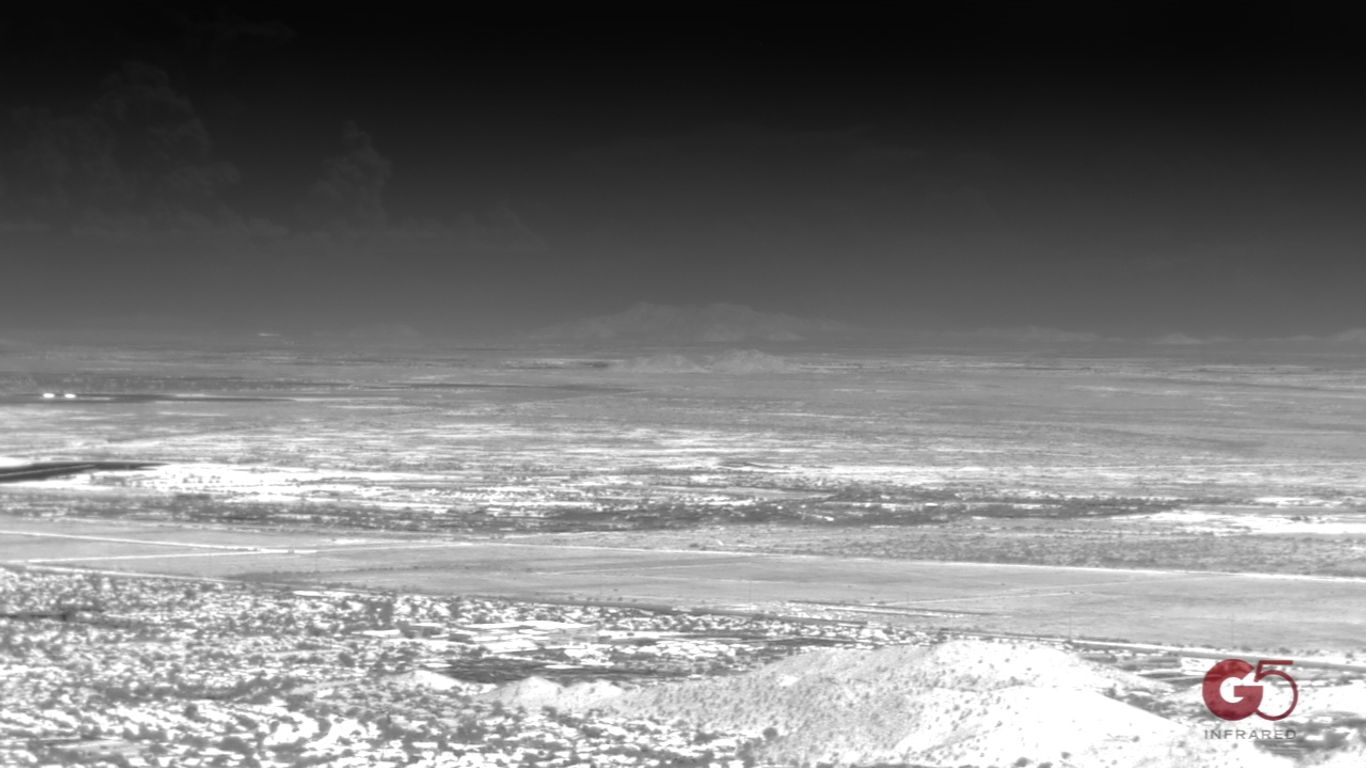
You're looking into how infrared drone cameras are changing things, especially for finding people who are lost and for keeping an eye on things. It's pretty wild how much these cameras can do, letting you see heat signatures even when it's dark or foggy. We'll break down what makes them tick and where you'll see them used most. It's not just about cool tech; it's about making searches faster and security tighter.
Key Takeaways
- Infrared drone cameras let you see heat, making searches easier in bad weather or at night.
- These cameras help find people in tough spots, like collapsed buildings or thick woods.
- For security, they can spot things from far away and watch borders or coastlines.
- When picking a camera, you need to think about how clear the picture is, how far it can see, and how long the drone can fly.
- Regulations, especially export rules, can affect which infrared drone camera you can buy or sell.
Understanding Infrared Drone Camera Technology
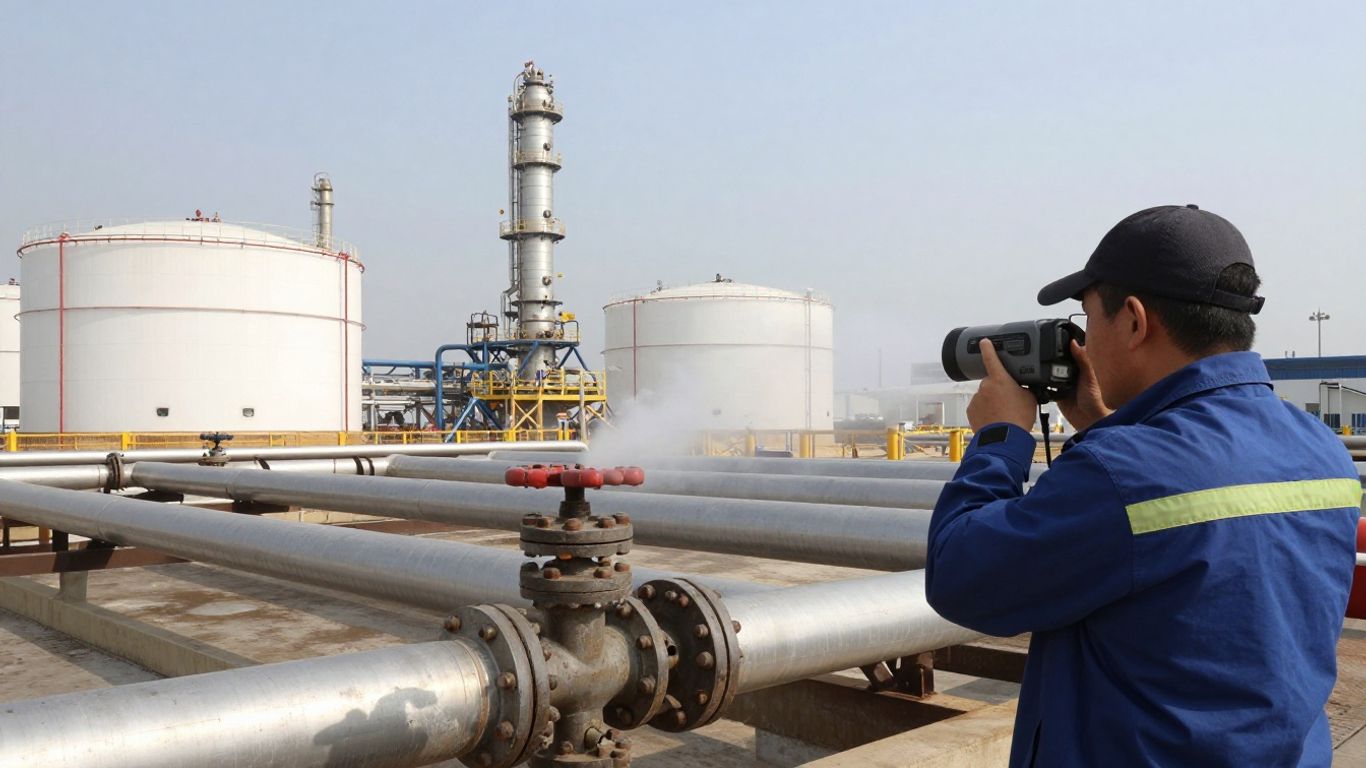
Infrared drone camera technology represents a significant advancement, enabling operations and observations previously impossible. These systems detect thermal radiation, which is emitted by all objects with a temperature above absolute zero. This capability allows for the visualization of heat signatures, making them invaluable for a variety of applications.
Principles of Thermal Imaging Detection
Thermal imaging cameras operate by detecting infrared (IR) radiation, typically in the long-wave infrared (LWIR) spectrum, which ranges from 8 to 12 micrometers, or mid-wave infrared (MWIR) from 3 to 5 micrometers. Unlike visible light cameras that capture reflected light, thermal cameras sense the heat emitted by objects. The camera's sensor array, composed of numerous detector pixels, converts this infrared energy into electrical signals. Sophisticated processing electronics then translate these signals into a visual image, where different colors or shades of gray represent varying temperatures. Warmer objects typically appear brighter, while cooler areas are depicted as darker, though these color palettes are often customizable for specific operational needs.
Distinguishing Thermal from Near-Infrared Systems
It is important to differentiate true thermal imaging from near-infrared (NIR) systems. True thermal cameras operate in the LWIR or MWIR bands and detect emitted heat, allowing for passive observation in complete darkness. NIR systems, conversely, operate in the 0.7 to 2.5 micrometer range and detect reflected light. These systems require an active illumination source, much like visible-light cameras, and are not capable of seeing in total darkness without such illumination. This distinction is critical, as NIR systems behave more like conventional cameras and do not offer the same capabilities for heat detection in challenging environments. Understanding this difference is key when specifying systems for applications where true thermal detection is required, such as in search and rescue operations.
Key Performance Metrics for Thermal Sensors
Several performance metrics are vital when evaluating thermal imaging sensors for drone applications. Thermal resolution refers to the number of individual temperature measurement points the sensor can capture. Higher resolution generally leads to more detailed images and can improve detection at greater distances, though it also impacts cost. Thermal sensitivity, often expressed as Noise Equivalent Temperature Difference (NETD), indicates the smallest temperature difference the sensor can detect. A lower NETD value signifies better sensitivity. The instantaneous field of view (IFOV) per pixel is also critical, as it is determined by both sensor resolution and the optical design, influencing the effective detection range. When selecting a system, consider these factors in conjunction with the specific mission requirements to ensure optimal performance. For more information on selecting the right technology, please visit lightpath.com/contact.
Search and Rescue Applications of Infrared Drone Cameras
When every second counts, the ability to quickly locate individuals in distress can make the difference between a successful rescue and a tragic outcome. Infrared drone cameras have become indispensable tools for search and rescue (SAR) operations, offering capabilities that significantly surpass traditional methods. You can use these advanced systems to extend your reach and improve your effectiveness in challenging environments.
Enhancing Search Efficiency in Challenging Environments
Traditional search methods often struggle with terrain, weather, and visibility. Ground teams can cover limited areas slowly, especially in dense forests or rugged mountains. Visual aerial searches from helicopters require daylight and clear skies, and they come with substantial operational costs. Infrared drone cameras, however, can operate day or night and cut through conditions like fog, smoke, and light precipitation. This allows for rapid scanning of large areas, identifying potential targets that would be missed by visual observation alone. The ability to detect heat signatures means you can find people even when they are hidden from view.
Locating Survivors in Collapsed Structures and Dense Vegetation
Finding survivors in the aftermath of structural collapses or within thick vegetation presents unique difficulties. Visual searches within rubble are often impossible due to debris and darkness. Similarly, dense foliage can completely obscure a person from aerial view. Thermal imaging technology excels in these scenarios. The cameras detect the body heat of trapped individuals, allowing rescue teams to pinpoint their location even when they are not visible. This capability is critical for prioritizing rescue efforts and directing ground teams to the most critical areas.
Real-Time Situational Awareness for First Responders
Effective search and rescue operations depend on clear, immediate information. Infrared drone cameras provide first responders with real-time video feeds, offering an unparalleled aerial perspective of the search area. This constant stream of data allows incident commanders to make informed decisions, allocate resources efficiently, and adapt strategies on the fly. By understanding the broader scene and identifying potential hazards or survivor locations, your team can operate with greater confidence and speed. This technology transforms how you manage complex rescue missions, providing a tactical advantage when time is of the essence. For advanced imaging solutions that can support these critical missions, consider exploring options from LightPath.
To learn more about how these systems can support your operations, please contact us.
Surveillance and Security Deployments
Long-Range Detection Capabilities
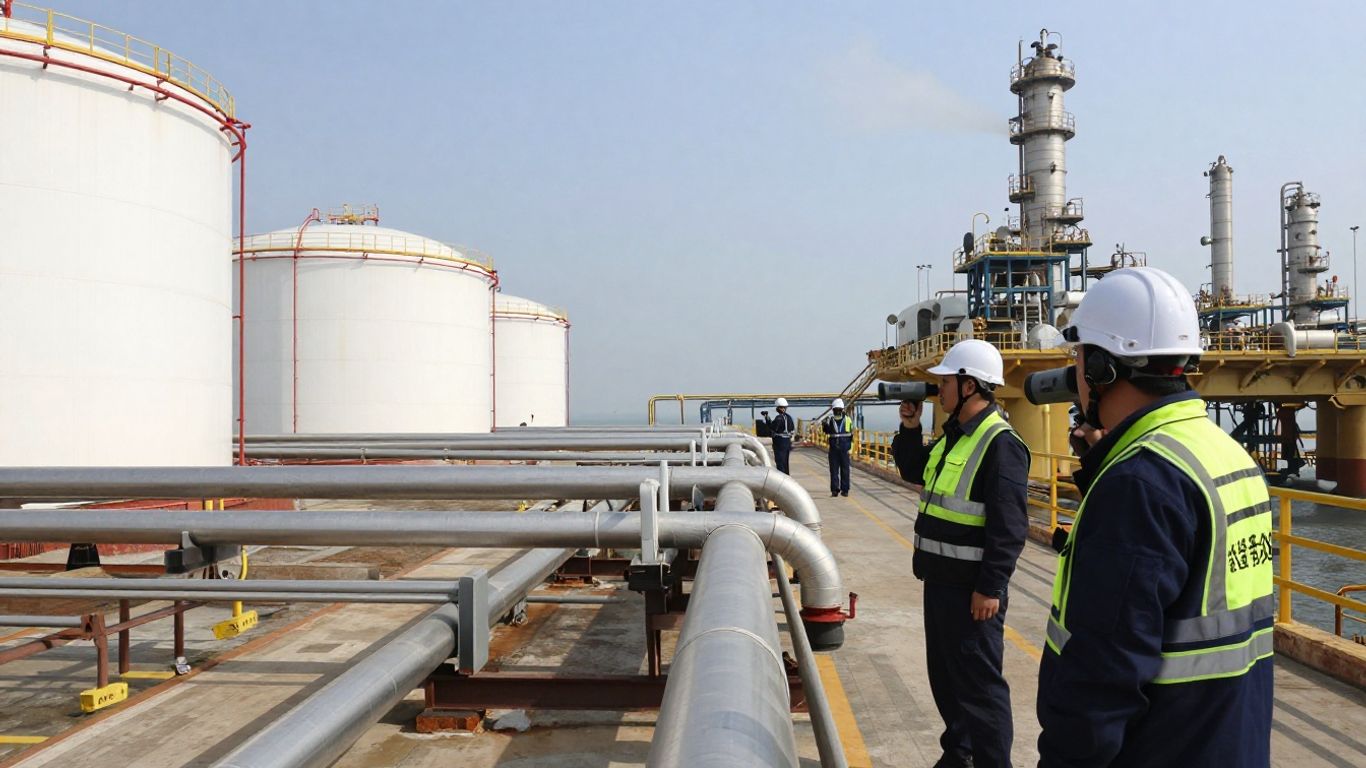
Thermal imaging technology provides a significant advantage for surveillance and security operations, particularly when extended detection ranges are necessary. Unlike visible-light cameras, thermal sensors detect infrared radiation emitted by objects, allowing for the identification of heat signatures even in complete darkness or through obscurants like smoke and fog. This passive detection capability is vital for maintaining situational awareness without revealing your own position. For instance, in border surveillance, thermal cameras can detect individuals or vehicles attempting to cross at considerable distances, far beyond the reach of standard optical systems. This capability allows security forces to respond proactively rather than reactively. The effectiveness of these systems is often measured by their ability to detect specific targets, such as a person, at a given range under various environmental conditions. When selecting a system, it is important to consider the trade-offs between field of view and detection range; a wider field of view covers more area but reduces the maximum detection distance for smaller targets. For applications requiring the longest possible detection, narrower fields of view are typically employed.
Perimeter Security and Force Protection
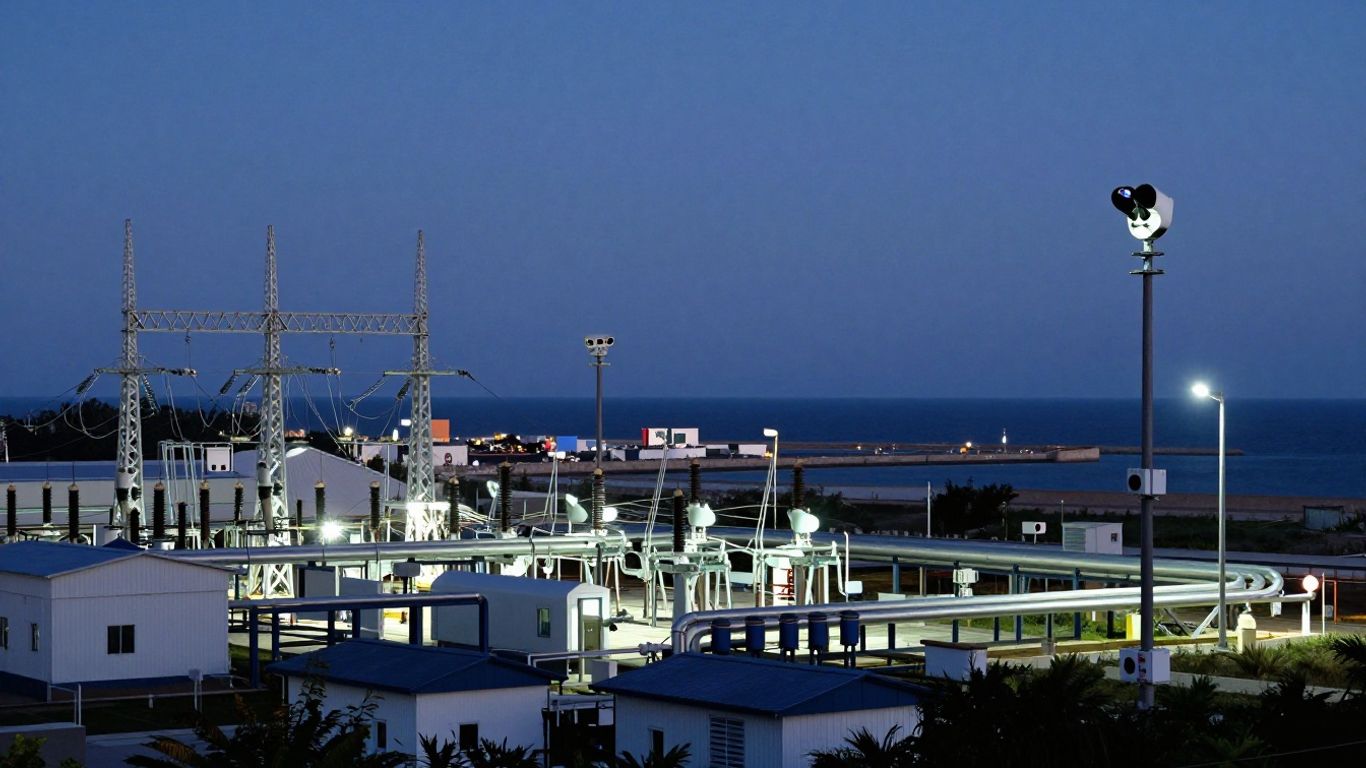
Securing critical infrastructure, military bases, or sensitive facilities demands robust and reliable surveillance solutions. Infrared drone cameras offer a dynamic and adaptable approach to perimeter security. They can be deployed rapidly to monitor vast areas, identify potential threats, and provide real-time intelligence to security personnel. This is particularly useful for temporary deployments or in areas where fixed surveillance infrastructure is impractical or has been compromised. The ability to detect heat signatures means that intruders attempting to move under the cover of darkness or camouflage are still visible. This capability significantly bolsters force protection by providing an early warning system. Furthermore, the integration of thermal cameras with other sensors, such as high-resolution visual cameras, allows for a more comprehensive assessment of a detected anomaly. You can switch between thermal and visual feeds or even overlay them to gain a clearer understanding of the situation. This multi-sensor approach helps reduce false alarms and improves the accuracy of threat assessment, making security drones a valuable asset.
Maritime and Border Surveillance
Maritime and border surveillance presents unique challenges due to the vast expanses of water and land, often with limited visibility. Infrared drone cameras are exceptionally well-suited for these environments. They can operate effectively through sea spray, fog, and at night, conditions that severely limit the effectiveness of traditional visual surveillance methods. For instance, detecting small, low-profile vessels approaching a coastline under the cover of darkness is a critical application where thermal imaging excels. Similarly, monitoring remote border regions where ground patrols are difficult or impossible can be greatly improved with drone-based thermal surveillance. The ability to cover large areas quickly and identify heat signatures from individuals or vehicles provides an unparalleled advantage. These systems can help detect unauthorized crossings, monitor smuggling activities, and provide real-time situational awareness to response teams. When considering systems for these applications, it is important to look for ruggedized designs that can withstand harsh environmental conditions, including salt spray and extreme temperatures. You can learn more about how these systems are integrated by contacting us at https://www.lightpath.com/contact.
Critical Factors in Infrared Drone Camera Selection
Selecting the appropriate infrared (IR) camera for your drone platform involves more than just comparing technical specifications. You must consider how various elements interact to influence overall mission success. It's about building a system that performs reliably in real-world conditions.
Balancing Resolution, Sensitivity, and Field of View
When evaluating IR cameras, you'll encounter terms like resolution and sensitivity. Resolution, often stated as pixel count (e.g., 320x240 or 640x512), indicates the level of detail captured. Higher resolution can allow for target identification at greater distances. However, raw pixel count isn't the whole story. The instantaneous field of view (IFOV) per pixel, which is determined by both the sensor's resolution and the lens's design, is a more accurate measure of detection capability. A camera with a lower resolution but a wider field of view might be better for initial broad area searches, while a narrower field of view with higher resolution is beneficial for detailed identification.
Thermal sensitivity, measured in millikelvins (mK) as Noise Equivalent Temperature Difference (NETD), signifies the smallest temperature variation the camera can detect. A lower NETD value means the camera can discern subtler temperature differences. It's important to look at the NETD specification in conjunction with the lens's aperture (f-number), as this combination dictates the actual performance in the field, not just theoretical sensor capabilities. For instance, a camera might have a great sensor NETD, but if paired with a slow lens (higher f-number), its real-world sensitivity will be reduced.
Assessing Detection Range and Operational Endurance
Detection range is a primary concern for many applications. This is influenced by several factors: the camera's thermal sensitivity, the lens's focal length (which dictates the field of view), atmospheric conditions, and the size and temperature of the target. A narrow field of view, achieved with a longer focal length lens, generally provides a greater detection range but covers a smaller area. Conversely, a wide field of view covers more ground but reduces the distance at which targets can be identified. Often, a dual-camera system or a camera with zoom capabilities can help address this trade-off, allowing for both broad area coverage and detailed inspection.
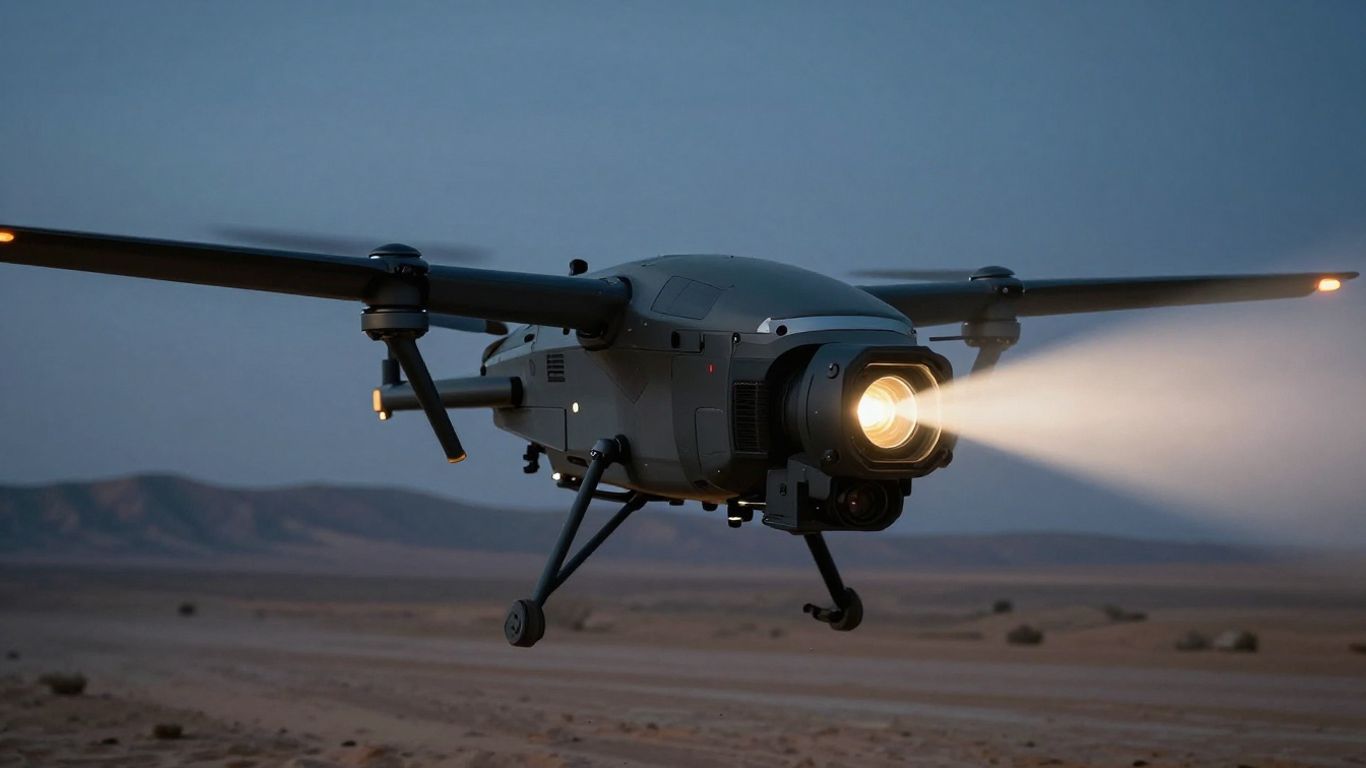
Operational endurance, or flight time, is directly impacted by the camera's size, weight, and power (SWaP) consumption. Lighter, lower-power uncooled thermal cameras are typically favored for extended search operations or long-duration surveillance missions. Cooled mid-wave infrared (MWIR) systems, while offering superior performance in some scenarios, often have higher SWaP requirements that can significantly limit flight time and necessitate larger, more power-hungry drone platforms. You need to balance the desired imaging performance with the platform's capabilities and the mission's duration requirements.
Environmental Durability and Weather Resistance
Search and rescue, surveillance, and industrial inspection missions often take place in challenging environments. Your chosen IR camera system must be robust enough to withstand these conditions. Look for cameras with specifications for dust and water resistance (e.g., IP ratings) if operations will occur in rain, snow, or dusty areas. The operating temperature range is also critical; ensure the camera can function reliably in the extreme heat or cold expected during your missions. Systems built with quality control and tested rigorously will provide more dependable performance when you need it most. Consider how the camera's construction and materials will hold up against vibration, shock, and continuous use, as these factors can impact long-term reliability and image quality.
To discuss your specific application needs and explore suitable infrared drone camera solutions, please contact us at https://www.lightpath.com/contact.
System Integration and Operational Considerations
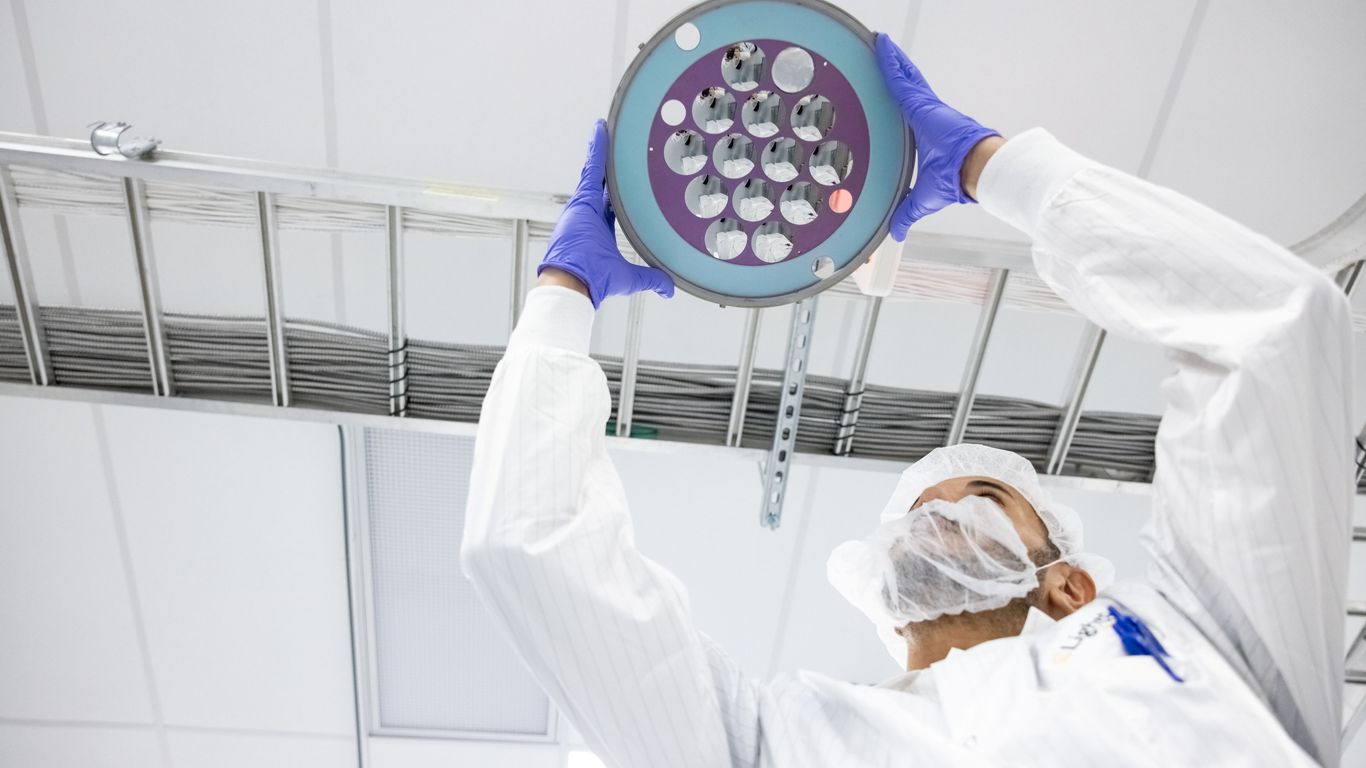
Integrating infrared drone cameras with aerial platforms takes careful planning. It is more than just mounting a sensor and taking off. You need to weigh size, power use, sensor choice, and how quickly you need information. Every program manager making decisions about surveillance or search missions needs to think through these core practical details for reliable system performance.
Size, Weight, and Power (SWaP) Constraints
The size, weight, and power characteristics (SWaP) of your thermal camera will dictate every other design decision:
- Payload weight: Heavier, cooled sensors often deliver better detection but cut flight times and force bigger drones and batteries. Uncooled thermal cameras keep weight low for longer missions.
- Power draw: Cooled and high-performance uncooled cameras demand more from your drone’s battery. Make sure the selected sensor will not exceed the platform’s electrical limits and that flight duration meets your operational needs.
- Physical size: Equipment must fit on the selected drone. Bulky sensors can disrupt balance or create mounting issues, especially when also carrying daylight or laser sensors.
Here’s how common camera types compare:
|
Camera Type |
Typical Weight |
Power Use (Watts) |
Suitable Drone Classes |
|---|---|---|---|
|
Uncooled (LWIR/MWIR) |
200–800g |
3–6 |
Small to medium platforms |
|
Cooled (LWIR/MWIR, high-res) |
2–6kg |
20–50 |
Large fixed-wing, heavy lift |
You will quickly find SWaP rules out many camera options, so always start with actual platform specs and mission needs.
Multi-Sensor Integration for Enhanced Data
In many surveillance and SAR missions, combining thermal imaging with other sensing types improves reliability and target identification. Multi-sensor payloads often include:
- Thermal (LWIR/MWIR) for night/all-weather detection.
- Visual daylight cameras for positive identification or mapping.
- Zoom lenses to transition between wide coverage and detailed views.
- Laser rangefinders or GPS tagging for accurate location reporting.
Key points for successful multi-sensor operation:
- Make sure gimbal or mounting systems handle the total payload weight.
- Confirm software can overlay and synchronize different sensing streams.
- Choose power supplies able to run all devices at once without draining batteries early.
Thermal and visible streams together speed up threat detection and reduce false positives, especially during perimeter protection or nighttime incident response.
Real-Time Video Transmission for Tactical Decision-Making
For SAR and security missions, waiting to review imagery after landing is not an option. Ground teams must see live video while the drone is airborne. Reliable downlink is now standard for:
- Immediate situational awareness for command personnel
- Quick target confirmation and mission adjustments
- Guidance for ground teams or rescue squads
Consider these requirements:
- High bandwidth data links for full-resolution video, with minimal lag.
- Compatible ground stations and display devices (tablets, monitors, HUDs).
- Signal security for sensitive operations.
Solid integration with your chosen drone and radio system will avoid missed targets and rescue delays.
System integration in thermal drone solutions shapes mission reliability and operational success. For tailored advice on IR camera integration or to discuss your specific operational needs, connect with an expert at LightPath Technologies.
Navigating Export Regulations and Market Access
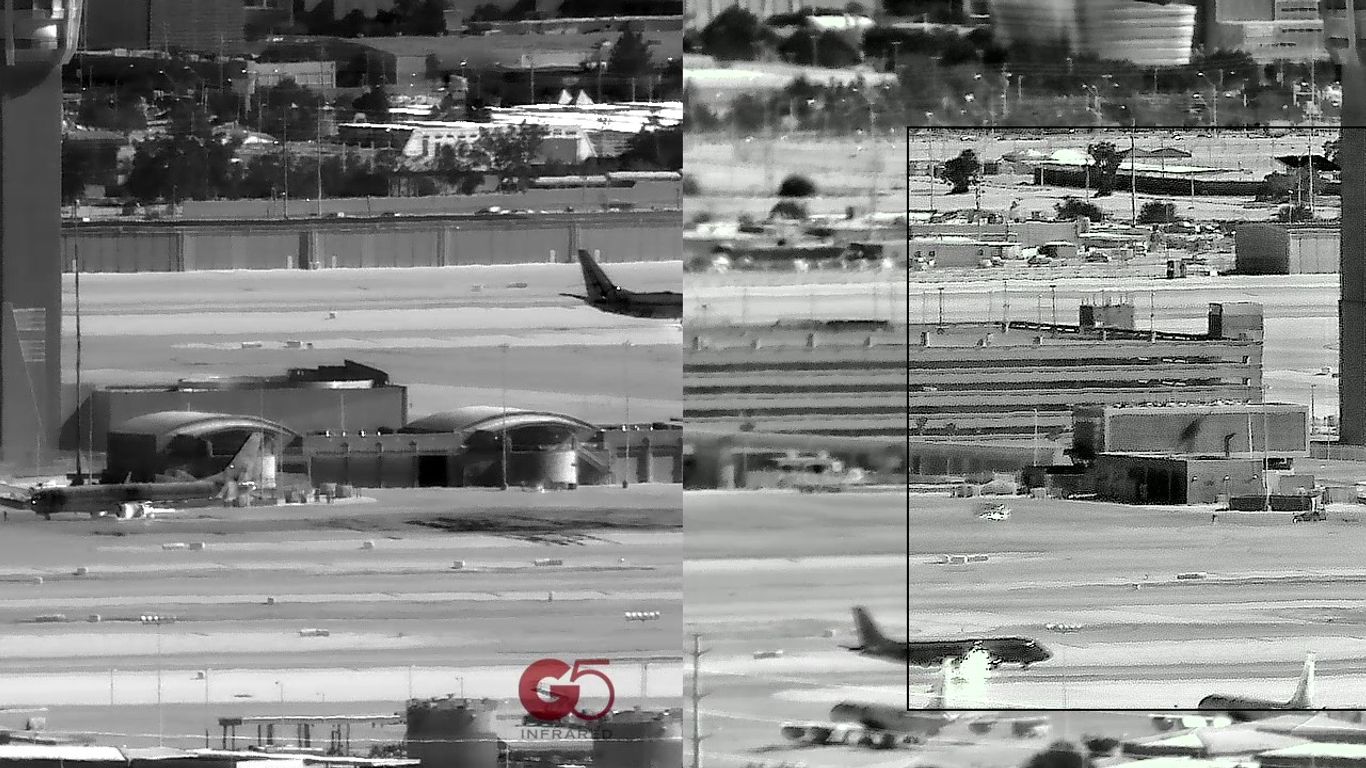
Infrared (IR) drone cameras open doors to many applications, but before you think about international expansion, you have to focus on more than technical specs. Compliance with export laws is built into this landscape. Program managers, system integrators, and procurement leads often find that regulatory constraints have just as much—if not more—impact on final design and delivery as any engineering hurdle. Thorough planning around export and import restrictions is not simply bureaucracy; it saves time, heartache, and cost later in production.
Understanding ITAR and EAR Restrictions
The US government places strict controls on thermal imaging technology, specifically through the International Traffic in Arms Regulations (ITAR) and Export Administration Regulations (EAR). These rules cover critical performance measures for thermal sensors, such as resolution, frame rate, and temperature sensitivity (NETD). Systems falling outside certain thresholds (listed below) are generally much easier to export, while exceeding them means extra controls, licensing, and often, restricted sales.
|
Key Specification |
Controlled if Exceeds |
|---|---|
|
Resolution |
640×512 pixels |
|
Frame Rate |
9 Hz |
|
NETD (Sensitivity) |
Below 50 mK |
Surpassing any of these specifications can trigger export licensing, limiting your addressable market. It’s common to see organizations design an advanced system, only to discover late in development that it falls into a controlled export category. Often, the actual needs of the application—like search and rescue—could be met with less restricted technology, requiring less paperwork and fewer delays.
Application-Specific Performance Requirements
Every end use has its own thermal imaging needs. It’s tempting to think “bigger is better”—higher frame rates, better sensitivity, more pixels—but it’s not always required. Before requesting high-end features, consider:
- What minimum resolution or NETD actually serves your mission? For many search and rescue tasks, 320×240 sensors at 30 Hz are enough.
- Does your use case demand real-time video at high frame rates, or are still images or slow streams sufficient?
- Will your camera be integrated into a platform destined for global sale or only domestic operations?
Designing only for what is operationally required avoids the trap of building in unnecessary compliance challenges. This mindful approach reduces time to market and expands your reach.
Strategic Specification for Global Deployment
Export regulations shape your global ambitions as much as your technical know-how. If your program targets several different regions, consider the following steps:
- Identify which markets are most important for your application or product.
- Cross-check your intended camera specifications against both US and international export restriction tables.
- When possible, select technical parameters that fall under less-restricted (more widely exportable) levels.
- Engage early with compliance experts or manufacturers familiar with navigating regional restrictions.
- Avoid retrofitting compliance as an afterthought—making last-minute changes is usually expensive.
Thinking about export and regulatory compliance from the outset streamlines both engineering and business development down the road.
For further guidance or to discuss export-compliant IR camera options for your drone platform, contact the LightPath team today at https://www.lightpath.com/contact.
Getting your products into new countries can be tricky with all the rules and paperwork. We make it easier to understand what you need to do to sell your items overseas. Want to learn more about how to get your products to customers around the world? Visit our website today!
Looking Ahead
So, you've seen how thermal drone cameras are really changing the game for search and rescue, and for keeping an eye on things. They help find people faster, especially when it's dark or the weather's bad, which is a huge deal. Plus, they're getting better and cheaper, meaning more teams can use them. As this tech keeps improving, you can expect drones with these cameras to become even more common for keeping people safe and for various surveillance jobs. It's pretty impressive stuff.
Frequently Asked Questions
How do infrared drone cameras help find people who are lost?
Infrared drone cameras can see heat, which is invisible to our eyes. People give off heat, so even if someone is hidden by trees, fog, or it's dark, the camera can spot their heat signature against the cooler surroundings. This makes finding lost individuals much faster and safer, especially in difficult places like forests or after a disaster.
What's the difference between thermal cameras and regular infrared cameras on drones?
Think of it like this: thermal cameras detect the heat that objects naturally give off. Regular infrared cameras, sometimes called near-infrared, work more like regular cameras – they need light to bounce off things to see them, even if that light is invisible to us. For seeing heat in the dark, thermal cameras are what you need.
Can these cameras see through smoke or fog?
Yes, thermal cameras are excellent at seeing through things that block normal vision, like smoke from fires, heavy fog, or even dense leaves. They focus on heat, not light, so these obstacles don't stop them from finding a heat source like a person.
How important is the camera's 'resolution' for finding people?
Resolution tells you how much detail the camera can show. While a very high resolution can help identify someone from far away, it's not always the most important thing for initial searching. A camera with a wider view might be better at scanning large areas quickly to find the first sign of a heat signature. High resolution becomes more useful once you've found a potential target.
Do these drone cameras work in very cold or very hot weather?
Specialized drone cameras are built to work in tough weather. They are made to handle extreme cold or heat, rain, and dust. This means they can be used reliably for rescue or surveillance missions no matter the conditions, which is crucial when lives might be at stake.
Are there rules about taking these special cameras to other countries?
Yes, there are rules, especially for cameras with very high performance. The U.S. has regulations like ITAR and EAR that can limit which countries you can export certain advanced thermal cameras to, based on their abilities. It's important to understand these rules when planning to use or sell these systems internationally.