
You're looking into thermal imaging for your next project, maybe for defense, keeping an eye on industrial equipment, or for surveillance. You've heard about LWIR imaging systems, but there are so many terms out there. What you really need to know is that LWIR is often the go-to for seeing things at normal temperatures. It just works well for most situations where you need to spot something without a spotlight. This guide will help you understand what LWIR imaging systems mean for your work, whether you're picking parts for a drone system or designing new safety gear.
Key Takeaways
- LWIR imaging systems are great for spotting heat from things at normal temperatures, used in defense, industry, and surveillance.
- These systems work in the 8-14 micrometer range, seeing heat without needing extra light or cooling.
- Systems that don't need cooling are simpler, cheaper, and easier to put into your project, and they work well for most jobs.
- LWIR imaging can see through things like smoke, fog, and dust, and it works perfectly in total darkness.
- When picking an LWIR system, think about what you're looking at, the weather, how it fits into your project, and work with experts who know how to build custom solutions.
Understanding Long Wave Infrared Imaging Fundamentals
The 8-14 Micrometer Wavelength Range
Long Wave Infrared (LWIR) imaging operates within a specific part of the electromagnetic spectrum, generally considered to be between 8 and 14 micrometers. This particular range is significant because objects at typical ambient temperatures, like people, animals, and most equipment, emit the majority of their thermal radiation within these wavelengths. Unlike visible light cameras that rely on reflected light, LWIR systems detect this emitted heat. This fundamental principle allows LWIR cameras to "see" thermal signatures regardless of visible light conditions.
Detecting Thermal Radiation at Ambient Temperatures
Every object with a temperature above absolute zero emits infrared radiation. The peak wavelength of this emission is directly related to the object's temperature. For objects at terrestrial temperatures (roughly -20°C to 50°C), this peak emission falls squarely within the LWIR band. This makes LWIR technology exceptionally well-suited for detecting and imaging targets that are not intensely hot. Think about identifying a person in a cool environment or spotting a running engine that has cooled down significantly; LWIR excels here. This capability is why LWIR is often the go-to choice for many surveillance, security, and industrial monitoring tasks where targets are not necessarily glowing hot.
Passive Detection for Operational Security
One of the key advantages of LWIR imaging is its passive nature. Because these systems detect emitted thermal radiation, they do not require any external illumination source, such as visible light or near-infrared (NIR) illuminators. This is a critical factor for operational security, especially in defense and surveillance applications. By not emitting any signals, an LWIR system does not reveal its own presence to potential adversaries. It simply observes the thermal environment as it is. This stealthy observation capability is invaluable when maintaining a low profile is paramount. If you're looking to integrate a thermal imaging solution that offers robust detection without compromising your operational security, consider exploring LWIR technology. You can learn more about our solutions at https://www.lightpath.com/contact.
Key Advantages of LWIR Imaging Systems
When you are evaluating thermal imaging technologies for integration into your platform, long wave infrared (LWIR) delivers specific benefits that directly impact your system's performance, cost structure, and competitive position. These advantages make LWIR a preferred choice for a wide array of applications.
Operation in Total Darkness
LWIR thermal cameras detect emitted thermal radiation, not reflected light. This means your system maintains full imaging capability in complete darkness, through overcast nights, or in enclosed spaces with zero visible lighting. This passive detection approach also means your platform doesn't emit any detectable signals that could compromise operational security, especially in defense applications. The technology simply observes the thermal signatures already present in the environment.
Superior Performance Through Atmospheric Obscurants
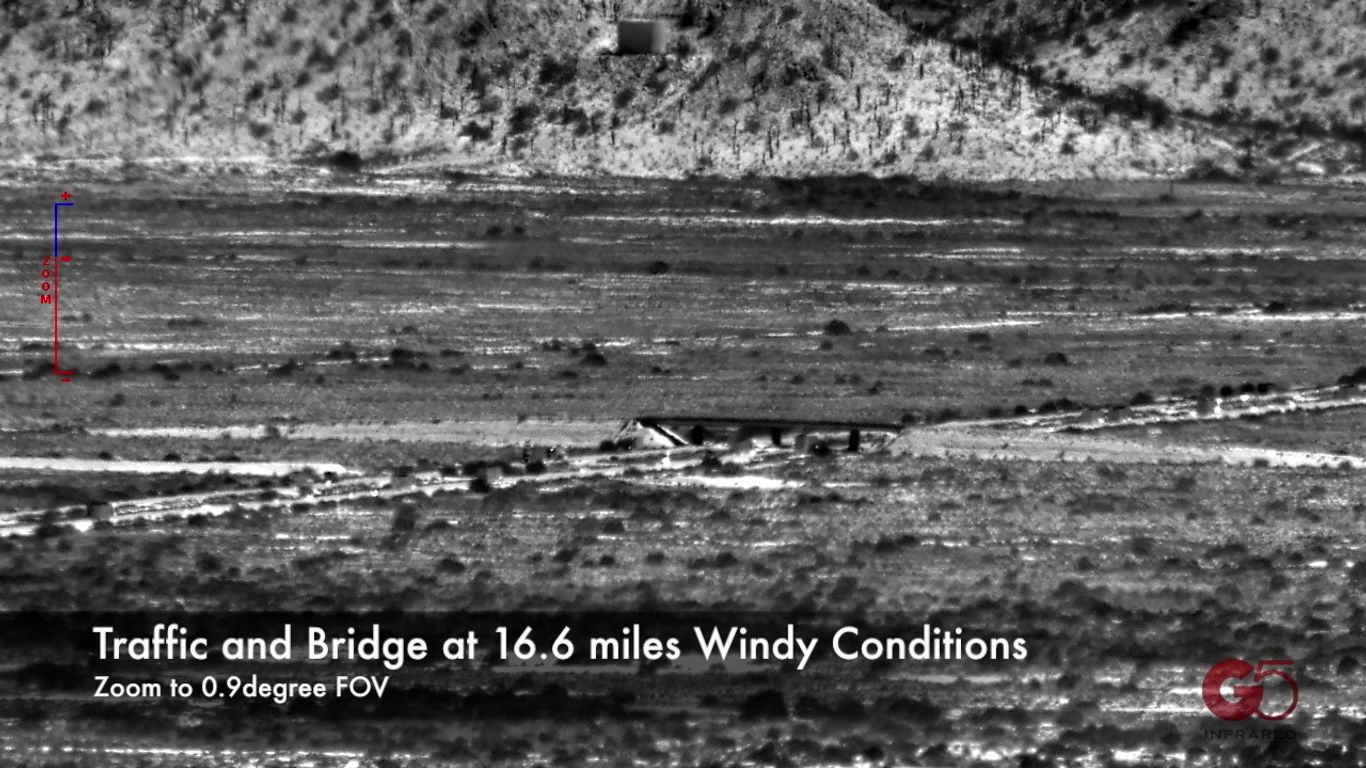
Smoke, fog, dust, and light precipitation scatter visible light and degrade traditional imaging systems. LWIR wavelengths pass through these obscurants with minimal scattering. When you are building systems for firefighting, battlefield surveillance, or industrial environments with airborne particulates, LWIR maintains visibility when conventional cameras fail completely. This capability extends operational effectiveness across a broader range of environmental conditions without requiring multiple sensor types.
Uncooled Operation for System Simplicity
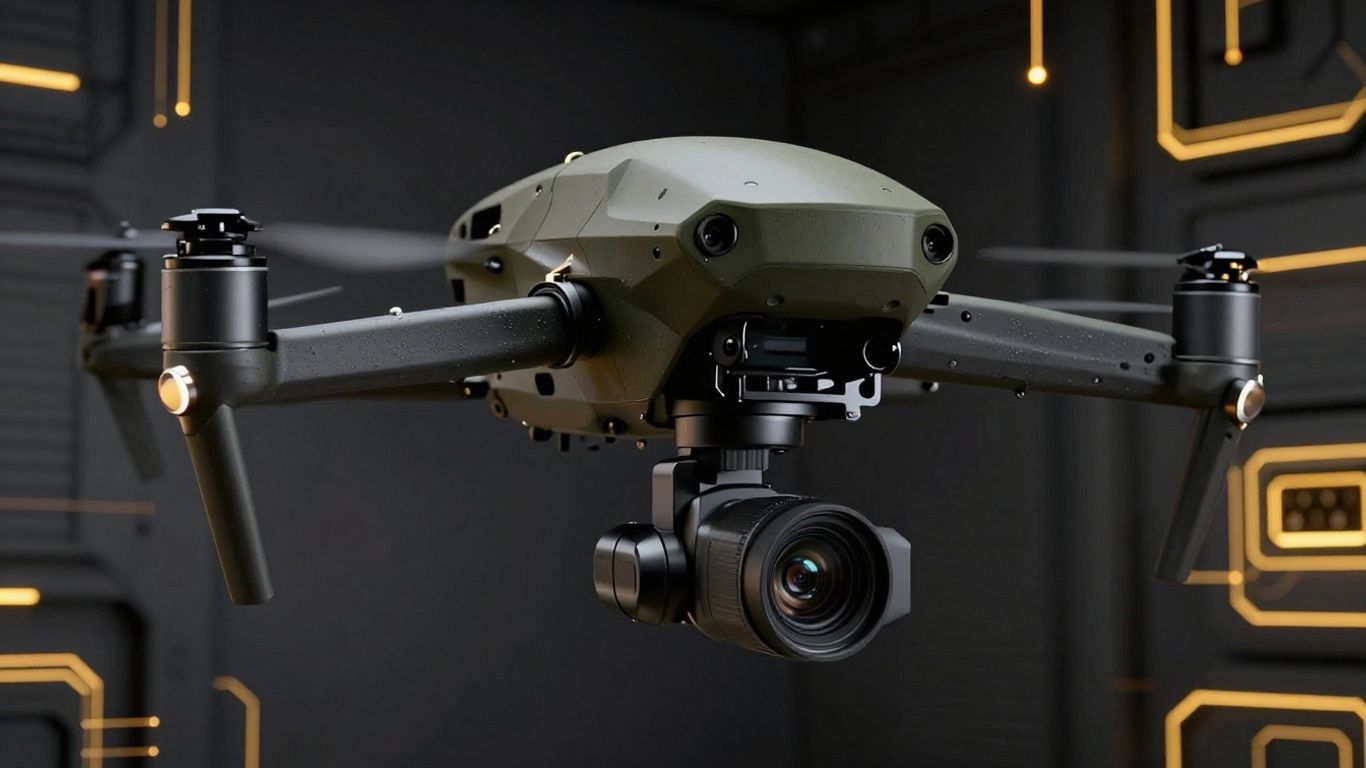
Microbolometer-based LWIR detectors operate at ambient temperature. You eliminate the need for cryogenic coolers, which reduces power consumption and shrinks your system's size and weight profile. This also removes a significant maintenance burden from your platform. For applications ranging from drone-mounted payloads to vehicle-integrated systems, these integration advantages accelerate development and improve field reliability. The absence of moving parts in cooling systems also enhances the mean time between failures.
These advantages translate directly into faster integration, lower power requirements, reduced maintenance needs, and simpler thermal management. Those factors contribute to shorter development cycles and a lower total cost of ownership. If you are looking to integrate advanced thermal imaging capabilities, consider how these benefits can streamline your project. Contact us to discuss your specific needs at https://www.lightpath.com/contact.
LWIR Versus MWIR: Strategic Technology Selection
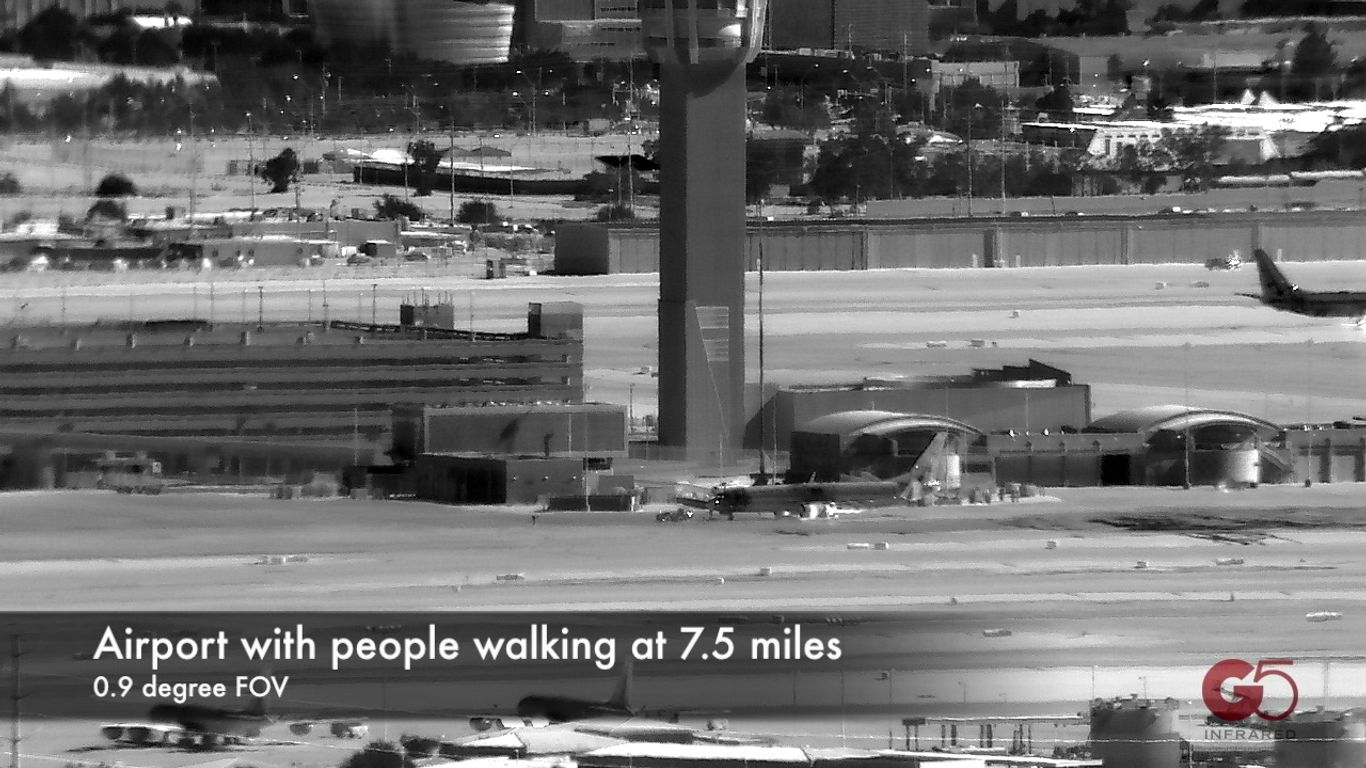
When you're developing thermal imaging systems, deciding between Long Wave Infrared (LWIR) and Mid-Wave Infrared (MWIR) technology is a significant choice that impacts your system's capabilities, cost, and overall effectiveness. Both technologies detect thermal radiation, but they operate in different parts of the infrared spectrum, leading to distinct performance characteristics and application suitability. Understanding these differences is key to making the right strategic selection for your project.
Wavelength Ranges and Physical Principles
LWIR systems typically operate in the 7.5 to 12 micrometer range. This band is ideal for detecting thermal emissions from objects at or near typical environmental temperatures, such as people, buildings, and machinery operating at normal conditions. The physics behind this is straightforward: objects at terrestrial temperatures emit most of their energy in this longer wavelength band. This makes LWIR cameras excellent for identifying heat signatures from ambient temperature targets.
MWIR systems, on the other hand, generally cover the 3.6 to 4.9 micrometer range. This spectral region is better suited for capturing thermal emissions from objects that are significantly hotter than their surroundings, like engines, exhaust systems, or high-temperature industrial processes. As an object's temperature increases substantially, its peak thermal emission shifts towards these shorter wavelengths. This fundamental difference in wavelength response dictates where each technology performs best.
Performance in Diverse Atmospheric Conditions
The environment your system operates in plays a critical role in determining the best infrared technology. Atmospheric conditions can significantly affect how thermal radiation travels and how well your camera can detect it.
- High Humidity and Haze: MWIR generally performs better in these conditions. Water vapor absorption impacts both, but MWIR often shows less degradation in coastal or tropical environments. This makes it a preferred choice for maritime surveillance.
- Smoke and Particulates: LWIR often has an advantage here. While performance varies with particle size and density, LWIR can penetrate certain types of smoke, dust, and fog more effectively than MWIR, making it suitable for applications like firefighting or battlefield monitoring.
- Clear Conditions: Both LWIR and MWIR perform well in clear weather. When conditions are ideal, other factors like target temperature and detection range become more important in your selection.
|
Atmospheric Condition |
MWIR Performance |
LWIR Performance |
Primary Consideration |
|---|---|---|---|
|
High Humidity/Haze |
Generally Better |
More Variable |
Water vapor absorption impacts differ |
|
Smoke/Particulates |
More Variable |
Often Better |
Particle size and density matter |
|
Clear Conditions |
Excellent |
Excellent |
Other factors become more important |
|
Maritime Environments |
Generally Preferred |
Can Be Challenging |
Salt spray and humidity favor MWIR |
Application-Specific Optimization
Ultimately, the choice between LWIR and MWIR hinges on your specific application requirements. It's not just about the technology itself, but how it aligns with your operational needs and constraints.
- Defense and Surveillance: For long-range surveillance and targeting, especially in humid or maritime environments, MWIR often has an edge due to its atmospheric transmission characteristics and sensitivity at extended distances. However, for perimeter security, force protection, and counter-drone applications where detecting ambient temperature targets is key, LWIR is frequently the more practical and cost-effective solution.
- Industrial Monitoring: LWIR is predominantly used for predictive maintenance of electrical systems, rotating equipment, and building envelopes, as these targets typically operate near ambient temperatures. MWIR is better suited for high-temperature process monitoring, such as furnace inspection, and specific gas detection applications.
- Cost and Complexity: LWIR systems, particularly uncooled variants, generally offer lower system complexity, reduced power consumption, and a more favorable cost structure. This makes them ideal for widespread deployment or integration into size, weight, and power (SWaP) constrained platforms. MWIR systems, especially cooled ones, tend to be more complex and expensive but can provide superior sensitivity for specific high-temperature or long-range detection tasks.
When evaluating your options, consider not just the immediate performance metrics but also the total cost of ownership, integration challenges, and the specific environmental conditions your system will face. For many applications, LWIR provides a robust and cost-effective solution, but understanding its limitations and when MWIR might be a better fit is crucial for strategic technology selection. If you need assistance determining the optimal infrared technology for your application, consider reaching out to experts at LightPath.
LWIR Imaging System Integration Considerations
Integrating a Long Wave Infrared (LWIR) imaging system into your platform involves more than just selecting a camera. You must also consider the practical aspects of how the system will fit, function, and be maintained over its operational life. These considerations can significantly impact development timelines, overall system cost, and even regulatory compliance.
Integration and Lifecycle Cost Analysis
When evaluating LWIR systems, it is important to look beyond the initial purchase price. The total cost of ownership includes development, integration, power consumption, maintenance, and eventual disposal. Uncooled LWIR systems, for example, generally have lower power requirements and fewer moving parts compared to cooled alternatives. This often translates to reduced operational expenses and a simpler maintenance schedule. Consider the following:
- Development Time: How quickly can the system be integrated? Manufacturer support and standardized interfaces can drastically shorten this phase.
- Power Consumption: Lower power draw means smaller power supplies and less heat generation, which can simplify thermal management and reduce battery life requirements.
- Maintenance: Systems with fewer complex components, like uncooled detectors, typically require less frequent servicing and have a longer mean time between failures.
- Upgradability: Plan for future needs. Can the system be upgraded with newer sensors or software without a complete overhaul?
Size, Weight, and Power (SWaP) Optimization
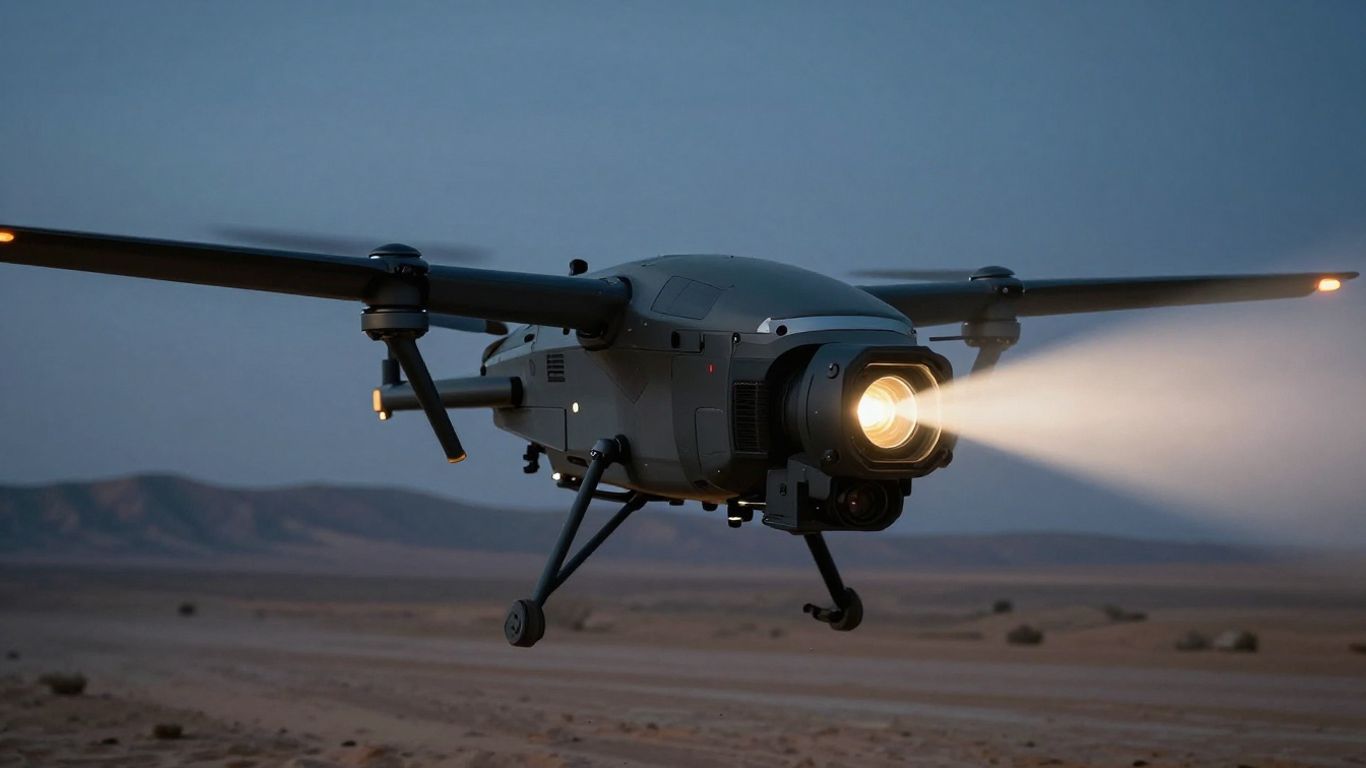
For many applications, particularly those involving mobile platforms like drones or vehicles, SWaP is a critical design constraint. LWIR systems, especially uncooled microbolometer-based units, offer a distinct advantage here. They can achieve impressive performance with minimal power draw (often 2-5 watts) and a compact form factor. This contrasts sharply with cooled systems, which can demand tens of watts and require additional space for cooling mechanisms. Careful selection of LWIR components can allow you to meet your performance targets without compromising the platform's overall mobility or endurance.
Navigating Export Control Regulations
Depending on the specific performance characteristics of an LWIR system, such as frame rate, resolution, and sensitivity, it may be subject to export control regulations like ITAR or EAR. These regulations can affect international sales and deployment. Manufacturers experienced in global markets can help you select systems that comply with these requirements or provide the necessary documentation for export. Understanding these regulations early in the design process can prevent costly delays or redesigns later on. For instance, frame rates above 9 Hz or certain combinations of resolution and sensitivity can trigger these controls. It is advisable to consult with your chosen manufacturer regarding the export classification of any system you consider. If you plan to deploy systems internationally, please contact us to discuss compliant solutions.
Leveraging Manufacturer Expertise for LWIR Integration
When you need to integrate Long Wave Infrared (LWIR) imaging into your system, you have a choice: build everything from scratch or work with manufacturers who specialize in this technology. For most organizations, partnering with an experienced manufacturer makes more sense. It can save you time, reduce technical headaches, and often lead to a more reliable final product. Think about it – their main job is making these cameras work perfectly, while your main job is likely something else entirely, like building advanced defense systems or critical industrial monitoring equipment.
Custom Integration Support and Development Ecosystems
Manufacturers that focus on LWIR imaging often provide more than just a camera. They can offer a whole package of support. This includes:
- Development Kits: Tools to help you get started quickly and test the camera with your own hardware.
- Software Tools: Utilities and libraries that make it easier to process the images and get the data you need.
- Documentation: Detailed guides and specifications so you know exactly how everything works.
- Dedicated Support Teams: Engineers who can answer your specific questions and help you troubleshoot issues.
This kind of support can cut down the time it takes to get your system up and running from many months to just a few. It means you can get your product to market faster.
Optical Design and Calibration Services
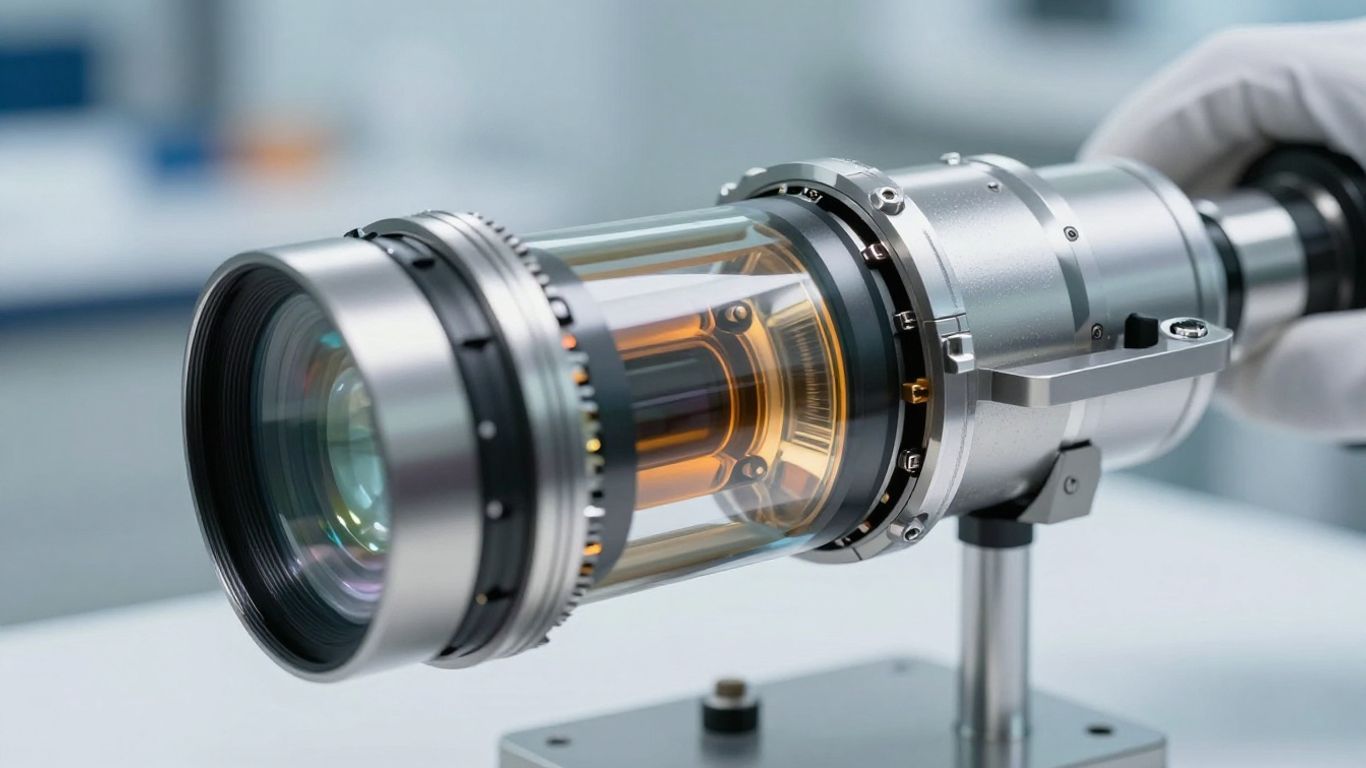
Getting the optics right for LWIR imaging is tricky. Factors like focal length, lens coatings, and how the lens behaves with temperature changes (athermalization) all impact how well your system can see. Manufacturers with deep knowledge in optics can help you select or even design lenses that are optimized for your specific needs. This is important for getting the best possible image quality and detection range.
Beyond optics, calibration is key. LWIR cameras need to be calibrated to provide accurate temperature readings. Manufacturers can perform factory calibration, which means you get a camera that's ready to go without needing specialized equipment or expertise on your end. This process ensures:
- Non-Uniformity Correction (NUC): This corrects for variations between individual detector elements, leading to a more uniform image.
- Shutter Behavior Optimization: For applications like tracking, ensuring consistent frame capture is vital.
- Radiometric Accuracy: If you need precise temperature measurements, proper calibration is non-negotiable.
Standardized Interfaces and Software Development Kits
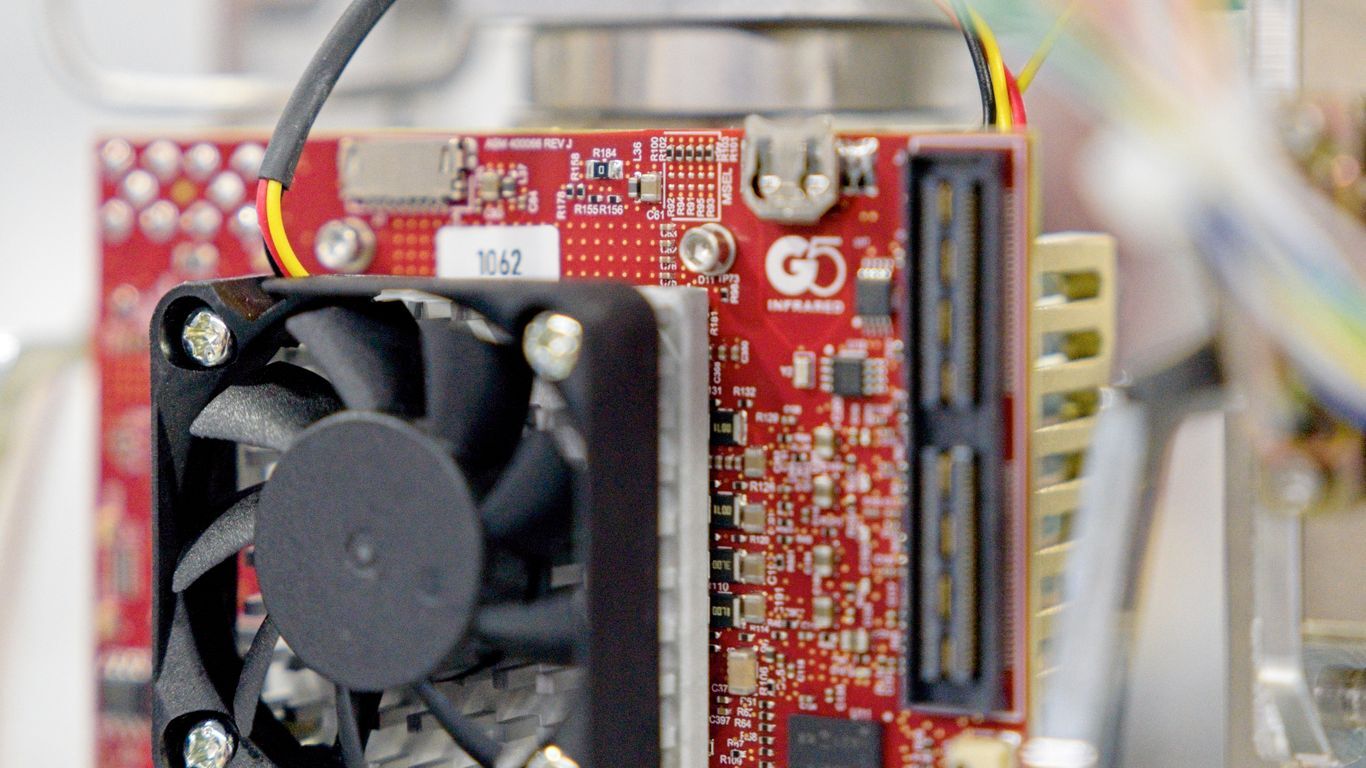
Integrating a new camera into an existing system can be complicated, especially when it comes to how the camera talks to your main computer or processor. Leading LWIR manufacturers use standard communication protocols. This makes integration much smoother.
Common interfaces you'll find include:
- GigE Vision: Good for longer cable runs and higher bandwidth.
- USB3: A common and versatile interface for many applications.
- MIPI CSI-2: Often used in embedded systems and mobile devices.
These standards mean you don't have to reinvent the wheel to connect the camera. Additionally, Software Development Kits (SDKs) provide the building blocks for your software. They allow you to easily access advanced features like temperature measurement and image processing algorithms. This accelerates your development timeline significantly. If you're looking for a partner to help with your LWIR integration, consider reaching out to us at https://www.lightpath.com/contact.
Applications of LWIR Imaging Systems
Long Wave Infrared (LWIR) imaging systems have become indispensable across a wide array of critical sectors due to their ability to detect thermal signatures in various conditions. Their passive nature and effectiveness in challenging environments make them a preferred choice for applications where visibility is limited or compromised.
Defense and Surveillance Applications
In defense and surveillance, LWIR technology provides a significant operational advantage. It allows for the detection of targets in complete darkness, through smoke, fog, and other atmospheric obscurants that would blind conventional visible-light cameras. This capability is vital for:
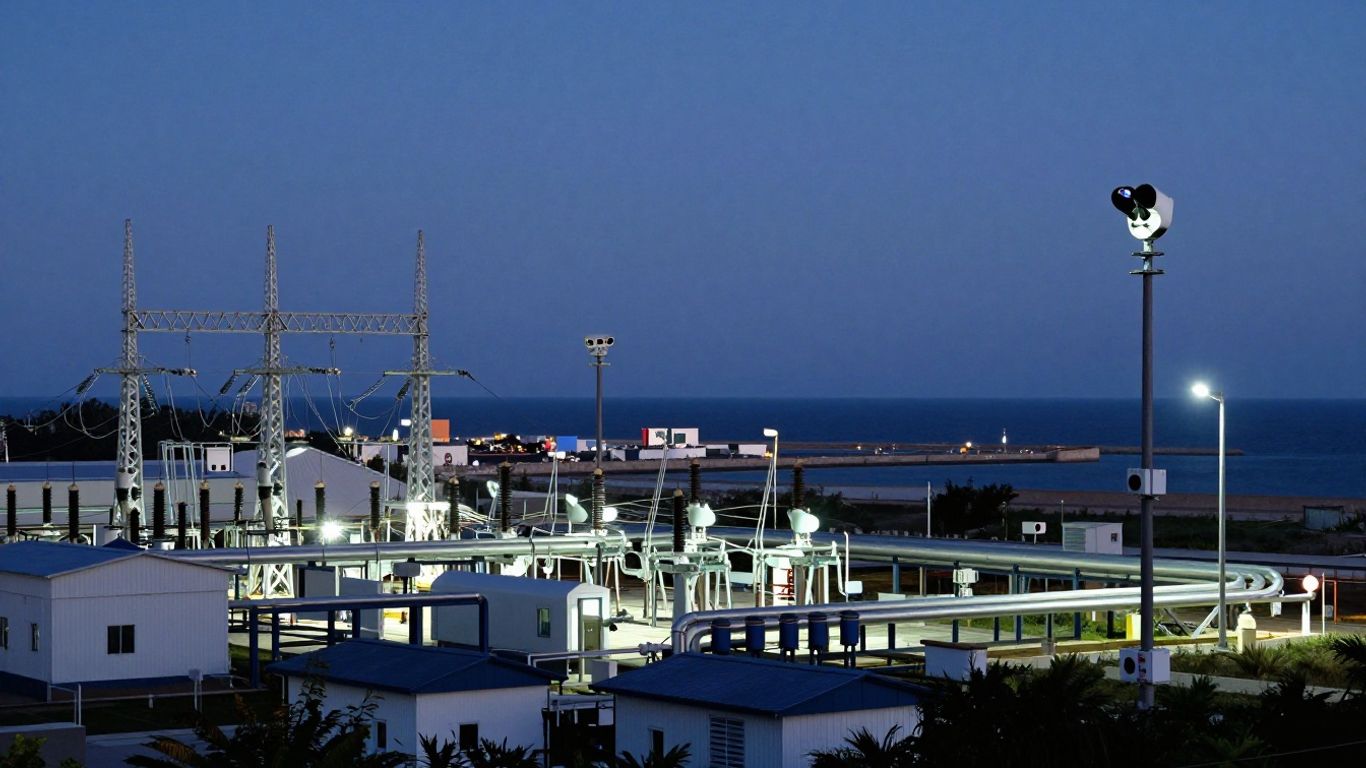
- Perimeter Security: Monitoring borders, critical infrastructure, and sensitive sites around the clock, regardless of lighting conditions.
- Force Protection: Providing situational awareness for ground troops and vehicles, enabling early detection of potential threats.
- Counter-UAS (C-UAS) Systems: Identifying and tracking small, low-thermal-signature drones that might otherwise go unnoticed.
- Reconnaissance and Surveillance: Gathering intelligence from airborne or ground platforms without revealing the observer's position, due to its passive detection method.
Industrial Monitoring and Predictive Maintenance
Within industrial settings, LWIR imaging is a powerful tool for preventing costly failures and ensuring operational efficiency. By visualizing temperature differences, you can identify potential issues before they escalate.
- Electrical System Inspection: Detecting overheating components in power distribution panels, transformers, and circuit breakers, which can indicate impending failure.
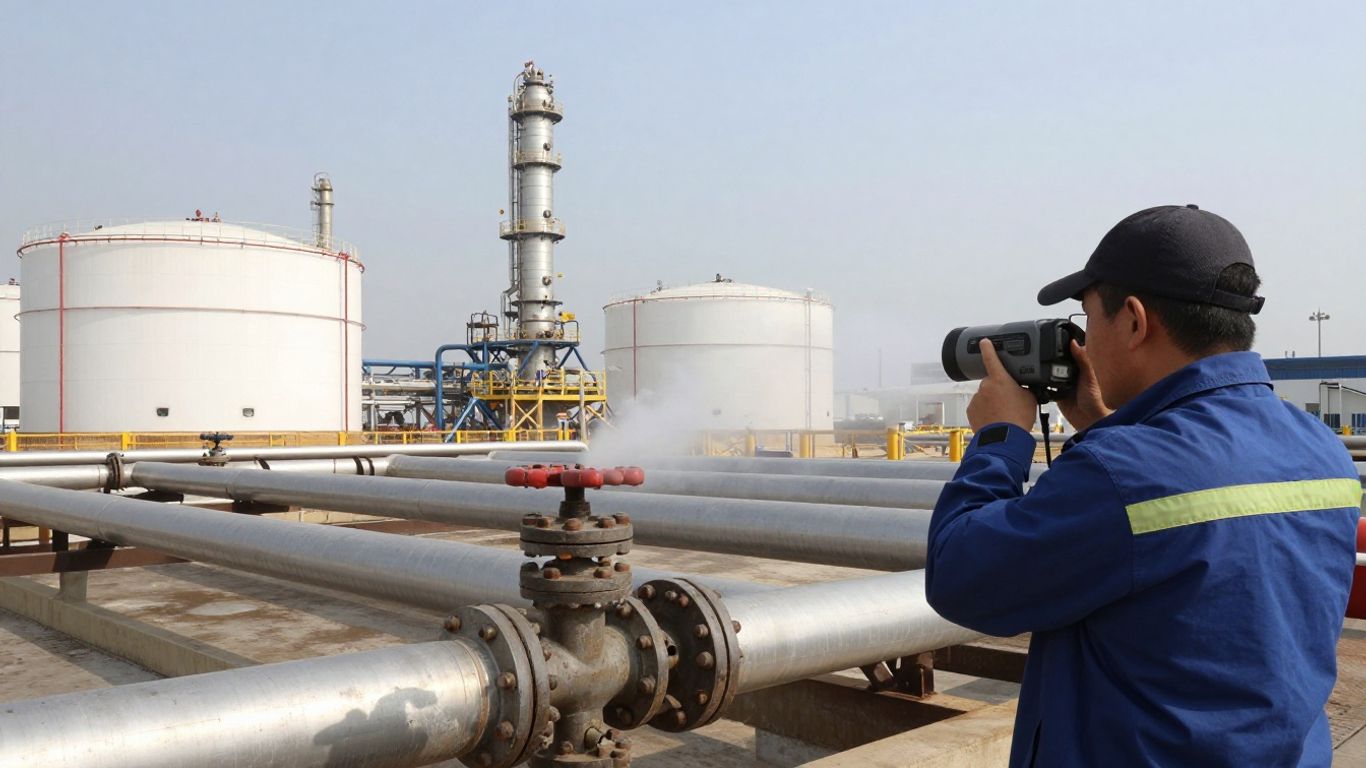
- Mechanical Equipment Monitoring: Identifying abnormal heat signatures in rotating machinery like motors, pumps, and bearings, signaling friction or wear.
- Process Control: Monitoring the temperature of materials and equipment in manufacturing processes, such as furnaces, kilns, and chemical reactors, to maintain optimal conditions.
- Building Envelope Analysis: Identifying thermal bridges, insulation gaps, and moisture ingress in buildings, which impact energy efficiency and structural integrity.
Maritime Operations and Harsh Environments
Operating in maritime environments or other harsh conditions presents unique challenges for imaging systems. LWIR technology excels here because its wavelengths are less affected by atmospheric moisture and it can penetrate haze and light precipitation.
- Navigation and Collision Avoidance: Assisting vessels in navigating through fog, darkness, or heavy seas by detecting other ships, buoys, and obstacles based on their thermal emissions.
- Search and Rescue (SAR): Locating individuals in the water or on land, even at night or in adverse weather, by detecting their body heat.
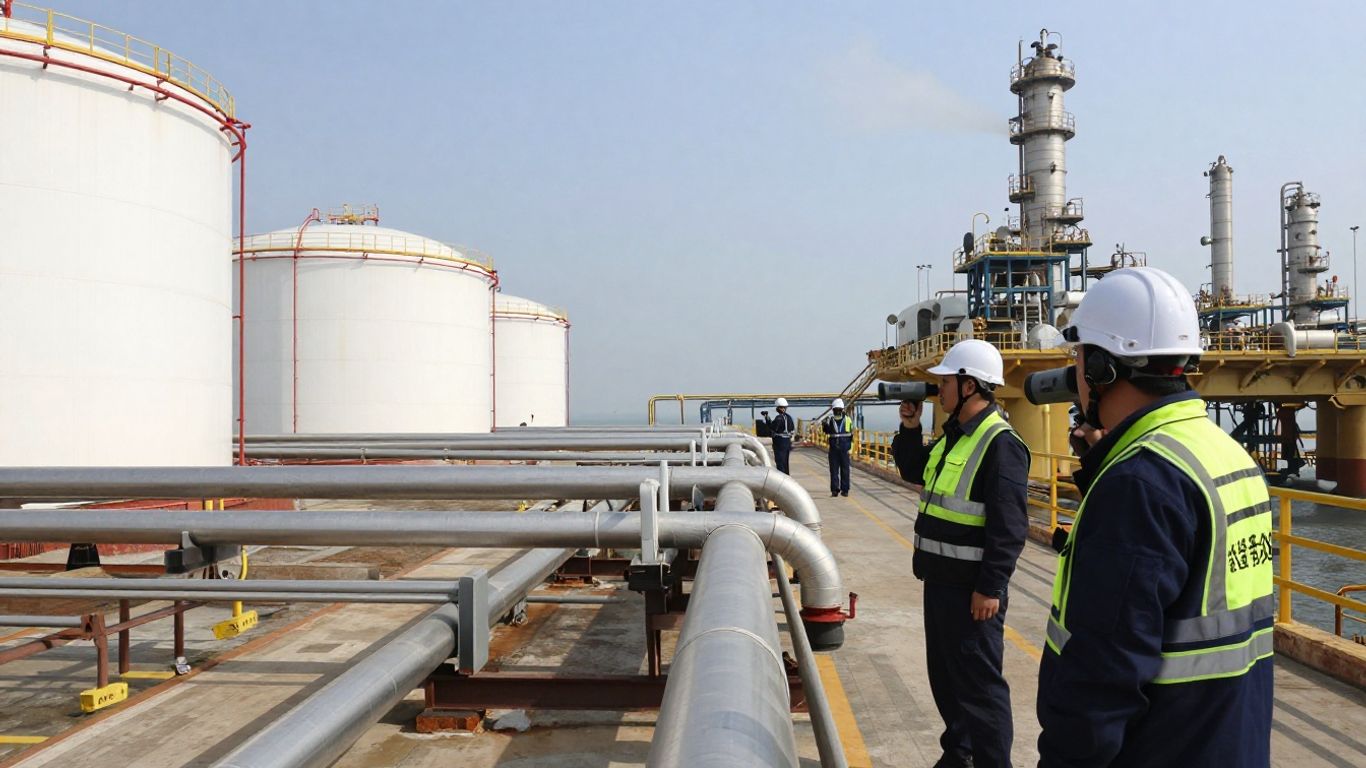
- Offshore Platform Monitoring: Providing continuous surveillance and safety monitoring for oil rigs, wind farms, and other offshore installations exposed to corrosive elements and extreme weather.
- Port and Harbor Security: Monitoring vessels and shorelines for unauthorized activity in challenging coastal conditions.
For systems requiring robust performance in demanding scenarios, consider partnering with specialists. You can learn more about integration possibilities at https://www.lightpath.com/contact.
Long-wave infrared (LWIR) imaging systems are used in many different fields. They help us see things that are normally invisible, like heat. This can be useful for everything from checking buildings for heat loss to helping soldiers see in the dark. These systems are really important for many jobs. Want to learn more about how these amazing cameras can help your business? Visit our website today!
Looking Ahead with LWIR Imaging
So, you've seen how Long Wave Infrared (LWIR) imaging systems work and why they're so useful for so many different jobs. Whether you're building something for defense, keeping an eye on industrial equipment, or setting up surveillance, LWIR offers a solid way to see things in the dark or through stuff like smoke and fog. It's not just about the fancy tech specs; it's about getting a reliable picture when you need it, often without the big costs or complications of other methods. As you plan your next project, remember that picking the right LWIR setup means thinking about what you need to see, where you'll be using it, and how it all fits together. Working with the right people who know this tech inside and out can really make a difference in getting your system up and running smoothly and effectively.
Frequently Asked Questions
What exactly is LWIR imaging?
LWIR stands for Long Wave Infrared. It's a type of thermal imaging that lets you see heat. Think of it like seeing the warmth that objects give off, even in complete darkness. It works by capturing a specific range of light, from 8 to 14 micrometers, which is perfect for spotting things at normal temperatures, like people or vehicles.
Why would I choose LWIR over other types of cameras?
LWIR cameras are great because they can see through things that block normal cameras, like smoke, fog, or dust. They also work perfectly in total darkness without needing any lights. Plus, many LWIR systems don't need special cooling, making them simpler, cheaper, and easier to put into your equipment.
Can LWIR cameras see in the dark?
Yes, absolutely! LWIR cameras don't rely on light that bounces off things. Instead, they detect the heat that objects naturally give off. This means they can see just as well on a moonless night as they can during the day, or even inside a completely dark room.
What's the difference between LWIR and MWIR?
LWIR and MWIR are both types of infrared imaging, but they look at different heat wavelengths. LWIR is best for seeing objects at normal, everyday temperatures. MWIR is better for spotting very hot things, like engines or furnaces, and can sometimes see farther in certain weather. For most jobs, like watching people or checking equipment, LWIR is usually the better and simpler choice.
Is it hard to put an LWIR camera into my system?
Putting an LWIR camera into a system can be tricky, but many companies that make these cameras offer a lot of help. They can provide special support, tools, and advice to make the process smoother. They also help make sure the camera works well with other parts of your system and follows all the rules, like those for exporting technology.
Where are LWIR cameras typically used?
LWIR cameras are used in many places! You'll find them in defense for watching areas and spotting threats, in factories for checking if machines are overheating or about to break, and even on ships or boats to see in bad weather or at night. They are really useful anywhere you need to see heat signatures reliably.